Conversation with Delphi Digital Co-Founder: Finding Trends Before Social Media Buzz, Staying Optimistic During Boring Markets
TechFlow Selected TechFlow Selected
Conversation with Delphi Digital Co-Founder: Finding Trends Before Social Media Buzz, Staying Optimistic During Boring Markets
Anil delved into Delphi's unique research process, the future of encrypted AI, and how to navigate complex market cycles.
 Navigating Web3 tides with focused insights
Compiled & Translated: TechFlow
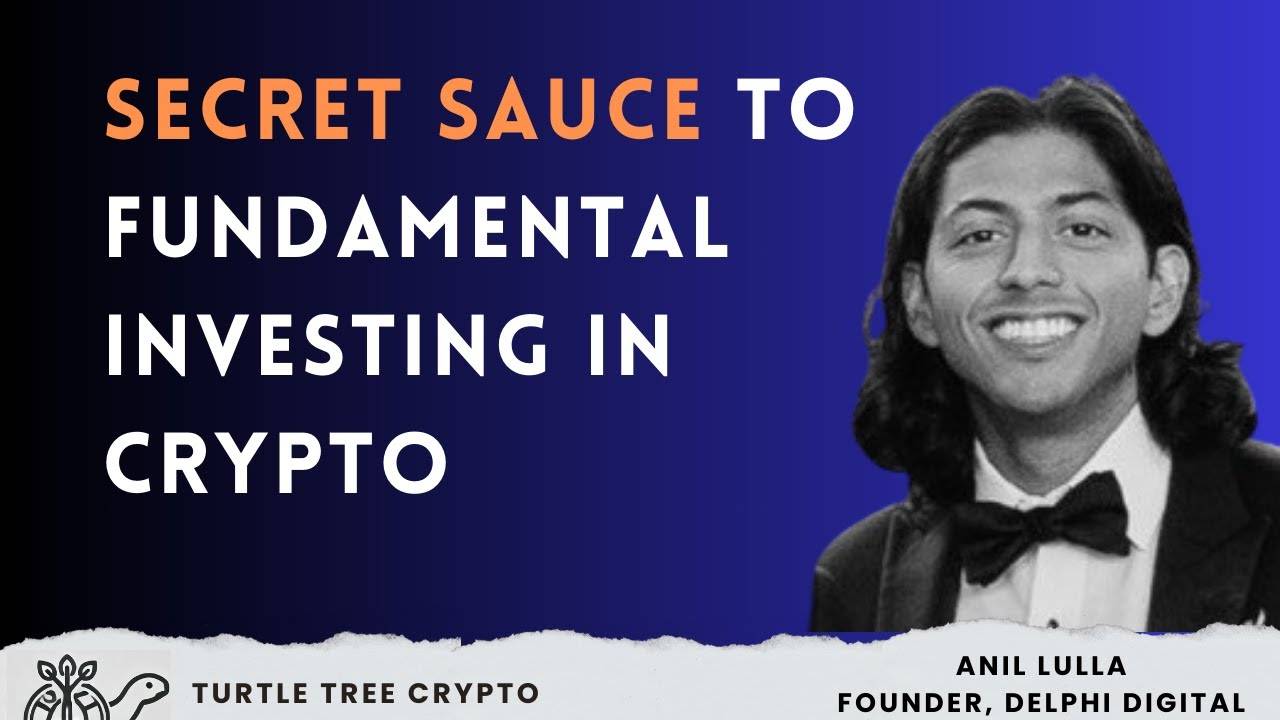
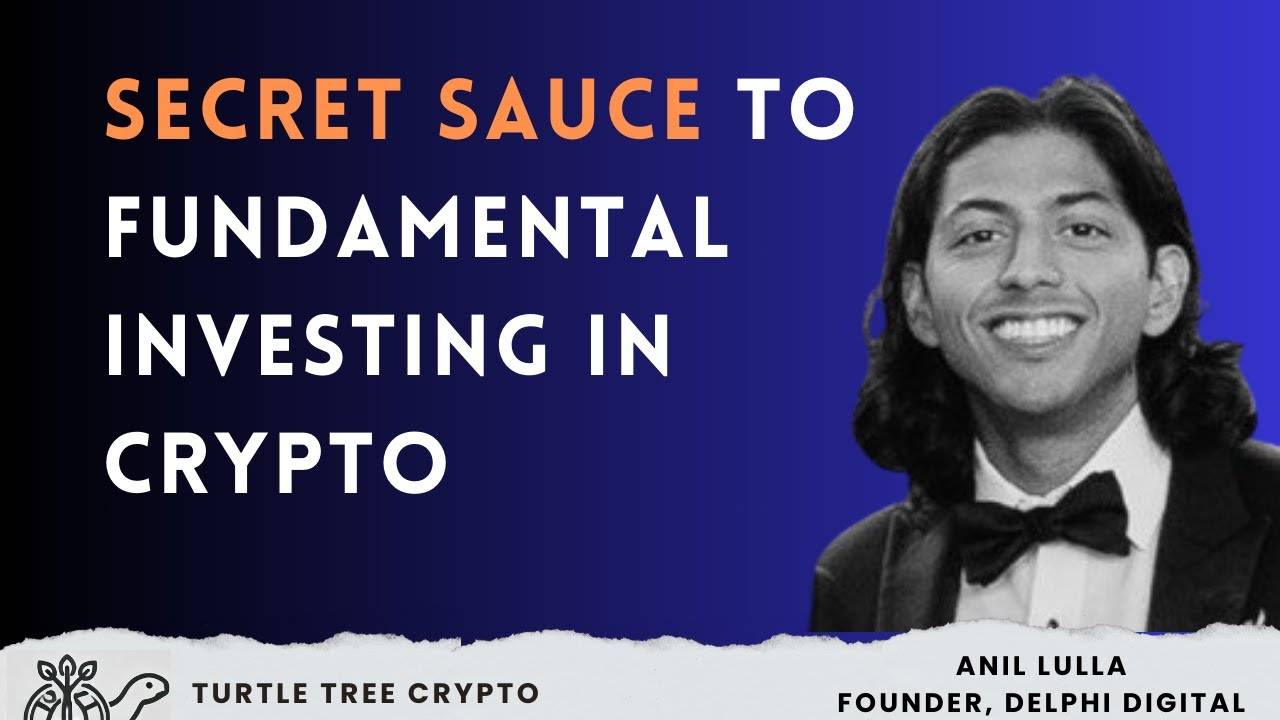
Guest: Anil Lulla, CEO of Delphi Digital
Hosts: Jagdish; Sushil Sanghvi, crypto researcher
Podcast Source: Turtle Tree Crypto
Original Title: Exclusive with Delphi Digital’s Anil Lulla: Research, Crypto, AI, and the Future of Investing!
Air Date: September 6, 2024
Background Information
In this special episode, we sit down with Anil Lulla, co-founder of Delphi Digital, one of the most respected research and investment firms in the crypto space. Anil shares his remarkable journey from Wall Street to building a $500 million crypto powerhouse. We dive deep into Delphi's unique research methodology, the future of crypto and AI, navigating complex market cycles, and why Anil is more bullish on crypto than ever before. He also reveals the top projects he’s watching and brings our audience an exciting giveaway. Don’t miss this exclusive conversation with one of the industry’s leading minds!
From Wall Street to Crypto
-
Anil Lulla shares his transition from traditional finance to the world of crypto. He recalls having a lifelong passion for business and technology, and how his father once predicted he would never work for someone else.
-
Anil developed a strong interest in using mathematics to predict business trends while studying finance.
The Challenges and Opportunities of Entrepreneurship
-
Anil recounts his team’s attempt in 2019 to raise $20 million for a venture fund. Despite facing rejections from investors, they remained committed to their vision, even bootstrapping the fund using 0% APR credit cards. Eventually, they scaled it to between $500 million and $600 million, operating as an internal family office without external investors.
Investor Regret
-
Regarding investor relationships, Anil mentions that although he never met the investor who rejected them, they later communicated—and that investor admitted it was the biggest mistake of his life.
-
Anil's experience underscores the importance of perseverance and conviction in adversity, and the ability to find opportunity amid challenges.
The Secret: How Delphi Predicts Crypto Trends Early
Delphi’s Research Edge
-
Anil says Delphi’s research team excels at identifying potential opportunities before crypto trends become widely discussed.
-
Anil emphasizes that when hiring, they prioritize candidates who are passionate and curious about crypto, then tailor roles to let them thrive.
Core Research Principles
-
Anil outlines two core principles guiding Delphi’s research. First, “if it’s on Crypto Twitter, it’s too late.” This means they actively seek under-the-radar trends to gain an early investment edge. Second, every report must be deeply researched and uniquely insightful—offering perspectives not found elsewhere. This approach gives Delphi’s reports a distinct advantage in information density and originality.
Personal Reading Habits
-
Anil adds that he often doesn’t know the content of research reports beforehand. He downloads and reads them immediately after publication, especially during flights. He believes this habit of continuous learning keeps him closely aligned with the latest developments in crypto.
Crypto Meets AI: Why Delphi Is Betting Big
Delphi’s Investments in Crypto AI
-
Anil Lulla discusses Delphi Digital’s active investments in the crypto AI space. He notes they’ve made around 17 investments related to crypto AI and produced up to 15 podcast episodes on the topic—highlighting their deep commitment and forward-looking strategy.
Initial Skepticism and Deep Dives
-
Anil recalls initially being skeptical about AI, seeing it as just a buzzword without real product potential. However, as team members dug deeper, his confidence grew. Key figures like Tommy, Kane, and Ross helped him recognize the transformative potential of merging crypto and AI.
The Intersection of Crypto and AI
-
Anil believes crypto infrastructure isn’t just built for human users—it’s increasingly designed to attract AI agents and bots. He points out that AI needs open environments and multiple interfaces to interact with various protocols, and crypto’s decentralized nature perfectly meets these needs. He sees immense innovation potential at the intersection of AI and crypto.
Team Collaboration and Diverse Perspectives
-
Anil stresses that Delphi’s success stems from strong internal collaboration. The tight integration between research, investing, and labs allows experts across domains to exchange insights, leading to more holistic decision-making. This collaborative model helps Delphi stay ahead in a rapidly evolving market.
The Delphi Day Surprise
-
Anil Lulla introduces Delphi Day—an internal event held quarterly. On this day, team members are instructed not to praise Delphi but instead speak freely about its shortcomings and areas needing improvement.
-
Anil believes this format fosters open communication and empowers everyone to voice their opinions.
Format and Purpose
-
During Delphi Day, teams review performance across departments—research, investing, and incubation. Anil explains that participants typically reflect on their own teams, offering constructive feedback. This open dialogue helps individuals recognize blind spots and identify growth opportunities.
A Concrete Example
-
Anil shares a case study from last year’s Delphi Day regarding their gaming portfolio. While still optimistic about the gaming sector, the team realized they had already made many investments and needed to reassess further capital allocation. They invited founders from game projects to present their progress and challenges. This interaction shifted Anil from initial skepticism to renewed optimism, strengthening his confidence in gaming investments.
Self-Criticism and Culture
-
Anil emphasizes that Delphi values a culture of self-critique. While they welcome external criticism, they prefer to proactively identify and fix issues internally. This mindset of introspection has become a cornerstone of Delphi’s culture, helping them maintain a competitive edge in the fast-moving crypto landscape.
Solving Project Launch Challenges: How Legion Addresses Them
Current Market Challenges
-
Sushil notes that over the past six months, many new projects have struggled to sustain their listing prices—even well-regarded ones. Teams launching new projects often feel uncertain about effective ICOs, IDOs, or other strategies, with no clear best practice yet established.
-
Anil says Delphi is actively working to solve these problems, particularly through their new project, Legion.
Legion’s Innovative Solution
-
Anil introduces Legion, a newly unveiled project designed to tackle the difficulties new projects face at launch. Legion’s core idea is to build a scoring and track-record system for investors from the ground up, enabling non-accredited investors to participate. While legal hurdles remain higher in the U.S., this model could be viable in Europe.
Reviving the ICO Model
-
A key feature of Legion is its ability to enable broader token distribution and attract a diverse investor base beyond large venture capital firms. Anil believes this can help projects launch more effectively and avoid value misalignment common in traditional fundraising.
Synergy with Metallex
-
Anil also mentions Metallex, Legion’s sister company focused on blockchain legal services. Metallex is led by Gabriel Shapiro, formerly Delphi’s legal counsel. It provides legal support to numerous projects in areas like on-chain governance, data partnerships, and protocol design. By collaborating with Delphi’s lab team, Metallex automates and integrates these legal services into Legion, enhancing its functionality.
Future Outlook
-
Anil is highly confident in Legion’s future, believing it will evolve into the premier platform for launching high-quality projects. While currently seen as a launchpad, its capabilities will expand over time to offer comprehensive project support. The launch of Legion marks a significant step toward solving current market challenges, and its development over the coming months will be worth watching.
Evolving Crypto Cycles: Meme Coins, Solana, and Real-World Use Cases
Evolution of Market Cycles
-
Sushil observes that since Ethereum’s emergence, the crypto market has gone through multiple cycles. In the first cycle, all tokens rose together. In the second, tokens with compelling narratives and visions stood out. Today, investors increasingly differentiate between strong and weak projects, focusing more on actual performance than abstract visions.
-
Anil views this as a sign of market maturity, but raises questions about how to navigate such an environment—and Delphi’s role within it.
Anil’s Market Perspective
-
Anil reframes the cycle narrative, noting that the second wave was primarily driven by DeFi, which introduced real revenue models and business logic. Later came surges in gaming, metaverse, and NFTs, injecting energy into the ecosystem. He highlights NFTs for bringing culture into crypto, even though enthusiasm has cooled recently.
Current Market Dynamics
-
In the current cycle, Anil identifies two dominant trends: the rise of Solana and the popularity of meme coins. Solana, as a highly liquid asset, has drawn significant investor attention—even showing strong upside potential below $10. Meanwhile, meme coins are seen as leveraged instruments with no liquidation risk, allowing investors to chase higher returns.
Impact of Meme Coins
-
Despite the hype, Anil notes that meme coin allocations among Delphi’s investors remain modest, averaging 10% to 15%. This suggests that even during the meme coin boom, long-term confidence in projects like Solana remains stronger.
-
Anil sees this as reflective of the market’s complexity and diversity.
Looking Ahead
-
Anil remains optimistic about the future, particularly regarding key projects like Celestia and Athena. He believes these projects hold strategic importance and may deliver unexpected breakthroughs at the right moment. As a fundamental investor, he continues to believe in fundamentals and expects market sophistication to grow over time.
The Low Circulating Supply, High FDV Dilemma
-
Jagdish raises a critical issue in today’s crypto market: the prevalence of low circulating supply and high FDV (fully diluted valuation). He observes that large institutions are investing in Bitcoin and Ethereum ETFs, while VCs focus on infrastructure and foundational projects. Yet, retail investors appear to be losing interest in VC-backed tokens and turning instead to meme coins.
Views on VCs
-
Anil acknowledges widespread criticism of VCs but argues that market behavior reflects investor sentiment. He notes that many VCs aren’t dictating how tokens should launch—they’re simply seeking returns. He believes market makers and exchanges, rather than VCs, may be more responsible for pricing issues.
The Problem with Low Circulation and High FDV
-
Anil agrees that low circulation and high FDV are hotly debated. Ideally, projects should aim for both high circulation and high FDV. But many generate excessive hype at launch, leading to inflated valuations that eventually collapse—hurting both community morale and team motivation. He advises projects to experiment with different launch models.
Effective Token Launch Strategies
-
Anil jokes with clients that the best token launch might be a “bad” one. He argues that launching without hype, allowing the community to organically grow from the ground up, leads to healthier long-term outcomes. He cites Synthetix and Chainlink as examples—early adopters who bought in at low prices became loyal supporters due to substantial gains.
Shifting Community Behavior
-
He also notes that today’s communities are often mercenary—investors show little loyalty and quickly jump ship at the first sign of trouble. Anil believes projects need to attract more long-term holders to counteract short-term speculation.
Future Directions
-
Finally, Anil believes the market will self-correct, especially as investors express dissatisfaction with low-circulation, high-FDV models. Projects will be pushed to explore new issuance methods, such as those pioneered by Legion and Echo. Overall, despite current challenges, the relationship between projects and investors is expected to improve as the market matures.
Do VCs Exit Too Early? Pros and Cons of Crypto Investing
-
Jagdish raises the question of whether VCs exiting early in crypto is beneficial or harmful. He notes that early exits allow VCs to cash out before product-market fit (PMF), attracting more investors to the space. However, this also contributes to high circulation and low FDV scenarios. He wonders whether this is a feature or a flaw.
Anil’s Perspective
-
Anil calls it a great question and notes that everything has trade-offs. In crypto, early liquidity is seen as a feature—one reason so many are drawn to the space. Investors appreciate fast exits and the chance to back unconventional ideas others might overlook.
Incentivizing Teams and Investors
-
However, Anil warns that if investors and teams receive outsized returns before PMF is achieved, they may lose motivation to push the product forward. He suggests mechanisms like extended lockups or milestone-based vesting to align incentives. Maintaining team drive is crucial—investors want projects to stick to their original thesis. If the thesis shifts, early liquidity becomes problematic.
Bull Market or Bear Market? Why Anil Is More Bullish Than Ever
-
Sushil tackles a hot topic: are we in a bull or bear market? He notes widespread confusion about the current “boring range” and asks Anil for his take and when he expects the next bull run to begin.
Anil’s Outlook
-
Anil shares that he’s extremely optimistic—he’s never been more bullish since entering crypto. He sees positive changes not only in market and macro conditions but also in regulatory structures. The long-awaited ETF approvals are nearing reality, and falling interest rates could provide additional tailwinds.
Political Influence
-
Anil highlights upcoming elections and candidates’ stances on crypto. He believes political shifts could significantly impact the market. For example, Trump and others have expressed crypto-friendly views, potentially drawing more support. Trump even mentioned adding Bitcoin to national reserves—a topic rarely discussed before.
The Power of the Crypto Voter
-
Anil notes that crypto holders are becoming a larger share of the electorate, making them impossible for politicians to ignore. Crypto owners often become single-issue voters, forcing policymakers to consider crypto in their platforms.
Looking Forward
-
Overall, Anil is optimistic. He believes favorable regulations could unlock new growth for crypto. He hopes politicians follow through on promises rather than abandoning crypto post-election. While skeptical of politics, he sees the current environment as highly conducive for crypto’s advancement.
How Delphi’s Three-Armed Strategy Generates Alpha
The Uniqueness of Delphi Research
-
Jagdish points out that Delphi Research stands out because it doesn’t just publish reports—it has “skin in the game,” meaning researchers also invest personally, making their insights more actionable and grounded.
-
Anil agrees, noting this makes research more credible—analysts aren’t just writing reports; they’re actively hunting for alpha-generating opportunities for their own portfolios.
Research-Investment Collaboration
-
Anil explains how Delphi’s research and investment teams collaborate. The investment team receives numerous deal flows, while the research team constantly scouts for report-worthy projects. When researchers spot potential alpha, they write a report and send it to the investment team for deeper evaluation.
Investment Decision Process
-
At Delphi, the investment process is deliberate, usually taking about two weeks. In week one, the investment team submits proposals to the Investment Committee (IC) and answers member questions. In week two, research experts join to analyze and debate the opportunity. This collaborative dynamic produces high-quality discussions that lead to better decisions.
Advantages and Challenges
-
Anil emphasizes that while the process is slow, this thoughtful approach prevents impulsive decisions during bull markets. He believes it increases investment success rates and enhances knowledge sharing and research quality across the team.
-
Delphi’s three-pronged strategy—integrating research, investing, and team collaboration—creates a powerful engine for generating alpha. This model strengthens the practicality of research and elevates decision-making, ensuring the team stays ahead in a complex and competitive market.
Projects to Watch
Currently Exciting Projects
-
When asked about current projects, Anil expresses excitement about emerging initiatives in Delphi Labs and Ventures. Though less involved in Labs, he is particularly bullish on two incubated projects: Legion and MetalX.
Labs Operating Model
-
Anil explains how Labs works: they generate ideas, find teams to build them, and then spin them out. Recently, they decided to pause new incubations, focusing instead on advancing existing projects, with a full review planned in nine to twelve months.
Investment Focus in Ventures
-
In the Ventures arm, Anil says they’re exploring several areas, especially the convergence of AI and crypto. Specific projects generating internal excitement include MyShell (a character-based AI project) and Inference Labs. They’ve also invested in Haitopia, a decentralized Minecraft-like project, and Internet Game, which is scaling aggressively on Solana.
Infrastructure Projects
-
On the infrastructure front, Anil highlights Nisha, a more interconnected rollup ecosystem with a strong team.
Research and Advisory Work
-
In research and advisory, Anil mentions collaborations with protocols like Anoma, with most outputs published openly for public learning. He specifically highlights a recent in-depth report on Optimism, sharing their view on Optimism’s Superchain vision.
Work and Life in Crypto
Maintaining Work-Life Balance
-
Asked how he balances personal and professional life in crypto, Anil shares his perspective. While crypto is a 24/7 market, he stresses the importance of balance. He notes that he’s made many friends in the industry—like now, attending a friend’s engagement party in Spain, where conversations rarely touch on crypto, which he finds refreshing.
The Importance of Enjoying Life
-
Anil emphasizes that life is short and should be enjoyed. He and his wife travel together and make time for family and friends. He reminds listeners that markets will always exist—so people should seize the moment and live fully. Reflecting on Delphi’s first three years, he recalls working nonstop—highly productive but ultimately unsustainable. After reflection, he realized that rest actually boosts productivity.
Fun Moments in Crypto
-
On lighter notes, Anil shares the story of quitting his Wall Street job with his co-founder Yan to start their own crypto research firm. When they told their boss, she initially thought they were joking and was puzzled by their decision.
-
Anil remembers Bitcoin dropping from $20,000 to $6,000 at the time—they felt they were quitting at the worst possible moment.
Motivation and Determination
-
As they left the office, their boss said: “If this doesn’t work out, just call me—Deutsche Bank will always welcome you back.” That statement became a source of motivation. Anil and Yan silently vowed to work so hard that returning would never be an option. Anil believes that determination was key to their entrepreneurial resolve.
Join TechFlow official community to stay tuned
Telegram:https://t.me/TechFlowDaily
X (Twitter):https://x.com/TechFlowPost
X (Twitter) EN:https://x.com/BlockFlow_News
 深潮TechFlow