Pantera's Three Key Areas of Focus: Social, Modularity, and the Bitcoin Ecosystem
TechFlow Selected TechFlow Selected
Pantera's Three Key Areas of Focus: Social, Modularity, and the Bitcoin Ecosystem
Due to the cultural significance of the Bitcoin blockchain, Bitcoin NFTs may evolve into a form of "digital jewelry" and collectibles in art, fashion, and media.
 Navigating Web3 tides with focused insights
Author: PAUL VERADITTAKIT
Compiled by: TechFlow
From the emergence of AI + blockchain use cases, to the growing importance of stablecoins in financial markets, to the maturation of zero-knowledge proofs, I believe these areas remain resilient despite market volatility. In this article, Paul Veradittakit from renowned crypto VC Pantera explores several domains they are closely watching.
1. Social and Consumer Use Cases
Web2 evolved from social to finance, while Web3 is transitioning from finance back to social. From Friend.tech to on-chain loyalty programs, social elements in Web3 have recently drawn increasing attention, attempting to transform social behaviors through tokenization. As consumer transactions potentially become more frequent on-chain, we believe stablecoins will play an increasingly critical role as settlement solutions bridging DeFi and TradFi use cases for entry and exit.
Moreover, recent advances in generative AI promise more abstracted, personalized, and simplified user experiences. With added AI-enabled abstraction, we expect this could lower barriers to Web3 adoption, making blockchain data more accessible to those without technical backgrounds.
2. ZK-Powered Modularity and Composability
We believe zero-knowledge proofs (ZKPs) will continue evolving—both through new theoretical advancements such as recursive proofs, and via the gradual specialization of companies focusing on specific verticals playing distinct roles like co-processing, proof execution, zkDevOps, privacy layers, and more. With these developments, we’re beginning to use ZKPs as a way to build universal interfaces across different layers of modular tech stacks.
Modularity refers to different layers of the blockchain stack (consensus, execution, data availability, etc.) being operated by separate providers. This concept enables a “plug-and-play” blockchain architecture similar to LEGO blocks, enhancing composability. It means projects can customize their blockchain tech stack according to the specific needs of consumer-facing applications. Additionally, increased smart contract composability using general-purpose languages like Rust makes development more familiar and lowers the barrier to entry for Web3 developers.
3. The Bitcoin Ecosystem
The third area worth watching over the next year or so is the broader Bitcoin ecosystem, which has already sparked renewed interest ahead of the anticipated 2024 halving. This includes potential SEC approval of ETFs backed by major TradFi funds, as well as the development of modular Bitcoin blockchains enabling more composable smart contracts.
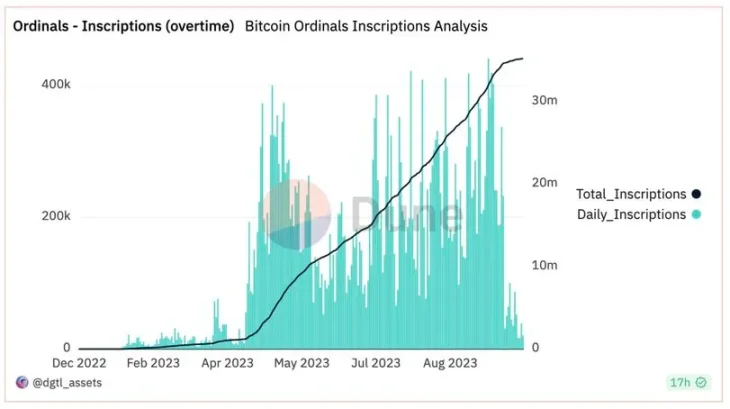
Perhaps one of the most intriguing innovations is the rise of Bitcoin-based digital assets enabled by technologies like Ordinals. With this, we may see a divergence in NFT utility—Ethereum NFTs potentially focusing more on transactional utility, while Bitcoin NFTs, due to the cultural significance of the Bitcoin chain, could evolve into forms of "digital jewelry," becoming collectibles within art, fashion, and media.
Join TechFlow official community to stay tuned
Telegram:https://t.me/TechFlowDaily
X (Twitter):https://x.com/TechFlowPost
X (Twitter) EN:https://x.com/BlockFlow_News
 Pantera Capital