Exploring the Intersection of Cryptocurrency and Gaming: How to Move Beyond the "Web2.5 Game" Label?
TechFlow Selected TechFlow Selected
Exploring the Intersection of Cryptocurrency and Gaming: How to Move Beyond the "Web2.5 Game" Label?
This article discusses the future prospects and challenges of crypto gaming.
 Navigating Web3 tides with focused insights
Written by: Asa Li
Compiled: TechFlow
This article discusses the future prospects and challenges of crypto gaming. While many believe that blockchain games are a natural application of blockchain technology, Asa Li, researcher at Maverick Crypto, argues that under current technological and market conditions, crypto games still need to overcome significant barriers before achieving real commercial success. This article outlines key issues and proposes exploratory directions for applying blockchain technology in gaming.
Introduction
Today, judging by capital raised, attention attracted, and expectations generated, dominant crypto-native meta-games are typically variants of "Web 2.5 games" with the following characteristics:
-
Web 2.5 Tokenization: Many projects and investors focus on adding tokenization and financialization to popular Web 2 game genres such as FPS, action-adventure, simulation, MOBA, and MMORPG.
-
Web 2.5 Economy: Significant research has focused on how a hypothetical crypto economy might function within a fictional, highly immersive MMO world.
-
Web 2.5 Gameplay: Substantial investment and engineering resources are being devoted to developing art and gameplay capable of competing with today’s Web 2 giants.
In this article, we aim to:
1) Engage critically with the current popular Web 2.5 gaming approach and raise questions,
2) Highlight some interesting alternative paths in the crypto + gaming intersection that we believe are currently underexplored.
Visualizing the Search Space
Beyond Ethereum, games have always been important testing grounds for new technologies. Collective thinking about how crypto and gaming can interact generally follows two directions:
-
Crypto-to-Gaming: Start from core crypto features (programmable value, credible neutrality, etc.) and evolve them into engaging experiences. (e.g., fully on-chain games, gamified DeFi)
-
Gaming-to-Crypto: Examine existing gaming domains to find where crypto is most likely to fit and add value. (e.g., Ubisoft, Animoca racing games, and many other crypto games currently in production)
We at Maverick are somewhat biased toward the first method (as it aligns with our crypto-native and token-maximalist philosophy). However, this article focuses on the second method—about which we are interested but less familiar—and we are eager to learn from those who know more.
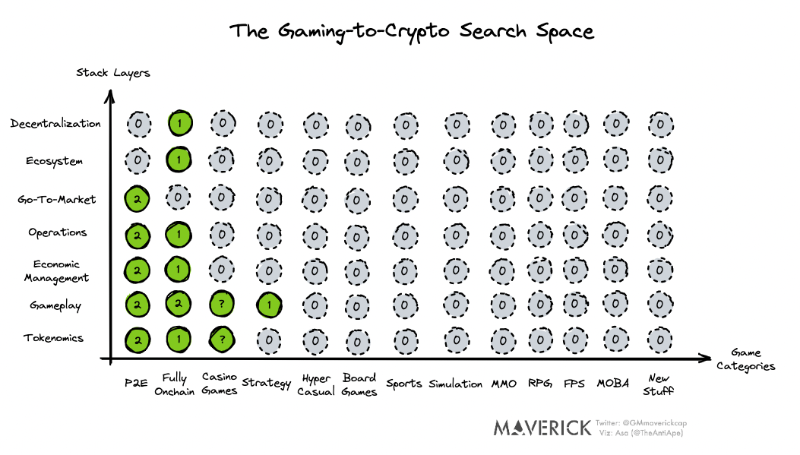
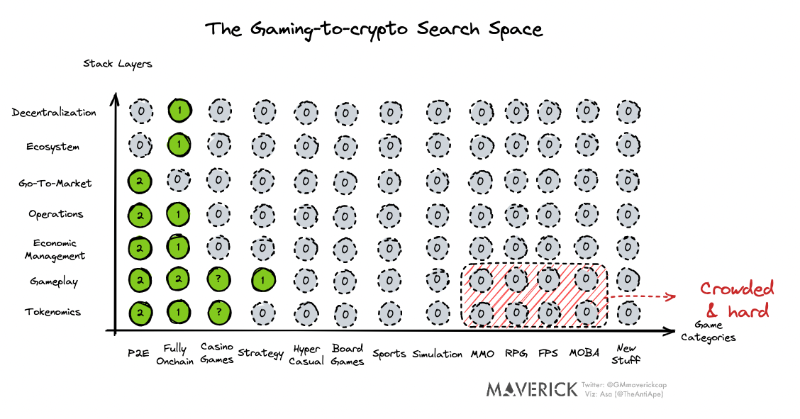
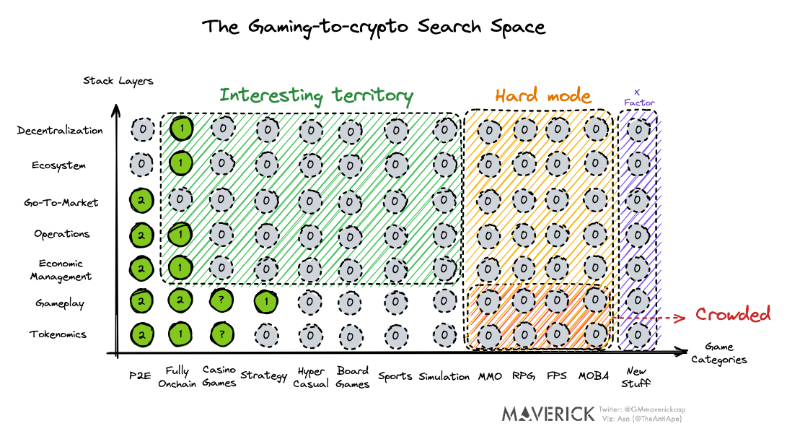
We visualize the gaming-to-crypto search space as follows:
-
Horizontal (Game Categories): There are numerous game genres, each with its own domain expertise, target audience, gameplay mechanics, and in-game dynamics.
-
Vertical (Technology Stack): A successful and profitable game product requires integration across most layers: tokenomics, gameplay, go-to-market (GTM), operations, economic management, ecosystem, decentralization, and more. A weak layer can easily ruin the entire experience. Since crypto + gaming is so novel, there are no yet proven designs for any single layer. Finding optimal solutions for individual units (e.g., how to market a crypto-enabled strategy game) is already extremely difficult; finding vertical integrations that work together (e.g., solving seven or more problems for a strategy game) is orders of magnitude harder. We believe that before full-stack solutions emerge, we will see much more iteration, experimentation, and trial-and-error.
-
Cells (Count of Successful Attempts): The number in each cell indicates the relative count of relatively successful attempts seen in the crypto space. Even if ultimately unsuccessful, every launched game advances collective crypto gaming knowledge and brings us closer to solving one or two cells. So far, the best-known iterations have occurred in P2E (Axie Infinity and StepN), fully on-chain (Dark Forest and CryptoKitties), casino games (several old and new designs that haven’t gained much DAU), and strategy games (Dark Forest).
-
Collective Exploration: Builders in the crypto gaming space create and iterate their products, increasing the number of high-value green dots. As we accumulate collective expertise, talent, experience, best practices, and case studies, we probabilistically move closer to creating the right crypto game.
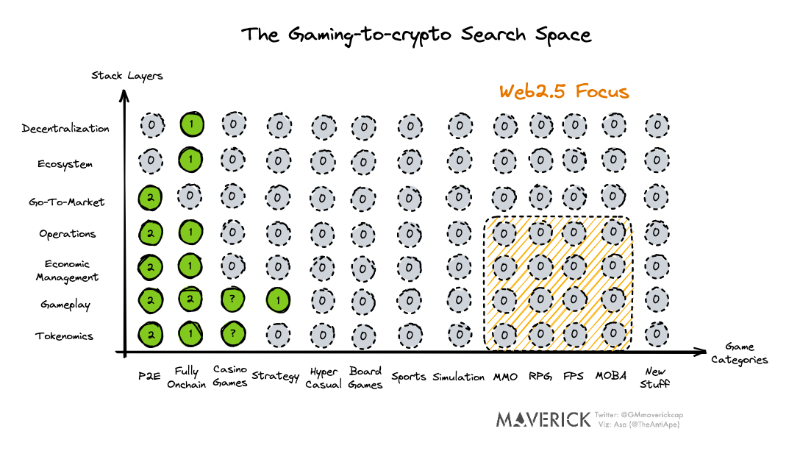
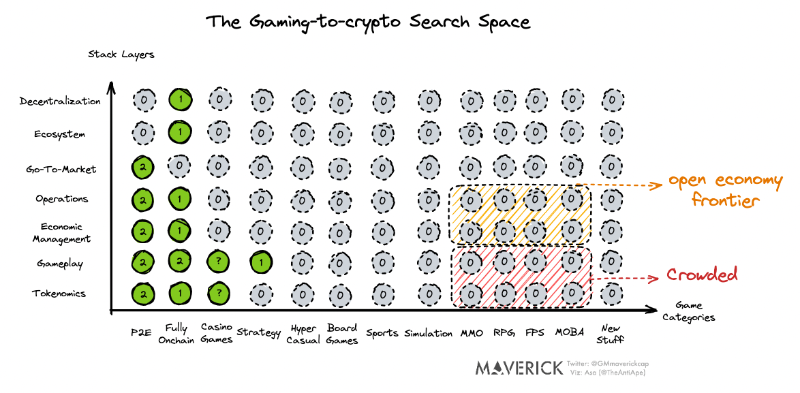
Within this search space, we locate the Web 2.5 approach in the yellow-shaded region:
-
In terms of game types, Web 2.5 games primarily focus on already-proven popular genres such as massively multiplayer online (MMO), multiplayer online battle arena (MOBA), and first-person shooter (FPS) games.
-
In terms of technology stack, Web 2.5 games traditionally emphasize reimagining gameplay and tokenization. Recent discussions have begun exploring more complex possibilities around in-game open economy management and sustained operations.
Our Questions About Web 2.5 Games
Question One: Should We Invest Heavily in Disrupting Gameplay and Art?
The challenge of gameplay and art in popular genres hinders the potential for iterative crypto+gaming innovation.
Today, many crypto gaming studios and investors focus on reworking gameplay in popular genres like MMORPG, FPS, and MOBA. While targeting the largest possible market seems logical, product-market fit in these areas is often least certain. Crypto startups frequently spend substantial resources on gameplay development before players even engage with risky but critical crypto-economic designs.
Historically, disrupting established game incumbents through data, distribution, and social barriers has been extremely difficult. Several key reasons include:
-
Data: Over ten years, data optimizers like Sensor Tower and Unity have accumulated vast datasets and analytics at the game level, finely tuned to optimize player retention, session length, and monetization propensity. Matching this decade-long data optimization experience—whether in UI/UX or profitability—is no small feat when building economic models and gameplay loops.
-
Art: According to Unity's CEO, game companies employ 3–5 times more artists than engineers. For hit games like Fortnite, Genshin Impact, and Honor of Kings, Unity and Unreal customize rendering engines to optimize performance.
-
Gameplay: Every new gameplay mechanic undergoes rigorous A/B testing, and even for the most successful studios, successful titles are rare. Over 95% of game titles lose money. For crypto startups, this uphill climb will be even steeper.
Moreover, focusing resources on gameplay and art means fewer resources, attention, and product iterations dedicated to open economy design (discussed further below). Founders and foundations instead prioritize hiring ex-studio product managers, artists, and renderers to produce eye-catching concept trailers.
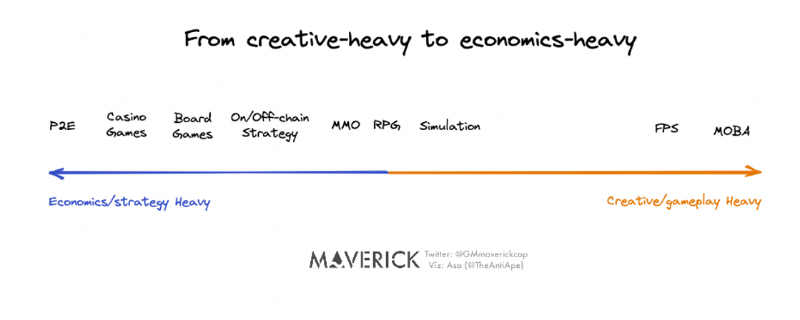
We believe not all games require world-class art and gameplay to have a fighting chance at success. We believe games exist along a spectrum from creativity/gameplay-heavy to economy/strategy-heavy. Casino games, board games, strategy games, and RPGs focused on strategy often don’t require the latest graphics cards. Instead, they compete on distribution, operations, economy, and game loop design. These categories may feel more naturally suited to crypto-powered reinvention.
We believe Web3’s limited resources are better spent exploring how crypto economies can unlock new paradigms in gaming, rather than funding former AAA producers to make another MOBA/FPS game with tokens tacked on. To emphasize this point further, what truly propelled DeFi into its own historical chapter was its native composable Lego sets—building blocks that allowed people to play, iterate, and ultimately reimagine finance and leverage.
So let’s set aside debates about gameplay and art, and instead discuss how to design an internal open economy system with cryptocurrency in games.
Question 2: Benefits and Challenges of Designing Open Economies
In on-chain MMO economic systems, the potential benefits are immense—but so are the challenges.
This section is inspired by a comprehensive article by Aiko on designing sustainable in-game economies and tax-based revenue models.
In our view, Aiko’s article represents the cutting edge of Web 2.5 game design: creating an internally sustainable economy where frequent in-game transactions allow creators to profit via transaction taxes. In this model, incentives for players and operators align—they both want a thriving economy, higher GDP, and faster capital velocity.
We do not doubt the end goal is exciting. Leveraging crypto’s promise to increase in-game economic vitality tenfold—to recreate games like Genshin Impact or Dream Journey Online—is anyone’s dream. But before crypto MMO economies can take off from scratch, we identify several difficult prerequisites:
-
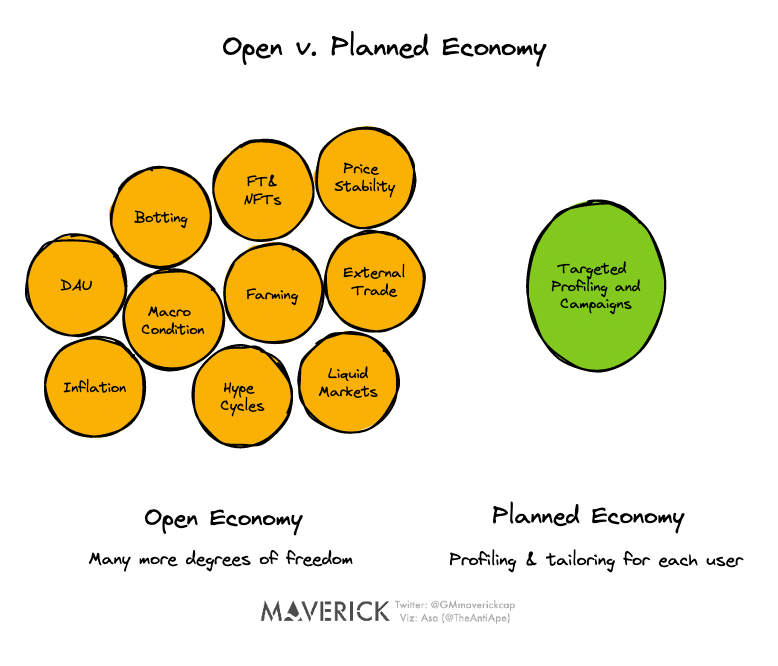
Necessary Complexity: To sustain a viable economy, the game itself may need sufficient diversity and complexity. Representing such game logic correctly would require many different fungible and non-fungible assets across various levels and specializations.
-
Aggregated Transaction Liquidity: Given asset complexity and volume, markets need enough trading activity to achieve usable liquidity. This aggregated trading activity can be expressed as DAU × average daily transactions. But is there a large enough player base to support a transaction-centric, immersive MMO game?
-
Freedom and Abuse: Freedom implies the potential for abuse and exploitative behaviors. Even in simple games like Dark Forest, guilds may exhibit abusive behaviors harmful to other players’ experiences. More complex games face even greater risks. How to regulate such abuse—or whether it should be centrally regulated—remains an open question.
-
Economic Management and Centralization: Real economies have central banks and fiscal departments that regulate activity in fairly discretionary ways. In traditional games, large operations teams work around the clock to balance numbers. Perfect economies are impossible to build and cannot remain perfect forever. Yet central economic regulation inherently conflicts with crypto’s promises of ownership and credible neutrality. Striking a delicate balance between playability and predictable ownership will be challenging.
We do not consider the above challenges insurmountable.
Rather, we believe there may be many promising paths worth exploring to address each individual challenge. Each solution could be exciting, but may require multiple iterations before reaching mass-production readiness.
Our question/suggestion is: Given how difficult it is to solve all challenges simultaneously in a complex MMO game, should game studios instead start with smaller, simpler game types to gradually tackle different dimensions of these challenges? For example, we could begin with a simple on-chain casino, simulation, or board game, exploring one or two practical problems at a time. Below are specific questions we hope to see products explore (this list will grow):
-
A paradigm for evaluating and exchanging certain in-game assets without overcomplicating UI/UX.
-
Best practices for evaluating and integrating tangible and intangible cross-game assets.
-
Best practices for opening certain mod SDKs to communities and adjusting economic incentives.
-
Best practices for democratically, algorithmically, or technically managing in-game economies in response to internal and external cycles.
-
Novel original solutions for fundraising, distribution, and purchasing games.
-
Solutions for identifying and mitigating user abuse or bot behavior.
Question 3: Is Asset-Centric Immersive Gaming Declining?
Most players today prefer fast, casual gaming over immersive game worlds and narratives.
We observe clear trends in the gaming industry over the past 10–20 years:
-
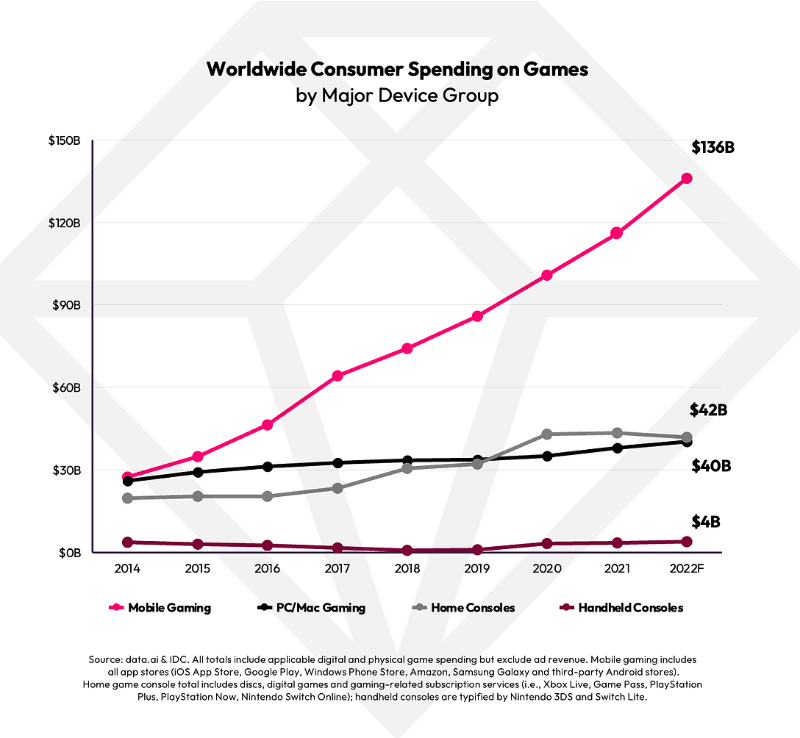
After inflation adjustment, only mobile gaming has grown, while PC and console gaming market shares are declining.
-
Overall engagement and immersion in games are decreasing. Average playtime is getting shorter.
This phenomenon is easy to understand—it’s driven by our collective shift toward more fragmented lifestyles. Our time is divided among long commutes, constant notifications, and competing media and entertainment formats. Comfortable basement gaming setups may forever remain a nostalgic fantasy. This mirrors how ultra-short video formats like TikTok and Reels are winning the entertainment war against YouTube, Netflix, and cinemas.
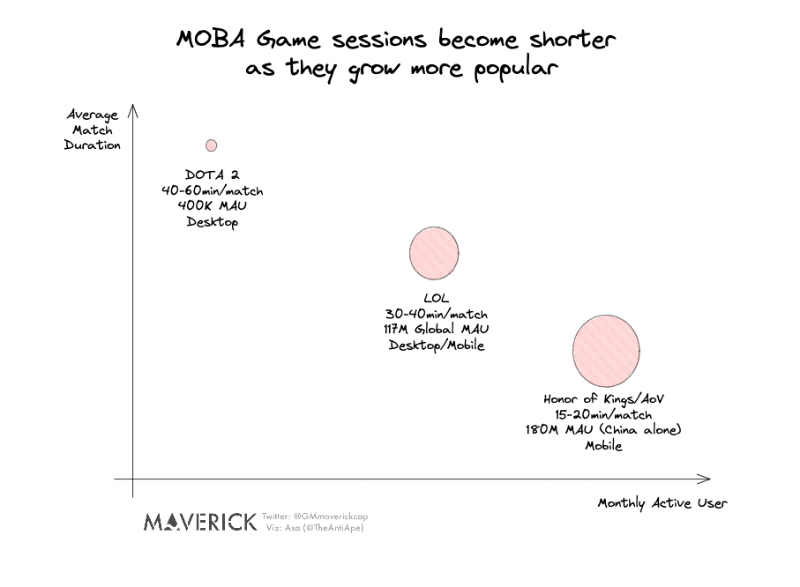
Take Tencent’s Honor of Kings (a MOBA), one of history’s highest-grossing mobile games:
-
Tencent has continuously shortened the average game duration of Honor of Kings—from 25 minutes originally down to 15–18 minutes today—while introducing faster-paced game modes.
-
Tencent has consistently simplified non-competitive storylines, making the game more focused on MOBA matches themselves, gradually de-emphasizing the importance of player levels, experience points, gold, and collectibles as cumulative assets.
We recognize a small subset of players deeply enjoy immersive gaming. For these fans, games are like a second life—often more meaningful than what others call “real life.”
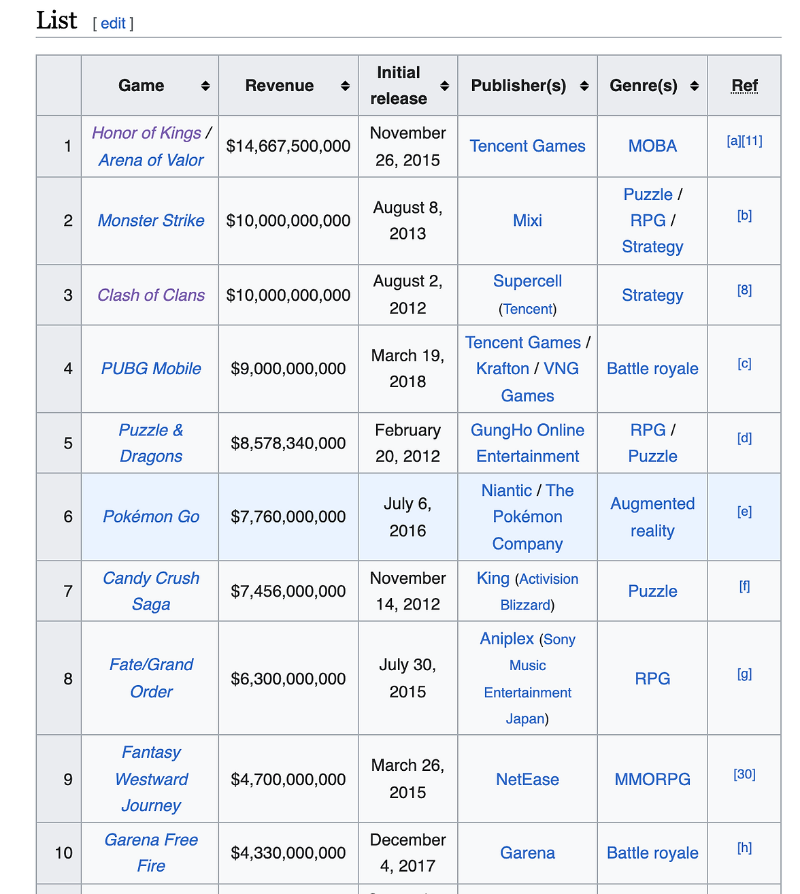
However, if we look at today’s top-ranking mobile games lists, the charts are dominated by non-immersive, casual games—games that feel like quick supplements to busy, mundane modern lives, rather than mature alternatives.
To date, most tokenization designs we’ve seen add more complexity to the game itself. It’s almost like playing a meta-game on top of the original game. This approach raises several concerns:
-
Games serve distinct categories for different user groups and contexts. Forcing strategy-heavy meta-games into FPS/MOBA/SLG titles is unlikely to integrate naturally. Similarly, concepts like assets, ownership, accumulation, and hyper-realistic game careers aren’t universally relevant features.
-
An additional tokenized layer may make games more complex and drawn-out, potentially frustrating modern players seeking quick entertainment.
Question 4: What Degree of Tokenization is Suitable for Immersive MMO Games?
Let us finally focus on a specific category: MMORPG and MMOSLG.Many regard these two genres as the most natural candidates for on-chain migration in traditional gaming.
The reasoning is intuitive: these games already incorporate identity, ownership, accumulation, progression, and peer-to-peer exchange in their core gameplay. Examples include Animal Crossing, Grand Theft Auto, SimCity, The Sims, and Genshin Impact. Theoretically, we assume a perfectly crypto-suited MMORPG/SLG exists. Yet unanswered questions remain:
-
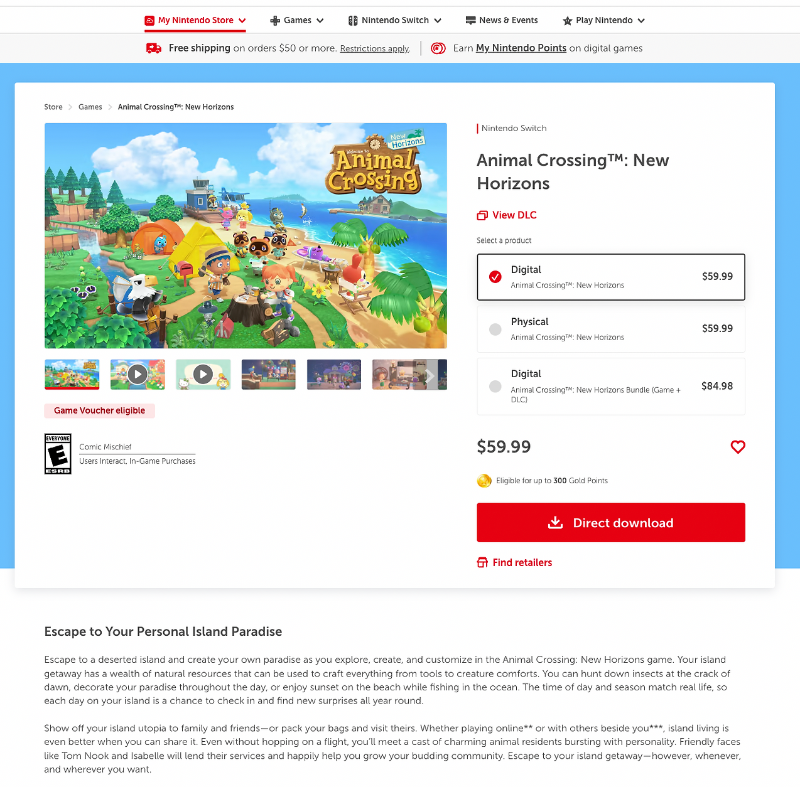
"Escape and Reality": “Escape” was the first word Nintendo used to promote its 2020 hit Animal Crossing. Part of the game’s charm lies in transporting players to a relaxing, predictable parallel universe. Compared to typical traders obsessed with monetizable goods and securities, the typical MMORPG player tends to be more risk-averse and calm. We’re uncertain whether promises of interoperability, connectivity, and global liquidity are things players want in their Nintendo island paradise.
-
Non-financialization may be a feature of MMOs. A successful MMO must bring together people from all social strata. Different players have vastly different opportunity costs for time invested in-game. I’m happy to spend an hour casually waiting for SimCity Trade HQ to refresh every 30 seconds hunting for rare items. But once I realize my effort and time have a price tag—one likely far below my hourly opportunity cost in crypto trading—the emotional value of the game suddenly loses its meaning amid commodification and financialization.
While we cannot exhaustively discuss all possible MMOs, exceptions certainly exist. One that comes to mind is NetEase’s Dream Journey Online, an MMORPG where nearly every item is tradable. The game has existed for eight years, generating over $4 billion in total revenue (and still growing). If any game embodies the dream of a crypto MMO, this is likely one of them. Much can be learned from Dream Journey Online, but it remains unclear whether it’s an outlier or a blueprint—we must continue observing.
So Where Do We Go From Here?
Honestly, we don’t know. We aim to contribute to this ongoing discussion by raising sincere questions, and we’re open to being persuaded otherwise.
Today, we feel people are trying to use crypto to remake popular Web 2 game genres. But we see many hurdles to overcome—such as competing with Web 2 rivals, designing open economies, and attracting broad enough player bases to sustain economic vibrancy.
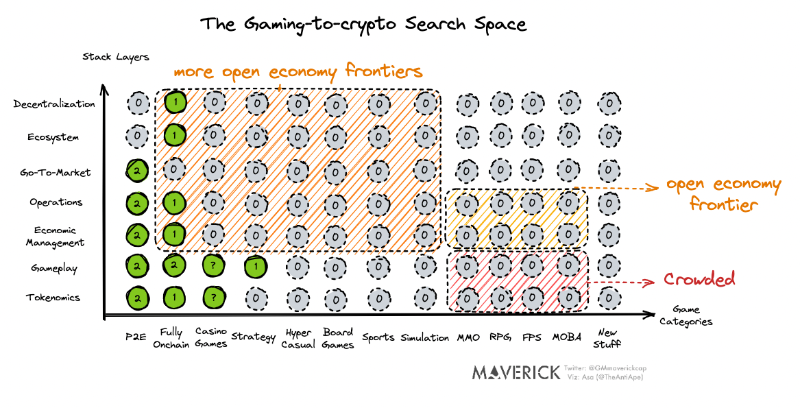
On the other hand, we’ve identified several currently underexplored game domains that may be more conducive to meaningful crypto experiments:
-
Categories: Crypto-economic (and social) experiments in “games” that don’t require perfect art or gameplay as industry prerequisites. (Fully on-chain casinos, strategy, casual, board, sports, simulation games, etc.)
-
Stack Layers: Even within these categories, we’re more interested in projects that don’t just focus on gameplay, but broadly reimagine other stages of the game lifecycle through crypto.
We believe the categories we’ve highlighted will face their own challenges, but we think exploring uncharted territory and advancing our collective expertise is most beneficial for studios, investors, and the broader crypto industry.
Join TechFlow official community to stay tuned
Telegram:https://t.me/TechFlowDaily
X (Twitter):https://x.com/TechFlowPost
X (Twitter) EN:https://x.com/BlockFlow_News
 @GMMaverickCap