Abyss World: The First 3A Game on Sui, a Redemption Journey Restoring the Essence of Entertainment
TechFlow Selected TechFlow Selected
Abyss World: The First 3A Game on Sui, a Redemption Journey Restoring the Essence of Entertainment
A blockchain's rise to prominence often requires the support of a phenomenon-level application.
 Navigating Web3 tides with focused insights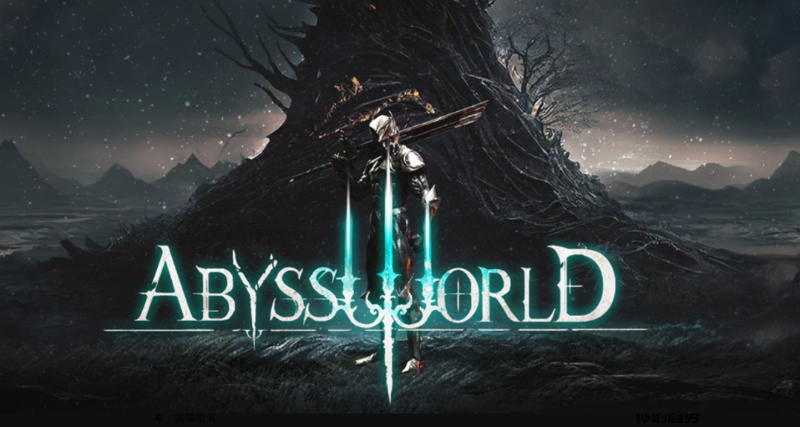
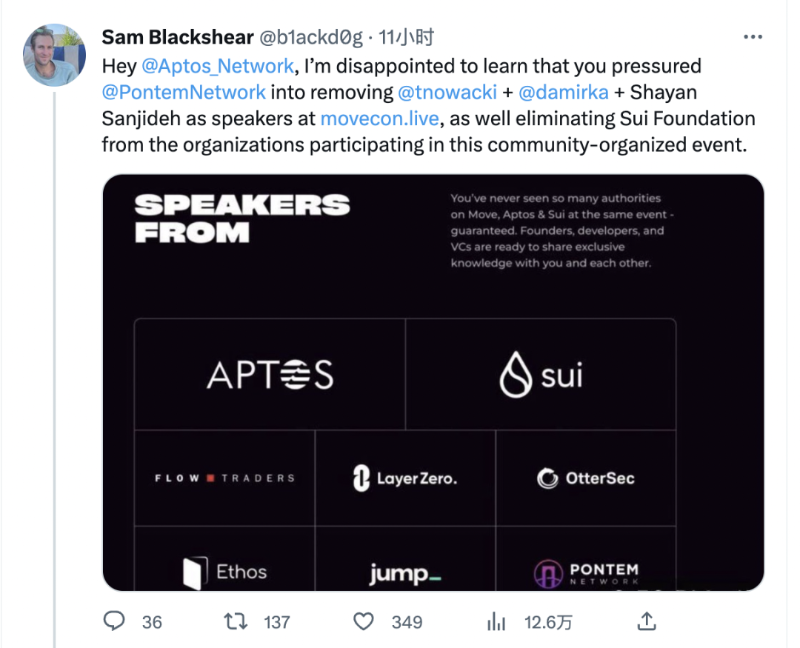
At the end of February, the twin rising stars among new blockchains—Sui and Aptos—engaged in a public spat. Sui's CTO directly accused Aptos of suppressing Sui and its ecosystem developers by restricting their participation in related conferences and events. Behind this war of words lies a deeper truth: new blockchains are all desperately seeking differentiation and competitive advantages to capture users and attention.
For Sui, this competitive edge may lie in Web3 gaming.
On March 8, Mysten Labs—the developer behind Sui—announced a partnership with Tencent Cloud, with GameFi as one of the key collaboration areas. In November last year, during Mysten Labs’ $15 million funding round, South Korean gaming giant NCSoft led the investment, aiming specifically to establish Sui as foundational infrastructure for Web3 games.
The narrative around Web3 gaming has been dormant for too long. With capital and infrastructure now in place, the market is eager to see whether Sui can give rise to a true killer application. Against this backdrop, a game that has recently gained significant exposure in traditional gaming circles—Abyss World—has surged into prominence.
Prestigious gaming media outlets such as IGN and Famitsu have covered it extensively, while on mainstream platform Steam, over 70,000 players have added it to their “Wishlist” feature, indicating strong intent to play upon release. Moreover, the gameplay demo videos released so far demonstrate a remarkably high level of polish and near-3A quality.
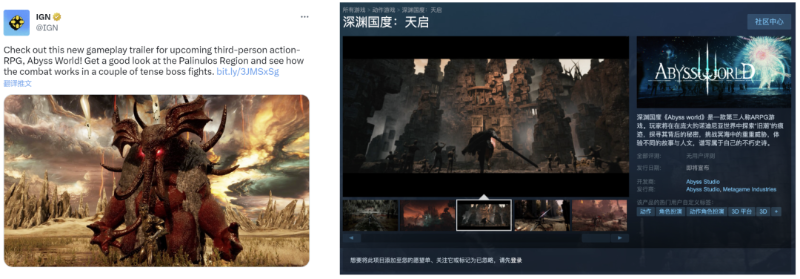
This level of external attention is unusual for a Web3 game. While most blockchain-based games are still struggling to break out of crypto circles, Abyss World appears to be thriving outside its native ecosystem, gaining widespread recognition even before launch. More importantly, Mysten Labs recently confirmed its official collaboration with Abyss World, announcing that the game will be built on the Sui blockchain.
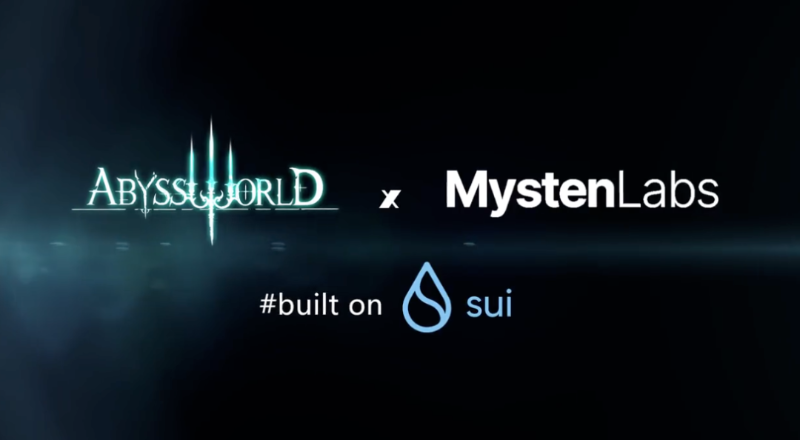
A blockchain often needs a breakout application to stand out. As the first 3A game involving Mysten Labs, could Abyss World become Sui’s trump card? What makes its game design and economic model special, and what opportunities exist for user participation today? If you’re interested in opportunities within emerging blockchains and the gaming sector, the following analysis may prove valuable.
Real Games—Maybe They Actually Have a Chance?
According to the official definition from Abyss World, the game genre is an "open-world ARPG."
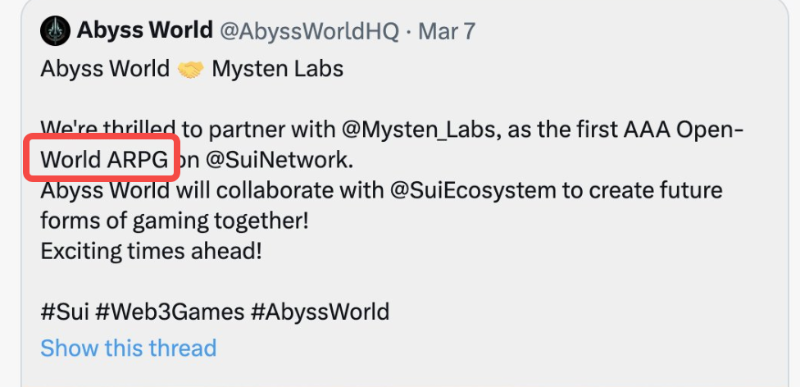
This means player-driven exploration and character control will take center stage. Based on available information and insights shared by the team, Abyss World resembles a blend of Elden Ring’s visual aesthetic, Monster Hunter-style combat mechanics, and an open-world structure similar to Genshin Impact.
Words and images cannot fully convey the sensory experience of Abyss World. Interested readers are encouraged to watch the official demonstration video. During actual gameplay testing, the title strongly evokes classic action games—dark fantasy environments, precise moment-to-moment combat mechanics, and a balance between challenge and exhilaration.
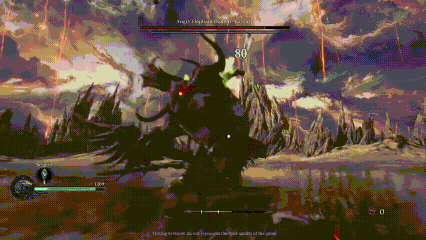
But if we had to summarize Abyss World simply, a more fitting yet concise description might be: "a real game."
“Real” here means it is crafted to high standards as a complete, fully-fledged entertainment product, featuring a mature world-building framework, responsive controls, and immersive exploration. These elements are taken for granted in traditional games but remain rare in the crypto space.
One reason is cost—developing such titles demands substantial time and resources. Another lies in gameplay itself: these types of experiences don’t easily align with financialized incentives.
Common blockchain games are essentially DeFi wrapped in a game-like interface—the game serves only as a vehicle, where extracting financial returns through gameplay becomes the ultimate goal. Or worse, they function as rule-bound "mining programs" with little room for genuine enjoyment. This model is popular—but not necessarily healthy or sustainable.
In contrast, in everything currently shown about Abyss World, the gameplay itself is the purpose—finding joy and fulfillment through play, staying closer to the interactive essence of gaming.
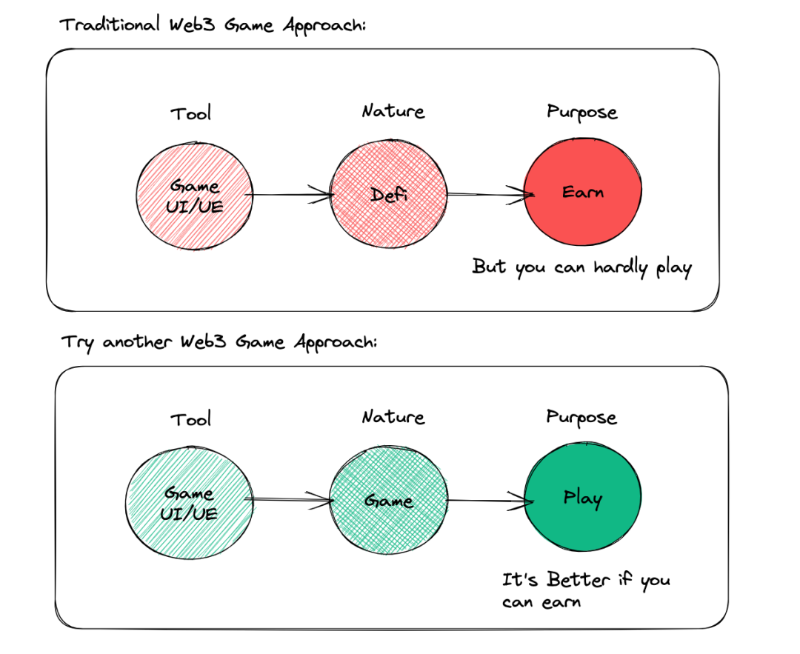
It prioritizes players—but can such a model succeed in Web3?
When discussing how Web3 games should achieve mass adoption, we often think in terms of an “inside-out” approach: gain traction within the crypto community first, then expand outward. Abyss World clearly represents an “outside-in” strategy.
The product targets mainstream gamers first, delivering comparable gameplay experiences, then gradually introduces them to the benefits of Web3 gaming—guiding them toward realizing that owning a game can also create economic opportunities beyond mere play.
This path places higher demands on game quality and requires careful pacing from developers—especially when deciding at which point in the player journey to introduce crypto assets.
Judging by current quality, Abyss World performs impressively. So our next question is: what exactly does the gameplay entail, and how will it guide players into engaging with crypto assets?
Play First, Assets Second
The current gameplay demos of Abyss World emphasize traditional gaming experiences, revealing few obvious Web3 integrations. Yet, as a game built on Sui, interaction with Web3 assets is inevitable.
To understand this aspect, it helps to first grasp the overall game design.
Abyss World features a fictional setting where players explore a world called “Nordinia,” forming the core of the first gameplay mode: PVE.
Players can explore solo or in teams, battling enemies to earn in-game points/currency, equipment, and items. These resources enhance character capabilities, enabling further progression.
Additionally, during PVE, players collect a resource known as “Hero Souls,” each possessing unique types and abilities. By training and developing these souls, players unlock a second gameplay mode: PVP.
Notably, during player battles, these “Hero Souls” operate using independent AI algorithms capable of autonomous decision-making in combat. Players' role shifts to strategic deployment—arranging souls based on stats and attributes—after which the AI takes over for automatic battle execution.
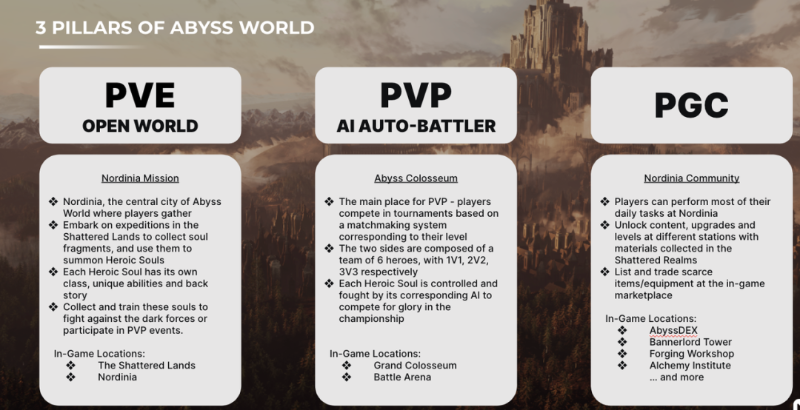
Clearly evident across both modes is the need for resources: players require upgraded gear, enhanced Hero Souls—naturally leading to how the game connects with Web3 assets: PGC (Player-Generated Content).
Within the game’s “Mint Factory,” players can forge and upgrade gear and Hero Souls collected during gameplay, improving their stats and attributes to enhance overall experience. According to current plans, these forged items and Hero Souls will exist as NFTs, requiring players to spend either on-chain or off-chain currency earned in-game to mint them.
While full functionality hasn't been revealed yet, given its integration with Sui, we expect NFT minting, trading, and ownership updates to be handled on-chain, leveraging Sui Move language to build dynamic NFTs. Thanks to Sui’s high performance and low latency, frequent in-game transactions involving equipment and items can be seamlessly supported.
Moreover, the game will include a built-in NFT marketplace, allowing players to sell their minted NFTs for profit or retain them for continued adventures.
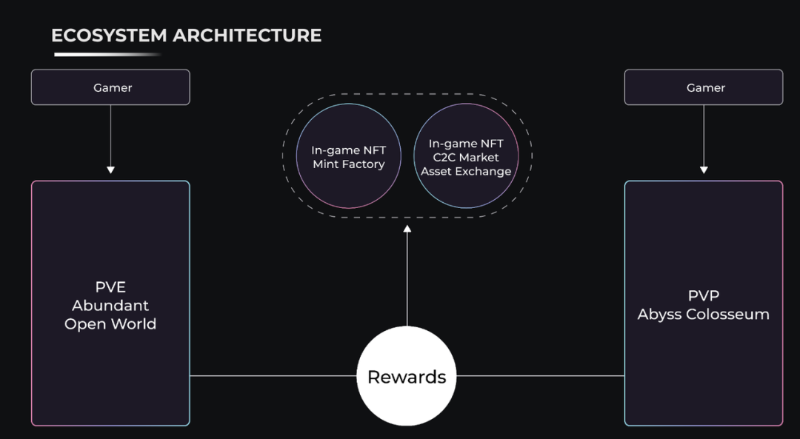
According to the development team, players won’t encounter these systems immediately. The introduction is gradual: initial gameplay feels no different from typical Web2 games; only after sufficient playtime, level progression, and understanding will special in-game missions unlock access to asset minting and trading features.
This design enables segmentation: casual players who wish to enjoy core content can continue uninterrupted, while those interested in deeper engagement can follow guided paths to mint additional NFT items, gaining competitive advantages.
We also learned that token rewards won’t go to players simply grinding repetitive tasks. Instead, they’ll be awarded to squads completing special PVE missions, top leaderboard individuals, and winners of PVP arena seasons.
The incentive structure clearly reflects Abyss World’s philosophy: use Web3 assets to reward those striving to “play better,” with asset utility serving improved gameplay rather than being an end in itself.
When all asset designs serve gameplay, acquiring assets becomes a “support mechanism” for deeper engagement—not the primary objective. Of course, professional gold farmers will always exist, but the overall direction discourages simplistic “grind-sell-dump” cycles, preventing financialization from undermining the game experience.
Therefore, game quality and update frequency become the decisive factors determining whether Abyss World can sustain long-term player retention.
An Honest Adventure Deserving Applause
During a recent community Q&A session, Metagame Industries—the studio behind Abyss World—revealed that development costs so far amount to approximately $3 million USD. In the realm of traditional PC and console games, this sum might qualify as modest. But for a Web3 game, investing $3 million into refining core systems and gameplay experience represents a significant commitment—an honest leap of faith.
As independent developers, they lack the financial cushion and margin for error enjoyed by major studios. High-quality game development mirrors the film industry: heavy upfront investment followed by revenue recovery via sales.
Metagame shared that it took nearly three years—from 2020 onward—to finalize the core combat system and foundational infrastructure, much of it self-funded. But in Web3, outcomes remain uncertain. Choosing not to replicate quick-to-launch clone games, but instead investing heavily in original development, inherently carries risk.
Fortunately, the market has responded positively. On January 3, the project received support from Microsoft for Startups, granting access to Azure cloud credits, OpenAI services, technical assistance, and business development resources—critical enhancements for the game’s AI combat system and cloud gaming features aimed at lowering hardware barriers.
Meanwhile, Abyss World has attracted backing from industry giants including AMD, EPIC GAMES, and Microsoft. It was selected alongside AAA titles like God of War to receive AMD’s FSR 2.0 technology, enhancing visual fidelity and performance. Additional news regarding collaboration with Microsoft is expected soon.
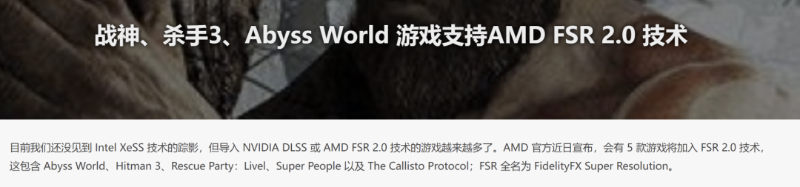
Support from tech and gaming leaders not only boosts developer confidence but signals broader industry validation of high-quality Web3 gaming endeavors.
Beyond external recognition, Metagame Industries emphasized another rationale for building a Web3 game: in traditional gaming, publishers fund development and capture most profits. Under this model, publishers sit atop the food chain, deciding which games get greenlit. Unless a dev team owns a massive IP, profitability remains limited.
But because Web3 games are designed bottom-up—centered around the dev team—and aim to balance relationships among all stakeholders (players, investors), they enable more sustainable, long-term growth.
Web3 economic models act as a connective tissue linking investors, developers, and players. With well-designed token utilities, financial participants can contribute without destabilizing in-game economies, players focus on enjoying the game, and teams concentrate on content creation.
Clearly, Abyss World is attempting precisely this—a reimagining of traditional game publishing dynamics and stakeholder roles. As industry validation grows, the next challenge emerges: how to best engage and win over users?
NFTs Poised for Launch: Functionality Tied to Real Utility
In Web3, NFTs are a key tool for early user engagement. Abyss World will launch its first Genesis NFT series, “Gazer,” on March 23.
The initial collection consists of 2,100 units, divided into four rarity tiers, featuring various hero designs from the game. Players can mint via the official website, and whitelist opportunities remain available through Discord community tasks.
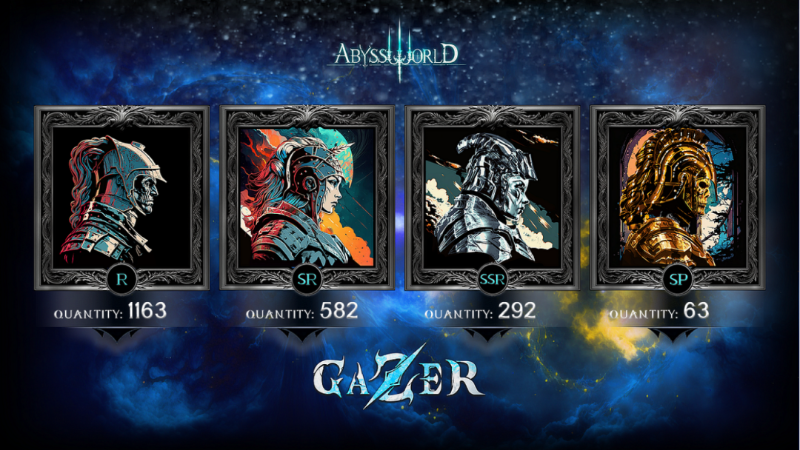
Critically, these NFTs are more than just digital art—they’re tied to in-game privileges and functions: holders gain revenue-sharing rights, access to rare in-game items and skins, and priority entry into closed beta testing. Analogous to traditional gaming, these NFTs resemble subscription passes or VIP memberships, where value derives entirely from within the game ecosystem.
Furthermore, due to deep collaboration with Mysten Labs, these NFTs are not only linked to Abyss World’s native token AWT but also grant eligibility for Sui token airdrops, positioning it as a flagship project within the Sui ecosystem.
Given the game’s demonstrated quality, NFT demand hinges largely on players’ desire to experience the game. Secondary market participants will naturally price this “premium access pass” based on perceived value. We believe post-launch operations and expectation management will determine the ultimate success of this NFT initiative.
From Heavy to Light: Technical Excellence Driving Long-Term Growth
Whether due to anticipated value spillover from its Sui integration or the quality already on display, we believe Abyss World holds strong potential to become a defining title in Web3 gaming.
Beyond quality, the AI-powered automated battle mechanic opens intriguing possibilities. Today, it features characters from the game’s own IP. But in a future with standardized protocols and cross-ecosystem asset interoperability, imagine NFT avatars from other ecosystems joining the fray—a “metaverse battle royale” mode that could unlock new levels of engagement and monetization.
Looking ahead, according to the current roadmap, public testing is set to begin in Q3 this year. The intervening months will test the team’s ability to manage expectations, release more content, and expand participation methods to maintain momentum. Recently, the game launched a new BvB (Bot vs Bot) live betting event, and its free-to-mint NFT “Fallen Eye” dropped across platforms, selling out instantly.
Beyond marketing and hype, game quality remains the core strength—the foundation upon which sustainable Web3 gaming must be built. We support a technology-first approach: attract users and partners through superior gameplay, then expand into衍生 offerings like merchandise, NFTs, fan creations, and esports—progressing from heavy to light, tapping every opportunity in the Web3 landscape.
Abyss World’s journey may have just begun, but it represents a new paradigm in Web3 gaming—one worth emulating.
Join TechFlow official community to stay tuned
Telegram:https://t.me/TechFlowDaily
X (Twitter):https://x.com/TechFlowPost
X (Twitter) EN:https://x.com/BlockFlow_News
 CryptoDada