Envisioning RobotFi: What New Possibilities Emerge When Robots Go on the Blockchain?
TechFlow Selected TechFlow Selected
Envisioning RobotFi: What New Possibilities Emerge When Robots Go on the Blockchain?
RobotFi is an emerging field where participants can earn rewards on-chain by funding or developing robot-related activities.
 Navigating Web3 tides with focused insights
Author: Fishmarketacad (evm/acc)
Translation: TechFlow
I was recently watching videos of robots walking, and during my morning walk I couldn't help but wonder: what if robots... but on-chain?
At its core, decentralized finance (DeFi) automates financial processes through code, while robots automate physical tasks. Combining the two is a natural extension of automation. If we believe in the power of programmable money, smart contracts, and artificial intelligence, then extending this programmability to robots—as programmable physical AI agents—is a logical next step.
One of the current industry leaders in robotics is Unitree (Yushu Technology).
Realistically, robots like those from Unitree are still years away from mainstream adoption, and connecting them to blockchains might seem like an even more distant dream. But since we're envisioning the future...
How could such a vision be implemented today?
Current robots do not directly interact with blockchains at the hardware level. They lack built-in blockchain nodes or cryptographic processors (though that’s an interesting idea worth exploring separately).
Therefore, to bring existing robots on-chain, we need a bridge or intermediary layer—typically an off-chain service or server—to connect robots to the blockchain. Each robot would also require an assigned wallet address.
Unitree robots can connect to this off-chain service via their existing communication capabilities—such as Wi-Fi, Ethernet, or even cellular networks—using standard web protocols like HTTP or WebSockets. The off-chain service then interacts with the blockchain using standard blockchain libraries and APIs, such as Web3.js or Ethers.js.
Smart contracts on the blockchain can trigger actions in Unitree robots through the off-chain service. For example, when the off-chain service detects a payment received at a wallet address linked to a robot, it sends instructions to the robot to perform certain tasks.
I also assume that future robots will be programmable much like smart contracts, capable of executing various "action scripts" or "robot strategies," which independent developers could create, effectively treating robots as physical smart contracts or AI agents.
In the early stages, creating these scripts may feel like the "Wild West," where developers can write scripts for nearly any task, except for clearly prohibited behaviors. There might be an independent safety or monitoring system that actively prevents robots from performing dangerous operations. Of course, this remains speculative.
This setup would allow robotics companies to focus on building robots themselves, without needing to develop all possible services they could offer. Robot services would be "outsourced" to developers. Robot services delivered on-chain—via off-chain execution—are what we call RobotFi.
In other words, RobotFi is an emerging field where participants can earn rewards on-chain by funding or developing robot-related activities.
What are the potential use cases for RobotFi?
Overcollateralized Home Service Leasing
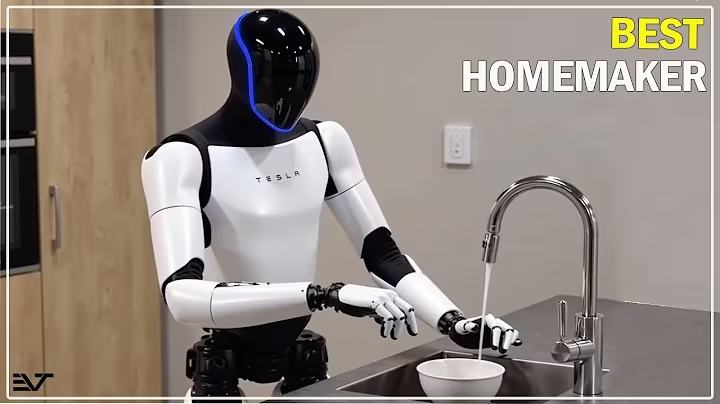
One of the most popular envisioned use cases for humanoid robots is assisting with household services.
However, operating robot services may involve significant risks in the early stages.
Robots may malfunction, make errors, suffer damage, or underperform expectations. Traditional leasing or service models rely heavily on trust in centralized platforms or providers.
This is precisely where RobotFi could shine.
Rather than relying on centralized insurers or corporate guarantees, developers could bring robots on-chain through off-chain services and further build related services (like home assistance). To secure these services, developers could attract liquidity providers (LPs) to deposit collateral as insurance or economic safeguards, earning real-world returns generated by the service in return.
Mechanism Breakdown:
-
Robot Strategy Insurance Pools:
LPs deposit collateral into insurance pools, acting as insurers for specific robot strategies, and earn returns from the revenue generated by those strategies.
-
Robot Strategy Insurance Buyers:
Creators of robot strategies can purchase insurance coverage from these pools. Premium levels depend on multiple factors, including robot type and value, task risk level, and required coverage scope.
-
Smart Contract-Controlled Payouts:
Insurance is managed by smart contracts that define conditions for payouts. For instance, if a robot strategy fails (possibly detected via diagnostic reports sent by the robot to the off-chain service and uploaded on-chain), the smart contract triggers a payout mechanism, compensating affected users from the LPs’ collateral (similar to a “slashing” mechanism). If everything proceeds smoothly, the robot’s diagnostics report successful task completion to the off-chain service, and earnings are distributed to LPs.
In the above example, I separate the robot from the robot strategy, but renting them together as a single unit is also feasible. In such cases, insurance coverage could extend to the robot itself. For example, if the robot is damaged during the lease period, compensation would go to the robot owner.
Additionally, lessees might undergo some KYC verification (to prevent them from “running off with the robot”), and their creditworthiness could affect premium costs. For example, if a lessee has a strong on-chain reputation and/or high income (possibly verified via zero-knowledge proofs), the developer's insurance cost could be lower—and vice versa.
Summary: Analogy to Blockchain Ecosystems:
-
Robots (Infrastructure/Chain): Provide the core infrastructure—highly programmable, high-performance physical robots.
-
Robot Services (On-Chain Applications): Expert-written task scripts function like applications built atop robotic infrastructure.
-
Robot Insurance (LP Collateral): LP collateral provides security and economic backing for robot services, offering a trust and safeguard mechanism for risk and failure within the RobotFi ecosystem—much like how DeFi collateral secures on-chain transactions and network operations.
From a technical standpoint, robot services don’t necessarily require insurance, but paying for such services on-chain does offer certain advantages. However, because robots exist in the physical world, incorporating insurance makes it easier to gain consumer trust; without it, user adoption may be difficult.
Economic Incentives and Promoting Good Robot Behavior
This insurance/collateral system creates strong economic incentives that promote responsible robot behavior and well-designed strategies, benefiting all participants:
Incentives for Liquidity Providers (LPs):
-
Premium Income:
LPs earn income from insurance premiums paid by robot owners. These premiums must be attractive enough to incentivize LPs to lock capital into insurance pools.
-
Risk-Adjusted Returns:
Different insurance pools may be structured for varying risk levels (e.g., robot types, task categories). Higher-risk pools can offer higher returns to compensate for greater payout risks, allowing LPs to choose based on their own risk/return preferences.
Incentives for Robot Owners / Strategy Creators:
-
Reduced Financial Risk:
Insurance protects robot owners or strategy creators from significant financial losses due to malfunctions, damages, or liability issues. This reduces ownership risk, making robots more appealing and encouraging broader adoption.
-
Competitive Advantage:
Robot owners offering insured services can stand out in the market, build user trust, and potentially charge higher rental or service fees.
Incentives for Robot Manufacturers / Developers:
-
Demand for Reliable Robots:
This insurance model indirectly incentivizes manufacturers to produce more reliable and durable robots. Models with low failure rates and strong safety records may qualify for lower insurance premiums, making them more attractive to owners and users.
-
Data-Driven Improvements:
Claims data—such as types of robot failures or common causes of damage—provides valuable feedback for manufacturers to continuously improve design and reliability.
Incentives for Users / Lessees:
-
Peace of Mind and Trust:
Knowing a robot is insured gives users peace of mind and increases trust in RobotFi services. When renting a robot, users know they’ll receive some financial compensation if something goes wrong.
-
Access to Advanced Robots:
Insurance makes it economically viable for owners to rent out more advanced and valuable robots, thereby expanding the range of services available to users.
-
Fair Compensation Mechanism:
If a robot malfunctions or fails to complete a task, users have the right to fair compensation via insurance payouts. This improves user experience and strengthens confidence in robotic systems.
Challenges Ahead
While the concept of RobotFi is compelling, it comes with significant complexities, and we are far from ready to implement it at scale. Key challenges include centralization risks, verifiability of robot data, and assessment of insurance claims.
-
Reliance on Off-Chain Services:
As previously noted, current technology makes dependence on off-chain services almost unavoidable. These services become centralized points of control and potential failure. Entities controlling the off-chain layer wield substantial influence over the entire RobotFi system.
-
Reliable and Verifiable Claims Data:
Insurance payouts depend on verifiable evidence—such as records of robot malfunctions, damage, or task failures. However, reliably and trustlessly transmitting such data from the physical world to on-chain systems is an extremely complex challenge.
-
Fair Claims Assessment:
Who determines whether a claim is valid, and how much should be paid? In traditional insurance, specialized claims adjusters handle this. In a decentralized RobotFi system, how can we achieve fair and transparent claims evaluation?
Final Thoughts
This is not a serious article about RobotFi, but rather a speculative vision. While the idea is intriguing, its feasibility hinges on overcoming major technical, economic, and centralization challenges.
It remains unclear whether this model offers sufficient advantages compared to a fully centralized robotics ecosystem controlled by a few dominant firms that predefine fixed functionalities for their robots.
Join TechFlow official community to stay tuned
Telegram:https://t.me/TechFlowDaily
X (Twitter):https://x.com/TechFlowPost
X (Twitter) EN:https://x.com/BlockFlow_News
 @FishMarketAcad