Will BRC-20 fork? What are the potential impacts?
TechFlow Selected TechFlow Selected
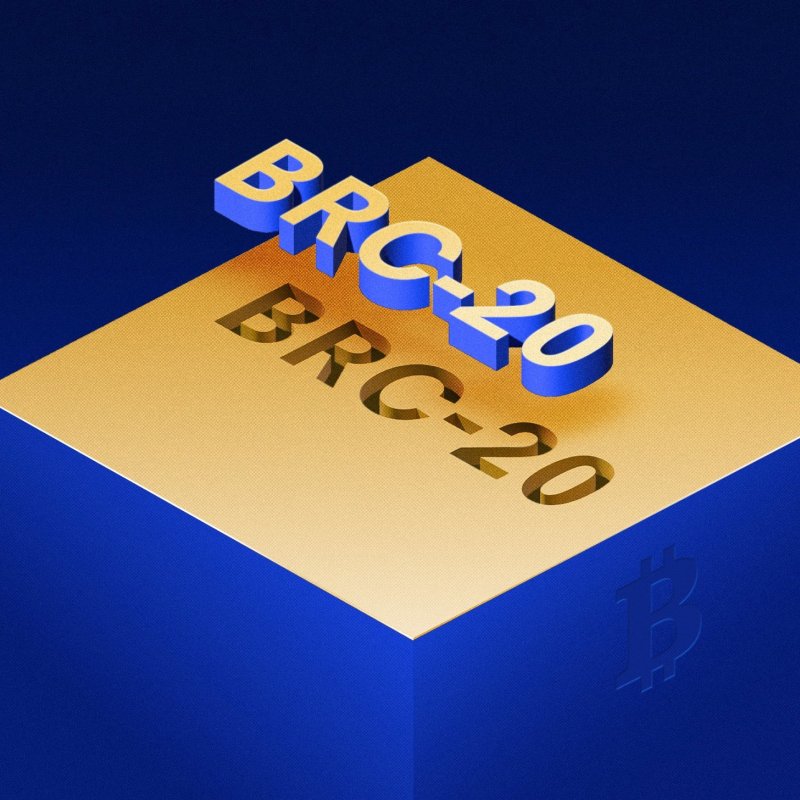
Will BRC-20 fork? What are the potential impacts?
Why such differences have emerged, what the positions of various parties are, and what potential impacts may result?
 Navigating Web3 tides with focused insights
By: Cookie
On the third day of 2024, a single tweet from BRC-20 creator @domodata sent shockwaves across the community, officially bringing the BRC-20 fork debate into the spotlight.
In this tweet, domo made serious allegations against UniSat. He claimed that UniSat's upgrade of the BRC-20 indexed Ordinals protocol to version v0.13.0 constituted a "fork" of BRC-20—an action taken unilaterally by UniSat—and amounted to a power grab over control of the protocol.
How can we quickly understand this "fork" controversy? This dispute is akin to everyone holding the same assets (BRC-20 Tokens). Previously, we could deposit and trade seamlessly on platforms like UniSat, Magic Eden, and OKX because they all used the same accounting system. Now, UniSat wants to upgrade this accounting system. If other platforms do not follow suit, discrepancies in the rules of the accounting systems may arise, leading to different balances for the same BRC-20 Tokens across different platforms—potentially causing chaos.
So why has this divergence occurred? What are the various parties building BRC-20 saying about this split? And what potential impacts might result?
Why has this divergence occurred?
On November 9, 2023, with the mining of Bitcoin block 816000, the proposal to "freeze" the BRC-20 indexing specification officially took effect.
The "freeze" proposal was introduced by BRC-20 protocol founder domo on October 26. Domo named it a "freeze" because its purpose was to standardize and lock the BRC-20 index at version v0.9.0 to ensure indexing stability.
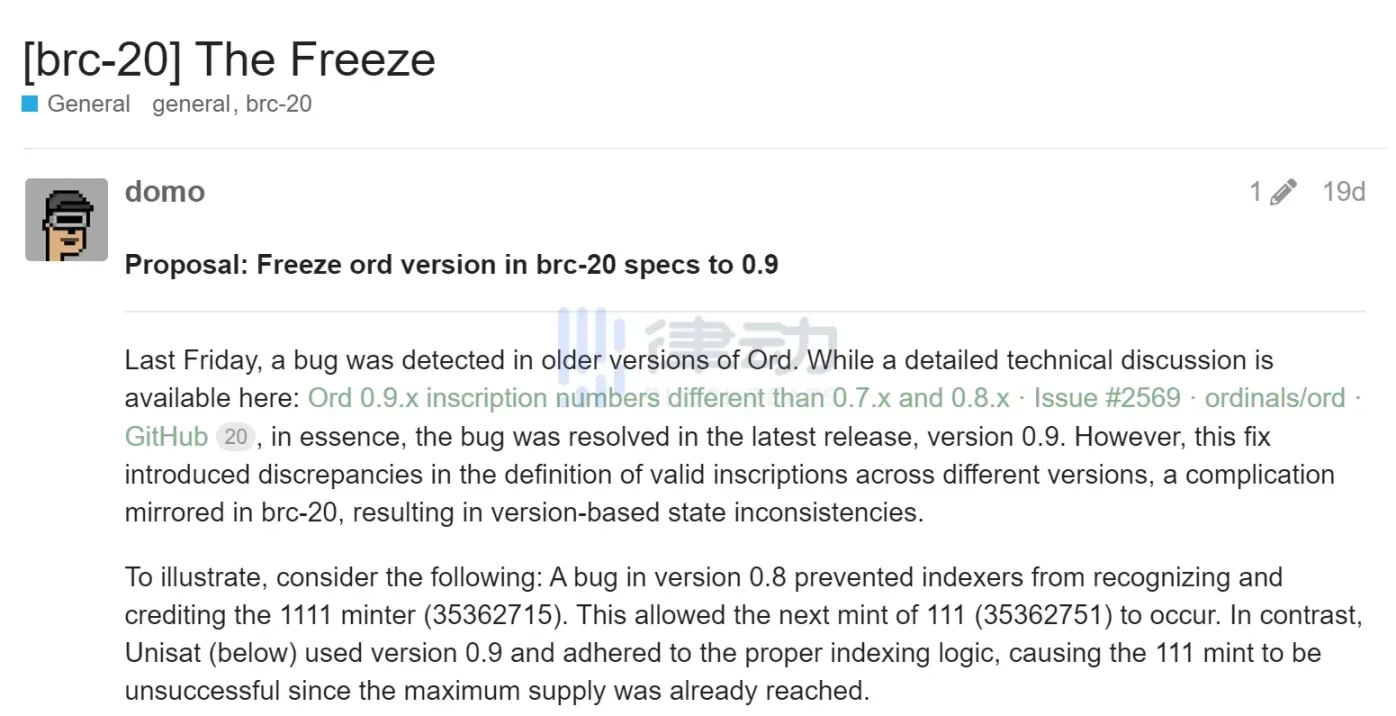
In October 2023, it was discovered that inscriptions #35321413 and #35329860 could be indexed by the v0.9.0 version of the Ordinals protocol but not by versions v0.7.0 or v0.8.0. Since different marketplaces adopted different versions of the Ordinals protocol, some inscriptions couldn't be correctly indexed on certain platforms, resulting in actual inscription number offsets.
For BRC-20, this issue posed an even greater risk. Bugs in the v0.8.0 version of the Ordinals protocol created significant risks such as minting beyond maximum supply limits and double-spending across markets using different protocol versions. This is precisely why Magic Eden briefly suspended BRC-20 trading in November 2023—not due to any fault of their own, but simply because the version they used happened to be affected. Their timely suspension of trading was a responsible move to protect users.
BRC-20 is a protocol parasitic upon the Ordinals protocol, making the decision of whether its indexing should follow Ordinals protocol upgrades a dilemma at present. On one hand, the Ordinals protocol continues to rapidly iterate and add new features. Notably, the upcoming "Jubilee" upgrade, set to activate at block height 824544, will fix the method for generating cursed inscriptions. As a result, cursed inscriptions assigned negative numbers under v0.9.0 would receive positive numbers under v0.13.0, creating major discrepancies in future inscription numbering based on protocol version differences. Additionally, modified versions of BRC-20 such as CBRC-20—which leverage new features in updated Ordinals protocol versions for performance optimization—are also posing challenges to BRC-20’s development.
On the other hand, as a protocol that has already generated numerous high-market-cap assets, maintaining stability during development has naturally become BRC-20’s top priority. Any user asset loss caused by pursuing optimizations and expansions through new features would undoubtedly deal severe damage to the BRC-20 ecosystem.
This fundamental tension has led to disagreements among key stakeholders in the BRC-20 protocol, which is exactly why the current "fork" debate has emerged. The so-called "fork" controversy centers around whether the Ordinals protocol version used for BRC-20 indexing should be upgraded from v0.9.0.
Stances of Various Parties on the "Fork"
Opposed: domo and Best in Slot-led Layer 1 Foundation
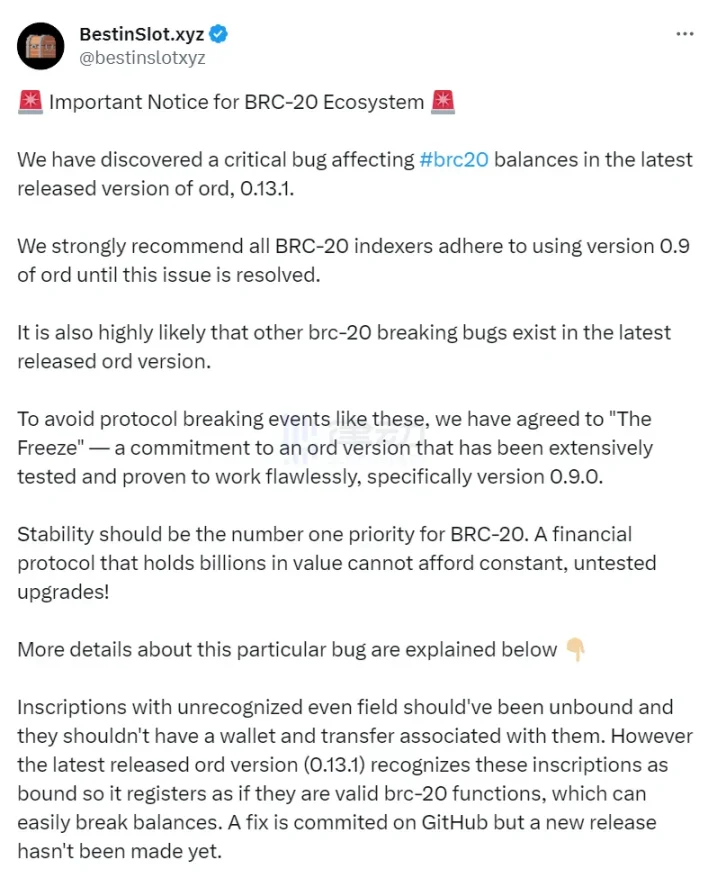
Domo's position was mentioned at the beginning of this article. Best in Slot recently tweeted that they had discovered a "critical vulnerability" in Ordinals protocol v0.13.1 that could affect the correctness of BRC-20 balances. They strongly urged that BRC-20 indexing remain on version v0.9.0 to maintain protocol stability. Best in Slot also indicated in their tweet that there may well be other bugs in v0.13.1 affecting the BRC-20 protocol, emphasizing that "stability" must remain BRC-20’s top priority—given its scale, the BRC-20 protocol cannot withstand continuous, untested upgrades.
In Favor: UniSat
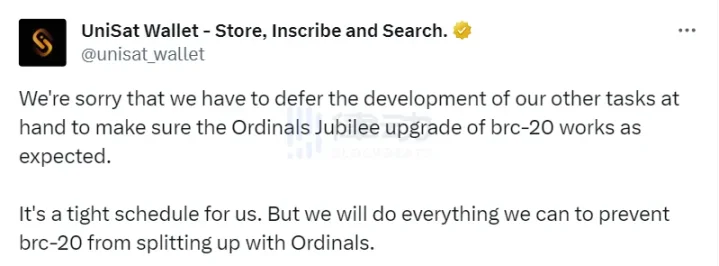
UniSat has consistently acted to accelerate BRC-20-related developments—from developing BRC-20 Swap functionality to now openly advocating for upgrading the Ordinals protocol version used for BRC-20 indexing. After domo's tweet, UniSat responded via Twitter, stating they would temporarily pause all other development tasks to fully focus on ensuring the scheduled upgrade proceeds smoothly. UniSat also emphasized that they will do everything possible to prevent BRC-20 from undergoing a "split."
Additionally, reports suggest that Magic Eden supports the BRC-20 upgrade.
Neutral: TRAC
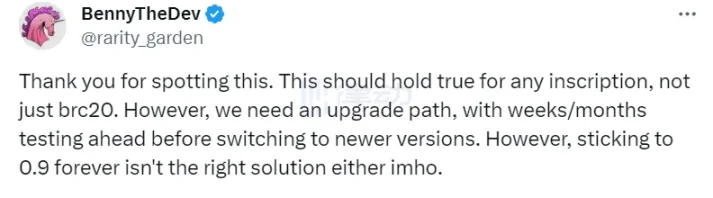
TRAC founder Benny has taken a neutral stance on the disagreement. He stated that keeping the Ordinals protocol version used for BRC-20 indexing permanently at v0.9.0 is certainly incorrect, but any upgrade must be preceded by weeks or even months of testing to ensure a smooth transition to the new version.
Potential Impacts
UniSat refers to this dispute as a "split," not a "fork." According to UniSat, a "fork" implies a physical divergence resulting from a consensus split—such as between BCH and BTC—which results in two separate chains evolving independently under different consensus rules. In contrast, the BRC-20 upgrade dispute could lead to a situation where the BRC-20 protocol runs two different indexing rules simultaneously on the same chain (Bitcoin mainnet), meaning the two systems would still interact and affect each other.

The BRC-20 "split" controversy casts another shadow over the currently cooling inscription market. However, there's no need for excessive concern—no party truly intends to harm BRC-20. The differing views simply reflect varied perspectives on how best to advance BRC-20, which is actually a positive sign and an inevitable test in its evolution. It is believed that all parties will engage in constructive dialogue to reach a mutually acceptable resolution and establish a healthy communication mechanism from this event. After weathering the storm, BRC-20's future will surely shine even brighter.
Join TechFlow official community to stay tuned
Telegram:https://t.me/TechFlowDaily
X (Twitter):https://x.com/TechFlowPost
X (Twitter) EN:https://x.com/BlockFlow_News
 @lonelyhorseme
![In-depth Analysis of Trade[XYZ]: How Were 92 Markets and 98% HIP-3 Trading Volume Established?](https://upload.techflowpost.com/upload/images/20260716/20260716061117965147.jpeg?x-oss-process=image/resize,p_50/quality,q_80)