From SixDegrees to FriendTech, Soulcial's Web3 Social Moment Takes Off
TechFlow Selected TechFlow Selected
From SixDegrees to FriendTech, Soulcial's Web3 Social Moment Takes Off
Soulcial aims to discover the soul of Web 3.0 social—transforming from the ground up the unequal dynamics of human interactions, and making each individual's value tangible.
 Navigating Web3 tides with focused insights
Undeniably, SocialFi is hot.
From the wild early days of Miaoa and BitClout during DeFi's tail end, to today’s trending friend.tech, a multi-year-long social Ponzi evolution—from “point” to “line”—has reached its turning point.
Taking curve-optimized projects like friend.tech as prototypes, copycat platforms have recently sprung up like mushrooms after rain—same models, repeatedly draining the residual value of social media KOLs. We must ask: how can ordinary users realize their value in this wave of social revival? Is SocialFi limited only to influence-based social media narratives? Does Web3 social have a long-term path toward massive adoption?
Soulcial, newly launched within the OP ecosystem, offers an alternative: using verifiable on-chain behavioral data to mint **soul NFTs** as anchors of value, building bidirectional social networks between strangers. By leveraging multi-dimensional SBTI (Soulbound Token Identity) combined with AI to profile each user, then enabling high-precision social matching mechanisms, Soulcial empowers average users to become both centers and relays of value. Coupled with 100% fair-launch tokenomics that fairly incentivize every node in the network, this is the vision Soulcial paints.
Aiming to evolve from “line” to “plane,” Soulcial carries bold ambitions. But before diving deep into this project, let us first revisit the brief history of internet socialization.
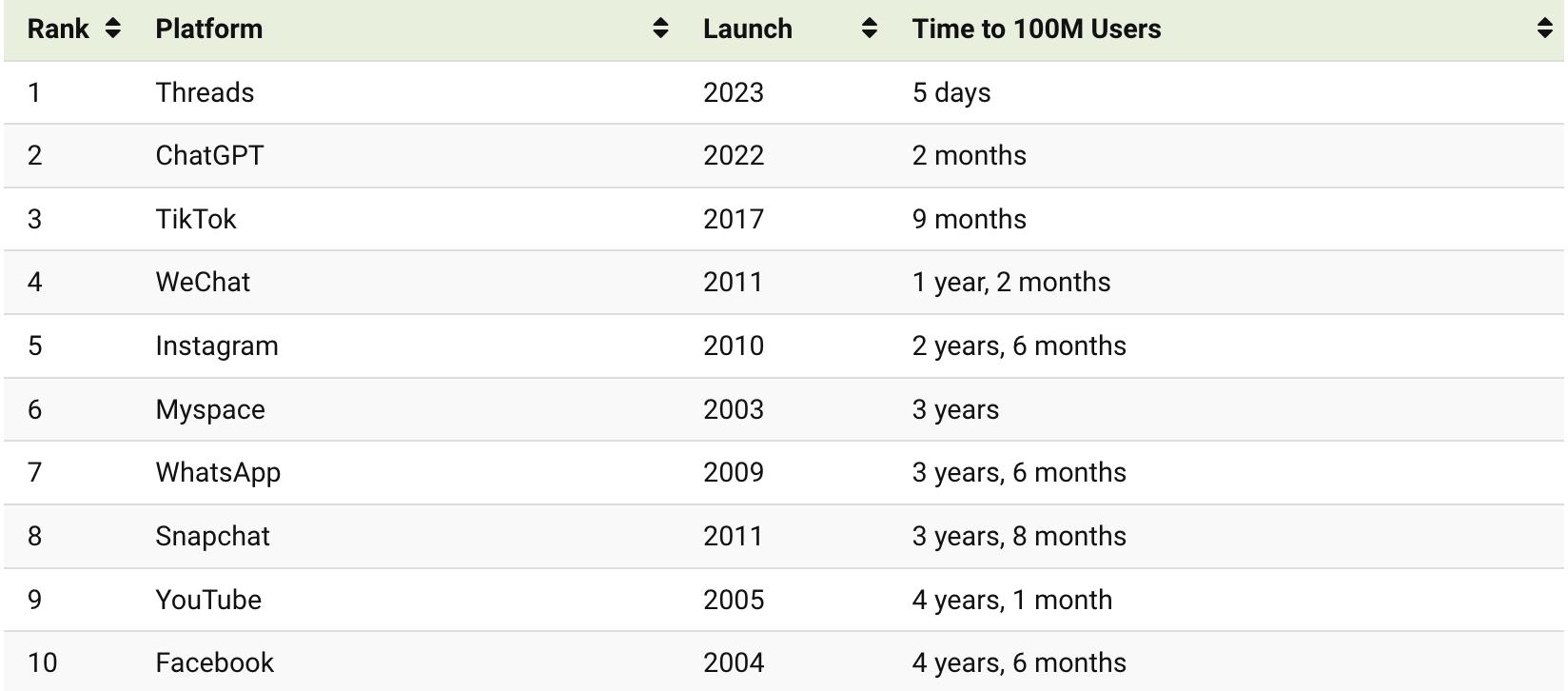
Classic Revival: The Explosive Power of Social in Web 3.0
As Cicero said, "Without making use of past achievements, the world would forever remain in primal chaos."
As early as the 1990s, the U.S. government proposed the Information Superhighway initiative, aiming to massively build fiber-optic and other network infrastructure to bring the entire population into a networked society—laying the foundational groundwork for America’s subsequent global dominance in internet economy.
MIT Technology Review commented at the time: "The Information Superhighway directly connects millions of people, each simultaneously a consumer and potential producer of information." This captured the essence of the early internet—an echo of humanity’s earliest modes of civilization transmission: free, decentralized, and enabling equal flow of information between individuals.
Thus, SixDegrees.com in 1997 became the first true social network in human history. Though the first widely popular platform was Friendster in 2002, which once dominated Asian markets for years. Friendster allowed users to create profiles, add friends, send messages, and share photos—but ultimately failed to keep pace with rapid technological iteration and fell due to internal management issues.
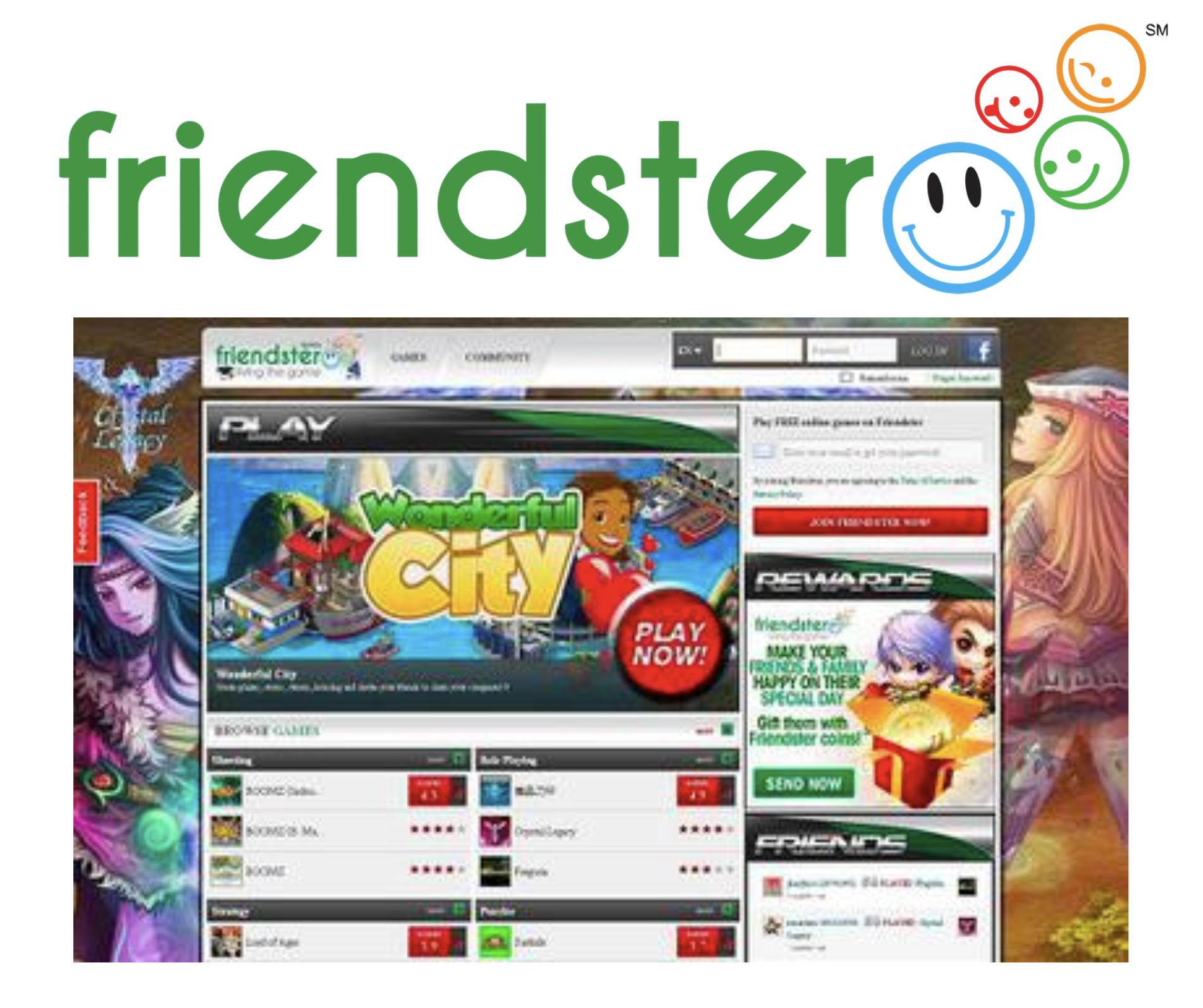
Will today’s friend.tech surpass or simply repeat Friendster’s trajectory? This question matters because it helps clarify where Web 3.0 social networks stand historically. As Jason, founder of Folius Ventures, put it: "friend.tech could be the pioneering Friendster, not the final Facebook."
As shown below, the evolution of internet socialization can be roughly divided into five phases: email, IRC, discussion groups, podcasts, and current social networks. For more details on representative products across these stages, see the chart on the left—from 1997 to 2006. Most mainstream social products today have already completed their takeoff phase.
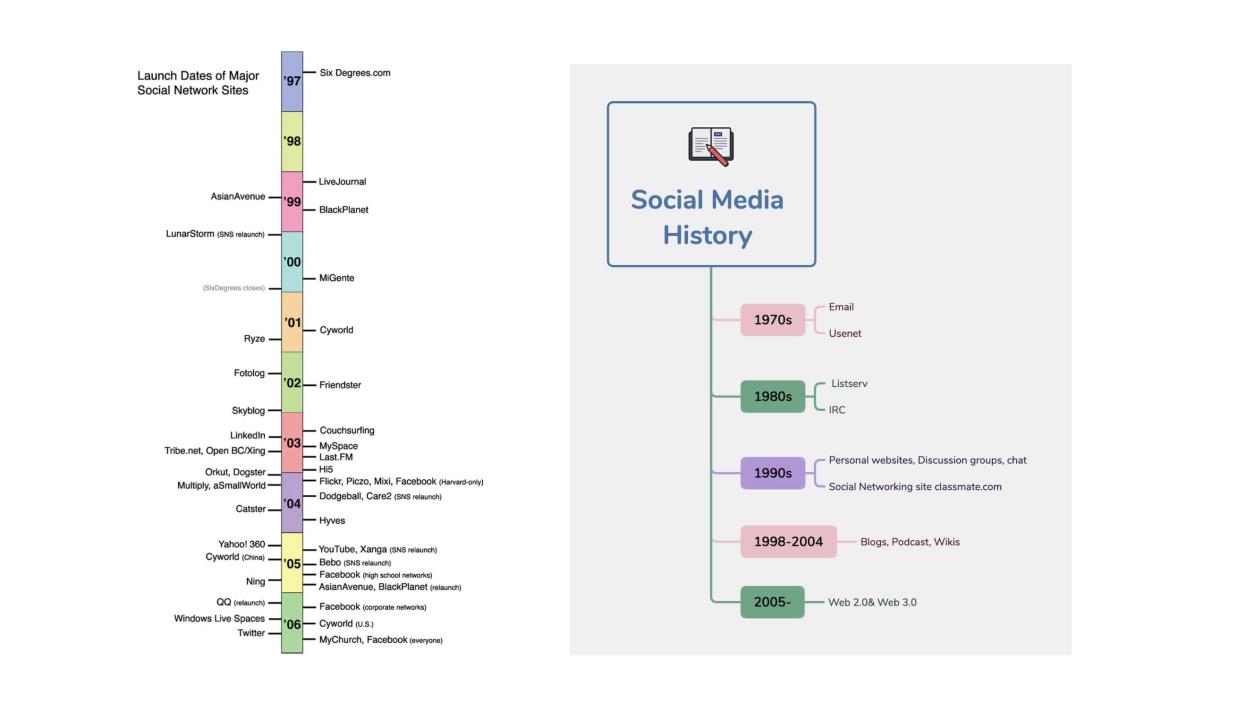
The key takeaway? Facebook was founded in 2004—just two years after Friendster. In the Web 3.0 era, this cycle accelerates further. Clones of friend.tech, such as Stars Arena, are already showing signs of overtaking their predecessor—less than two months after friend.tech began gaining traction on August 10th.
Although Stars Arena faced a security crisis, the team responded promptly and is preparing for relaunch—apparently backed by mysterious funding. Earlier, friend.tech also suffered user data leaks. Yet both projects continue moving forward despite setbacks, clearly indicating that the fire of social innovation has entered its buildup phase. Problems abound, but the overall trend remains upward.

Throughout this narrative thread—from SixDegrees.com to Friend Tech—lies humanity’s enduring obsession with social products. Each update in underlying infrastructure spawns early adopters, but history remembers only the ultimate consolidators: Friendster over SixDegrees.com, Facebook over Friendster.
By this logic, friend.tech is certainly not the last chapter.
To become the true heir apparent in SocialFi, one must offer more universally accessible products, honor unique user behaviors and social patterns, and comprehensively tokenize users’ Web 2.0 & Web 3.0 social value through NFTs across multiple dimensions—a viable path for rising contenders.
On a broader scale, signs of a Web 3.0 social revolution are emerging. Who will ultimately claim victory remains to be seen—and discovered by those who seek.
Decoding friend.tech: The Network Effect of Social
Today’s landscape closely mirrors the 1990s internet era. Based on Ethereum active addresses, the on-chain user base stands between several million and 20 million, with daily actives numbering in the hundreds of thousands. On one hand, Web 3.0 has overcome its survival crisis and accumulated early seed users. On the other, the gap between on-chain ecosystems and traditional internet scales lies primarily in social and gaming sectors. Future growth cannot rely solely on DeFi or public chains.
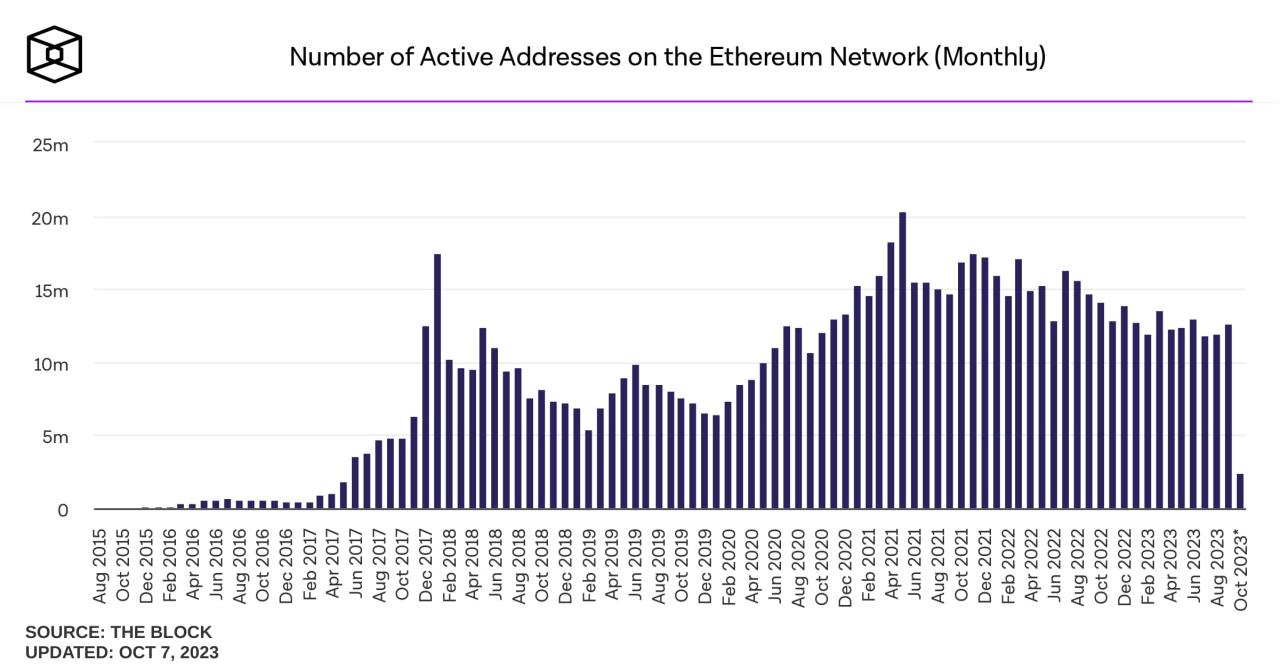
TON, backed by Telegram’s billion-user base, leverages bots to aggressively acquire users—evidence that current demand centers on “pain-free” blockchain usage. Similarly, friend.tech boasts around 10,000 active users, nearly the peak of current on-chain engagement.
Within Web 3.0, the social sector is heating up. friend.tech has climbed to the top ranks among crypto projects by on-chain user count. The next challenge: scaling user numbers into the millions or tens of millions.
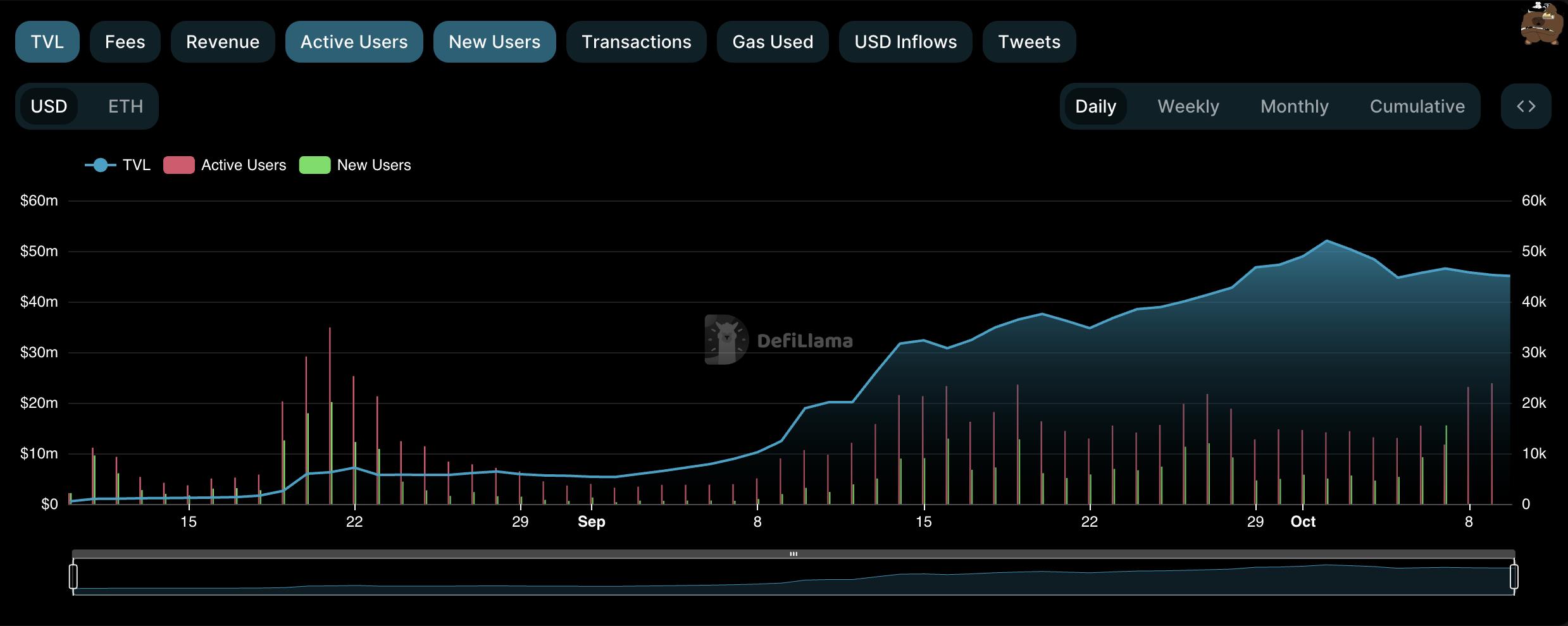
At its core, friend.tech retains strong Web3 characteristics. Its mechanics can be broken down as follows:
-
Relatively “static” personal profiles: In friend.tech, user profiles are constrained by PWA apps, typically displaying only basic information and minimal content.
-
Limited social features: Social functionality is simple. Users buy Keys to add friends, send messages, and leave comments—but options are narrow. Real-time chat or video calls aren’t supported; communication occurs only via private messages or comments.
-
One-way information flow: Information spreads unidirectionally. Users post statuses or updates, but others cannot browse or comment freely. There’s no real-time feed akin to Twitter.
-
No personalized recommendations: friend.tech lacks recommendation algorithms. Users see content only from those they follow or have added. There’s no way to discover “interesting” souls—only economic value based on Key price rankings, undermining social equality.
-
Low user engagement: With limited features and interactivity, participation is low. Users mainly consume content for profit rather than actively contributing to the network’s information ecosystem.
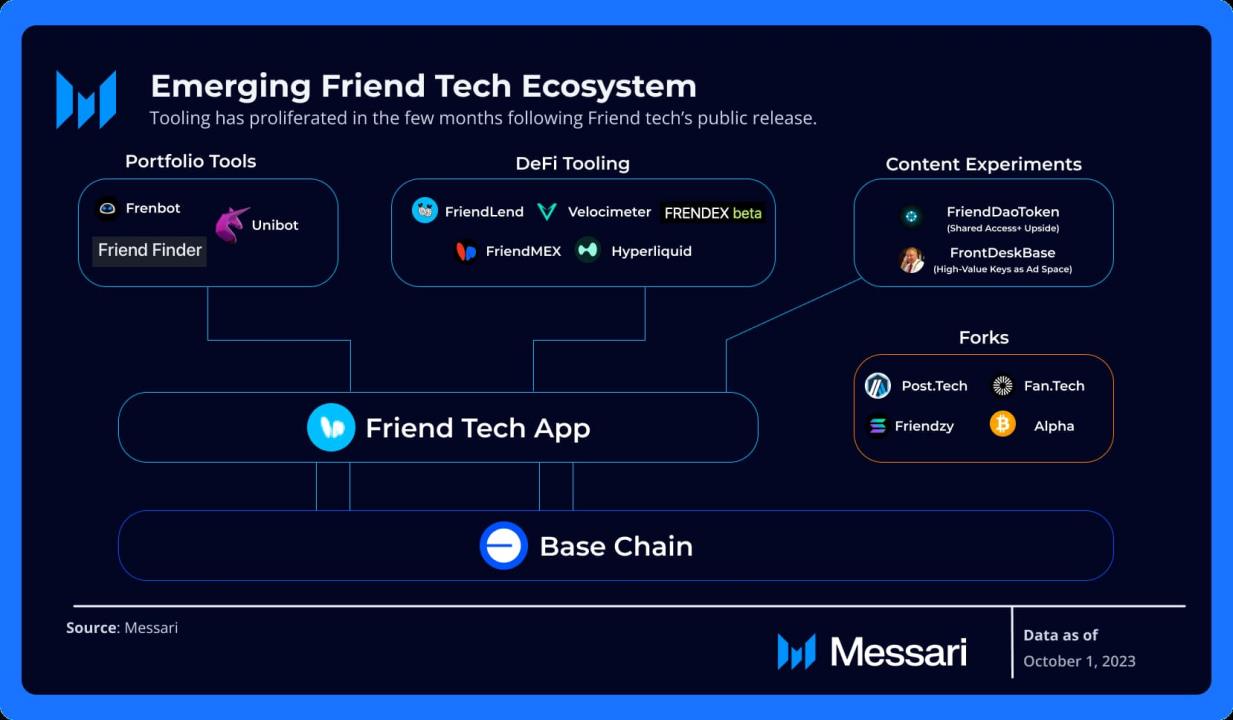
With forks like Stars Arena emerging, we see parallels to Facebook overtaking Friendster—richer dynamics, enhanced functions, news feeds, built-in trading tools. But honestly, do these pose a fundamental threat to friend.tech?
Most likely not. These clones ride FOMO and profit-seeking sentiment. “Those who imitate me live; those who resemble me die.” Recall Sushiswap vs Uniswap, or any number of EVM chains vs Ethereum—all prove that Web3 copycats rarely sustain long-term success.
First Impressions of Soulcial: Making Every Individual’s Social Value Tangible
During ETHShanghai Hackathon in July 2023, Soulcial stood out with its advanced product philosophy and exceptional UX, winning accolades. Nearly concurrent with friend.tech’s rise, Soulcial chose a different path—steady refinement and meticulous product development.
Later, during the Lens Chinese community hackathon, Soulcial was again selected and awarded. After earning recognition from the native social layer Lens Protocol, the team continued advancing technically, winning the “Limitless Potential” award at Arweave Asia Summer Hackathon in September 2023—where they’ll build a data storage solution layer on Arweave.
Social products naturally benefit from network effects—the snowball-like spread dramatically increases ordinary users’ visibility into Web 3.0.
Yet friend.tech suffers two fatal flaws: First, bias toward high-value users—KOLs, celebrities, even adult performers on OnlyFans—whose Keys attract disproportionate attention. Second, its Ponzi-like economic model forces later entrants to pay increasingly higher prices under network expansion, inherently unsustainable.
In response, Soulcial seeks the soul of Web 3.0 social—transforming unequal human interactions at the root, making everyone’s value tangible. Much like Pyth Network innovated in oracles, the most effective economic models reward both producers and consumers while eliminating intermediaries—a timeless theme in Web3. Decentralization means disintermediation.
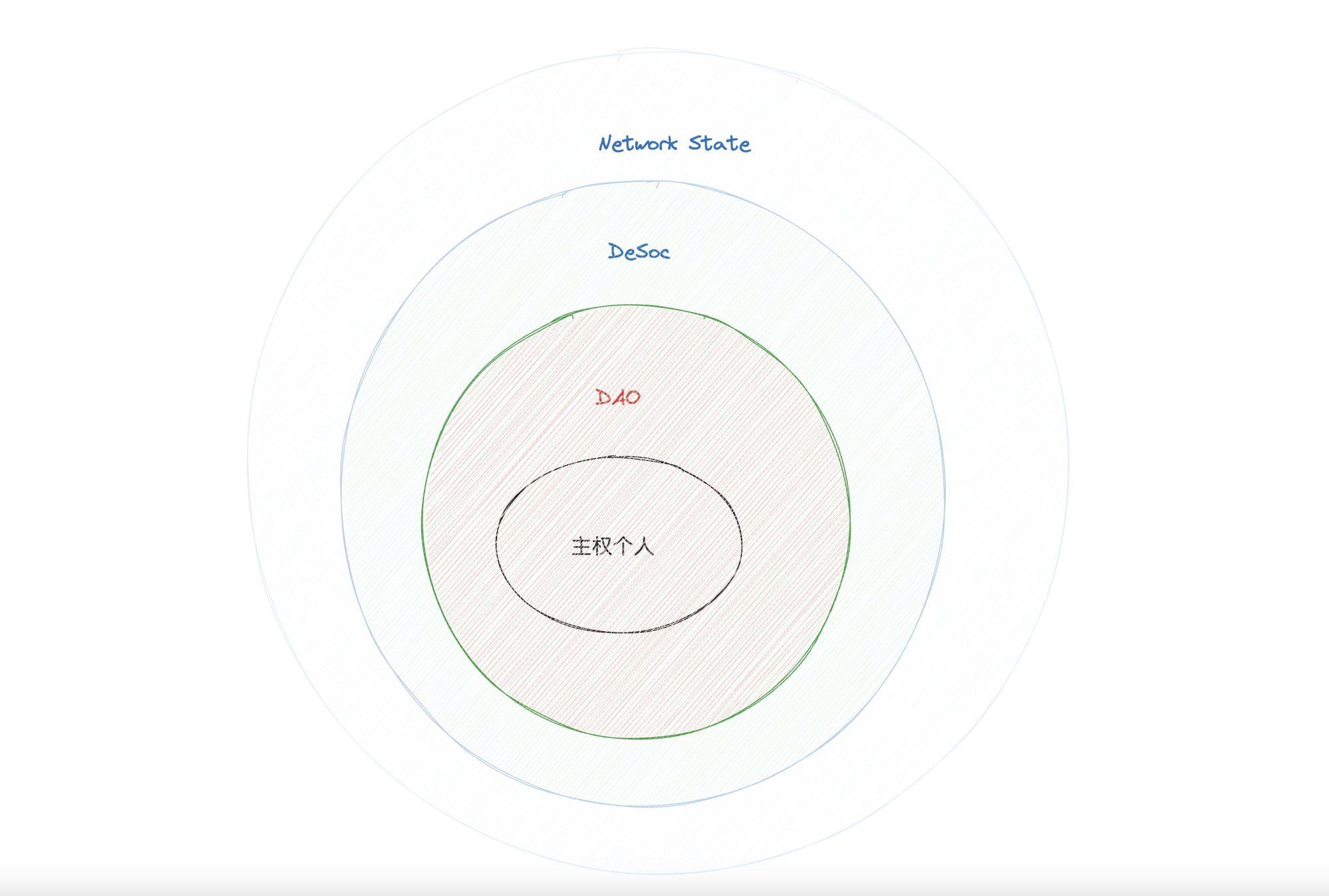
Guided by the concept of sovereign individuals, Soulcial’s social network features:
Full decentralization: Soulcial isn’t controlled by centralized platforms or teams. Instead, powered by 100% fair-launch tokens, it empowers users. Through multi-dimensional personal valuation mechanisms, anyone can gain recognition in Soulcial based on their activity—not just KOLs or elite figures.
Robust incentive mechanism: Soulcial introduces Connect2Earn, enabling value exchange and reward distribution through efficient connections. Users earn rewards by bidding on social assets, showcasing soul traits, forming wide linkages—and incentives span numerous Web 2.0 & Web3.0 platforms, encouraging broad participation.
Customized social identity: Soulcial binds user identities to SBTs, ensuring anonymity under trust. Users verify and authorize identity via SBTI, establishing credible social relationships and networks.
Social governance: Soulcial will eventually adopt DAO governance. Users participate in decision-making through voting and proposals, collectively shaping the platform’s direction and rules—enabling fairer, more democratic operations.
New viral growth model: Unlike Friend Tech’s classic Ponzi tokenomics driven by user count inflation, Soulcial draws from Web2 viral methods to create a novel “alternative Ponzi” pricing mechanism. Even with minimal liquidity providers, this ensures continuous price curves and lossless trading. Users earn yield by market-making others’ social assets, fueling ongoing expansion of the Soulcial network.
Clearly, starting from making individual value tangible, Soulcial builds layered social circles, gradually assembling DAOs and decentralized societies.
From fair launch, to multidimensional evaluation systems, to multi-scenario token utility, Soulcial doesn’t feel like adding “Social” to “Fi.” Rather, it embeds economic incentives into user participation—where incentives ultimately serve network scalability. After an initial “alternative Ponzi” bootstrapping phase, Soulcial aims to retain users within its own ecosystem.
Web3 Social: Soulcial’s AI Ignition Moment
Things are changing. The historical arc from SocialFi to Web3 Social will mirror that from GameFi to Web3 Gaming.
The last Web 3.0 product to go mainstream was StepN, creatively combining fitness and crypto. Users didn’t need to understand complex crypto logic—just focus on movement and fun.
Soulcial’s social philosophy splits into two layers: bottom-up connectivity, top-down incentives. Whatever the incentive, all roads lead back to the web of connections. Rebuilding a social fabric from the ground up—that’s its exclusive secret distinguishing it fundamentally from existing Web 2.0 and Web 3.0 social products.
Free will, unique character. In Soulcial, AI assists individuals in evaluating social traits—including data from major Web 2.0 platforms and Web 3.0 on-chain footprints like transaction history or NFT collection preferences. AI-generated tags fall into six dimensions, holistically reflecting each person’s soul traits and social value. In the future, this tagging system will open to users for self-expression.
Soul generation, enriching identity. Once the AI assessment is complete, a unique SBTI is generated and used—with AIGC assistance—to mint a SoulCast NFT. This NFT contains all user tags, fully on-chain, shifting value transmission from K2M (KOL to Massive) to M2M (Massive to Massive).
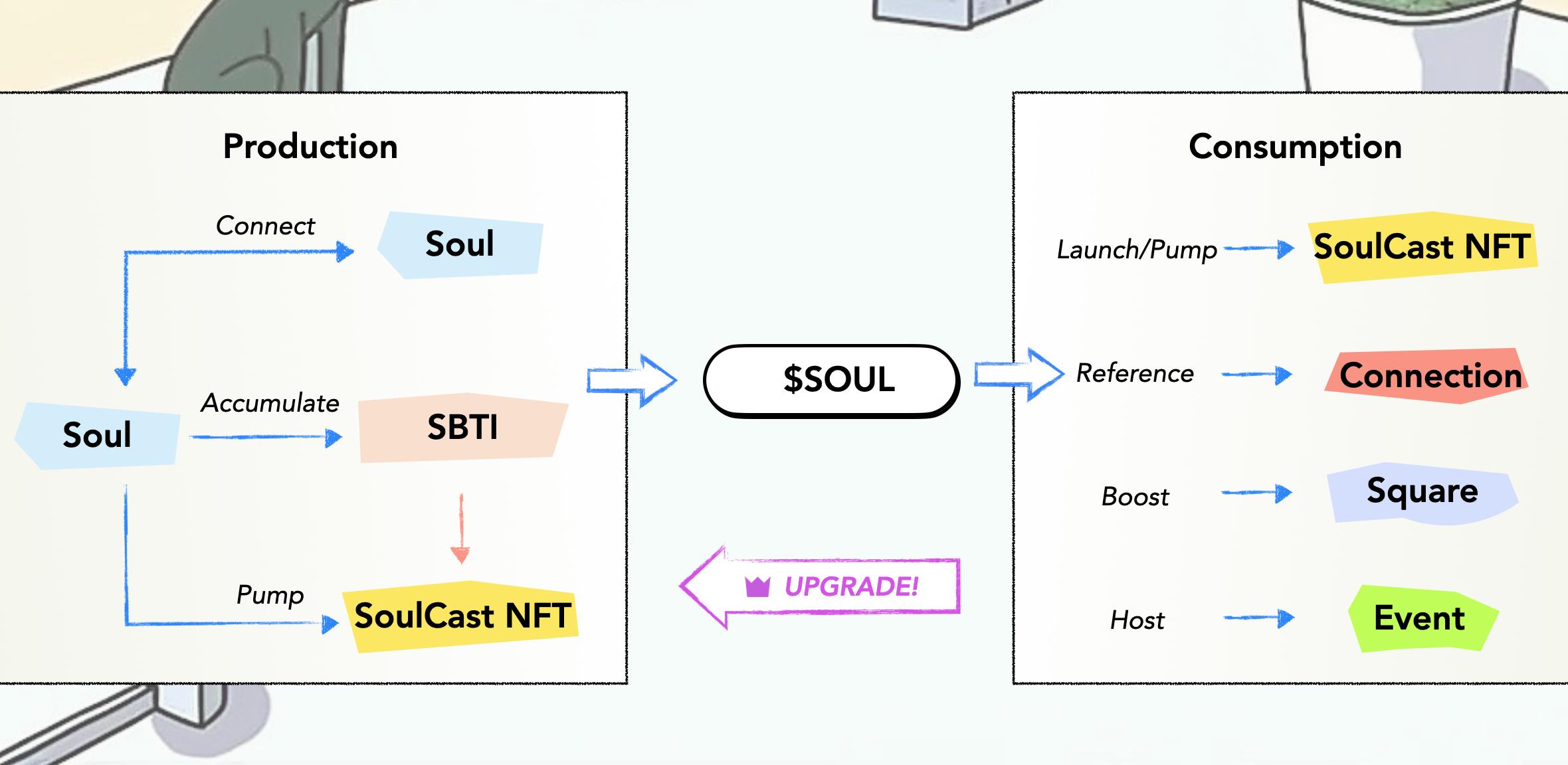
Network formation, connecting everything. In existing mode, users establish connections with mutual consent. In growth mode, new users automatically connect when invited by existing ones. Purchasing someone else’s SoulCast NFT triggers a Star Connect, unlocking features like private messaging.
Beyond direct links, users can discover friends via matching algorithms. Multi-dimensional tags help find ideal soulmates, fostering richer interpersonal ties.
Even deeper, more distinctive connection tiers may emerge—akin to six degrees of separation—where different relationship levels correspond to distinct NFT assets, culminating in a self-sustaining NFT value ecosystem, avoiding the price instability of homogenized tokens.
Feeding back to reality, igniting the future. Following the off-chain → on-chain → on-chain flow, Soulcial’s social relationships reflect real-world connections—and may even spawn new opinion leaders, becoming a platform for next-gen content creators, not just a social app. From AOL, MySpace, MSN, Facebook to TikTok, social media never stands still—multiple forms coexist, yet each era has its leader.
Could the next be Soulcial? Ponzi it till you make it.
In the early stages of Web 3.0 projects, leveraging traditional internet platforms for traffic is common practice—from Damus, CyberConnect, Mask Network to friend.tech. Using token-based incentives or airdrop expectations is standard in Web3.
Long-term, as long as price signals don’t deviate from intrinsic value, there’s no issue. The key lies in token resilience—users holding and using the token must vastly outnumber those selling. Hence, Soulcial adopts the NFT model, ultimately anchoring back to the social network itself: creating the richest possible Social Events where people can dwell and express their souls.
Join TechFlow official community to stay tuned
Telegram:https://t.me/TechFlowDaily
X (Twitter):https://x.com/TechFlowPost
X (Twitter) EN:https://x.com/BlockFlow_News
 深潮TechFlow