How Web3 Disrupts Traditional Industries: 35 Business Ideas Here
TechFlow Selected TechFlow Selected
How Web3 Disrupts Traditional Industries: 35 Business Ideas Here
Web3 will disrupt traditional industries.
 Navigating Web3 tides with focused insights
Written by: TaschaLabs
Translated by: TechFlow intern
Web3 will disrupt traditional industries. What would the top companies on Nasdaq and NYSE look like if they adopted Web3 business models? Here are 35 examples:
Note: These are not the only ways to implement Web3/tokenization—just some illustrative ideas. Some are already being implemented; others may be difficult to execute. But if you're a founder, they should serve as inspiration.
1. Amazon Logistics
Replace large distribution centers with decentralized small warehouses (like your backyard). Drivers pick up goods from the nearest storage location, and shipping fees are paid in warehouse owners’ warehouse tokens.
2. Meta / Facebook
Users earn platform tokens by posting videos and comments, with earnings based on content popularity. Advertisers pay advertising fees in platform tokens.
3. Google
Users receive platform tokens whenever the search engine/browser logs their data—e.g., demographics, behavior—into its database. Advertisers pay in platform tokens for access to this data.
4. Costco Stores
Store membership is represented via NFTs. Members can rent these NFTs on secondary markets to people who want discounts but don’t shop frequently. Members earn rental income, and Costco gains more customers.
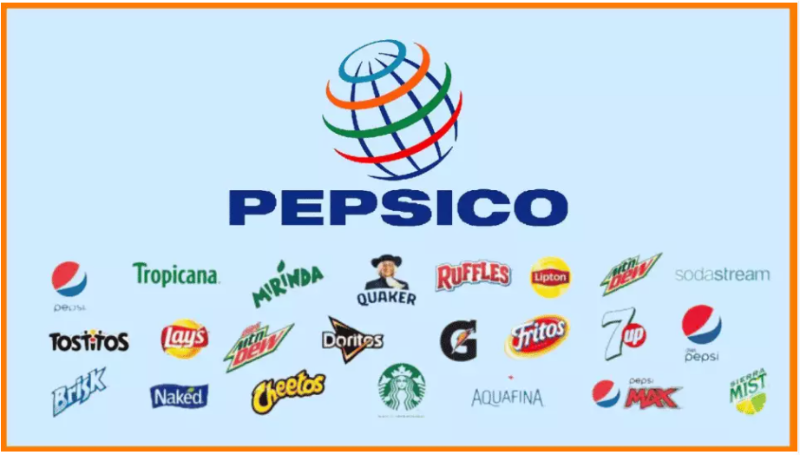
5. PepsiCo
Pepsi owns dozens of food and beverage brands and regularly acquires new ones. A Pepsi utility token—earned when purchasing one brand and spendable on another—can help Pepsi grow new brands by leveraging existing brand customers.
6. Comcast/Xfinity
Comcast operates a public WiFi network including hotspots at public places, businesses, and home gateways. Users earn utility tokens backed by network revenue when providing hotspot services, increasing WiFi coverage and user loyalty.
7. Netflix
Airdrop Netflix tokens to users → let users “stake” tokens on shows they like → users receive a share of streaming revenue from those shows. Now users have stronger incentives to promote their favorite shows, attracting more subscribers.
8. Power Companies
Tokenization can incentivize distributed renewable energy development from small hydro, biomass, solar, wind, and geothermal generators—without requiring upfront capital investment from the company.
9. PayPal
PayPal already allows users to buy crypto within its app. The next step is evolving into KYC-ed DeFi—for example, letting users contribute their crypto balances to liquidity pools on PayPal to facilitate token swaps and earn transaction fees.
10. Mercado Libre
Use tokenization to drive traffic and provide greater incentives to marketplace sellers. Sellers earn token rewards when their customers make purchases on the platform. They can then gift tokens to customers as discounts or use tokens to pay platform commissions.
11. Zoom
Shift video transcoding from centralized servers to individuals using their own computers. Instead of paying subscription fees, users directly pay transcoders in tokens during video calls.
12. Airbnb
Hosts and guests earn Airbnb tokens when receiving positive reviews. They can use tokens to pay for future bookings, reduce commission fees, or sell tokens on secondary markets—monetizing their good performance on the platform.
13. Lululemon Athletics
Social media influencers post photos wearing Lululemon clothes and earn Lulu tokens based on post engagement. They can give tokens to their audience in exchange for products. Part of the company’s revenue is used to repurchase tokens from secondary markets.
14. Starbucks
Monetize user loyalty by allowing customers to earn Starbucks points through token-based transactions. Users can stake tokens to unlock tiered future discounts.
15. DocuSign
Users earn utility tokens when someone they send documents to also registers for a DocuSign account. Utility tokens can be used to pay subscription fees at a small discount.
16. McDonald's
McDonald's could form a DAO representing franchise ownership. DAO tokens represent members' pooled resources, allowing them to vote on new store locations and earn returns from these operations.
17. Disney
Customers earn upgradable Disney NFTs by purchasing or interacting with multiple branded products. Different levels of NFTs in a wallet unlock various benefits and discounts.
18. Nike
NFTs are paired one-to-one with limited-edition shoes, preserving their rarity even after the physical shoes wear out or disappear. Collecting rare sneaker NFTs becomes a store of value, giving customers stronger incentives to buy rare sneakers and enabling higher price premiums.
19. Illumina
Anyone who undergoes genome sequencing and contributes to a global DNA database receives an airdropped DNA token. Medical companies and research institutions pay to access the database, and revenues are used to repurchase DNA tokens from the market.
20. Blizzard
Gamers earn platform tokens simply by playing the company’s games or engaging in player communities, with extra rewards for trying new games. A portion of all game sales revenue is used for token buybacks.
21. Fidelity
Create a marketplace for tokenized asset mutual funds. Anyone can launch a fund, and anyone can invest in fund tokens. Performance is transparent, with data trackable on-chain. The platform curates, filters, and helps users discover funds.
22. Monster Beverage
Energy drinks are commodities. 90% of the company’s value lies in intangible brand assets. Use DAOs and NFTs to encourage brand engagement—for example, Monster DAO lets customers vote on new flavors/designs and earn tokens redeemable for products.
23. Digital Realty Trust
Use tokens to fund investments in new data centers. Customers of the data centers must pay usage fees in these tokens.
24. Visa Inc.
Credit card transaction fees are high partly to prevent fraud/refunds. Blockchain wallet transaction data is public and free—analyze this data to determine user creditworthiness and offer lower-fee credit cards to high-quality users.
25. Equifax Inc.
Equifax collects consumer credit data and sells it to B2B clients. The company could reward individuals who provide data with tokens, and use data sales revenue to repurchase tokens from secondary markets. Token incentives could help rapidly build the database.
26. Airlines
Tokenize flight miles to allow secondary market trading. Token prices can act as an "automatic stabilizer" for airline demand: when demand drops → token prices fall → encouraging redemption for flights → boosting demand, and vice versa.
27. Ulta Beauty
Create a governance token that lets customers vote on which brands should be added or removed from Ulta stores. Customers who vote receive perks and discounts from the brands they support.
28. Estée Lauder Companies
Instead of paying celebrities like Kendall Jenner high fees for ads, give customers tokens to try new products, and use product profits to repurchase tokens.
29. Match.com/Tinder
Incentivize users to input personal data through token airdrops. Data improves platform algorithms and increases match rates. Extra airdrops for inviting friends. Tokens can be used to pay subscription fees.
30. Etsy Inc.
Sellers earn Etsy utility tokens when they bring new customers to the platform. Tokens can be used to pay future platform fees. Staking tokens gives merchants voting rights on certain platform operational decisions.
31. Planet Fitness
Gyms profit from members who pay but don’t work out. A disruptor would do the opposite—charge higher fees but reward/reward active members with tokens. Partner with health providers and insurers to support token value.
32. Booking.com
Use tokens to increase repeat customers and reduce ad costs. Reward users with tokens when booking hotels through the site. Tokens can be redeemed for discounts on future bookings.
33. Public Storage
Instead of running centralized self-storage services, create a marketplace matching storage demand with users who have extra space at home or in offices. To drive growth, both parties receive token allocations, with token value supported by platform transaction fees.
34. Zillow
Advertisers pay part of their fees in Zillow tokens. If users ultimately rent or buy a home through the platform, they get token rebates. Listing properties also earns tokens—so tokenization supports growth on both sides of the market.
35. DoorDash
When restaurants refer customer traffic to the platform and use it for payment processing, they earn tokens. The higher a merchant’s token balance, the lower their commission rate—saving on advertising costs and reducing expenses for both merchants and customers.
Join TechFlow official community to stay tuned
Telegram:https://t.me/TechFlowDaily
X (Twitter):https://x.com/TechFlowPost
X (Twitter) EN:https://x.com/BlockFlow_News
 Tascha