Duck Duck Apocalypse: When Web3 Is No Longer Young
TechFlow Selected TechFlow Selected
Duck Duck Apocalypse: When Web3 Is No Longer Young
Escape GameFi, accidentally stumble into the roast duck's home.
 Navigating Web3 tides with focused insights
Author: Zuoye
When the world was young, a shared belief ignited fires across the globe—Web3 is its last flickering light. But how long can this flame continue to shine?
I should have been discussing how Variational implements RFQ architecture for market making, or celebrating institutional adoption of stablecoins, at the very least writing three long articles about swapping x402 into Meme coins.
But none of that happened. Lately, I’ve had a persistent feeling that Web3’s ability to “create cultural moments” is steadily declining:
1. CTO returns from retirement, CTO memes spread like wildfire, but now they’re no longer fresh;
2. Solana conference hits turbulence, new talents emerge in crypto every few days, each leading the trend for only two or three;
3. Duck market built by the people, CS skin marketplace gets banned, Facaster rushes to acquire.
In short, Web3 doesn’t seem cool anymore. O’Reilly in 2006, Gavin Wood in 2015, and A16Z’s Chris Dixon in 2021 all defined the term Web 3.0. Like DePIN, which was voted into existence by Messari, concepts need to be repeatedly revitalized by the times.
The Null Pointer of Web3
That comfortable armchair, the warm checkered carpet, and the trigger left un-pulled in time.
Crypto, blockchain, and Web3 form our vague triad of "crypto circles"—for example, AI X Crypto, RWA points to blockchain, user ownership points to Web3.
Readable, writable, and ownable—this forms the rhetorical division of Web 1.0/2.0/3.0. Yet Web3 points to nothingness.
How long has it been since you heard news about GameFi?
• Elementary students trading PUBG skins
• College students hoarding CS weapons
• Adults turning into roast ducks in farming towns
If we must issue a death certificate for GameFi, the cause would be: the crypto crowd has become so desensitized to financial incentives that games can no longer move them.
But what does this have to do with duck ducks? In mid-2024, Bilibili incubated Carbon Team—a five-person studio. On October 16, they launched Escape from Duckov, released on Steam and macOS App Store, priced at 58 yuan (51 after discount), selling one million copies weekly.
Certainly not as miraculous as Black Myth, but the public needs these small-idea, low-budget, low-difficulty games to cultivate talent. Only such a market structure is healthy. The gaming industry needs not only Battlefield 6 and GTA 6, but also Dyson Sphere and Escape from Duckov.
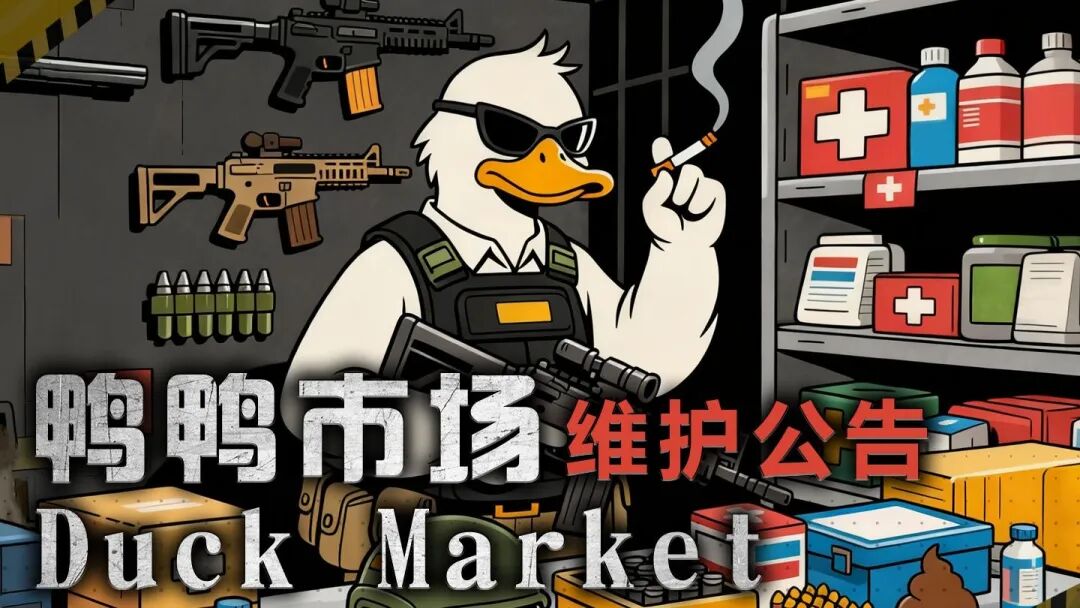
Image caption: Duck Duck Market
Image source: Bilibili user Cyerol:29329360
From a Web3 perspective, Duckov seems childish. Previous GameFi projects raising millions in funding should have been able to build this. Beyond imitating the hardcore style of Escape from Tarkov, two paths emerge:
1. PVP loot-shoot-exfil: online multiplayer combat delivering authentic tactical squad experiences;
2. PEV fun-focused: Duckov team couldn't afford a mobile game, so they focused on exfil and collection mechanics.
Within a week of launch, fueled by Steam Workshop, a modding competition exploded—online features and the Duck Duck Market emerged. Even single-player games can host trading markets. Infinite funds and infinite output mean the economic model never goes bankrupt—far more robust than dual-token systems or points-based competitions.
Players flood in even without profit potential, tens of thousands transacting daily—like children playing house. The urge to share is innate. We don’t need tokens to stimulate players; tokens need players. Homo sapiens evolved through collaboration, never through external incentives.
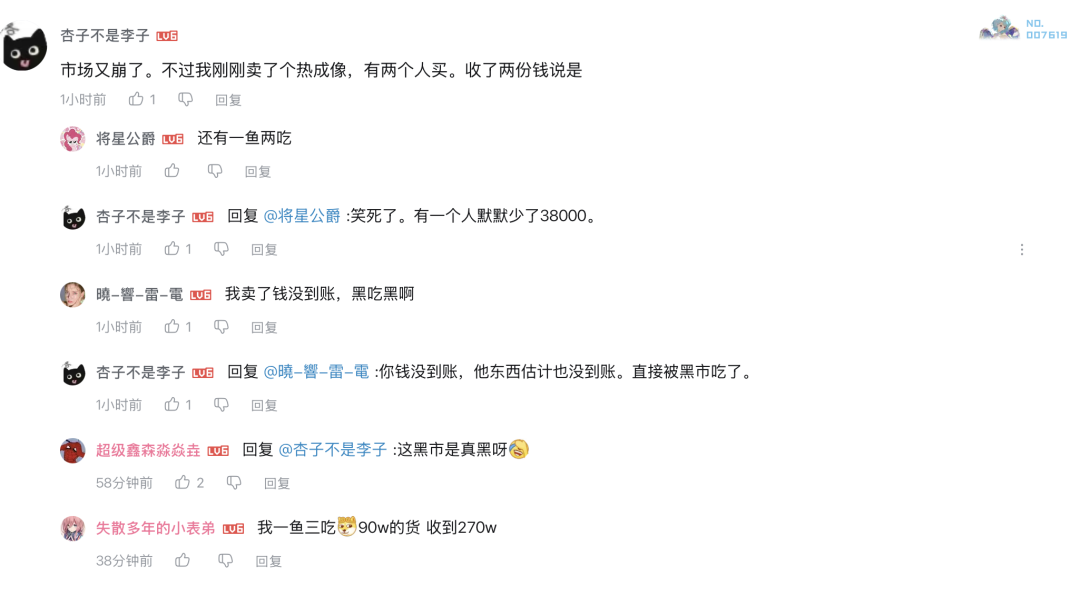
Image caption: Double-spending problem
Image source: Duck Duck Market comment section
From a crypto perspective, the double-spending problem has appeared—perfect for blockchain to solve. But “it's not that Duck Duck Market needs to go on-chain; it's that the chain needs Duck Duck Market.” We always prioritize economics, placing human interaction and experience last.
A deeply uncomfortable truth: Web3 is rushing headlong toward Gambling, and even the foreign fascination with Chinese memes stems from having run out of profitable angles. The mainland market retains its final purchasing power due to constant regulatory pressure.
If institutionalization and financialization are the ultimate answers to everything, there’s no need to re-enter China unnecessarily.
Retail investors value identity above all—just like the Western frenzy around x402 Meme. But will this really attract outsiders to use stablecoins?
The answer is obvious. The core problem of today’s crypto world is that it never breaks out. Sun Guo may have a bad reputation, but USDT truly achieved a grand detour—from the Third World to Europe and America.
The secret service needs 100 Yu Zechengs; cryptocurrency needs 100 Duck Duck Markets, plus one Sun Guo.
Rentiers Reject Production
Telling Yu to put down his sand, he opens his mouth but finds no voice.
The leisure class emerges at advanced stages of uncivilized culture, displaying superior economic status by escaping productive labor.
Look at LABUBU. Passed down from the newly wealthy to their second generation, they demand unique fashion expressions—not about whether it looks good, but about asserting dominance: if I say it’s good, you must agree.
In other words, the upscale persistence of LABUBU allows people to use it as an anchor for generational identity transformation.
Why shouldn’t NFTs play this role? What truly separates Pudgy Penguins from Moonbirds? I believe it’s not the lack of physical goods. Humanity’s virtualization began showing signs as early as the QQ Show era. The issue is simply that blockchain isn’t cool enough.
There’s still opportunity now. Looking at how Western luxury brands went mainstream: luxury became prominent in the 70s and 80s when Western economies stabilized, and the middle class sought markers of class distinction—ideally something costing one month’s salary for them, but a full year’s for ordinary workers.
In binary social structures like slave/citizen or noble/commoner, such luxuries aren’t needed. Only in complex industrial societies, where humanity no longer struggles for survival, do we require more cultural symbols.
This highlights intergenerational cultural shifts. Non-productivity is no longer exclusive to a few—now most are excluded from production systems. After productivity advances, rent-seeking becomes a specialized profession.
Especially for Generation Z / Xiao Deng / post-2005 youth—who were born with basic survival secured but lack access to high-end lifestyles—how they coexist with, or even overthrow, early rentiers becomes the defining theme of our age. You can flatter them, curse them, but cannot escape their economic sustenance.
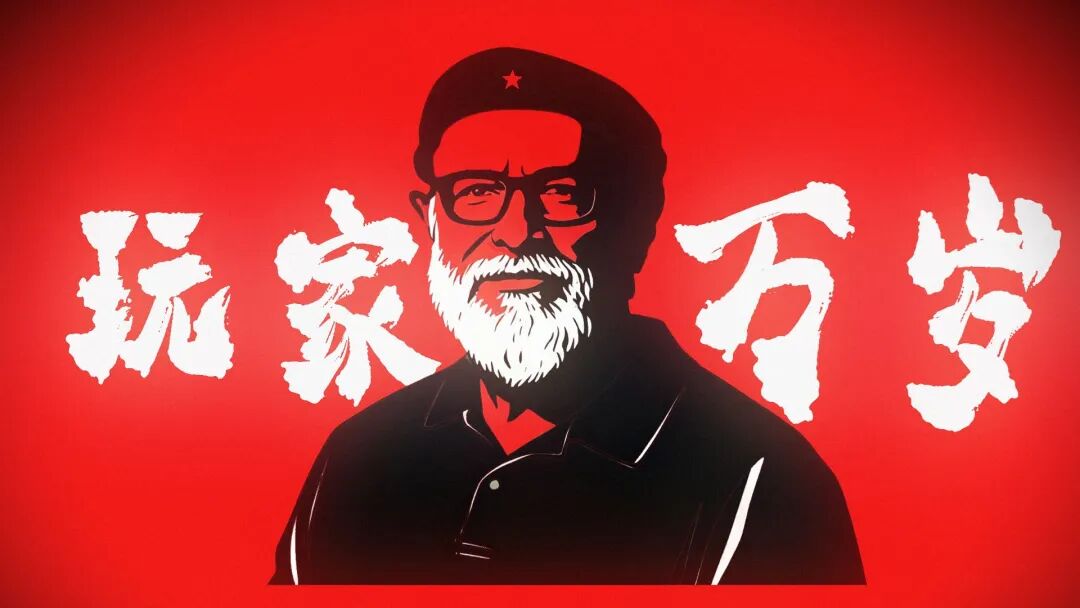
Image caption: Killer of CS Skin Market
Image source: Bilibili user Xisi Fus-C4phus: 1065727775
While the Eastern Duck Duck Market thrives, G胖's heavy hand in the West keeps pressing forward. Third-party black markets for CS have become pure liabilities for the game. Profits go to black-market traders and speculators, while G胖 bears reputational damage when things eventually collapse.
So he can only flip the table early: My vassal’s vassal is not my vassal; my market’s secondary market is not my market.
In my four years in this space, I’ve always believed Web3 was a content and creative industry—but now it’s nearly dried up.
Always the same few people, always the same few topics. Of course, it’s good that BTC remains strong—but BTC doesn’t need any additional protocols. Currently, zero protocols have mutual demand with BTC.
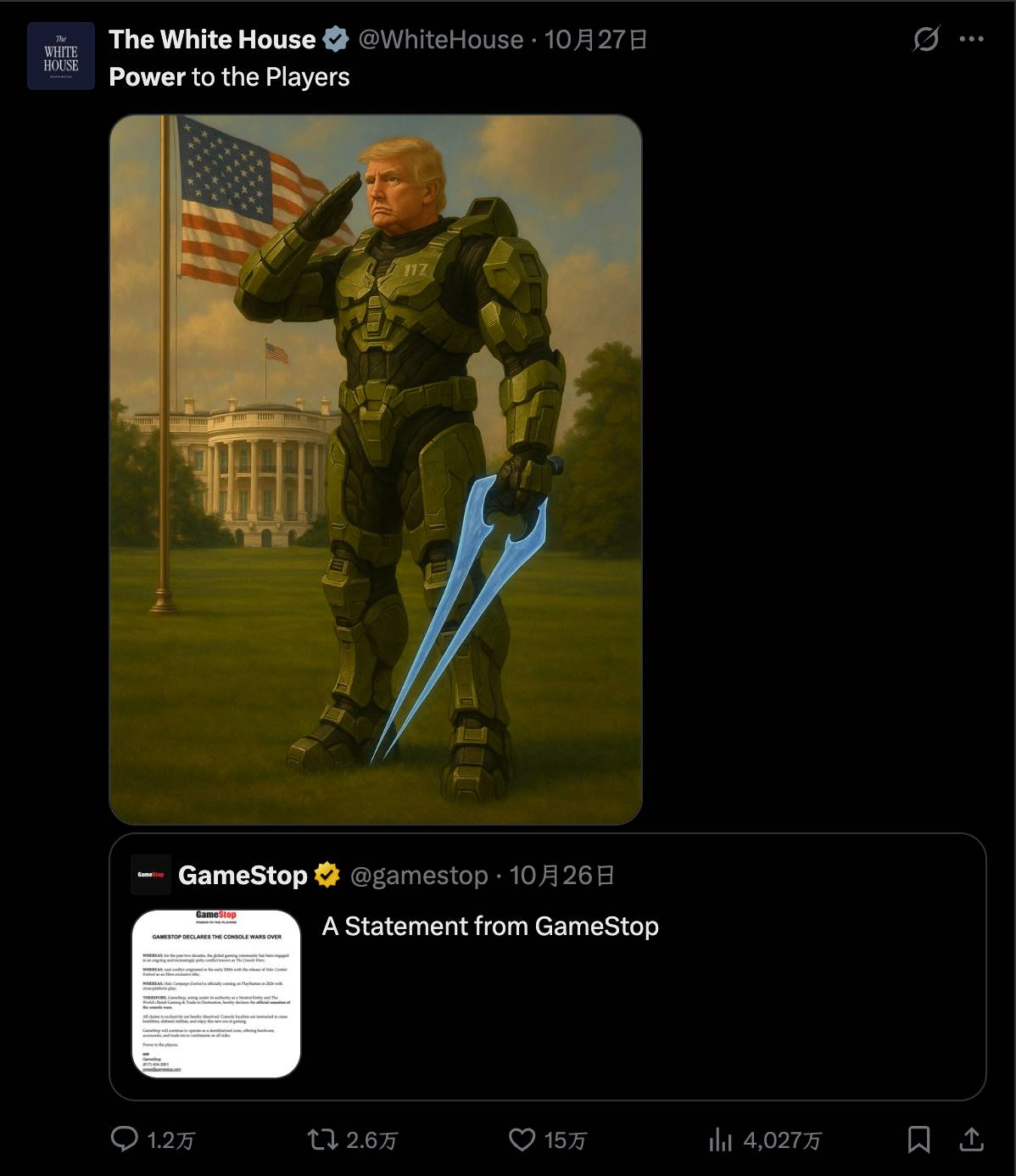
Image caption: Halo·Trump
Image source: @WhiteHouse
If you don’t believe in the power to create cultural moments, you underestimate your own significance. Trump has already proven the strength of retail: benefiting the White House above, Halo below, Leftist Ma on the left, CHINA on the right.
Let me praise PumpFun team again—though evil, they understand perseverance better than Tieshun, radiating youthful energy.
Before Solana Foundation took full control, it was the most active hub of conspiracy groups. But thanks to the foundation’s excellence and official guidance launching concepts like ICM and PayFi, the chaotic vitality of meme storms and DeFi volume farming has vanished.
EF may not do proper or decent things, but he truly doesn’t block your innovations—or your malicious acts. Judgment of merits and faults shall be left to future generations.
Conclusion
A pearl buried in soil hides its luster; once unearthed, it shines brilliantly.
Web3 must now放下 its arrogance. Beyond the booming, lofty narratives of institutionalization, U.S. stocks, stablecoins, and government bonds—and beyond the increasingly uncontrollable chaos of Memes and Perp leverage—it must preserve a pure space for neutral markets. Something must remain to withstand the shocks.
Cypherpunks gave birth to decentralization, giving Bitcoin and blockchain a physical vessel;
Amid Gen Z’s restless refusal to lie flat and their迷茫 expectations, we must finally move from Death Eaters into the Muggle world.
Join TechFlow official community to stay tuned
Telegram:https://t.me/TechFlowDaily
X (Twitter):https://x.com/TechFlowPost
X (Twitter) EN:https://x.com/BlockFlow_News
 @zuoyeweb3