Long Pump, short human nature: debating Pump.fun's intellectual merits on an 8B market cap
TechFlow Selected TechFlow Selected
Long Pump, short human nature: debating Pump.fun's intellectual merits on an 8B market cap
"My fundamental reason for being a Pump maxi is deeply understanding the darkness of human nature and the inevitability of the world descending into chaos."
 Navigating Web3 tides with focused insights
Author: Crypto Weituo
In July, I stood against the entire network's FUD as the top Confucian scholar in Chinese crypto circles, getting roasted for two months and blocked by over a thousand people.

Pre-sale + 27 + 45 rolling positions to bottom fish, longs stopped out multiple times then re-entered again and again. Bearing massive losses while saying "spot doesn't matter", $Pump has been the most painful holding in my two years of large-position trading experience. Now finally everyone’s quoting “there are always great scholars to debate scriptures” or “the light boat has already passed ten thousand mountains”, so I won’t bother saying “I told you so” anymore.
In my view, the issues raised by Wizard regarding Pump's live streaming gambling, along with most discussions in Chinese crypto communities about Pump’s model and moat, are essentially misunderstandings about Pump's audience.
TL;DR
- What Pump got right was being the first to understand that this generation is the "PVP generation";
- Pump is mass media shaped by PVP-generation values, equivalent to Truth Social and Bluesky;
- The game theory behind live-stream coins isn’t different from other tokens—understand it from the perspective of赛道 (track) and ecosystem;
- The reason Pump must launch live-stream coins is to seize taker traffic from trading platforms;
- My fundamental reason for being a Pump maxi lies in deep understanding of human darkness and the inevitability of chaos;
Understanding the PVP Generation
For any project, the decisive factor is its audience.
Pump’s greatest moat is its user base—the so-called "PVP generation" I mentioned in Kaiyuan Liantao 23, those born after 2005.
Why?
Traditional moats such as liquidity, technology, and regulatory barriers all assume economic rationality—the idea that individuals act in self-interest, weighing costs and benefits rationally to maximize personal gain. BTC mining games, DeFi, tokenomics models—all rely on this premise.
In practice, of course, not everyone behaves perfectly rationally. But rationality persists institutionally—as long as influencers and decision-makers within the economy remain broadly rational, these models still hold.
The problem is this: the PVP generation is the first to grow up under social media-driven discourse.
This generation's characteristics include:
- Unlike our generation, they didn’t experience early-life struggles for basic needs—they grew up materially secure
- "Irrational amplifiers" like social media have far greater influence on them than rational education
- Most in this generation across countries have never experienced broad-based economic growth like their parents did; instead, technological substitution and industrial shifts have drastically reduced job opportunities
The result is that their mode of cognition is inherently "irrational," based on labels rather than analytical reasoning.
Moreover, among the smartest in this cohort, participation in zero-sum industries has sharply increased—finance, real estate, entertainment, and service sectors. These industries fundamentally involve taking money from others’ pockets into one’s own—dividing the pie rather than expanding it.
If you doubt this, consider: haven’t China’s most profitable companies over the past decade increasingly moved into finance? Aren’t vast numbers of highly educated individuals now becoming streamers or internet celebrities? And aren’t most American youth leaning left—not focused on right-wing ideals like “make America great again” (growing the pie), but rather on “social justice warrior” ideologies (redistributing the pie)?
To previous generations, zero-sum dynamics meant “harvesting lambs”; to this generation, it’s the new normal. Therefore, judging them through traditional moral frameworks or value systems is meaningless.
They’re indifferent to survival concerns. Their definition of achievement is “how many followers I have” or “how viral I can go,” not building a business like their parents. In fact, they often despise their parents’ values.
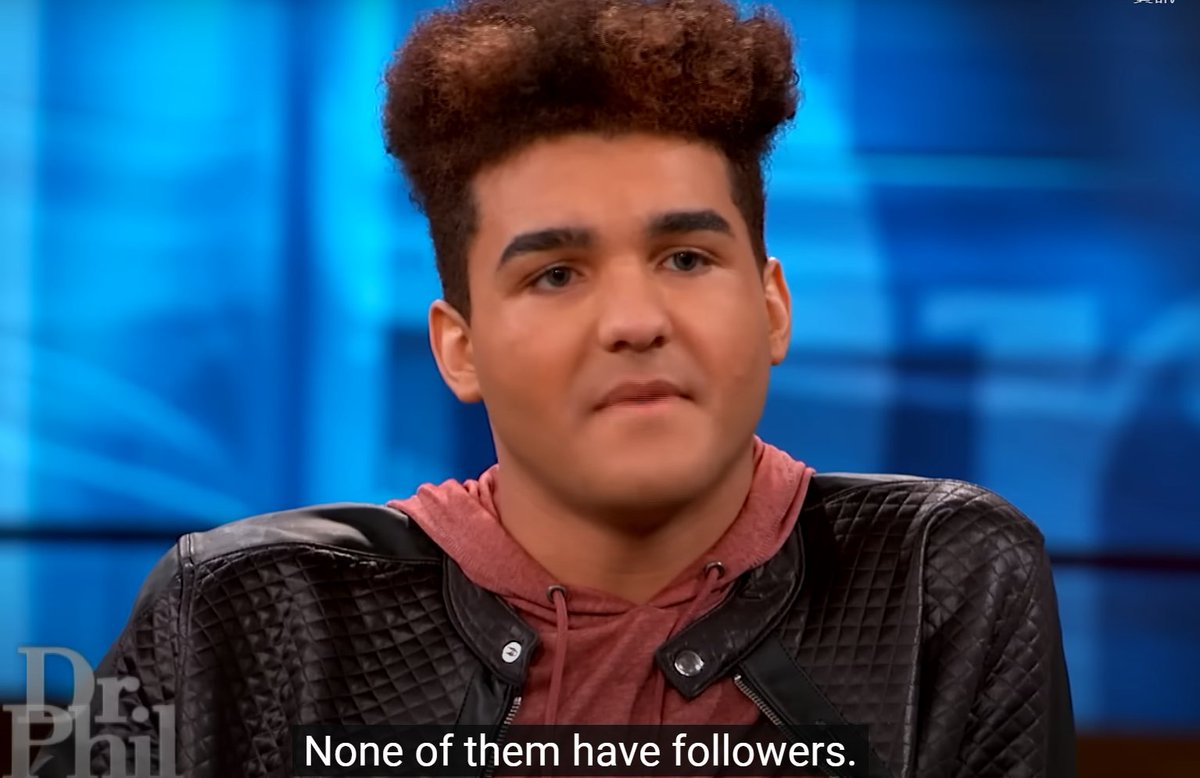
In behavior, this generation lacks professionalism but has strong execution power. They know exactly how to purposefully attract attention, detest being judged even slightly, and have extremely low tolerance for delayed feedback—unable to endure delayed gratification at all.
Pump’s Core Moat
Pump succeeded primarily because it understands the desires of the PVP generation:
- No moral judgment
- Ultra-fast feedback stimulation
- Low entry barrier
The latter two are solved via product design. As many say, these offer “no real moat.”
So what makes Pump truly powerful is shaping a value system free from traditional moral constraints—so long as you win and capture attention, you’re respected. Pump never pretends to preach “community first,” “long-term value,” or “visionary team” like other projects do.
Even if you rug like the $Quant kid or the $HANDS handless guy, official and community accounts will simply turn you into a meme clip. There is no concept of consumer rights or accountability within Pump.
All kinds of news coins, political coins (even so-called “dead person coins”) might get censored elsewhere—even on Twitter itself—and certainly couldn’t monetize. But on Pump Fun, they can.
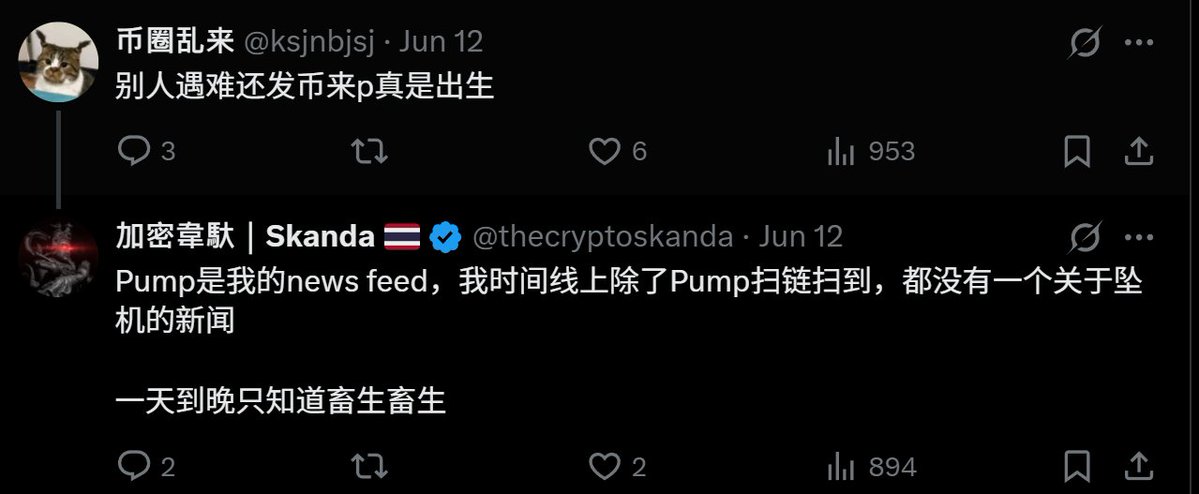
Whether dev or trench dweller, the PVP generation hates being front-run or rugged—but hates being lectured even more. Being told their involvement is “just a scam, just animalistic, just harvesting lambs” triggers visceral disgust.
For incels among the PVP generation, trenches are fine—but having their values rejected feels physically repulsive.
Love it or not, values form the foundation of mass media.
Just as conservative old-timers hated being silenced on Jack Dorsey’s Twitter and created Truth Social; leftist old-timers hate Musk’s X for its farcical rhetoric and migrated to Bluesky. People choose their own echo chambers based on values. The PVP generation thinks “you motherfuckers are all old-timers,” so they chose PumpFun.
If you ask why I understand this so well—maybe it’s because “birth understands birth.”
The Game Theory Behind Pump Live Coins
Last year, in conversations with friends, I clearly expressed support for live-stream coins, believing they were the only track last year that hadn’t been falsified (Pump paused streaming due to restructuring, not failure). This became a key reason I supported @Sidekick_Labs early on.
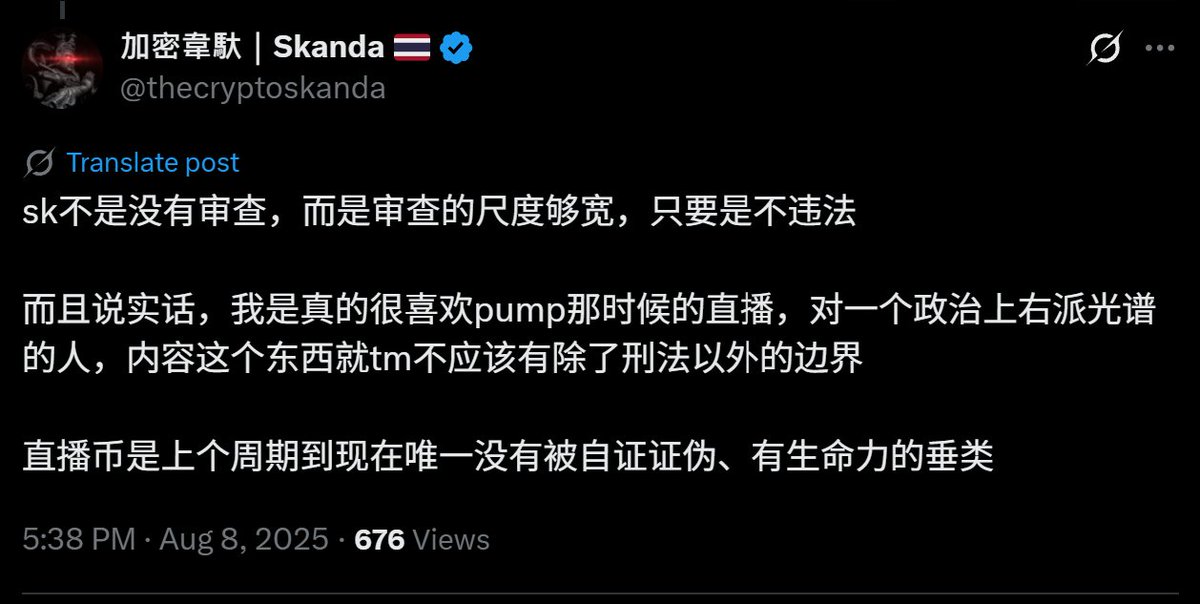
Of course, Wizard’s earlier question was quite representative: In Web2, it’s tipping—so streamers have incentive to keep streaming to earn. In Web3, it’s “jiao gei”—streamers buy the bottom themselves, stream a bit, then dump. Why keep streaming? For trading fees? If most tokens go to zero, doesn’t the game just shift earlier and earlier? Won’t market caps keep shrinking?
First, his logic is correct—but only when viewed from the perspective of a single token. When considering the entire赛道 (track), you need to reverse your thinking: Would things be different without live streaming?
Whether previous AI tokens, Bonk’s CTO, Solana’s ICM push, or even off-chain launches and exchange-backed VC tokens—devs always have asymmetric advantages allowing them to dump and leave.
What determines whether a team abandons a project is only upfront cost and ongoing cash flow. The higher the initial investment and the stronger the recurring income, the less likely abandonment. That’s exactly what I said when I reposted the PUMP ICO video on July 9th—back then I was viciously attacked, with many claiming Alon is an animal so Pump would surely rug.
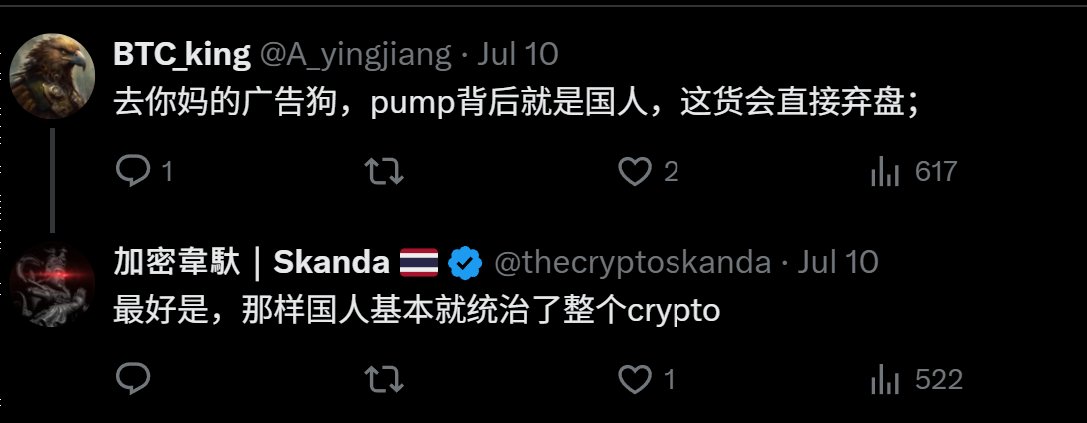
Looking back now, wasn’t it exactly as I said? Similarly, once a streamer rugs, they likely can’t stream again—it becomes a one-time deal. But what if they could keep earning creator fees like Bagwork? Why kill a cash cow?
Second, the live-streaming industry in Web2 is an industrialized system. Streamers are merely figureheads (from the memecoin perspective). Real drivers are traffic buying, kingmakers behind the scenes, and agencies/factions laundering volume. Streamers themselves take home little.
Live-stream coins are the same. A coin’s success depends mainly on market makers (MM). Streamers probably won’t MM themselves, so Pump attracts wannabes while MMs take on the role of agencies.
Two points here:
- Casinos don’t profit most from gambling itself, but from turnover. The ratio is roughly 1:9;
- For narrative-driven application tokens like ICM or AI, MMs need to control a full team; for live-stream coins, you only need to control one person.
Why Must Pump Launch Live-Stream Coins?
This is Pump’s smartest decision.
The key to Solana’s traffic dominance isn’t platforms—it’s trading platforms, specifically Axiom.
Solana can systematically smear Pump, rally VC funds behind Bonk or other platforms, promote Useless—but capital flow and attention are different. Whether users trade Bonk or Pump tokens, they do so through Axiom. No matter your story, it’s still just a contract address (CA).
But live streaming is different. Content directly translates into price action. Ordering during a stream offers asymmetric information advantage over reading Axiom’s K-lines. And live streaming isn’t just a narrative—it *is* the traffic carrier. Order volume will genuinely shift toward Pump.
So the key metric going forward isn’t comparing Pump to other platforms—it’s whether Pump’s frontend order volume can capture market share from Axiom.
Why Did I Support Pump So Early?
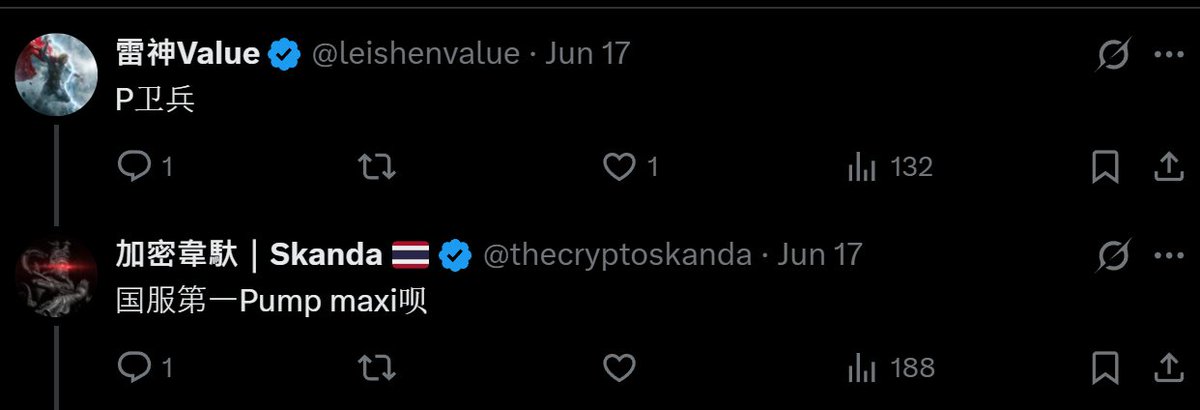
For quite some time, I was nearly the only Pump Maxi in Chinese crypto circles. If I had to explain why:
1. I’ve led Dev teams myself;
2. I attempted launching a launchpad (unsuccessfully), which taught me why mine and others failed on Solana—and made me recognize Pump’s brilliance;
3. I’ve known Pump’s early investors personally, gaining firsthand insights and witnessing the team’s working methods and logic up close;
4. I’ve spent extensive time with young people;
5. I’ve played markets for 10 years. Maybe I’m not sharp in secondary markets, but I understand human nature—especially its dark side. My fundamental worldview is that the world trends toward chaos, and chaos is a ladder;
6. As I’ve said, the Pump team are sharks—conquerors reading Napoleon on the toilet.
Join TechFlow official community to stay tuned
Telegram:https://t.me/TechFlowDaily
X (Twitter):https://x.com/TechFlowPost
X (Twitter) EN:https://x.com/BlockFlow_News
 @thecryptoskanda