CCM New Paradigm? The Old Harvesting Tactics Behind Pump.fun's Livestream Façade
TechFlow Selected TechFlow Selected
CCM New Paradigm? The Old Harvesting Tactics Behind Pump.fun's Livestream Façade
When a platform's profitability is built on the widespread losses of its participants, this model is destined to be nothing more than a fleeting speculative frenzy.
 Navigating Web3 tides with focused insights
Author: San
Pump.fun's recent launch of its live streaming feature has reignited interest in the platform, once considered past its prime as the leading meme token launchpad.
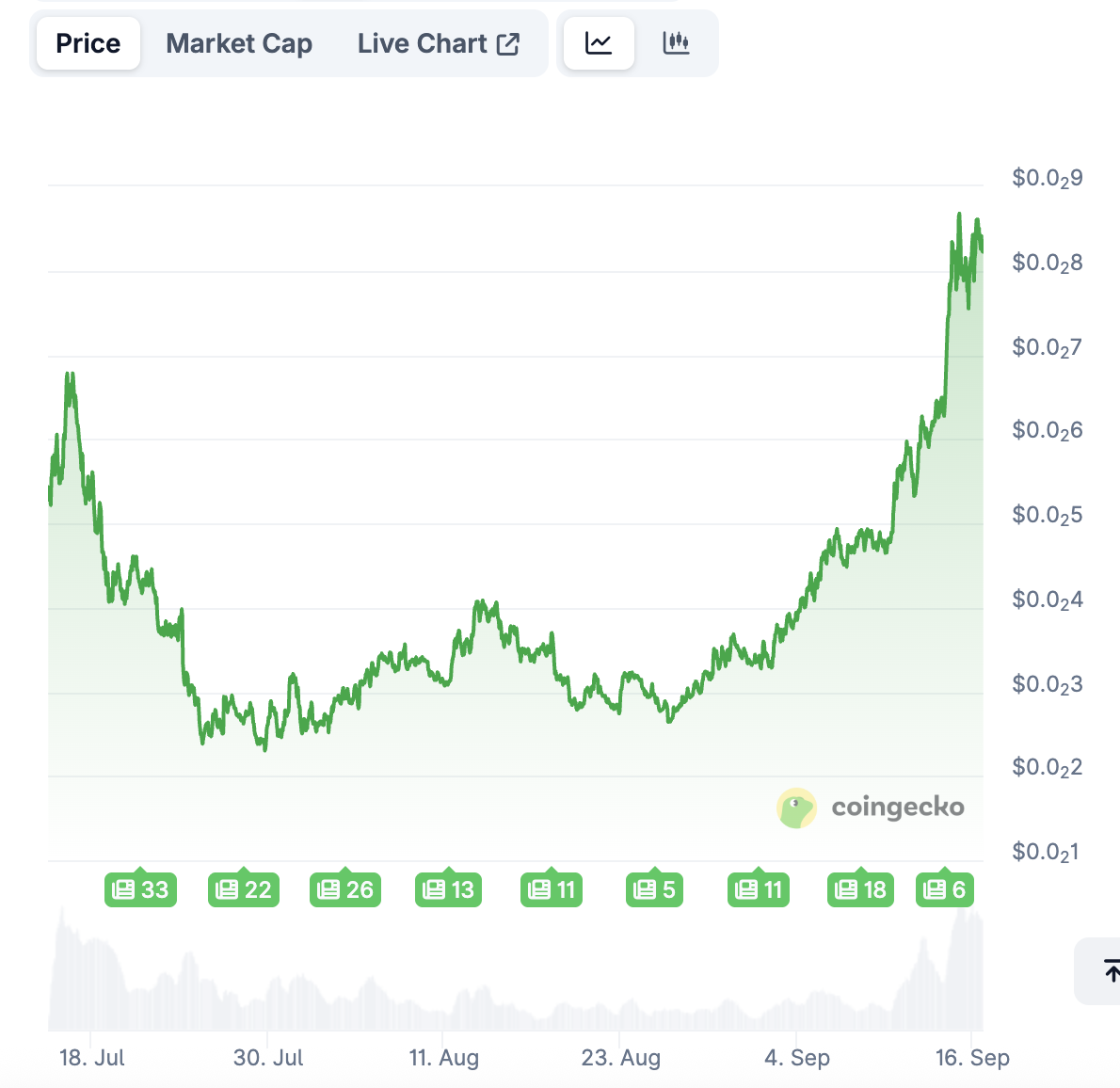
Alongside this surge in attention, the price of $Pump token has also skyrocketed. Announcements of buybacks combined with the new feature have driven $PUMP from around $0.003 at the end of August to its current level of $0.0085, marking a 283% increase within just half a month and pushing market capitalization beyond $3 billion.
On another front, since the introduction of live streaming, creators on Pump.fun have been earning over $2 million in daily revenue shares, with weekly creator earnings setting a record at $15.5 million.
Many users in the market view Pump.fun’s live streaming launch as a new paradigm for CCM (creators capital market), calling this update a breakthrough in technological innovation within crypto.
On the surface, it appears to be a win-win scenario: new features bring widespread wealth creation myths among retail investors, driving up both token prices and platform revenues. Fans support their favorite streamers through investments rather than gifting. However, behind this seemingly positive picture lies a more complex and unsettling reality.
Notable Token Cases
BUN COIN
BunnyFuFuu is a former professional League of Legends esports player who, even before joining Pump.Fun, had amassed over 210,000 followers on X and 1.5 million on YouTube thanks to his career in competitive gaming.
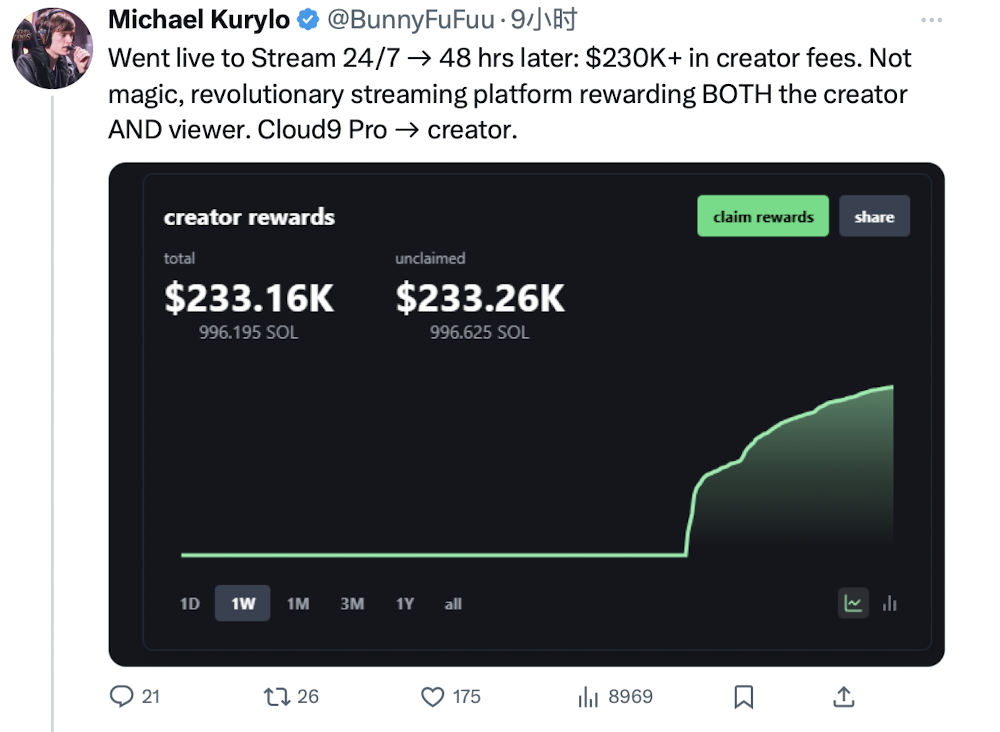
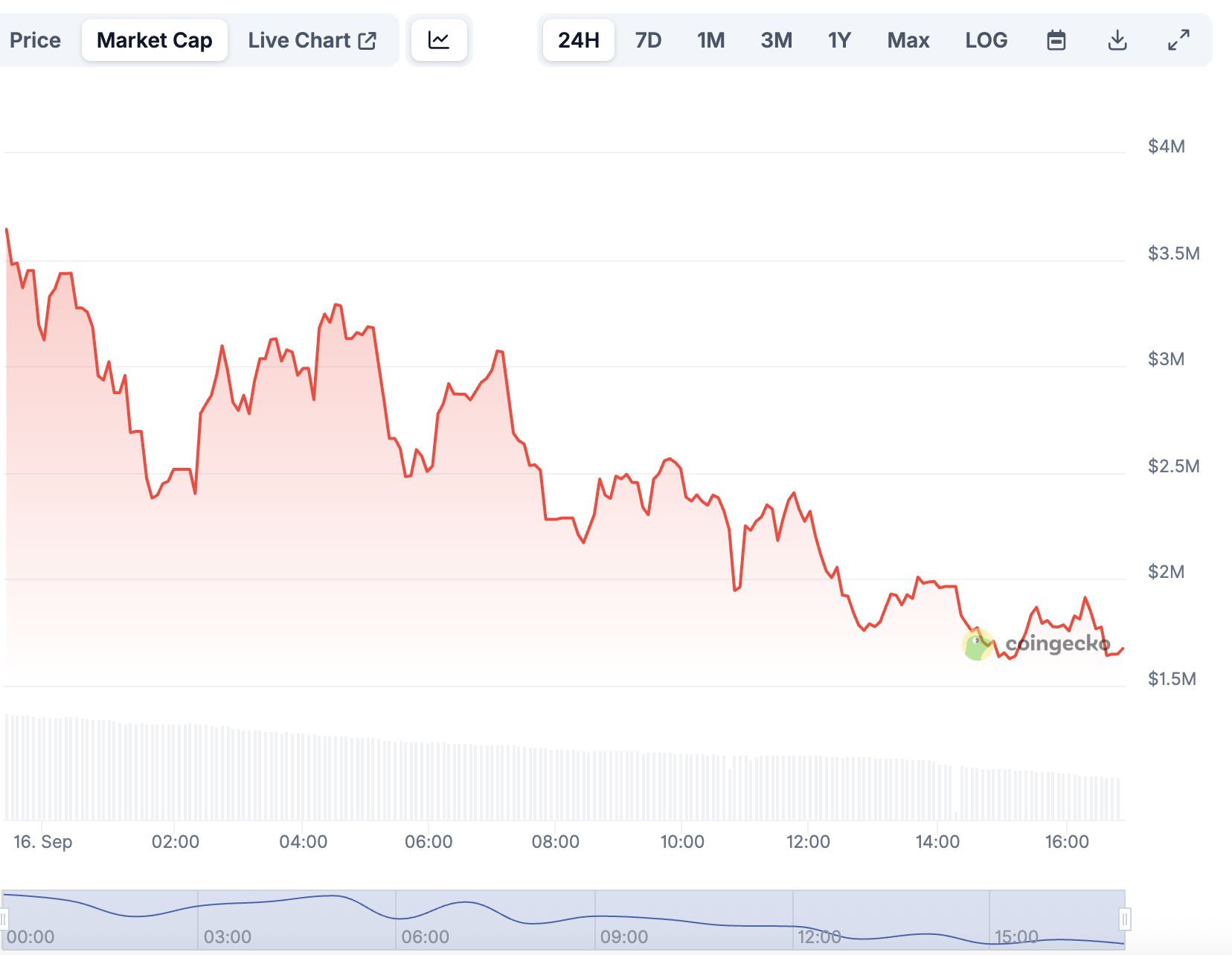
On September 14, BunnyFuFuu launched his own token BUN COIN during a live stream and continued promoting it aggressively on X over the following two days. This intense marketing effort helped BUN COIN stand out among other streaming-based tokens.
BUN COIN started with an initial market cap of $300,000, raised $1.5 million during pre-sale, and reached a peak market cap of $10 million within 48 hours after listing—a gain exceeding 3000%. However, today the token has sharply declined to a market cap of $1.6 million, with a single-day drop exceeding 50%.
Token CA:
HQDTzNa4nQVetoG6aCbSLX9kcH7tSv2j2sTV67Etpump
KIND
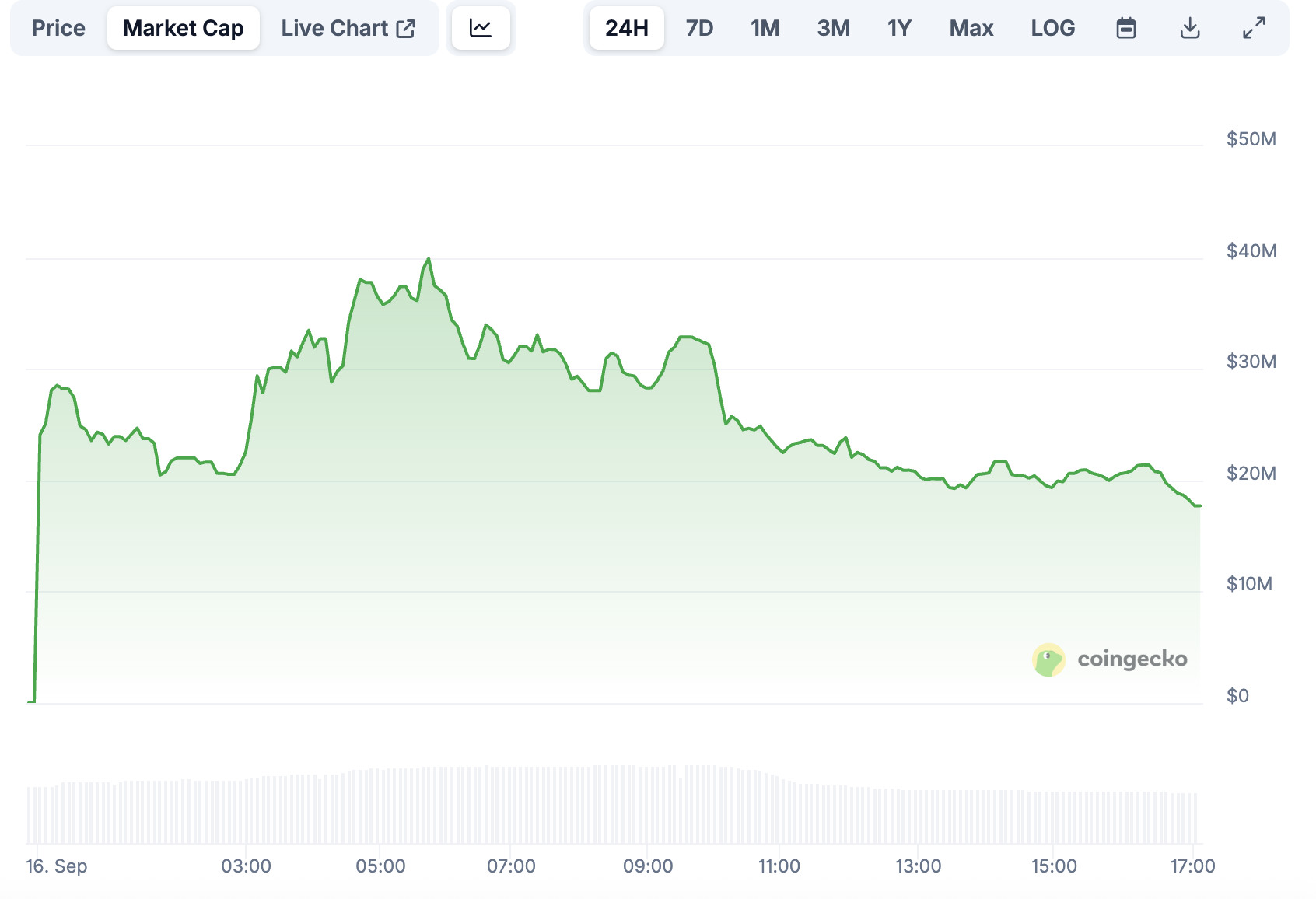
The KIND token was created with the intention of "spreading kindness." The creator promotes it through charity-themed live streams, claiming that for every $1 purchased by users, $0.10 will be donated to struggling small streamers.
This positive narrative attracted widespread attention. Since its launch on September 7, KIND reached a peak market cap of $55 million early today, surging over 20x in 24 hours with trading volume nearing $32 million. However, its market cap has since pulled back significantly to $18 million.
Token CA:
V5cCiSixPLAiEDX2zZquT5VuLm4prr5t35PWmjNpump
BAGWORK
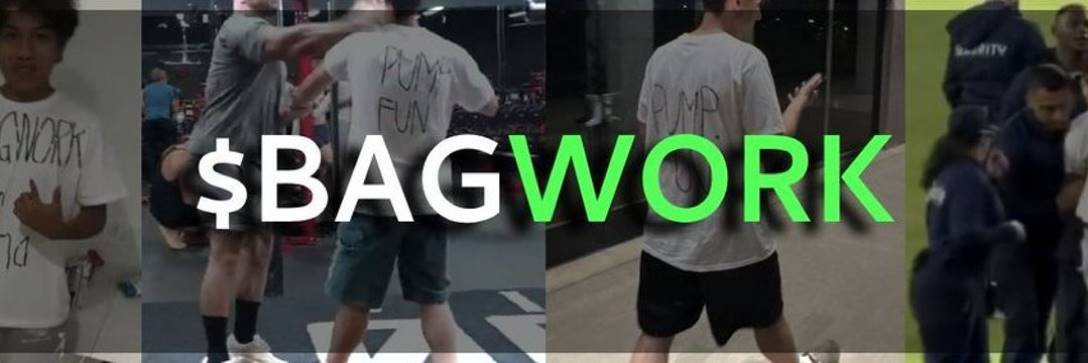
Compared to BUN COIN’s celebrity endorsement and KIND’s positive messaging, BAGWORK leans into absurdity and stunts. Inspired by the boxing term “bag work”—referring to training on a punching bag—BAGWORK encourages people to fight for their crypto wealth.
BAGWORK is undoubtedly the most influential and widely shared live-streaming token on Pump.fun’s current platform. Clearly, the BAGWORK team knows how to create viral moments.
On their first day of streaming, team members stormed a stadium for a live broadcast and were arrested; the next day, they stole a hat from a fitness influencer at his gym, got caught on camera, and one member was slapped; recently, another team member attempted to jump off the Santa Monica pier and was stopped by police. The BAGWORK team has promised to perform a new stunt every day for the next two weeks to keep driving attention to their token.
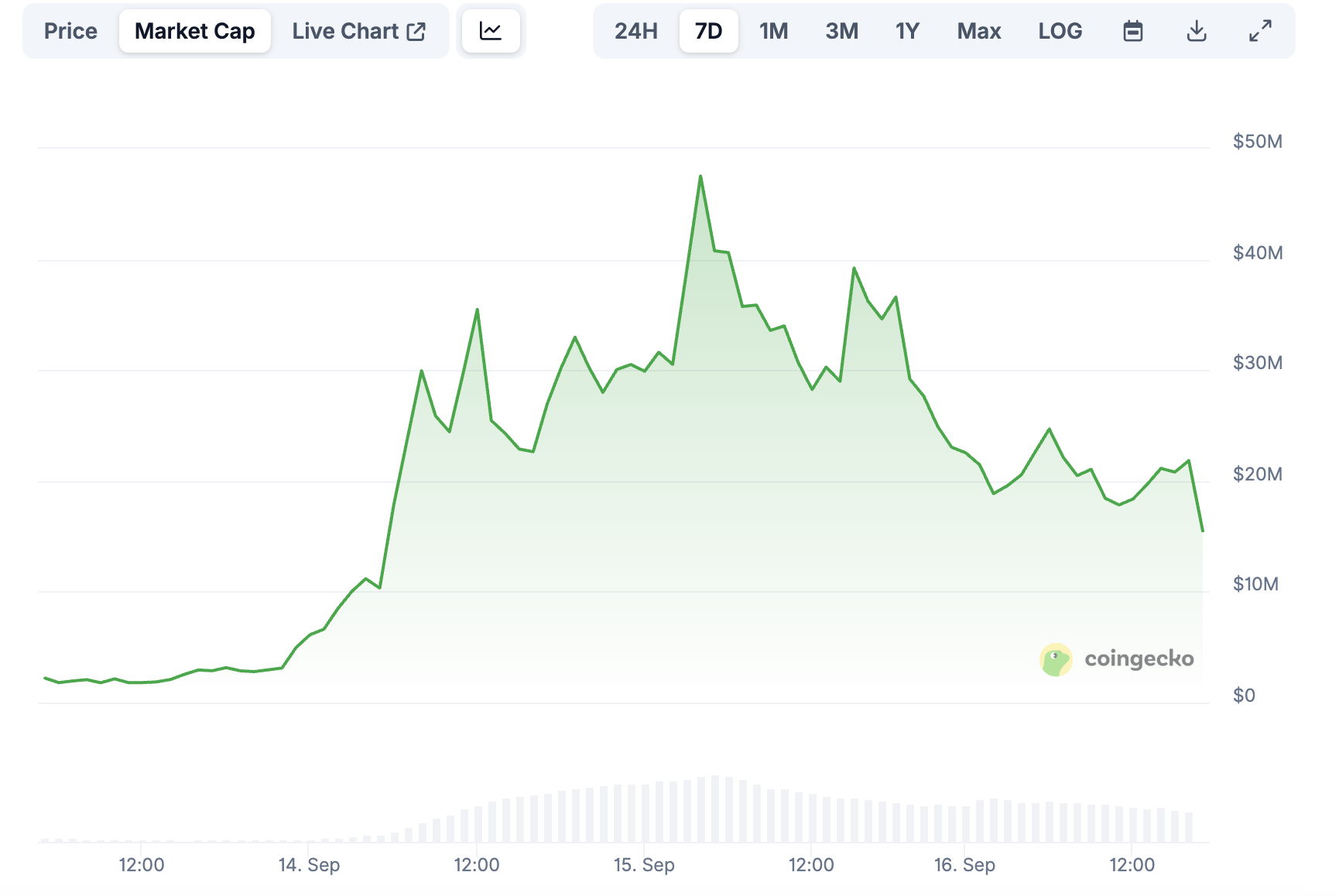
These seemingly insane actions have indeed driven BAGWORK’s price upward. On September 13, BAGWORK’s market cap stood at just $3 million. After 48 hours of “crazy live streams,” it briefly approached $100 million before settling back down to $15 million.
Token CA:
7Pnqg1S6MYrL6AP1ZXcToTHfdBbTB77ze6Y33qBBpump
What Has the Live Streaming Feature Brought to Pump.fun?
In traditional internet live streaming, hosts earn money by attracting fans to send gifts during gameplay or talent performances. Fan gifting is purely a consumption act, not an investment expecting financial returns.
On Pump.fun, however, fan support takes the form of buying tokens. Fans profit when the host creates compelling content ("stunts") that attract more buyers, then cash out and move on to the next promising streamer. In this process, fans effectively become traditional MCN agencies—investing capital and resources into individual creators, aiming to monetize their popularity.
More critically, under this model, a streamer’s optimal strategy for profit often involves selling off their tokens after driving up the price. This creates a deeply conflicted relationship between fans and streamers: fans want the streamer to produce exciting content to attract new investors, while simultaneously hoping to exit before the streamer dumps their holdings and turns fan "support" into losses.
In reality, the three high-profile examples mentioned above represent some of the best-performing cases among countless streaming tokens. Most others quickly collapse to zero once the streamer loses momentum or goes offline. Does this script sound familiar? Indeed, it mirrors the pre-live-streaming era on Pump.fun. According to Solidus Labs’ analysis report on 7 million Pump.fun tokens, nearly 99% of them eventually go to zero—and this trend hasn’t improved since the live streaming feature launched. Successful celebrity cases remain extreme statistical outliers.
So what has the live streaming feature truly brought to Pump.fun? For now, it seems like little more than a shift in media format.
Divergent Market Views
The controversy surrounding Pump.fun’s live streaming feature highlights deeper issues.
Supporters emphasize technological innovation and creator empowerment. They argue this model eliminates middlemen prevalent on traditional platforms, allowing undiscovered but talented creators to access income opportunities comparable to top-tier Twitch streamers from day one.
Moreover, in today’s attention economy, video content holds far greater marketing power than text. As a product of attention economics itself, Pump.fun’s live streaming is seen merely as an upgraded iteration of its previous version.
Critics, however, focus on structural flaws and content risks. Most token price movements show clear patterns: they rise only during live streams and plummet afterward, raising doubts about long-term value creation.
Regarding content moderation, although Pump.fun has restricted certain types of violations, many streams featuring gore, violence, or sexually suggestive material still exist—content that drives token prices by appealing to user curiosity.
Cool-Headed Reflection Amid Bubble-Like Prosperity
From an investment perspective, the launch of live streaming on Pump.fun has indeed created numerous profit opportunities. If you follow a streamer who consistently delivers viral stunts and discover them early enough, profits come easily.
Yet from another angle, stripping away the glamorous narratives of Web3 innovation and creator economies reveals a fundamental issue: how to incentivize creators while protecting the interests of ordinary participants.
Existing data shows the live streaming model is unsustainable—99% of tokens go to zero, and 99% of participants leave at a loss, while creators and the platform secure stable profits.
This system cannot be considered a healthy ecosystem. Instead, it resembles a well-packaged wealth redistribution game, using technological innovation as a cover for the underlying zero-sum game.
The problem isn't the concept of launching tokens via live streams per se, but rather the flawed incentive structure. When creators' gains are completely decoupled from the community’s long-term interests, and when platform profitability depends on widespread participant losses, such a model can only ever be a fleeting speculative frenzy.
It remains unclear whether Pump.fun’s live streaming can sustain its current momentum and continue producing “hit tokens.” What we do know is that investing in these viral streams carries extremely high risk. All investors should DYOR and exercise caution in risk management.
Join TechFlow official community to stay tuned
Telegram:https://t.me/TechFlowDaily
X (Twitter):https://x.com/TechFlowPost
X (Twitter) EN:https://x.com/BlockFlow_News
 深潮TechFlow