Exclusive Interview with Pump.fun Co-Founder: Why Are We Getting Into Live Streaming?
TechFlow Selected TechFlow Selected
Exclusive Interview with Pump.fun Co-Founder: Why Are We Getting Into Live Streaming?
"Human nature hasn't changed much over the past three thousand years, so it's difficult to completely create an entirely new behavioral pattern."
 Navigating Web3 tides with focused insights
Compiled & Translated: TechFlow
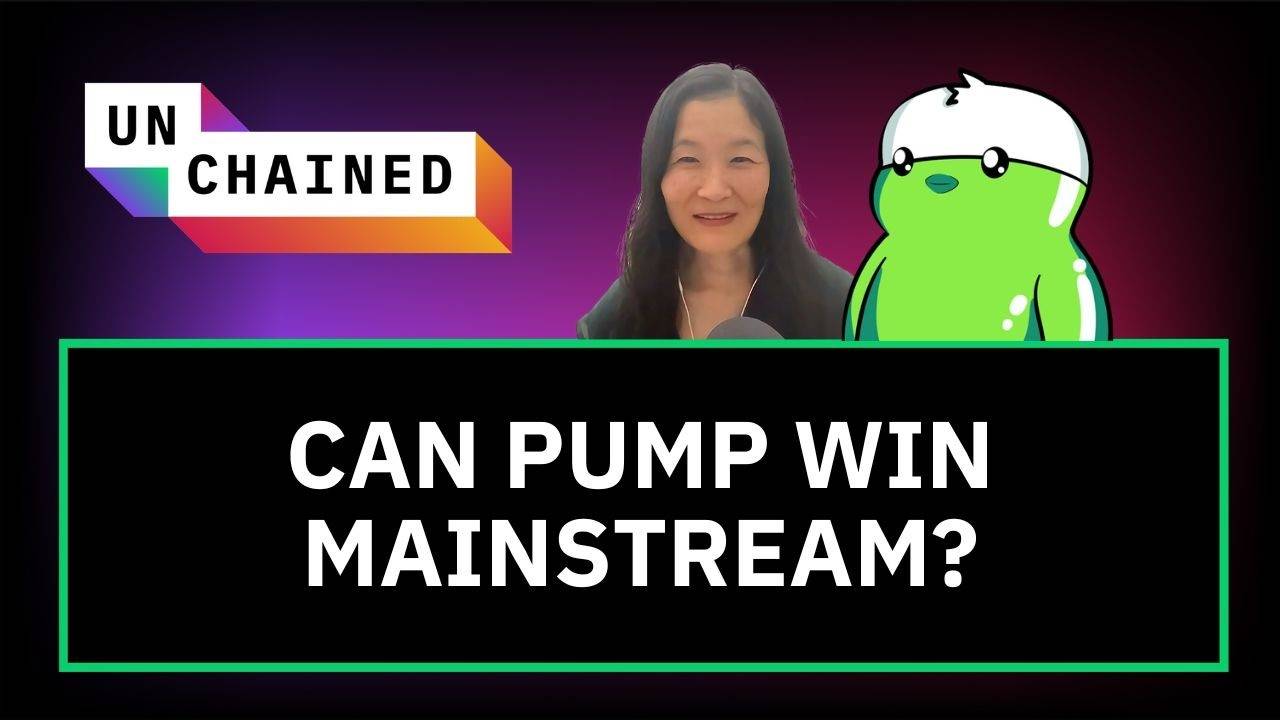
Guest: Noah Tweedale, Co-Founder of Pump.fun
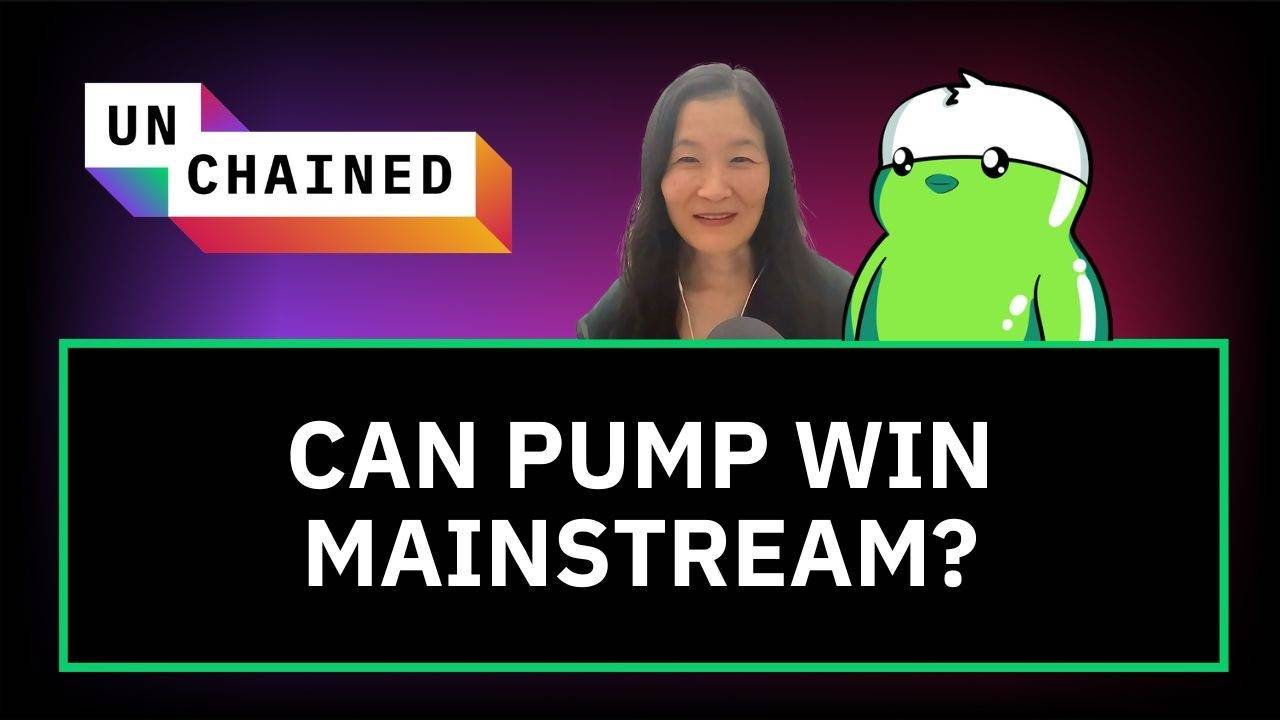
Host: Laura Shin
Podcast Source: Unchained
Original Title: How Pump.fun Plans to Beat Social Media Giants and Win Beyond Crypto
Release Date: September 11, 2025
Key Takeaways
Pump.fun achieved rapid revenue growth and successfully held a high-profile token sale. However, the platform later faced challenges due to rising competition, declining token prices, and an influx of bots launching tokens, drawing criticism labeling it a "crypto casino." In response, the team introduced new strategies including a dynamic creator fee model, liquidity support for communities, and a strong push into live streaming and mobile applications.
In this episode, co-founder Noah Tweedale shares the vision behind Project Ascend, explaining how the team uses innovative mechanisms to align creators with their communities, why buybacks are not a sustainable long-term business model, and how they’re tackling bot proliferation and user losses. Additionally, Pump.fun has developed competitive strategies targeting mainstream platforms like YouTube, Twitch, and TikTok, aiming to establish itself at the intersection of crypto applications and traditional social media.
Highlights Summary
-
We don’t want to be just a crypto company—we aim to become a company that profoundly impacts the world, whether through financial or social means.
-
The core of Pump.fun is building great products because ultimately, product quality determines success. Across both crypto and other industries, the winners are always those whose products outperform competitors in every aspect.
-
If you check Pump.fun today, some people earn $150 from just 12 minutes of live streaming. While that might not sound impressive, considering they only have 10 to 15 viewers, it’s actually remarkable—an income level nearly impossible on traditional platforms, effectively a 100x improvement.
-
Pumpfun doesn’t have any discovery algorithm for live streams—it's purely ranked by market cap. The better the stream, the more attention it gets, which increases its market capitalization.
-
Our ideal target users are TikTok content creators, not Instagram streamers. TikTok content tends to be healthier, more interactive, and easier to engage audiences.
-
Each generation creates its own financial system—Baby Boomers built modern banking, Silicon Valley created new financial tools, and now the rise of crypto represents young people’s innovation, destined for long-term success.
-
I think Pumpfun’s main issue is discoverability—how to find the best tokens and deliver a smooth experience on mobile apps or websites.
-
I don’t want users to lose money. On Pump, you know exactly what token you're buying. Even if you don't like it, it doesn’t lie to you—and I find that transparency beautiful and enjoyable.
-
Rather than sticking to a fixed roadmap, the Pump.fun team prioritizes fast iteration and continuous optimization while maintaining close communication with users to understand their real needs. We aim to build a comprehensive platform tailored to younger generations.
-
Real competitors are companies that maintain significant market share over time—I don’t see Zora or Believe as threats to us.
-
I believe gambling and pornography are the worst industries. Let me be clear: Pump is a trading product. Trading on Pump is a skill-based activity, not gambling.
-
Human nature hasn’t changed much in the past 3,000 years, so creating entirely new behaviors is difficult. But combining and innovating existing behaviors can indeed generate novel forms.
Past Months Have Been Turbulent for Pump.fun
Laura:
Today’s guest is Noah Tweedale, co-founder of Pump Fun. Pump.fun has been one of the biggest successes in crypto over the past few years, becoming one of the fastest-profitable companies. Your recent revenue reached $840 million. You raised $1.2 billion through an ICO. Impressively, your ambitions extend beyond crypto—you aim to compete with social media giants. But I’d like to focus on recent developments. Although you’ve grown rapidly over the past few years, this summer seemed particularly turbulent, marked by multiple highs and lows, especially surrounding the ICO event.
Your platform also lost some market share, and the token price dropped significantly. Recently, however, Pump.fun has regained dominance, with over 80% of tokens now being minted on your platform. It feels like you're back on a recovery path and releasing many new announcements. How do you feel about all this right now? What’s your take on recent events?
Noah:
That’s a great question. From the outside, the past few months may seem extremely chaotic. But in reality, Pump.fun was founded before 2023, so we’ve experienced many ups and downs. We’ve faced moments where the company might not survive, as well as periods of strong momentum. For us, this kind of fluctuation has become normal.
Externally, these events might appear extreme, but internally, they’re almost part of our daily routine. Every day brings new challenges and chaos to resolve. This summer was even more intense because our entire development team was fully focused on building the ICO-supporting platform—a complex and time-consuming task. Throughout the ICO process, our platform was practically the only one offering full support, so we were incredibly busy.
In particular, during the two weeks leading up to the token launch, our team worked around the clock to ensure there were no system vulnerabilities. Meanwhile, Let's Bonk gained market share, but our focus remained entirely on ICO preparations. After the token launched, my two co-founders Alon and Dylan and I decided to take a week off, since we hadn’t taken proper vacations in over a year and had been working nonstop. That short break allowed us to recharge and reset for the next phase of our plans.
Creators Can Earn More Through Live Streaming
Laura:
From the outside, Pump.fun’s recent changes are clearly visible. Let’s talk about some of your new announcements. You recently launched “Send Projects,” which appears to include multiple modules, but the core goal is to strengthen the connection between creators and their communities. A key component is the dynamic fee model. You’ve just released Dynamic Fees v1, a tiered creator fee structure on Pump Swap—where higher token market caps result in lower creator fees.
Can you explain what problems you hope to solve with this model?
Noah:
This ties into a bigger question about Pump.fun’s positioning. We don’t want to be just a crypto company. We’ve made this clear in our announcements. While we’ll continue attracting crypto users and expanding that market, our goal is to become a company that profoundly impacts the world, whether through financial or social means. That’s where we’re headed.
If you look at major social media platforms today—Instagram, Twitter, Twitch (which is also a form of social platform), TikTok—they succeeded primarily by rewarding creators. This mechanism incentivizes ongoing content creation, much like YouTube. Our ambition is to stand out in this space by offering a solution far superior to existing platforms. The dynamic fee model is designed to motivate content creators—not only making it easy to start creating, but also enabling them to earn substantially more than on other platforms.
For example, recently we noticed some interesting data—streaming activity has increased significantly, and private messaging interactions on the mobile app are growing rapidly. This shows creators are actively engaging with the ecosystem. If you go on Pump.fun today, some people earn $150 from just 12 minutes of live streaming. While that might not sound high, given they only have 10 to 15 viewers, this income is actually substantial—something nearly impossible on traditional platforms, effectively a 100x increase.
These streams can be simple conversations without complex or expensive production. I find this fascinating, especially for emerging creators—this model allows them to focus on creating quality content. We hope this mechanism helps more creators grow from small-scale beginnings into influential figures.
Laura:
So essentially, you’re trying to offer enough economic incentive for unknown creators to keep pushing forward and eventually break through.
Noah:
Exactly, but it’s not just about financial incentives. For instance, if you’re an Instagram creator today, despite having hundreds of millions of users, earning income with 10,000 followers remains very difficult. On Pump.fun, we aim to provide higher cash rewards so creators can sustain themselves while building their brand.
Another advantage of Pump.fun is “discoverability.” Compared to other platforms, we have relatively fewer streamers, meaning creators are more likely to be discovered. For example, currently there are only 300–500 concurrent streamers on the platform, but potentially 5 million crypto-savvy viewers. So the odds of success are much higher than on traditional platforms. Of course, as the platform grows and network effects strengthen, this advantage may diminish, but I believe this is a golden era for creators—similar to when Instagram or Tinder first launched, when users could easily gain attention or matches. Today, those platforms are overly commercialized, pushing paid services rather than truly valuable content. We aim to avoid that, ensuring creators genuinely benefit from their work.
How Does Pump.fun Recommend Tokens During Live Streams?
Laura:
I’m curious—when I visit the Pump.fun homepage, frankly, I know I’m not your primary target user, but I’d like to understand content discoverability or how your algorithm works. As I browse the platform, I see various content—for example, someone on a call promoting a token. I wonder, why is this kind of content recommended? How do you decide what gets featured? Can you talk about how creators can get their content seen?
Noah:
The main discovery algorithm for live streams currently ranks tokens on the homepage by market cap. Actually, there’s no dedicated discovery algorithm for live streams right now—it’s purely sorted by market cap. We haven’t invested much in this area. But our theory is that better streams attract more attention, which increases market cap. I believe this reflects how crypto operates, and this model will continue influencing the new social finance layer.
Strategy for Competing With YouTube and Twitch
Laura:
As a whole, when you try to challenge major social media platforms, how do you strategize? And how do you move beyond the confines of crypto? Do you think your strategy of bringing in mid-tier streamers is working?
Noah:
Actually, recruiting streamers isn’t our core strategy. While we’ve experimented with collaborations, over 99% of streaming activity on Pump is organic, driven by word-of-mouth and user-driven adoption. We’ve observed that when users enjoy streaming on our platform, we proactively reach out to encourage more content. For example, we invited some streamers to participate in funded events, like traveling to Africa to photograph wild zebras. These unique experiences inspire higher-quality content.
Our focus isn’t just attracting streamers, but opening the platform and encouraging users to create content. If someone is interested in streaming, they can contact us—we have a dedicated streaming team to support them. To help them get started, we’ve already invested over $250,000 in streaming equipment like webcams and microphones, making it easier to begin. We prefer a bottom-up approach, where users adopt our platform out of genuine interest.
Our ideal target users are TikTok content creators, not Instagram streamers. TikTok content tends to be healthier, more interactive, and easier to engage audiences.
Laura:
Among all social activities, why did you decide to focus specifically on live streaming?
Noah:
This stems from observing user behavior. We noticed many users conduct small-scale streams in Telegram groups—even with just a dozen viewers, the interaction is highly engaging. So we decided to add live streaming to our platform. This decision mirrors how we introduced DM functionality. Users inside and outside the crypto community—especially investors and traders—are active on Telegram. By offering features tailored to crypto users, we can build a unique ecosystem designed specifically for crypto traders.
Our goal is to observe user behavior and build better products based on those insights. That’s the core of our strategic thinking.
Laura:
So it’s a way to interact in real time with friends digitally, even if they’re not physically together, but all online?
Noah:
Exactly. I think this is especially important for younger generations who are almost always online. Our primary user base is 18 to 24-year-olds who are tired of traditional zero-sum games, finding them socially unfulfilling and boring. As Alan said, Pump’s goal is to become the most fun place on the internet—I completely agree with that vision.
Laura:
When you talk about entering sports and gaming, how do you identify users naturally joining the platform and nurture them into becoming content creators in those areas?
Noah:
It’s not simply about hand-picking users. We monitor those who consistently stream on Pump, stay in touch, and offer support. For example, similar to TikTok, we organize groups, provide training and incentives for streamers—like free meals—or even host live-streaming boot camps to teach them how to produce quality content. It’s a natural evolution.
We also strive to understand different streamers’ needs. For example, gaming streamers might prefer subscription-based monetization, want enhanced emoji interactions, or support for multi-person streaming. By building relationships with streamers, we gradually uncover their true needs—rather than directly asking them. This approach better informs our platform optimization and meets user expectations.
Will Pump.fun Buybacks Become Programmatic?
Laura:
To date, you’ve conducted $75 million in buybacks, which clearly energized the community. However, I’ve noticed these buybacks are currently voluntary, not executed through a fixed program. Do you plan to make the buyback mechanism programmatic?
Noah:
This is worth discussing deeply. Looking at today’s market, very few buybacks are fully programmatic—but I’m not sure whether Hyperliquid’s buybacks are truly programmatic as claimed. I believe such mechanisms can adapt quickly if adjustments are needed. That’s point one.
When deciding on our buyback approach, we studied successful companies in crypto. For example, Binance initially used 50% of trading fees to buy back BNB tokens. Hyperliquid adopted 100% of revenue for buybacks. I think these models are worth learning from. Reflecting on our practice, we initially set a 25% buyback rate, later increasing it to 100%. Pump.fun aims to learn from leading crypto companies and follow their proven paths.
Laura:
This strikes me as interesting. You raised significant funds while selling tokens to users, then use that money to buy back tokens users already purchased. This might seem unusual due to its speed.
Noah:
From a business perspective, this strategy may not be optimal. But in crypto, whether it’s Pump.fun, Hyperliquid, Binance, or other centralized exchanges, buyback mechanisms inherently have limitations. Imagine if Amazon distributed 20% or 100% of its annual revenue as dividends to shareholders—that would be unrealistic. Such a model couldn’t support global-scale operations, especially in crypto markets where assets like the Pump.fun token exist.
I believe understanding effective practices in crypto markets is crucial. Many misunderstand how equity and token distributions work. Therefore, using buybacks to signal confidence to the market and demonstrate a token’s potential value is effective. When users see buybacks actually happening, it strengthens their trust.
Spending one dollar on buybacks does bring legitimacy, but it depends on your perspective. That money could alternatively fund marketing, acquisitions, hiring, or employee bonuses—investments that drive long-term growth. However, Pump.fun is currently in a unique position with ample capital reserves, so resource allocation depends entirely on our strategic choices.
LetsBonk Gained Market Share Briefly, But Not Sustainably
Laura:
Why do you think LetsBonk managed to capture Pump.fun’s market share within just a few months?
Noah:
I think this is a very common phenomenon. Looking back at Pump.fun’s history, we’ve seen similar situations multiple times. For example, Dex Screener once launched a competing product called PUBG (PlayerUnknown’s BattleGrounds). Later, Justin Sun tried launching a Pump.fun competitor, along with several other similar projects.
These competitors typically attract users by offering generous incentives—such as higher returns for purchasing tokens. Traders familiar with financial markets often flock to these platforms for greater profits. However, this trend is usually short-lived. Once incentives end, users and market share tend to return quickly.
This also reflects Pump.fun’s core positioning. We aren’t a company relying on short-term partnerships or market manipulation. Our core is building excellent products because ultimately, product quality determines success. If you examine Pump.fun’s user interface, live streaming features, mobile app, DM functionality, and other unique designs, these are advantages others cannot easily replicate.
Individually, these features might seem minor, but combined, they create a more competitive product that keeps users engaged long-term. Thus, in facing competition, we remain focused on optimizing the product itself. Whether in crypto or other industries, the ultimate winners are always those whose products outperform competitors across the board.
Throughout development, we always prioritize user experience—external noise and distractions don’t matter to us. While we did temporarily lose some market share, we know this isn’t the final outcome. We’ve experienced this many times before and will continue focusing on building better products—that’s what matters most. Frankly, recent distractions mainly stemmed from the immense pressure of the token launch, but we’ll quickly realign and get back on track.
Apps Like Zora or Believe Aren’t Real Competitors
Laura:
Do you consider Zora a competitor to Pump Fund?
Noah:
No, I don’t. I have great respect for the Zora team—they’ve built some outstanding products. Their goal isn’t limited to serving traditional crypto users but extends to broader creator communities. I find that special—their mobile app embodies this philosophy well.
Every team has its own direction. I believe the key is staying committed to your vision and executing consistently. Our vision is deeply user-centric, truly understanding user needs. We communicate with users daily, digging into their problems and requirements.
A potential risk is trying to predict user needs five years ahead while ignoring current user issues—that could lead to project failure. Therefore, it’s most important to focus on users actively using the platform now, rather than over-focusing on future potential users. Only by solving current user needs can we lay a solid foundation for future growth.
Laura:
Regarding crypto competitors, how do you view Pump.fun versus other players in the space, such as Zora and Believe? Can you discuss the market segment Pump.fun wants to carve out and the brand image you aim to build?
Noah:
I don’t see these companies as real competitors. They might enter the market briefly and gain attention, but usually fade quickly. Real competitors are those capable of maintaining significant market share over time—and no such player exists yet. Therefore, I don’t believe Zora or Believe pose a threat to us.
We pay more attention to large companies both inside and outside crypto. True competitors are large-scale enterprises with lasting influence. For example, Pump.fun’s revenue level is approaching that of some of the world’s largest centralized exchanges. I even believe our quarterly profit may have surpassed companies like Coinbase—especially notable given our team consists of only about 65 employees.
If you analyze the current market carefully, you’ll see we differ greatly from these smaller companies. While they occasionally capture small market shares, that’s not the investor focus. If you’re a Pump.fun user, you should care about how we can grow our daily $2 million in revenue to $20 million, even $50 million.
Our core strategy focuses on protocol self-iteration, not simply boosting profit margins. For example, we prioritize creating self-propagating products that can achieve 10x or even 100x growth. This means we constantly seek opportunities for exponential growth, rather than relying solely on existing users to increase revenue. This mindset enables continuous breakthroughs, opening new market spaces while maintaining product innovation and appeal.
Building a World-Changing App, Not Chasing Small Goals
Laura:
Noah, why do you want to build an app that changes the world instead of focusing on smaller goals?
Noah:
I don’t particularly care about market share battles. Focusing on these short-term, small objectives isn’t our purpose. We’d rather explore how to advance the company’s long-term development in specific areas like virtual reality. Compared to market share and revenue growth, I care more about whether we can truly create products with profound impact.
Our goal is to build a company that makes a significant difference in crypto. Even industry leaders like Coinbase and Binance haven’t achieved truly global influence. Take Coinbase—their product is essentially a Bitcoin wallet. It’s stable, but hasn’t evolved much in terms of product innovation.
I want us to become a company like Apple or major social platforms—products used daily by hundreds of millions, genuinely changing lifestyles. We don’t want to limit ourselves to small crypto-focused goals, but aim to create products with global impact.
While we’ll develop traditional crypto products, our core ambition is changing the world. We aim to work persistently over decades to make a real societal impact. Therefore, our mindset from the beginning wasn’t about building a native crypto company, but about creating a globally impactful organization.
Does Pump.fun Prioritize Specific User Groups?
Laura:
Does Pump.fun prioritize specific user groups? For example, do you prioritize creators over traders? How do you segment your user base?
Noah:
There isn’t really such prioritization. I think current social platforms like TikTok don’t clearly favor creators or consumers. The truth is, the line between them is blurred—they’re intertwined by algorithms, which is precisely the beauty of it. Algorithms interweave consumers and creators, forming an interconnected market.
So I see this as a very complex question—how to build a two-sided market combining crypto users with cutting-edge elements from platforms like Robinhood, Twitch, and TikTok. I don’t think this can be solved with a single button press, but requires rapid, small-scale iterations, improving the product by 1% each day.
Areas the Team Focuses on Improving in the App
Laura:
Noah, what areas does your team primarily focus on improving in the app? What do you see as Pump.fun’s biggest current challenge?
Noah:
I think the main issue is discoverability—how to find the best tokens and deliver a smooth experience on mobile apps or websites. This is critically important and an essential part of product design.
Beyond that, we’re also working to clarify user needs and the company’s overall goals. In fact, user needs and company goals are closely linked. If we stay focused on user needs, even if the business faces temporary losses or stagnation, as long as users are satisfied, the company will ultimately achieve long-term success. Therefore, we highly value listening to user feedback and understanding their pain points—these are our top priorities.
Laura:
I noticed you’ve taken initial steps toward community takeovers and adjusted fee structures. This seems aimed at encouraging users to focus not just on short-term gains but to build more lasting, impactful communities. Do you agree with this interpretation?
Noah:
Completely agree. I want tokens to perform well—that’s the best outcome for everyone. Platform performance improves, buyers benefit, and global success becomes possible. We’ve already seen many tokens excel during major events, demonstrating large community cohesion and positive ecosystem impact.
We definitely want larger tokens to perform better, amplifying these effects. Regarding CTO (Community Takeover) concepts, our original intent was to give users more options. For example, when a developer leaves a project and another community wants to take over and support the token, we aim to provide tools to facilitate smooth transitions and continued growth.
Of course, this isn’t simple. We’re actively working to solve these challenges, iterating and optimizing just like with other product aspects. We’ll keep listening to user suggestions, continuously adjusting to meet their needs and drive overall ecosystem progress.
How Pump.fun Achieves Interoperability With the Broader Crypto Ecosystem
Laura:
How does Pump.fun achieveinteroperabilitywith the broader crypto ecosystem? I’ve noticed many tokens are discovered elsewhere—through bots, wallet token alerts, or DEX screeners—rather than on Pump.fun’s homepage or app. How do you plan to attract more users to directly use Pump.fun?
Noah:
Currently, some token discovery and trading happen on external platforms. But I see this as an advantage, not a weakness. This openness is Pump.fun’s unique strength. Unlike closed ecosystems like Twitter, Instagram, or Snapshot, Pump.fun allows users to trade directly on its front-end while consuming content. Additionally, our mobile app and front-end platforms have significant user engagement.
From an infrastructure standpoint, this openness creates more possibilities for Pump.fun—users can complete transactions via third-party trading terminals. Meanwhile, centralized and decentralized exchanges (DEXs) continue adding new features, integrating Pump.fun into the wider crypto ecosystem. Whenever a new platform launches a token based on Pump.fun, those tokens get discovered and used across multiple venues, further enhancing network effects.
The benefit of interoperability is that the entire ecosystem is open and interconnected, unlike isolated Web 2 platforms. While this openness brings challenges, for Pump.fun it’s more of a feature than a flaw. This approach enables us to协同发展 (develop synergistically) with the broader crypto ecosystem, expand user choice, and amplify platform influence.
How the Team Addresses Bot-Launching Tokens
Laura:
How does the team handle the issue of bots launching tokens? I noticed Connor Grogan, a Coinbase executive, tweeted in July that most tokens launched on Pump.fun and other platforms are bot-operated. Statistics show top accounts launch a new token every three minutes on average. This reminds me of how crypto Twitter is flooded with bot-generated content. How are you addressing this?
Noah:
This is a natural phenomenon. As more real users adopt products like Pump.fun, bots inevitably follow. This is unavoidable on any open platform. As I mentioned earlier, our main concern is preventing users from losing money by purchasing tokens launched by bots. This resembles misinformation-spreading bots on Twitter—clearly something we want to avoid.
However, direct confrontation with bots isn’t the best solution. It’s a battle hard to win—even tech giants with hundreds of thousands of employees can’t fully eliminate bots. Therefore, our focus is providing users with effective tools to identify whether a token comes from a bot or a real user. This capability is crucial and closely tied to algorithm optimization. By improving algorithms, we can better help users discover quality content while avoiding potential risks.
Laura:
So you don’t see bot-launched tokens as a problem?
Noah:
I believe all content has some value as long as it doesn’t harm users. In fact, bot-generated content can sometimes produce interesting, personalized, or even viral results—like internet memes. Currently, about half of global content is AI-generated, and this trend will only grow.
Therefore, completely banning bot tokens isn’t a realistic solution. We need to address user needs by helping them identify and avoid trading these tokens. For example, by optimizing algorithms to give users clearer guidance on avoiding bot tokens. This is our key focus.
Attempting to directly ban or block bot tokens is extremely difficult and may trigger more complex adversarial dynamics. Instead, we should focus on serving users—helping them identify and choose content truly worth investing in. This better aligns with Pump.fun’s openness and user-centric philosophy while effectively addressing the challenge.
Are You Concerned About Large-Scale User Losses?
Laura:
Are you worried about large numbers of users losing money? Many say most people don’t profit from meme tokens and Pump.fun investments. Recent data suggests about 60% of users are in loss. Do you see this as a problem needing resolution, or as normal investment behavior?
Noah:
We certainly don’t want users to lose money. It’s not ideal for users or for us. So we’ve consistently worked to prevent this.
But this issue must be viewed in context. If you compare Pump.fun’s win-loss ratio to perpetual contract trading, I believe Pump.fun performs better. Even if you look at spot trading data for the top 100 tokens, their return rates might be even lower.
Losses stem from various causes. For example, some project founders operate opaquely or confusingly—I’ve witnessed such cases firsthand. Also, many venture capital firms participate in these projects, adding complexity. One reason we built Pump.fun was to address these issues. Previously, when buying certain tokens, you might not know the founder or access hidden project information. Worse, when founders dumped tokens, users suffered losses.
On Pump, you know what you’re buying. You’re purchasing a specific token. Even if you dislike it, it doesn’t deceive you—and I find that transparency beautiful. I enjoy it.
How Mobile Usage Differs From Desktop on Pump.fun
Laura:
I’d like to ask about your mobile app launched last winter. I’m curious—how does user behavior differ between mobile and desktop? Also, roughly what’s the usage split between mobile and desktop?
Noah:
Sure. The biggest difference lies in user retention. We’ve found retention is significantly higher on mobile. Because the mobile app isn’t just a convenient trading tool—it integrates wallet functionality and has social features, forming a closed ecosystem. This excites me because mobile apps are easier to share, enhancing user-to-user virality.
While not absolute, from a frontend usage perspective, I estimate mobile accounts for about 25% of activity. In fact, our current development focus is gradually shifting toward mobile.
We feel competing on desktop feels like a losing battle. Everyone builds desktop versions, especially large companies and centralized exchanges like Coinbase. When handling large amounts of money, many operations occur on desktop. I see this as limiting growth potential. Mobile offers greater expansion opportunities—that’s what we truly want to pursue.
How Pump.fun Handles Regulatory and Compliance Issues
Laura:
I’m curious—the UK Financial Conduct Authority stated Pump.fun doesn’t have a license to operate in the UK. Generally, laws regarding online gambling and casinos vary across jurisdictions. How do you view these regulatory and compliance issues? Strategically or otherwise, how do you address them?
Noah:
This is an issue we take very seriously. We’ve assembled a large legal team, including internal experts and multiple external advisors. Our goal is to remain highly vigilant, strictly complying with regulations across jurisdictions. If we identify areas needing adjustment, we act swiftly to correct them.
Compliance is critical to us. Operating in ways that risk violating regulations makes no sense—it harms long-term development and damages product reputation. Regarding the regulatory gaps you mentioned, we’re highly attentive. Whenever we spot issues, we adjust or resolve them to prevent recurrence. So compliance is a top priority for us.
Insisting Pump.fun Is a Trading Product, Not a Gambling Tool
Laura:
Are you intentionally entering the gambling niche?
Noah:
I believe gambling and pornography are the worst industries. Let me be clear: Pump is a trading product. Trading on Pump is a skill-based activity, not gambling. If you focus on gambling, content becomes boring—you’re just watching someone play slot machines, which isn’t appealing. You want to see people doing interesting things, or creators like top YouTubers—that’s the kind of activity we aim to incentivize.
That said, we don’t avoid experimenting with different niches. While we haven’t entered online gambling, we do explore areas like sports and gaming. We run various tests to see what works and what doesn’t, gaining deep understanding of user psychology and behavior. This is how we perform A/B testing, identify effective niches, then scale in areas we believe or find most successful. We’ve observed real-life content (IRL) and related live streams perform exceptionally well.
Laura:
I’d like to ask—since I know Pump.fun and similar platforms face criticism, such as being called a “meme casino.” How do you respond to such criticism?
Noah:
I think much criticism stems from misunderstanding or lack of deep engagement. If critics took time to study our platform or even try it firsthand, they might recognize its value. Much criticism comes from older generations who may have profited from Ethereum or Bitcoin, but don’t necessarily grasp Pump’s core philosophy. To them, Pump might seem like just a meme platform, but that classification doesn’t fully reflect our essence.
Younger generations are creating highly promising and impactful platforms, and Pump is one of them. I believe we’re among the most successful teams of entrepreneurs under 24. If these facts aren’t enough to reconsider our value, perhaps it just takes more time to understand.
Laura:
Personally, do you see yourself more as a crypto entrepreneur, a meme promoter, a streaming innovator, or a social media developer? Since Pump spans multiple domains, do you have a preference among these identities?
Noah:
Before founding Pump, I had accumulated some experience in crypto. I believe Pump shouldn’t be confined to a single domain. Our team has three co-founders, each with unique expertise and perspectives—this diversity enables us to build a comprehensive platform integrating multiple elements.
I’m deeply interested in financial systems and social dynamics, especially how they influence human behavior. More importantly, I’m passionate about creating widely-used products that change users’ thinking and behavior—this cross-domain exploration feels deeply meaningful to me.
Laura:
You’re trying to mainstream the platform, but innovation and reputation might conflict. For example, past incidents involving violent threats during live streams—what lessons did you learn, and how did you respond to these challenges?
Noah:
The biggest lesson is that during early product launches, we focused too much on rapidly releasing features without fully considering quality or potential risks. This taught us that during new feature development, we must prepare in advance for worst-case scenarios. Someone on the team needs to remind us that if things go wrong, consequences could be severe.
When bad incidents occurred, we immediately disabled live streaming and established a dedicated moderation team for real-time monitoring. Now we have a strong team overseeing platform activities to ensure everything runs smoothly. Additionally, new product launches like DMs carry risks—people might send inappropriate or illegal messages—so we must strengthen oversight in these areas.
In short, this might sound cliché, but learning from past mistakes and iterating quickly is crucial—otherwise, you can’t make the platform interesting.
How Pump.fun Adapts to a World of Growing Wealth Inequality
Laura:
I’d like to ask some more philosophical questions because observing your work fascinates me. If we review internet history, it has gone through three phases: “read, write, own.” What role do you play in Web3? What does Pump represent culturally? You’re clearly driving new behaviors and activities—specifically, what are they? How do you see your place in internet history?
Noah:
I think this reflects young people’s current needs. In today’s society, I see wealth inequality widening dramatically: the rich get richer, while ordinary people struggle to break free from economic constraints. Many feel trapped in a rigid system, unable to find opportunities for change. Meanwhile, social platforms like TikTok and Instagram Reels consume massive amounts of time—many spend ten hours daily scrolling. Some even buy iPhones primarily to consume content more conveniently, while using Instagram mostly to view ads. This reality leaves many feeling lost.
Against this backdrop, Pump wants to offer a new option—enabling people to step outside existing frameworks and regain control of their lives. It sounds bold, but it’s the idea behind memes. If you talk to young people, especially those familiar with finance or crypto, they’ll tell you they want to create their own financial system to escape the feeling of being “controlled” (much like the “Matrix” in the movie).
Many believe the internet democratized information, improving quality of life. I agree partially, but it also brought new problems. In the past, people could relieve stress by going out, but now they’re glued to platforms like Instagram and TikTok, barely able to disconnect. We hope Pump creates an environment where people can consume content while earning real income. If you spend lots of time on content, we want you to invest and help create a new market.
I believe each generation creates its own financial system. History proves this—Baby Boomers built modern banking, Silicon Valley created new financial tools, and now crypto’s rise is young people’s innovation. I believe this signals crypto’s long-term success.
Laura:
By observing how people use Pump, have you gained new insights into human behavior? Have you discovered new behavioral patterns or observed cultural and social evolution?
Noah:
I think culture and society often repeat themselves in different forms. Human nature hasn’t changed much in the past 3,000 years, so creating entirely new behaviors is difficult. But combining and innovating existing behaviors can indeed generate novel forms. I remember when users started combining chart analysis during live streams—a completely new content format that felt uniquely special. This kind of innovation is exactly what we hope to inspire through Pump.
Roadmaps Are a Fallacy
Laura:
Returning to yourearlierambitious goals, have you created a roadmap—even a rough one—to explain how you’ll compete with platforms like TikTok?
Noah:
To be honest, I don’t believe in “roadmaps” and hope others reevaluate them too. There’s no ten-step plan guaranteeing you’ll become the world’s biggest company—such thinking isn’t realistic. If you study successful companies like WhatsApp, their product barely changed after launch. Instead, small but crucial adjustments enabled scalable growth.
The secret to their success often lies in focusing on fine-tuning details. For example, WhatsApp started as a paid service, then went free; it gradually added language support and increased group chat limits to 1,000 members. These seemingly minor changes actually drove the next stage of growth.
Our team shares this goal. Rather than creating a fixed roadmap, we emphasize rapid iteration and continuous optimization, maintaining close communication with users to understand their real needs. By integrating this feedback with our vision for the future, we aim to build a comprehensive platform meeting younger generations’ needs—a “one-stop” product for chatting, consuming content, and managing personal finances. I believe this is the future direction and our ultimate goal.
Will Pump.fun Evolve Into a “Super App”?
Laura:
If I summarize Pump.fun’s direction for the coming years, it seems centered on building communities around creators and their content. Both creators and communities can earn economically through the platform, with creator content integrated into real-time streaming.
Can you envision this app evolving into a “super app”—a single platform where users manage savings, consume content, like an integrated app combining TikTok, Robinhood, and banking functions?
Noah:
This is indeed our vision. We want to build a “super app,” but unlike existing ones, we’re targeting younger generations. Traditional super apps like Facebook are losing appeal—their designs suit past user groups, not today’s youth. Our goal is attracting the next generation, like TikTok’s young audience. We want to ask, what kind of product does the next 18-year-old truly need?
Laura:
Given controversies and negative labels around memes, do you have a strategy to help mainstream users accept Pump.fun?
Noah:
We deliberately avoid defining Pump.fun as a meme platform. While some users use it that way, we designed it as a versatile tool meeting diverse needs. If users upload YouTube-like videos, Pump.fun becomes a video-sharing platform. This is Pump’s uniqueness—it’s infrastructure allowing flexible user-driven usage.
So I won’t call Pump a meme platform. It can be a short-video trading platform, a live-streaming trading platform, or even a messaging app—its function depends
Join TechFlow official community to stay tuned
Telegram:https://t.me/TechFlowDaily
X (Twitter):https://x.com/TechFlowPost
X (Twitter) EN:https://x.com/BlockFlow_News
 深潮TechFlow