








SearchGPT Just Launched, Rumored to Have Incurred $5 Billion Loss—Does OpenAI Have Only One Year Left?
TechFlow Selected TechFlow Selected
SearchGPT Just Launched, Rumored to Have Incurred $5 Billion Loss—Does OpenAI Have Only One Year Left?
OpenAI faces dual challenges in finance and technology.
 Navigating Web3 tides with focused insights
Compiled by: Metaverse Heart
A few days ago, OpenAI announced a surprising move—launching SearchGPT, an artificial intelligence search engine prototype that directly challenges Google’s dominance in the online search market.
This bold step signals a significant escalation in the AI search battle and could reshape how users find and interact with information online.
What's New with SearchGPT
SearchGPT is a temporary prototype of a new AI-powered search feature designed to deliver fast, up-to-date answers along with clear and relevant source attributions.
On July 25, OpenAI stated: "We're testing this capability with a small group of users to gather feedback, and plan to integrate this experience into ChatGPT."
The new SearchGPT prototype promises “fast, timely, and well-sourced relevant answers” by combining OpenAI’s advanced language models with real-time web information. It also features a conversational interface, allowing users to ask follow-up questions and build context throughout their search journey.
An OpenAI spokesperson said: "We believe enhancing our model’s conversational abilities with real-time web information can help you find what you’re looking for faster and more easily."
The launch of SearchGPT comes at a pivotal moment in search technology evolution.

While Google has cautiously ventured into AI-enhanced search, OpenAI has fully plunged in. This aggressive move may force Google’s hand, accelerating the tech giant’s AI integration plans and potentially triggering rapid transformation across the search landscape.
Users accustomed to sifting through pages of search results may soon find themselves engaged in dynamic, context-aware conversations with their search engines. This could democratize information access, making complex searches easier for everyday users.
However, it also raises questions about the true depth and breadth of knowledge these AI systems can provide—and whether they might inadvertently generate misinformation.
SearchGPT’s emphasis on sourcing and attribution is a smart move by OpenAI, positioning itself as a partner rather than a threat to publishers. By highlighting citations and linking back to original sources, OpenAI extends an olive branch to an industry often skeptical of AI.
Yet, this gesture may not be enough to allay all concerns. The fundamental question remains: if AI can deliver comprehensive answers directly, will users still click through to original content sources? This could lead to major shifts in web traffic patterns, potentially disrupting current digital publishing models.
Nicholas Thompson, CEO of The Atlantic, is one of the few publishers who publicly supported this initiative.
Thompson said: "AI search is going to become one of the primary ways people navigate the internet, and at this early stage, it's critical that the technology is built in a way that values, respects, and protects journalism and publishers."
Moreover, Reddit’s recent actions have further highlighted the growing tensions in this space.
Opportunities and Challenges Ahead
As AI systems grow more sophisticated, we may see a rise in paywalled content and intellectual property legal battles. The outcomes of these conflicts could shape the future of both AI development and digital publishing.
Additionally, the potential disruption of the digital advertising market by AI is highly significant. If SearchGPT gains traction, it could undermine Google’s near-monopoly in search advertising. This would not only affect Google’s bottom line but could also prompt a reimagining of how digital ads function within AI-driven search environments.
Nevertheless, OpenAI faces enormous obstacles. Scaling an AI-powered search engine to handle billions of daily queries presents a massive technical challenge. Moreover, ensuring the accuracy and reliability of real-time AI-generated responses is crucial. A few high-profile errors could quickly erode user trust, driving people back to familiar search engines.
Perhaps the greatest challenge lies in striking the right balance between innovation and responsibility. As AI search engines become more powerful, so too grows their influence over public opinion and information access. OpenAI will need to navigate complex ethical considerations to avoid unintentionally amplifying misinformation or biased viewpoints.
As OpenAI begins testing SearchGPT with select groups, the tech world watches closely. This moment could mark the beginning of a new era in how we interact with humanity’s vast pool of knowledge.
Whether SearchGPT succeeds or fails, its launch undeniably fires the opening salvo in a fierce competition to define the future of search.
Even as it launches SearchGPT, OpenAI is grappling with significant financial challenges that threaten its long-term viability. Despite strong backing from Microsoft, the company is projected to face a $5 billion loss in 2024.
Mounting Financial Pressure
Operating its AI chatbot ChatGPT is extremely costly, with hardware expenses alone reaching approximately $700,000 per day. This figure is expected to rise as models grow more complex.
By 2024, OpenAI’s total spending on AI training and staffing is projected to reach $7 billion and $1.5 billion, respectively.
These expenditures far exceed those of competitors like Anthropic, which is backed by Amazon and expects a burn rate of $2.7 billion during the same period.
According to analysis by The Information, OpenAI could lose $5 billion this year and may run out of cash within 12 months unless it secures additional funding.
Despite generating around $2 billion annually from ChatGPT and another $1 billion from API access fees for its language models, OpenAI’s revenue still falls short of covering soaring operational costs.
The company’s valuation exceeds $80 billion, driven by growing enterprise interest in its generative AI tools, with investors expecting revenues to more than double by 2025.
OpenAI has raised over $11 billion across seven funding rounds and benefits from discounted access to Microsoft Azure services. Nonetheless, its operational capacity is nearing saturation, with 290,000 of its 350,000 servers dedicated to running ChatGPT.
OpenAI’s financial struggles have sparked concerns about its ability to sustain operations without further investment. The company must secure additional capital within the next 12 months to avoid insolvency.
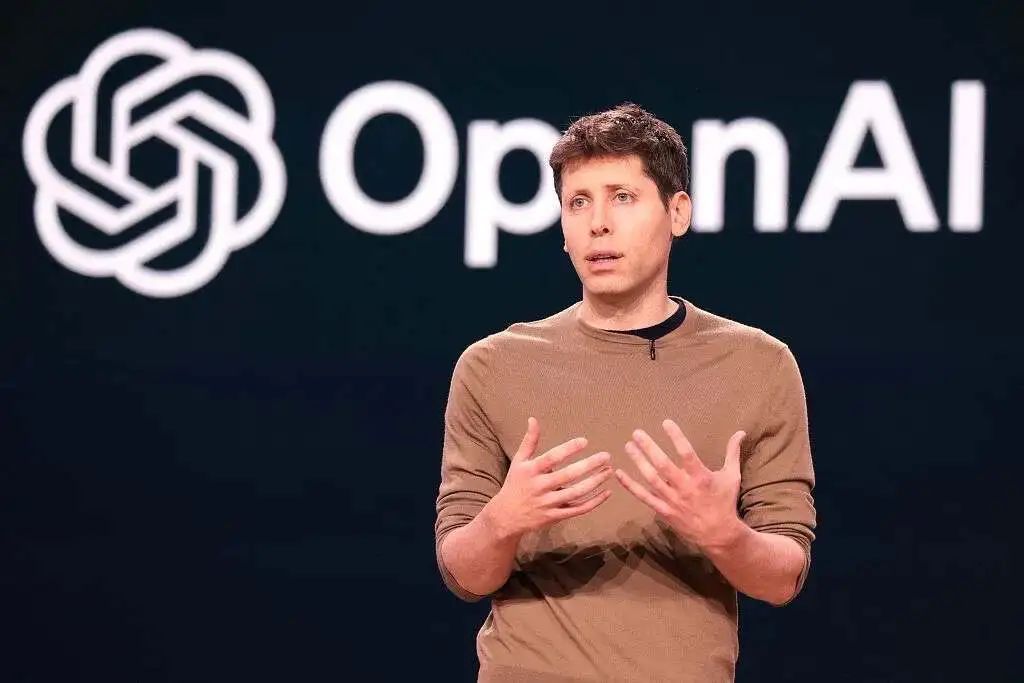
Despite these hurdles, OpenAI remains focused under CEO Sam Altman on advancing the development of artificial general intelligence (AGI).
Join TechFlow official community to stay tuned
Telegram:https://t.me/TechFlowDaily
X (Twitter):https://x.com/TechFlowPost
X (Twitter) EN:https://x.com/BlockFlow_News








