Multiple project airdrop dates postponed — are TGEs of top-tier points-earning games going wild?
TechFlow Selected TechFlow Selected
Multiple project airdrop dates postponed — are TGEs of top-tier points-earning games going wild?
Airdrops have become the most pressing concern for these "millions of users" at the moment, as well as the tough challenge that project teams need to face.
 Navigating Web3 tides with focused insights
Author: Zen, PANews
On July 14, the Telegram-based gaming project Notcoin announced an upcoming $7 million airdrop, with $5 million allocated to stakers and tier holders, and the remaining $2 million to be distributed over the next three months to users participating in activities. After pioneering the Tap-to-Earn model and becoming a viral sensation, Notcoin is now focusing on organizing events—such as engaging with other newer Telegram games—to maintain user interest.
As a flagship project within the Ton ecosystem, Notcoin’s explosive popularity has triggered widespread imitation by game studios large and small. “Notcoin-like” games now account for nearly half of all games in the Ton ecosystem, with more copycats continuously emerging. For example, at the end of June, the well-known blockchain gaming platform Gala Games launched two Telegram clicker games, "Treasure Tapper" and "Flower Frenzy." Bondex, a Web3 version of LinkedIn that raised tens of millions in funding, also released its own tap-to-earn game Bunny Blitz and initiated a $1 million rewards program.
Among these imitations, several games—including Hamster Kombat—have become star projects with tens or even hundreds of millions of users. Now, the biggest question on everyone's mind is when the token airdrop will happen—a critical challenge that project teams must now confront.
Hamster Kombat: Traffic powerhouse, first airdrop expected this month
Telegram CEO Pavel Durov described Hamster Kombat as the latest internet phenomenon. Within just three months, it has registered 239 million users. This rapid growth led the team to apply for a Guinness World Record—the first YouTube channel to gain over 10 million subscribers in a single week.
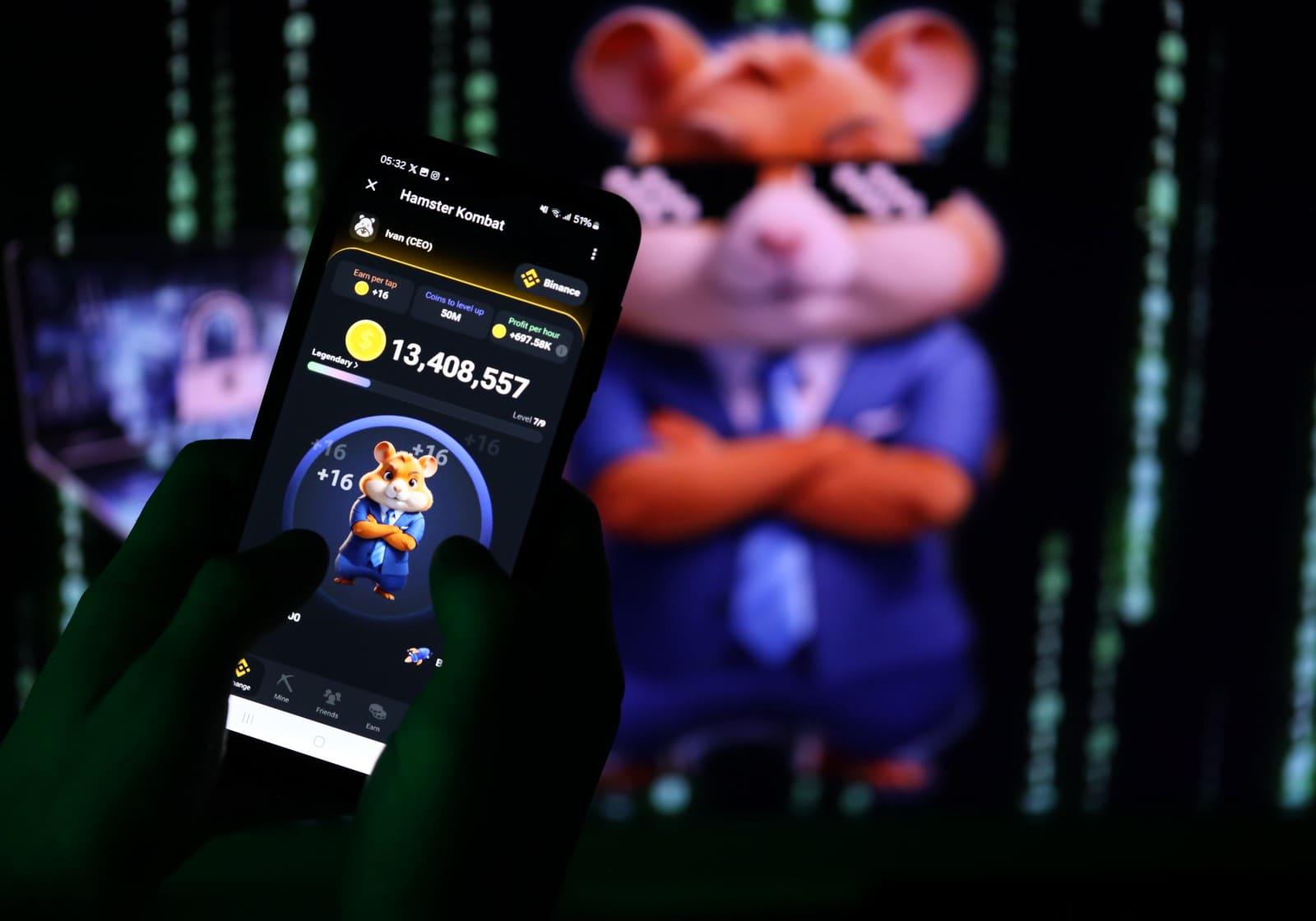
In terms of user scale and popularity, Hamster Kombat stands out as the most likely successor to surpass Notcoin among subsequent Tap-to-Earn games. Its popularity has even drawn attention—and criticism—from political figures and scholars in Iran. In the game, players assume the role of CEO of a new cryptocurrency exchange. The main task involves tapping a cartoon hamster image to earn coins, which can then be used to purchase upgrades for the exchange. Each upgrade increases passive income, allowing players to earn more coins over time.
Hamster Kombat plans to launch its token on the TON blockchain, with the first airdrop expected this month. Previously, the team stated that user allocations would depend on hourly profits and other activity parameters yet to be released, rather than token balances. When asked by The Block about the game’s survival chances post-airdrop, Hamster Kombat’s founder expressed optimism, saying the game will continue with a second season and another airdrop planned within the next two years.
TapSwap: Twice-delayed token launch, TGE likely in Q3
TapSwap is a tap-to-earn mini-game once praised by Telegram founder Pavel Durov. On his personal Telegram channel, he commended the TapSwap team for wisely leveraging Telegram for distribution and planning to issue its upcoming token on TON—an approach he said could inspire developers building apps on Telegram and TON. As of early July 2024, the game had amassed over 60 million players and 4 million YouTube subscribers. Launched at the end of 2023, TapSwap was initially released on the Solana network before migrating to the TON ecosystem. In the game, players earn TAPS tokens by tapping an icon within the Telegram interface, with additional features like bonuses, tasks, and a referral system.
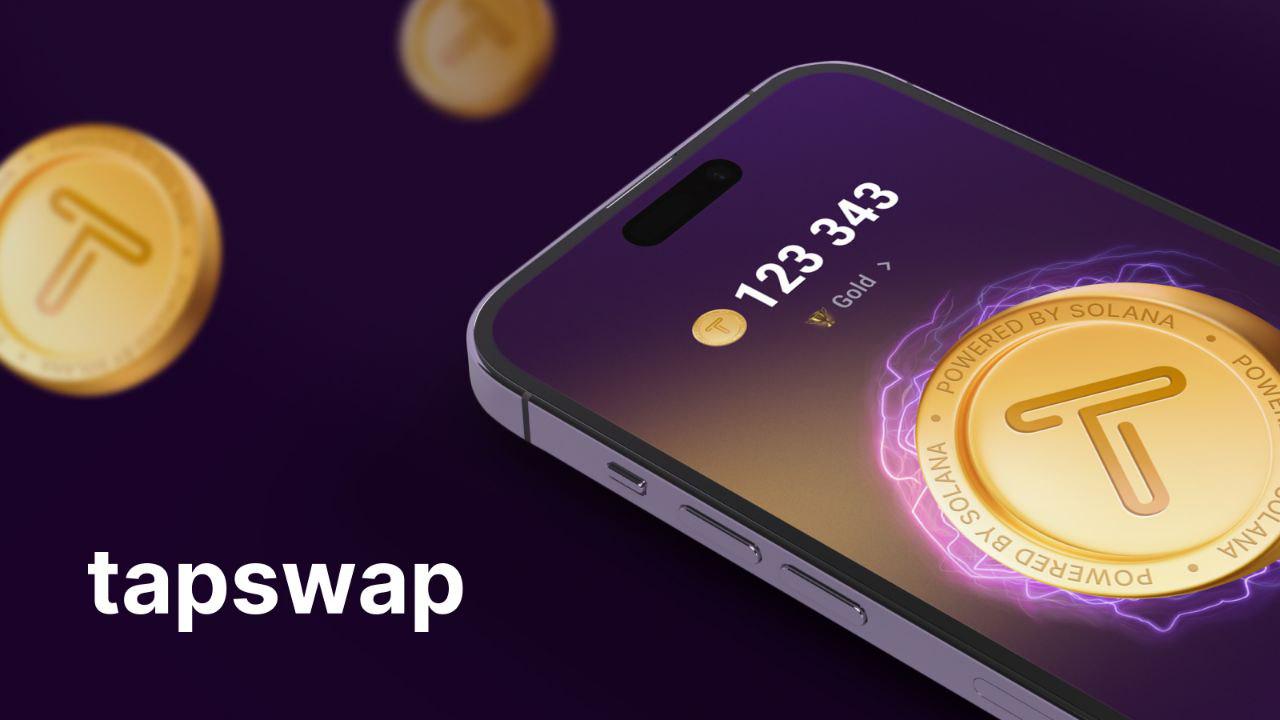
In early May, the TapSwap team announced the imminent launch of TapSwap Pools, scheduled for May 30. One day before the deadline, however, the official Twitter account announced a delay until July 1 due to the discovery of massive bot activity earning airdrop points. To ensure fair token distribution, the team needed time to identify and block these bots. When July 1 arrived without a launch, TapSwap issued a long tweet explaining that the heightened public interest required deeper analysis of tokenomics and release strategy. The token generation event (TGE) was postponed again, with no new date set—only a promise to launch in the third quarter.
Community reaction to the double delay has been polarized. Critics argue the team lacked proper planning and should not have committed to dates prematurely. Supporters believe quality takes time and emphasize that crypto should not be seen merely as a get-rich-quick scheme. TapSwap assured users that the delay would ultimately benefit them.
Pixelverse: Raised $7.5M, aims to build a cyberpunk gaming ecosystem
Pixelverse is a cyberpunk-themed gaming ecosystem aiming to evolve into a multi-platform, multi-blockchain game universe, currently centered around the Telegram game PixelTap. Drawing inspiration from Notcoin and Hamster Kombat, PixelTap promises wealth through simple screen tapping and has already attracted over 50 million players. In the game, players rapidly tap parts of the screen to attack enemy robots, unleash special attacks, and defend themselves. Additionally, players can battle in PvP and PvE modes using upgradable pets.
As its player base grows, the launch of Pixelverse’s native token PIXFI draws nearer. With a total supply of 5 billion, PIXFI will be used for transactions, crafting, and combat within the ecosystem. Initially planned for issuance on TON, recent updates indicate that PIXFI will instead be an RC20 token. Neither the token generation event (TGE) nor the airdrop timeline has been confirmed. Over the past two months, Pixelverse has raised $7.5 million in funding from investors including Delphi Ventures, Galaxy Interactive, and Crit Ventures.
Notably, Pixelverse founder Kirill Volgin previously founded Step.App, a popular Move-to-Earn platform. Step App pioneered gamified fitness economics on Avalanche, enabling users to walk, jog, and run to socialize, play, and earn. Olympic sprinter Usain Bolt once served as its brand ambassador.
MemeFi: Built on Linea, may allocate 90% of tokens to community airdrops
MemeFi Club is a Tap-to-Earn game developed by the MemeFi project. Unlike similar games, MemeFi revolves around defeating enemies inspired by internet memes such as Doge and Pepe. While most tap-to-earn games display a coin on the main screen, MemeFi presents boss-like meme creatures as opponents. Each tap reduces the enemy’s health and earns equivalent tokens; defeating a boss grants additional rewards. Players can boost earnings through daily tasks, friend referrals, and power-ups like “Turbo” to increase damage or “Charge” to restore energy, enhancing gameplay efficiency.
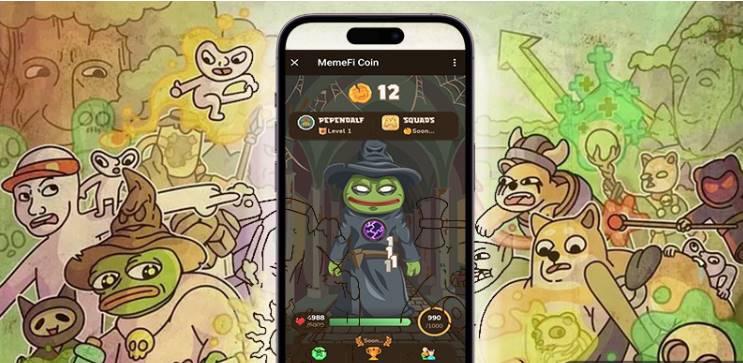
MemeFi has 8.6 million subscribers on Telegram and 2.3 million followers on X, claiming over 20 million active users. While most tap-to-earn games are tied to the TON blockchain, MemeFi chose Ethereum’s Layer 2 solution Linea. Its $MEMEFI token is a Linea-based OFT (Omnichain Fungible Token) under LayerZero, serving functions in governance, rewards, revenue-sharing yield farming, and in-game purchases. With a total supply of 10 billion, 100% of tokens will be unlocked at TGE, with 90% planned for community distribution. The exact TGE date remains unannounced.
dotcoin: Launch delayed by two weeks, DTC mining still unstable
Dotcoin has 5.5 million Telegram subscribers, 1.4 million followers on X, and claims over 17 million users. The game interface is relatively simple, featuring a central yellow dot that expands as players rapidly tap it. Each tap yields increasing rewards, up to 4x, with limited attempts per day. In the “Boosts” section, players can spend accumulated Dotcoins to increase daily attempt limits or purchase “Multitap” to boost per-tap earnings. Watching ads also increases available taps.
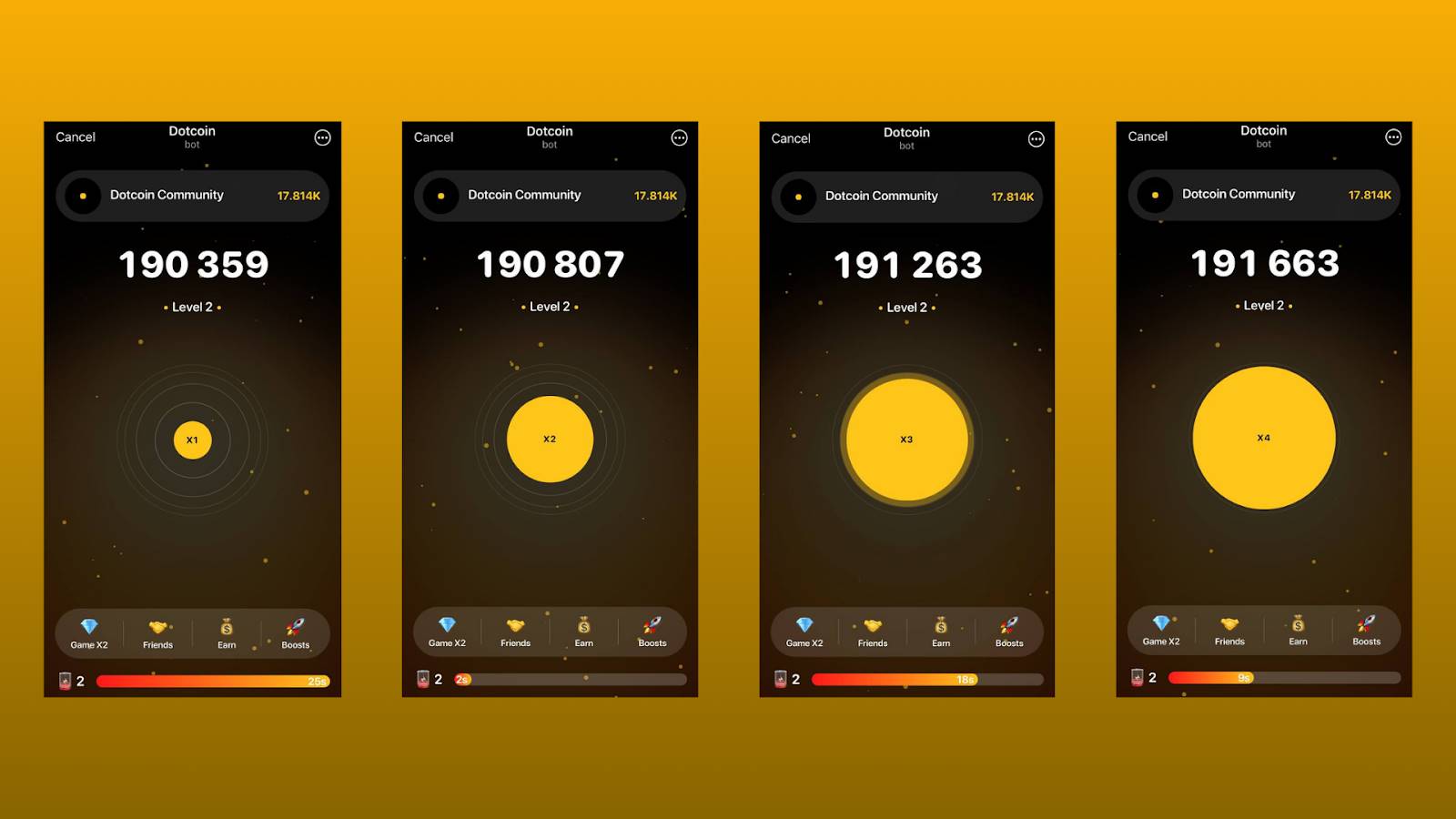
DTC is the primary token of the Dotcoin ecosystem. According to the project, users can mine DTC directly via the “Boosts” feature. Simply put, after purchasing a DTC miner with collected Dotcoins, users receive a fixed number of DTC tokens daily based on the miner level—for example, Level 1 yields 2 DTC per day. Once launched, the token will be tradable.
The team originally announced DTC mining would go live in the first week of July, but the feature remains unstable. On July 8, Dotcoin said final preparations and testing were underway. By July 13, they cited last-minute edits and security system setup as causing delays. On July 15, a test launch began, but many users reported issues. The team attributed the instability to system overload from 8 million user requests. Subsequently, Dotcoin stated they were working hard to enable full functionality and that the mining button would soon be available.
Beyond Web3: Tap-to-earn game "Banana" goes viral on Steam
While numerous mini-games explode across the Ton ecosystem, a game called "Banana" has unexpectedly gone viral on Steam—a platform that explicitly excludes Web3 games. According to SteamDB data, since mid-June, Banana has maintained a concurrent player count of at least 300,000 daily, peaking near 920,000—second only to the perennial favorite CS2. Despite being just 60.8MB in size and featuring extremely simple gameplay, its popularity surpasses many AAA titles. The key reason? It’s a free game where players can actually make money. In essence, Banana is a Web3-free version of a "Tap-to-Earn" game.
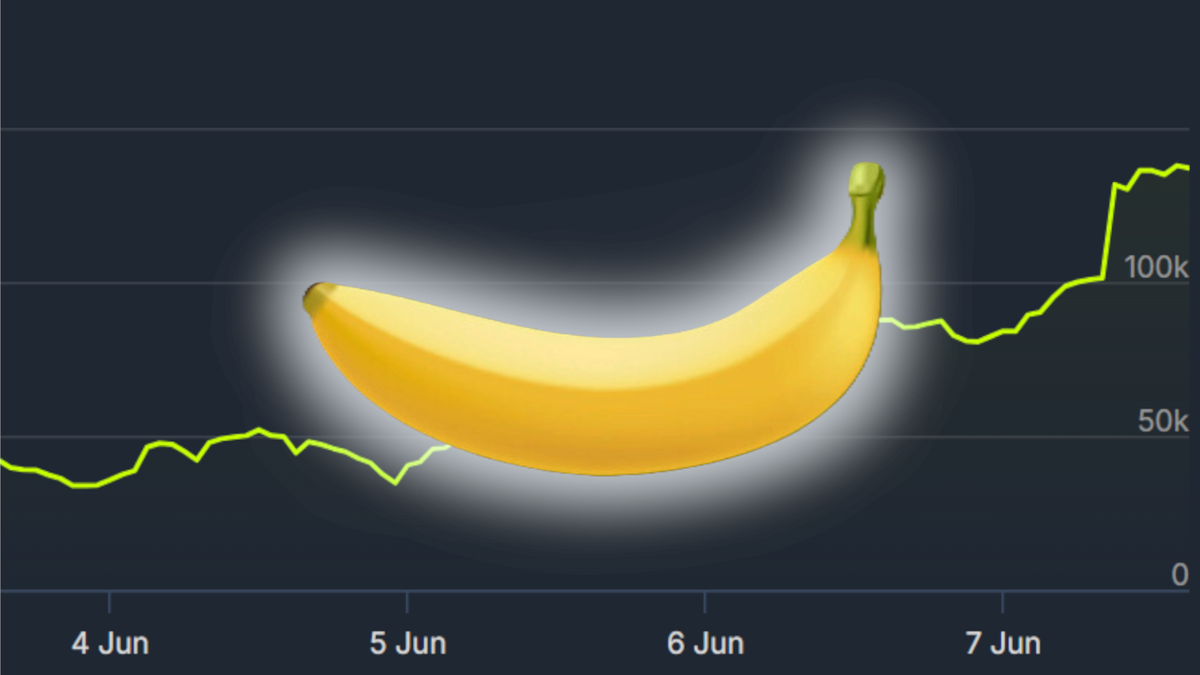
The first line of Banana’s Steam store description—“Banana is a clicker Game”—sums up its entire gameplay. Players simply click repeatedly on a banana in the center of the screen, increasing a white number above it. Additionally, every three hours, a common-rarity banana drops into the player’s Steam inventory; a higher-rarity banana appears every 18 hours.
These bananas are tradeable, and trading different rarities forms the real core gameplay. As more players join, prices for rare bananas have skyrocketed, with some selling for over $1,000. Earnings from banana trades appear as Steam wallet balance—not directly withdrawable—but players can resell items like CS2 skins on third-party platforms to cash out in fiat currency.
In project development, bots are both accelerators and obstacles
The explosive metrics published by various projects on the Ton ecosystem have long faced skepticism. Especially after Notcoin’s airdrop and subsequent token price surge, many Telegram games saw a sharp rise in bot activity. On one hand, bots provide projects with vast numbers of fake “users,” creating an illusion of success that attracts attention and capital, driving rapid data growth. On the other hand, bot accounts dilute the airdrop share for genuine users, forcing project teams to address botting issues carefully to protect real participants.
The cautious, repeated delays in token launches and airdrops seen in the aforementioned Web3 projects are closely tied to the difficulty of managing bots. Notcoin’s anonymous founder Sasha revealed that dealing with bots was one of the biggest challenges during their airdrop: “Notcoin prioritized human behavior during the airdrop and rewarded wallets showing normal on-chain activity.”
The dilemma of simple mechanics: easy acquisition, hard retention
When interviewed by The Block, Notcoin’s anonymous founder Sasha admitted: “I don’t think Notcoin will exist forever. I don’t see any long-term sustainability in it. From my perspective, only games with sustainable models can survive.” Regarding Notcoin itself, Sasha said he hopes to move beyond the Tap-to-Earn narrative and, over the next four years, build self-sustaining, efficient subsystems so the project can operate independently of the founding team.
The simplicity of Tap-to-Earn mechanics makes them easy for new users to grasp, and combined with earning incentives, allows rapid user acquisition—ideal for initial promotion. However, due to limited content and gameplay depth, developers must constantly introduce new features to retain interest—a significant burden. Recently, Tap-to-Earn games have shown signs of weakening compared to earlier momentum, with user attention shifting toward newer projects like DOGS, a meme initiative on the TON ecosystem.
Moreover, this model heavily relies on continuous user growth and external funding—both of which cannot sustain indefinitely. For games with virtually no gameplay depth, the sole attraction is profit. Once growth stalls or funding dries up, and players realize there’s no longer profit—or even risk loss—the death knell sounds for these games.
Join TechFlow official community to stay tuned
Telegram:https://t.me/TechFlowDaily
X (Twitter):https://x.com/TechFlowPost
X (Twitter) EN:https://x.com/BlockFlow_News
 PANews