








Altlayer Research Report: A Detailed Look at Rollup-as-a-Service and the Current Ecosystem
TechFlow Selected TechFlow Selected
Altlayer Research Report: A Detailed Look at Rollup-as-a-Service and the Current Ecosystem
This article will delve into the mechanisms and potential of AltLayer.
 Navigating Web3 tides with focused insights
Author: Dewhales Research
Translated by: TechFlow
AltLayer has evolved from an aggregated box zk solution to launching proprietary technology that scales and accelerates web3 via restaking. Let’s dive into this through application examples!
1. Introduction
In the ever-evolving blockchain landscape, scalability and customization have become primary concerns for application developers. With the growing popularity of ZK Rollups and Optimistic Rollups, there is a clear need for solutions that allow developers to scale their applications while maintaining flexibility and control.
In recent years, ZK Rollups and Optimistic Rollups have gained significant attention in the blockchain space due to their ability to dramatically improve throughput and efficiency on existing blockchains like Ethereum. However, despite their promising potential, these rollup technologies also bring their own set of challenges—particularly around accessibility, customization, centralized sequencers, soft finality, and liquidity fragmentation.
This is where AltLayer comes in. Unlike existing options available to application builders today, AltLayer offers Rollups-as-a-Service (RaaS) for developers seeking direct control over their rollup solutions. The RaaS service allows developers to directly manage their rollups, providing a high degree of customization and control over their blockchain infrastructure.
However, what truly sets AltLayer apart is its new restaking rollup framework, which brings restaking into rollups. Combined with its RaaS offering, this framework enables anyone—even individuals with little to no programming experience—to create their own customized blockchain execution layer within minutes, bringing additional security and decentralization to their rollup. This remarkable feature bridges the gap between technical and non-technical users, making AltLayer an accessible choice for a wide range of application builders.
In this article, we will delve into the mechanisms and potential of AltLayer, exploring how it functions as a Rollup-as-a-Service solution in the rapidly evolving blockchain environment.
2. Rollup Hub
AltLayer is a Rollup-as-a-Service protocol enabling developers to launch their own Layer 2 (imagine launching an app-specific version of Optimism, zkSync, Arbitrum, etc.). AltLayer provides:
-
An SDK for developers who want to self-manage their rollups
-
A no-code dashboard allowing anyone to launch a customized execution layer in two minutes with just a few clicks
Essentially, AltLayer is a decentralized rollup hub that allows individuals to launch their own L2 solutions tailored to their needs. However, questions may arise regarding the types of execution methods available, rollup speed, general-purpose vs. application-specific rollups, and more.
AltLayer supports launching both ZK Rollups and Optimistic Rollups using EVM, WASM, or other runtime environments for either general-purpose or application-specific use cases. Users can fully customize their rollups based on their specific requirements and preferences.
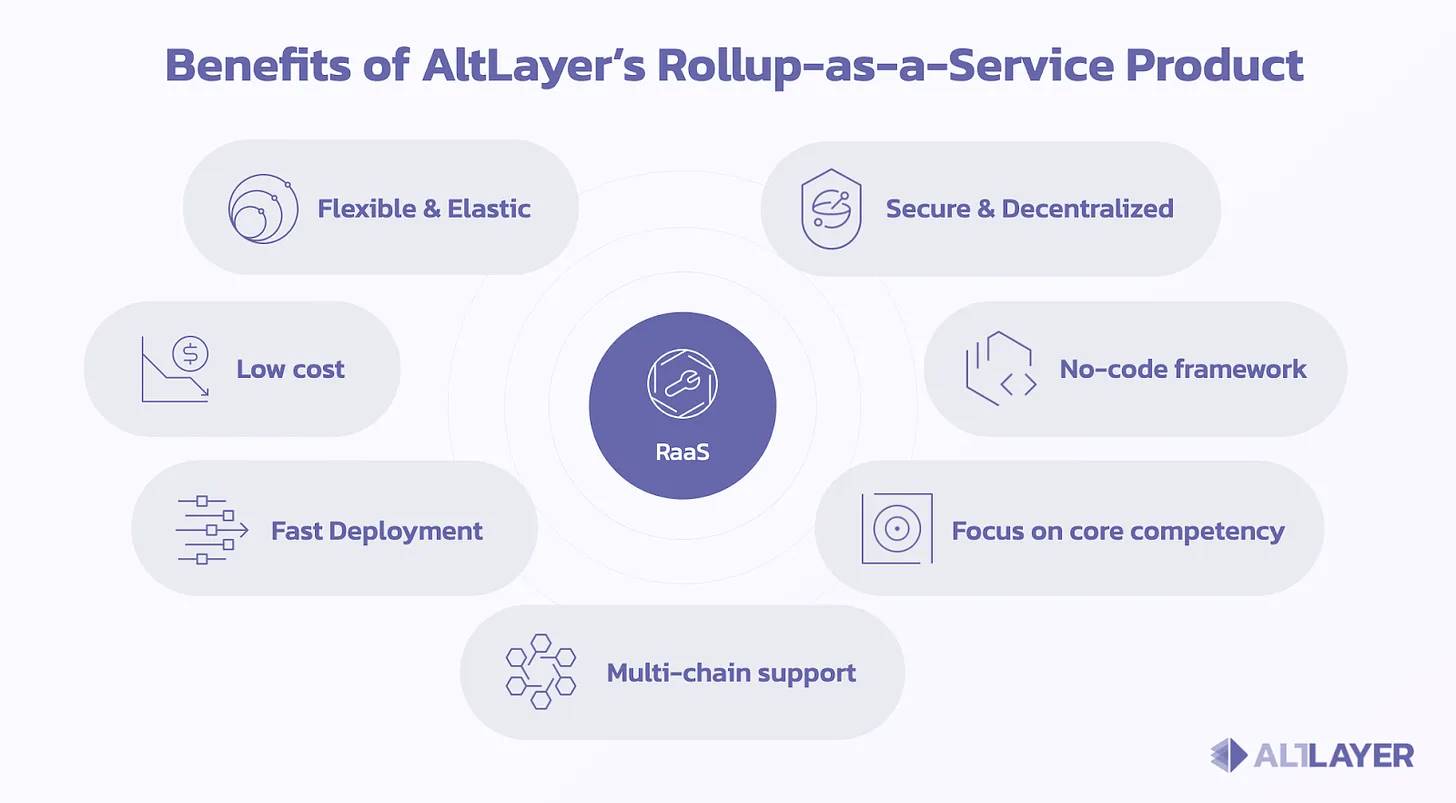
Figure 1: Advantages of AltLayer's Rollup-as-a-Service product. Source: docs.altlayer.io
As mentioned above, AltLayer enables rapid deployment within minutes, a process similar to deploying on a general-purpose chain. AltLayer’s rollups do not require hundreds of validators to ensure security (e.g., Cosmos SDK), as they use an underlying chain (Layer 1) as their security layer.
AltLayer was designed with modularity at its core, empowering end users to customize rollup solutions according to their preferences. This flexibility extends to the choice of runtime environments, including EVM, WASM, and others. Additionally, users can select their preferred data availability layer, whether an L1 blockchain or a data layer such as Celestia. AltLayer also allows users to choose their preferred settlement layer, such as Ethereum or Arbitrum One.
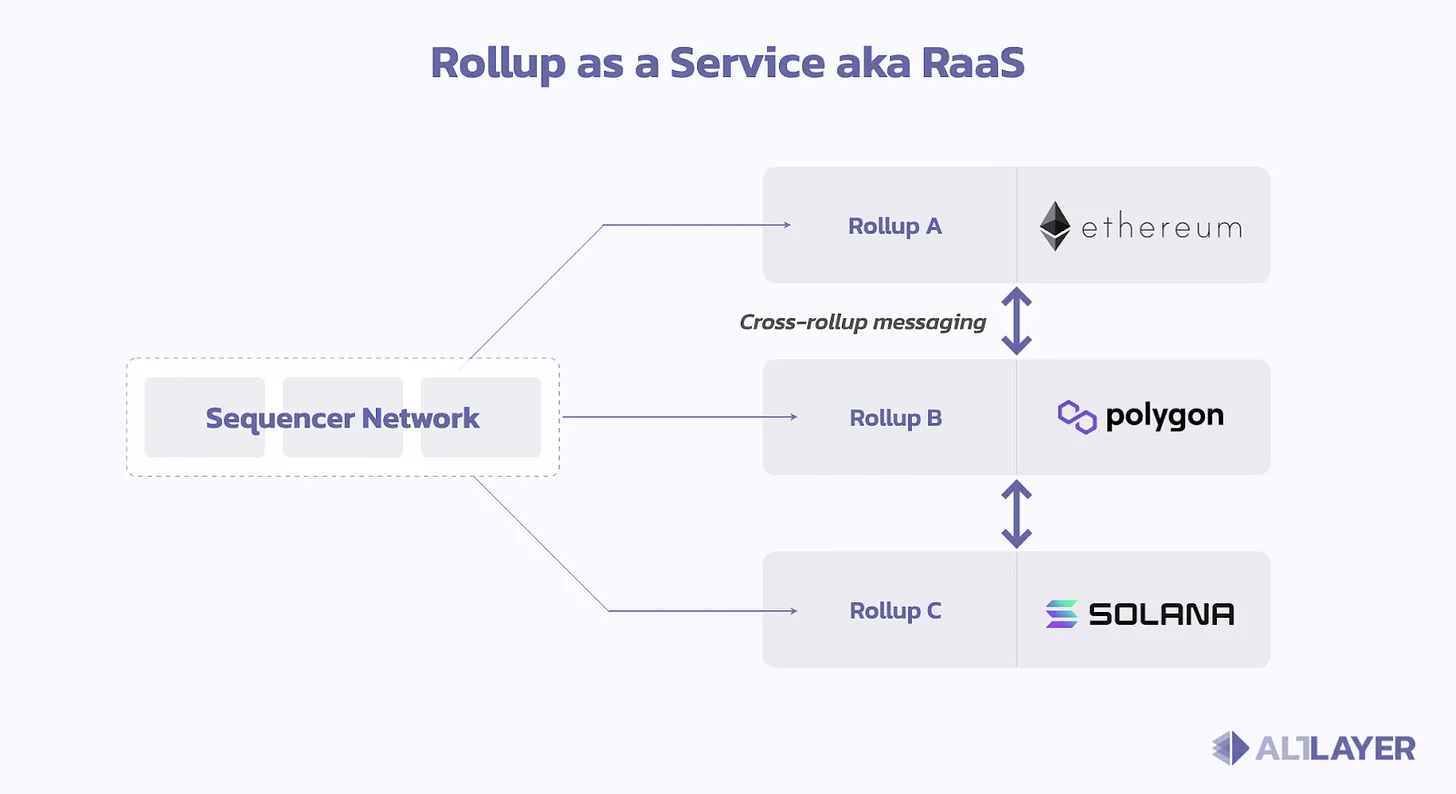
Figure 2: RaaS Architecture. Source: docs.altlayer.io
One major issue faced by most rollups is sequencer centralization (transaction ordering and processing). However, AltLayer operates via a decentralized network of sequencers. These sequencers are selected from a network called SQUAD based on their stake and randomness. We’ll discuss SQUAD in detail in the next section.
Finally, a key feature worth highlighting is tiered finality. Traditional blockchains typically classify blocks as either finalized or not finalized. AltLayer, however, takes a more nuanced approach to block finalization by implementing a tiered system. This layered system allows end users to determine the finality status of transactions based on their chosen security budget. As blocks progress through these different finality layers, confidence in finality gradually increases, reaching its peak at the rollup level.
AltLayer’s finalization process includes three distinct tiers: execution-level (suitable for low security budgets), validation-level (suitable for medium security budgets), and rollup-level (suitable for high security budgets).
-
Execution-level finality: The transaction pool content is collected and organized into blocks by block producers. These blocks are then submitted to the consensus protocol. Once the consensus protocol verifies and accepts these blocks and their included transactions, they achieve finality at the execution level.
-
Validation-level finality: Validation-level finality is achieved once blocks generated by block producers and validated by the consensus protocol are further verified by validators. Stronger finality occurs as more validators confirm or reject updates, increasing the likelihood of correctness.
-
Rollup-level finality: Blocks cleared through arbitration consensus undergo a challenge period during which anyone can run their validator and participate in verification. If discrepancies are found in the on-chain proposal, challengers may submit a challenge. A successful challenge invalidates subsequent blocks and triggers a state rollback. An unsuccessful challenge results in the slashing of the challenger’s stake.
AltLayer also offers another type of rollup called Flash Layers, better suited for addressing scalability issues. Flash Layers are one-time, application-customized rollups with optional fraud proofs.
With Flash Layers, dApp developers can:
-
Quickly launch a fast, scalable rollup secured by Layer 1
-
Use the rollup only when needed, preventing congestion on Layer 1
-
Dispose of the rollup via “final settlement” on Layer 1
This significantly optimizes resource utilization, as the execution layer and its resources are only invoked when the dApp experiences traffic exceeding Layer 1 limits. When demand decreases, the dApp can seamlessly return to operating on Layer 1.
Potential use cases include NFT minting events, gaming, event ticketing, and more.
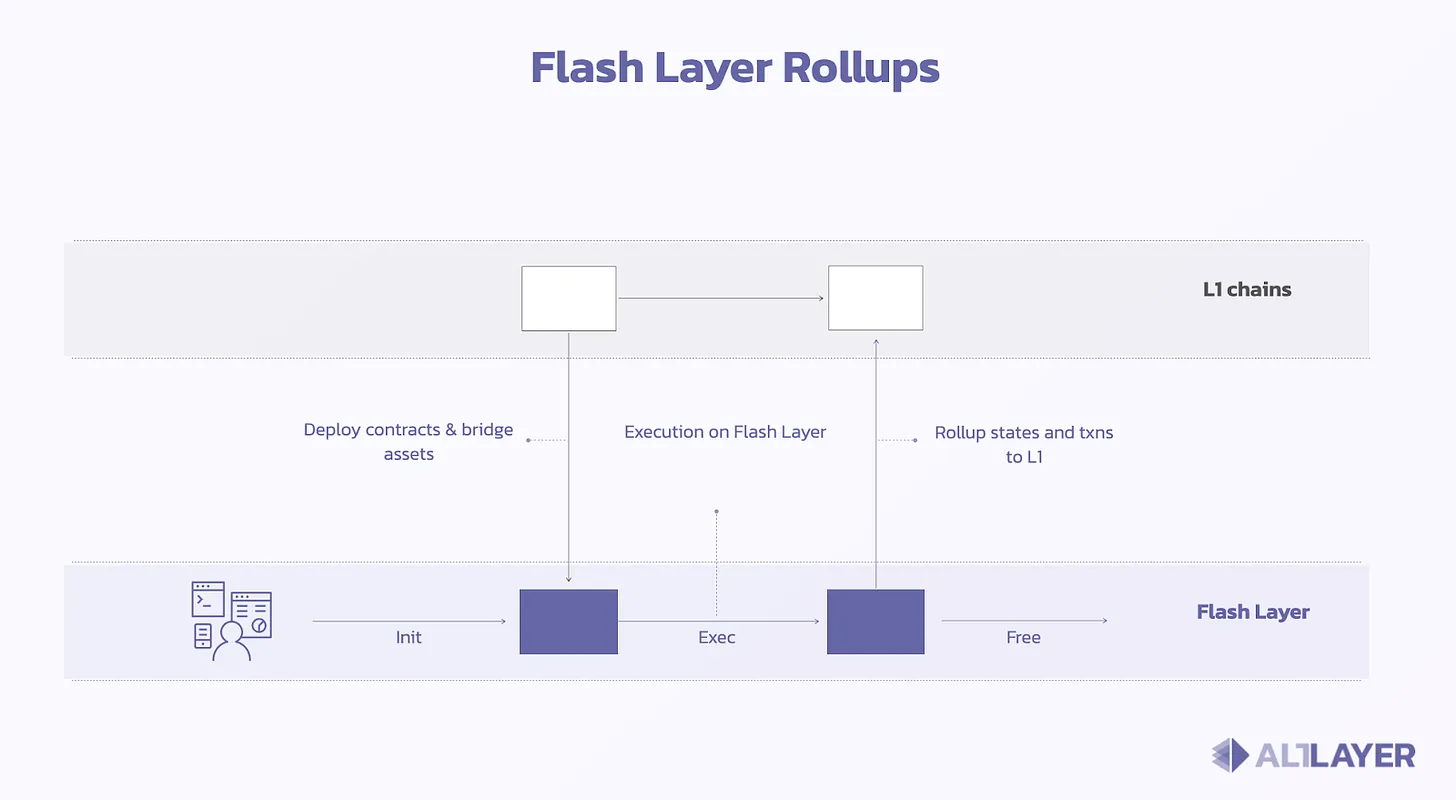
Figure 3: Flash Layer Rollups. Source: docs.altlayer.io
3. Restaked Rollups
This is a new concept introduced in collaboration with EigenLayer. It consists of a set of three vertically integrated Active Validated Services (AVS), created on-demand for a given rollup stack. Together, these AVS provide three critical services for rollup applications: decentralized sequencing, state correctness validation, and faster finality. This helps decentralize rollups, enhances security, improves interoperability among rollups, and leverages Ethereum’s trusted network through restaking. The updated rollup stack comprises three modular components:
-
VITAL (an AVS for decentralized rollup state validation)
-
MACH (an AVS for faster finality)
-
SQUAD (an AVS for decentralized sequencing)
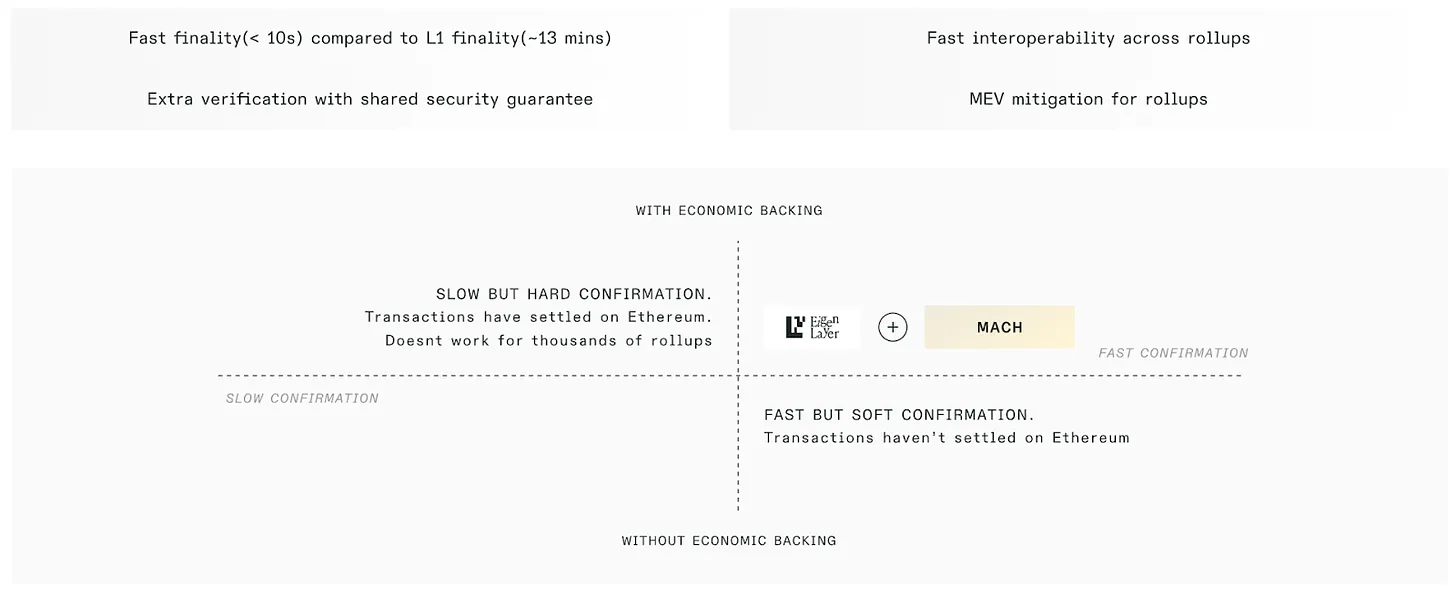
Figure 4: Restaked Rollups. Source: altlayer.io/restaked-rollups
Let’s examine these components in detail:
-
VITAL serves as the integrated validation layer for the rollup stack. It consists of a network of AVS-registered operators who validate all new states proposed by SQUAD operators. VITAL operators detect invalid state roots and can challenge SQUAD operators using a bisection protocol.
Essentially, VITAL is a network of operators verifying new states. Unlike the preliminary confirmation provided by rollup sequencers, the confirmation offered by VITAL is stronger due to its underlying economic incentives. This enables instant asset withdrawals. VITAL can work alongside both optimistic and ZK proofs, where VITAL operators can request SQUAD operators to generate ZK proofs for disputed state roots.
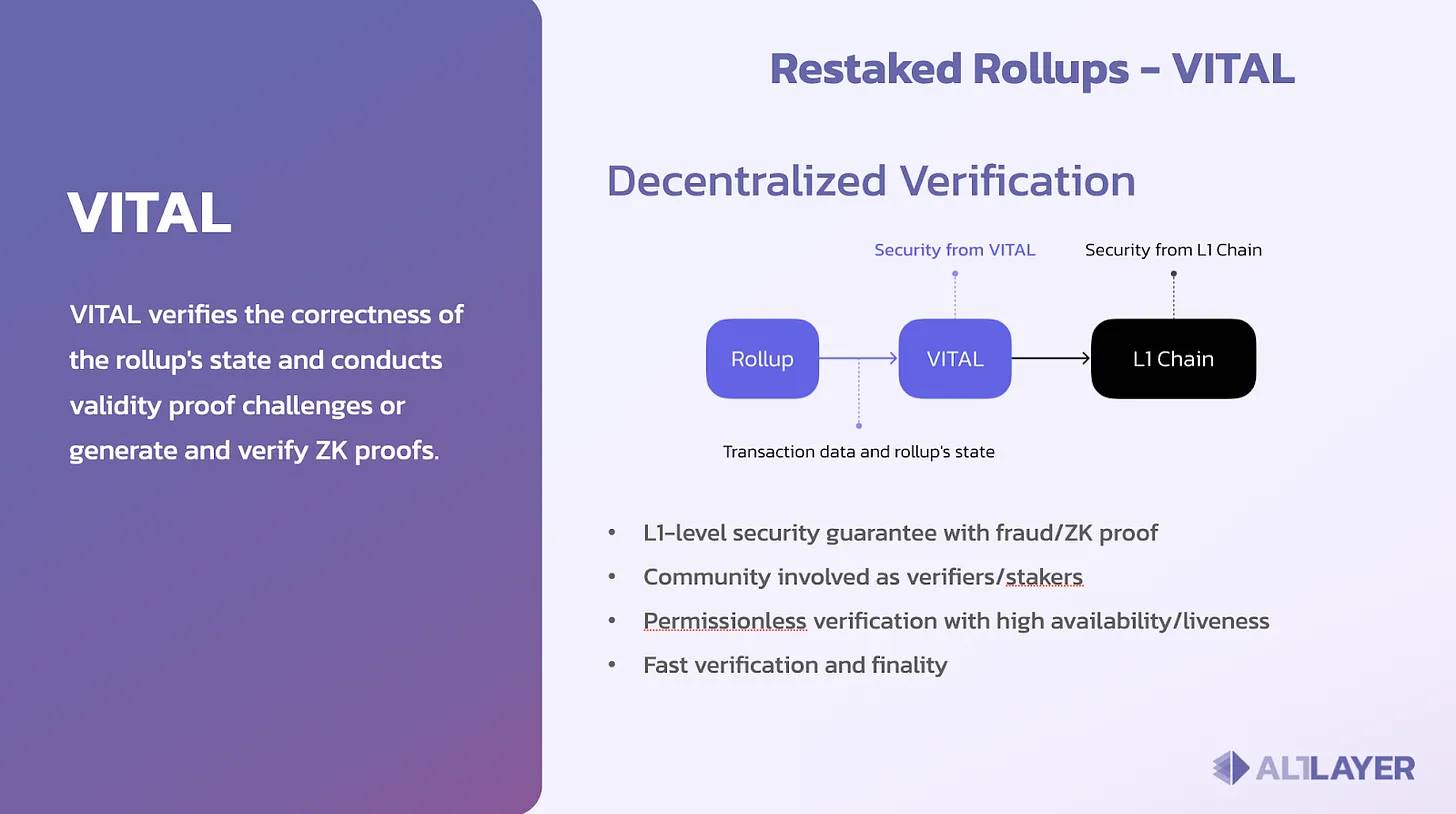
Figure 5: VITAL. Source: blog.altlayer.io
-
MACH aims to solve the slow finality issue of rollups by validating rollup blocks and ensuring they conform to the rollup’s state transition function. Upon detecting an invalid block, MACH operators raise an alert. If enough operators agree on the alert, it can be escalated to upstream dApps.
The MACH service will be provided to end users as an RPC endpoint reporting whether a specific rollup block is considered final. This RPC endpoint can be integrated into any aggregated decentralized application, delivering faster and more reliable confirmations. Additionally, MACH will benefit exchanges, bridges, light clients, and other auxiliary services that require streaming access to rollup states and blocks to deliver their products and services.
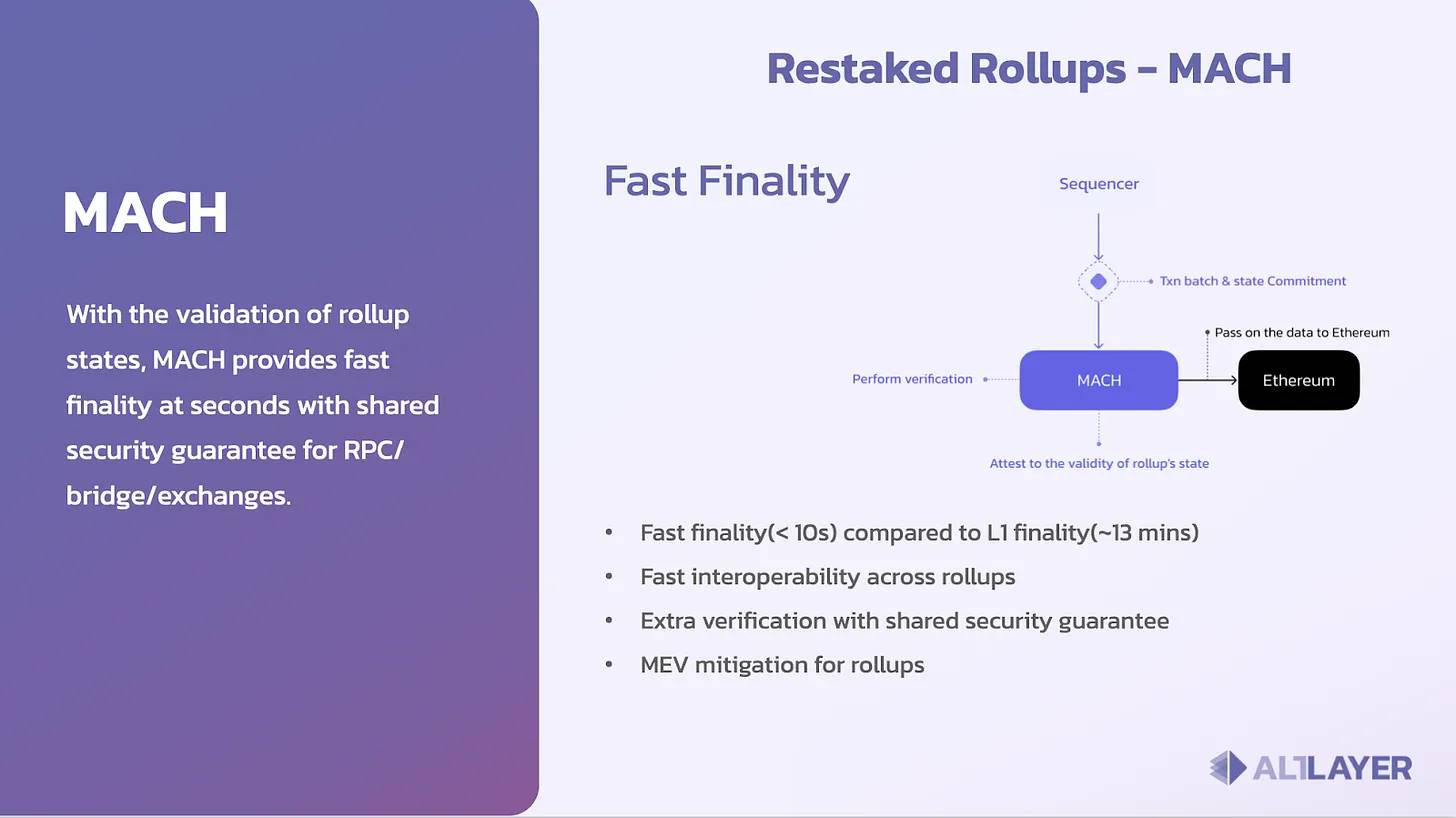
Figure 6: MACH. Source: blog.altlayer.io
-
SQUAD enables nodes operated by EigenLayer AVS operators to register their interest in serving as rollup sequencers. Once the required number of sequencers have staked the minimum collateral, they can begin ordering transactions for the rollup.
To facilitate sequencer discovery, SQUAD is designed as a network that any EigenLayer AVS operator can join, effectively acting as a full blockchain with both WASM and EVM execution environments. Nodes in SQUAD are referred to as validators, typical in any PoS network.
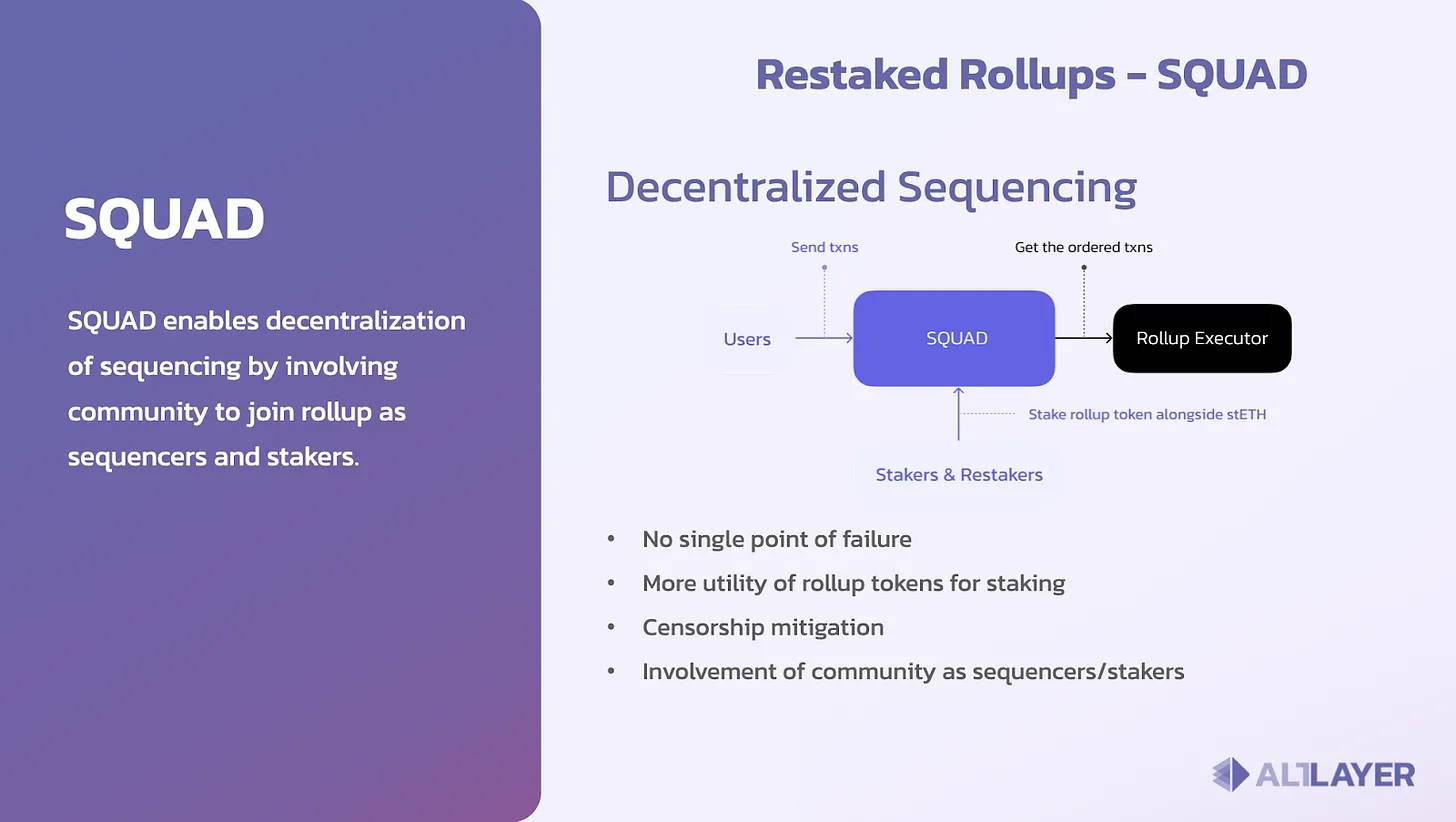
Figure 7: SQUAD. Source: blog.altlayer.io
3. Key Participants
-
Partners and Projects Using AltLayer Technology
AltLayer has numerous partners, most of which involve integrations—either using AltLayer’s tech stack or integrating their own tech stack to collaborate with AltLayer. This is a strong indicator of its Rollup-as-a-Service offering. As of September 2023, AltLayer had multiple partners and integrations: EigenLayer, Sovereign SDK, HyperLane, Celestia, Orbiter Finance, Espresso Systems, Radius, Double Jump.Tokyo, Arbitrum Orbit.
Other projects related to AltLayer include: Another World, My Square, Connext, MatchBox, Oveit, BendDAO, Skyark, Port3, Degame, Uforica, Evolv, Chirpley, StratisX, RNS.ID, 3UP, Evolv, Fobo.club, Automata, MySquare NFT, TaskOn, and DF Archon. By the end of May 2024, AltLayer had a vast ecosystem with weekly blog announcements, covering 120 projects across various categories.
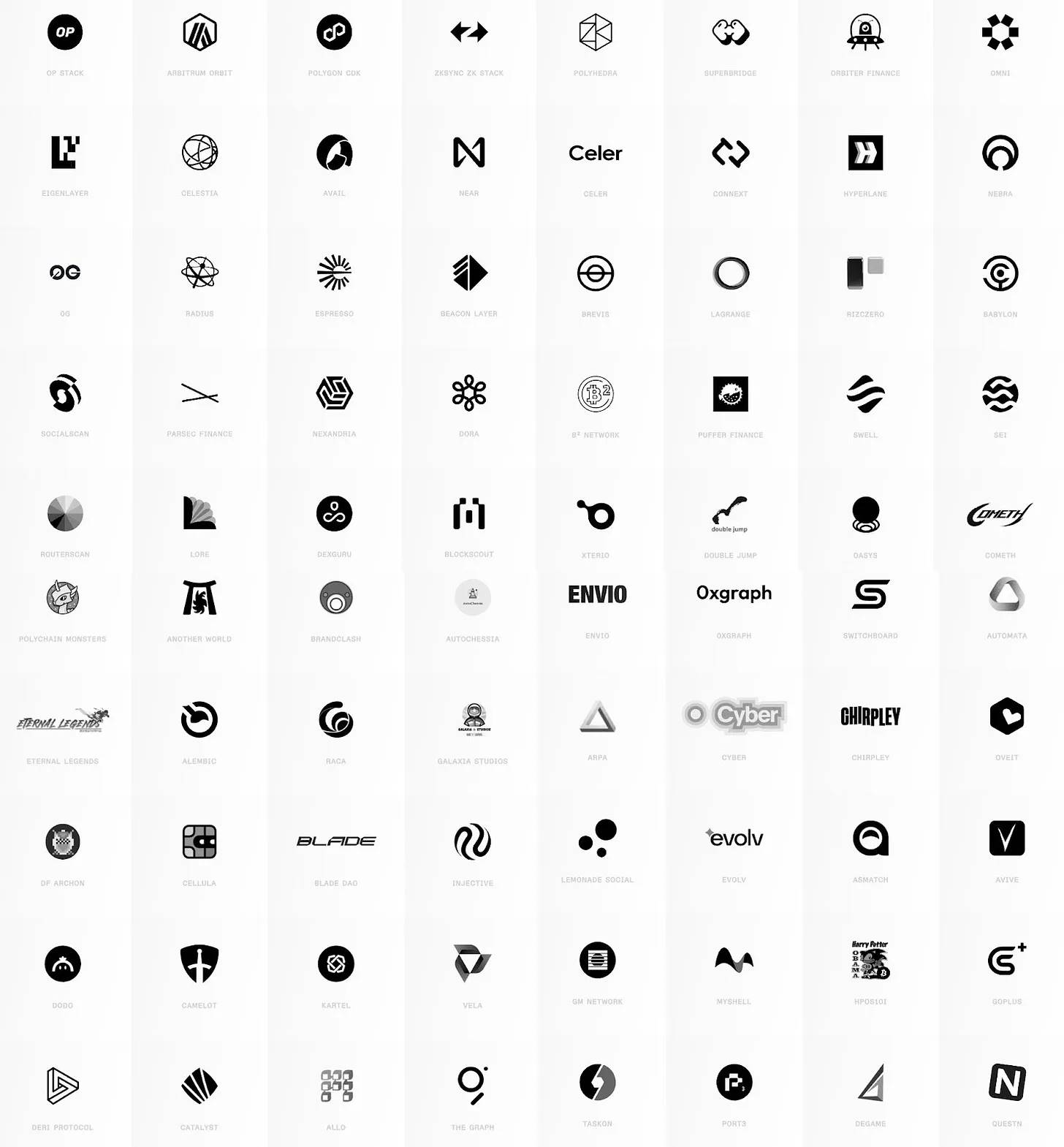
Figure 8: AltLayer Ecosystem. Source: altlayer.io
-
Integration Examples
EigenLayer is an Ethereum restaking protocol. As previously discussed, AltLayer and EigenLayer jointly introduced the concept of restaked rollups. AltLayer currently hosts the following restaked rollups on the EigenLayer mainnet:
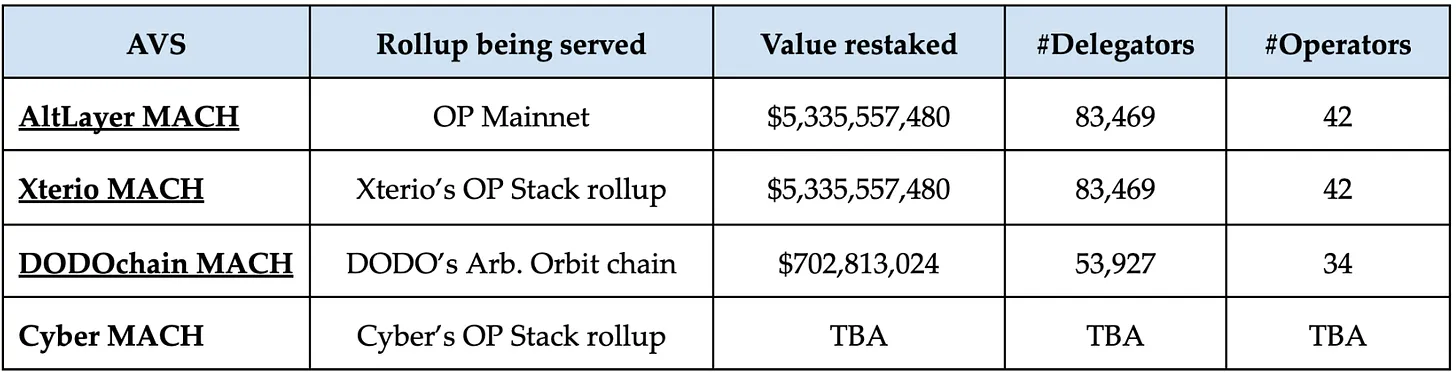
Polyhedra: ZkBridge from Polyhedra Network has made significant strides in the blockchain industry, offering a robust, efficient, and secure cross-network interaction protocol spanning multiple Layer 1 and Layer 2 networks. By integrating zkBridge, AltLayer rollups now ensure seamless compatibility with over 30 different Layer 1 and Layer 2 networks. As part of the collaboration, AltLayer plans to join Polyhedra AVS to restake Bitcoin zkBridge.
Injective: Integrated AltLayer’s MACH for inEVM, enabling the deployment and integration of smart contracts compiled into EVM bytecode within the Injective ecosystem, while ensuring composability via WASM/EVM. AltLayer’s MACH will provide restaking-based security for inEVM, benefiting applications running through inEVM.
Brevis: Brevis is a zero-knowledge coprocessor that allows smart contracts to read and utilize complete historical data from any chain and perform custom computations in a trustless manner. With Brevis, developers can create various data-driven functionalities. AltLayer’s restaked rollups will now be enhanced by the Brevis coprocessor. Restaked rollups are our flagship product. By making the Brevis coprocessor available to restaked rollups, developers on AltLayer can reliably perform on-chain historical data computations and build data-driven dApps responsive to dynamic data inputs.
Sovereign SDK: This is an interoperable and scalable rollup stack ecosystem that can run on any blockchain. Their SDK is an open-source toolkit for creating zk and optimistic rollup stacks. Sovereign SDK is used by protocols such as Haun, 1kx, EigenLayer, and Celestia. In AltLayer, Sovereign is integrated to facilitate the deployment of rollup stacks within the Rollups-as-a-Service (RaaS) ecosystem.
HyperLane: Simplifies deploying functional compatibility on their blockchain. Through permissionless interoperability features, users can deploy Hyperlane anytime, anywhere. Thus, blockchain creators and developers enjoy greater autonomy and can quickly make their products available across chains. AltLayer collaborates with Hyperlane to offer permissionless compatibility within the AltLayer ecosystem. Beyond the built-in unified bridge, projects using AltLayer’s tech stack can leverage Hyperlane for unified service deployment and communication.
Celestia: A modular blockchain used by AltLayer for data availability (DA) to address data availability and reliable state verification challenges. AltLayer is configured to support Celestia’s DA layer as one of the possible options for rollup stacks created via AltLayer’s unified dashboard, reducing the cost required for data availability. As part of the integration, AltLayer developers will extract chain data, compress it, and upload it to the Celestia network. This will allow full reconstruction of the rollup state using Celestia’s data.
Nebra: AltLayer partnered with Nebra to integrate its advanced Universal Proof Aggregation (UPA) technology into its rollup solutions. Nebra’s UPA is the first production-ready universal proof aggregation protocol, designed to achieve over 10x gas reduction and composable zero-knowledge proof verification.
Orbiter Finance: Acts as a bridge between Ethereum and L2 rollups. Orbiter collaborates with AltLayer to address liquidity fragmentation in L2s through functionally compatible tools.
Espresso Systems: Integrated into the AltLayer stack, adding the Espresso Sequencer—a decentralized sequencer solution. Developers can choose to use AltLayer’s decentralized validation solution and/or the Espresso Sequencer when deploying rollup stacks on the AltLayer stack. This partnership provides application developers with a simple way to launch scalable and customizable L2 layers, while ensuring future users of unified stacks benefit from the properties provided by decentralized sequencers.
Radius: Redefines rollup decentralization by protecting rollup stacks against MEV, censorship resistance, and financial stability threats. Through cryptographically secure sequencing, it protects users from censorship and MEV risks. With Radius’s integration into AltLayer, developers will benefit from the combination of AltLayer’s user-friendly and efficient platform and Radius’s cryptographically secure sequencing.
Double jump.tokyo: Japan’s leading blockchain gaming and NFT startup, collaborating with AltLayer to integrate its comprehensive tech stack into Oasys—an optimized blockchain for game development created by a group of developers including Double jump.tokyo.
Notably, AltLayer broadly embraces the web3 gaming narrative and caters to clients in this sector. AltLayer offers game developers two types of rollup stacks: ephemeral and persistent. Ephemeral rollups are ideal for event-driven applications experiencing rapid demand spikes over short periods, such as mini-games or turn-based games. Persistent rollups, on the other hand, are best suited for games with longer lifecycles.
Secondly, AltLayer’s rollup stacks (“village layers”) were previously used to host the popular online game Dark Forest, attracting 250,000 transactions daily. AltLayer positions Flash Layers as a suitable solution for gaming.
Arbitrum Orbit: A recently announced permissionless solution by the Arbitrum Foundation, enabling developers to create fully customizable Layer 3s secured by Arbitrum One. AltLayer has begun integrating support for Arbitrum Orbit and its tech stack into its no-code launch dashboard and will be ready to use in Q2 2023—the first rollup stack provider to support Arbitrum Orbit.
Deri Protocol: Deri Protocol is a method for trading derivatives using DeFi—hedging, speculation, arbitrage—all on-chain. With Deri Protocol, trades execute under the AMM paradigm, and positions are tokenized as NFTs, making them easy to integrate with other DeFi projects.
Automata: Automata is a blockchain middleware provider backed by Binance Labs, Jump Crypto, and others. They recently launched a modular proof layer where proofs are entirely performed on-chain for off-protocol computation.
Cometh: Cometh is a French game studio. They have previously collaborated with well-known clients such as La Française des Jeux (FDJ), Lacoste, FanLive Rugby, and Life Beyond Studios to meet their Web3 needs.
4. Tokenomics
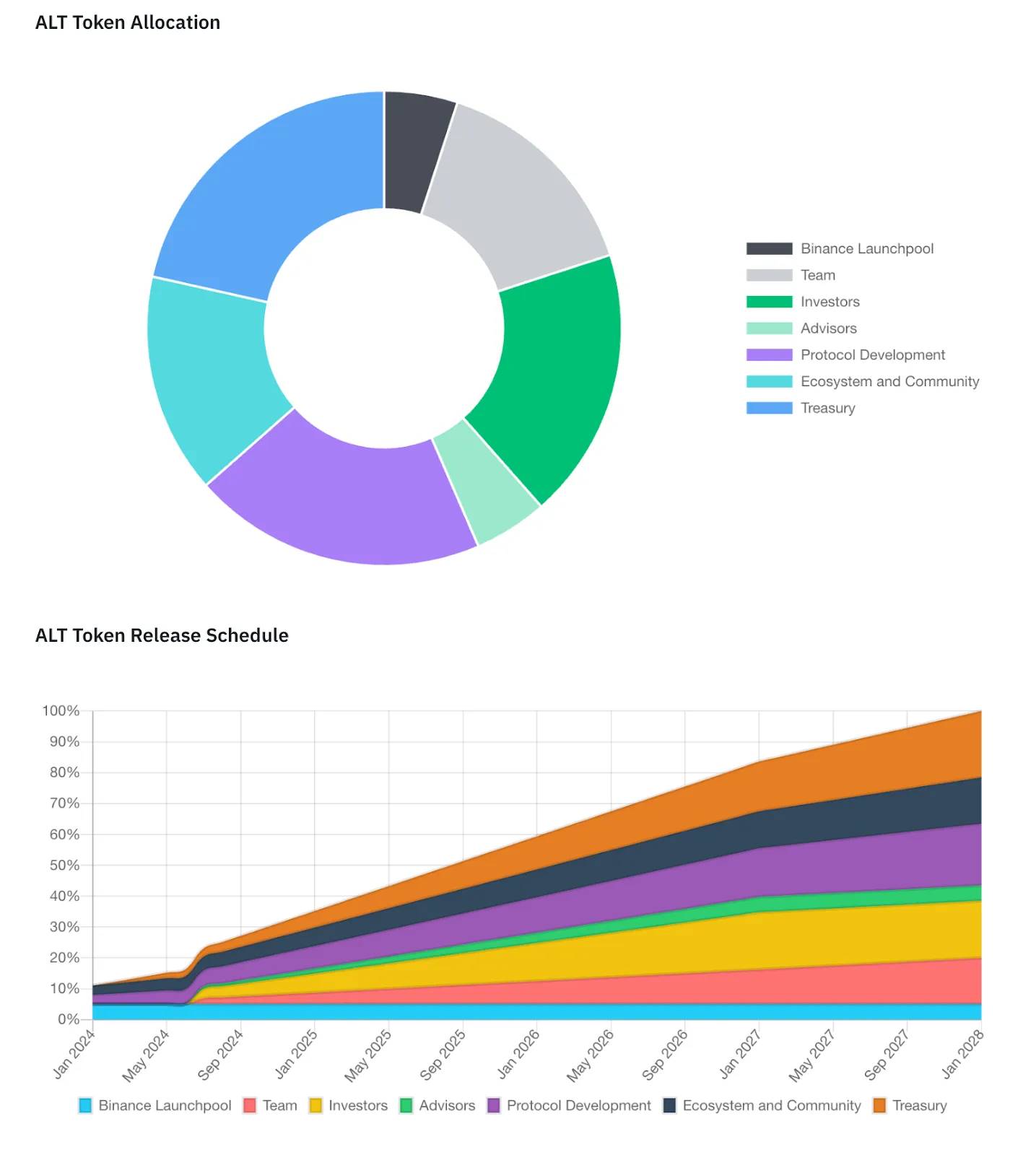
The functions of the AltLayer token include:
-
Economic bond: The ALT token will be used alongside restaked assets to provide economic collateral. This collateral can be slashed if malicious behavior is detected.
-
Governance: ALT token holders can vote on governance decisions.
-
Protocol incentives: Operators within the AltLayer ecosystem can earn ALT tokens as rewards for providing services.
-
Protocol fees: Network participants must pay ALT tokens to use services within the network.
In addition, AltLayer also has token wrappers—reALT and stALT:
-
reALT: Stands for “restaked ALT token,” an ERC20 interest-bearing token that records holders’ stakes in ALT and accumulates rewards via compounding. reALT tokens are issued to users who stake ALT in the main staking pool. It is a reward token that accumulates restaking rewards.
-
stALT: An ERC1155 token representing holders’ stakes in the main staking pool. stALT tokens can be manually converted into reALT via the portal.
5. Who Is Behind AltLayer?
Most team members and developers come from Zilliqa, with experience tracing back primarily to 2017, indicating a strong technical background. Additionally, team members enjoy good reputations within the crypto industry.
Yaoqi Jia, CEO. In 2019, Yaoqi was named to Forbes' “30 Under 30 Asia.” He earned his Ph.D. in Computer Science from the School of Computing at the National University of Singapore in 2017. Yaoqi led the design and creation of the first publicly accessible blockchain platform with full sharding capabilities, including network, transaction, and smart contract sharding. He also worked with Xfers to develop Southeast Asia’s StraitsX stablecoin project and participated in blockchain projects with Mindshare, Singapore Exchange, and Hg Exchange. Prior to Zilliqa, Yaoqi worked at Parity Technologies.
Amrit Kumar, COO. Amrit holds a Master’s degree in Information Systems Security, Cryptography, and Coding, and a Ph.D. in Computer Science from Grenoble Alpes University, France, where he worked at the Grenoble Informatics Laboratory (Inria). He co-founded and served as Chief Investment Officer at Zilliqa and is currently COO at Alt Research, a research company associated with AltLayer.
Tan Jun Hao, Head of Product Engineering. Tan Jun Hao is a former co-founder and core developer of Zilliqa, highly active in the Zilliqa community across technical aspects to DeFi ecosystems and their states. He has been working in computer security since 2019 and holds a Bachelor’s degree in Computer Science with a focus on Information Security from the National University of Singapore.
Antonio Nunez, Head of Platform Development. Antonio holds a Bachelor’s degree in Physics and Computer Engineering from Ateneo de Manila University. Since 2006, he has extensive development experience across various languages and tools and is a former co-founder and senior engineer at Zilliqa.
Dorothy Liu, Head of Growth. Dorothy holds a Bachelor’s degree in International Business Management and a Master’s in Marketing. She previously worked as a consultant at Deloitte and served as Vice President at OSL. With experience at notable companies like Synthetix and HashKey Trading, Dorothy has excellent understanding of inter-layer mechanisms in blockchain.
Aparna Narayanan, Head of Communications. Aparna previously worked in public affairs and strategic communications at APCO Worldwide and holds a Bachelor’s degree in Economics, Management, Political Science, and Public Policy. She entered the crypto space in 2019, rising from community manager to Head of Communications at Zilliqa.
6. Backers
AltLayer’s backers primarily consist of Tier 1 firms and reputable individuals within the crypto industry: Polychain Capital, Breyer Capital, Jump, Binance Labs Fund, Hashkey Capital, Bankless Ventures, IOSG Ventures, Primitive Ventures, TRGC, Mask, OKX Ventures, DAO 5. Notable individuals include Circle co-founder Sean Nevile, Gavin Wood, a16z general partner Balaji Srinivasan, Synthetix’s Kain Warwick, Messari’s Ryan Selkis, Synthetix’s Jordan Momtazi, and Bodhi Ventures.
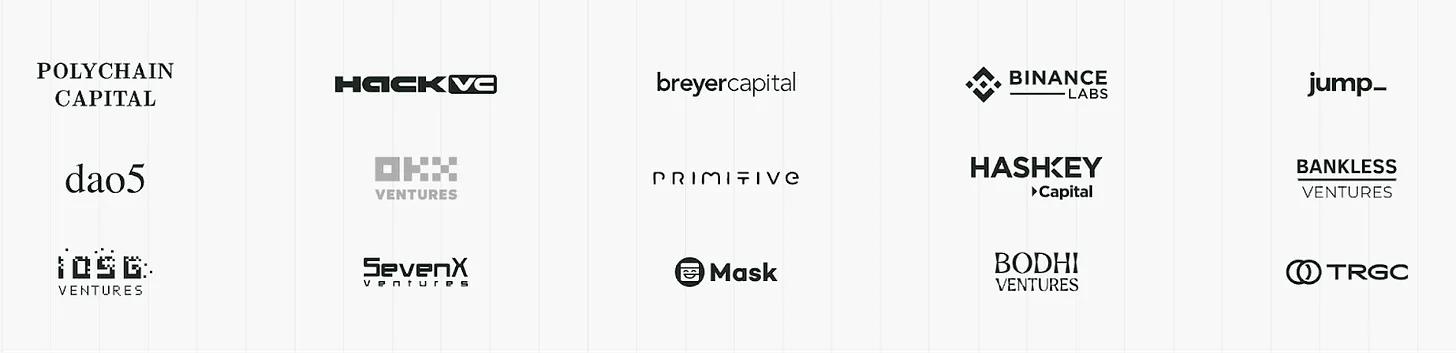
Figure 10: AltLayer Backers. Source: altlayer.io
7. Conclusion
In past cycles of the cryptocurrency industry, projects competed fiercely for liquidity and users, aiming to dominate the market through increased fragmentation. However, there is now growing recognition that collaboration is essential. Each project has its own strengths and weaknesses and focuses on specific user segments and developers. In recent years, a clear trend toward aggregation has emerged, with dApps, diverse strategies, liquidity, and modular blockchains converging.
AltLayer is a forward-thinking project designed to offer maximum convenience to developers without requiring substantial resources—not only to launch their own networks but even to implement them via SDK. Moreover, AltLayer provides practical technical solutions for various blockchain layers to launch rollups and integrates with other technologies—including modular ones—positioning its product as Rollup as a Service.
Additionally, AltLayer has successfully integrated new technologies and incorporated them into its stack. This is evident in its integration with EigenLayer, where AltLayer swiftly delivered AVS-based solutions and seamlessly integrated them into its rollup products.
Join TechFlow official community to stay tuned
Telegram:https://t.me/TechFlowDaily
X (Twitter):https://x.com/TechFlowPost
X (Twitter) EN:https://x.com/BlockFlow_News
 @DewhalesCapital


