Decrypting Lumoz: Technical and Business Strategies for Building a ZK-Rollup Ecosystem
TechFlow Selected TechFlow Selected
Decrypting Lumoz: Technical and Business Strategies for Building a ZK-Rollup Ecosystem
This article will break down Lumoz's ecosystem development and business competition strategies to explore how new entrants should properly enter the ZK-Rollup ecosystem race.
 Navigating Web3 tides with focused insights
Author: Yuri@D^2
With the conclusion of its third testnet on September 27, Lumoz has officially entered the countdown to mainnet launch. The third testnet saw participation from 752 nodes, attracted over 1 million users, and recorded more than 7 million submitted verifications. This article will break down Lumoz’s ecosystem development and business strategies, exploring how new entrants in the ZK-Rollup赛道 should properly position themselves.
From the Ground Up: Revolutionizing OP Stack + ZK Architecture
From a technical standpoint, Lumoz boasts an exceptionally strong team and overall capabilities.
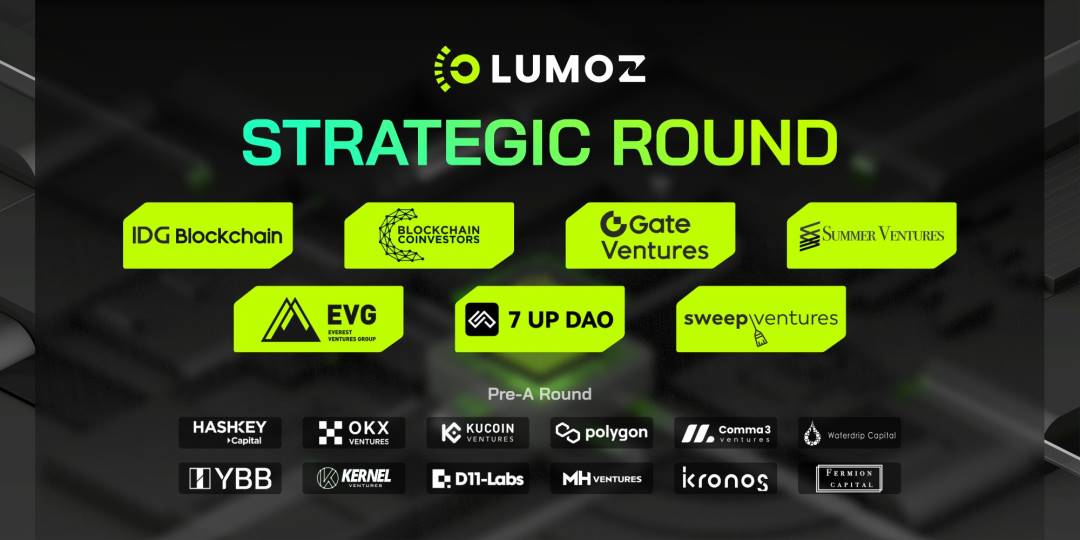
Lumoz is a globally distributed modular computing network that integrates with DePIN networks to provide users with a powerful, secure, and flexible computing platform. Focused on delivering advanced zero-knowledge proof (ZKP) services, Lumoz supports the growth of Rollup networks and provides robust computational power for cutting-edge technologies like AI. It effectively addresses the high costs and inefficiencies faced by Rollup projects while lowering the barrier for ordinary users to participate in the ZK computing market. Since 2023, Lumoz has completed Seed, Pre-A, and Strategic rounds of funding, attracting investments from prominent VCs such as OKX Ventures, HashKey Capital, Polygon, Kucoin Ventures, and IDG Blockchain, raising over $14 million in total.
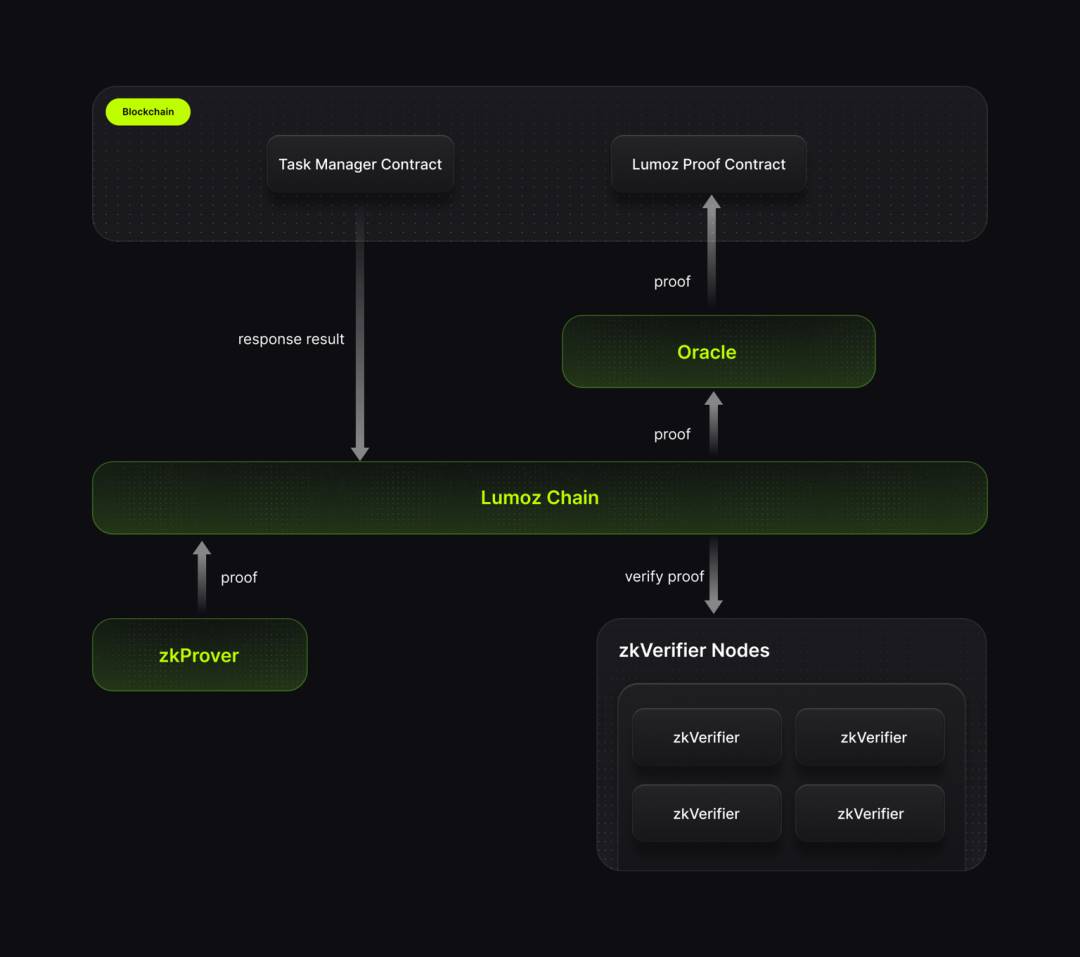
Lumoz’s optimized OP Stack + ZK architecture brings revolutionary improvements across multiple layers. By integrating ZK-Proof technology, Lumoz has developed a novel zk-proposer component that significantly reduces integration and maintenance costs. Meanwhile, through on-chain data synchronization and an optimized proof process, the network's security and stability have reached unprecedented levels.
A key innovation lies in the optimization of the ZK Fraud Proof module, enabling nodes to seamlessly switch from OP-Stack to zk-Verifier, greatly enhancing ecosystem flexibility. Furthermore, by replacing traditional challenge mechanisms with non-interactive ZK proofs, Lumoz accelerates verification and sets a new benchmark for blockchain scalability. While improving speed, security, and flexibility, Lumoz’s solution also ensures high consistency between on-chain data and off-chain states through logical optimization of verification contracts—achieving a true balance between technological innovation and practical application.
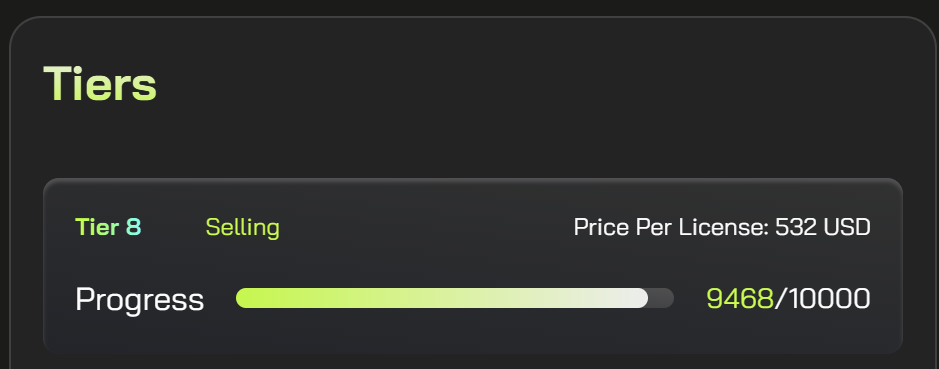
In terms of testnet performance, building on over 280,000 participants and 60+ partnered ecosystem projects during the first two rounds, the third testnet significantly raised the bar to over 1 million participants and 200+ ecosystem partners. Regarding node sales, since launching in June, demand has remained strong—Tier 8 nodes are nearly sold out, with over 80,000 nodes sold to date (out of a total 100,000), achieving a fully diluted valuation (FDV) exceeding $160 million.
Strong foundational technology is essential for securing a competitive position, but to truly stand out in this crowded赛道, one must also embrace unconventional, innovative approaches.
The Pick-and-Shovel Play: How Lumoz Fuels Ecosystem Growth
How do you win consistently at a casino? Be the house selling chips. Within the Lumoz ZK-RaaS ecosystem, Lumoz plays the role of the “pick-and-shovel” provider—delivering critical infrastructure that enables other projects to reduce costs and improve efficiency. Projects like Merlin and HashKey Chain leverage Lumoz’s ZK-RaaS services to bypass the complexity of building their own Rollup infrastructure, instead utilizing Lumoz’s powerful ZK-Rollup and hybrid consensus mechanisms to dramatically enhance system security and operational efficiency. Lumoz’s decentralized Prover mechanism allows multiple miners to simultaneously participate in ZKP computation, accelerating transaction finality and reducing reliance on single points of failure. This not only saves projects significant hardware and operational expenses but also ensures security and scalability under high user and transaction loads.
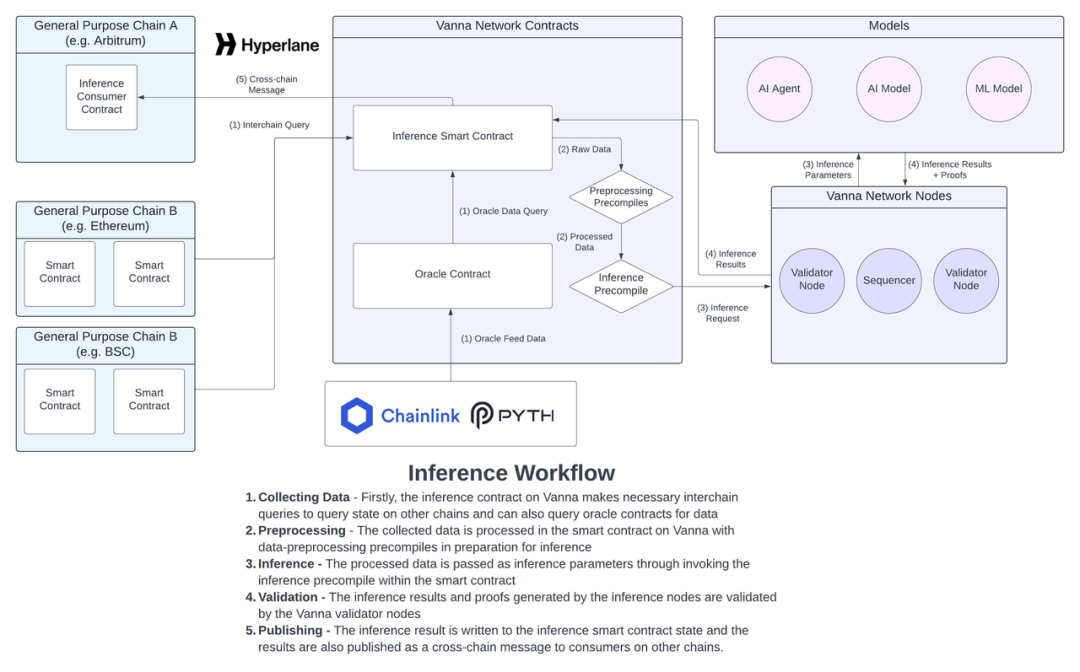
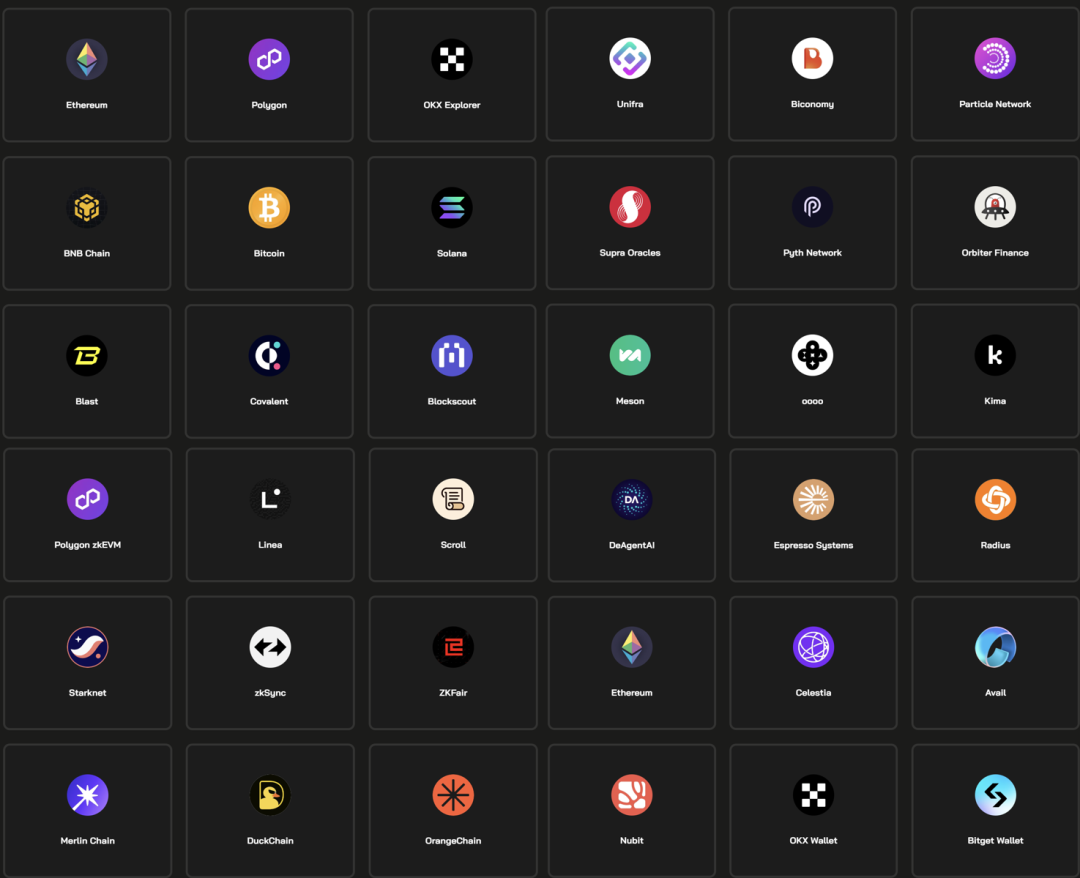
For users, participating in Lumoz node operations offers the opportunity to earn airdrop rewards from multiple public blockchains—effectively granting them access tickets to dozens of blockchain ecosystems. This model increases user profitability across a broader landscape, boosting engagement and loyalty toward Lumoz. As Lumoz continues to expand its partnerships, its innovative ZK-RaaS business model has already attracted numerous Layer2 projects including ZKFair, Merlin, Duckchain, Ultiverse, and HashKey Chain—all either launched or preparing to launch chains based on Lumoz.
Moreover, recent additions such as Moongate, 0G Labs, and Swan Chain have injected fresh momentum into the Lumoz ecosystem. Through continuous market expansion, Lumoz maintains technological leadership while gaining broad market recognition, driving rapid ecosystem growth and creating a virtuous cycle where technological innovation and real-world adoption reinforce each other. This model benefits both partner projects and end users, further solidifying Lumoz’s leading position in the ZK-RaaS space.
In the RaaS赛道, Lumoz demonstrates clear advantages through its ZK-Rollup technology. Built on cryptographic foundations, Lumoz’s ZK-Rollup enhances data and transaction security, while its hybrid PoS and ZK-POW consensus ensures decentralization and efficient resource allocation. The market-driven computational power model of ZK-POW effectively incentivizes miner participation, providing ample support for ZK-Rollup’s computational demands. In contrast, most other RaaS projects rely on a single consensus mechanism, falling short in both security and scalability. Lumoz supports multi-chain deployment, giving developers greater flexibility to choose the optimal chain for their needs. This architecture not only meets current RaaS technical requirements but also lays a strong foundation for future complex applications such as AI processing—giving Lumoz a distinct edge in the RaaS landscape.
Looking Ahead: Opportunities and Challenges Await
As Lumoz enters the final stretch before mainnet launch, it faces both immense opportunities and significant challenges. With its innovative ZK-PoW algorithm and robust ZK-RaaS ecosystem, Lumoz has already proven its technical prowess and market appeal during the testnet phase. With mainnet and token generation event (TGE) approaching, Lumoz is well-positioned to further expand its ecosystem and attract more projects and users.
However, as competition intensifies, Lumoz must overcome ongoing challenges in optimizing technology, maintaining decentralization, and adapting to evolving market demands. Currently riding a wave of high visibility, Lumoz also faces mixed community sentiment—enthusiastic support alongside vocal criticism. Maintaining technological leadership post-mainnet launch and continuously attracting high-quality ecosystem partners and sustaining community cohesion will be critical to long-term success.
Ultimately, only a combination of technology, strength, and community forms the true core growth strategy for any project.
Join TechFlow official community to stay tuned
Telegram:https://t.me/TechFlowDaily
X (Twitter):https://x.com/TechFlowPost
X (Twitter) EN:https://x.com/BlockFlow_News
 Go2Mars Capital