Nvidia and YC invested in a company aiming to build a hotel on the Moon by 2032
2026.01.14
Share Share to X (Twitter) Navigating Web3 tides with focused insights
Share to WeChat
Share to WeiboShare to WeChat
Share by Link
Share by Image
TechFlow Selected TechFlow Selected
Nvidia and YC invested in a company aiming to build a hotel on the Moon by 2032
Starting at about $410,000 per night, the business of selling moon land is heating up.
2026.01.14 - 04:07:23
英伟达
Navigating Web3 tides with focused insightsStarting at about $410,000 per night, the business of selling moon land is heating up.
Text: Curry, TechFlow
In 1980, a jobless used car salesman from California named Dennis Hope walked into a government office in San Francisco and claimed he wanted to "claim" ownership of the entire Moon.
The staff thought he was crazy.
But after reviewing every legal document, they found that while the 1967 Outer Space Treaty banned nations from claiming the Moon, it said nothing about individuals. Hope exploited this loophole, wrote a letter to the United Nations declaring ownership of the Moon—and received no reply.
So Hope registered a company called "Lunar Embassy" and began selling lunar land for $20 per acre, complete with a gold-embossed deed and satellite photos.
Forty-five years later, Hope has sold 600 million acres of Moon real estate to clients including actors Tom Cruise and John Travolta, and reportedly three former U.S. presidents. How much did he make?
$12 million.
China has labeled this business as "excessive profit and madness" and explicitly banned it. But in the United States, Hope remains free and continues selling deeds.
Now, a 22-year-old says:
Selling land is too low-end. I’m going to open a hotel on the Moon.
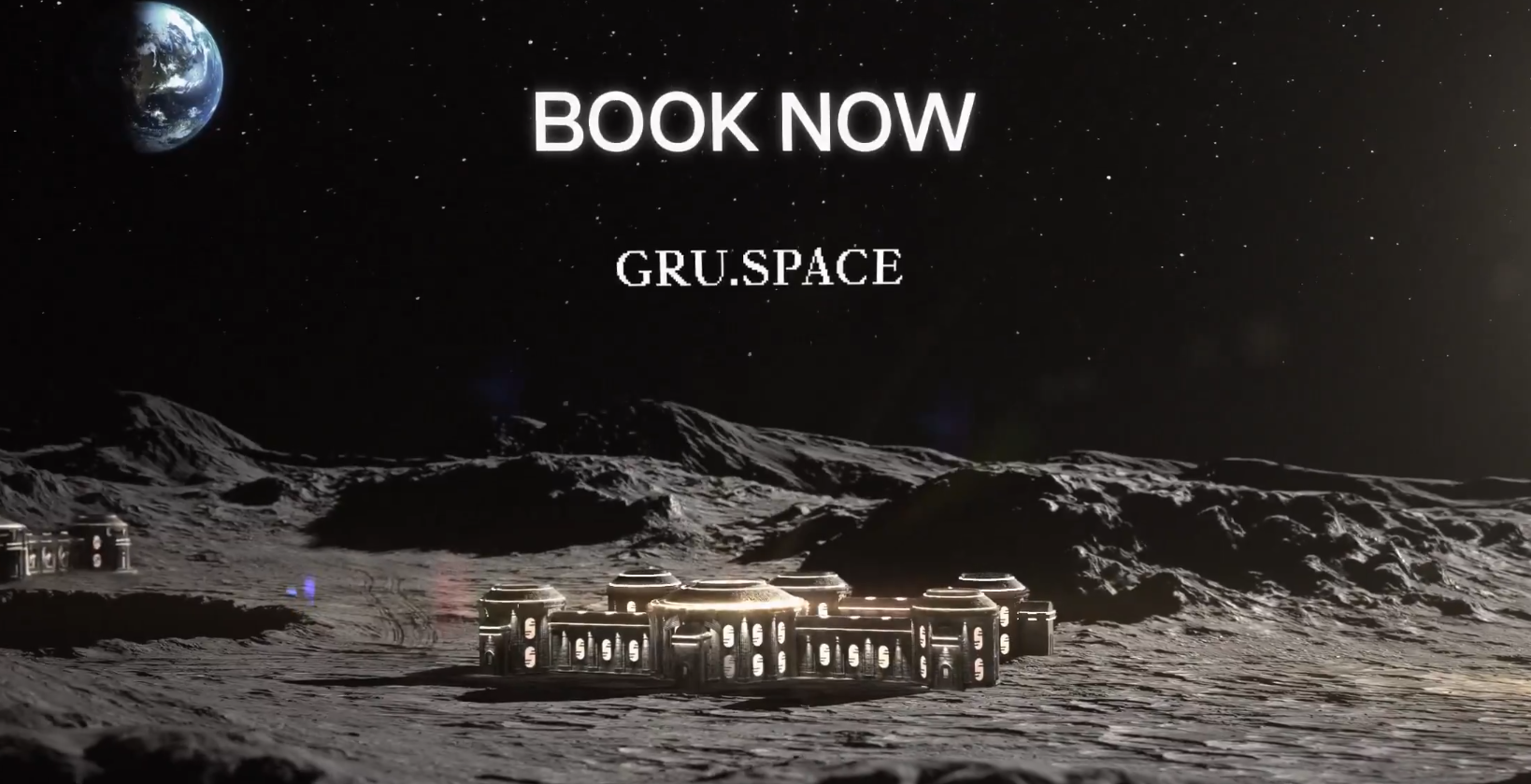 The company is called GRU Space, short for Galactic Resource Utilization. Last week, it opened reservations for future hotel rooms.
Founder Skyler Chan holds dual degrees in Electrical Engineering and Computer Science from UC Berkeley, graduating last May—one year ahead of schedule.
We checked his resume—it’s impressive: earned an Air Force pilot license at 16, wrote vehicle software at Tesla, built a NASA-funded 3D printer and sent it to space.
The company got into YC (Y Combinator), Silicon Valley’s most prestigious startup incubator—home to Airbnb, Stripe, Dropbox.
It also has backing from NVIDIA’s accelerator program, and investors linked to Elon Musk’s SpaceX and defense unicorn Anduril.
Sounds impressive, right?
But YC’s records are clear: 2 full-time employees.
Two people aiming to open a hotel on the Moon within six years.
Even though I can’t afford it, out of curiosity I looked into their pricing structure.
A $1,000 application fee—non-refundable. If selected, you must pay a deposit of either $250,000 or $1 million. You have 30 days to back out; after that, refunds are only possible once the hotel is built. Final room prices “could exceed $10 million.”
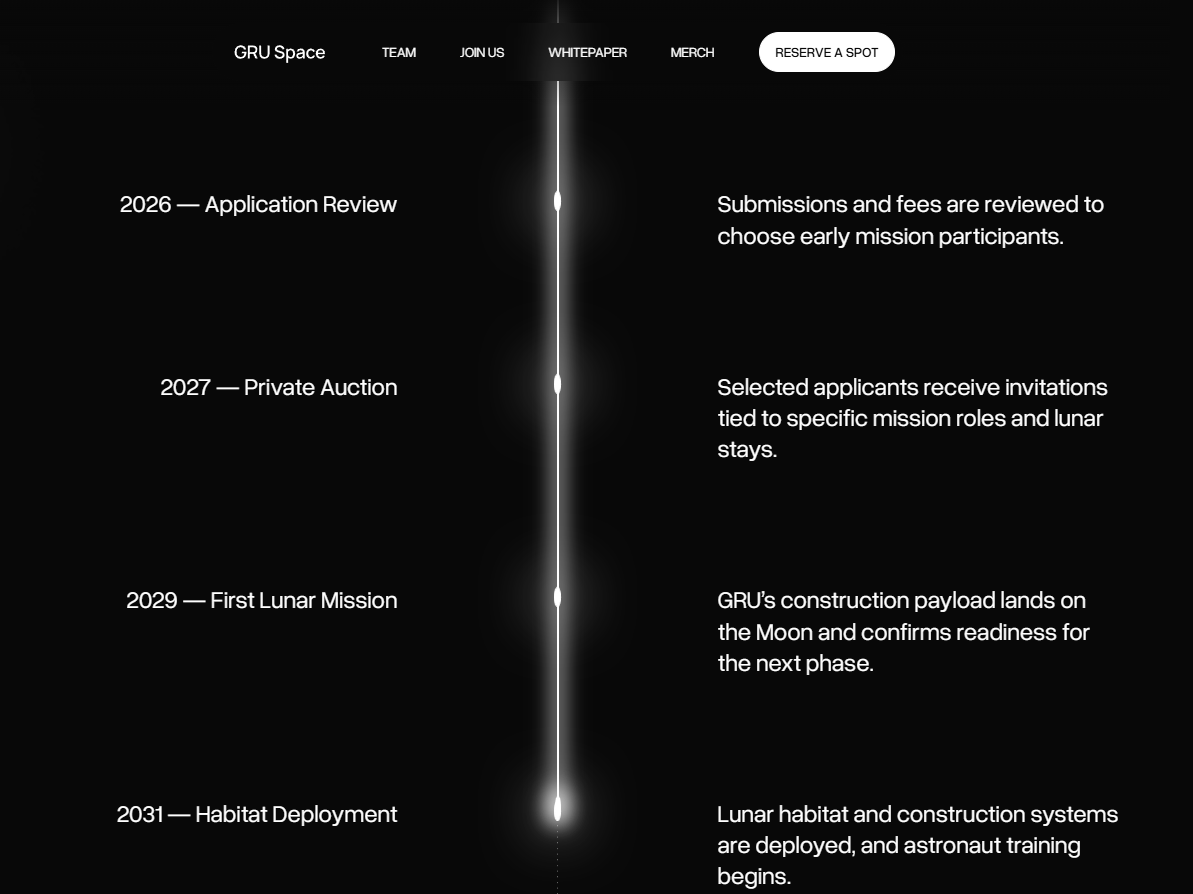
Here's the timeline:
2026: Applicant screening
2027: Private auction
2029: First lunar test mission
2031: Deploy hotel modules
2032: Open for business
The company is called GRU Space, short for Galactic Resource Utilization. Last week, it opened reservations for future hotel rooms.
Founder Skyler Chan holds dual degrees in Electrical Engineering and Computer Science from UC Berkeley, graduating last May—one year ahead of schedule.
We checked his resume—it’s impressive: earned an Air Force pilot license at 16, wrote vehicle software at Tesla, built a NASA-funded 3D printer and sent it to space.
The company got into YC (Y Combinator), Silicon Valley’s most prestigious startup incubator—home to Airbnb, Stripe, Dropbox.
It also has backing from NVIDIA’s accelerator program, and investors linked to Elon Musk’s SpaceX and defense unicorn Anduril.
Sounds impressive, right?
But YC’s records are clear: 2 full-time employees.
Two people aiming to open a hotel on the Moon within six years.
Even though I can’t afford it, out of curiosity I looked into their pricing structure.
A $1,000 application fee—non-refundable. If selected, you must pay a deposit of either $250,000 or $1 million. You have 30 days to back out; after that, refunds are only possible once the hotel is built. Final room prices “could exceed $10 million.”
Here's the timeline:
2026: Applicant screening
2027: Private auction
2029: First lunar test mission
2031: Deploy hotel modules
2032: Open for business
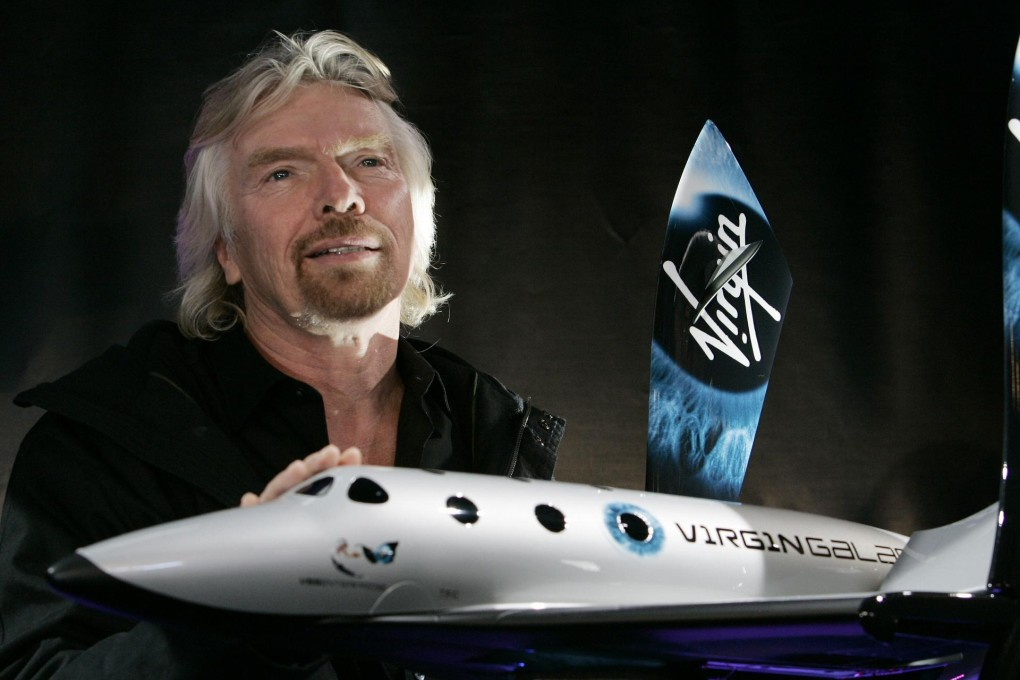
 This model reminds me of Virgin Galactic—the space tourism venture by British billionaire Richard Branson.
Branson, head of the Virgin Group, whose ventures span airlines, music labels, and soda, announced in 2005 that he would take ordinary people to space. He started collecting deposits—$200,000 per person—with an initial launch promised for 2007.
Then came delays: 2008, 2009, 2010...
In 2011, 75-year-old Alan Walton gave up and requested a refund. He’d climbed Kilimanjaro, visited the North Pole, parachuted over Everest—space was his last dream—but he was aging and couldn’t wait anymore.
In 2014, Virgin Galactic’s spacecraft crashed during testing, killing one pilot. Some customers demanded and received refunds.
In 2021, Branson finally flew to space himself. Customers breathed a sigh of relief, thinking their turn was near.
In 2022, 84-year-old Bulgarian-born Chapadjiev asked for a refund. He had paid in 2007—waited 15 years—each year told, “Next year.” His relatives in Bulgaria kept asking when he’d fly. He had no answer.
Virgin Galactic now charges $450,000, with a $150,000 deposit ($25,000 non-refundable). Commercial flights have begun—but only reach the edge of space for a few minutes before returning.
This model reminds me of Virgin Galactic—the space tourism venture by British billionaire Richard Branson.
Branson, head of the Virgin Group, whose ventures span airlines, music labels, and soda, announced in 2005 that he would take ordinary people to space. He started collecting deposits—$200,000 per person—with an initial launch promised for 2007.
Then came delays: 2008, 2009, 2010...
In 2011, 75-year-old Alan Walton gave up and requested a refund. He’d climbed Kilimanjaro, visited the North Pole, parachuted over Everest—space was his last dream—but he was aging and couldn’t wait anymore.
In 2014, Virgin Galactic’s spacecraft crashed during testing, killing one pilot. Some customers demanded and received refunds.
In 2021, Branson finally flew to space himself. Customers breathed a sigh of relief, thinking their turn was near.
In 2022, 84-year-old Bulgarian-born Chapadjiev asked for a refund. He had paid in 2007—waited 15 years—each year told, “Next year.” His relatives in Bulgaria kept asking when he’d fly. He had no answer.
Virgin Galactic now charges $450,000, with a $150,000 deposit ($25,000 non-refundable). Commercial flights have begun—but only reach the edge of space for a few minutes before returning.
 GRU Space aims to transport you to the Moon for several days. The technical challenge is orders of magnitude greater.
And remember—Virgin Galactic took 20 years, burned through billions, and suffered a fatality just to get this far. GRU Space has two full-time employees and just six years.
Still, I don’t think this is a scam.
The founder, that 22-year-old Berkeley graduate, openly admits in the white paper that this is a high-stakes gamble. He doesn’t hide it—he’s proud of it. He says if successful, it will be the most impactful event in human history.
That sounds arrogant, but the logic holds.
The Trump administration wants a lunar base. NASA’s new administrator, Jared Isaacman, is a billionaire who funded his own spaceflight and has declared that "initial infrastructure" must be built before 2030.
Chan is betting the government won’t have time to build everything from scratch and will have to rely on commercial partners. He wants to be that partner.
The project’s white paper quotes this line:
"If America must build a lunar base within ten years, there’s no time to invent bespoke government-only technologies from scratch."
So that $1 million deposit isn’t buying a hotel room. It’s buying a seat on the track—a bet on the direction of U.S. space policy.
One last detail.
The company is named GRU. At the end of the white paper, it says: "It's time to steal the Moon."
GRU Space aims to transport you to the Moon for several days. The technical challenge is orders of magnitude greater.
And remember—Virgin Galactic took 20 years, burned through billions, and suffered a fatality just to get this far. GRU Space has two full-time employees and just six years.
Still, I don’t think this is a scam.
The founder, that 22-year-old Berkeley graduate, openly admits in the white paper that this is a high-stakes gamble. He doesn’t hide it—he’s proud of it. He says if successful, it will be the most impactful event in human history.
That sounds arrogant, but the logic holds.
The Trump administration wants a lunar base. NASA’s new administrator, Jared Isaacman, is a billionaire who funded his own spaceflight and has declared that "initial infrastructure" must be built before 2030.
Chan is betting the government won’t have time to build everything from scratch and will have to rely on commercial partners. He wants to be that partner.
The project’s white paper quotes this line:
"If America must build a lunar base within ten years, there’s no time to invent bespoke government-only technologies from scratch."
So that $1 million deposit isn’t buying a hotel room. It’s buying a seat on the track—a bet on the direction of U.S. space policy.
One last detail.
The company is named GRU. At the end of the white paper, it says: "It's time to steal the Moon."
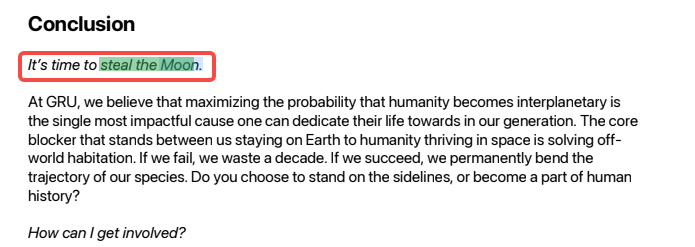 Time to steal the Moon.
In *Despicable Me*, Gru also wanted to steal the Moon. In the end, he failed—but adopted three orphans and became a good father.
I wonder if Skyler Chan has seen that movie.
I wonder, in six years, whether those who paid deposits will check into a lunar hotel—or end up like 84-year-old Chapadjiev, choosing a refund instead.
Anyway, deposits are refundable within 30 days.
The Moon isn’t going anywhere.
Time to steal the Moon.
In *Despicable Me*, Gru also wanted to steal the Moon. In the end, he failed—but adopted three orphans and became a good father.
I wonder if Skyler Chan has seen that movie.
I wonder, in six years, whether those who paid deposits will check into a lunar hotel—or end up like 84-year-old Chapadjiev, choosing a refund instead.
Anyway, deposits are refundable within 30 days.
The Moon isn’t going anywhere.
The company is called GRU Space, short for Galactic Resource Utilization. Last week, it opened reservations for future hotel rooms.
Founder Skyler Chan holds dual degrees in Electrical Engineering and Computer Science from UC Berkeley, graduating last May—one year ahead of schedule.
We checked his resume—it’s impressive: earned an Air Force pilot license at 16, wrote vehicle software at Tesla, built a NASA-funded 3D printer and sent it to space.
The company got into YC (Y Combinator), Silicon Valley’s most prestigious startup incubator—home to Airbnb, Stripe, Dropbox.
It also has backing from NVIDIA’s accelerator program, and investors linked to Elon Musk’s SpaceX and defense unicorn Anduril.
Sounds impressive, right?
But YC’s records are clear: 2 full-time employees.
Two people aiming to open a hotel on the Moon within six years.
Even though I can’t afford it, out of curiosity I looked into their pricing structure.
A $1,000 application fee—non-refundable. If selected, you must pay a deposit of either $250,000 or $1 million. You have 30 days to back out; after that, refunds are only possible once the hotel is built. Final room prices “could exceed $10 million.”
Here's the timeline:
2026: Applicant screening
2027: Private auction
2029: First lunar test mission
2031: Deploy hotel modules
2032: Open for business
This model reminds me of Virgin Galactic—the space tourism venture by British billionaire Richard Branson.
Branson, head of the Virgin Group, whose ventures span airlines, music labels, and soda, announced in 2005 that he would take ordinary people to space. He started collecting deposits—$200,000 per person—with an initial launch promised for 2007.
Then came delays: 2008, 2009, 2010...
In 2011, 75-year-old Alan Walton gave up and requested a refund. He’d climbed Kilimanjaro, visited the North Pole, parachuted over Everest—space was his last dream—but he was aging and couldn’t wait anymore.
In 2014, Virgin Galactic’s spacecraft crashed during testing, killing one pilot. Some customers demanded and received refunds.
In 2021, Branson finally flew to space himself. Customers breathed a sigh of relief, thinking their turn was near.
In 2022, 84-year-old Bulgarian-born Chapadjiev asked for a refund. He had paid in 2007—waited 15 years—each year told, “Next year.” His relatives in Bulgaria kept asking when he’d fly. He had no answer.
Virgin Galactic now charges $450,000, with a $150,000 deposit ($25,000 non-refundable). Commercial flights have begun—but only reach the edge of space for a few minutes before returning.
GRU Space aims to transport you to the Moon for several days. The technical challenge is orders of magnitude greater.
And remember—Virgin Galactic took 20 years, burned through billions, and suffered a fatality just to get this far. GRU Space has two full-time employees and just six years.
Still, I don’t think this is a scam.
The founder, that 22-year-old Berkeley graduate, openly admits in the white paper that this is a high-stakes gamble. He doesn’t hide it—he’s proud of it. He says if successful, it will be the most impactful event in human history.
That sounds arrogant, but the logic holds.
The Trump administration wants a lunar base. NASA’s new administrator, Jared Isaacman, is a billionaire who funded his own spaceflight and has declared that "initial infrastructure" must be built before 2030.
Chan is betting the government won’t have time to build everything from scratch and will have to rely on commercial partners. He wants to be that partner.
The project’s white paper quotes this line:
"If America must build a lunar base within ten years, there’s no time to invent bespoke government-only technologies from scratch."
So that $1 million deposit isn’t buying a hotel room. It’s buying a seat on the track—a bet on the direction of U.S. space policy.
One last detail.
The company is named GRU. At the end of the white paper, it says: "It's time to steal the Moon."
Time to steal the Moon.
In *Despicable Me*, Gru also wanted to steal the Moon. In the end, he failed—but adopted three orphans and became a good father.
I wonder if Skyler Chan has seen that movie.
I wonder, in six years, whether those who paid deposits will check into a lunar hotel—or end up like 84-year-old Chapadjiev, choosing a refund instead.
Anyway, deposits are refundable within 30 days.
The Moon isn’t going anywhere.Join TechFlow official community to stay tuned
Telegram:https://t.me/TechFlowDaily
X (Twitter):https://x.com/TechFlowPost
X (Twitter) EN:https://x.com/BlockFlow_News
Add to Favorites
Share to Social Media
 深潮TechFlow