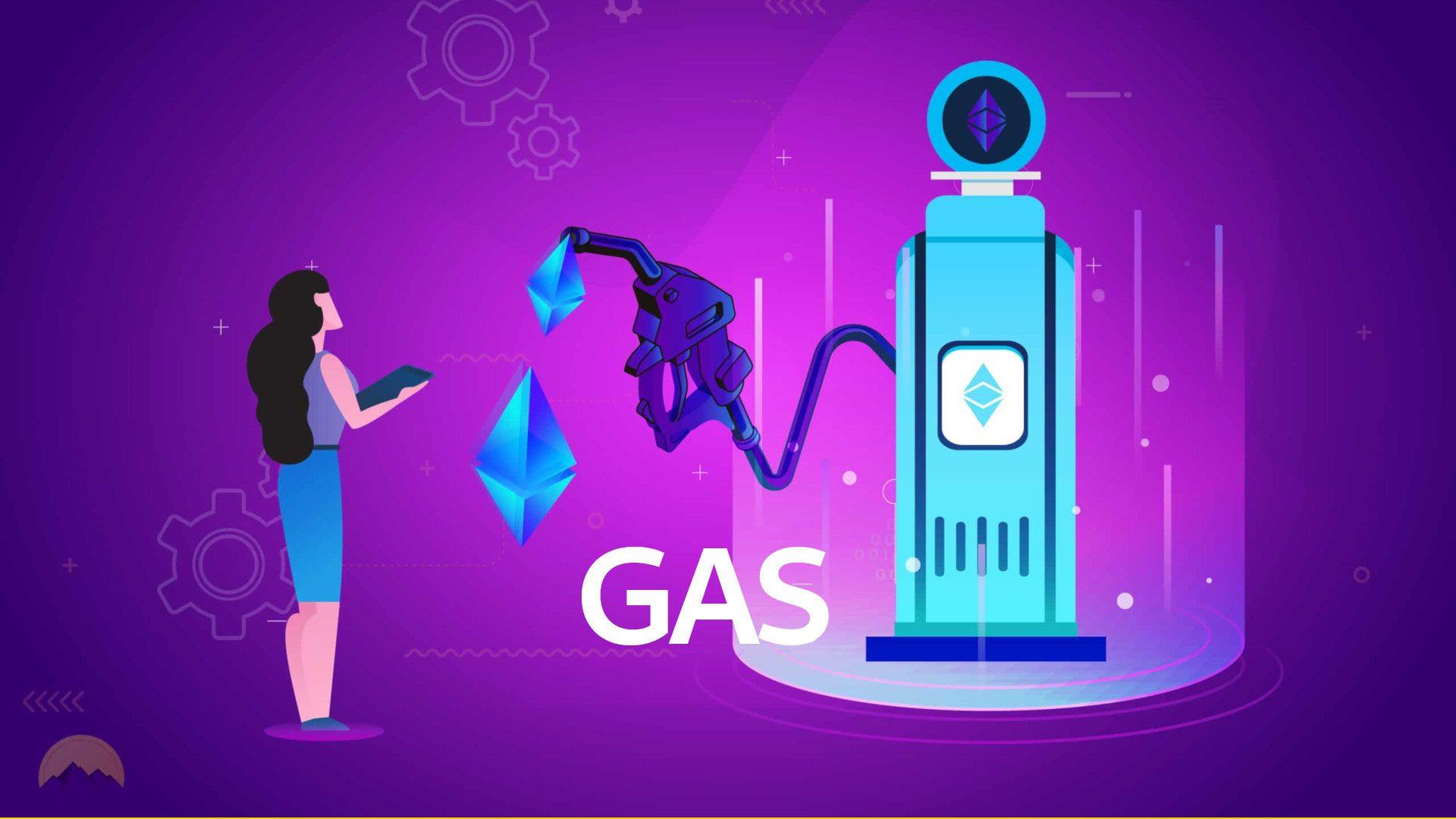
From DYDX to MAGIC: Projects That Built Their Own Blockchain and Converted Tokens into Gas Tokens
TechFlow Selected TechFlow Selected
From DYDX to MAGIC: Projects That Built Their Own Blockchain and Converted Tokens into Gas Tokens
Tokens are no longer merely a medium of exchange; they are becoming key drivers for project development, innovation, and self-actualization.
 Navigating Web3 tides with focused insights
Author: DeMan
In the evolving landscape of today's blockchain world, the trend of projects developing their own public chains is becoming increasingly evident. This not only greatly enriches the utility scenarios of their native tokens but also serves as a key driver in upgrading these tokens into Gas Tokens. This strategic transformation fundamentally expands the scope and influence of tokens, transforming them from mere value carriers into core engines powering entire ecosystems.
This shift carries profound significance, marking a diversification and deepening of token functionality. Tokens are no longer just mediums of exchange—they have become crucial elements driving project development, innovation, and the realization of project visions. By serving as Gas Tokens on new chains, they not only ensure network efficiency but also grant projects greater autonomy and flexibility.
Today, we are witnessing a pivotal moment: tokens are no longer merely transactional instruments; they are becoming catalysts for project advancement, innovation, and self-actualization. Next, we will explore pioneering projects leading this movement and examine how they leverage the upgrade to Gas Tokens to strengthen their ecosystems and market influence.
A Leading Example of Upgrading Tokens to Gas Tokens: dYdX’s Self-Built Chain
When discussing classic cases of token upgrades to Gas Tokens, one cannot overlook dYdX’s strategic pivot. Faced with Ethereum’s high transaction costs, dYdX adopted an aggressive yet forward-thinking approach: collaborating with StarkWare to脱离 the Ethereum ecosystem and build its own chain. The crux of this strategy lies in StarkWare’s technology, which enables dYdX to process more diverse transactions while maintaining scalability and low costs. This transition not only restored dYdX’s leadership in the industry but also achieved true decentralization within the blockchain space.
Concurrently with building its own chain, dYdX took a critical step: transforming its token into a Gas Token. This move was not merely a business model adjustment but a comprehensive redefinition of the token’s role and value. The $DYDX token, as a Gas Token, goes far beyond paying transaction fees—it has become central to network governance and incentive mechanisms. This transformation significantly improved the operational efficiency and cost control of the dYdX network, greatly enhancing the ecosystem’s closed-loop operation capability and long-term sustainability.
By upgrading its token to a Gas Token and constructing its own chain, dYdX demonstrated practical insight into decentralization and market demands. The market responded noticeably: the DYDX token price peaked on November 15, surging by as much as 15.66%.
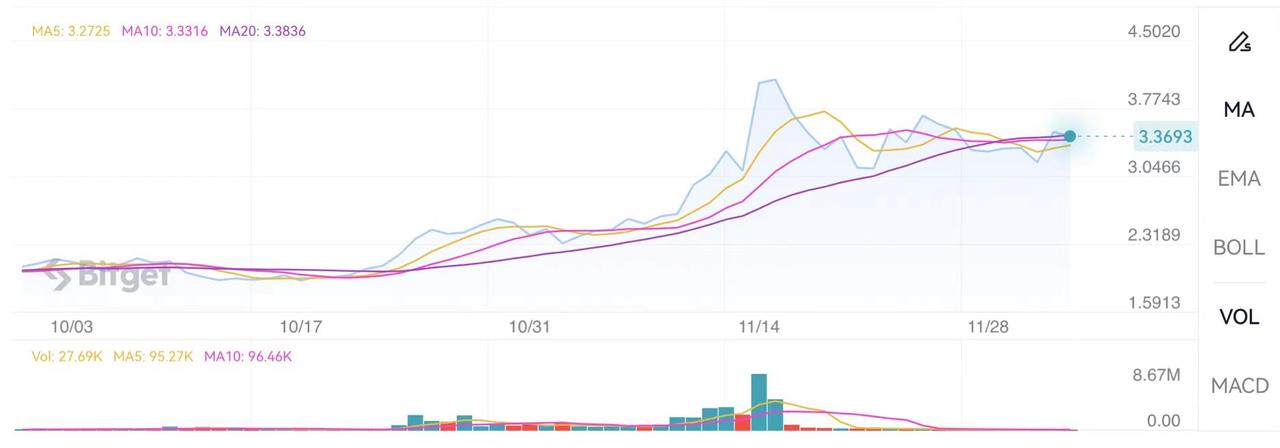
DYDX Token Price Trend
This not only elevated dYdX’s position in the fiercely competitive blockchain arena but also set a new benchmark for the industry in terms of token utility expansion and ecosystem construction. dYdX’s strategy is not just an effective response to current market conditions but also reflects foresight and leadership regarding the future trajectory of blockchain technology. This strategic shift signals a mature and thoughtful evolution in blockchain applications and token economic models.
From Magic to FXS, More Projects Are Upgrading Their Tokens to Gas Tokens
Recently, dYdX’s token upgrade to a Gas Token is just one example among many similar initiatives. In fact, this trend is spreading across the blockchain sector, with an increasing number of projects adopting comparable strategies. By transforming their tokens into Gas Tokens, these projects have not only enhanced their operational efficiency but also strengthened their standing in the increasingly competitive blockchain market. Below, we will examine specific cases to understand how they implement this strategy.
Magic: A Decentralized NFT Ecosystem Built on Arbitrum
TreasureDAO’s developments merit attention. As a decentralized NFT ecosystem built on Arbitrum, it recently announced the launch of the Magic token as the Gas Token for its new gaming public chain. This decision directly fueled a rapid rise in the Magic token price, with gains exceeding 30% within a week.
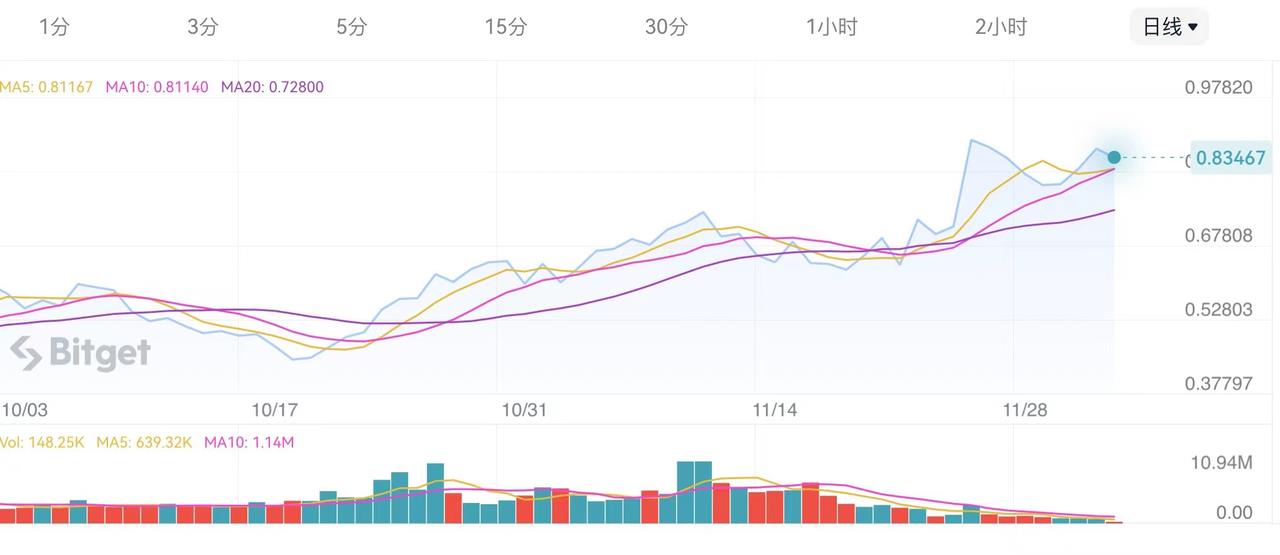
MAGIC Asset Price Trend
Following the announcement, OKX data showed MAGIC spiking to 0.8562 USDT, currently trading at 0.8439 USDT, with a 24-hour gain of 23.11%.
Hooked Protocol: The New HOOK 2.0 Proposal Sparks Widespread Attention
The HOOK 2.0 proposal put forth by Hooked Protocol reveals its keen awareness of market trends.

HOOK Asset Price Trend
Under the proposal, HOOK is nominated as the Gas Token within the appchain ecosystem—an enhancement in functionality that also signals a strategic upgrade within the on-chain ecosystem.
APE: An L2 Network Co-Founded by an Optimism Team Member
Driven by Ben Jones, co-founder of Optimism, APE is considering developing its own L2 network, ApeChain, on the Optimism Superchain, using either APE or a new AC token as the Gas Token. This strategic adjustment not only reflects APE’s responsiveness to market dynamics but also reveals its ambitions in platform governance and innovative revenue streams.
IOTA: Release of the 2.0 Version Whitepaper
The IOTA 2.0 Incentives and Tokenomics Whitepaper has recently been released. According to the document, Mana in IOTA 2.0 is proposed as the Gas Token—a significant innovation over traditional blockchain economic models. This strategy aims to decentralize the validation process while maintaining stable token supply, demonstrating deep understanding of blockchain economics.
FXS: Positioned to Become a Universal Chain Platform for Diverse Applications
On November 2, Sam Kazemian, founder of Frax Finance, announced in the official Telegram channel that Fraxchain would serve as a general-purpose Rollup platform rather than being limited to Frax Finance’s dedicated chain. This means various applications can be deployed on Fraxchain. Crucially, FXS will act as the Gas token on Fraxchain, participate in sequencer revenue distribution, and be used in future updates to regulate the decentralization mechanism of sequencers.
Frax Finance’s initiative positions FXS as the Gas token on Fraxchain, reflecting its strategic vision within blockchain network economics. This not only strengthens FXS’s role within the network but also provides users with new avenues to participate in network-generated revenues.
The Trend of Project-Owned Chain Tokens Becoming Gas Tokens Is Irreversible—Web3 Awaits More Positive Transformations
Overall, these cases illustrate how blockchain projects optimize their economic models, enhance efficiency, and secure advantageous positions in competitive markets by upgrading tokens to Gas Tokens.
As this trend progresses, more projects are expected to follow suit, collectively advancing economic applications and innovation in blockchain technology.
Join TechFlow official community to stay tuned
Telegram:https://t.me/TechFlowDaily
X (Twitter):https://x.com/TechFlowPost
X (Twitter) EN:https://x.com/BlockFlow_News
 PANews