Gas Hero: StepN Team's New Strategy and the Future of the GMT Ecosystem
TechFlow Selected TechFlow Selected
Gas Hero: StepN Team's New Strategy and the Future of the GMT Ecosystem
Players earn income by acquiring in-game resources through various combat activities, selling these resources for GMT, and then converting GMT into profits.
 Navigating Web3 tides with focused insights
By Snapfingers Labs
Introduction
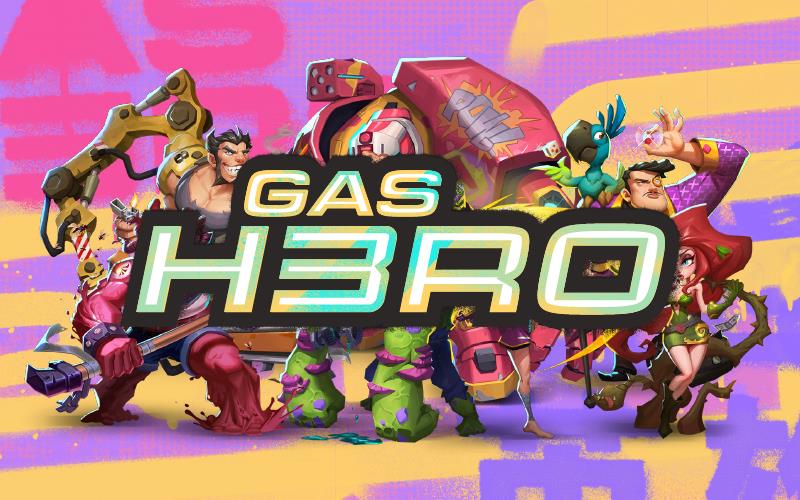
Gas Hero is the second game launched by the Stepn team, known for last year’s viral phenomenon in the blockchain gaming space. Officially defined as a strategy-based social game, it is currently undergoing development and community preheating. As such, only part of the game framework has been released in the whitepaper, with specific gameplay mechanics, numerical balances, and economic outputs yet to be disclosed. According to the whitepaper, the game will be deployed on the Polygon chain and will not issue any new token—GMT will be used to support all in-game scenarios. Additionally, registered players will receive a contract wallet that supports email login and recovery, with player assets stored within this wallet.

01 Game Mode of Gas Hero
Set in a post-nuclear-war future, Gas Hero tells the story of surviving humans fighting their way from underground shelters back to the surface to rebuild civilization amid scarce resources. Players take on the role of survivors who must join cities, guilds, or tribes to form collective alliances. Most in-game rewards are earned through group activities such as tribe battles and guild battles.
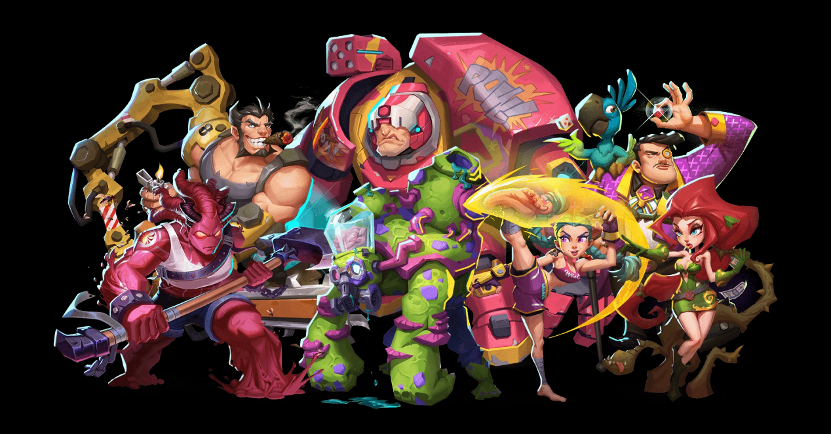
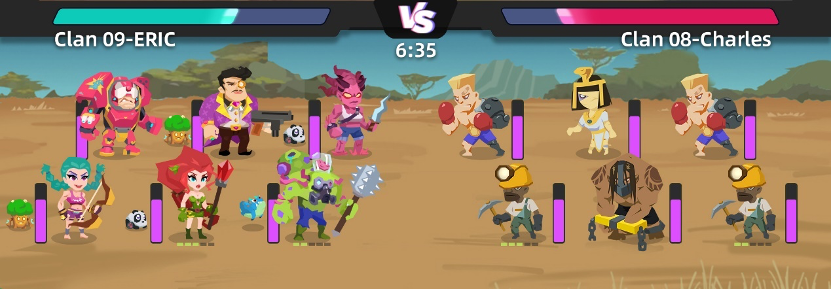
Combat in the game operates in an auto-battle mode. Each hero has two energy bars: a vertical action bar and a horizontal rage bar. The action bar fills over time based on the hero’s speed stat, and when full, the hero automatically attacks or uses a skill. The rage bar increases when a hero acts or takes damage. When fully charged, the hero's action bar charges twice as fast for 15 seconds.
Players must deploy a team of six heroes, each equipped with one weapon and one pet. Heroes, weapons, and pets each have unique attributes, rarities, and skill effects. In terms of gameplay, it resembles idle games—players simply need to optimize combinations of heroes, weapons, and pets for different scenarios.
02 Hero Skill Analysis in Gas Hero
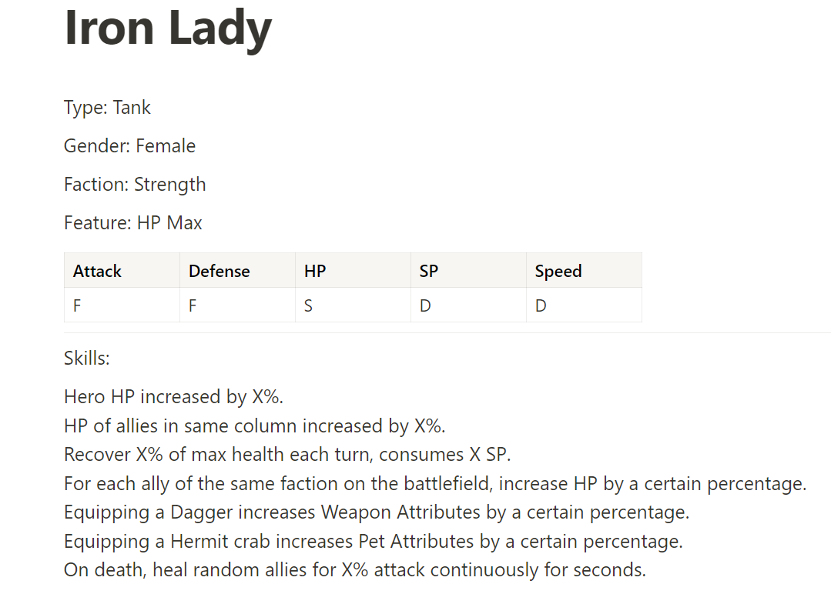
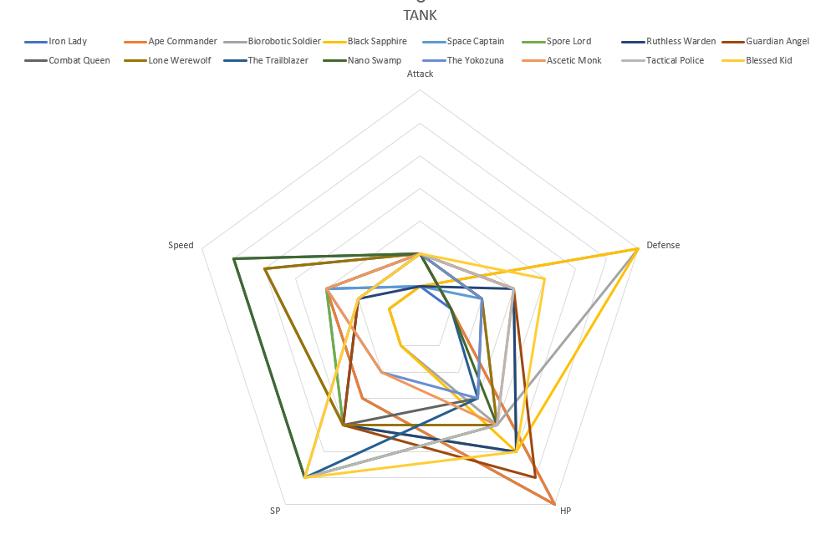
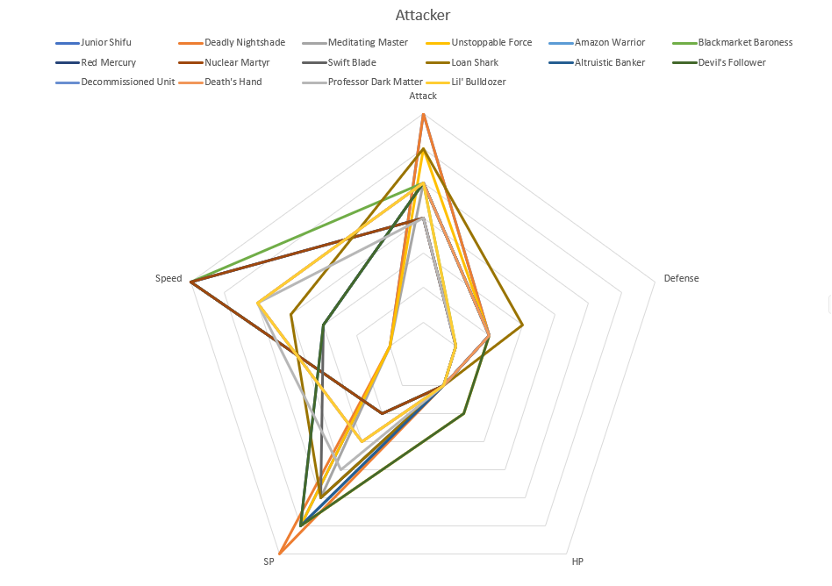
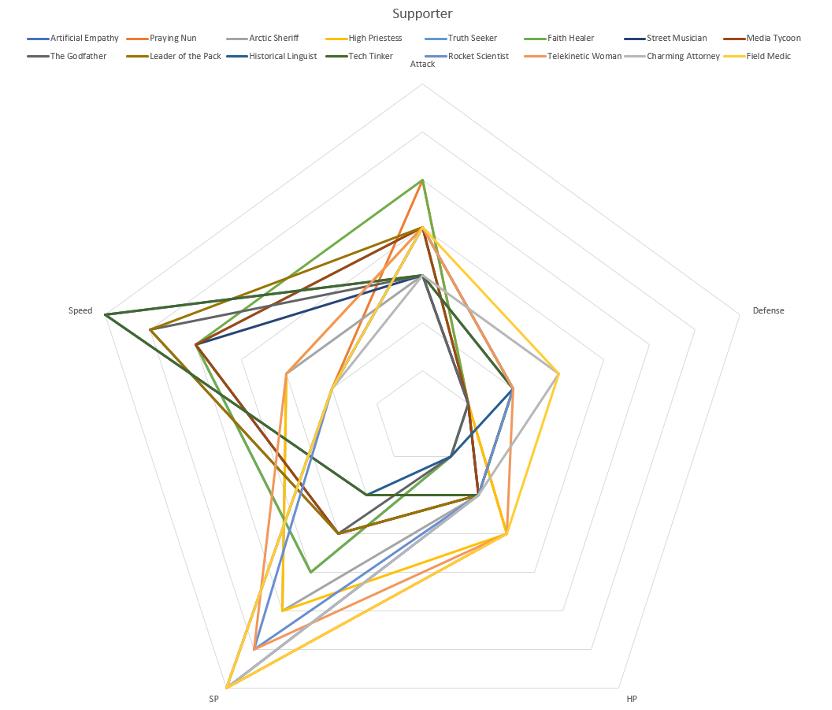
The whitepaper currently reveals 48 heroes, divided into three core classes—tank, damage dealer (DPS), and support—with 16 in each class. Each hero has five base stats: attack, defense, HP, SP, and speed. Depending on the class, certain stats are emphasized, and even within the same class, individual heroes differ in characteristics reflected through their skills. For example, the tank hero Iron Lady has the "HP Max" feature, so her abilities revolve around HP. Each hero also belongs to a specific faction.
During actual gameplay, heroes have fixed genders, while combat-related attributes, growth, skills, and breeding involve random values. Since exact figures haven't been released, we provide a preliminary analysis of hero progression and skills here.
The stat emphasis across the three hero classes is illustrated below:
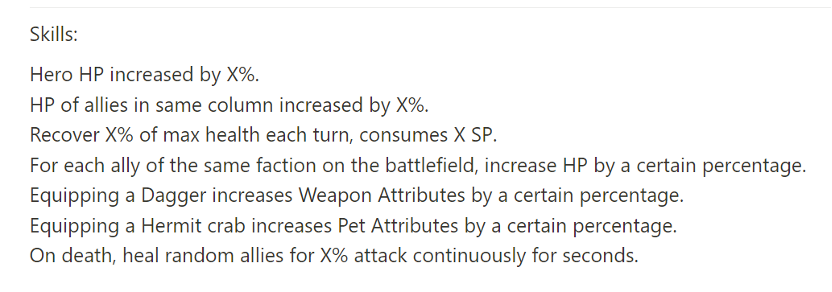
Heroes can learn new skills upon leveling up, with a maximum of seven skills per hero. According to the whitepaper, skills fall into four broad categories. Using Iron Lady as an example:
-
The first three skills are class-specific and tied to the hero’s defining trait—in Iron Lady’s case, “HP Max”;
-
The fourth skill provides bonuses to allies of the same faction;
-
The fifth and sixth skills offer enhancements based on equipped weapons and pets. If Iron Lady learns these, equipping a dagger and a hermit crab pet would trigger the corresponding buffs;
-
The final skill is a conditional trigger effect, varying by class: for tanks, it activates upon death; for DPS, before every action; and for supports, at the start of each battle.
Weapons contribute base attributes and influence a hero’s attack range and target selection. For instance, axes boost attack and critical hit chance, allowing attacks on both front and second row units—usually single-target, but with a chance to hit multiple targets in the same row. Wands randomly target one of six positions.
Pets grant additional stats and special effects to heroes. Currently, there are only four types: dragons increase initial rage, treants boost starting action value, hermit crabs accelerate rage regeneration, and pandas speed up action bar recovery.
Thus, monetization naturally revolves around these three elements, along with base vehicles and other functional items.
03 Play-to-Earn Analysis of Gas Hero
Personal Adventure
The game map features various functional buildings. Tribe structures include gas mines, zoos, living zones, and AI factories, which respectively produce building upgrade materials, pet fragments, pet evolution materials, and hero upgrade materials. According to the whitepaper, these buildings serve as locations where players complete daily tasks to accumulate resources. Completing daily tasks consumes stamina, similar to the system in Stepn. Due to a stamina cap, daily output is limited, with 25% stamina restored every 6 hours.
Tribe Battles and Guild Battles
Beyond personal adventures, tribe and guild battles are central to progression. The whitepaper describes a unique hierarchical world structure: 175 real-world-named cities, each starting with two districts. As cities develop, more districts can be added. Each district contains nine guilds, each guild hosts nine tribes, and each tribe accommodates nine bases—meaning nine players per tribe.
Clearly, the more active players a tribe has, the greater the number of available heroes, increasing strategic flexibility and error tolerance during tribe and guild challenges. As previously discussed, hero skills include damage boosts, damage reduction, healing, defense debuffs, and active abilities—all crucial for combat success, especially since rewards depend directly on performance. Two players with identical heroes, pets, and gear might end up with different damage rankings—and thus different earnings—based solely on the order in which they activate key skills. This necessitates coordination among players to maximize collective gains. Not to mention, if the developers introduce diverse enemy types, players may need to prepare multiple team compositions.
The tribe adventure mode requires cumulative energy expenditure of 1,200 points from tribe members to unlock. If many players in a tribe are inactive or neglect daily tasks, the required threshold won’t be met, preventing access to tribe adventures. Furthermore, successful tribe adventures are prerequisites for unlocking guild adventures—so you get the idea.
At this point, mobile gamers might notice similarities between Gas Hero and Cygames’ *Princess Connect Re:Dive*—another idle-style game emphasizing arenas and hardcore guild wars (Gas Hero also includes an arena, though details remain unreleased). PCR once had a loyal following in both Japanese and Chinese servers. Known for its generosity—giving free pulls, rewarding heavy spenders, and showering players with gifts during holidays—Cygames has built a reputation for being exceptionally player-friendly in Japan’s mobile gaming scene. Can GasHero deliver a similarly satisfying play-to-earn experience?
Current State and Future of the GMT Token Ecosystem
The in-game currency for Gas Hero is GMT—the governance token of Stepn, which has a fixed total supply. Therefore, no new GMT will be minted within Gas Hero. Player earnings come from acquiring in-game resources through combat, selling those resources for GMT, and then cashing out.
At its peak last year, Stepn reached 700,000 monthly active users, with GMT achieving a market cap of $2.2 billion and the team reportedly earning over $100 million per month. The success of Stepn brought Find Satoshi Lab significant resources and experience. Following Stepn, the team launched Dooar, a decentralized exchange, and Mooar, an NFT marketplace, aiming to expand the GMT ecosystem. However, neither has gained traction. GMT currently trades at $0.15, with 70% of the supply still locked. Dooar’s TVL stands at just $5 million, and Mooar has gone silent after a few promotional events. In this prolonged bear market, the community eagerly awaits a GameFi breakout. Gas Hero appears to be the last hope—if it succeeds, GMT could rebound and revitalize the entire ecosystem. Of course, many uncertainties remain, and we’ll continue monitoring the team’s execution and future whitepaper updates.
Join TechFlow official community to stay tuned
Telegram:https://t.me/TechFlowDaily
X (Twitter):https://x.com/TechFlowPost
X (Twitter) EN:https://x.com/BlockFlow_News
 SnapFingersLabs