Bitcoin White Paper 15th Anniversary: A Snapshot of the Ordinals Ecosystem
TechFlow Selected TechFlow Selected
Bitcoin White Paper 15th Anniversary: A Snapshot of the Ordinals Ecosystem
The Ordinals ecosystem on Bitcoin's Layer 2 network may warrant continued attention and observation.
 Navigating Web3 tides with focused insights
Yesterday, 15 years ago, Satoshi Nakamoto published the Bitcoin white paper "Bitcoin: A Peer-to-Peer Electronic Cash System," marking the beginning of a new chapter in the information age.
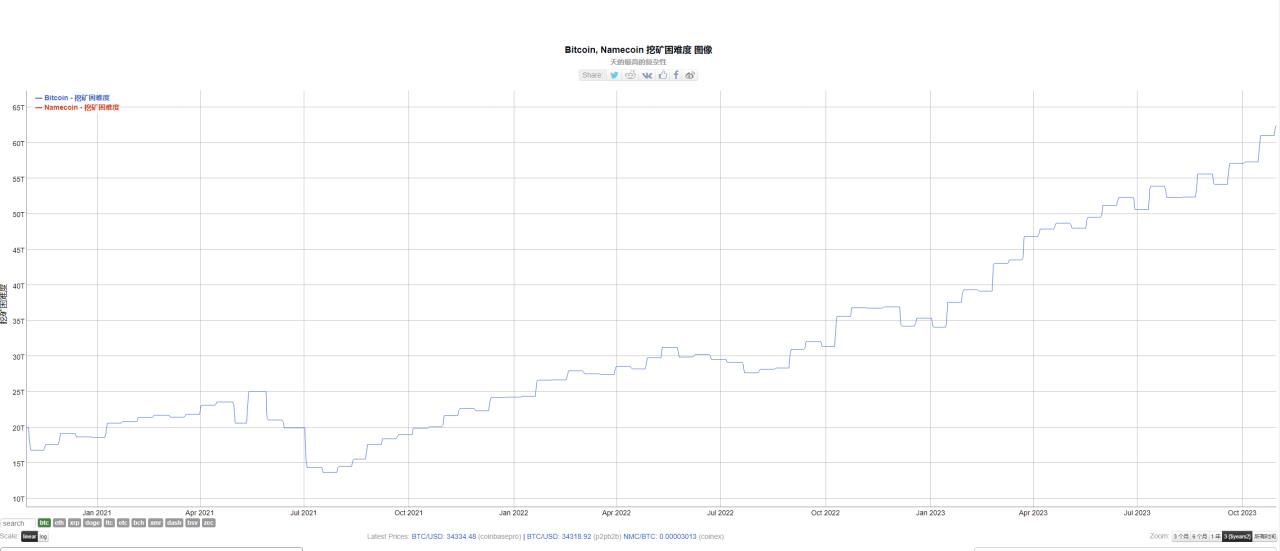
Today, 15 years later, driven by expectations around BTC spot ETF approvals, BTC has surged dramatically. In less than two days, it rose from under $30,000 to $35,000, and currently remains above $34,000. Meanwhile, Bitcoin miners are highly enthusiastic, with mining difficulty reaching an all-time high.
At the same time, the Bitcoin Layer 2 ecosystem continues to evolve. Within this space, the Ordinals ecosystem—one of Bitcoin’s Layer 2 networks—is gaining attention during BTC’s current bull run, making its projects and tokens worth watching.
Ordinals (ORDI)
Ordinals Inscriptions
Ordinals (ORDI) is the leading token in the BTC Layer 2 ecosystem and the creator of the Ordinals ecosystem.
The Ordinals protocol, launched in January 2023 by Casey Rodarmor, is a method for creating and storing digital assets on the Bitcoin blockchain. It enables data to be inscribed onto individual satoshis—the smallest unit of Bitcoin—creating what are known as inscriptions, which are similar to NFTs.
The act of creating such inscriptions on the Bitcoin network is called “inscription” or “minting,” and the resulting data entries are referred to as “inscriptions.”
BRC-20 Protocol
Building upon the concept of Ordinals inscriptions, the BRC-20 standard was developed as a unified protocol using JSON-formatted data written directly into inscriptions on the Bitcoin blockchain. This allows for the issuance of fungible tokens. These JSON-based inscriptions form the BRC-20 protocol, and the tokens issued through them are known as BRC-20 tokens.
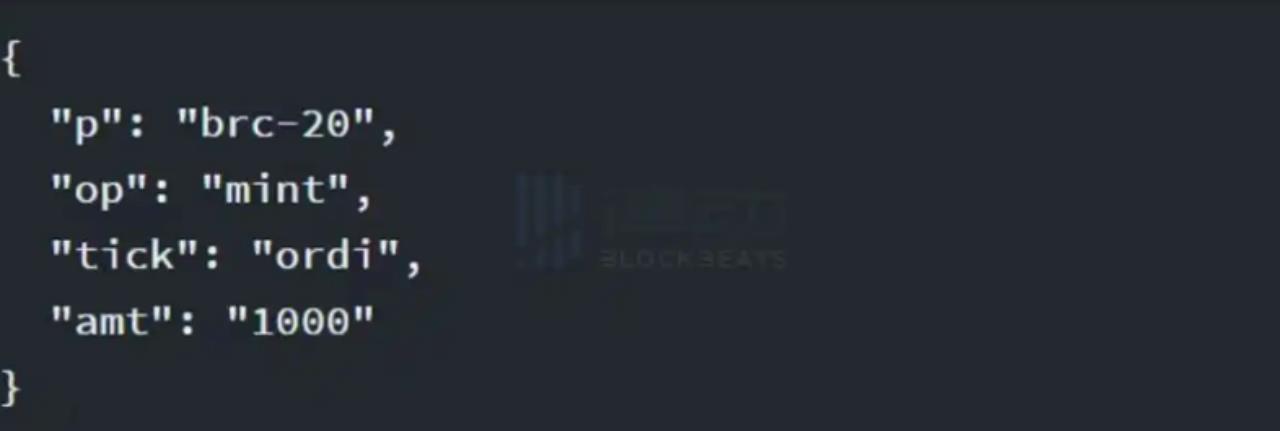
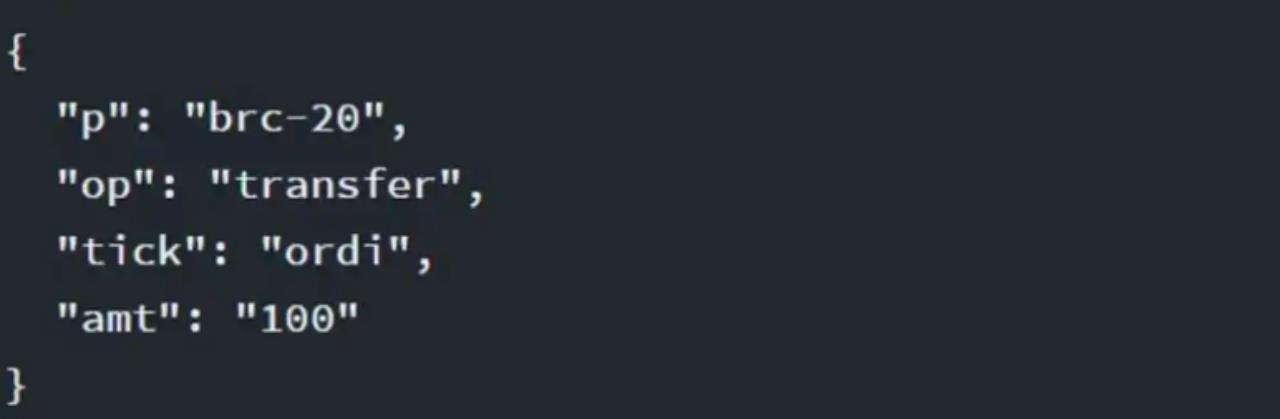
In the JSON structure, users can define total supply and three core functions: deploy, mint, and transfer.
First, "deploy" refers to deploying a token named "ordi" with a total supply of 21 million.
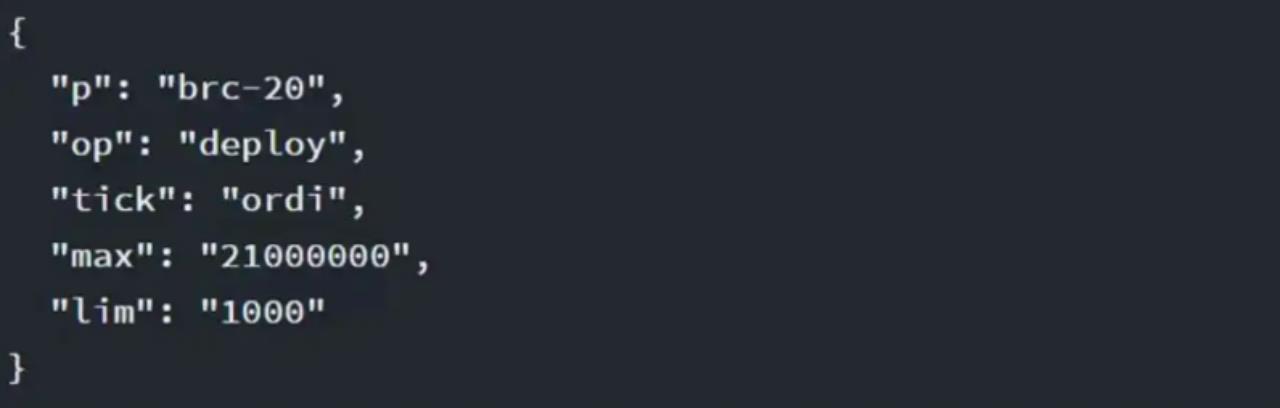
Second, "mint" means minting, allowing up to 1,000 tokens to be created per transaction.
Third, "transfer" refers to transferring tokens.
Ordinalswallet
In addition to the inscription protocol, Ordinals also developed its native wallet, ordinalswallet. Similar to Ethereum wallets, ordinalswallet is a non-custodial BTC wallet that allows users to view and store both BTC and Ordinals NFTs.
ORDI Token: The Ordinals team deployed the ORDI token on March 8, 2023, with a total supply of 21 million. ORDI reached a historical high of $25. Its market cap stands at $107 million, ranking 260th among all cryptocurrencies.
Recently, as BTC prices rise, ORDI—the flagship token of the Ordinals ecosystem—has performed strongly, rising approximately 47% in October alone.
Unisat
UniSat is a lightweight wallet built on the Bitcoin network that supports both the Ordinals protocol and the BRC-20 token standard. As of the time of writing, UniSat Wallet has over 300,000 users.
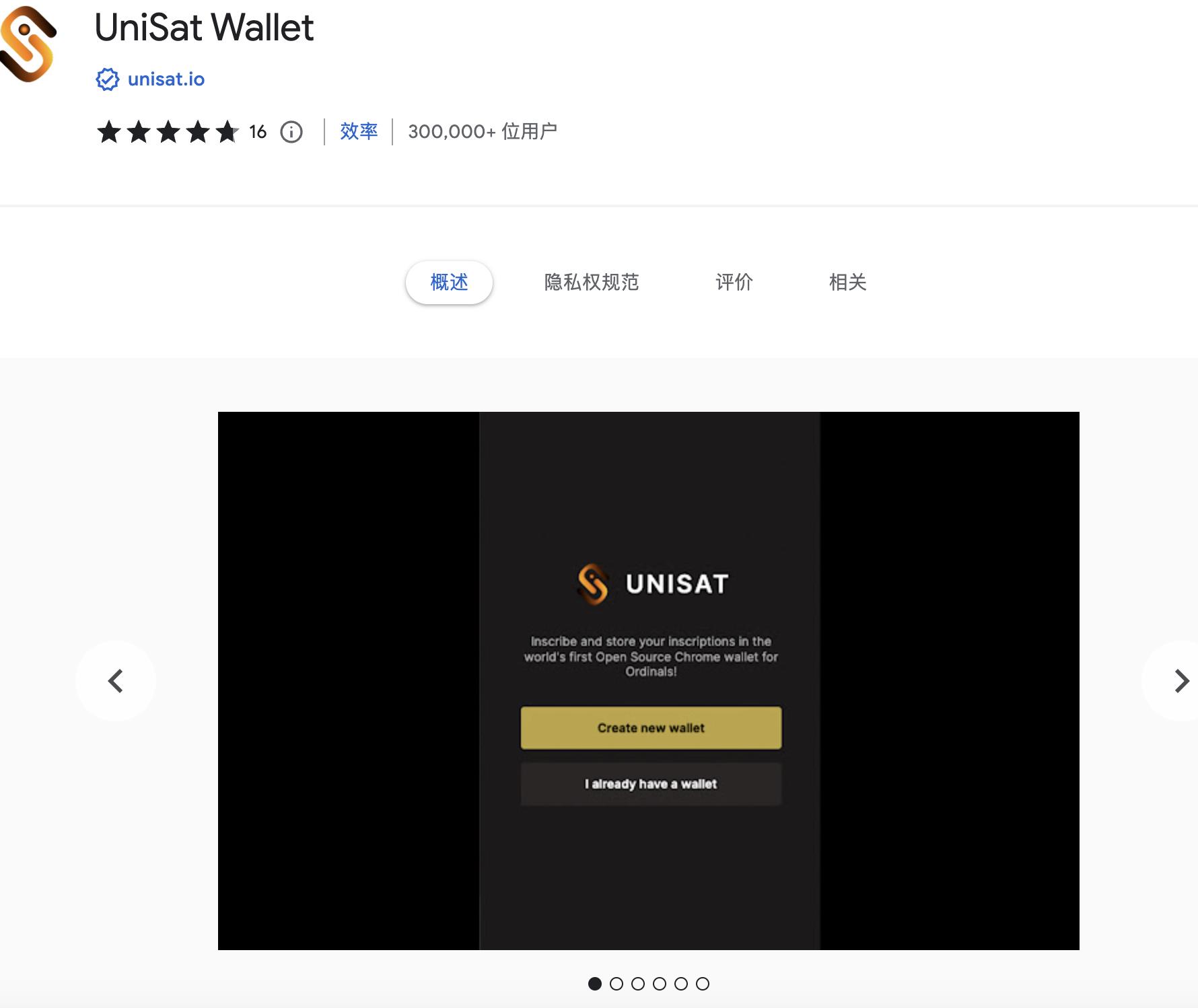
Beyond just being a wallet, UniSat offers several key features:
- Supports users in creating, minting, and trading NFTs and tokens on the Bitcoin blockchain.
- Enables searching within inscription text content, including keywords like text.bitmpa.sats\unisat\brc-20\number\news.
- Displays a complete list of BRC-20 tokens, including deployment time, holder data, and transaction volume. Users can query BRC-20 balances by address.
- Offers a marketplace for trading BRC-20 tokens and collectibles.
Ordiscan
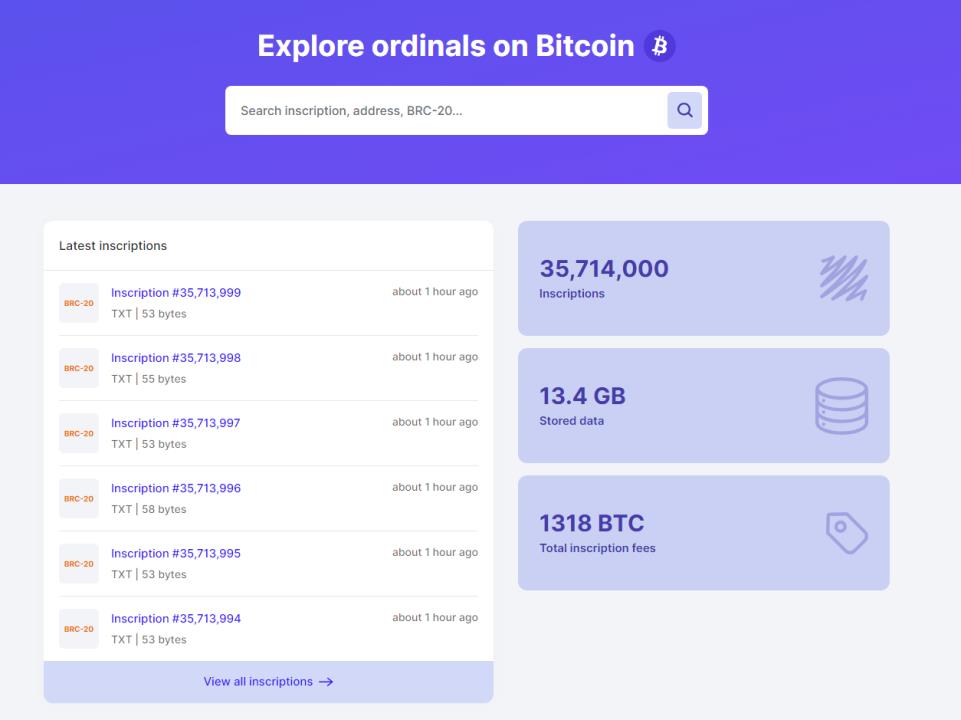
Ordiscan is a block explorer for the Ordinals network. In addition to supporting data for inscriptions, BRC-20 assets, and collectibles, Ordiscan also provides API tools for developers; these APIs are currently in testing phase.
According to Ordiscan, there are currently 35.714 million inscriptions, storing a total of 13.4GB of data, generating cumulative miner fees of 1,318 BTC.
BRC-20 Tokens
Data from BRC-20.io shows there are currently 213 BRC-20 tokens, with a combined market cap approaching $1.29 billion. Below is an overview of some of the most popular BRC-20 tokens based on performance metrics.
SATS
SATS is currently the most sought-after BRC-20 token with the highest ecosystem activity, boasting over 36,000 holding addresses and more than 21 million transactions—far surpassing other BRC-20 tokens.
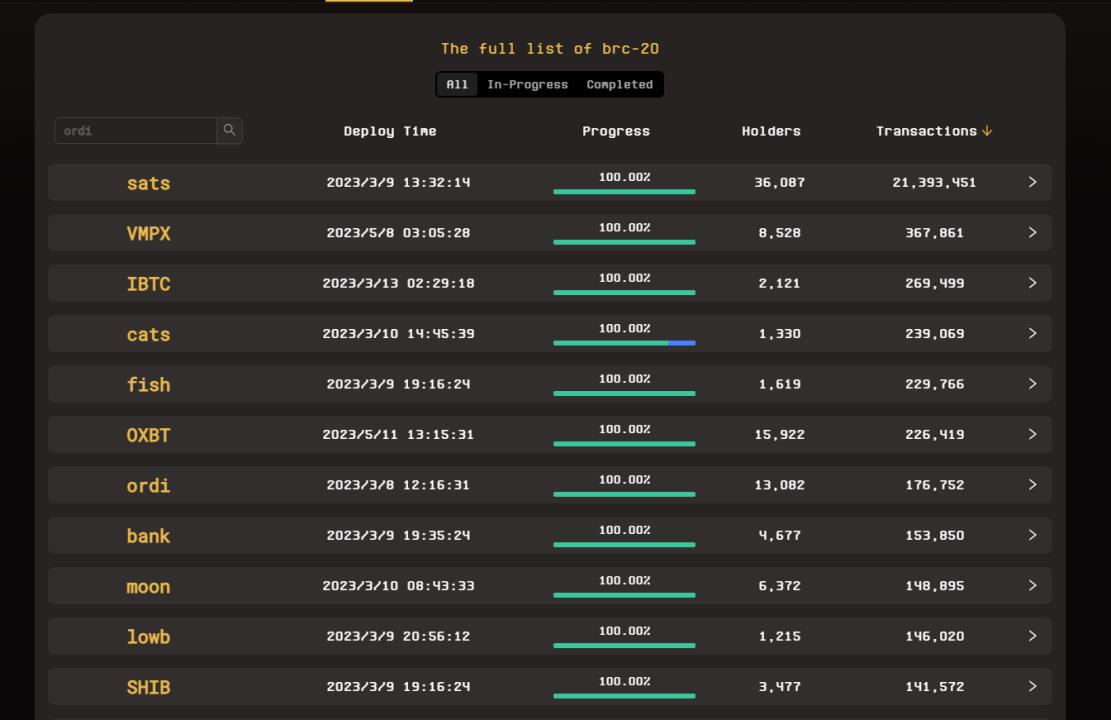
SATS has a total supply of 2,100,000,000,000,000, reached a historical high above $0.00000003, and currently trades around $0.000000027, with a 132% growth rate in October.
On September 28, Unisat launched BRC20-Swap and explained why SATS would serve as its gas token.
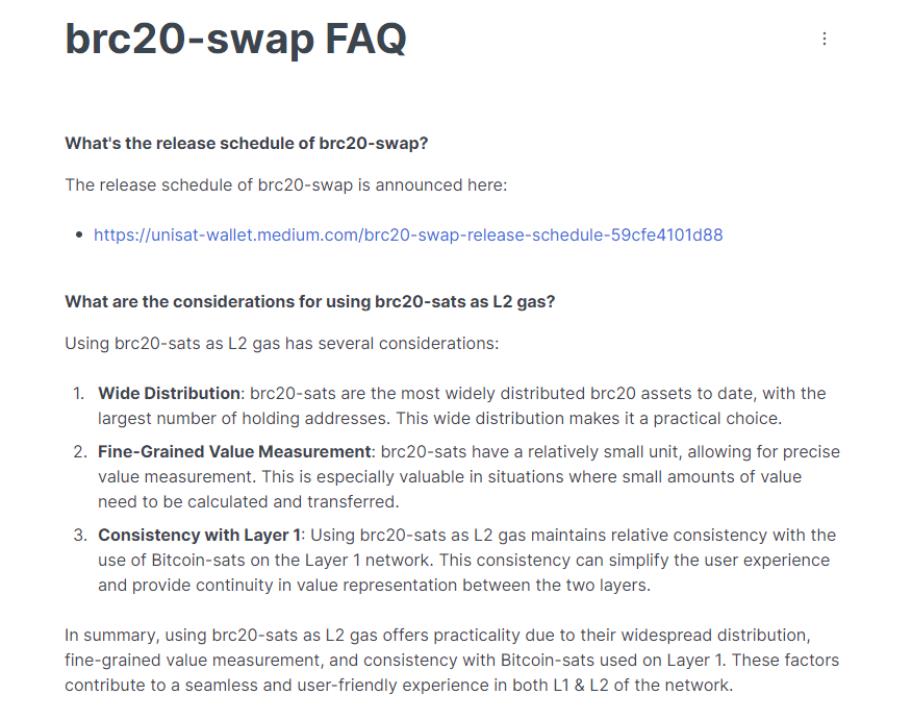
Three centralized exchanges (CEXs)—Poloniex, BingX, and Bibox—have listed the SATS/USDT trading pair. SATS rose 107% in October.
VMPX
VMPX ranks second in ecosystem activity after SATS, but has significantly fewer transactions and holders.
VMPX has a total supply of 108,624,000, previously peaked above $0.37, and currently trades around $0.031. VMPX saw significant popularity between May and July 2023.
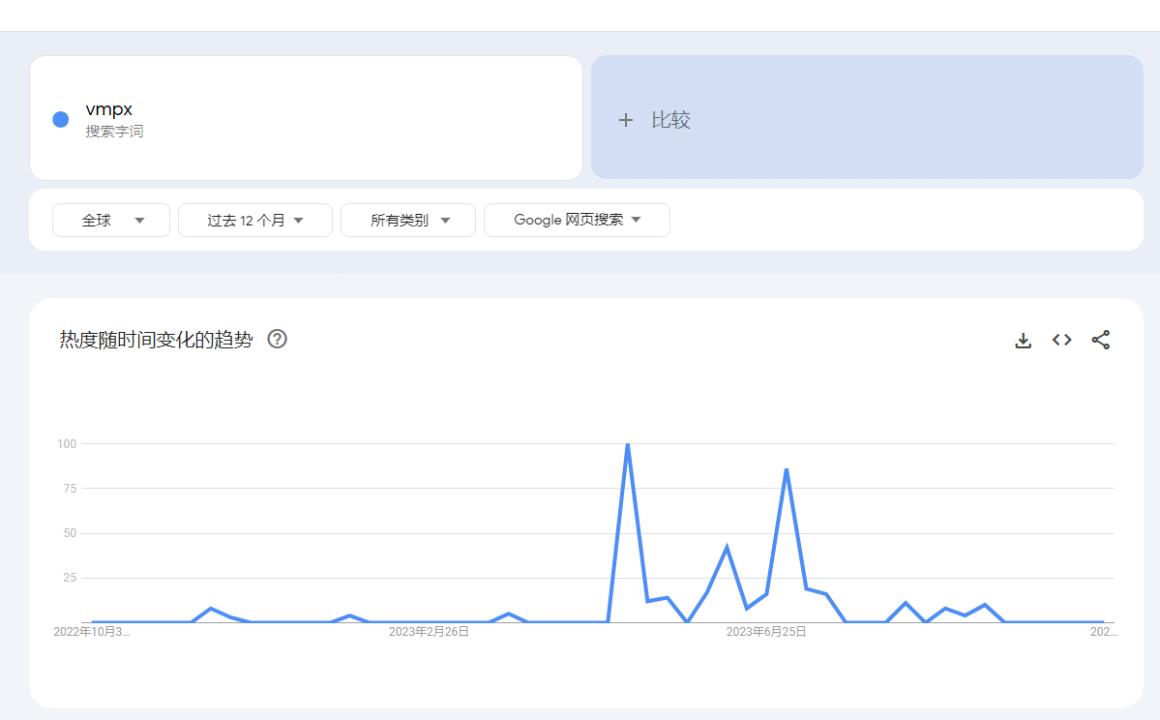
As one of the earlier BRC-20 tokens, VMPX is listed on multiple CEXs, including Gate, Poloniex, Bitget, MEXC, and seven others—a total of 10 exchanges. However, VMPX declined nearly 30% in October.
OXBT
OXBT is another relatively active BRC-20 token, ranking fourth in transaction volume and third in number of holders.
OXBT has a total supply of 200,000,000, reached a historical high of about $0.26, and currently trades around $0.012.
OXBT is listed on two CEXs—AscendEX (formerly BitMax) and BitForex—and declined approximately 15% in October.
Controversies
Collectibles stored on the Bitcoin network via inscriptions gain stronger collectible value. However, there are ongoing debates regarding the significance and future of BRC-20. Supporters argue that BRC-20 adds positive value to the Bitcoin network and its broader ecosystem.
Critics raise concerns on multiple fronts. First, SlowMist Technology points out potential security risks in minting and trading BRC-20 tokens. During the minting process, the platforms used may lack robust security measures, making them vulnerable to malicious attacks and code tampering, potentially leading to user asset theft. Regarding trading methods, both peer-to-peer transactions relying on third-party escrow and using dedicated trading platforms carry risks, as the latter cannot guarantee platform security.
Second, voices like Haotian argue that BRC-20 contradicts the principle of decentralization. Since BRC-20 relies on inscriptions to record transactions, conflicts can arise. For example, if I send 10 ORDI to Zhang San via inscription, Li Si could simultaneously create another inscription claiming I sent him 10 ORDI. With only 10 ORDI available, this creates a conflict. Resolving such disputes may require centralized platforms to determine validity. Additionally, users who pay lower fees risk being outbid by larger players offering higher fees, introducing unfairness.
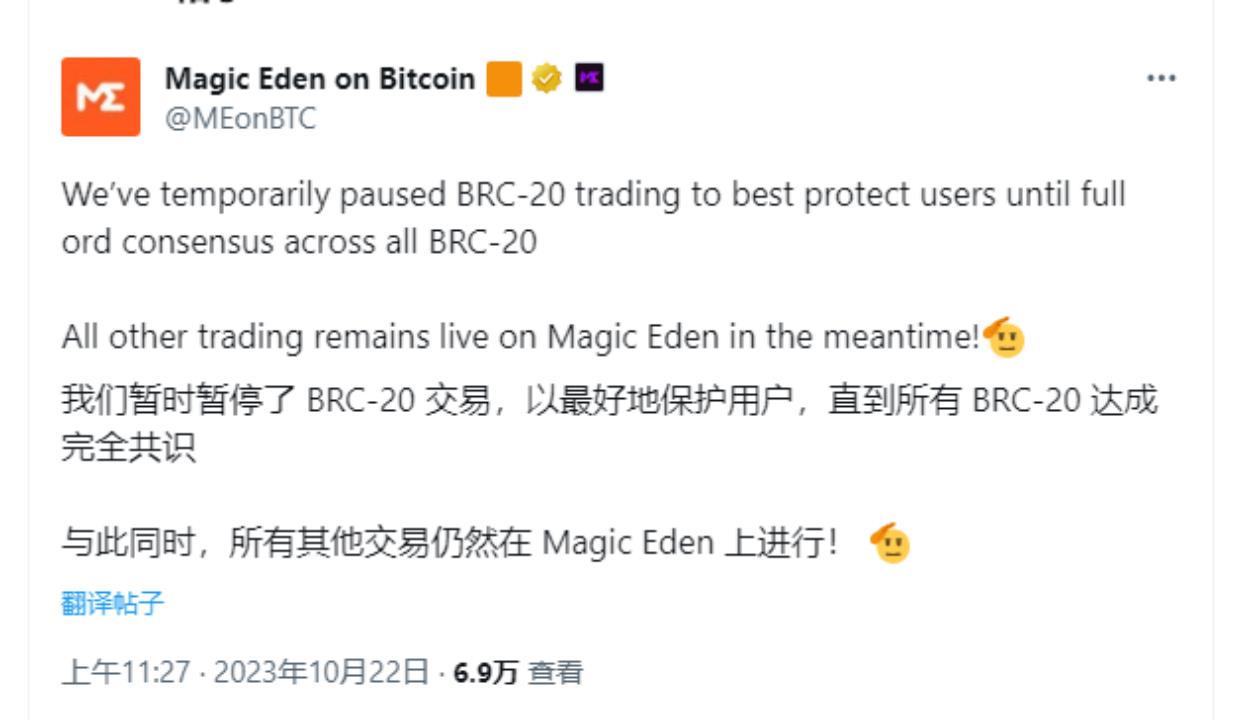
On October 22, NFT marketplace Magic Eden announced a temporary suspension of BRC-20 trading after users reported risks of double-spending due to recent order issues. Different platforms use different versions of the ord protocol and index varying inscription numbers. Until Magic Eden, OKX, and UniSat Wallet align on the same ordinals version, BRC-20 trading carries inherent double-spend risks.
Ordinals Protocol Upgrade
On October 24, Ordinals creator Casey Rodarmor merged the v0.10.0 update into the Ordinals codebase. According to BlockBeats Research, key features introduced include: batch inscription, metadata addition, inscription numbering endpoints, and remote engraving commands.
Batch inscription allows multiple inscriptions to be grouped into a single input, with positions specified in outputs. Metadata support enables users to embed meta-protocols and additional information within inscriptions, helping indexers distinguish between different types of protocols. The inscription numbering endpoint feature allows access to inscriptions via numeric URLs. Remote engraving commands allow assets to be inscribed onto ordinals and corresponding NFTs sent to designated remote addresses for inscription.
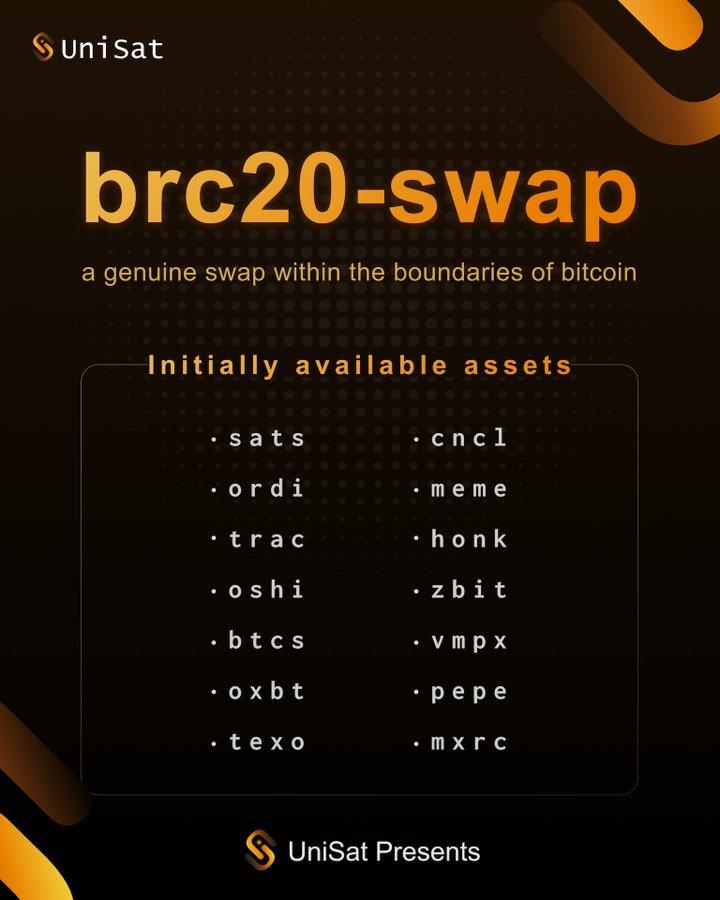
BRC20-SWAP Testing
According to Unisat's official Twitter account, BRC20-SWAP has begun testing today. Currently, only whitelisted addresses can participate. The initial tokens supported on BRC20-SWAP are as follows:
Summary
As a Layer 2 ecosystem on Bitcoin, the Ordinals network has not only successfully enabled the issuance of collectibles and fungible tokens within the Bitcoin ecosystem, giving them unique real-world value, but also strengthened demand for BTC. This benefits Bitcoin miners with increased opportunities and contributes positively to BTC's overall value.
However, most BRC-20 tokens in the Ordinals ecosystem currently lack practical applications and well-developed use cases.Specifically:
-
ORDI, as the creator of the Ordinals protocol, holds tangible significance and enjoys market recognition.
-
SATS, serving as the gas token for Unisat’s BRC20-SWAP, has genuine utility and growing demand.
As global consensus around Bitcoin strengthens, the Ordinals protocol evolves, and BRC20-SWAP prepares for full launch, the Ordinals ecosystem—as a Bitcoin Layer 2 network—deserves continued observation and attention.
Join TechFlow official community to stay tuned
Telegram:https://t.me/TechFlowDaily
X (Twitter):https://x.com/TechFlowPost
X (Twitter) EN:https://x.com/BlockFlow_News
 @TrendX_official