Interview with PoW Inventor Dr. Adam Back: DriveChain Scaling Is Like Linux Modularity—Flexible, Efficient, and Secure
TechFlow Selected TechFlow Selected
Interview with PoW Inventor Dr. Adam Back: DriveChain Scaling Is Like Linux Modularity—Flexible, Efficient, and Secure
Adam believes that for Bitcoin's long-term development and stability, a certain degree of ossification may be necessary—keeping the base layer relatively unchanged, while enabling greater scalability and innovation on upper layers.
 Navigating Web3 tides with focused insights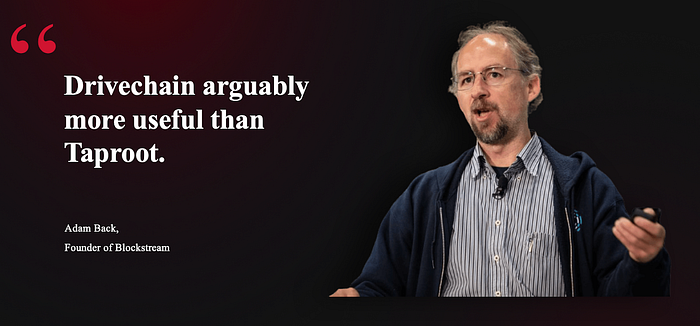
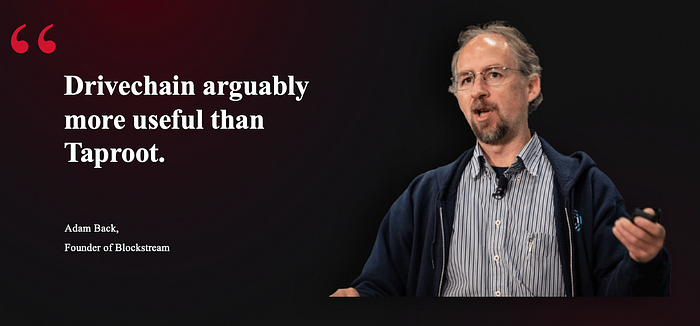
Dr. Adam Back, co-founder and CEO of Blockstream, the only person whose name appears in the body of the Bitcoin white paper: as the inventor of HashCash, his PoW concept inspired Satoshi Nakamoto and paved the way for Bitcoin.
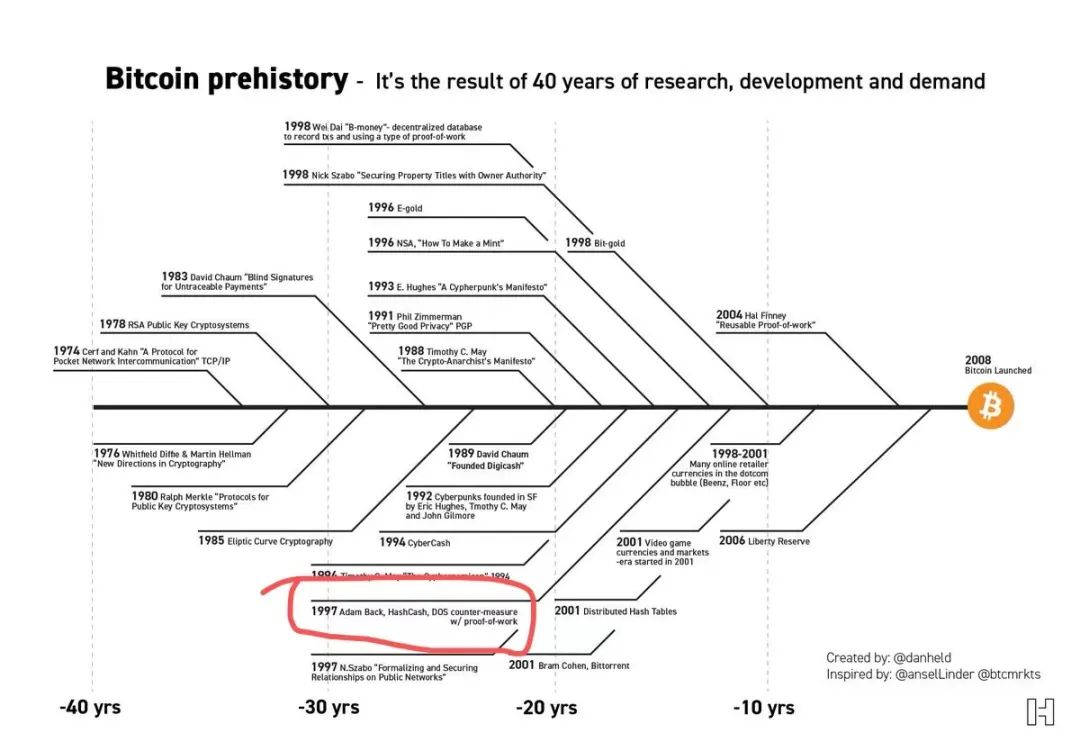
Bitcoin Prehistory
Since 2014, Adam Back has been driving the development of the Bitcoin ecosystem. His company, Blockstream, is a leading force behind the Lightning Network, and scaling Bitcoin through sidechains has been another key focus. On Adam’s social media, analyses and support for SideChain technologies frequently appear, including Drivechain proposed by Layertwo Labs, which has already enabled implementations such as the Zcash sidechain and Thunder large-block sidechain (see: The 7 Bitcoin Sidechains Being Built by DriveChain).
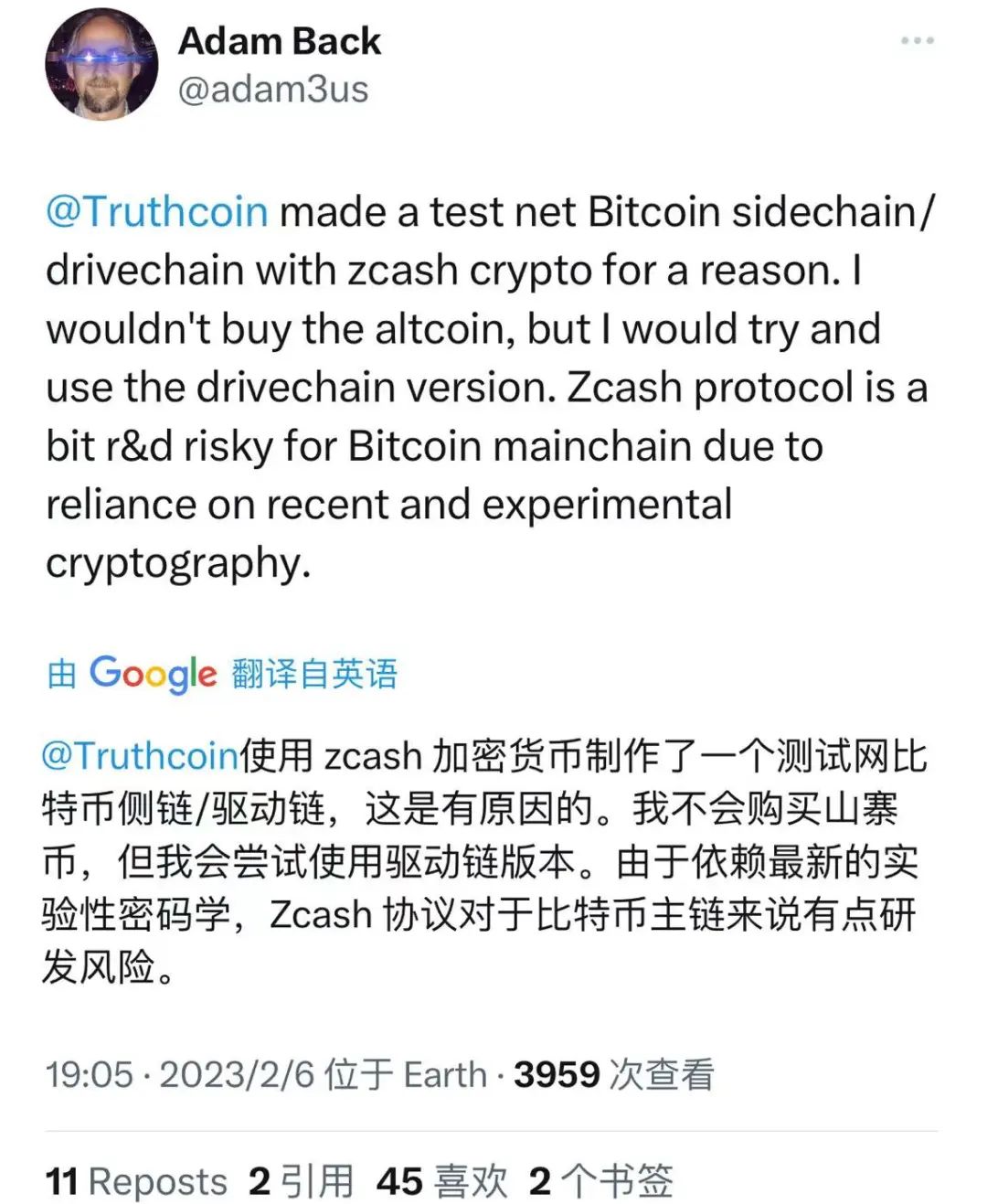
On July 29 this year, Adam participated in a Twitter Space hosted by Layertwo Labs, engaging in a three-hour conversation with Paul, delving into the reasons behind Bitcoin's slow ecosystem development, potential solutions at technical, ideological, and execution levels, and his views on the DriveChain approach.
1. Adam: DriveChain Sidechain Scaling Is Like Modularization — More Flexible and Less Harmful to Bitcoin
Adam personally supports the DriveChain sidechain solution, making him something of an outlier among Bitcoin veterans—far from the stubborn, conservative figure many imagine.
Adam believes that Bitcoin tends to accept simple, localized changes, while more complex or controversial ideas face resistance—largely due to the block size wars. He notes that Bitcoin users are highly protective of their system and therefore more cautious about new proposals involving significant trade-offs or requiring intricate game theory.
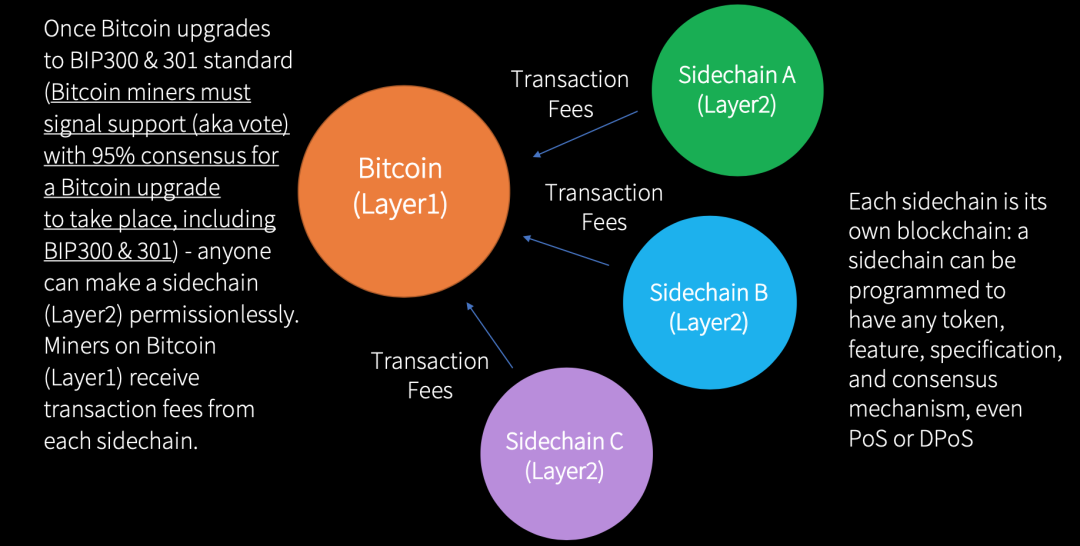
If Bitcoin Upgrades to BIP300 & 301
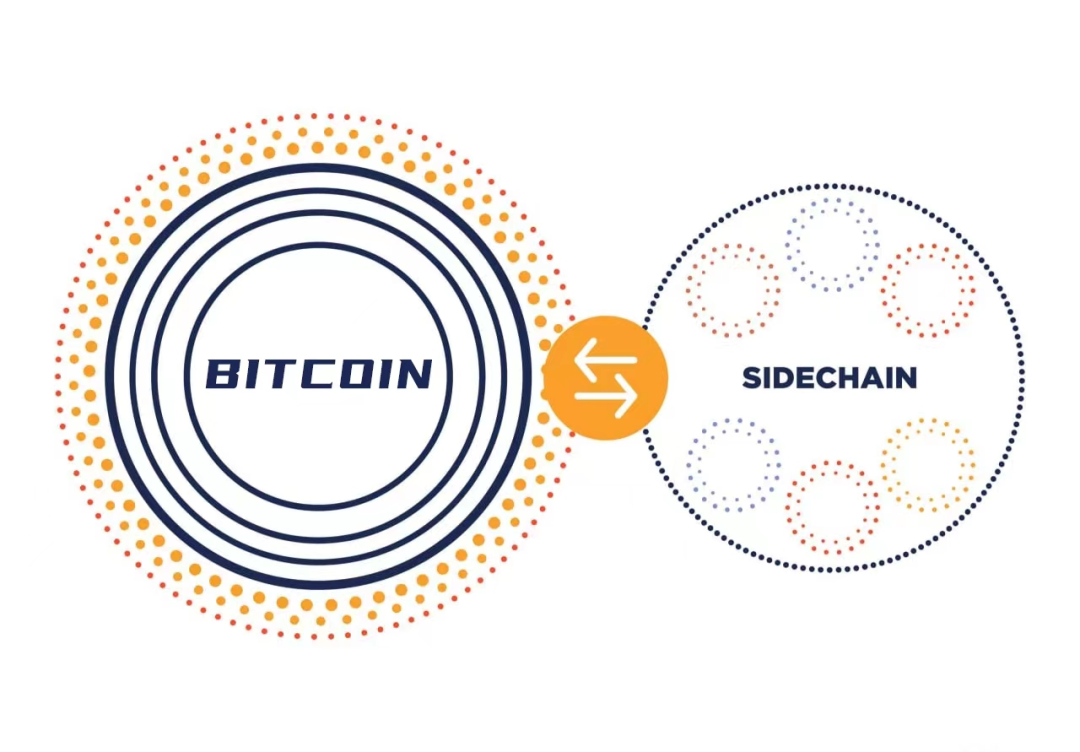
Adam further explained that his interest in sidechains and DriveChain stems from their modular potential—making Bitcoin more permissive and enabling more diverse innovation. He compares this modularity to how the Linux kernel becomes more flexible through user-space modules and kernel-space modules. Sidechains and DriveChain offer a secure method to extend Bitcoin’s functionality without compromising the integrity of the core network, providing a safer path for experimentation and expansion.
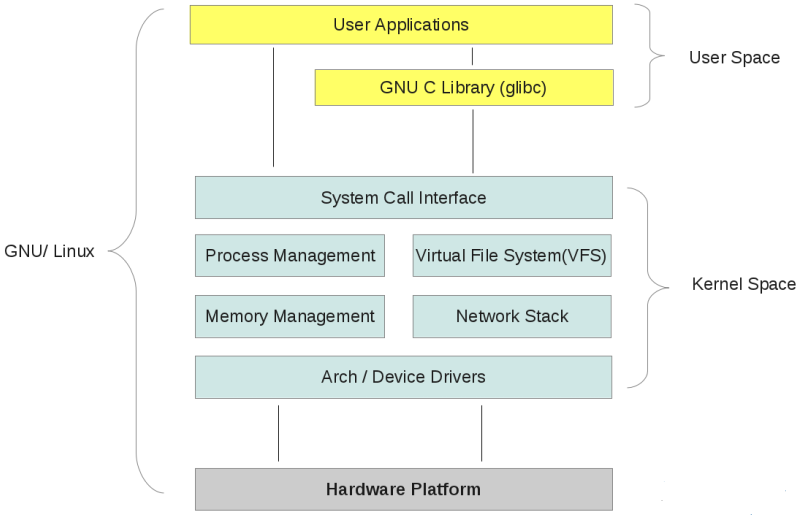
Bitcoin mainchain ≈ Linux Kernel space
Sidechain ≈ Linux User space
Drivechain ≈ Driver layer
Adam
If you compare Bitcoin to Linux, you’ll see its kernel is monolithic—changing it is extremely complex. But when users want to add certain modules, they can do so without permission. This made me wonder: could Bitcoin scale in a similar way? The core issue with sidechains is adding consensus logic—an entirely different approach to Bitcoin scaling. Suppose someone makes a mistake in the extension—it might fork the network or create problems for Bitcoin itself. But sidechains or DriveChains are their own small worlds; their issues won’t affect Bitcoin.
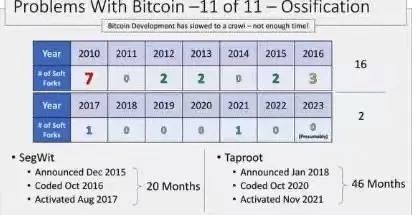
Bitcoin Has Almost Stopped Evolving in Nearly Seven Years
There have been many recent proposals and discussions around scaling—we may have several different approaches, but curiously, if you present six options, people often throw all six into the trash. Think about Intel CPUs—they don’t have many instructions, but they combine well to deliver strong value. Maybe that’s another way to view DriveChain and sidechains: you actually use opcodes to implement them. Perhaps upcodes aren’t stored in one place, but they let you build new chains using existing or new operations. It feels like a higher-level conceptual abstraction, akin to low-level lock code—the rest works similarly to her work. DriveChain is meta-code, or seems like a higher-level programming abstraction. So implementing a DriveChain upgrade feels like a much more novel endeavor.

Paul
It felt far more novel than I imagined—back in November 2015, I thought the idea wasn't complicated. The concept of DriveChain was established in a 2014 Blockstream paper, requiring only a counter added to the mainchain to function.
Initially, the concept gained strong support within the Bitcoin community. But as the block size war erupted and various forks occurred, any proposal involving miners became increasingly controversial. When people were told they could achieve their goals via sidechains, some chose to leave and launch new blockchain projects—Zcash, BCH, etc.—and thus lost interest in improving Bitcoin.
This controversy made people wary of soft forks conducted in the usual historical manner. Before, this wasn’t a big issue, but after September 2017, things turned very strange. Discussions around UASF also intensified, including questions about who should ultimately decide and why.
Adam
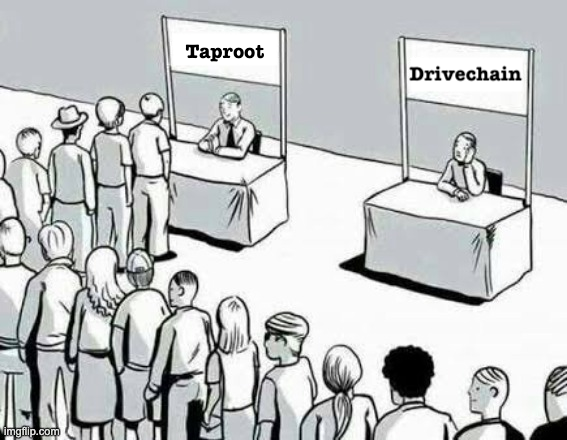
That period was indeed dramatic and traumatic. As a result, people became hesitant about soft forks, hoping never to relive such drama again. Soft forks cause great concern—changes to consensus logic carry greater, subtler risks and could trigger serious errors. Upgrades like Schnorr and Taproot, by contrast, were relatively non-controversial, localized, and optional, serving as excellent examples of how activation can be smoothly achieved. Most of these activation processes were uncontested and successful.
Implementing DriveChain or sidechains is more complex—they involve different game theories and considerations of adversarial behavior. Unlike traditional signatures, the security of sidechains or DriveChain isn’t binary; it involves more ambiguous factors and requires analyzing various adversary scenarios. Compared to simple signature activations, this may be more challenging for people, as it demands understanding new game theories and incentive mechanisms.
Therefore, acceptance of DriveChain will take time—we need to proceed step by step.
2. Paul: Blind Merged Mining Gives Miners Flexibility—Some DriveChain Features Already Exist
BMM (Blind Merged Mining) is a critical foundation for DriveChain, and its security remains a primary concern. Paul mentioned skepticism from Bitcoin Core developers and others regarding the security of BIP-300/301—for example, fears of losing coins on DriveChain or sidechains, such as during withdrawal when miners might lose funds.
Paul
BIP-300 is like putting a “short leash” on miners, but in reality, if miners wish, they can freely choose to hand coins over to third parties or act as custodians. The DriveChain community tries to use this fact to demonstrate the feasibility of DriveChain, but hasn’t fully alleviated concerns. When we talked to a mining company, we told them merged mining with altcoins is already possible—miners have many choices, they need to do little, yet their option space is vast: they can stop mining, change mining methods, or opt for merged mining. The issue with DriveChain differs from that of the Lightning Network—in using DriveChain, miners may need to make additional decisions, which is what worries them.
Some features of DriveChain have already been implemented elsewhere, such as full custody using existing capabilities. People can already send Bitcoin directly to miners or individuals, expecting them to return the coins as agreed—this problem is already solved. In fact, I can already send my coins to a mining pool and sell them at Solana-like prices—users can already do this.
Adam
In the years following Bitcoin’s emergence, commentary on it was typically negative, facing harsh criticism from academia, with claims it was insecure—similar to old cash systems using digital signatures. This stemmed from a lack of understanding of its security model. But Bitcoin is like game theory—good guys vs. bad guys, 50-50, plus economic incentives.
It took time for people to overcome this. Now, Bitcoin is often treated as the security benchmark, casting doubt on other similar functionalities.
For added features like DriveChain and blind merged mining, miners and full nodes may need to make trade-offs between security and convenience—just like with the Lightning Network and state chains.
Paul
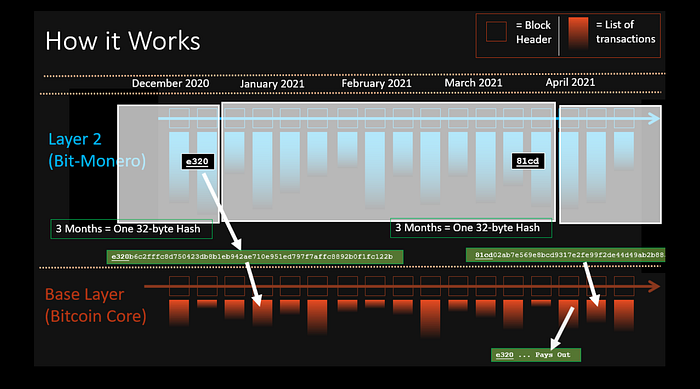
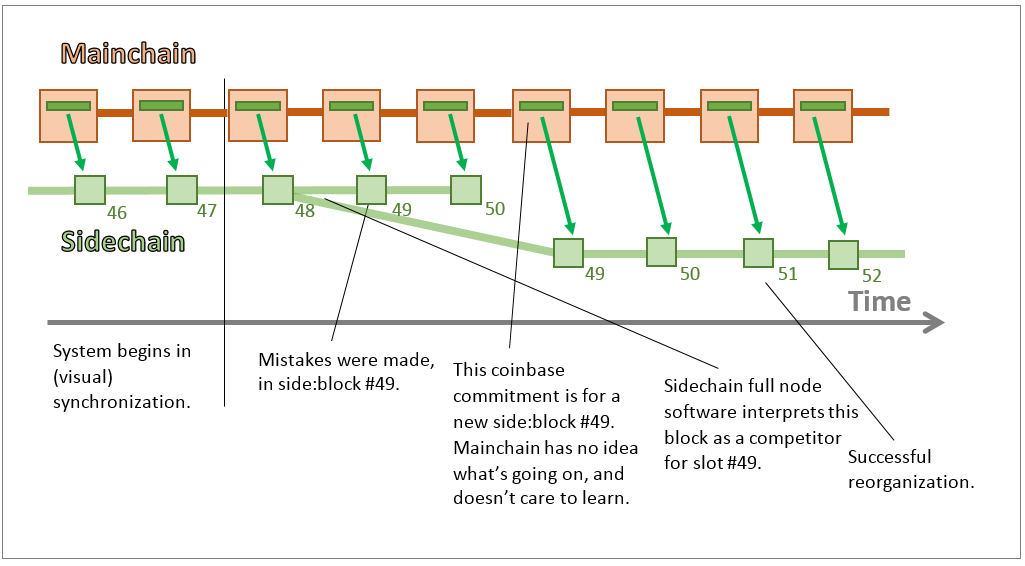
I spent time thinking about Blind Merged Mining (BMM) in 2016 and published the idea in 2017. The core idea of BMM is that miners don’t need to run full nodes of the sidechain—they can cooperate with a sidechain user. This user holds a Bitcoin mainnet wallet and has already conducted transactions on the sidechain. Since they’re already using the sidechain, they can construct sidechain blocks, pay fees, and send messages to miners instructing them to include specific codes in the coinbase of the blockchain. Miners only need to insert this code into the mainnet block header and receive rewards as agreed.
This process allows miners to participate in sidechain mining without running a full sidechain node, as the sidechain user has prepared all necessary information. Meanwhile, coordination between users and miners makes the entire process more efficient, reducing costs and inconvenience for miners from running full sidechain nodes.
BMM can addressthe issue of mining centralization, while improving sidechain efficiency and scalability, aiming to introduce more functions and scaling solutions without compromising Bitcoin’s security. However, it hasn’t gained widespread adoption due to its technical and economic complexity, requiring support and understanding from the community and miners.
BMM involves creating a special transaction called a “BMM request,” containing the Merkle root of the sidechain block and some additional identifier bytes. Miners wishing to include this transaction in their block must do so at a specific block height, as it sets a locktime. They must also include a BMM commitment in the coinbase output of the block containing the BMM request transaction.
Currently, not all miners may automatically recognize and include these transactions. Miners need to update their software to properly handle them. BMM request transactions are designed to be unique per block—one per sidechain per block—and unconfirmed requests expire and become invalid.
3. Adam: The Core Value of Blockchain Lies in User Verifiability—Participation Costs Must Be Low
During the discussion, Paul explained to Adam the design philosophy behind Drivechain. Drivechain separates full nodes from miners, allowing miners to perform more advanced operations (such as merged mining), while full nodes don’t need to handle large blocks. This design aims to keep full node operating costs low, ensuring more users can participate in the Bitcoin network.
In DriveChain, the cost of running a full node is typically far lower than that of mining, as miners require substantial computing power and bandwidth, whereas full nodes only need minimal resources to verify and sync blockchain data.
Paul believes merged mining costs are just like any other mining costs. Mining should be costly and competitive. If weaker miners cannot bear higher merged mining costs and must shut down, that’s acceptable—it’s no different from miners shutting down due to rising difficulty adjustments. We want the strong to succeed and the weak to fail—that’s the nature of competition. While keeping full node costs low is important, to ensure network decentralization, other mining costs should also be considered differently. Paul believes opposition to merged mining stems from a misunderstanding—that it’s a remnant of the block size war. People may wrongly oppose all increases in mining costs, focusing only on full node costs.
Adam expressed similar views, highlighting user participation and noting that the core value of blockchain lies in verifiability by users. When full node costs become too high, users may be unable to participate in verification, weakening the blockchain’s decentralization. Therefore, when designing blockchain protocols, we should strive to keep full node costs low and ensure more users can participate in verifying the network.
Adam and Paul discussed concerns about mining pool centralization and hypothetical scenarios that could lead to centralization.
Mining Pool Centralization: They believe mining pool centralization could be a potential issue. If a single pool concentrates excessive hash power, it may gain disproportionate control over blocks, leading to centralization.
Hypothetical Scenario: They proposed a scenario where a DriveChain contains a central server receiving all transactions and collecting fees. If users don’t pay, the server refuses to process their transactions. In this case, the centralized server might gain mining advantages and affect fairness.
The Challenge of New Mining Pools: They believe launching a new mining pool and attracting hash power could be difficult. A new pool needs sufficient hash power to compete, and to lure miners from existing pools, it must offer compelling incentives—such as problems with current pools or excessive fees.
Adam also discussed technical details of blind merged mining, including data transfer between sidechains and the mainchain. He pointed out that those building blind merged mining do so partly to include transactions, but if a sidechain block gets reorganized, these transactions might be excluded, causing them to pay fees without gaining benefits from the sidechain transactions.
4. Adam: Bitcoin Lacks Layer-1 Functionality and Modularity—Needs Layer-2 Innovation
Adam consistently expresses optimism about Bitcoin’s Layer-2 and modular future. He highlights existing technical limitations in Bitcoin, including lack of Layer-1 modularity and functionality, and insufficient openness to new technologies.
Adam
If new features and scalability could be introduced at Layer-1, Bitcoin could become somewhat hardened, while continuing innovation at Layer-2. Bitcoin needs scalability and modularity to innovate faster and adopt new features. Technologies like the Lightning Network have helped, but more work remains in solving scalability and user demand—technical solutions are needed to provide better options, such as accessing real UTXOs on sidechains or drivechains. They recognize Bitcoin adoption may grow rapidly, and technology must keep pace with rising demand. They are highly optimistic about DriveChain’s potential.
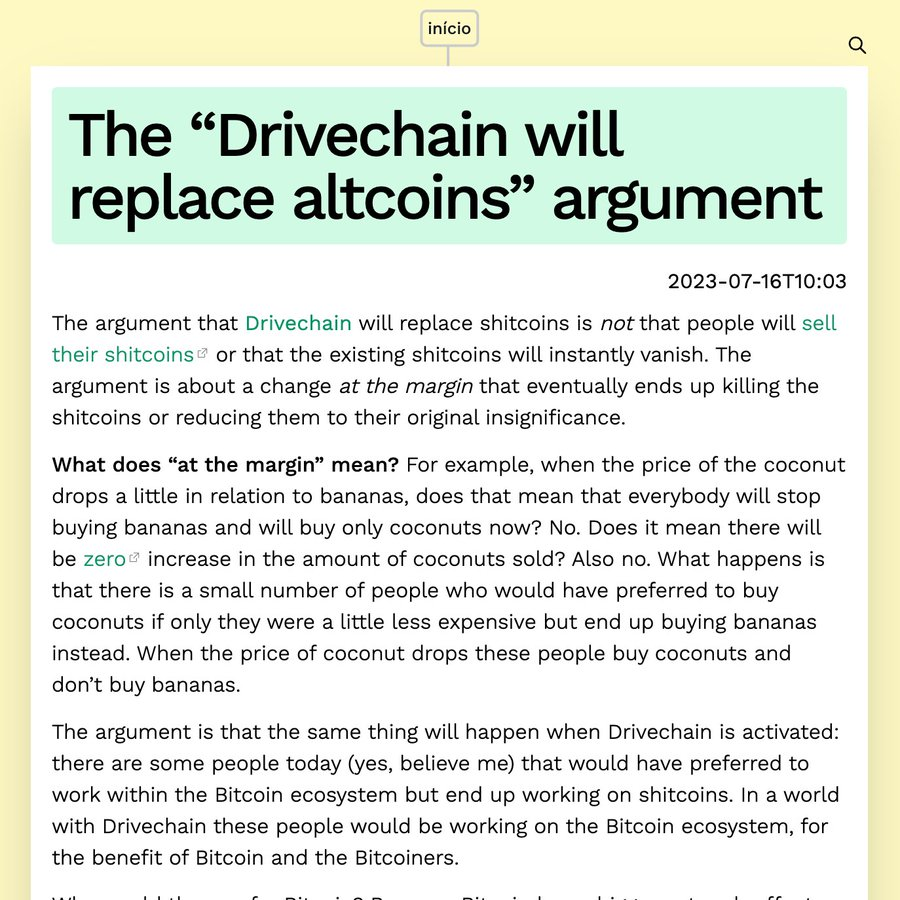
Regarding previous attempts to improve via altcoins, Adam rejected them, stating this market is largely a gambling arena, with many participating for entertainment and thrill. Some can easily create numerous altcoins, causing continuous market expansion, which harms Bitcoin. Adam believes this may persist until the altcoin market grows too large, triggering economic issues that prompt regulatory action.
Paul
If sidechains achieve mass adoption, they could deliver a massive blow to altcoins. He hopes for a Bitcoin asset sidechain—or a platform enabling easy creation of various tokens and applications—that fulfills the same purposes, rendering altcoins obsolete.
Nostr Founder's Blog
5. Adam: Technology Should First Achieve Consensus, Then Be Implemented
Paul asked Adam about progress in promoting Drivechain technology and whether he had suggestions for improvement. Adam noted that historically, technology adoption has been slow—for example, SegWit and Covenants required long discussions before implementation. He believes promoting a technology requires broad participation, discussion, and experimentation, and sufficient consensus is essential for smooth rollout.
Bitcoin's 14-Year Road to Consensus
Adam also reflected on lessons from the Covenants debate, emphasizing that when promoting technology, consensus must come first, rather than attempting activation before consensus is reached. He advised that for Drivechain, sufficient discussion and experimentation should occur, and activation should only be considered once consensus is achieved.
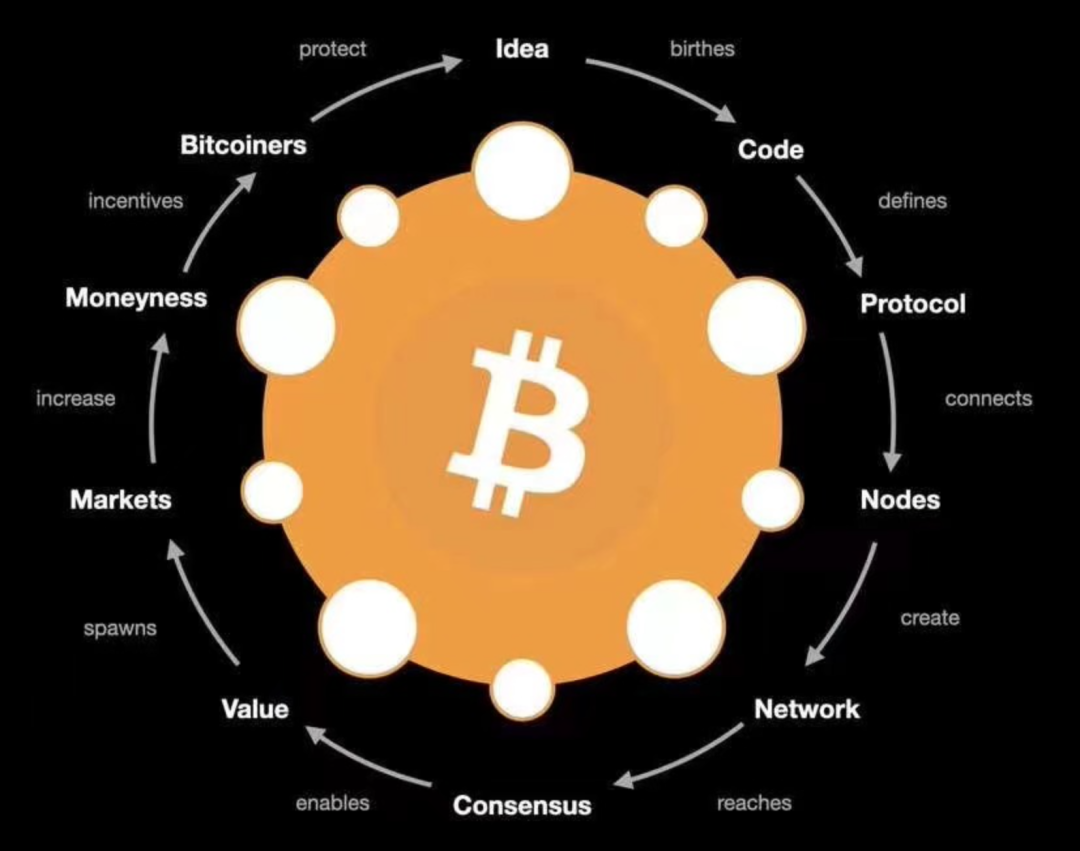
Adam believes Bitcoin’s long-term development and stability may require a degree of hardening—keeping the base layer stable and less frequently changed, while adding more scalability and innovation on upper layers. He highlighted technologies like the Lightning Network, Sidechains, DriveChain, and other scalability solutions as pathways to advance Bitcoin further.
Adam sees multiple paths toward Bitcoin’s adaptability and innovation, such as adding more expressive opcodes or advancing more scalability proposals. He believes offering more technological choices may make people more receptive to change.
Join TechFlow official community to stay tuned
Telegram:https://t.me/TechFlowDaily
X (Twitter):https://x.com/TechFlowPost
X (Twitter) EN:https://x.com/BlockFlow_News
 LayerTwo Labs