Bankless: Searching for More Sustainable Token Models
TechFlow Selected TechFlow Selected
Bankless: Searching for More Sustainable Token Models
As top market makers like Jane Street and Jump Trading gradually reduce participation, the need to design sustainable token models becomes more important.
 Navigating Web3 tides with focused insights
Written by: Paul Timofeev
Compiled by: TechFlow

In DeFi, liquidity is crucial.
Liquidity refers to how easily an asset can be converted into cash. The higher the liquidity of an asset, the easier it is to liquidate, and vice versa.
In DeFi, liquidity is measured by price slippage—the difference between the expected price and the executed price when trading assets on automated market makers (AMMs) like Uniswap. Better liquidity reduces price slippage, making trades more efficient and benefiting all participants. Therefore, in DeFi, projects have strong incentives to create deep liquidity for their native tokens to accumulate value and attract more users.
However, many L1s and dApps show similar TVL (Total Value Locked) patterns—a rapid burst of liquidity and growth followed by a noticeable decline. DeFi has learned a painful lesson: acquiring and retaining liquidity over time is far more difficult than building it up in the short term.
As top-tier market makers like Jane Street and Jump Trading gradually reduce participation, the need for sustainable token models becomes increasingly important.
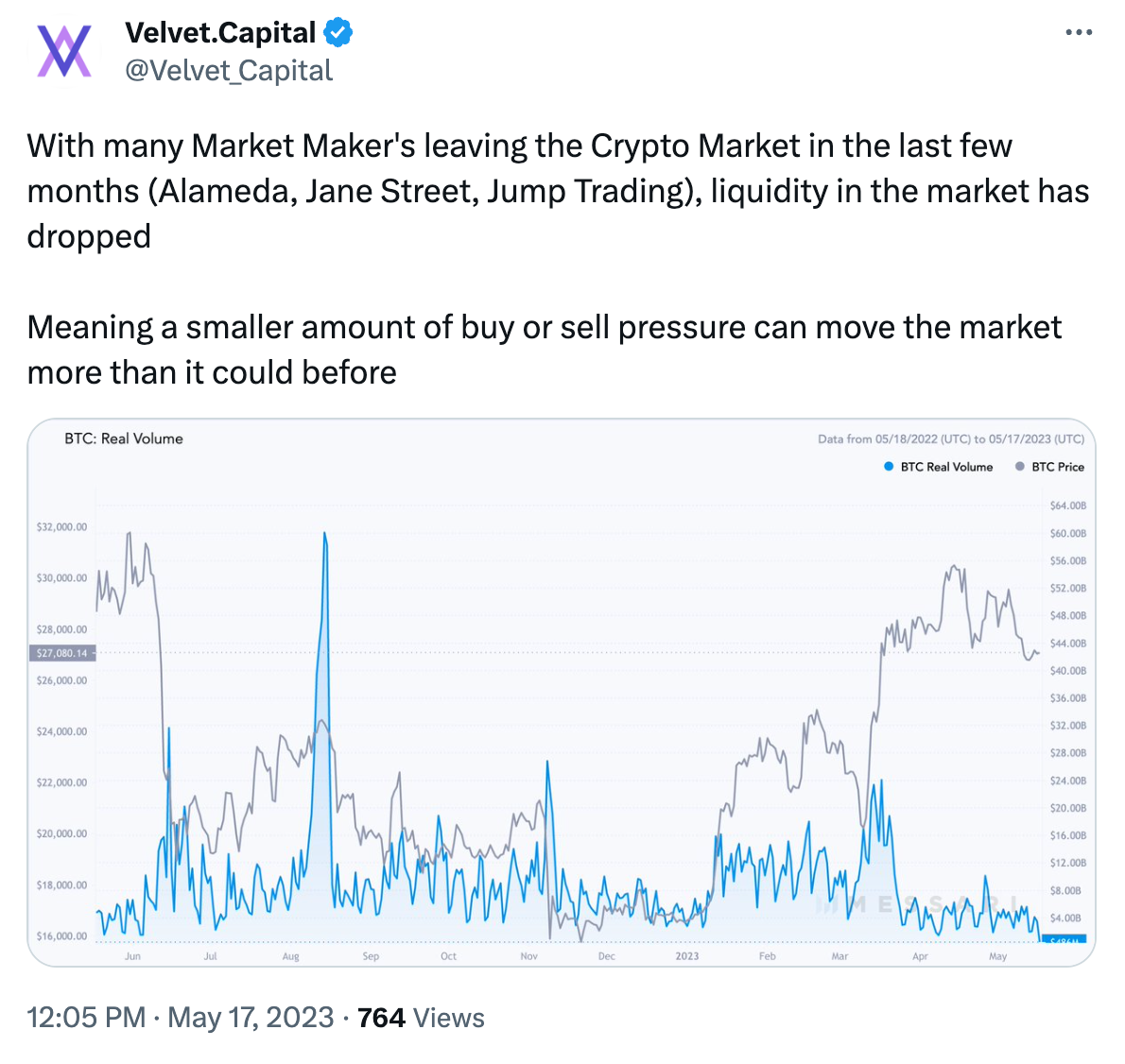
Liquidity comes... and liquidity goes.
Liquidity mining is a mechanism that incentivizes users to provide liquidity for tokens through rewards in native tokens. Pioneered by Compound and Synthetix, it has become a common tool for DeFi projects to drive growth.
But we quickly realized this practice is extremely unsustainable in the long run and represents a poor business model. Protocols constantly struggle as they must generate enough revenue to cover costs associated with token emissions. Below are the profit margins of several blue-chip DeFi protocols from January to July 2022.
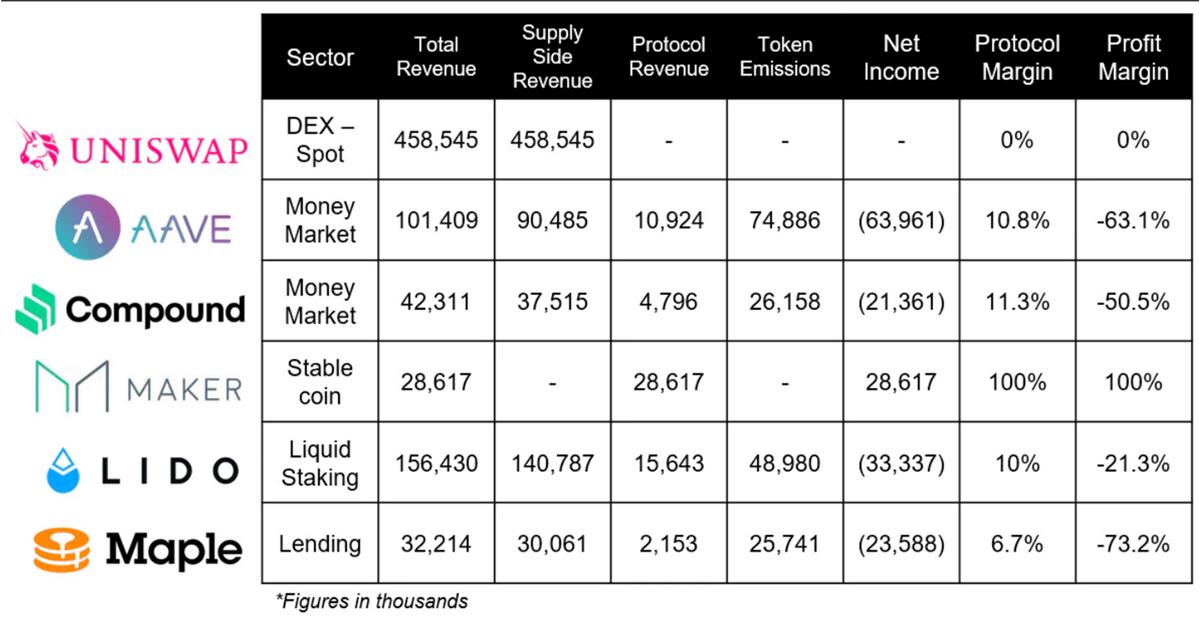
Take Aave, which holds the third-largest DeFi TVL. Despite generating $10.92 million in protocol revenue, it paid out nearly $75 million in token emissions, resulting in a loss of $63.96 million—a profit margin of -63.1%.
DeFi needs to move away from unsustainable designs that fail to maintain liquidity and adopt more compelling token models that encourage long-term participation and growth. Let’s explore some models designed to optimize the current state of liquidity.
LP Gauge Tokenomics
Curve Finance introduced the VoteEscrow model, allowing $CRV holders to lock their tokens to receive $veCRV, which grants governance rights and boosts yield.
While this model somewhat offsets short-term selling pressure and encourages long-term engagement, it also reduces $CRV liquidity, as many tokens are locked (sometimes for up to four years).
Some protocols instead build models focused on locking LP tokens rather than the native token itself.
LP Gauge economics incentivize liquidity providers (LPs) to lock their LP tokens in exchange for enhanced rewards and greater governance power. In this model, traders benefit from the safety net of "locked" liquidity, LPs gain governance rights and higher rewards, and the ecosystem benefits from deeper liquidity.
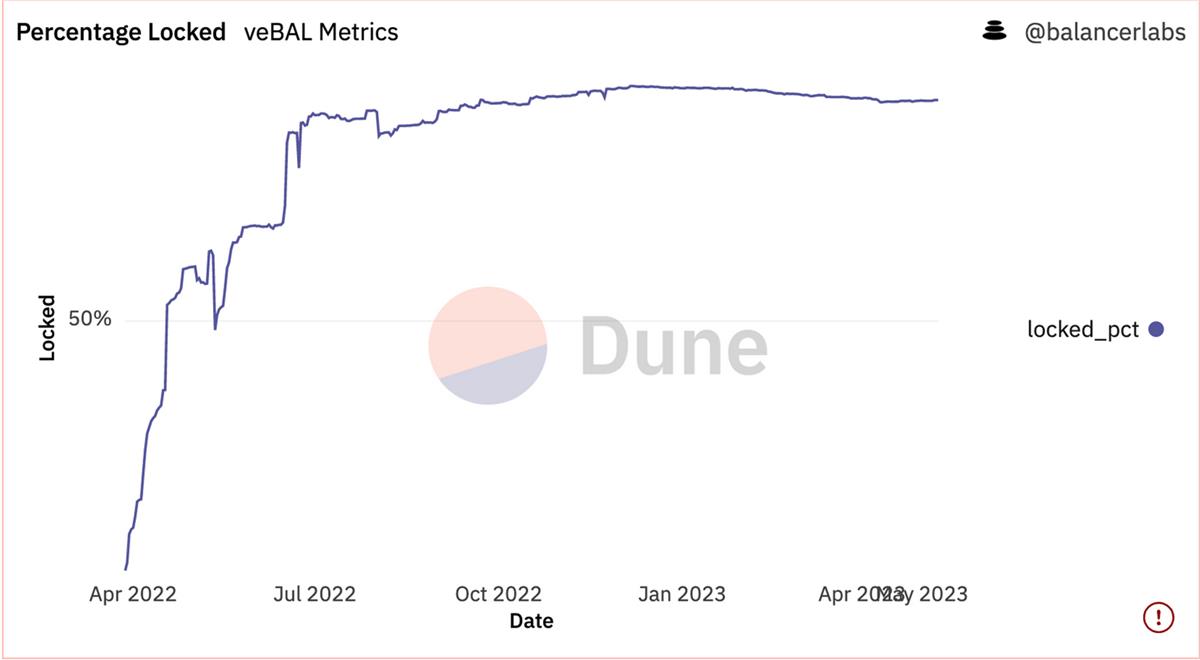
One project adopting this model is Balancer, which launched its $veBAL tokenomics. Here, users who provide liquidity to the BAL/WETH pool receive $veBAL, which they can lock for up to one year. $veBAL holders earn 65% of protocol fees and can vote on pool emissions and other governance proposals.
Over time, the increasing percentage of veBAL locked indicates strong demand to participate in the system.
Option-Based Liquidity Mining
Beyond "standard" liquidity mining, another alternative token model is option-based liquidity mining. Simply put, this involves protocols distributing liquidity incentives in the form of options rather than native tokens.
Call options are financial instruments that allow users to buy an asset at a predetermined price (the strike price) within a specific timeframe. If the asset's price rises, the buyer can exercise the option to purchase the asset at a discount and then sell it at a higher market price, profiting from the spread.
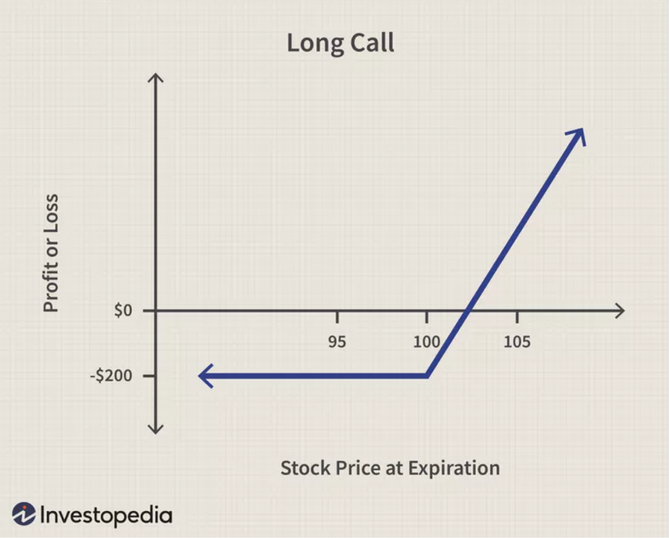
Option-based liquidity mining allows protocols to distribute incentives as call options instead of directly issuing native tokens. This model aims to better align incentives between users and the protocol. For users, it offers the opportunity to purchase the native token at a significant discount in the future. Meanwhile, the protocol benefits from reduced sell-side pressure and gains flexibility to customize incentive terms based on its goals—for example, creating long-term incentives via longer expiry dates or lower strike prices.
Option-based liquidity mining offers an innovative alternative to traditional liquidity mining. While still relatively new and untested, some forward-thinking protocols are beginning to experiment. One such example is Dopex, which recently announced plans to test a call option incentive model for its structured products, claiming it will bring greater flexibility, price stability, and long-term engagement compared to traditional models.
However, concerns remain about whether this added complexity might deter users overall. After all, DeFi has long relied on straightforward liquidity mining; introducing additional steps could discourage participation, especially if users don’t believe the token will perform well in the future.
Will option-based liquidity mining help projects attract more long-term participants, or will the extra redemption steps deter users and reduce liquidity? These are questions that require observation and evaluation.
Berachain
While the above examples offer interesting models for sustaining liquidity and user engagement, they all operate at the application layer. What if liquidity incentives were addressed at the consensus layer?
Berachain is a newly launched project aiming to do exactly that—build sustainable incentive structures directly into the chain itself.
It starts with a “three-token model”: a gas token ($BERA), a governance token ($BGT), and a native stablecoin ($HONEY).
Its novel Proof-of-Liquidity consensus mechanism enables users to participate as validators by staking their assets with Berachain, earning block rewards and LP fees.
When users stake their assets, their deposits are automatically paired with the native stablecoin $HONEY on the native AMM. They also receive the governance token ($BGT). $BGT stakers, in turn, earn a share of protocol fees and gain influence over emission schedules and other incentives within the ecosystem over time.
Theoretically, this creates a positive flywheel effect:
-
More deposits = deeper stablecoin liquidity;
-
Deeper liquidity = more traders using Berachain;
-
More traders = higher protocol fees = larger rewards for $BGT holders;
-
Better $BGT rewards = higher demand for $BGT.
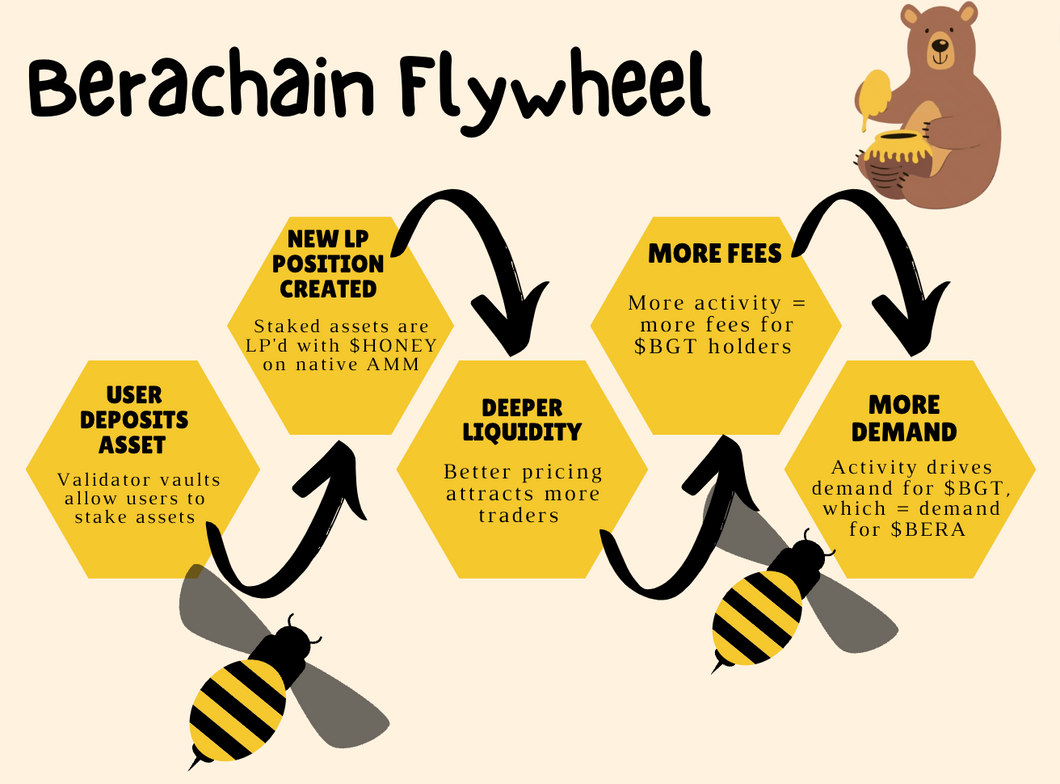
This model incentivizes users to keep their assets within the Berachain ecosystem due to higher yield opportunities compared to elsewhere. The beauty of this model lies in ensuring that value generated by the chain primarily benefits the ecosystem itself, rewarding long-term participants. Users begin contributing to native stablecoin liquidity as soon as they deposit, naturally creating a built-in liquidity mechanism. Additionally, users holding $BERA earned from block rewards can further earn fees from on-chain activity by holding $BGT. Protocols may start accumulating $BGT to gain voting power and direct incentives toward their specific assets, potentially paving the way for a Curve War-style ecosystem boom.
Curve Wars helped Curve grow into the DeFi giant it is today—can Berachain achieve a similar effect?
Conclusion
DeFi is still young and primitive, with much work to be done in its current state. Creating sustainable economic frameworks is a critical part of this evolution. Given how foundational liquidity mining has been to DeFi, completely abandoning it may not be feasible.
However, the alternative frameworks described above suggest that liquidity mining can be optimized to sustain both liquidity and users—and actually benefit the ecosystem in the long run.
Next time you dive into your favorite DeFi project chasing yields, take a moment to understand where those yields come from—and whether they’re sustainable. A quick tip: if you don’t know where the yield is coming from, you *are* the yield.
Join TechFlow official community to stay tuned
Telegram:https://t.me/TechFlowDaily
X (Twitter):https://x.com/TechFlowPost
X (Twitter) EN:https://x.com/BlockFlow_News
 Bankless