Rebuilding Babel, the Black Mountain in May is a futurism convention
TechFlow Selected TechFlow Selected
Rebuilding Babel, the Black Mountain in May is a futurism convention
Zuzalu is not merely a crypto community; besides the so-called "crypto-native" crowd, it also includes many top life scientists and AI practitioners who have no connection to crypto at all.
 Navigating Web3 tides with focused insights
Text by: Hazel Hu Twitter @0xHY2049
Edited by: 0xmin
*Note: The author is not a resident of Zuzalu but merely visited for several days. Any bias or inaccuracy is regrettable and corrections are welcome.
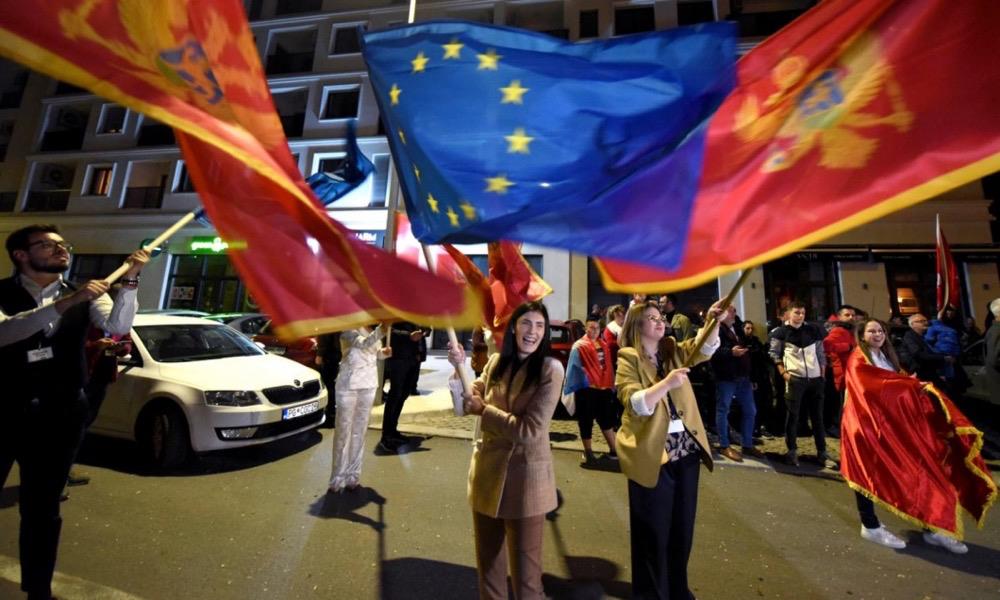
On May 20, Montenegro inaugurated its new president, 36-year-old Jakov Milatović.
In the capital city of Podgorica, double-headed eagle flags are seen everywhere. Originating from the Byzantine Empire, this symbol traces back to the Roman Republic era over two millennia ago. During the period of the former Yugoslavia, the flag was banned, only to be reinstated after Montenegro’s independence in 2006.
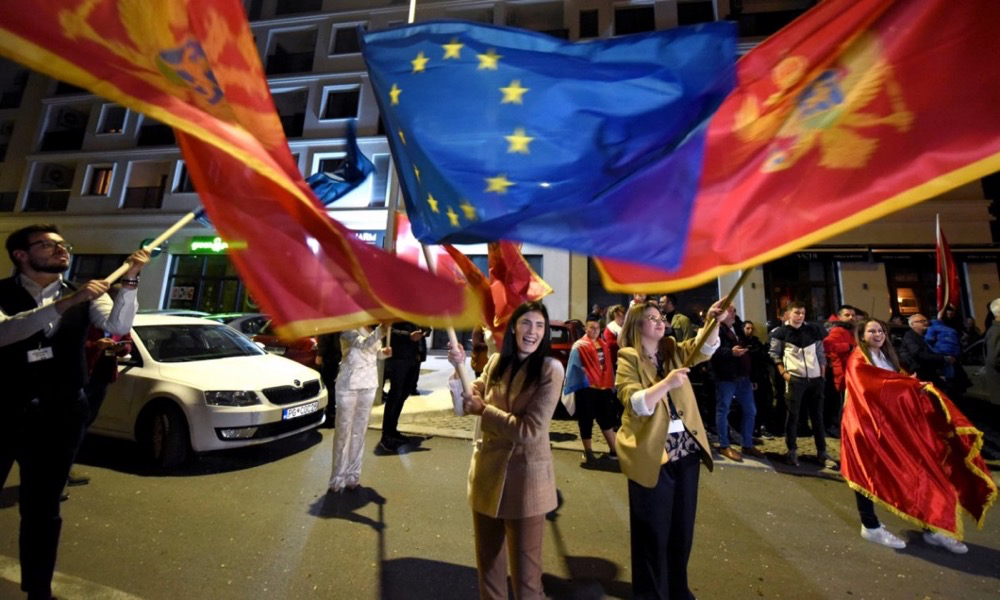
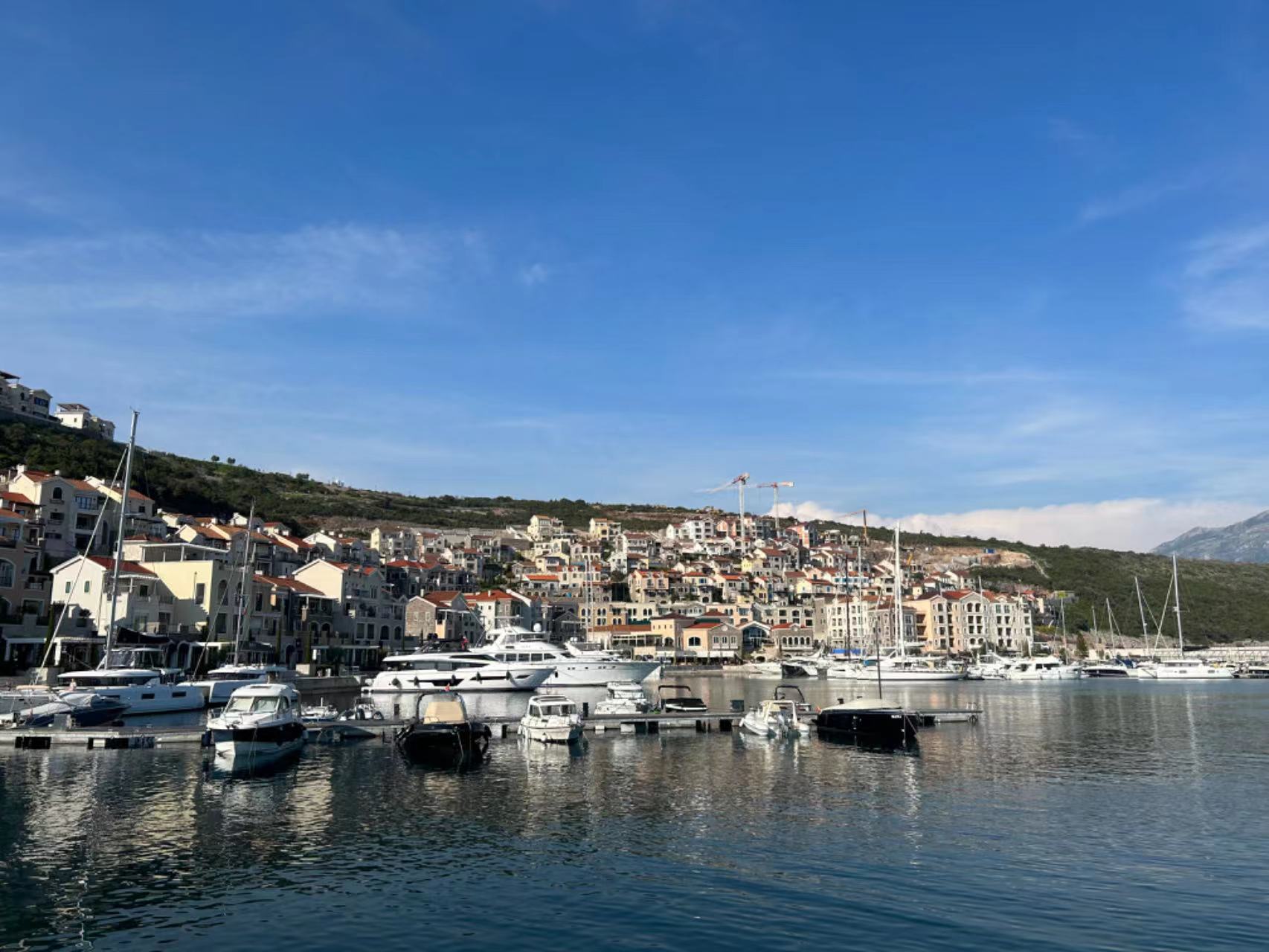
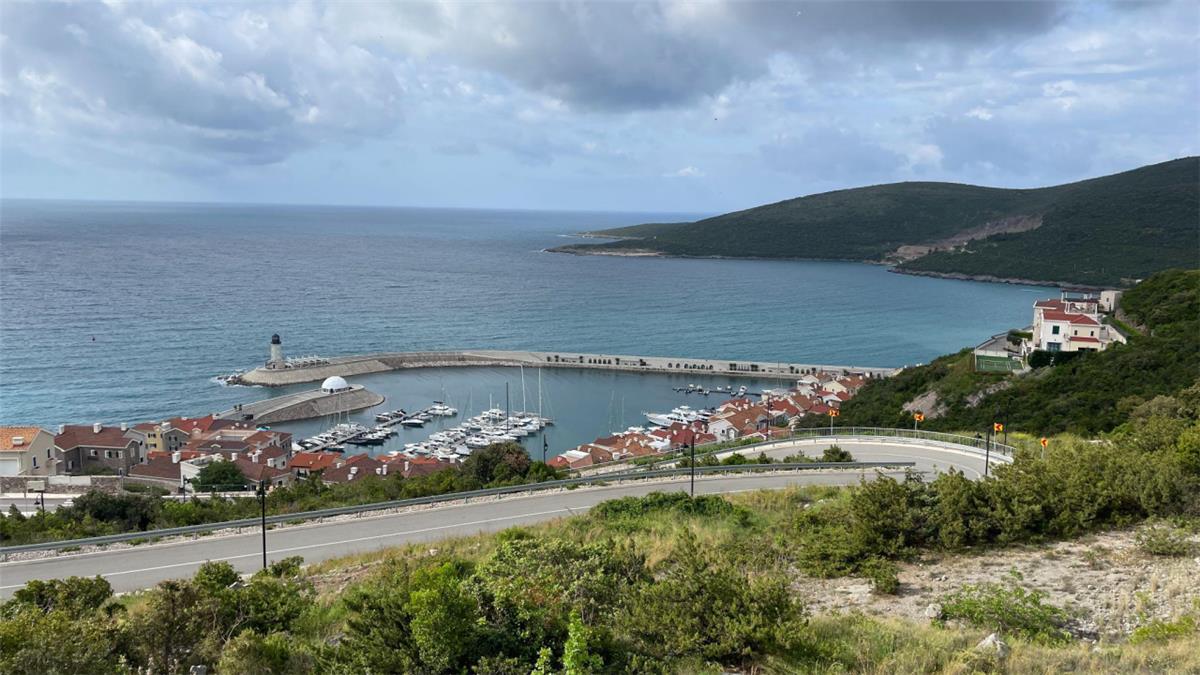
It might be unimaginable and even enviable for many today striving to create something “immortal” that an ancient nation's emblem can remain culturally significant for thousands of years. Along the coast near Tivat, about a two-hour drive from Podgorica, lies a co-living community called Zuzalu, also attempting to make history.
Rebuilding Babel
What exactly is Zuzalu? Based on what has been realized so far, it is a seaside co-living community initiated by Ethereum founder Vitalik Buterin and lasting over two months—or as defined on its official website, a "pop-up city." This description reminded me of the story of the Tower of Babel. In fact, the Old Testament only mentions the "City of Babel," where people said: "Come, let us build ourselves a city and a tower with its top in the heavens, and let us make a name for ourselves, lest we be scattered over the face of the whole earth." As the story goes, God feared human power would grow too great, so He confused their languages, causing them to disperse. "Babel" actually means "confusion" in Hebrew.
From this perspective, in today’s age of deglobalization, crypto—as one of the few remaining global beliefs—indeed carries the meaning of rebuilding Babel, yet it cannot escape the fate of "Babel" itself: attempting to generate order amidst chaos and disorder, with an uncertain path ahead.
At the final Demo Day of the Zuzalu Hackathon, the first demo project attempted to use mixed reality technology to overlay a digital-native version of Zuzalu in the metaverse, aiming to establish a "Permanent City" after the physical "Pop-up City" disappears, achieving digital immortality. The project, named Zuzaluland, designed a national flag, monuments, and a flag-raising ceremony for Zuzalu. Their chosen national animal was an injured puppy found and adopted by community members during Zuzalu—the beloved mascot of the group—they named her Zuzu.
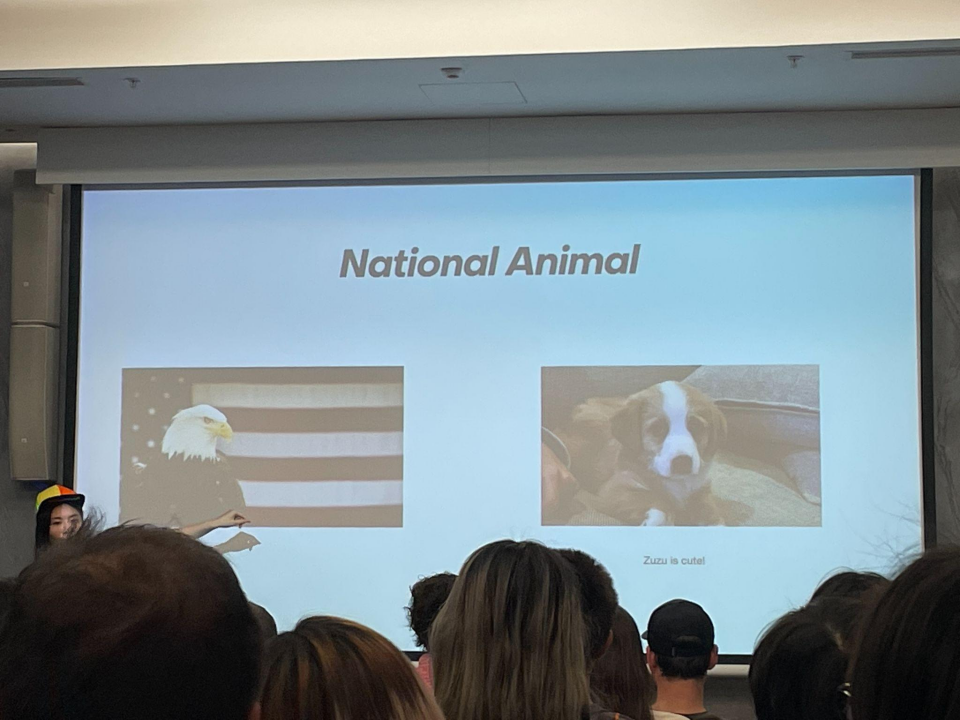
Actually, the concept of Network States currently promoted in the crypto industry remains very crude both theoretically and practically. Yet such clumsy imitation can partially dissolve the solemnity of existing structures.
Last year, a widely circulated feature article in China titled "Marching Toward Dalifornia" offered a definition of Web3: "Seriously playing house." That’s true enough—but then again, how much of international politics, business competition, celebrity culture, or everyday life isn’t essentially serious “playing house”?
Why should a double-headed eagle flag dating back to Roman times still be proudly displayed across streets and squares in 21st-century Montenegro? How much more legitimacy does the Republic of Montenegro—whose independence was narrowly secured in 2006 with just 55.5% support—have compared to self-organized communities? If so many traditions have already been invented, what harm is there in inventing a few more? Questioning is always possible—but that doesn't mean whatever alternative the critics propose is necessarily more reasonable.
A Melting Pot
Zuzalu is not merely a crypto community. Aside from so-called "crypto-natives," it attracted many top-tier life scientists and AI practitioners who have little direct connection to crypto.
I arrived toward the end of Zuzalu, right during the Longevity Science Forum. The sudden influx of hydroxylated proteins, germ cell regeneration, and renowned scientific speakers made me genuinely wonder if I had entered the wrong event. Before longevity took center stage, AI had predictably been the star attraction—an experience no different from anywhere else in the world.
A is a serial AI entrepreneur, British-born and now based in the U.S. One evening, while searching for dinner, he suddenly called out to me: "Hey, were you at today’s Longevity event?" We ended up sharing a meal. He told me he’d sold his first two startups and was now launching his third—a project using AI to enhance democratic voting. What if instead of answering yes-or-no questions, voters could express opinions freely in natural language, and AI could analyze these inputs to synthesize consensus? Could this lead to better democratic participation? When asked about cryptocurrency, he shrugged ambivalently: "I think the biggest problem is that the industry can't distinguish good from bad—can't achieve real survival of the fittest."
B is a life sciences researcher from the U.S. On my second day at Zuzalu, he was preparing to leave. We chatted briefly while waiting for his ride outside the hotel. B is part of VitaDAO, a decentralized autonomous organization funding longevity research through DAOs and crypto. VitaDAO hosted the Longevity Forum at Zuzalu. He used to teach at a state university in the U.S., but grew tired of endless academic bureaucracy and internal politics, so he quit academia entirely to join VitaDAO full-time.
C is an inventor, or entrepreneur, or something else—Romanian. I met this gentleman after a farm-to-table dinner. A few of us staying in town rather than the coastal area hitched a ride back with a friend, and the man somehow joined us by accident. Already quite drunk, he mumbled that he was taking longevity drugs he had developed himself, and challenged us to guess his age.
Man: "Do you know the secret to longevity?"
Me: "Drinking yourself into oblivion every day?"
The richness of Zuzalu is best illustrated by a Telegram group of around 700–800 people (though actual legal residents numbered only about 200), which spawned nearly 100 interest groups. Common ones included cooking, fitness, karaoke, and ride-sharing. More niche groups included daily cold-water baths, whale watching, massage, and meditation. There were esoteric ones like Tai Chi and DAO study circles; alongside a Longevity group, there was even an Anti-longevity Longevity group.
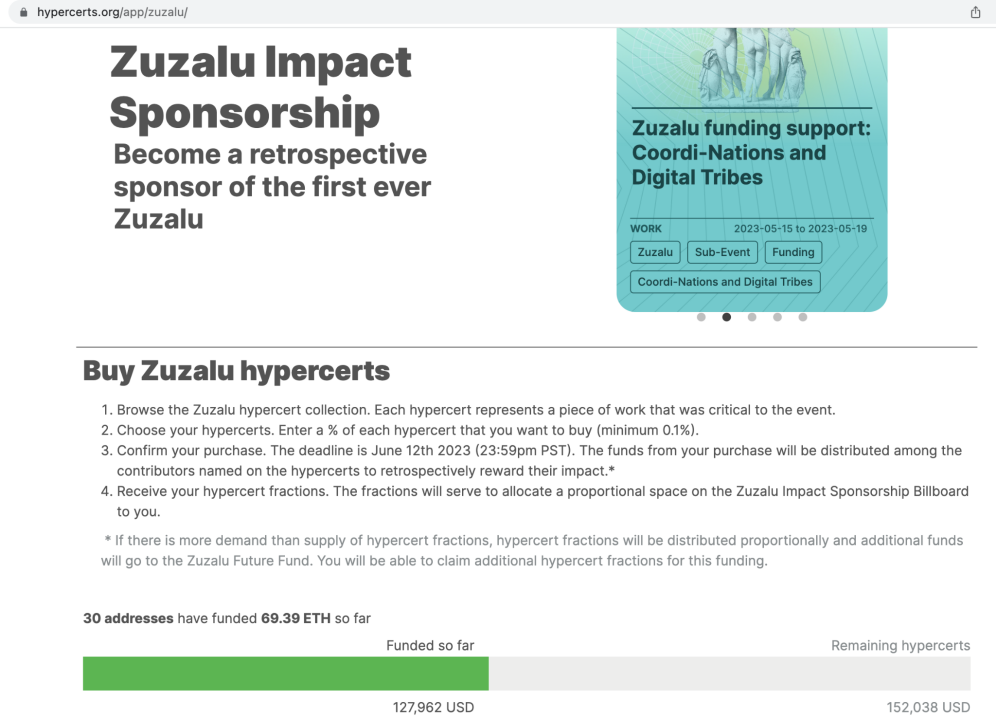
After Zuzalu ended, numerous "XXX after Zuzalu" groups emerged. Some planned to fork ("fork") a "Longevity State" in Latin America. Others began tracking and logging their blood glucose levels daily. A retroactive funding protocol called hypercerts continues crowdfunding contributions—currently raising nearly 70 ETH (about $127,000)—to retroactively reward organizers and contributors of Zuzalu.
While Zuzalu busied itself creating a utopia, two other events unfolded simultaneously in Montenegro: First, Do Kwon, founder of Luna, was arrested in Montenegro in March—just as Zuzalu was getting started. On May 11, Do Kwon appeared in court in Podgorica.
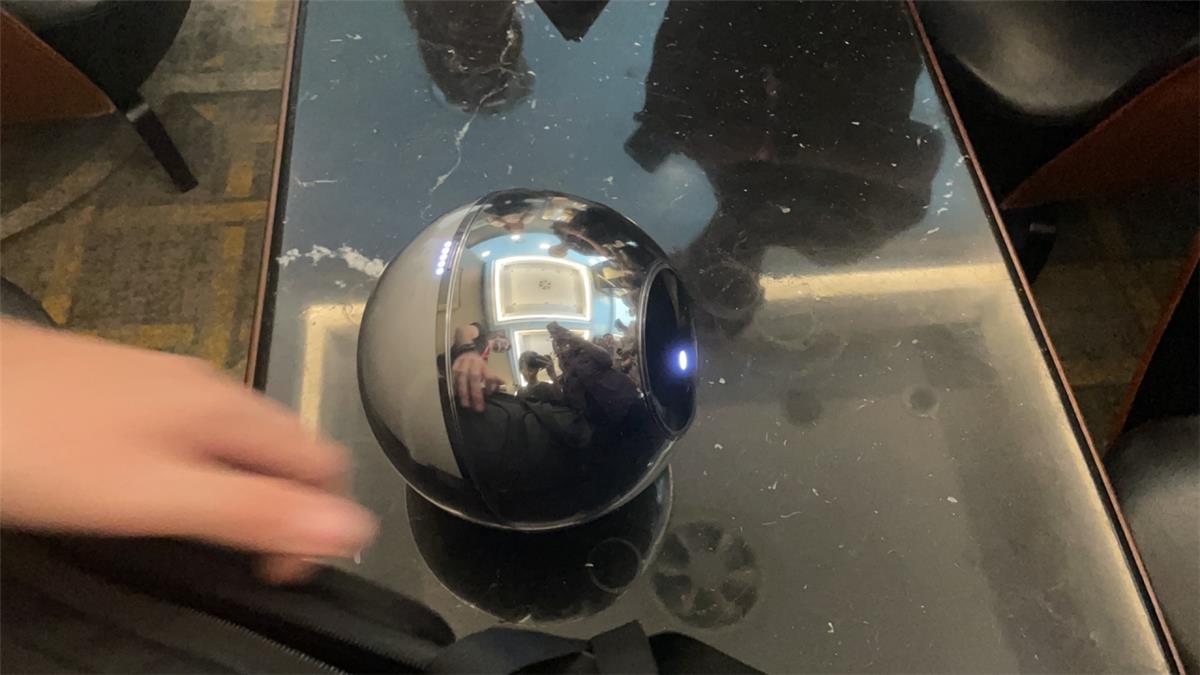
Second, a member of World App arrived in Montenegro with an iris-scanning machine, quickly becoming a sensation. At the DAO Montenegro event, a large number of Chinese attendees rushed excitedly to get their irises scanned. This shouldn’t be simplistically interpreted as selling privacy—after all, the Worldcoin project uses various technical measures to ensure data isn't stored. Yet the enthusiasm among Chinese participants stems from a shared belief: What privacy do we really have left anyway?
Futures Vertigo
Which of these efforts are seriously “playing house,” and which aren’t? May in Montenegro felt like a melting pot, where experts brought half-baked future solutions en masse: cryptocurrency, DAOs, longevity science, artificial intelligence, privacy tech, sovereignty and law, universal basic income… Lem described such a dizzying, indistinguishable future in his classic *The Futurological Congress*. In Montenegro, one could sense ripples of that same vertigo.
Before traveling to Montenegro, I read an article containing a blunt yet honest line I particularly liked: "Gamblers to crypto are what cigarettes are to national security." I raised this question at a DAO side event—not entirely fitting within the heavy idealism of the atmosphere—but to remind everyone, perhaps awkwardly, where the industry’s outsized profits truly come from. While criticizing the real world, we mustn’t forget that new systems are often built upon new forms of injustice. We can’t pretend not to see it.
The speaker’s response was equally sincere: The point isn't to eliminate forms of 'enslavement' in society—because no social structure can fully escape exploiting some group—but to make such exploitation fairer, with clear boundaries on how much each person is exploited. No single party should permanently dominate and extract endlessly. The structure should be fluid, not fixed.
On May 15, young president-elect Jakov Milatović (not yet officially sworn in) visited Zuzalu. It was Zuzalu’s Montenegro Day, and former Finance Minister Milojko Spajić joined a panel discussion with Vitalik and others.
A recent news item: While under house arrest during bail, Do Kwon wrote a handwritten letter to current Prime Minister Dritan Abazović, claiming he had previously provided political donations to Milojko Spajić and his party. Spajić denied the allegations—investigations are ongoing.
This, too, is probably part of the futures vertigo.
Despite its growing entanglement with Montenegrin politics, Zuzalu—and later EDCON—remained relatively unfamiliar to locals. My landlord, driving me to the coast, remarked upon hearing my purpose: "Oh, those crypto guys." A friend mentioned a Chinese restaurant owner in Montenegro who suddenly saw a surge in delivery orders. The most hardcore fans, however, were Russians—one organizer told me he met Russians who could recognize Vitalik jogging along the beach.
A winding mountain road connects the nearby town to the coastal resort area where Zuzalu was held—about a 100-meter elevation difference, taking at least 20 minutes to walk unless driving. Geographically, this area is isolated from local residential zones, as is evident in pricing. Montenegro’s per capita annual GDP is around €9,000, yet a simple dinner at a seaside restaurant easily costs €30—clearly beyond the reach of most locals.
The Adriatic wind blows day and night. On my last day in Zuzalu, strong waves rolled in as if a tsunami might strike at any moment. For a brief, absurd moment, I thought: if a real tsunami hit, wouldn’t it wipe out the elite from several fields all at once?
But this ridiculous question may actually deserve repeated reflection: If that really happened, would it materially affect humanity’s future? And if so, what kind of impact would it have?
Join TechFlow official community to stay tuned
Telegram:https://t.me/TechFlowDaily
X (Twitter):https://x.com/TechFlowPost
X (Twitter) EN:https://x.com/BlockFlow_News
 深潮TechFlow