








Why Do We Need a Brand-New Cross-Chain Solution: Omnichain?
TechFlow Selected TechFlow Selected
Why Do We Need a Brand-New Cross-Chain Solution: Omnichain?
In the future, Omnichain may become one of the new trends in the development of the cryptocurrency industry.
 Navigating Web3 tides with focused insights
Author: Kryptzo
Compiled by: TechFlow
In the world of cryptocurrency, cross-chain technology is undeniably important, enabling different blockchain networks to connect with each other and achieve interoperability and liquidity.
However, current cross-chain solutions still face risks and limitations, such as potential security vulnerabilities and reliance on trusted third-party entities.
Therefore, Omnichain, as a new approach to cross-chain technology, has attracted growing attention.
What is Omnichain?
Omnichain refers to the ability of dApps to transmit messages across multiple blockchains (networks).
Omnichain interoperability unlocks cross-chain composability, allowing dApps on different networks to communicate with one another.
Solutions
Currently, there are three main methods to achieve cross-chain interoperability: sidechains, oracles, and bridges/swaps.
-
Sidechains——Sidechains have their own consensus mechanisms, tokens, and security parameters. Most support specific use cases. Examples: Polkadot, Cosmos.
-
Oracles——Oracles serve to connect on-chain data with off-chain applications. They can operate across multiple blockchain platforms. Examples: Chainlink, Band.
-
Bridges/Swaps——In this process, tokens from one network are locked and then an equivalent asset is minted on another network. Swaps allow users to exchange tokens from different networks via decentralized platforms. Examples: Celer cBridge, Multichain.
Current Technology
The concept of Omnichain interoperability includes the ability to send a message from Ethereum to Solana or Cosmos (as long as each network has sufficient token balances). All end users need to do is sign a single transaction.
Currently, cross-chain technology primarily focuses on Ethereum and other EVM-compatible chains. New projects are dedicated to developing solutions that leverage Omnichain to unify data, liquidity, and users across individual blockchains, promoting the development of a multi-chain ecosystem.
For example: Stargate Finance uses the LayerZero infrastructure for its liquidity pools, and TraderJoe has integrated with LayerZero to launch its Omnichain JOE token.
Why Do We Need Omnichain?
One key reason is improved security.
Some of the largest hacks in the cryptocurrency space have occurred through cross-chain bridges. Due to the nature of bridges, moving assets from one blockchain to another requires locking assets on one chain and creating equivalent representations on another.
This process typically relies on centralized intermediaries or smart contracts, which can introduce risks and vulnerabilities. In contrast, Omnichain technology enables direct transmission of messages and assets to the target blockchain without requiring bridging, thereby enhancing security.

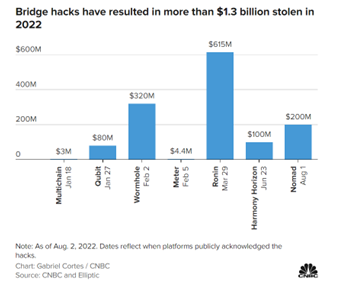
The introduction of Omnichain protocols aims to eliminate the trust required in traditional bridging.
LayerZero utilizes its "ultra-light nodes," which reportedly offer the security of light clients with the cost efficiency of intermediate chains. These ultra-light nodes rely on oracles and relayers to match block headers and message payloads. If they match, the transaction is delivered to the destination blockchain.
In the future, Omnichain may become one of the key trends driving the evolution of the cryptocurrency industry, and we look forward to further innovation and progress.
Join TechFlow official community to stay tuned
Telegram:https://t.me/TechFlowDaily
X (Twitter):https://x.com/TechFlowPost
X (Twitter) EN:https://x.com/BlockFlow_News






