Understanding Lyra Finance: A Guide to On-Chain Options
TechFlow Selected TechFlow Selected
Understanding Lyra Finance: A Guide to On-Chain Options
Lyra is an options (European-style) AMM protocol that allows users to trade cryptocurrency options on Optimism.
 Navigating Web3 tides with focused insights
Written by: bizyugo
Translated by: TechFlow intern
Options trading is one of the highest-volume products in global financial markets. Lyra brings this TradFi product on-chain to DeFi—now let’s dive into this protocol.
Disclaimer:
This is not financial advice. Cryptocurrency is a high-risk investment tool. The purpose of this article is purely educational. Please approach everything you read here with caution and DYOR!
Lyra is an options (European-style) AMM protocol that allows users to trade cryptocurrency options on Optimism. (I won’t go into explaining options here—please educate yourself!)
Option Pricing
Option prices are calculated using the Black-Scholes model, which considers the following parameters:
Underlying asset price;
Strike price;
Risk-free interest rate;
Time to expiration;
Implied volatility;
Yes, it's very complex—but don’t worry, all these calculations happen automatically in the protocol backend.
However, unlike standard spot AMMs, options have a more sophisticated pricing mechanism where prices dynamically change. Options with different strike prices, expiration dates, and implied volatilities will have varying prices.
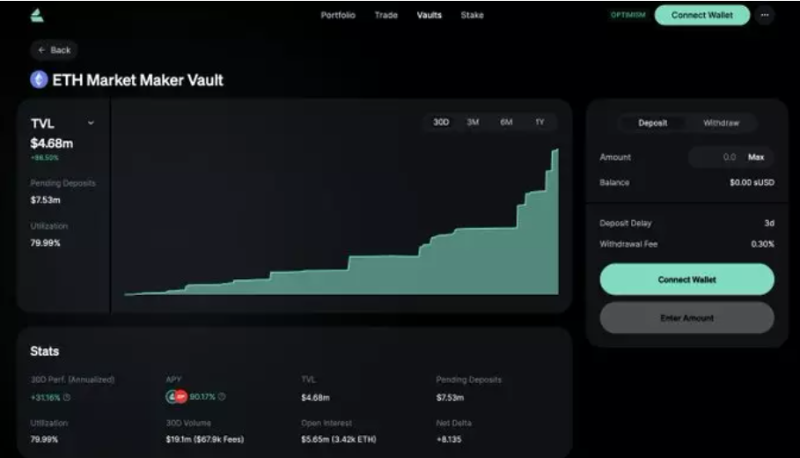
Market Maker Vault (MMV)
The MMV is a liquidity pool through which users trade options. Liquidity providers (LPs) supply liquidity by depositing $sUSD. Each MMV holds a single underlying asset. Currently, only $ETH options are available; $BTC, $AVAX, and $SOL options are coming soon.
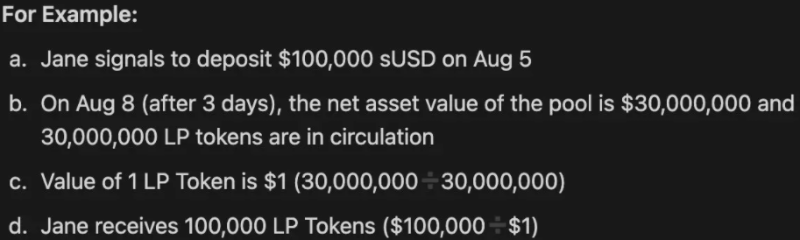
LPs can deposit or withdraw funds after a 3/7-day signing period. The process works as follows:
a. LP signs to indicate their intent to deposit or withdraw;
b. After 3/7 days, the protocol calculates the vault’s net asset value and total circulating LP tokens;
c. LP tokens are minted or burned accordingly.
To protect existing LPs, Lyra implements two safeguards:
1. Liquidity: Ensures at least 5% of the pool’s net asset value remains liquid for trading;
2. Volatility: Ensures option prices remain reasonable and close to market value.
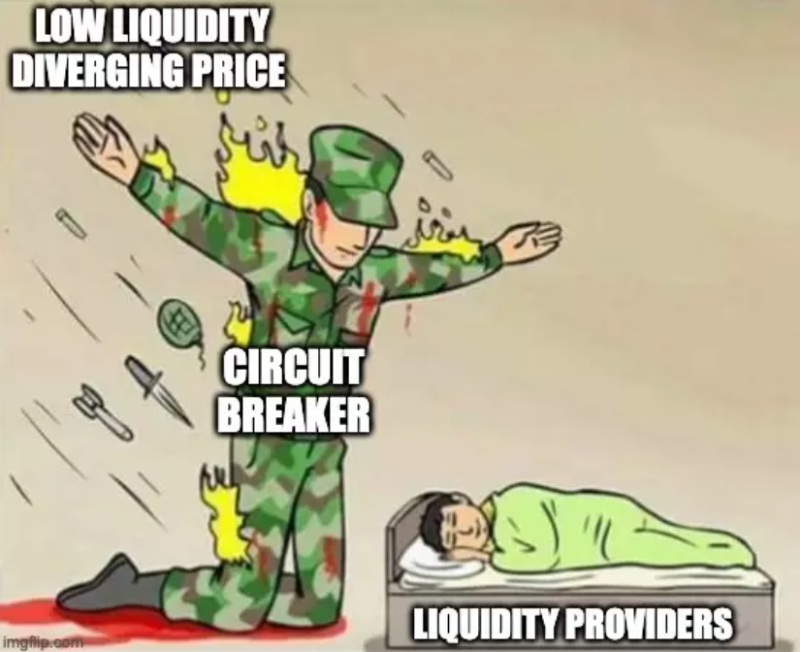
If either or both conditions fail, deposits and withdrawals are frozen. Once conditions are restored, there is a delay before resuming operations (3 days for liquidity issues, 1.5 days for volatility issues).
To mitigate prolonged fund freezes, Lyra has a Guardian Council—a multi-sig group of seven members who can approve withdrawals after sufficient time has passed.
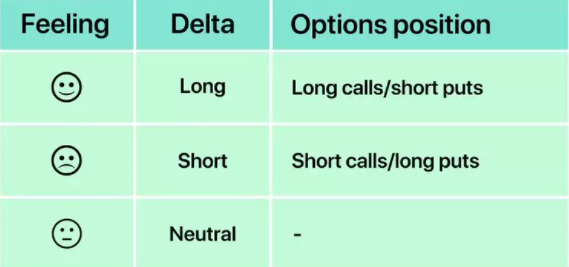
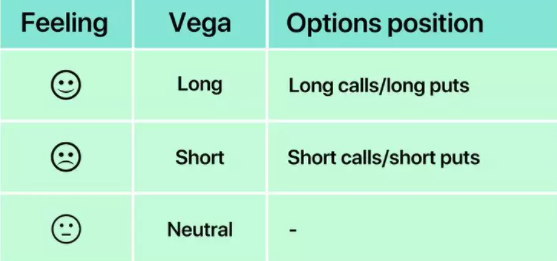
LPs also face Delta and Vega risks:
Delta: Risk associated with changes in the underlying asset price;
Vega: Risk related to changes in how option prices converge toward the underlying asset price (i.e., Implied Volatility or IV);
To minimize Delta risk, Lyra aims to keep the AMM close to Delta-Neutral. When trades occur on Lyra, automatic hedging against the relevant asset is executed via Synthetix. Since hedging incurs fees, it occurs every 6 hours—this prevents over-hedging while maintaining balance.
For Vega risk, Lyra charges additional fees on trades that increase Vega exposure, thereby discouraging excessive risk accumulation.
To ensure accuracy and high performance of this mechanism, Lyra enforces several rules:
Traders cannot trade options with less than 12 hours until expiry;
Traders cannot trade options whose Delta exceeds predefined thresholds.
Avalon Upgrade
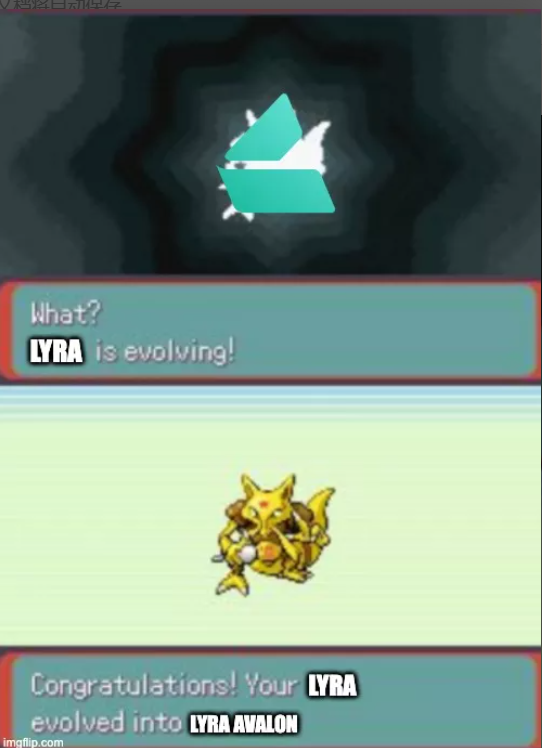
Lyra will support options with maturities ranging from 1 week to 3 months. This enhances the trading experience and provides integrators (external protocols) with a rich playground to explore innovative use cases.
Traders can partially collateralize their options, enabling them to sell options with 4–5x leverage relative to their capital. While this improves capital efficiency, it introduces liquidation risk—LPs benefit from liquidations.
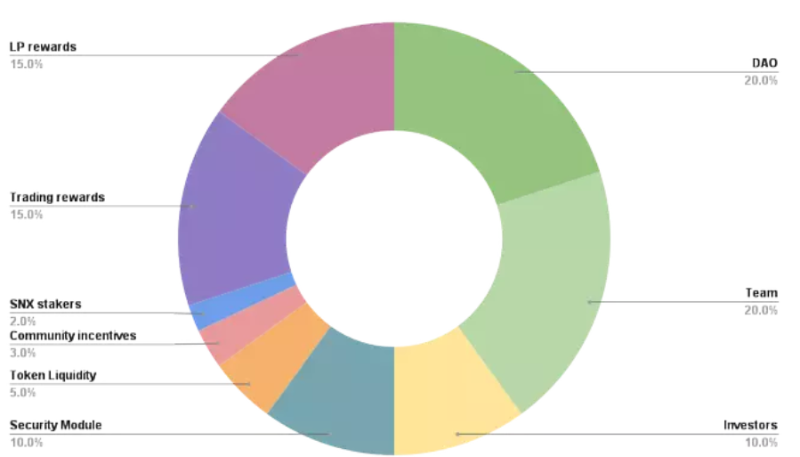
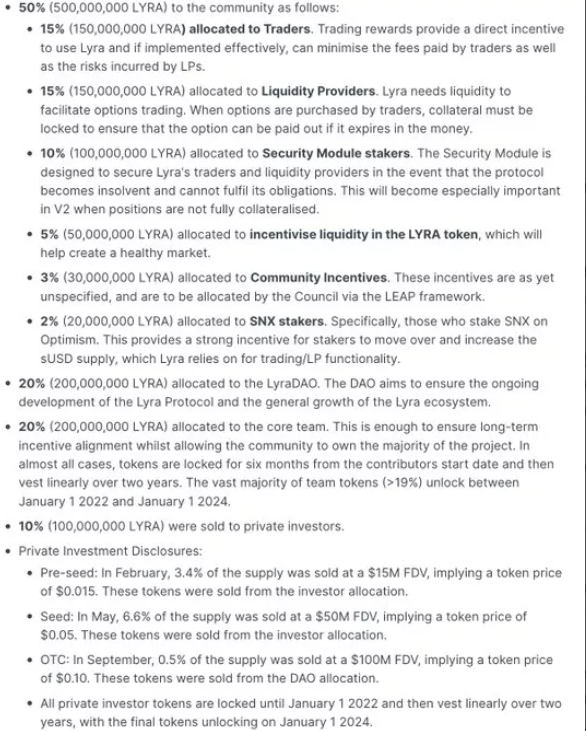
$LYRA is Lyra’s native protocol token, with the following utility functions:
Governance through election of the LYRA Council;
Serves as collateral in the security module to protect the platform;
Incentivizes network growth via trading and liquidity rewards.
Governance
The Lyra community is represented by the Lyra Council—five members elected by $LYRA token holders every four months.

Risks always exist in DeFi protocols:
Dependency on Optimism, Chainlink, and Synthetix;
Mechanical or technical errors may lead to losses;
Smart contract risks within Lyra;
Settlement and counterparty risks.
Now onto the earning part—yield farming opportunities:
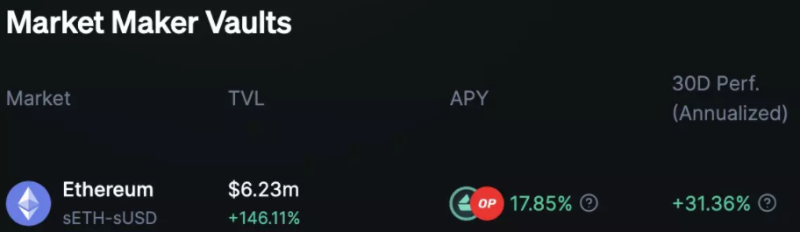
MMV LPs: Deposit $sUSD – APY ~18% ($LYRA & $OP);
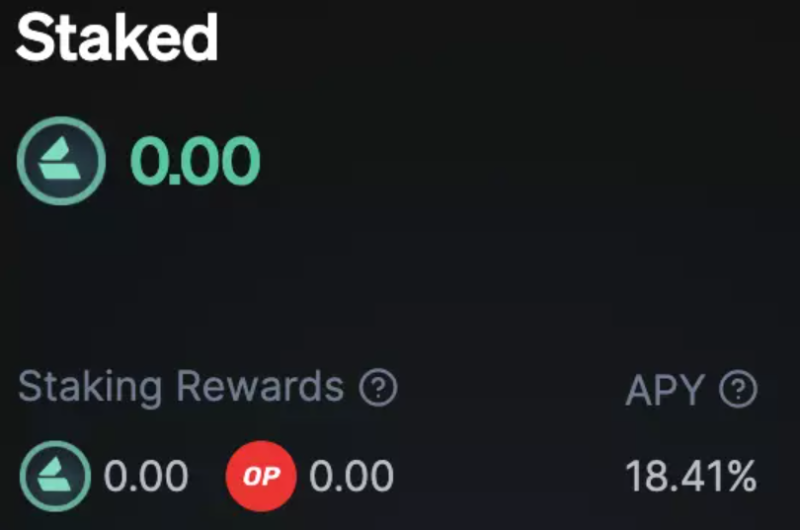
Staking: Stake $LYRA – APY ~18% ($LYRA & $OP);
$LYRA-$ETH: Provide liquidity on Uniswap v3 LP pool;
Important notes about yield incentives:
MMV Rewards: Earned LYRA is distributed at the end of each block in the form of $stkLYRA;
Staking Rewards: Earned LYRA is escrowed for 182 days before being released as $stkLYRA;
These restrictions do not apply to $OP rewards. Additionally, LPs can boost their share of treasury rewards proportionally to their $stkLYRA balance (up to a maximum 2x multiplier).
Join TechFlow official community to stay tuned
Telegram:https://t.me/TechFlowDaily
X (Twitter):https://x.com/TechFlowPost
X (Twitter) EN:https://x.com/BlockFlow_News