Apple, Tesla Launch on Solana: Can Tokenized Stocks Attract Crypto Users?
TechFlow Selected TechFlow Selected
Apple, Tesla Launch on Solana: Can Tokenized Stocks Attract Crypto Users?
24/7 trading, fractional ownership: crypto exchanges return to the stock tokenization battlefield.
 Navigating Web3 tides with focused insights
By: Jeffrey Gogo
Translation: Tim, PANews
Key Takeaways:
-
With $23.3 billion worth of real-world assets (RWA) tokenized and issued on-chain, more crypto-native platforms are reaching out to traditional finance.
-
Major trading platforms such as Kraken and Binance have launched tokenized versions of popular U.S. stocks like Apple and Tesla.
-
While some analysts believe tokenized stocks hold significant potential within the cryptocurrency space, others argue they will only succeed if focused on high-risk, highly volatile equities.
Kraken, a cryptocurrency exchange, has announced the launch of xStocks—tokenized versions of popular U.S. equities including Apple, Nvidia, and Tesla. This innovation integrates crypto with traditional finance, expanding blockchain's reach into the realm of real-world asset tokenization.
Now that crypto exchanges are increasingly aligning with traditional financial systems, can tokenized stocks succeed where previous attempts failed? And can they attract "degen" traders known for pursuing high-risk, high-volatility investments?
Ryan Lee, Chief Analyst at Bitget, told Cryptonews: "Tokenized stocks have tremendous potential in the crypto space because they enable fractional ownership, 24/7 trading, and enhanced liquidity via blockchain platforms."
Tokenized securities are digital representations of conventional stocks tradable on blockchains. In Kraken’s case, its portfolio of over 50 tokens and ETFs is built on the Solana blockchain.
Each xStock token is pegged to the value of its underlying stock, which is held in custody by Backed Finance—an institutional partner collaborating with Kraken on this initiative. For example, one Apple (AAPLx) token tracks the price of AAPL shares listed on Nasdaq and can be redeemed 1:1 for cash.
Investors do not need to directly own the physical stock; instead, they hold tokens representing ownership of the security. Kraken stated that these tokens are not available to U.S. customers and will only be offered in select markets outside the United States.
U.S.-based crypto exchanges offering tokenized stocks aren't pioneers in this field. Bybit recently launched similar products, while Binance—the world’s largest cryptocurrency exchange—attempted such offerings back in 2021 but quickly suspended them under pressure from Hong Kong regulators.
Is There Demand for Stock Tokenization in Crypto?
Tokenized stocks have yet to gain widespread adoption in the crypto ecosystem, but proponents believe these instruments could fundamentally transform how people participate in financial markets. As Bitget analyst Lee noted:
"The growing market appetite for products like tokenized stocks stems largely from retail investors’ demand for lower-barrier, more flexible access to traditional equity investment opportunities."
Sam MacPherson, co-founder and CEO of Phoenix Labs—the developer behind the decentralized lending protocol Spark—said tokenized securities “transform static, closed-market instruments into composable modules within the on-chain economy.”
“This technology enables round-the-clock global access, real-time settlement, and unlocks entirely new financial use cases,” MacPherson told Cryptonews, adding:
These applications span financial products such as collateralized lending and automated portfolio strategies, signaling a new phase of convergence between traditional finance and DeFi—ultimately leading toward an integrated financial system.
But not everyone shares this enthusiasm—at least not initially. Georgii Verbitskii, founder of DeFi service platform Tymio, remains cautious about which assets crypto traders will actually favor.
In an interview with Cryptonews, Verbitskii said that for tokenized stocks to succeed, their listing strategy must be tailored specifically to the preferences of crypto investors—focusing on what he calls “trend-driven or uncorrelated assets.”
“Despite promising prospects in theory, actual demand will heavily depend on the types of assets exchanges choose to list,” Verbitskii pointed out. “On crypto trading platforms, highly volatile meme stocks may prove far more attractive than stable blue-chip names.”
He added: “Think GameStop rather than Nvidia or Microsoft. The latter tend to exhibit lower volatility and thus appeal less to crypto traders, whereas high volatility tends to draw greater interest.”
In recent years, crypto investors have shown strong preference for assets built around meme culture or possessing speculative upside potential.
For instance,网红 stock influencer Keith Gill—who goes by Roaring Kitty on Twitter and YouTube, and DeepFxxingValue on Reddit’s WallStreetBets forum—gained fame for his bullish bets on GameStop, sparking intense retail trading activity, including among cryptocurrency investors.
In January 2021, GameStop’s share price surged 1,600% due to Gill’s social media posts, inflicting massive losses on hedge funds shorting the Texas-based video game retailer.
This frenzy extended to other meme stocks like AMC Entertainment and spilled over into the crypto market, where traders created new meme tokens inspired by companies such as GameStop and AMC.
Tokenized Stocks Target $250 Billion Market: Regulatory Hurdles Ahead
Verbitskii believes tokenized commodities such as gold or silver are more likely than tokenized equities to “generate strong interest” within the crypto ecosystem.
“These assets attract investors seeking diversification or hedging tools, and there are already precedents,” he said, citing FTX—the now-defunct crypto exchange that launched perpetual gold futures before its spectacular collapse in 2022.
Experts note that Kraken’s move into tokenized securities represents a fresh attempt to bridge crypto and traditional finance. However, the key to success lies in meeting regulatory requirements across jurisdictions where xStocks are offered.
Binance’s 2021 failure with tokenized stocks was primarily due to compliance issues—it lacked proper securities trading licenses. Regulators in Hong Kong also raised questions about the custody arrangements for its stock tokens.
Analysts warn that without public trust, tokenized stocks could become a regulatory time bomb. Kraken’s partnership with regulated tokenization platform Backed Finance aims to proactively address such concerns.
“xStocks were designed from the ground up to meet these regulatory challenges,” Adam Levi, co-founder of Backed, told Cryptonews via email.
“They are fully backed 1:1 by the underlying shares, issued under an EU prospectus compliant with MiFID II regulations, include full investor disclosure terms, and operate within a clear legal and regulatory framework—setting institutional-grade standards for tokenization.”
Levi added that xStocks provided by Kraken are fully compliant with regulations in Jersey, Switzerland, and the European Union.
He expects demand for tokenized stocks to “grow substantially over time,” predicting the sector could follow the trajectory of stablecoins and expand into a $250 billion market within the coming years. He said:
The infrastructure is ready, demand is rising rapidly, and the transformation is unstoppable.
Democratizing Real-World Assets
Once viewing regulation as heresy against Bitcoin, the crypto industry is now testing its ability to innovate within regulatory frameworks through new products like those launched by Kraken and Backed. Several firms have begun offering security-style tokenized stock services.
Dubai-based tokenized securities exchange Allo has completed the tokenization of $2.2 billion in real-world assets, covering 11,000 U.S. stocks and ETFs. Users can purchase on-chain shares of Bitcoin-heavy firms such as MicroStrategy, Tesla, and Google via the platform.
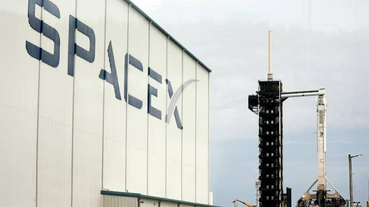
Kingsley Advani, CEO of Allo, said the company has already tokenized over a thousand pre-IPO companies—including SpaceX, OpenAI, and Anthropic, all associated with Elon Musk.
“Investors gain faster, lower-barrier access to these assets, democratizing investment in real-world holdings,” Advani noted. Tokenization enhances liquidity on his platform, broadens investment avenues for smaller investors, and accelerates settlement times.
He reiterated that tokenization improves platform liquidity, expands access for small investors, and speeds up settlement.
For example, stock fractionalization—the process of splitting shares into smaller, tradable tokens—lowers capital entry barriers and attracts more participants, Advani said.
Today, international investment banks can settle trades in “seconds or minutes,” compared to the two-day minimum required under legacy brokerage models. “This reduces counterparty risk and increases capital efficiency,” said the Allo CEO.
Advani did not confirm whether Allo had faced pushback from U.S. or EU regulators but mentioned the firm employs a “proudly compliant team” with experience navigating U.S. market regulations.
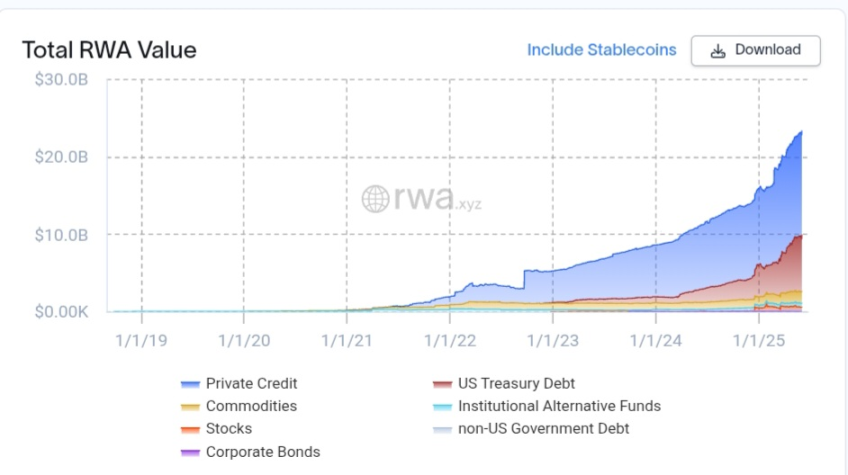
According to data from RWA.xyz, the total value of RWA issued on-chain currently stands at $23.3 billion. The figure shows nearly a 6% increase over the past 30 days.
Join TechFlow official community to stay tuned
Telegram:https://t.me/TechFlowDaily
X (Twitter):https://x.com/TechFlowPost
X (Twitter) EN:https://x.com/BlockFlow_News
 @cryptonews