Pump.fun founder accidentally shows face on podcast, related memes swiftly "taken down"
TechFlow Selected TechFlow Selected
Pump.fun founder accidentally shows face on podcast, related memes swiftly "taken down"
Opening with three minutes of diss, Bankless got criticized again.
 Navigating Web3 tides with focused insights
Author: shushu
When Ethereum purists met Solana's most successful anonymous developer, a conversation meant to explore product philosophy turned into a trial over whether meme coins should exist at all.
Anonymous Founder’s Identity Exposed
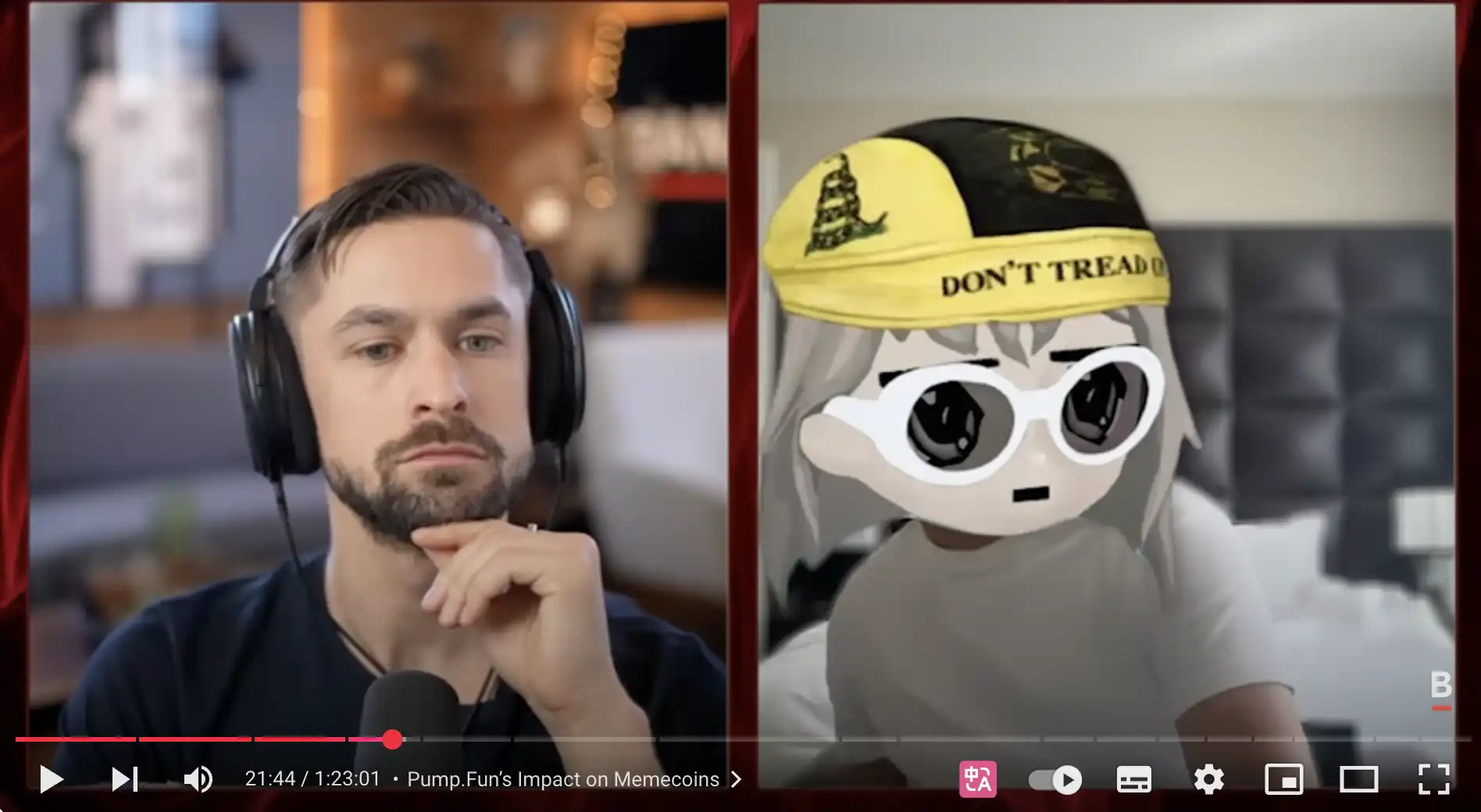
Recently, Pump.fun founder Alon appeared on the "Ethereum-aligned" podcast Bankless. At 21 minutes and 44 seconds into the episode, he briefly revealed half of his face—prompting the community to quickly piece together his full likeness.
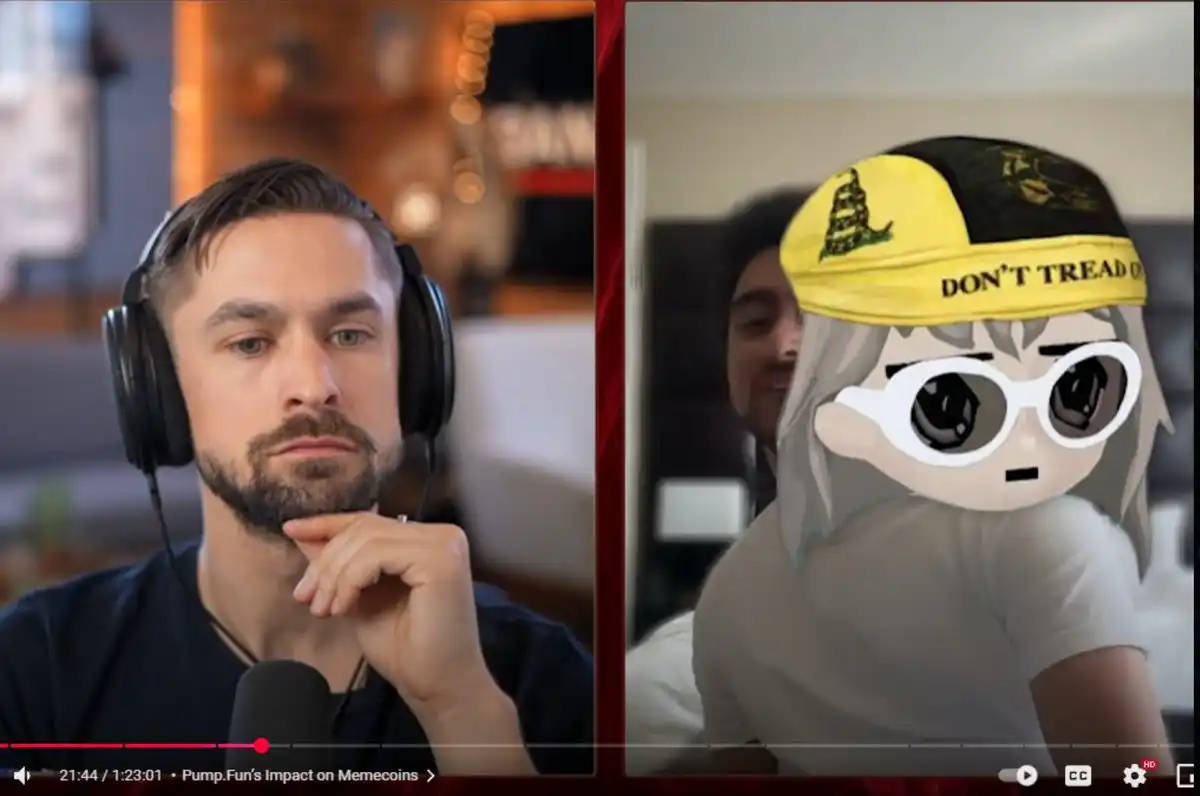
The community swiftly launched an eponymous meme coin named *alon* on Pump.fun, though ironically, Pump.fun itself removed the meme's profile picture.
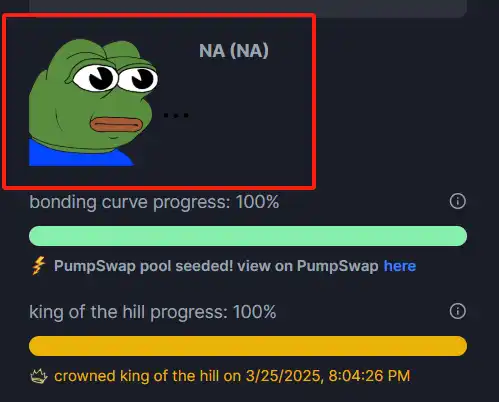
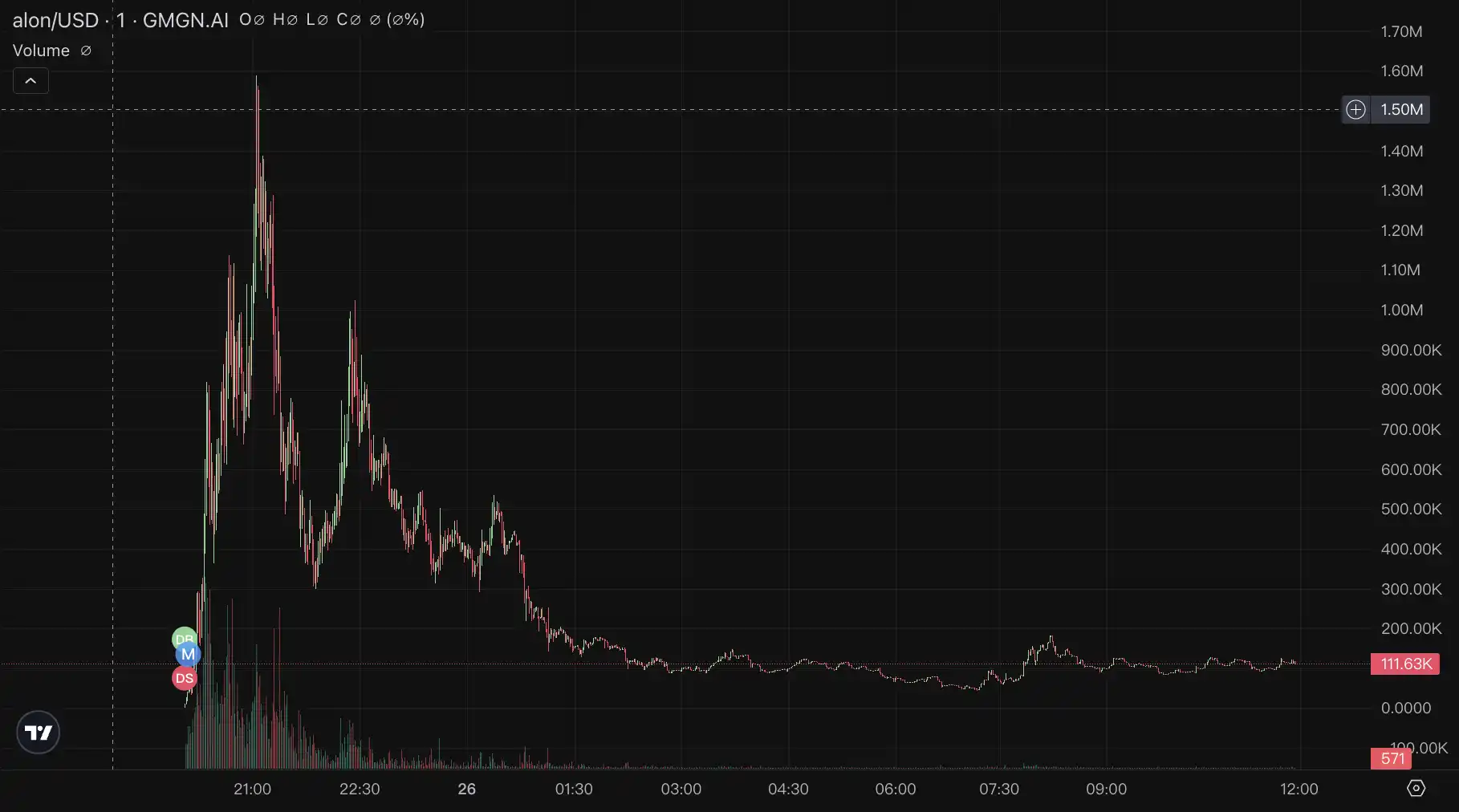
The meme coin also had a short-lived existence.
As of now, the frame showing Alon’s face has been removed from the Bankless episode.
Controversial Podcast Opening: Good Intentions, Bad Outcome?
Pump.fun has long operated under a veil of mystery, with few public discussions about how it rose to become the cycle’s most product-market-fit and profitable application.
Last year, Alon gave a rare in-depth interview to Threadguy, offering one of the only windows into Pump.fun’s origins. With the recent launch of PumpSwap, Alon returned to the spotlight with an appearance on the crypto podcast Bankless.
During the episode, Alon discussed 4chan aesthetics, Pump.fun’s content moderation policies, introduced the new PumpSwap platform and creator revenue-sharing model, addressed competition with Raydium, and shared his views on attention, content, and the future of meme coins.
However, the episode sparked backlash—primarily due to host David’s opening remarks.
David began by acknowledging that some listeners might find it surprising for Pump.fun—the most successful app in the Solana ecosystem—to appear on an Ethereum-centric show like Bankless, especially given Bankless’ longstanding stance against meme culture, which it views as market-destructive.
Below are David’s exact words:
“In this interview, I tried to give Alon a fair chance to express his views on meme coins, while not shying away from reality—that Pump.fun sits at the forefront of one of the most predatory market cycles in our industry’s history, leaving behind a trail of destroyed capital.
What started as perhaps a relatively harmless, fun metagame eventually evolved into a structured, systemic value extraction mechanism—one where wealth ultimately flows to only a tiny fraction of participants.
Approaching this interview with caution, I spoke with Alon.”
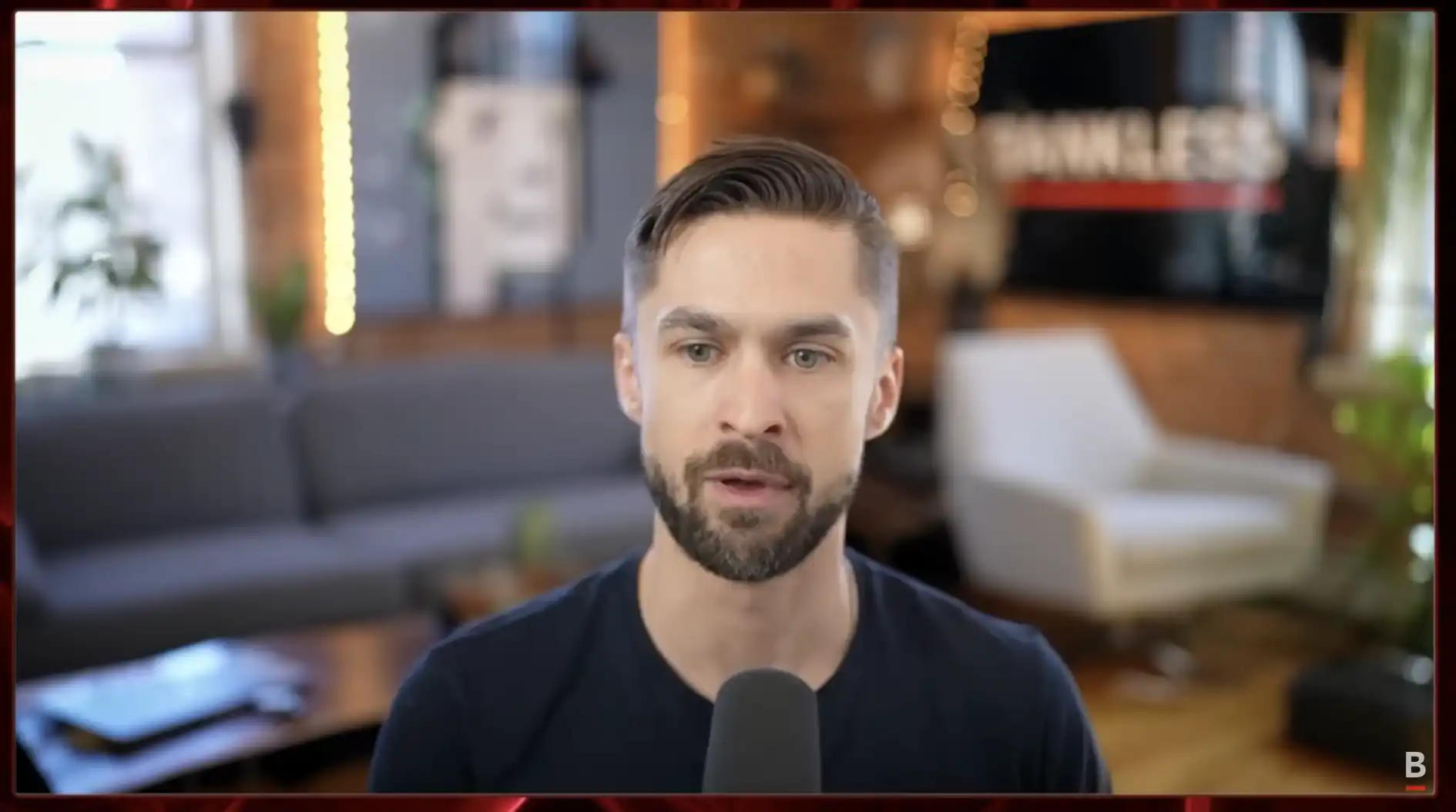
In other words, before the interview even began, the host had already adopted a critical stance, viewing Pump.fun with deep skepticism. On one hand, David questioned whether giving Alon a platform was justified, given how many people may have lost money through the platform. On the other, he suggested Pump.fun might be using Bankless to rehabilitate its image—especially since they’ve just launched Pump Swap, a new AMM DEX on Solana, signaling a strategic pivot.
“I’d never met him before, and I’ve long been wary of certain negative externalities this project might enable. I wasn’t sure if platforming such a project was appropriate, especially if it could lead to harmful outcomes for users. I also had to consider another possibility—was Pump.fun trying to use Bankless to whitewash its reputation? After all, they’ve just launched Pump Swap, attempting a product-led transformation.
Throughout this interview, I couldn’t shake off thoughts of ‘Operation Berkshire’—if you’re unfamiliar, it was a tobacco industry conspiracy: major cigarette companies colluded to deny smoking’s health risks, funded pro-tobacco research, undermined scientific consensus, and manipulated policy and public opinion to sustain industry growth.”
Many in the community criticized the tone of the podcast’s introduction, arguing that if Pump.fun were built on Ethereum, it would likely have been treated very differently.
Pump.fun is merely a token issuance platform—it doesn’t control how users deploy it, and it charges lower fees than any past or present competitor (remaining low-cost years later, only achieving profitability through scale). Moreover, its founder is among the most successful consumer-focused entrepreneurs in crypto history. Yet, in the Bankless intro, he was portrayed almost as a criminal—though granted a “fair” platform to speak. How generous.
This is the most hypocritical podcast intro I’ve ever seen. They engage in a thoughtful dialogue with the founder during the show, yet in the pre-recorded intro, they attack his project’s impact and question his motives. If this is how Bankless treats guests, why would any founder ever want to appear on their show?
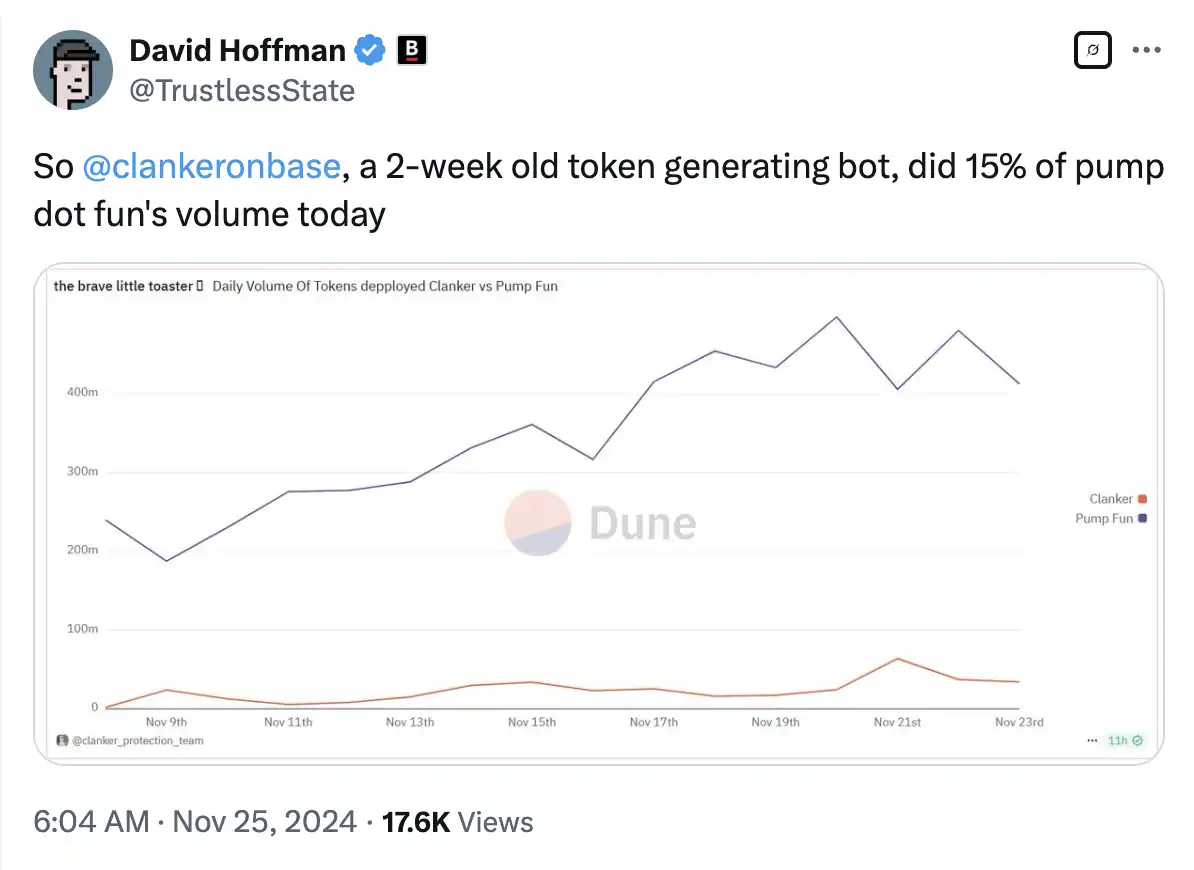
In November last year, David posted: “A two-week-old token-generating bot today accounted for 15% of pump dot fun’s trading volume.” Clearly, Base’s Clanker appears far more “politically correct” in David’s social media feed.
Back to the podcast: even after recording, David added a post-produced intro asserting that meme coins are fundamentally akin to tobacco’s effect on public health—an “inevitably harmful product”—and that anyone working at Pump.fun would naturally be incentivized to deny this.
The following passage is precisely why David was accused of hypocrisy—attempting to appear neutral on a values issue is, in essence, a form of moral evasion.
“We’re still early in crypto, and meme coins even more so. The future hasn’t been written. Will future meme coins evolve into productive financial tools, or will they remain the ‘drugs’ of the market? Ultimately, this depends on the leaders within the meme coin space. Whether we like them or not—whether they’re the ‘cancer of crypto’ or the ‘starting point of a fairer financial future’—the final outcome remains unwritten.”
It feels meaningless to debate the legitimacy of meme coins when Pump.fun has already generated over $600 million in revenue. During the interview, David asked Alon: if he could go back to the start of the meme coin frenzy, would he do anything differently to make it more sustainable?
Alon replied: “If the nature of crypto is inherently speculative, then when market sentiment turns manic, there’s actually very little you can do.”
David’s question reflects a top-down, regulatory mindset—an elite-driven approach hoping to shield the market from the chaos of memes and PVP gambling, as if we need “wise stewards” to tame retail exuberance. Alon’s response cuts straight to crypto’s core ethos: it’s supposed to be a permissionless open experiment, no matter how messy the outcome.
This minor controversy highlights the long-standing divide in the crypto industry. Ethereum’s “establishment” tries to impose a framework of “responsible finance” on markets, ignoring crypto’s original rebellious DNA. Meanwhile, Solana’s “barbarians” embrace raw market forces—even if they bring bubbles, scams, and violent wealth redistribution.
Toward the end of the podcast, David asked Alon why he chose Bankless over the many Solana-native podcasts available. Alon responded: “Our harshest critics largely come from the Ethereum ecosystem, and I wanted them to realize we actually share many common values. So many debates get bogged down in trivial details, and Twitter isn’t an ideal platform—it algorithmically amplifies anger and encourages opposition. It’s no surprise there’s such a massive misunderstanding between Ethereum, Solana, and even projects like Pump.fun. One of my main reasons for doing this interview was to bridge that gap.”
Perhaps the future of media isn’t about judging projects “correctly,” but about becoming translators of on-chain value and builders of cross-ecosystem dialogue.
Join TechFlow official community to stay tuned
Telegram:https://t.me/TechFlowDaily
X (Twitter):https://x.com/TechFlowPost
X (Twitter) EN:https://x.com/BlockFlow_News
 BlockBeats