Billionaire Charles Hoskinson: From Ethereum Pioneer and Cardano Founder to a Versatile Polymath
TechFlow Selected TechFlow Selected
Billionaire Charles Hoskinson: From Ethereum Pioneer and Cardano Founder to a Versatile Polymath
The story of Cardano founder Charles Hoskinson has undoubtedly become an important chapter in the world of cryptocurrency.
 Navigating Web3 tides with focused insights
Author: Zen, PANews
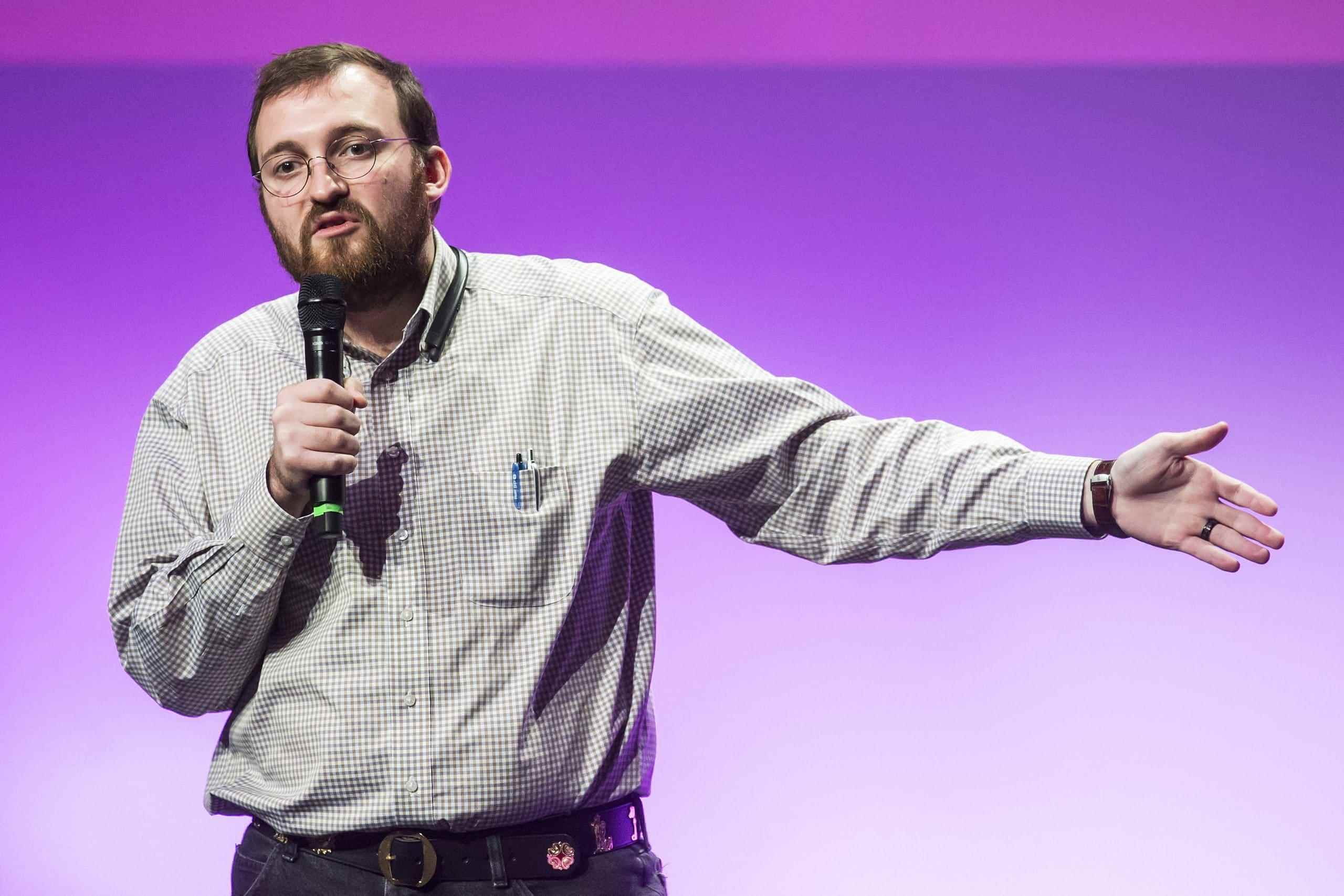
With ADA designated by Trump as part of a cryptocurrency strategic reserve, Cardano and its founder Charles Hoskinson have once again become media sensations. As an early Bitcoin evangelist, founding member of Ethereum, and creator of Cardano—already a billionaire—Charles has in recent years often been known for unconventional pursuits: funding efforts to find extraterrestrial civilizations, establishing medical research institutions, and even managing a vast ranch involved in traditional livestock farming. As Cardano regains attention within the industry, it’s worth revisiting Charles’s story.
Early Believer and Evangelist of Bitcoin
In 2008, Charles Hoskinson was studying mathematics and analytic number theory at university. Beyond math, he also had a keen interest in monetary policy. That same year, he participated in Republican Congressman Ron Paul’s "Campaign for Liberty." Ron Paul advocated abolishing the Federal Reserve, arguing that rather than controlling inflation, it was actually the root cause of inflation, economic depressions, and the erosion of personal wealth. A few years later, when he first heard about Bitcoin, Charles didn’t take it seriously—he believed a currency's success depended not on technology or dreams, but on how many people were willing to use it.
It wasn’t until 2013 that Charles changed his mind, coming to believe Bitcoin would transform human financial transactions, business relationships, corporate behavior, property rights verification, and democratic systems. He began buying Bitcoin, mining, and founded the “Bitcoin Education Project,” offering free online courses covering everything from monetary policy to blockchain technology. He also partnered with Bitcoin Magazine.
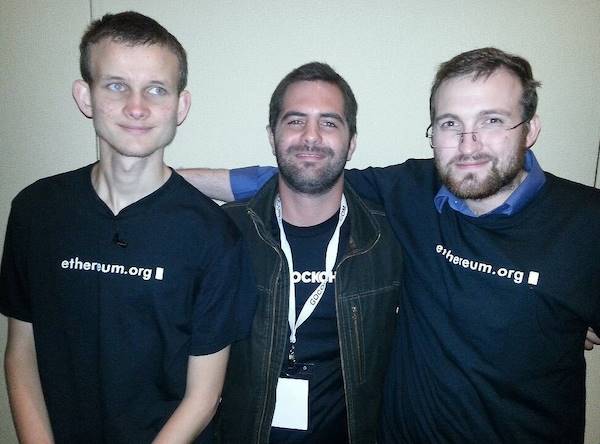
At the time, Bitcoin was still in its infancy, with a small community where connections among insiders were easy to establish. With enough passion, one could quickly enter the inner circle—and Charles was one such figure. During this period, he met several early Bitcoin evangelists and technical experts through offline meetups, and launched his first entrepreneurial venture—a decentralized exchange platform called Bitshares.
Bitshares was co-founded by Charles and Daniel Larimer (later the creator of EOS, nicknamed “BM”), but they eventually parted ways due to differing visions. Charles believed that bringing in venture capital meant company decisions should be accountable to shareholders, and that diverse perspectives benefited development, while BM preferred autonomous decision-making without external interference. In the early days, BM’s father Stan Larimer was also involved in Bitshares, and Charles even lived in an apartment provided by Stan. When disagreements arose, Charles had no choice but to leave.
The Hasty Exit of Ethereum’s Founding “Elder”
In October 2013, Anthony Di Iorio of the Canadian Bitcoin Alliance and Mihai Alisie of Bitcoin Magazine invited Charles and the future Ethereum founder Vitalik Buterin to begin conceptualizing a programming language ecosystem for blockchain applications. Later, Gavin Wood, Jeffrey Wilcke, Joe Lubin, and others joined the discussions.
In January 2014, during the North American Bitcoin Conference in Miami, Ethereum was born in a beachside cabin rented by Anthony, attended by nearly thirty people. At this point, as Ethereum’s CEO, Charles had quietly transitioned from crypto evangelist to core industry participant.
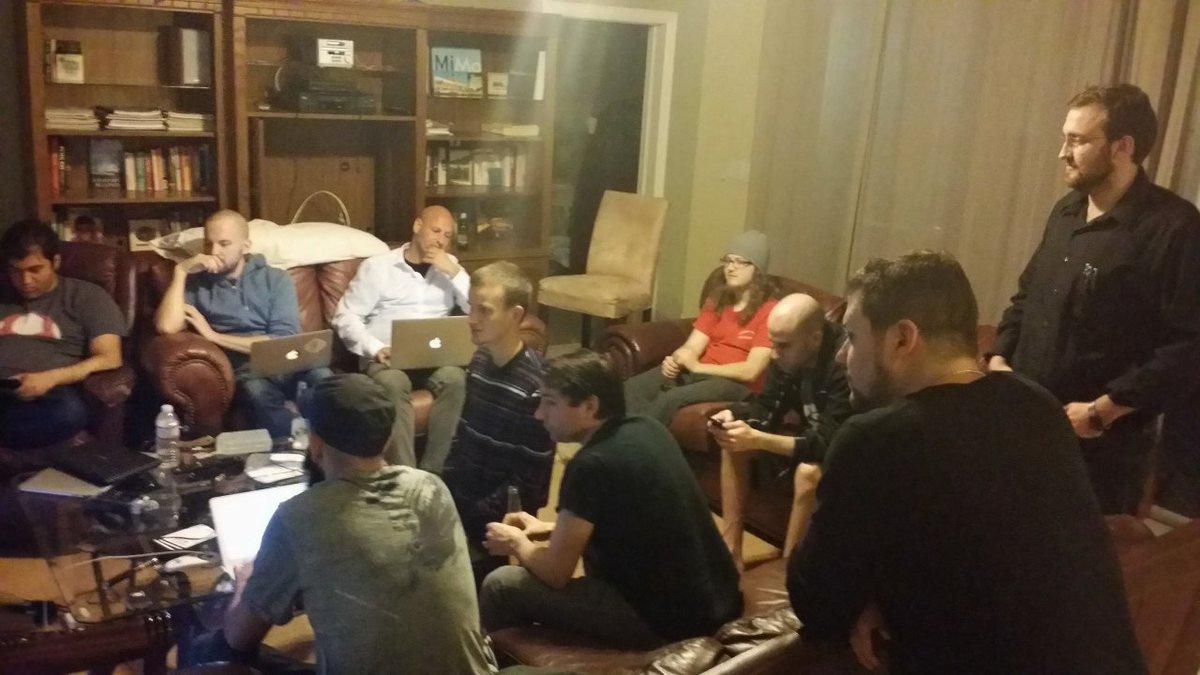
However, as Ethereum rapidly advanced in development, it faced a critical management decision: should it become a for-profit enterprise or operate as a non-profit? This sparked intense debate within the founding team. Charles argued Ethereum should follow Google’s model—establishing a for-profit company to secure more resources and accelerate growth. Vitalik, however, insisted Ethereum must uphold decentralization principles and adopt a non-profit structure, a long-term vision supported by most team members.
Ultimately, due to irreconcilable differences, Charles chose to leave, and his title as Ethereum CEO was effectively voided. At that point, Ethereum had existed for only about six months. Years later, reflecting on his stance at the time, Charles admitted that perhaps Vitalik’s non-profit model was indeed the better path for Ethereum. History proved him right—the success of Ethereum owes much to community-driven momentum and open-source ecosystem growth.
New Journey: Charles and His Cardano “Independent Kingdom”
According to Charles, after leaving Ethereum, he considered returning to academia to complete his PhD. But fate had other plans. During this reflective period, he reconnected with Jeremy Wood, a former colleague from the Ethereum days. The two quickly aligned and co-founded IOHK (Input Output Hong Kong), a company focused on blockchain and cryptocurrency engineering and research.
In the early days, they invested only a few thousand dollars, but soon secured numerous blockchain development contracts, receiving payments in Bitcoin. Fortunately, a major Bitcoin bull market followed, allowing IOHK to generate substantial profits. This gave them enough capital to independently develop their own blockchain without relying on external funding—thus, Cardano was born. Notably, when launching Cardano in 2017, Charles firmly rejected venture capital, believing outside investment would violate the core principle of “decentralization” in crypto. He argued VCs typically extract “their share of profits” upfront, which contradicts the open spirit of cryptocurrency.
As Cardano grew rapidly, IOHK gained sufficient funds to sponsor research labs at the University of Edinburgh and Tokyo Institute of Technology, ultimately leading to the creation of the Ouroboros consensus protocol—the core mechanism behind the Cardano blockchain. In 2018, Cardano announced a collaboration with the Ethiopian government to explore blockchain applications. However, the subsequent bear market plunged the entire crypto industry into a slump, and Cardano entered a prolonged period of stagnation. It wasn’t until 2021 that Cardano gradually recovered alongside the broader market, with its Ada token rising above $2—the highest price in its history.
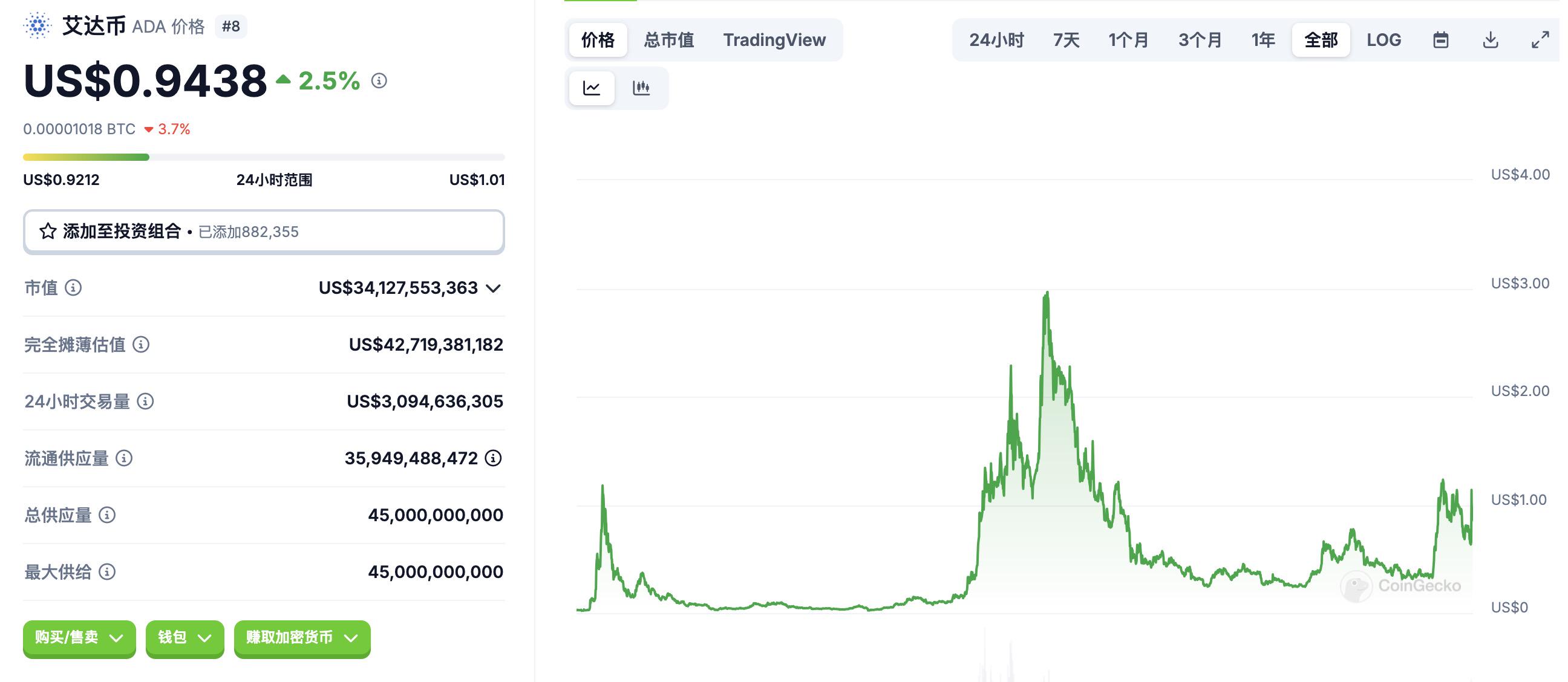
Notably, compared to other Layer 1 platforms like Ethereum and Solana, Cardano lags significantly in transaction volume and user activity, frequently drawing criticism as a “zombie chain”—accused of surviving solely on the popularity of its founder. Nonetheless, as of March 6, Cardano (Ada) boasts a fully diluted market cap of $42.7 billion and a circulating market cap exceeding $34 billion.
Cardano’s strong popularity in Japan, where it’s even dubbed the “Japanese Ethereum,” is largely tied to its early fundraising model. Reports indicate nearly 95% of participants in Cardano’s public sale were Japanese investors, often retirees—“retirement investments.” This was because the sale was led by Emurgo, a Japanese company, and Japan’s regulatory environment was relatively more lenient than in Europe or the U.S. at the time, leading many to mistakenly view Cardano as a Japanese project. However, as U.S. crypto policies become increasingly open, Cardano is gradually shedding its Japanese image.
Political Bets: From RFK Jr. to Trump
In April 2024, Charles Hoskinson announced support for Robert F. Kennedy Jr. (RFK Jr.) in the U.S. presidential race. Charles felt resonance between RFK Jr.’s views—that intelligence agencies, tech platforms, and regulators have overstepped their authority—and the libertarian foundations of his own blockchain work. He praised Kennedy’s nuanced positions on immigration and drug regulation. In August 2024, after Kennedy dropped out and endorsed Trump, Charles also became a Trump supporter.
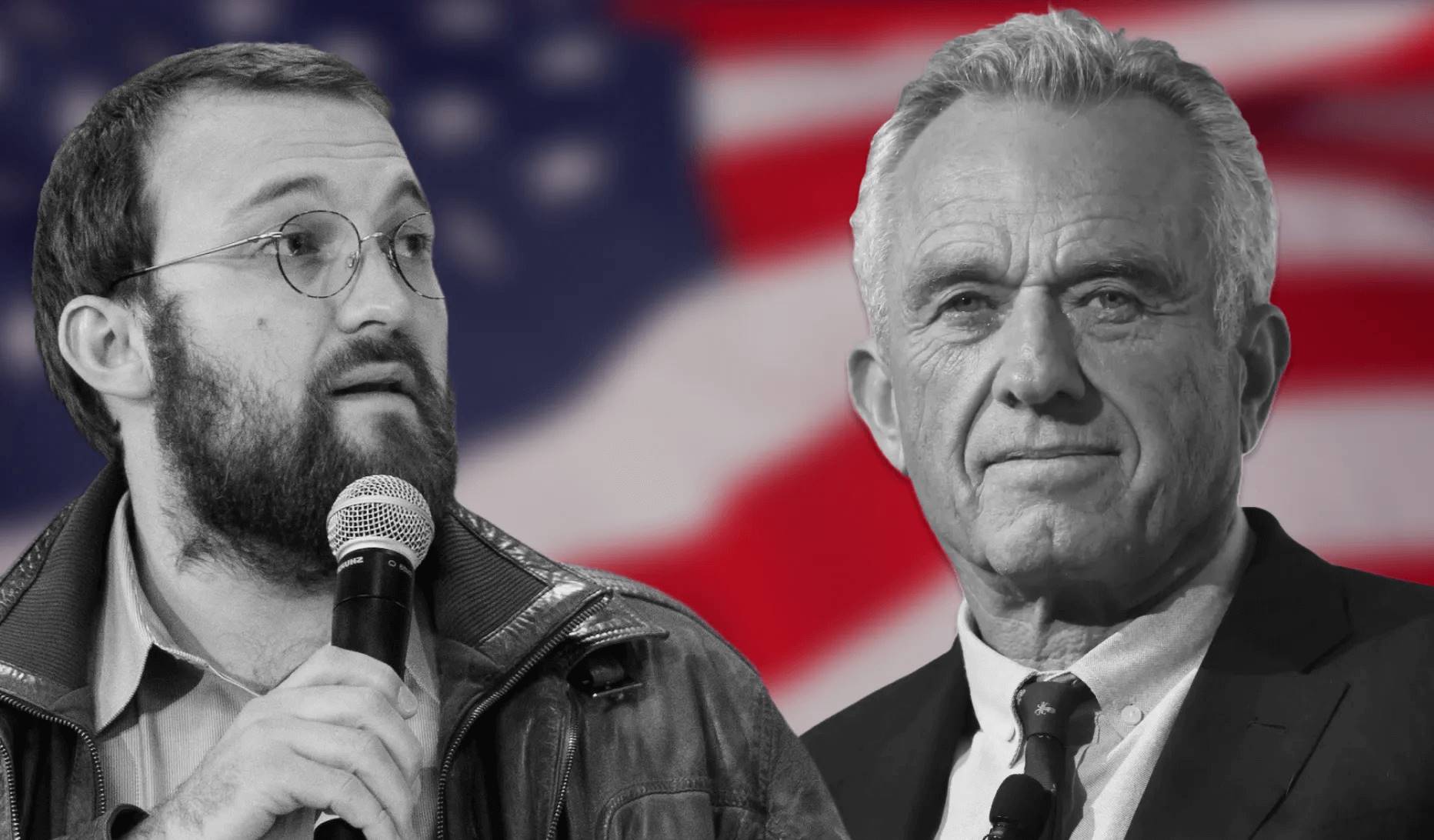
On November 9 last year, shortly after Trump’s election victory, Charles announced on his podcast that he would spend much of the following year working with the Trump administration to establish clear regulations for the crypto industry, alongside other industry leaders. Upon release of the news, ADA surged—rising over 40% within 24 hours, reaching a seven-month high above $0.60.
On March 2, President Trump announced via social media that his executive order on digital assets directed a presidential task force to advance a cryptocurrency strategic reserve including XRP, SOL, and ADA. Trump also declared his intent to make the U.S. the global hub of cryptocurrency and to “make America great again.” Following the announcement, ADA spiked sharply, climbing from $0.65 to over $1.10.
Charles later responded that he had no prior knowledge of “Trump’s team seeking to include ADA in the crypto reserve.” “We literally knew nothing about it, and no one consulted us. When I woke up on March 2, I received 150 congratulatory messages—but had no idea what had happened.” Given that Charles was not invited to the White House Crypto Summit on March 8, it appears even he was caught off guard by the sudden resurgence of “ADA greatness.”
The “Distracted” Polymath: Aliens, Cattle Ranching, and Plant Genetic Engineering
After achieving great success in cryptocurrency and blockchain and becoming a billionaire, Charles Hoskinson actively engaged in philanthropy. In 2021, he donated approximately $20 million to Carnegie Mellon University to establish the “Hoskinson Center for Mathematics.” Additionally, in 2023, he funded a $1.5 million expedition with Harvard astrophysicist Avi Loeb to Papua New Guinea, searching for fragments of a meteorite that crashed into the Pacific Ocean in 2014. The results were inconclusive—Loeb’s team claimed to have discovered tiny metallic spheres possibly created by extraterrestrial life, but according to the American Astronomical Society, the chemical composition identified closely resembled man-made coal ash.
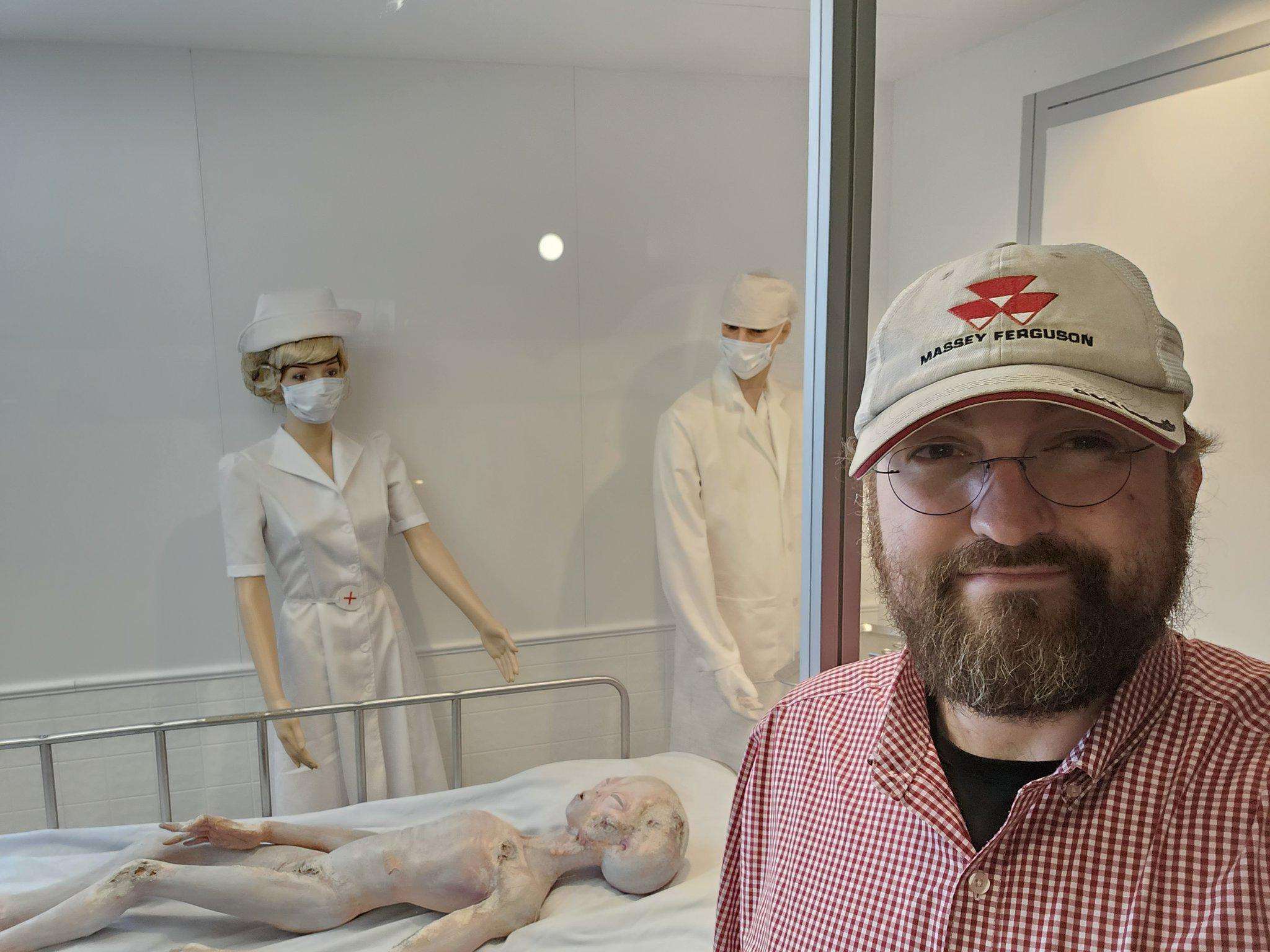
Beyond the search for alien life, Charles’s ventures span a wide range—including livestock farming, dining, healthcare, plant genetic engineering, and private jet leasing.
Charles owns an 11,000-acre ranch near Wheatland, Wyoming, where he raises over 500 bison. Since nearby towns lacked quality dining options, he opened Nessie Restaurant and Whiskey Lounge in Wheatland. Charles emphasized that his restaurant would be crypto-friendly. Additionally, coming from a family of doctors (both his father and brother are physicians), Charles established the Hoskinson Health & Wellness Clinic in Gillette, Wyoming, focusing on anti-aging and regenerative medicine, reportedly costing $18 million.
“If you want to solve global warming or improve the environment, engaging in plant genetic engineering makes sense,” Charles said. In recent years, he has become fascinated with bioluminescent plants, stating that genetically modified plants could provide organic lighting, sequester carbon, remove toxic chemicals, and deliver other environmental benefits. According to Charles, his team has successfully engineered species including tobacco and Arabidopsis thaliana.
However, a report revealed that in 2022, Charles’s private jet flew 562 hours, covering approximately 456,000 kilometers—more than the distance between Earth and the Moon at its farthest point. His private aviation emissions ranked among the top 15 in the U.S., exceeding those of billionaires and Hollywood celebrities like Mark Zuckerberg and Kim Kardashian. Charles explained that since his jet was high-performing, he partnered with a third party to rent it out to private clients, including rock band Metallica and Hollywood star Dwayne “The Rock” Johnson.
On the topic, Charles joked in a video: “My personal energy consumption might be quite high—not just because I own a jet, but also because I run a large ranch in Wyoming with 500 bison.”
A Controversial Pioneer of Blockchain—Or One With Fabricated Credentials?
Last August, before Robert F. Kennedy Jr. withdrew from the race, he conducted an interview with Charles. Before airing, it drew widespread criticism, with many complaining that RFK Jr. shouldn’t be speaking with a “scammer.”
Fame attracts controversy, and Charles Hoskinson has long been a polarizing figure. In her book *The Cryptopian*, which delves deeply into Bitcoin’s early history, prominent crypto journalist Laura Shin criticized and questioned Charles. She pointed out there is no evidence he ever pursued a PhD—his highest verified degree may only be a bachelor’s. Laura also accused Charles of inflating his résumé, falsely claiming affiliations with the CIA and DARPA (Defense Advanced Research Projects Agency)—claims whose authenticity remains dubious.
In response, Charles mocked on social media: “That book is a decent piece of fiction, though it still has a long way to go before surpassing Tolkien (*The Hobbit*, *The Lord of the Rings*) or George R.R. Martin (*A Song of Ice and Fire*).” Laura fired back, stressing that all her content underwent rigorous fact-checking.
Controversy aside, the currently surging Cardano continues to evolve. While its technological capabilities and market positioning remain subjects of debate from various angles, Charles—as a pivotal figure in the blockchain industry—undoubtedly occupies a significant chapter in crypto history, regardless of whether his past claims hold true or his choices were right or wrong.
Join TechFlow official community to stay tuned
Telegram:https://t.me/TechFlowDaily
X (Twitter):https://x.com/TechFlowPost
X (Twitter) EN:https://x.com/BlockFlow_News
 PANews