CNS Mainnet Launch: A Key Catalyst for Cardano Ecosystem Growth
TechFlow Selected TechFlow Selected
CNS Mainnet Launch: A Key Catalyst for Cardano Ecosystem Growth
With the CNS mainnet launching on May 7, 2024, it is expected to unlock a new wave of wealth effects within the Cardano ecosystem.
 Navigating Web3 tides with focused insights
"Cardano Connet (CNS) is the identity layer infrastructure of the Cardano ecosystem. With the launch of the CNS mainnet, it will become a crucial piece of Cardano's Web3 architecture and serve as a key catalyst for the explosive growth of the Cardano ecosystem."
The on-chain identity layer is becoming an essential foundational infrastructure across various blockchain ecosystems. In fact, since DeFi Summer, on-chain activities and applications have gradually become the mainstream value drivers in the crypto industry. Everyone actively engages in transactions through on-chain facilities, hoping to generate returns from potential on-chain behaviors. At this stage, most Web3 applications rely on wallet address authorization for login. Cryptographic accounts are characterized by pseudonymity—no one knows who actually controls a given address—and thus any Web3 application struggles to build meaningful user profiles.
One example is the lack of an identity layer, which leads to the absence of a rational credit mechanism in the Web3 world. Typically, token staking is used as the primary method to deter malicious behavior and establish credibility. For instance, over-collateralization models in DeFi protocols such as lending and insurance require users to stake more funds than they borrow in order to obtain major stablecoins and generate yield. Similarly, acquiring identity within a Web3 application’s DAO community often requires staking assets to gain voting rights, increasing the cost of malicious actions. However, this approach is widely seen as inefficient and capital-inefficient. Likewise, the lack of an identity layer makes Web3 social interactions dull, preventing the integration of Web2 social graphs into the Web3 world.
In this new phase of the industry, the Cardano ecosystem is exploring the identity layer through Cardano Connet (CNS), aiming to deeply advance its ecosystem and expand into broader narratives.
CNS Mainnet Launch: A Key Component of the Cardano Web3 Ecosystem
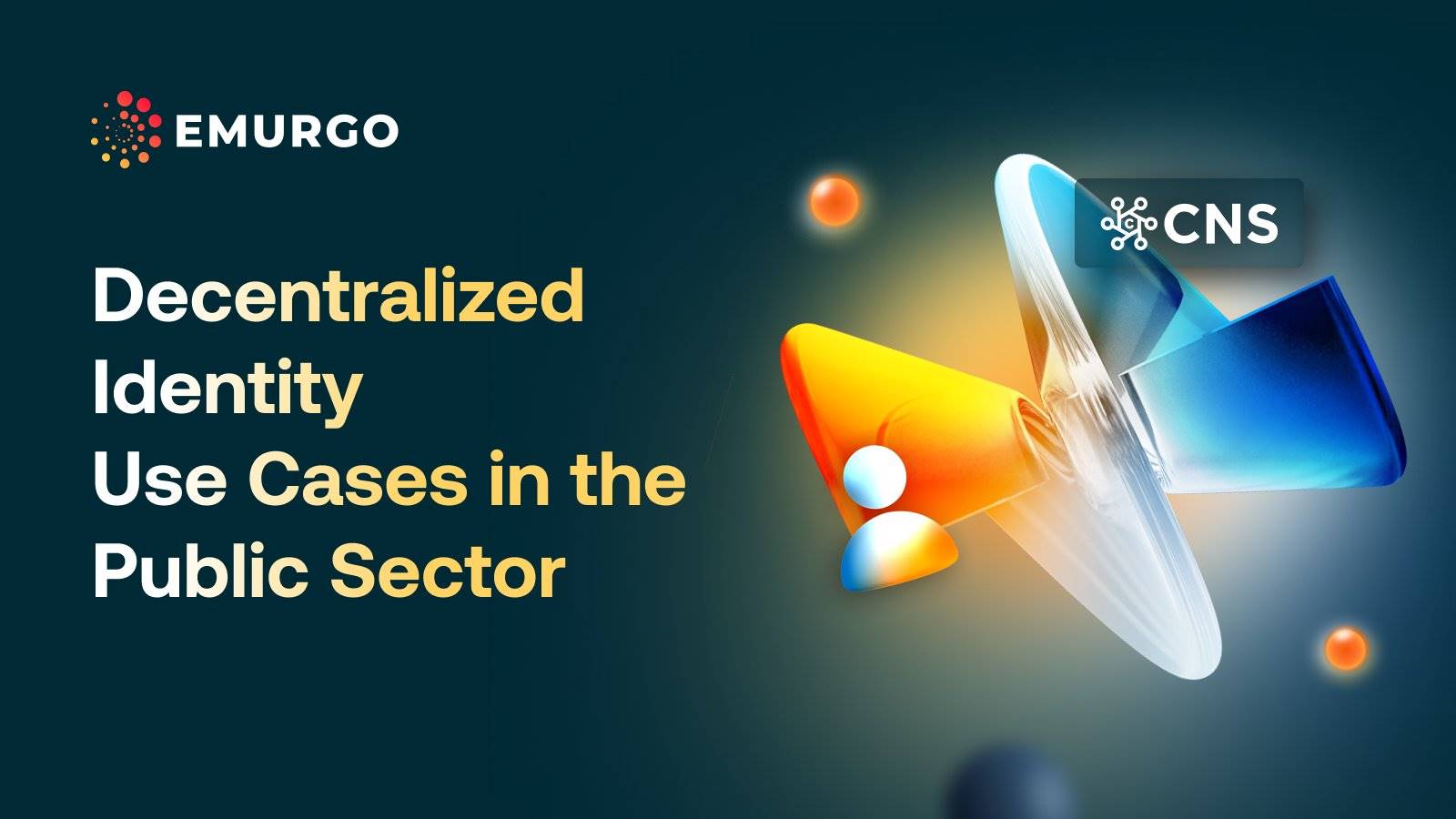
Cardano Connet (CNS) is a social initiative within the Cardano ecosystem that empowers users to create their own social identities, supporting the use of .ada domains as entry points for social identity. The .ada domain offered by CNS functions similarly to ENS with social cards on Cardano. Holding a CNS .ada domain enables users to enjoy deeper Web3 social experiences within the Cardano ecosystem, connect with friends, and further expand their Web3 social graph. Additionally, CNS operates as an achievement system, issuing certificates and badges embedded into users’ identities, granting them access to various privileges across the Cardano ecosystem.
At the same time, CNS has launched an auction system where rare and meaningful CNS domains are reserved for auction. The domain registration process is fully on-chain and handled by Plutus scripts to ensure security. The auction process is entirely decentralized— even the CNS team cannot access funds locked in auctions—ensuring bidders face no asset security risks during the auction.
On top of ensuring security, CNS enables decentralized storage of information on-chain while improving data storage efficiency. By leveraging a decentralized domain registry, CNS can scale efficiently, protect user security, and its unique data architecture ensures users maintain full ownership of their CNS domains and associated data.
These distinctive technical features ensure that each CNS is a unique NFT secured by Plutus—a typed functional language based on Haskell concepts, commonly used for complex transactions on Cardano’s settlement layer and formally verified for high security. Supported by Cardano’s underlying technology, each UTxO can support over 4,000 minting records. Through further registration-splitting methods, CNS V1 can support over one million registrations, sufficient to meet early-stage social demands within the Cardano ecosystem.

As a new identity layer, CNS not only helps users build decentralized identities and deliver novel Web3 social experiences but also functions as a SocialFi protocol layer, redefining digital addressing within the Cardano ecosystem through practical solutions, enhanced security, and unparalleled convenience.
In fact, as a veteran public chain ecosystem in the crypto industry, Cardano has built a vast community consensus after entering the market. Its native token ADA remains among the top ten cryptocurrencies by market cap. Although initially non-Turing complete, Cardano entered a period of rapid development following the Alonzo upgrade, expanding into nearly all major industry sectors.
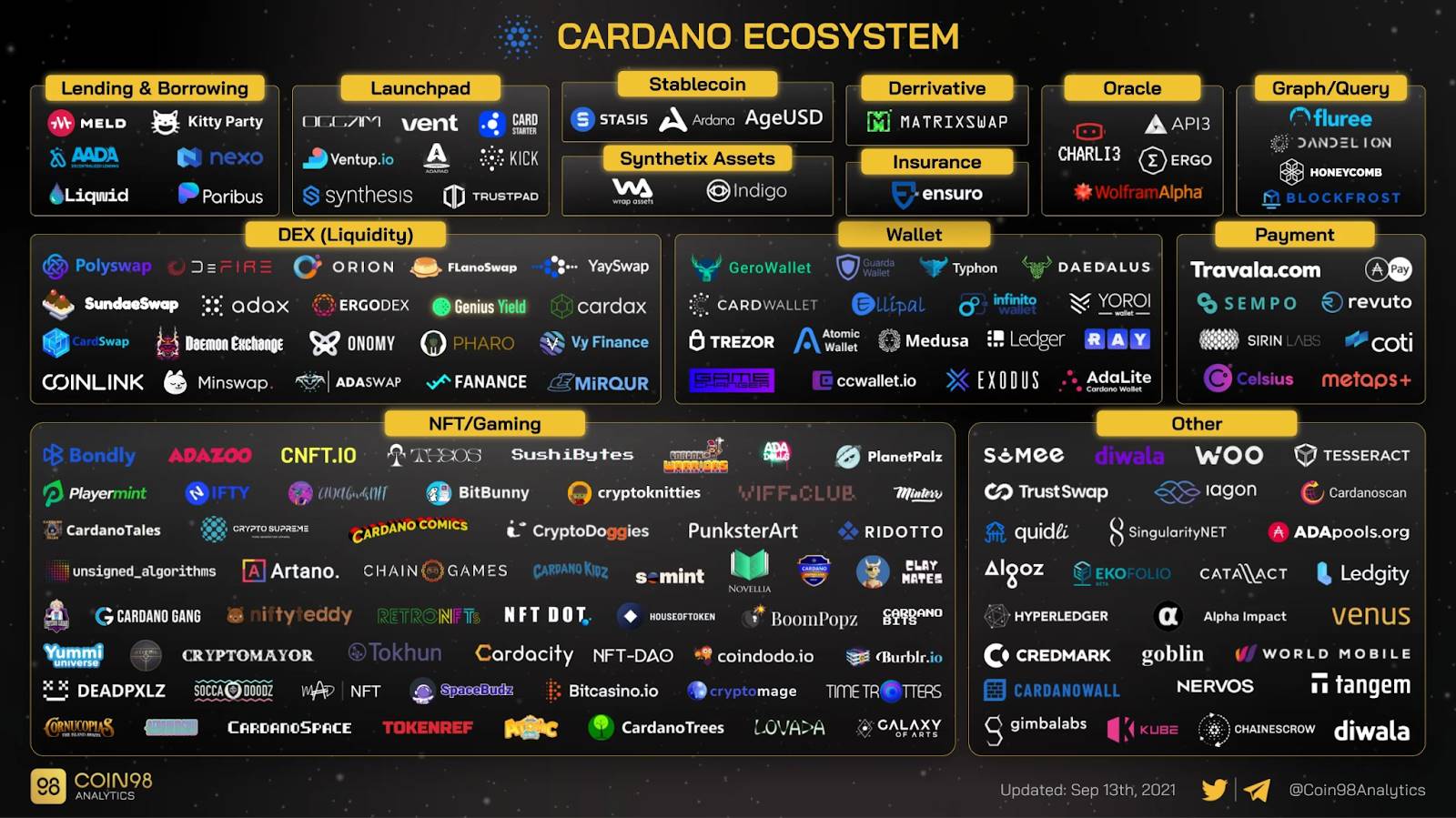
However, from an ecosystem perspective, technically strong as it is, Cardano still lags behind Ethereum and BNB Chain (with only around 60 DApps on-chain). In this new industry phase, outward expansion into more innovative fields may be the key to unlocking explosive growth for the Cardano ecosystem.
We see that the emergence of Cardano Connet (CNS), especially after its mainnet launch, is expected not only to enhance on-chain experiences for Cardano users and establish new bridges between the Cardano ecosystem and the Web2 world, but also to provide better functional expansion capabilities for developers and on-chain applications within the ecosystem. This will continuously strengthen Cardano’s competitiveness and help extend its narrative into new directions.
For this reason, the CNS project has already secured seed funding from Emurgo (the official commercial arm of Cardano) and continues to receive long-term support from the Cardano foundation.

CNS: A Vital Infrastructure Layer in the Cardano Ecosystem
Currently, while serving as the identity layer of the Cardano ecosystem, CNS is also evolving into a critical foundational infrastructure.
Previously, CNS partnered with the BHE exchange to launch the .bhe domain, which serves not only as a DID identity within the Cardano ecosystem but also as a digital identity within the BHE platform. Practically speaking, the .bhe DID symbolizes identity across both BHE and the Cardano ecosystem, allowing holders to seamlessly interact across these platforms. Moreover, driven by CNS technology, the .bhe domain performs similarly to the .ada domain—users can leverage this DID to seamlessly access various dApps on Cardano and use it as a wallet address for transactions.
Meanwhile, CNS has integrated with Yoroi, a leading Cardano ecosystem wallet. Following the CNS mainnet launch, users can directly access various Cardano applications and conduct transactions via their .ada domain through the Yoroi wallet. In the future, projects like Minswap and others within the Cardano ecosystem will display users’ .ada domains, making .ada the universal passport across the Cardano ecosystem.
In the long term, as CNS expands further into areas such as account abstraction and intent-centric narratives, it aims to become a vital bridge linking the Cardano ecosystem with the Web2 world, laying the groundwork for Cardano’s expansion into promising sectors such as RWA, DePIN, and AI.

Clear CNS Airdrop Plan Could Bring Wealth Effects to the Cardano Ecosystem
The launch of the CNS mainnet marks the beginning of a new value system for the Cardano ecosystem and could bring significant wealth effects to its users. Previously, CNS announced that 15% of its $CNS token supply (total issuance: 6 billion) would be reserved for community airdrops.
During its testnet phase, CNS introduced CNS Points as a way to identify and track user participation. These points are expected to serve as a key criterion for airdrop eligibility. Users can earn CNS Points by minting domains, participating in auctions, referring others to mint or bid, and more. Additionally, users who purchased CNS domains or participated in ADA staking activities (SPO) are also included in the airdrop scope. This means the anticipated airdrop could trigger a surge in demand for CNS domains and potentially boost ADA’s PoS staking rate.
With the CNS mainnet launching on May 7, 2024, it could spark a new wave of wealth creation within the Cardano ecosystem.
Overall, Cardano is an ecosystem with immense potential. Although it did not benefit from the initial boom during DeFi Summer, its continuous technological improvements allow it to remain competitive in the next round of industry evolution. With the launch of the CNS mainnet, not only will the Cardano ecosystem become more robust and mature, but CNS itself could become a key catalyst for the explosive growth of the entire ecosystem.
Join TechFlow official community to stay tuned
Telegram:https://t.me/TechFlowDaily
X (Twitter):https://x.com/TechFlowPost
X (Twitter) EN:https://x.com/BlockFlow_News
 @CNSCardano