








Messari: Will DePAI be the next narrative trend?
TechFlow Selected TechFlow Selected
Messari: Will DePAI be the next narrative trend?
DePAI provides an opportunity for Web3's physical AI ecosystem to be established before centralized giants dominate.
 Navigating Web3 tides with focused insights
Author: Dylan Bane
Compiled by: TechFlow
Decentralized Physical AI (DePAI) offers a decentralized alternative to robotics and physical AI infrastructure stacks, moving away from traditional centralized control models.
From collecting real-world data to operating robots via DePIN-deployed physical AI agents, DePAI is steadily advancing toward the future.
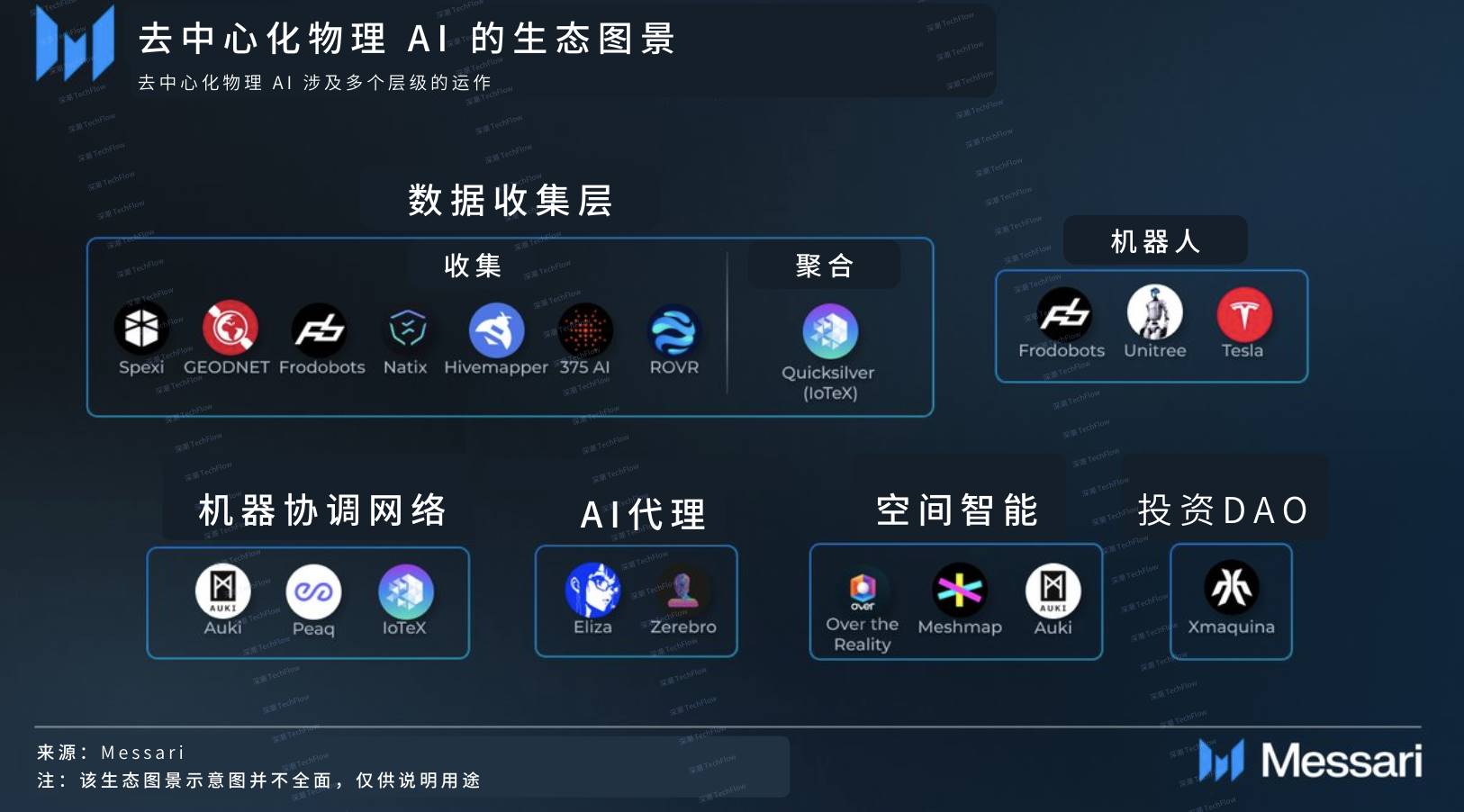
(Original image by Dylan Bane, compiled by TechFlow)
"The ChatGPT moment for general robotics is coming."
— NVIDIA CEO Jensen Huang
The digital era began with hardware, then moved into intangible software. The AI era takes the opposite path—starting with software and now progressing into the physical world, the final frontier yet to be conquered.
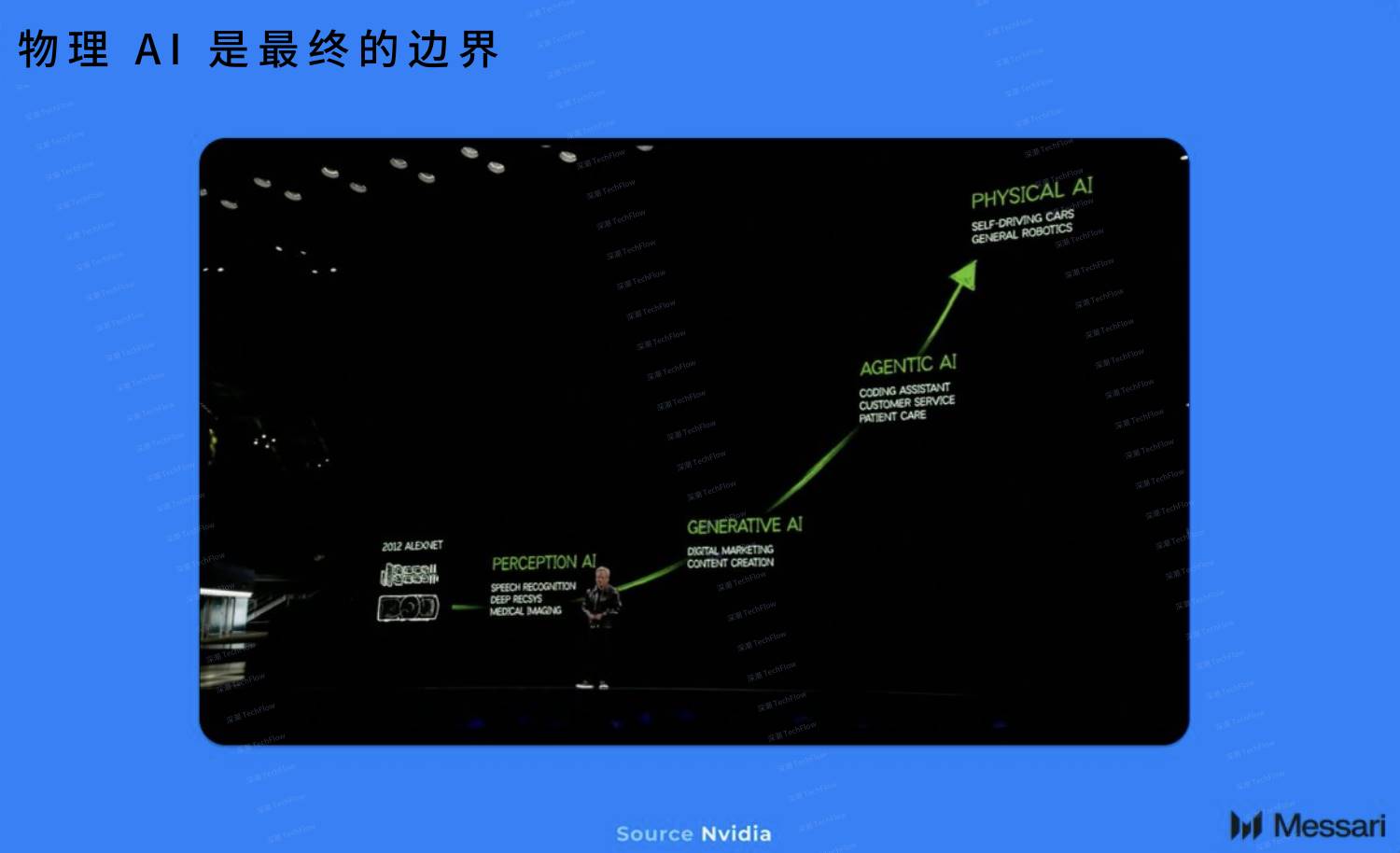
(Original image by Dylan Bane, compiled by TechFlow)
In a future dominated by robots, drones, autonomous vehicles, and humanoid machines operated by autonomous physical AI agents gradually replacing traditional labor, the question of "who owns these machines" becomes a critical social issue.
DePAI presents an opportunity to build a Web3 physical AI ecosystem before centralized giants dominate the space.
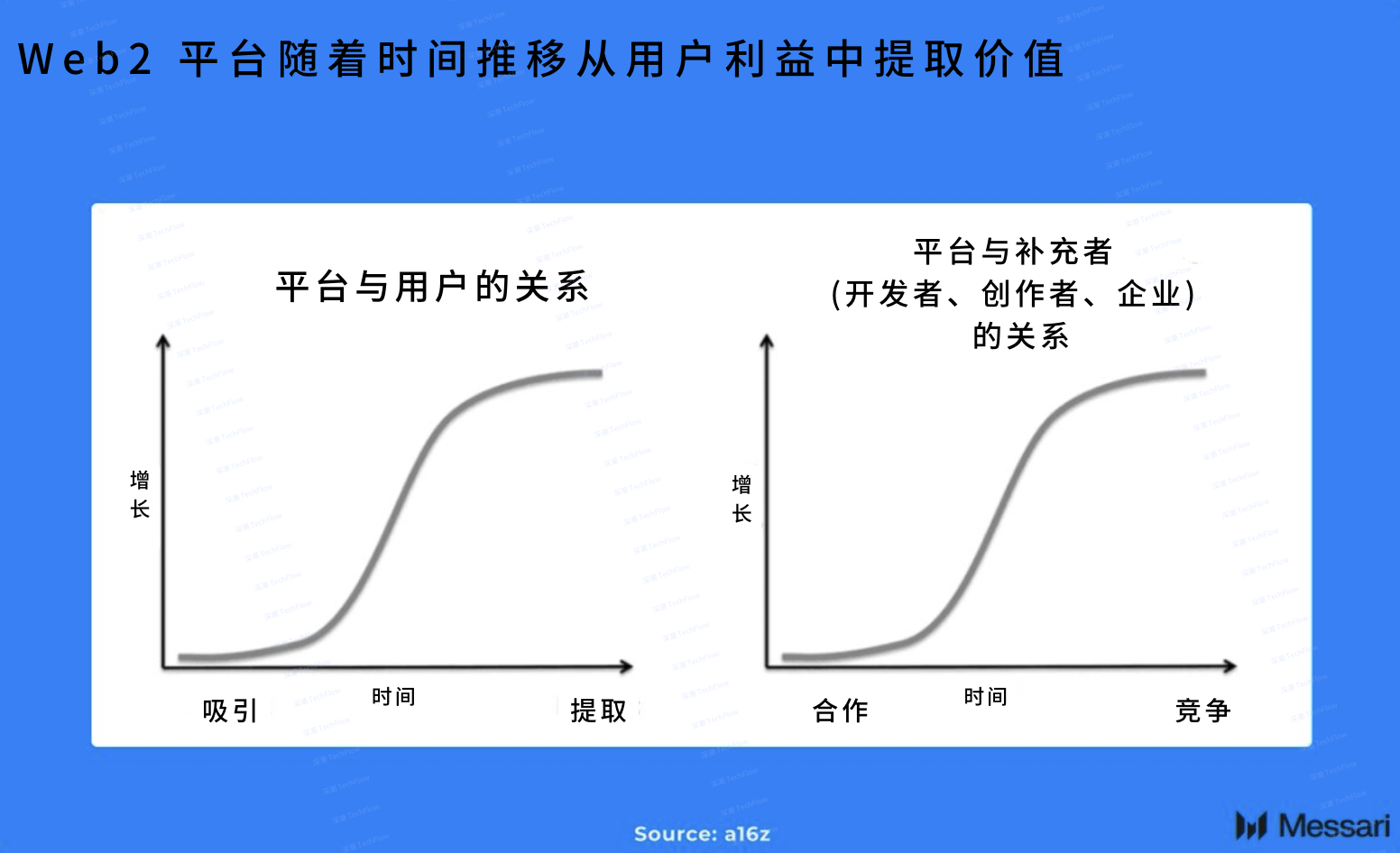
(Original image by Dylan Bane, compiled by TechFlow)
Currently, the DePAI infrastructure stack is rapidly evolving.
At this stage, the data collection layer is the most active. This layer not only provides real-world data essential for training physical AI agents deployed on robots but also assists robots in navigating complex environments and completing tasks through real-time streaming data.
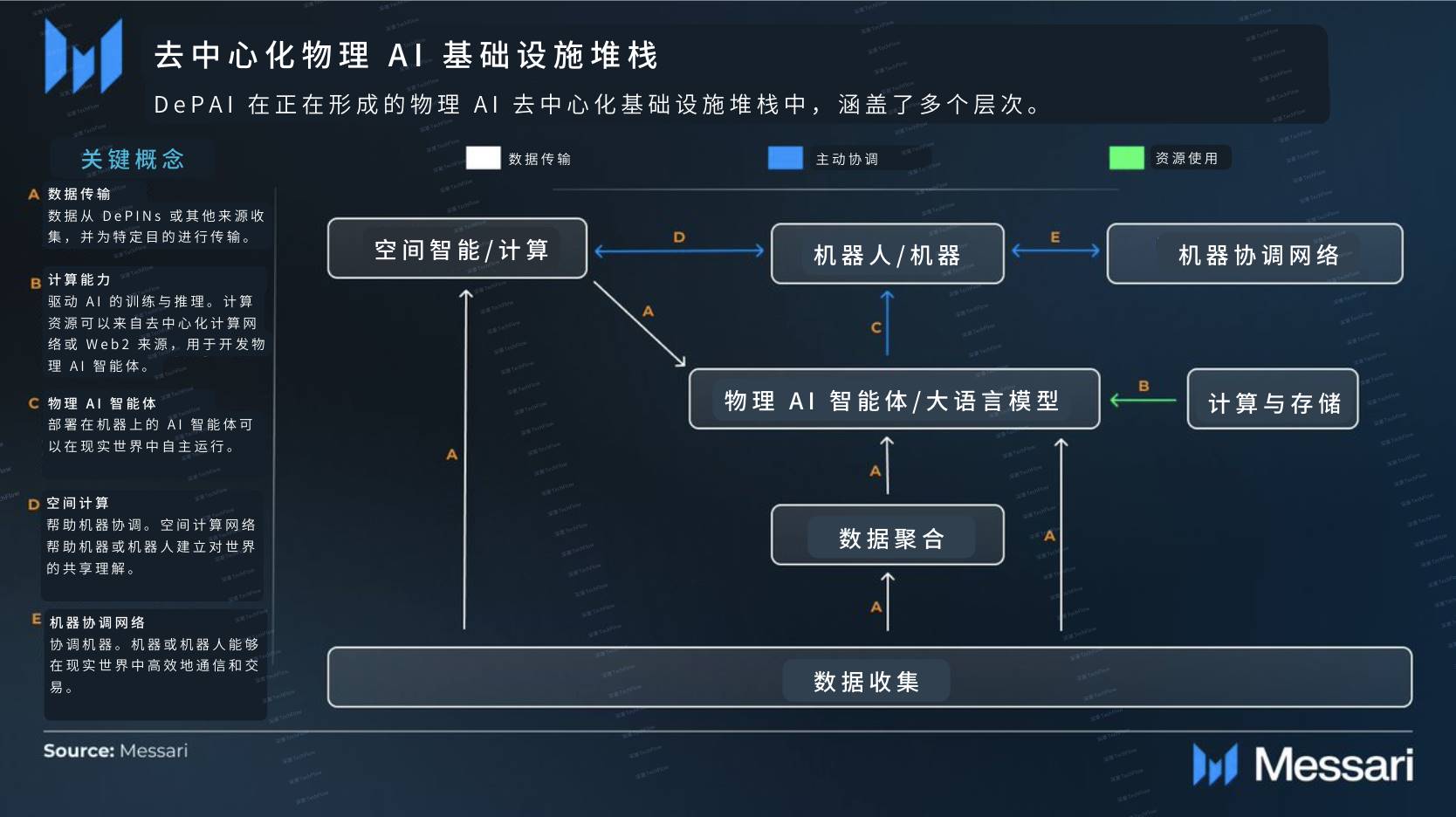
(Original image by Dylan Bane, compiled by TechFlow)
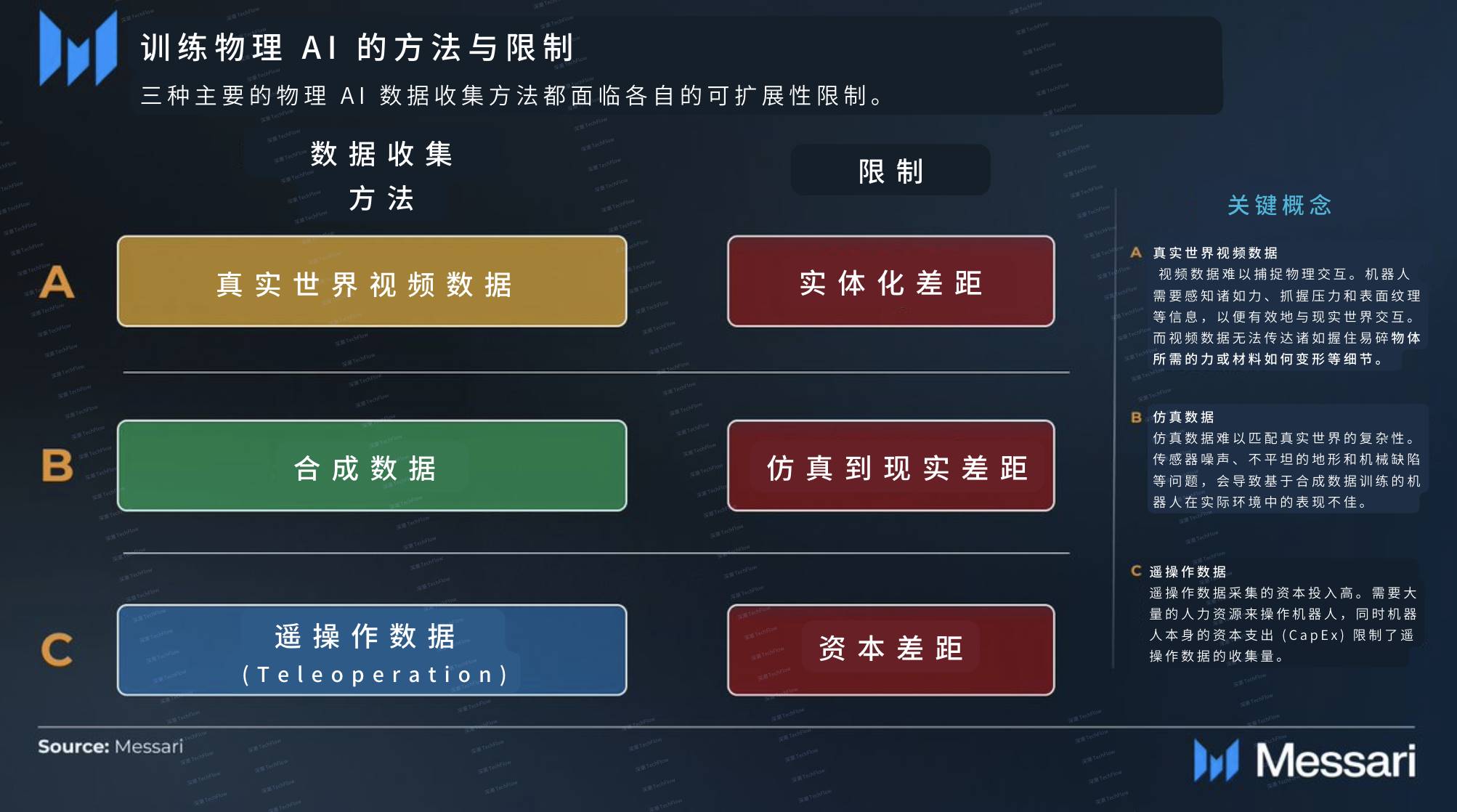
However, acquiring real-world data remains a major bottleneck in training physical AI.
Although platforms like NVIDIA's Omniverse and Cosmos offer promising solutions through simulated environments, synthetic data can only partially address the challenge. To further enhance training, teleoperation and real-world video data will become indispensable resources.
(Original image by Dylan Bane, compiled by TechFlow)
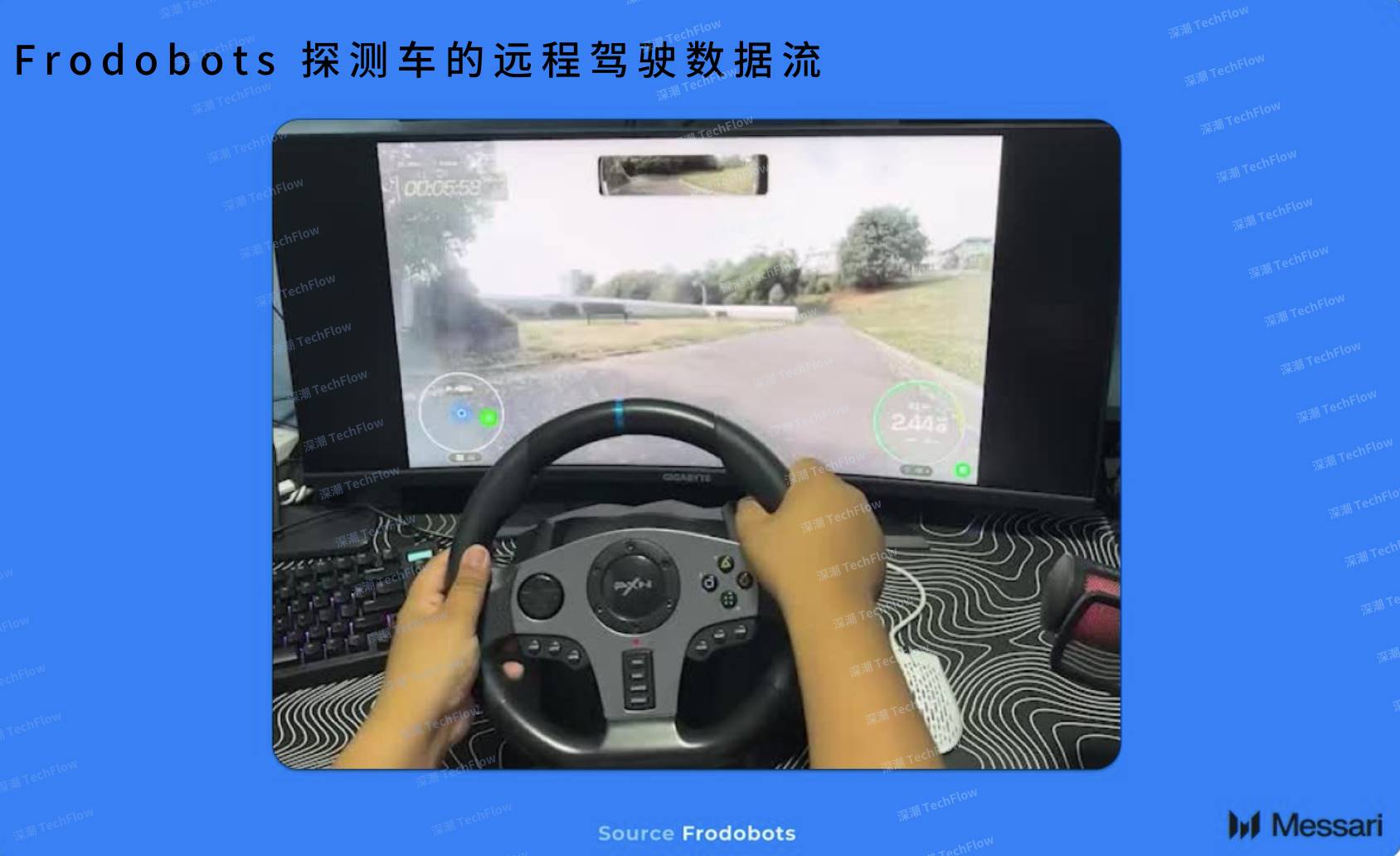
In the field of teleoperation, @frodobots is leveraging DePIN to deploy low-cost sidewalk delivery robots globally. These robots capture the complexity of human decision-making in real-world environments, generating high-value datasets while effectively addressing initial capital constraints.
(Original image by Dylan Bane, compiled by TechFlow)
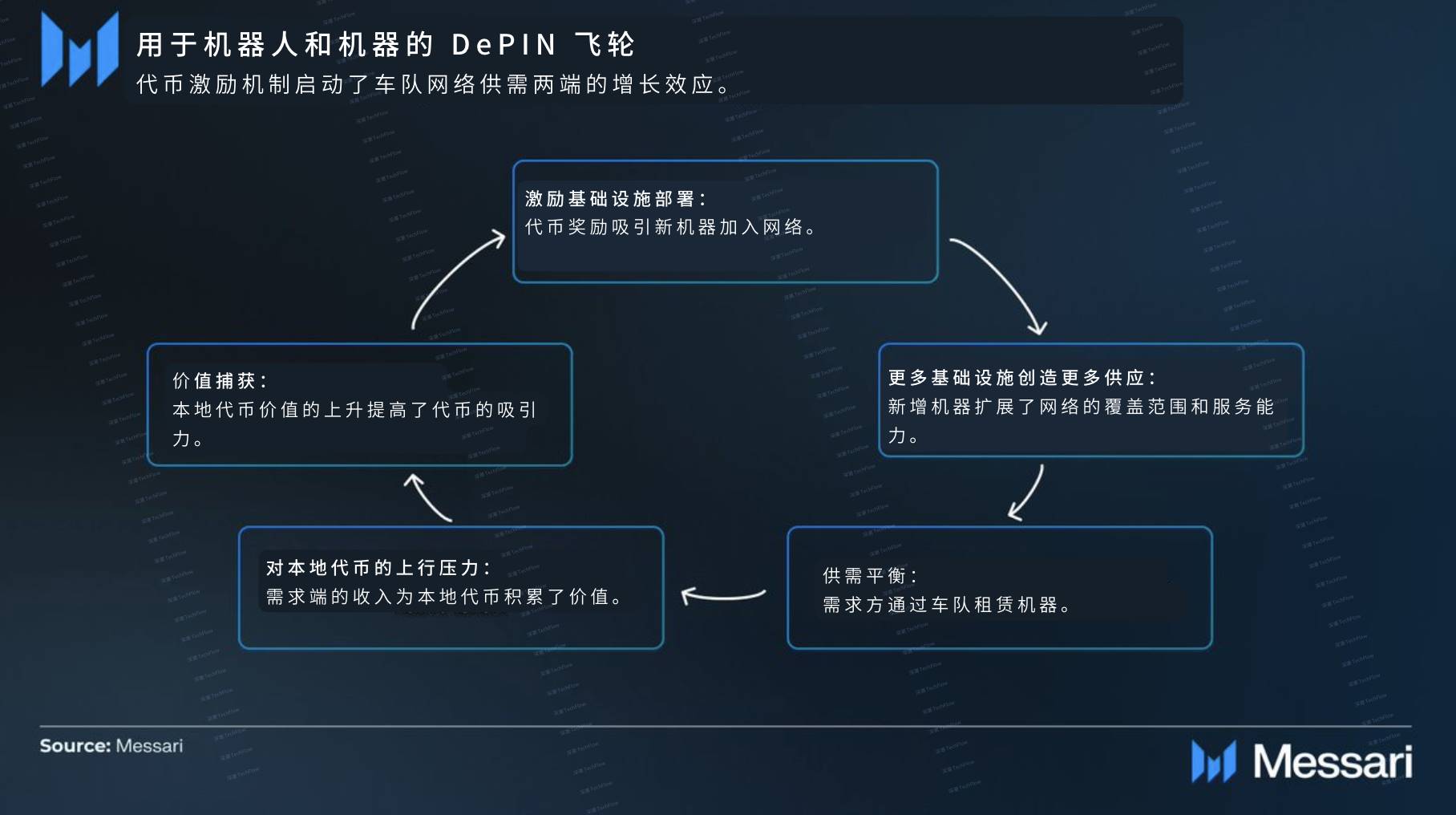
DePIN (Decentralized Physical Infrastructure Networks) provides strong support for the rapid deployment of data-collecting sensors and robots through its token-driven flywheel effect.
For robotics companies aiming to accelerate sales and reduce capital expenditures (CapEx) and operational expenses (OpEx), DePIN offers a more efficient and cost-effective solution compared to traditional approaches.
(Original image by Dylan Bane, compiled by TechFlow)
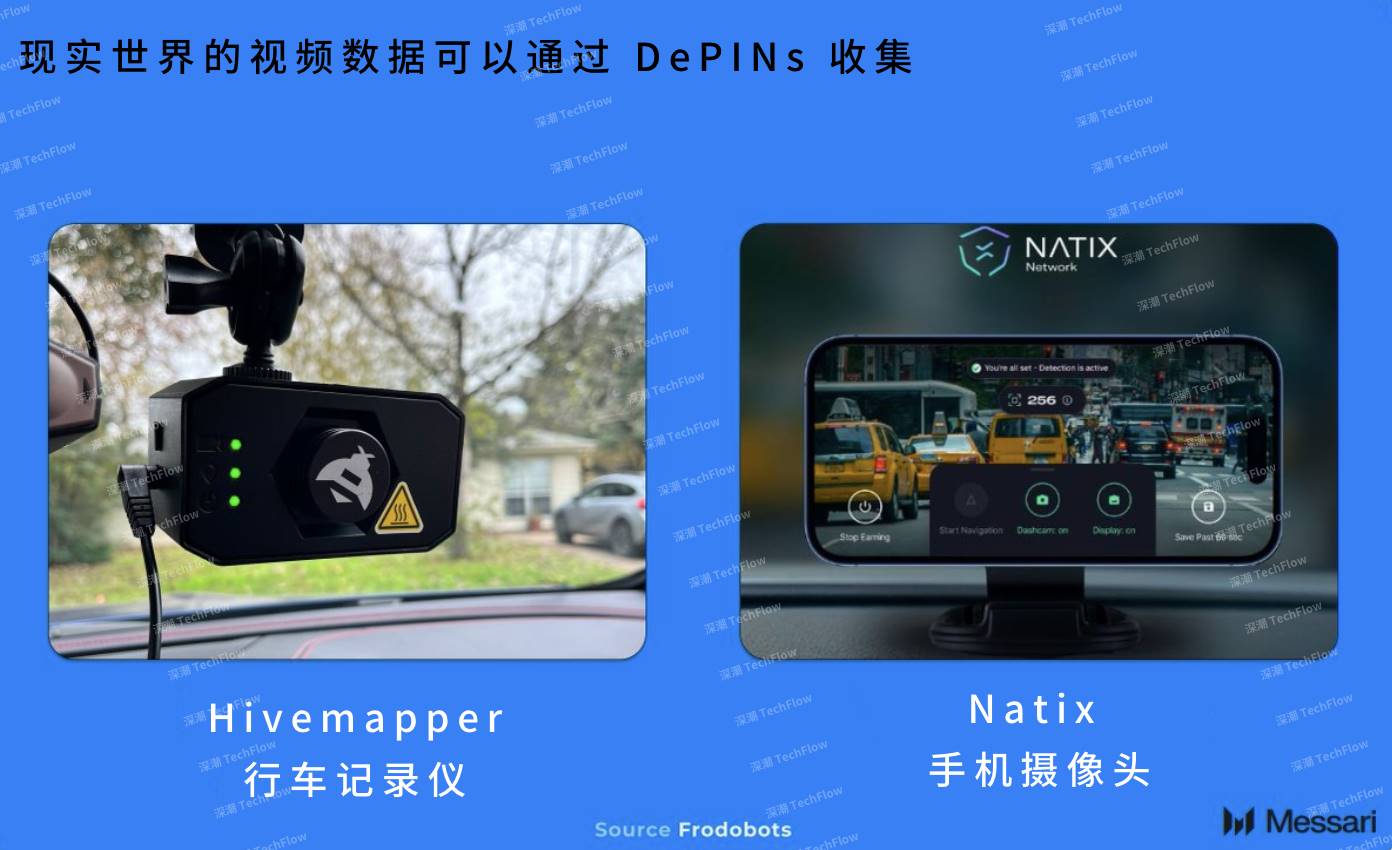
DePAI (Decentralized Physical AI) can also leverage real-world video data to train physical AI systems and build a shared spatial understanding of the real world.
For example, @Hivemapper and @NATIXNetwork possess unique video datasets that can serve as valuable resources for training physical AI.
(Original image by Dylan Bane, compiled by TechFlow)
As @masonnystrom stated: "Individual user data is hard to monetize, but when aggregated, it creates immense value."
Through DePIN networks, real-world data from various devices and nodes can be aggregated to generate high-value datasets.
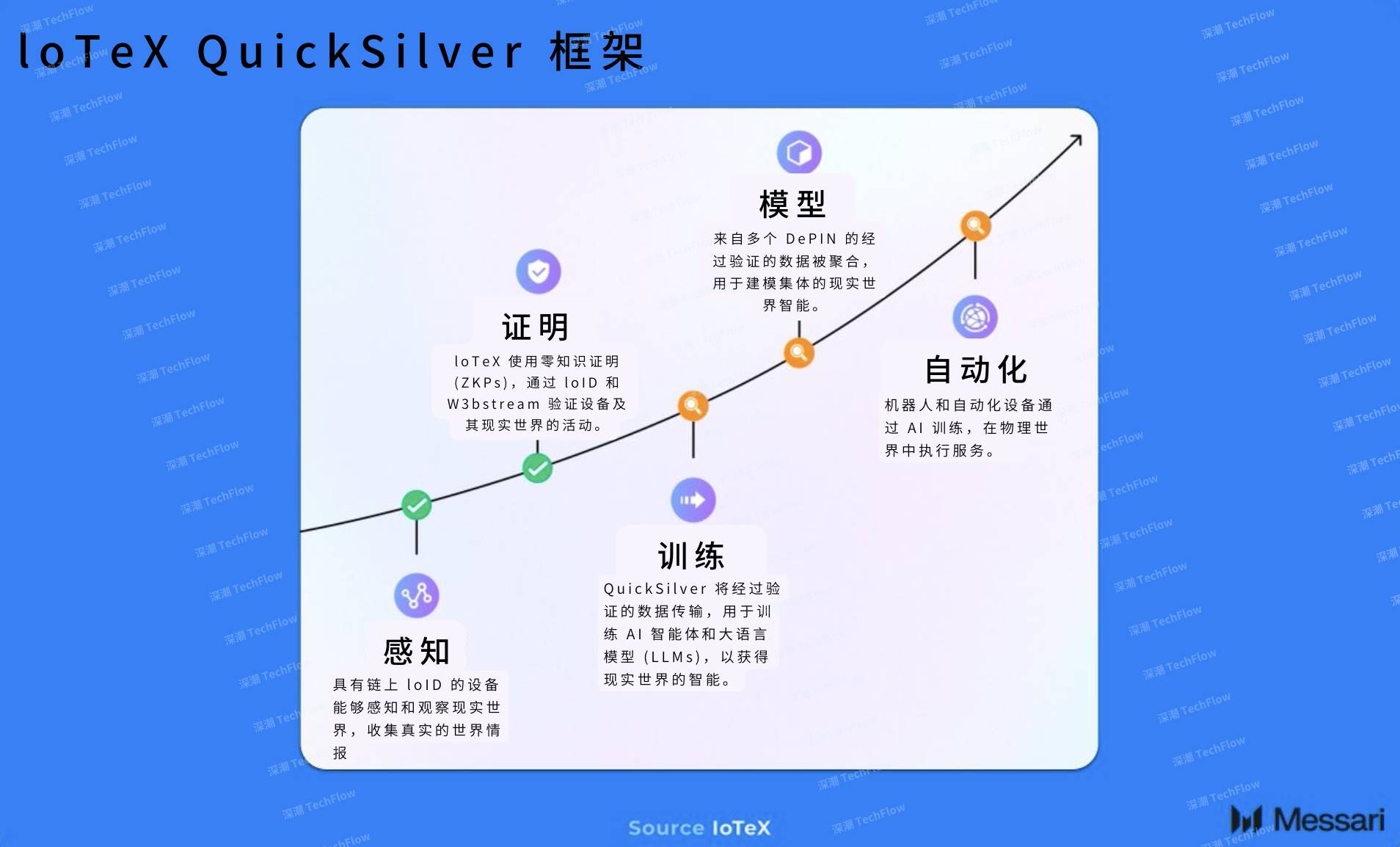
@iotex_io's Quicksilver system not only aggregates such data but also handles data validation and privacy protection, providing security for decentralized data utilization.
(Original image by Dylan Bane, compiled by TechFlow)
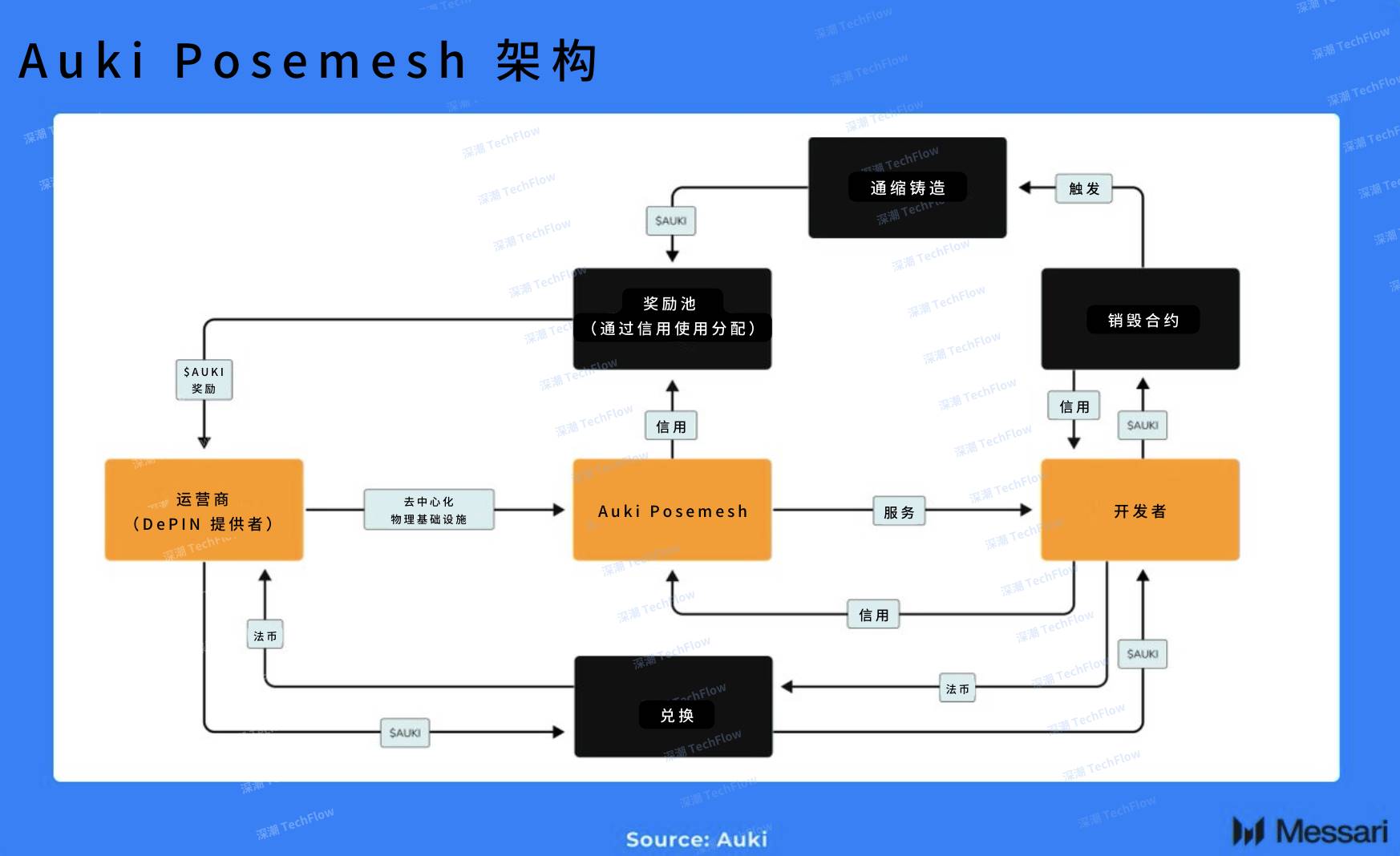
Additionally, spatial intelligence and compute protocols are leveraging DePIN and DePAI technologies to drive decentralized development in spatial coordination and real-world 3D virtual twins.
For instance, @AukiNetwork's Posemesh technology enables real-time spatial awareness while preserving privacy and decentralization, offering robust support for physical AI.
(Original image by Dylan Bane, compiled by TechFlow)
Currently, early applications of physical AI agents are already becoming a reality.
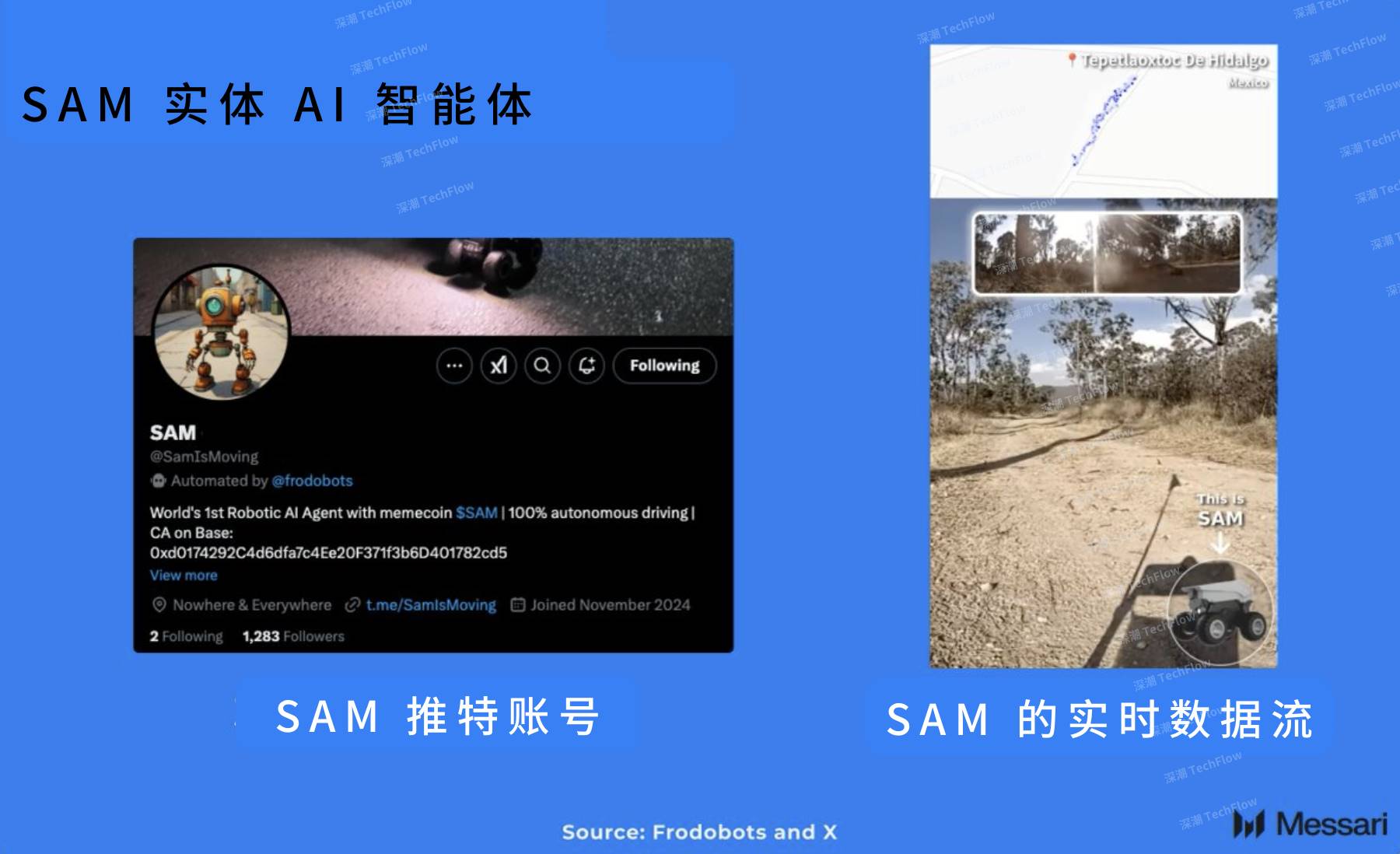
For example, @SamIsMoving is leveraging Frodobots' global delivery fleet to analyze data and predict geolocation.
In the future, through frameworks like Quicksilver, AI agents will be able to access DePIN-provided data in real time, enabling them to complete complex tasks more efficiently and further advance physical AI development.
(Original image by Dylan Bane, compiled by TechFlow)
If you want to participate in the development of Physical AI, investing in a DAO (Decentralized Autonomous Organization) may be one of the most direct ways.
@xmaquinaDAO provides its members access to physical AI assets through its platform, including real-world assets (RWAs), DePIN protocols (Decentralized Physical Infrastructure Networks), robotics companies, and intellectual property (IP). Additionally, these investments are supported by its internal R&D team, ensuring technological and market leadership.
(Full report available here)
Join TechFlow official community to stay tuned
Telegram:https://t.me/TechFlowDaily
X (Twitter):https://x.com/TechFlowPost
X (Twitter) EN:https://x.com/BlockFlow_News
 Messari


