Decoding the South Korean Martial Law: A Political Rivalry That Tore Apart National Consensus
TechFlow Selected TechFlow Selected
Decoding the South Korean Martial Law: A Political Rivalry That Tore Apart National Consensus
In South Korean politics, the rivalry between Yoon Suk-yeol and Lee Jae-myung has become the most captivating political drama in recent years.
 Navigating Web3 tides with focused insights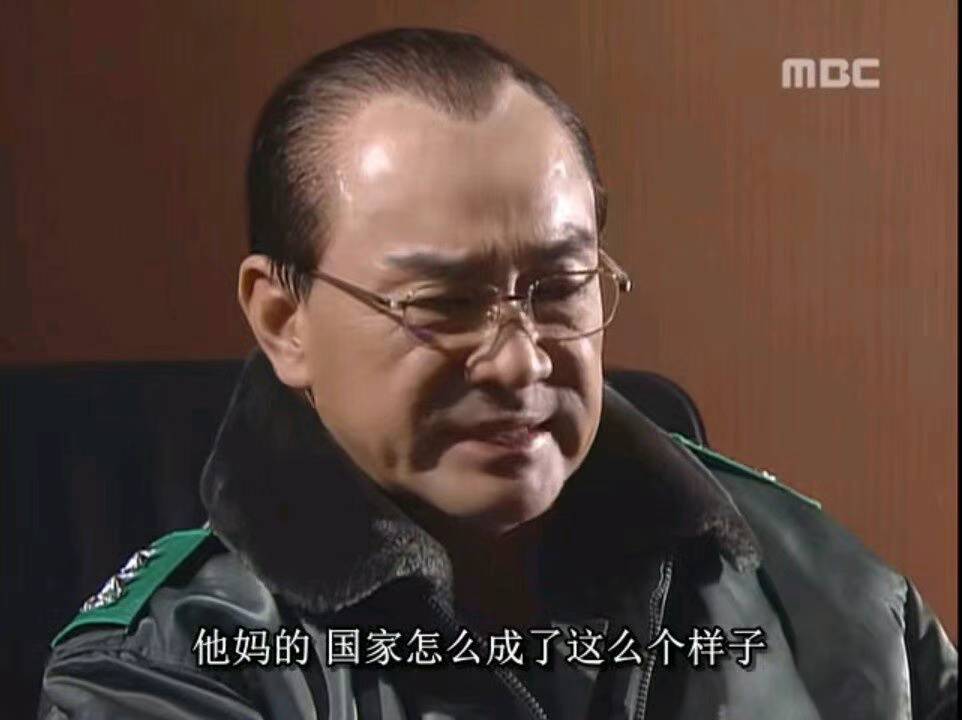
On December 3, 2024, South Korean President Yoon Suk-yeol suddenly announced the implementation of "emergency martial law," a decision that not only shocked the political arena but also triggered a serious constitutional crisis.
As usual, cryptocurrency investors were among those affected—Bitcoin prices on Upbit, South Korea’s largest trading platform, plunged briefly to $65,000.
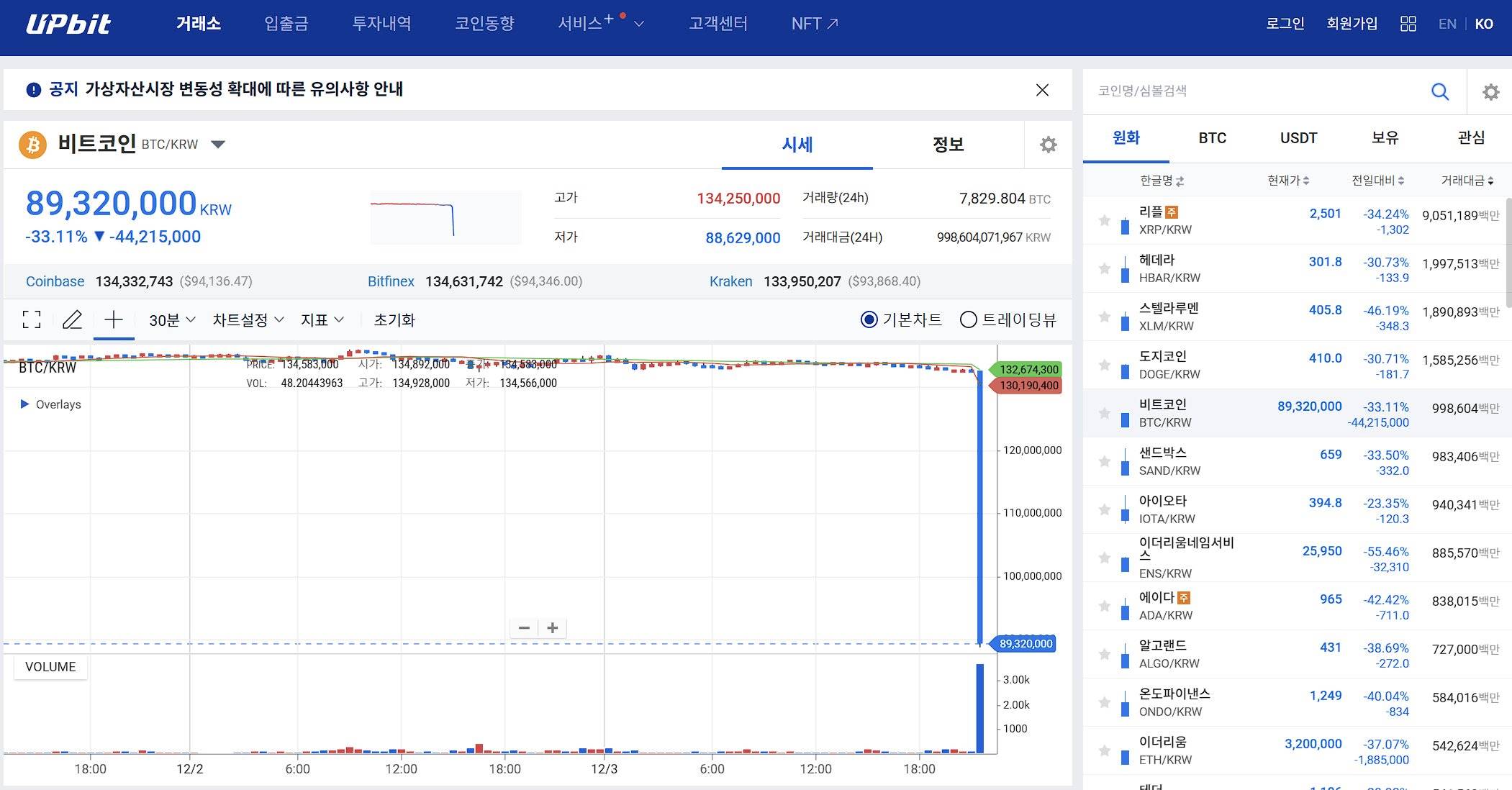
So, why did Yoon declare sudden martial law?
Yoon cited “safeguarding the free constitutional order” as the immediate justification, accusing the opposition party of “hijacking Congress and destabilizing the nation,” claiming he must protect South Korea from North Korean communist forces and eliminate pro-North anti-state elements.
Who is the enemy he refers to?
That would be Lee Jae-myung—the arch-nemesis of Yoon in South Korean politics.
The rivalry between Yoon and Lee has become one of the most dramatic political sagas in recent years. Originating in the prosecution system, escalating during the presidential election, and evolving into judicial confrontations, this feud is more than just a personal battle—it reflects deep divisions within South Korean society.
In 2019, then-Prosecutor General Yoon launched a series of investigations against the ruling Democratic Party. Lee Jae-myung, serving as governor of Gyeonggi Province at the time, became one of the key figures under scrutiny. The conflict peaked during the 2022 presidential election, when both candidates fiercely attacked each other over family corruption scandals and spousal misconduct. Ultimately, Yoon narrowly won and moved into the presidential office.
Although Lee lost the 2022 presidential race by a slim margin, his political influence did not wane.
A dramatic turn unfolded in 2023. In March, Lee was indicted on multiple charges including urban development corruption, illegal fund transfers to North Korea, and perjury during elections. By September, he was formally arrested—an action that immediately sparked fierce protests from his supporters.
Lee's camp denounced this as blatant political retaliation by the Yoon administration. The ruling party insisted it was a legitimate legal process, emphasizing judicial independence and necessity. The controversy quickly spiraled into a nationwide political crisis, triggering wave after wave of demonstrations across Seoul.
Why does Lee Jae-myung still enjoy massive public support despite facing numerous legal cases?
To understand this, we must look at his background—a rise often described as the Korean version of the "American Dream."
Born into poverty, with his father working as a miner, Lee grew up in modest circumstances. Notably, unlike many South Korean political elites, he lacked prestigious academic credentials. Instead, he studied independently and passed the bar exam, eventually gaining recognition in human rights advocacy.
Before entering national politics, Lee demonstrated strong administrative capabilities at the local level. As mayor of Seongnam and later governor of Gyeonggi Province, he implemented a range of popular welfare policies, building a solid reputation for effective governance.
In terms of communication, Lee actively shares daily updates on Twitter, YouTube, and Instagram using straightforward, relatable language. By effectively linking his political messages with social issues, he has resonated particularly well with younger voters, breaking the mold of traditional politicians.
Does this remind you of someone? A figure dogged by legal troubles yet beloved by the people? Yes—Donald Trump. Many compare Lee Jae-myung to Trump. As leader of South Korea’s largest opposition party, the Democratic Party, Lee—facing five criminal cases—is still widely seen as a top contender for the 2027 presidential election.
Recently, a South Korean media outlet published an article titled “Can Lee Jae-myung Become the Next Trump?” arguing that Trump’s electoral success despite multiple indictments offers hope for Lee. The article notes that modern voters in both the U.S. and South Korea appear increasingly indifferent to traditional values like morality and justice.
On November 25, Lee Jae-myung was acquitted in the first trial of the “incitement of perjury” case at the Seoul Central District Court.
Just before the verdict, on November 23, rival rallies took place near Gwanghwamun Square in Seoul. Progressive supporters gathered demanding “President Yoon resign,” while conservative groups rallied calling for “arresting Lee Jae-myung.” The two camps, less than a kilometer apart, each drew over ten thousand participants.
Meanwhile, President Yoon’s approval rating has plummeted to just 17%, a historic low.
While the South Korean government has long faced allegations of corruption, falling below 20% approval is extremely rare—indicating the president has nearly lost effective control over the administration.
Conversely, Lee Jae-myung has not only retained public support after being indicted and arrested, but has gained even greater sympathy and backing due to claims of “political persecution.”
South Korean crypto investor @Yusoff Kim believes that although official statements cite “national security” as the primary reason, many believe the move is primarily aimed at consolidating President Yoon’s power amid the current crisis.
In response to Yoon’s martial law declaration, Lee Jae-myung stated that Yoon’s announcement was illegal and invalid, declaring that Yoon is no longer the president of South Korea, and called on citizens to go to the National Assembly to protect it.
The implications of this political struggle extend far beyond personal rivalry. It has deepened the divide between conservatives and progressives in South Korea and exposed numerous contentious issues within its democratic system. The People Power Party led by Yoon and the Democratic Party led by Lee hold fundamentally opposing ideologies and visions for the country’s future.
Is South Korean society now sinking into deeper polarization due to this ongoing political dispute? While the judicial process surrounding Lee Jae-myung continues, its political ramifications have already extended beyond the courtroom, becoming a critical test of South Korea’s political maturity and social stability.
Join TechFlow official community to stay tuned
Telegram:https://t.me/TechFlowDaily
X (Twitter):https://x.com/TechFlowPost
X (Twitter) EN:https://x.com/BlockFlow_News
 深潮TechFlow