Stablecoin: Monetary Upgrade
TechFlow Selected TechFlow Selected
Stablecoin: Monetary Upgrade
Stablecoins are becoming digital currencies that reshape global finance and commerce.
 Navigating Web3 tides with focused insights
By: Peter Schroeder
Translated by: LlamaC
"Editor's note: This article clearly explains the rise of stablecoins, their business model, impact on traditional financial systems, and their potential and application prospects as digital currencies in global finance and commerce. A piece likely to be censored—read it while you can!"
Main text👇
No innovation has captured the imagination and potential of the tech and financial worlds quite like stablecoins.
Designed to maintain a stable value relative to a reference asset—most often fiat currencies like the U.S. dollar—these digital currencies have become a bridge between traditional financial systems and blockchain technology.
This week’s news of Stripe acquiring Bridge sent ripples through the tech world, highlighting the potential of stablecoins to lay new monetary highways.
Let’s dive into what stablecoins mean for the future of money.
The Rapid Rise of Stablecoins
There's a saying that ultimate sophistication manifests as simplicity.
Despite the complexity sometimes associated with cryptocurrency, stablecoins are fundamentally the simplest form—they are digital money combining the advantages of crypto with the stability of traditional finance.
In hindsight, everything becomes obvious. But we’re standing at an inflection point in the evolution of money.
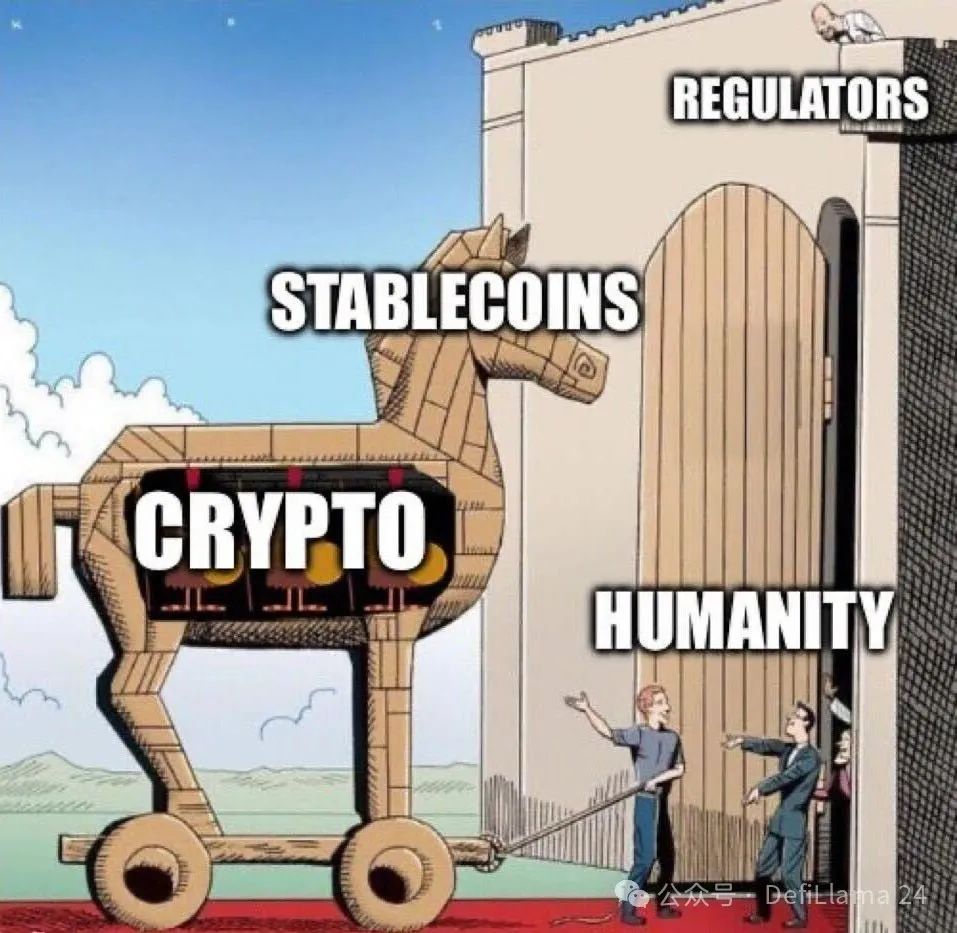
Stablecoins aren’t just an improvement over existing systems; they’re laying the foundation for an entirely new internet-native financial system.
Hence, the market cap of fiat-backed stablecoins has ballooned from a concept in 2018 to over $164 billion by October 2024.
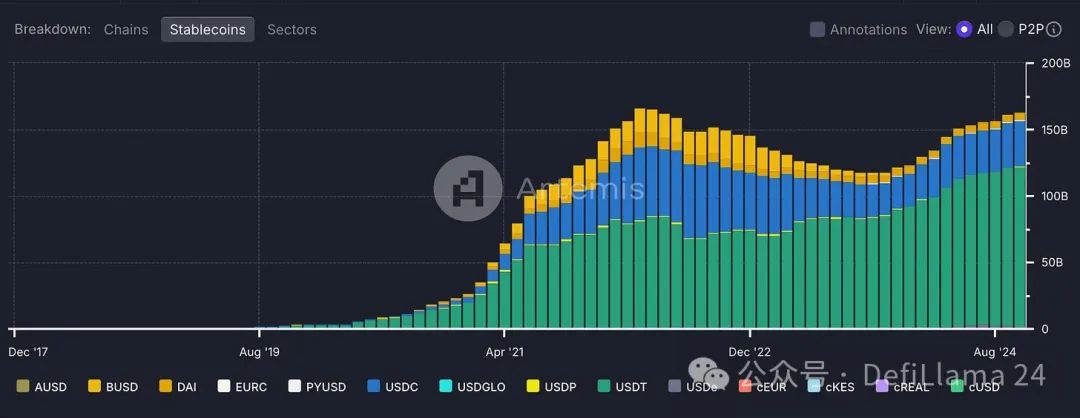
To put this in perspective, that exceeds the GDP of more than 100 countries.
And these stablecoins aren’t sitting idle. In Q2 alone, stablecoin transaction volumes were nearly double those of Visa, frequently exceeding tens of trillions of dollars per month.
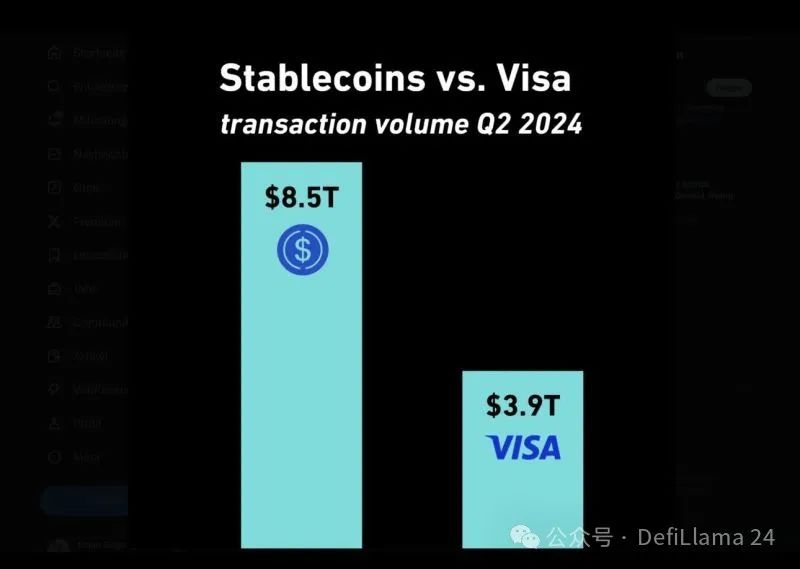
For a technology only six years old, this level of growth is staggering.
The Business of Stablecoins
Why are stablecoins a good business? How do they make money?
Stablecoins generate revenue by investing their reserves 1:1 into interest-bearing assets such as Treasury bills and other short-term instruments. The interest earned from these investments provides a revenue stream for stablecoin issuers.
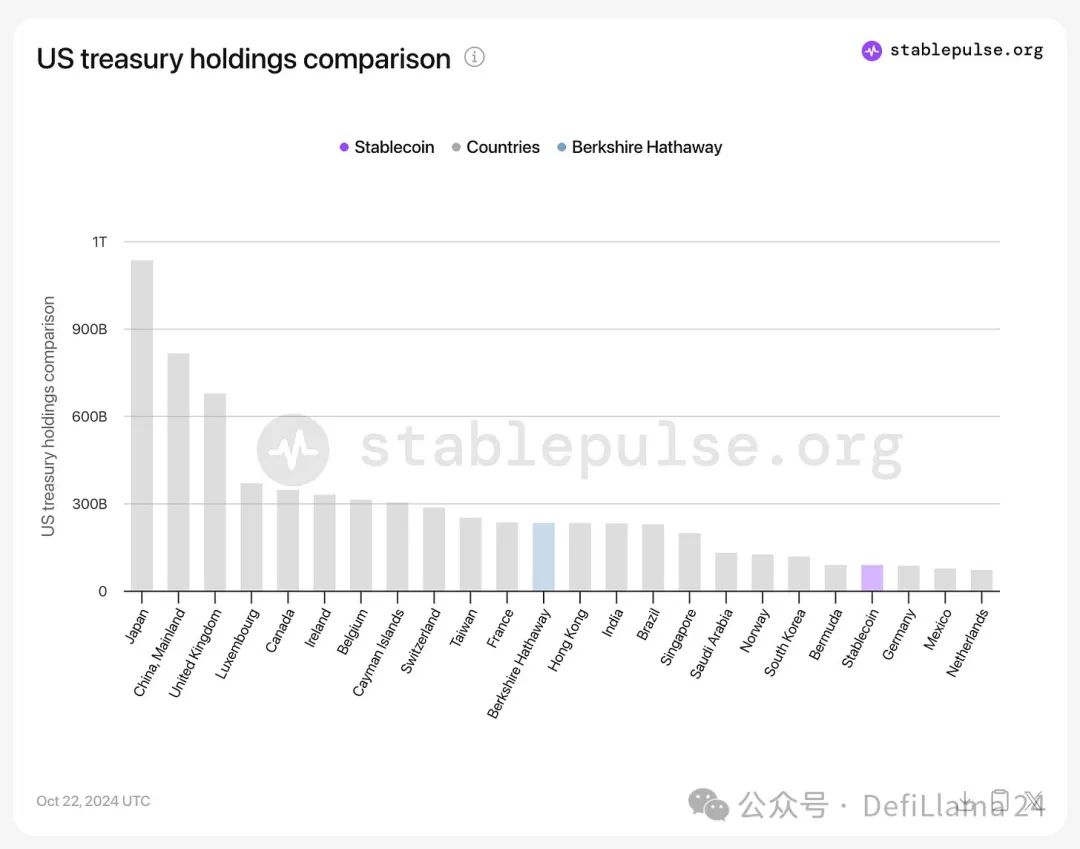
This innovative investment strategy has made stablecoin issuers collectively one of the largest holders of U.S. Treasuries—owning more than countries like Germany, Mexico, and the Netherlands.
But stablecoins are only beginning to tap into their full potential. Consider this: the global money supply (M2) is estimated at around $129 trillion.
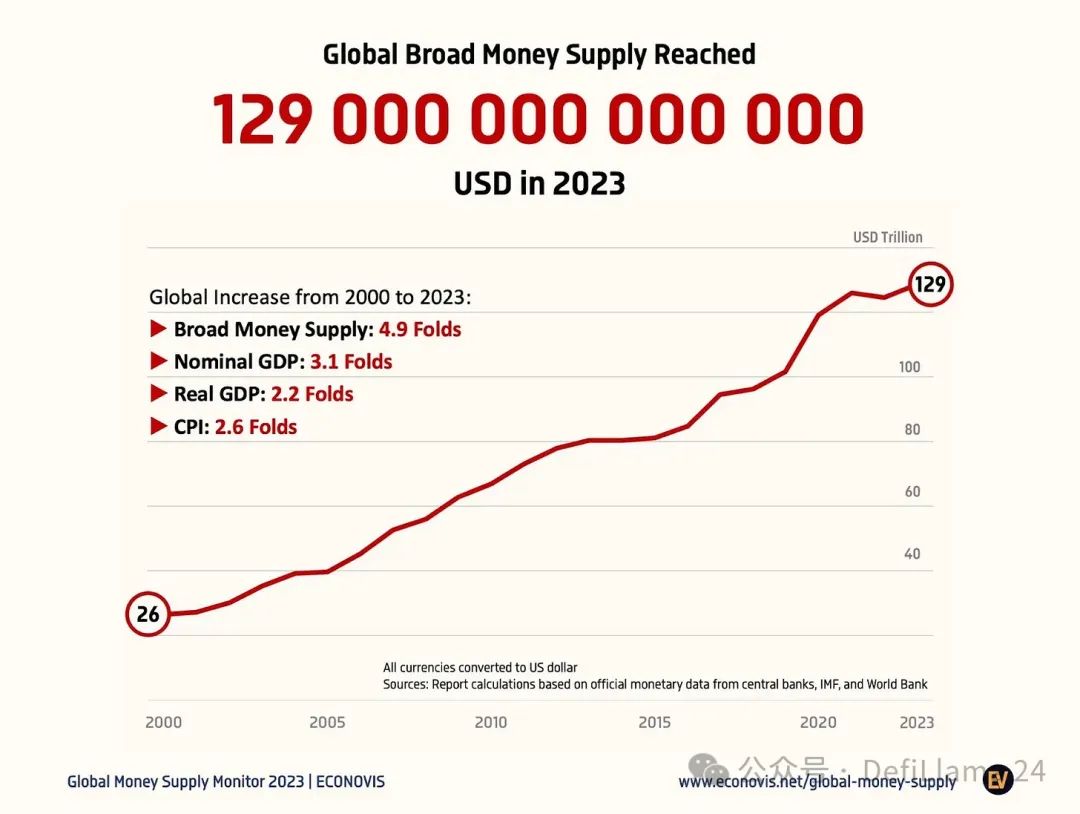
We’ve only just started modernizing the financial system through stablecoins.
Beyond M2, here are additional markets where stablecoins are poised to make significant improvements:
Foreign Exchange (Forex): $8 trillion flows daily across currencies—the largest market in the world, roughly 30 times the size of global daily GDP.
Once deep liquidity exists globally for multi-currency-backed stablecoins, digital forex trading via stablecoin swaps will rapidly transform how money moves between nations.
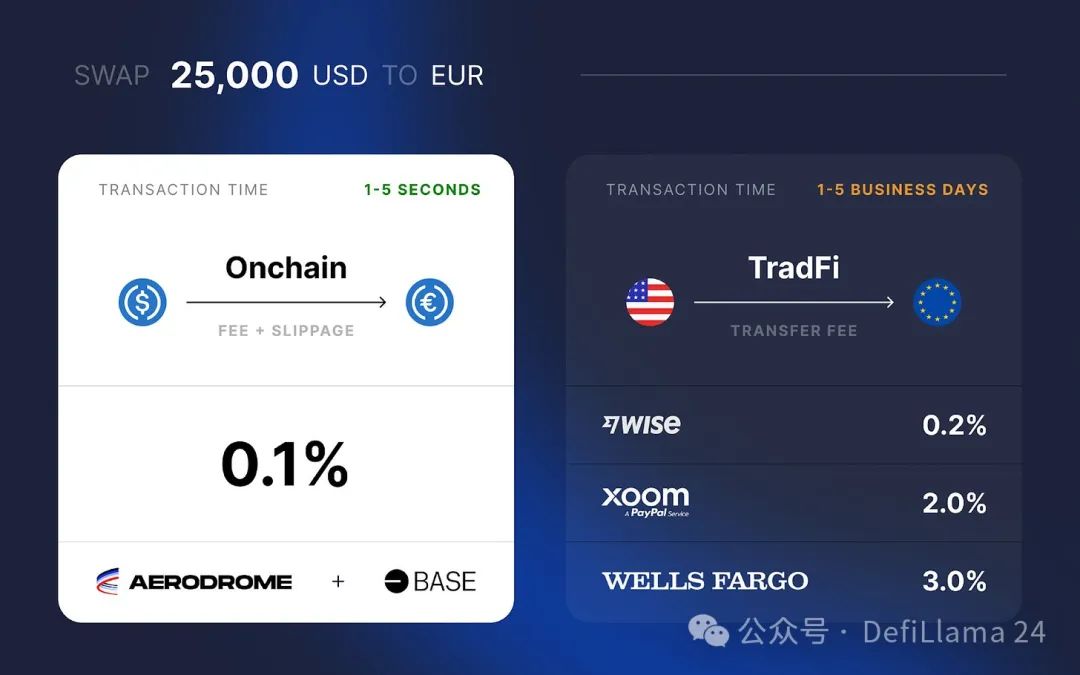
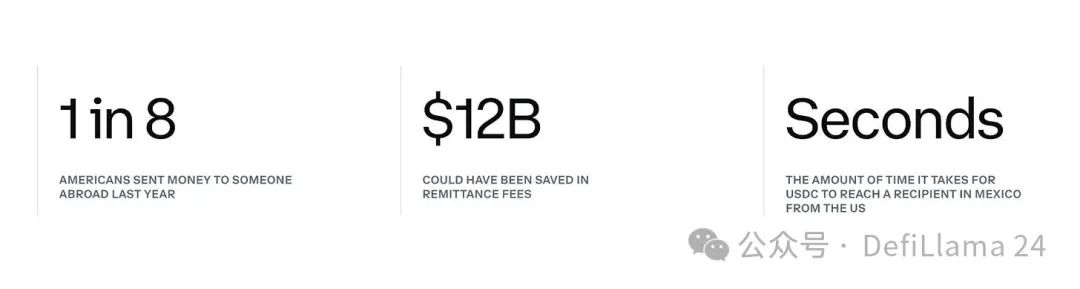
Global Remittances: Estimated at $883 billion in 2023, expected to reach $913 billion by 2025.
Stablecoins make cross-border payments as simple as sending a text or email, enabling faster, cheaper, and seamless transactions.
Payments: The global payment market was valued at $2.64 trillion in 2023 and is projected to grow to $4.78 trillion by 2029. Credit card processing fees vary by region, method, and transaction type but typically range from 1.5% to 3.5% of transaction value. The average fee for global credit card processing in 2024 is about 2.4% of transaction value.
Stablecoins possess the technological capability to streamline payment processes, making them far more efficient.
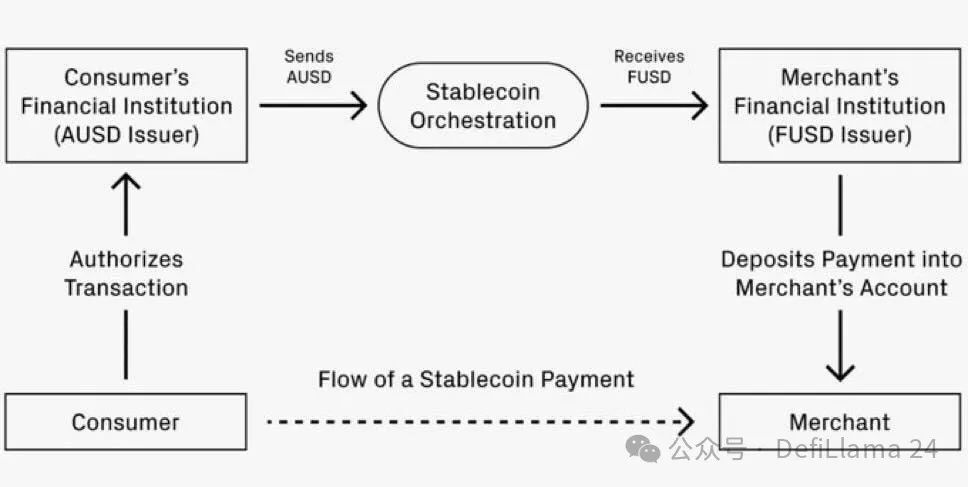
If stablecoins capture even a small fraction of these outdated markets, trillions of dollars could flow into digital currencies, radically improving the financial system.
The Miracle of Money
Why is internet-based money so important?
Like water, money permeates our society, nourishing economic activity.
It seeks the path of least resistance, just as water flows downhill. As water is essential to life, money is the lifeblood of commerce—facilitating exchange and storing value.
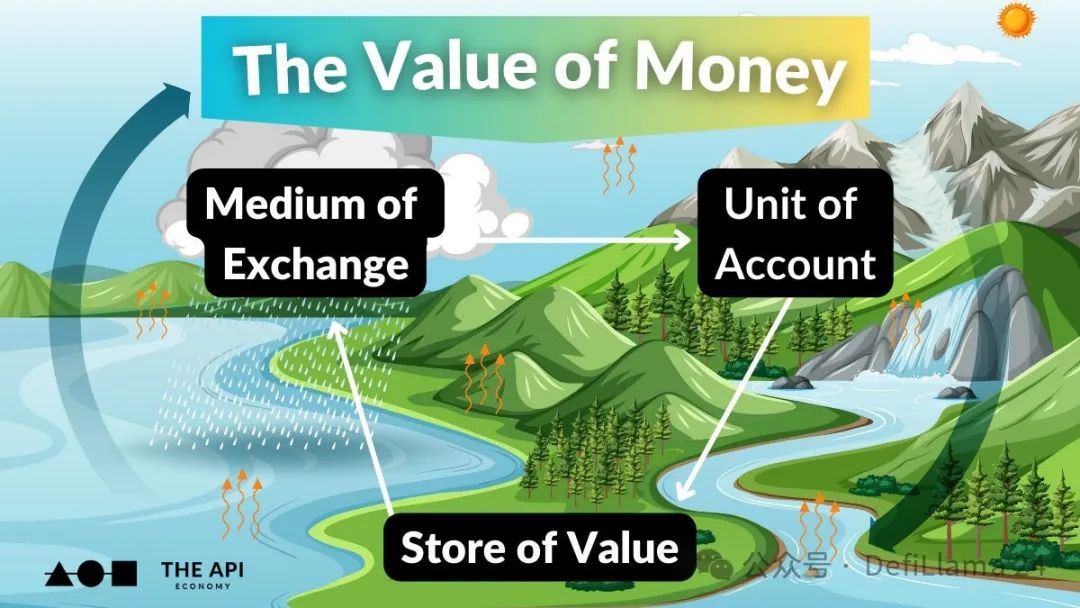
Understanding the fundamental functions of money is key to appreciating the value of stablecoins.
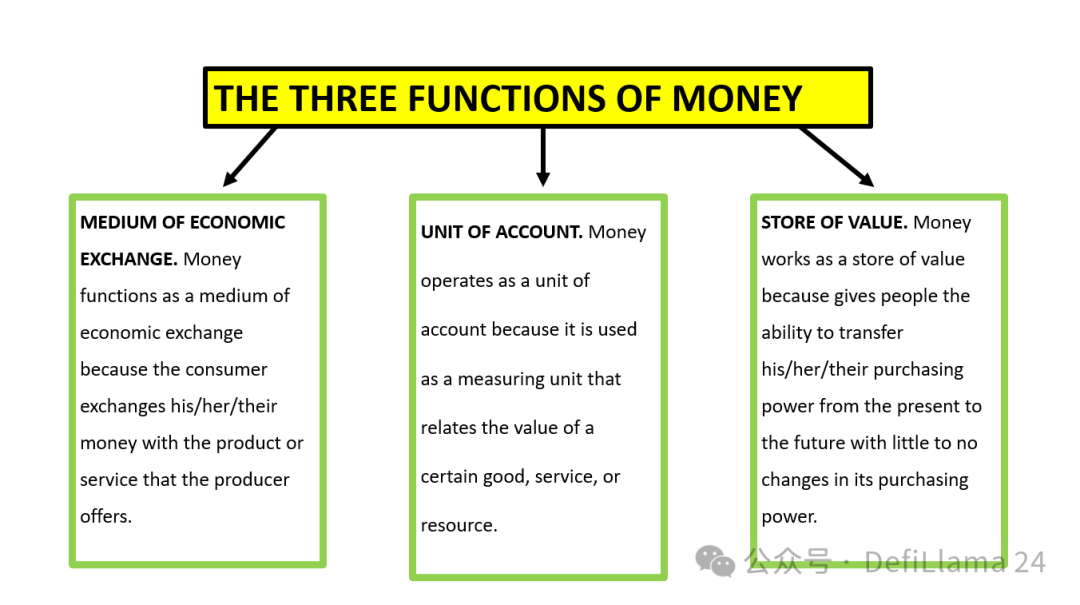
Money exists fundamentally to solve a basic problem: how to efficiently exchange value in complex societies. Economists have long recognized three primary functions of money:
1. Store of Value
2. Medium of Exchange
3. Unit of Account
These functions form the foundation of any monetary system, enabling individuals and societies to save, transact, and measure economic value over time.
By design, stablecoins aim to fulfill these same core functions—but in the digital realm, they offer improvements over traditional fiat forms.
Store of Value
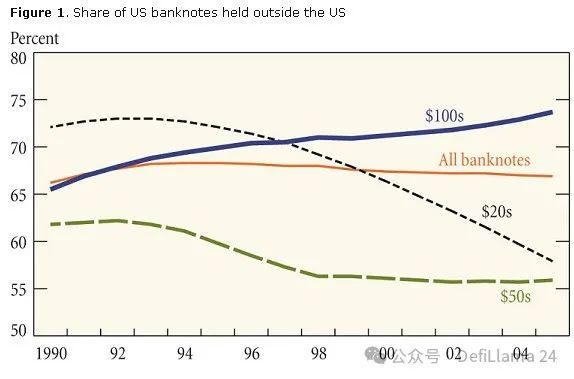
One of the most direct and visible use cases for stablecoins is as a store of value—especially in countries with currency instability or limited access to the global financial system. For people living in nations with high inflation or strict capital controls, holding stablecoins pegged to the U.S. dollar or euro can be a lifeline to protect hard-earned savings.
Nearly 75% of physical $100 bills are held overseas, totaling over $1.5 trillion. Now, anyone can access any amount of dollars or other currencies digitally via stablecoins, 24/7/365.
Medium of Exchange
As a medium of exchange, stablecoins have the potential to replace existing processes through efficiency and programmability. In every workflow involving intermediaries facilitating transactions, stablecoins can abstract and simplify the payment process.
According to McKinsey, the global payments industry processed 3.4 trillion transactions worth $18 quadrillion in 2023, generating a $2.4 trillion revenue pool. By streamlining these payments, stablecoins are eroding this $2.4 trillion global “payment tax,” making transactions more efficient for everyone.
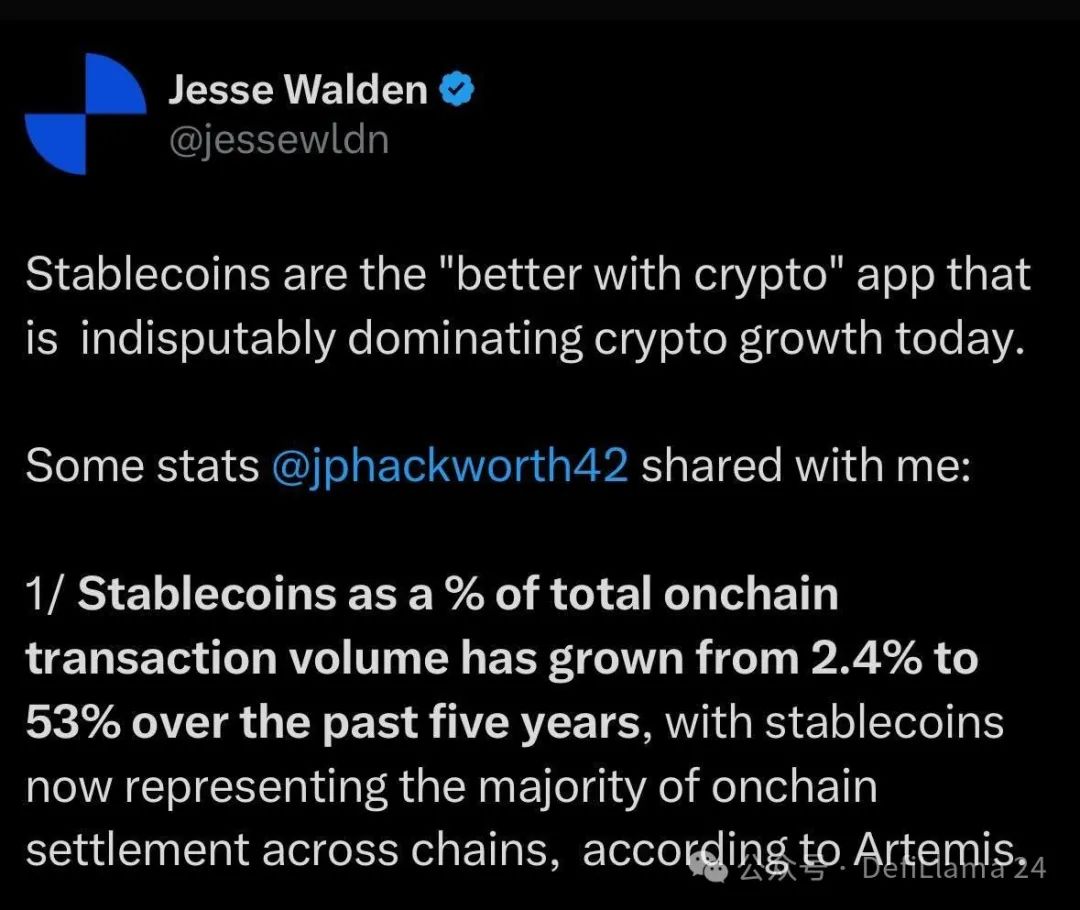
Stablecoins already surpass most cryptocurrencies in transaction volume and are quickly gaining dominance across other industries.
Unit of Account
While stablecoins are already useful as a store of value and medium of exchange, their potential as a unit of account remains largely untapped. As more businesses and individuals grow comfortable with stablecoins, we may see them increasingly used to price goods and services—especially in international contexts.
According to SWIFT, the U.S. dollar accounts for over 80% of trade finance, as most commodity trade continues to be priced and settled in dollars.
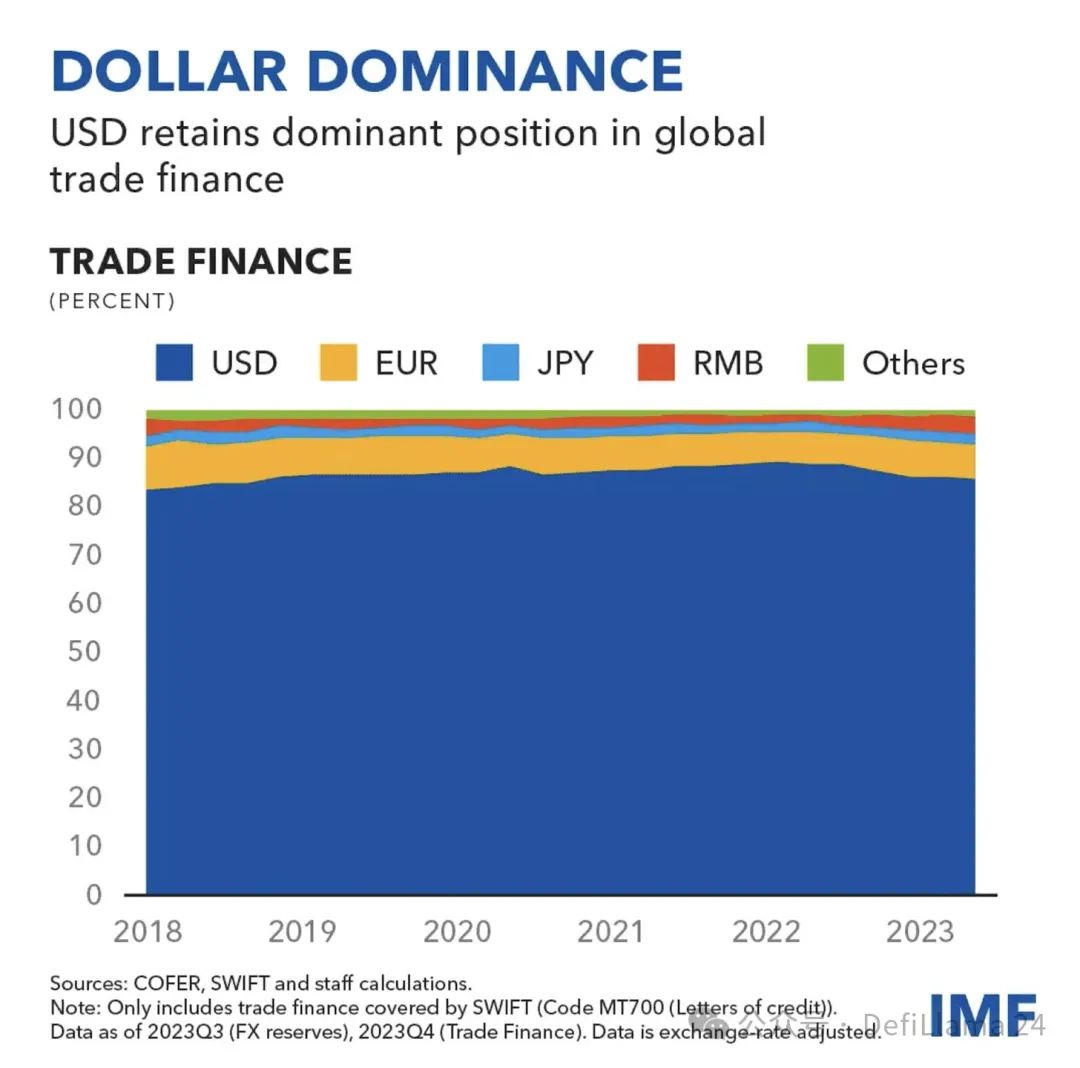
The global trade finance market was valued at $10.5 trillion in 2023 and is projected to reach $13.6 trillion by the end of 2032, growing at a CAGR of nearly 2.94% from 2024 to 2032—offering massive opportunities for stablecoin-based settlement.
In short, stablecoins are still in their early stages.
Better Internet Money
Apps like Venmo and Cash App revolutionized peer-to-peer payments within the U.S., making splitting dinner bills or paying rent easy.
However, these solutions are largely domestic. There is currently no “global Venmo” enabling fast, simple, low-cost international transfers.
This is precisely where stablecoins shine. They offer an inherently global solution, operating 24/7 without borders or banking hours. Using a stablecoin like USDC, sending money anywhere in the world becomes as easy as sending a text—and typically costs only a fraction of traditional wire transfers.
After Ethereum’s Dencun upgrade in March, average transaction costs on Layer 2 networks like Base have dropped below $0.01. Transactions are nearly instantaneous and accessible anywhere in the world.
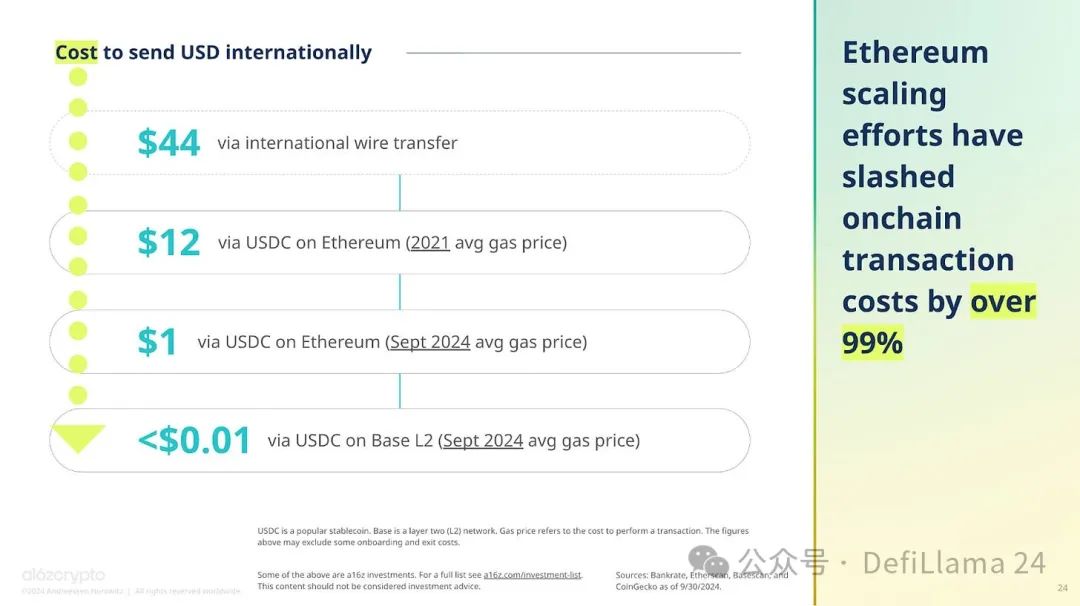
Coinbase CEO Brian Armstrong recently said at a Goldman Sachs-hosted event:
"I’m happy to report that we’ve now brought transaction times anywhere in the world to under one second, with fees down to $0.01. This makes crypto the best global payment rail available today. There are some rails in traditional finance. Some are very fast, like credit cards, but expensive—charging 2%. Some are very cheap, like ACH, but very slow—two to three business days. Right? Some are fast and cheap, like WeChat Pay, but only work in one country—China. Crypto, on Layer 2 payment rails like Base, is now the only option I know of that meets all three criteria: fast, cheap, and global. And that’s part of why I think we’re seeing stablecoin transaction volumes grow 200% to 300% year-over-year. It’s powerful. It’s not just unlocking payments—it’s starting to unlock a whole new class of applications. So, for example, if you have fast, cheap, global payments, what might people do? Maybe, sometimes on social media, people click a like button or upvote content. Why couldn’t that be a microtransaction? Right? Today in the U.S., people get paid every two weeks. Why couldn’t you get paid hourly? Or even per minute? Perhaps the entire payday lending industry could disappear. Right? Or change happens every minute. So if the world had a fast, cheap, global financial system—one that’s decentralized and not controlled by any single nation—I believe much of the friction in the economy would vanish, and we’d see massive growth. Even reducing a small amount of friction leads to huge increases in adoption. For instance, SMS once cost $0.25 per message. At its peak, about 25 billion texts were sent annually. Today, with free apps like WhatsApp and iMessage, hundreds of billions of messages are sent daily. So by eliminating just a little friction, activity increases tenfold. That happened in messaging, and now it’s happening in payments."
Put simply, stablecoins like USDC on Layer 2 networks have become the most efficient payment channels in the world.
Just let that sink in.

As more applications integrate stablecoin functionality, we may witness strong network effects. Every new app adopting stablecoins increases the utility of the entire ecosystem, fueling further adoption and innovation.
Network effects occur when a product or service becomes more valuable as more people use it. Think of social networks like Facebook or messaging tools like WhatsApp—their value grows exponentially with each new user.
Stablecoins have the potential to generate extremely powerful network effects.
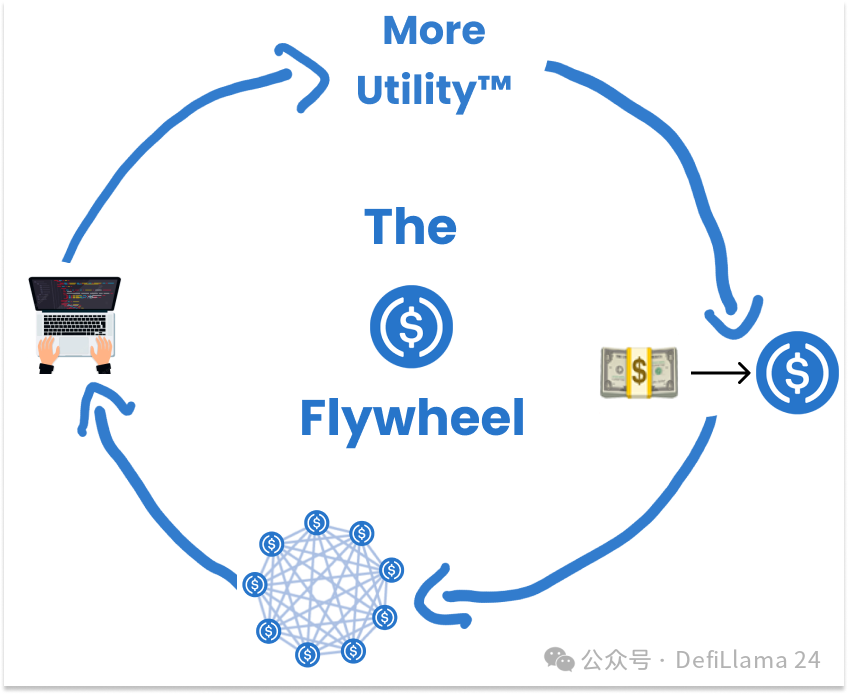
As more people start using stablecoins, more businesses will accept them—and as more businesses accept them, more people will want to use them.
This virtuous cycle could lead to rapid, widespread adoption at breakneck speed.
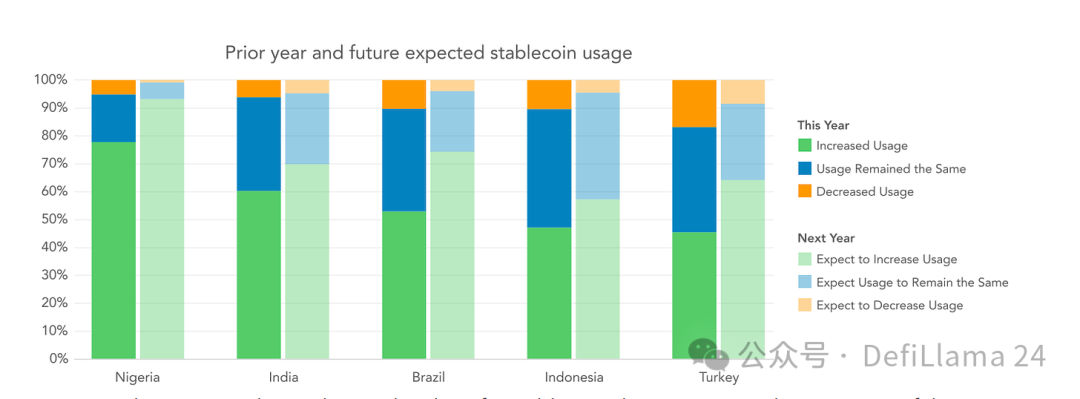
The Old Doesn’t Leave Until the New Arrives
When we look at the stablecoin landscape, many compare it to the early days of the internet. Back then, few could grasp the transformative power of the technology. We’re in a similar phase with stablecoins today.
On Jeremy Allaire’s podcast “The Money Movement,” Chris Dixon said:
"All new technologies tend to do two things: They do old things better, and they enable entirely new things that weren’t possible before. Blockchain is actually a new way to build internet services—an architecture with no gatekeepers or toll collectors."
Stablecoins represent a massive opportunity for entrepreneurs, developers, and innovators. Companies and protocols that successfully navigate this space could become the financial giants of tomorrow.
Here’s a list of some current innovators in the stablecoin ecosystem:
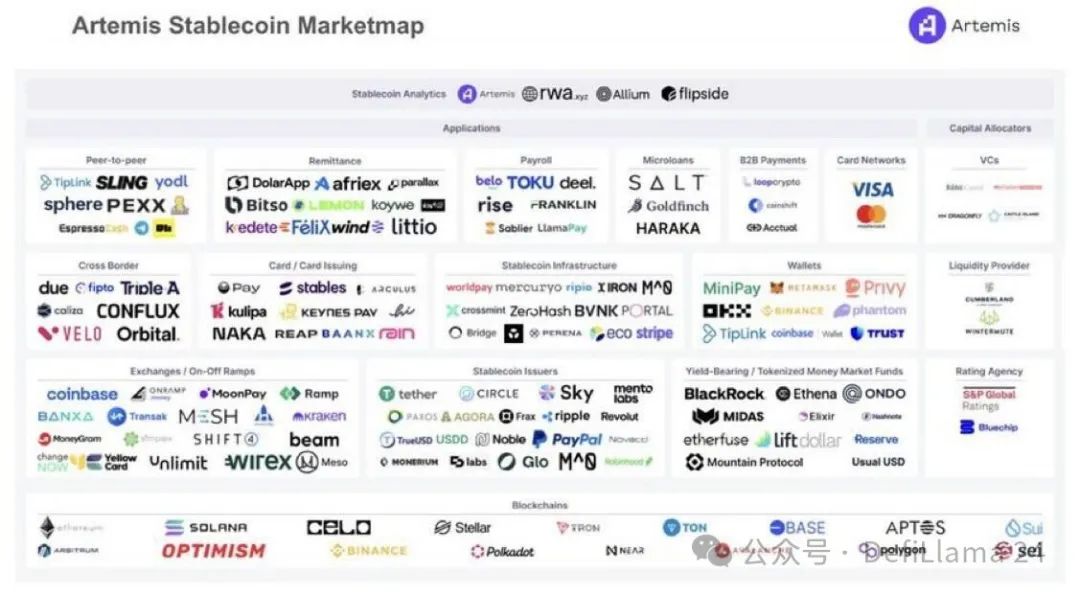
The potential is enormous. Stablecoins have the power to reshape the financial system in a more open, efficient, and inclusive way.
They could be the key to unlocking global financial inclusion, enabling new business models, and creating a more interconnected global economy.
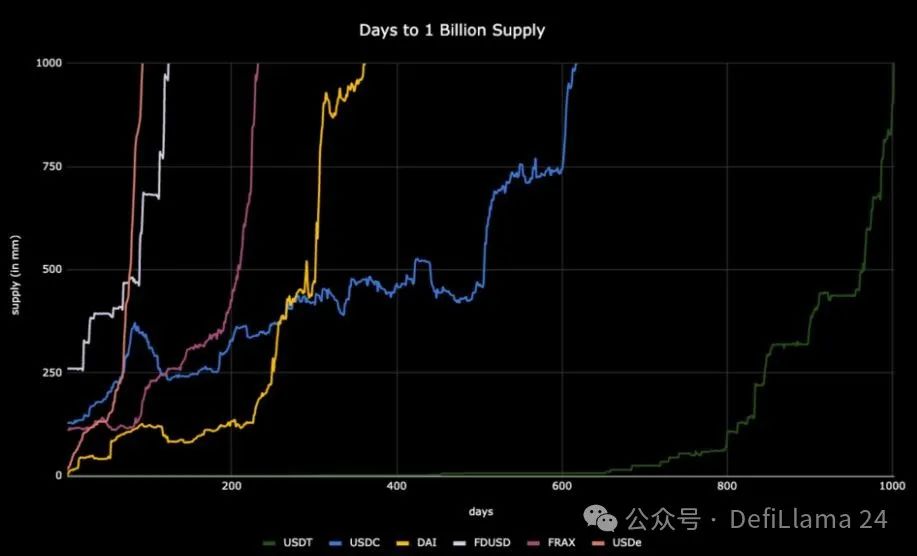
Don’t blink—this growth is happening fast. Several stablecoins have grown their supply to over $1 billion in less than a year.
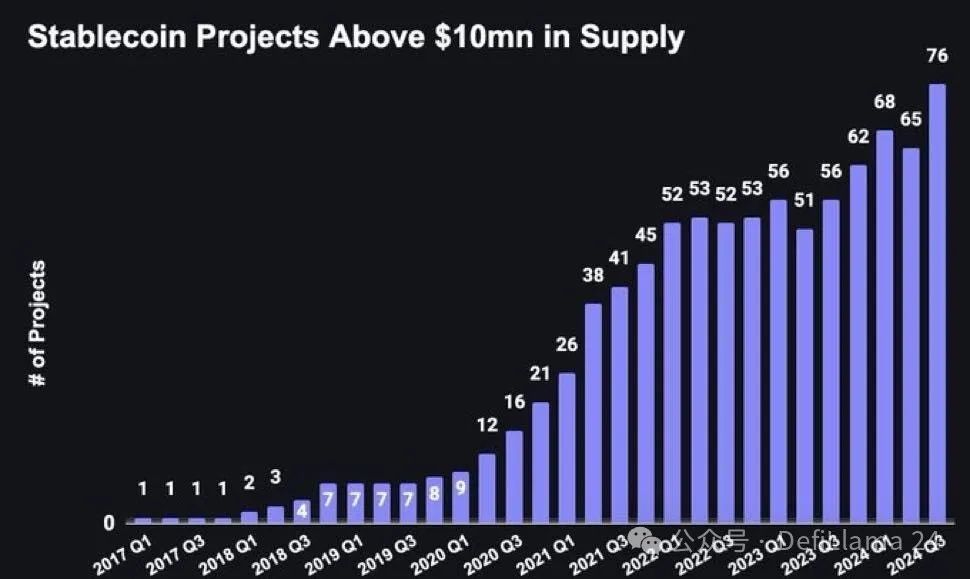
Now there are over 76 stablecoin projects with supplies exceeding $10 million.
The growth potential isn’t just large—it’s transformative at a global economic scale. And we’re only getting started.
We stand at the threshold of a new financial era. The stablecoin revolution has just begun, and I can’t wait to see where it takes us.
Until our next adventure.
Join TechFlow official community to stay tuned
Telegram:https://t.me/TechFlowDaily
X (Twitter):https://x.com/TechFlowPost
X (Twitter) EN:https://x.com/BlockFlow_News
 @peterschroederr