Harris courts Black male support but faces backlash, reiterates crypto stance in U.S. election amid skepticism over sincerity and follow-through
TechFlow Selected TechFlow Selected
Harris courts Black male support but faces backlash, reiterates crypto stance in U.S. election amid skepticism over sincerity and follow-through
Recently, Harris unveiled a series of economic security initiatives targeting Black male voters during her campaign rallies, including a pledge to support a cryptocurrency regulatory framework to protect Black men's crypto investments.
 Navigating Web3 tides with focused insights
By Nancy, PANews
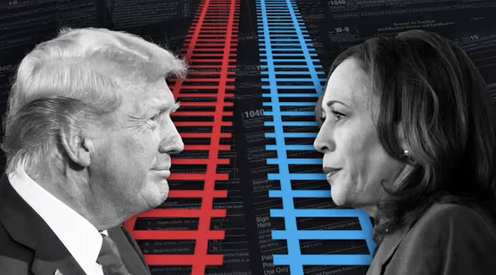
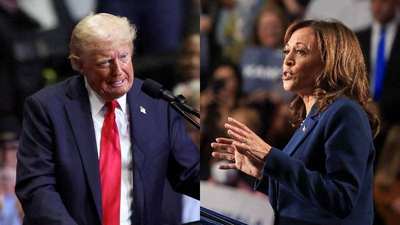
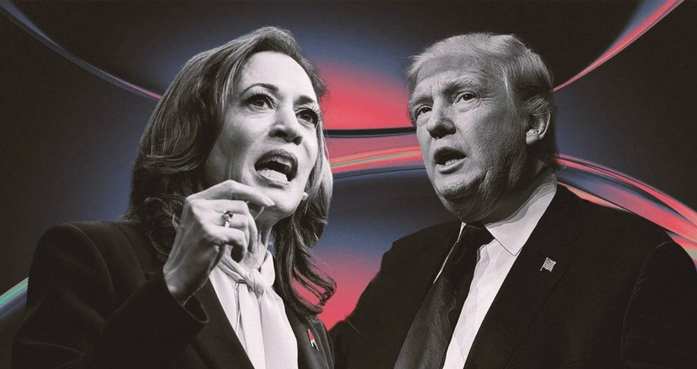
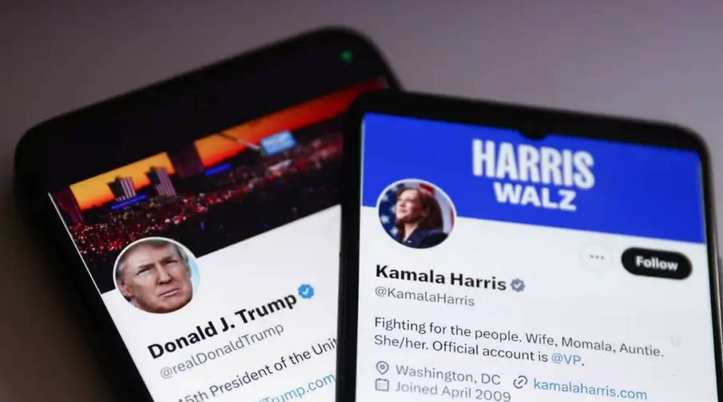
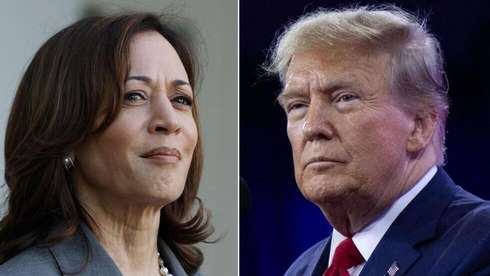
The U.S. presidential election is entering its final countdown, with the race between Trump and Harris intensifying. While Trump has been highly active in promoting cryptocurrency initiatives, Harris has rarely made clear statements on crypto. Recently, during a campaign event targeting Black male voters, Harris unveiled a series of economic security proposals, including a pledge to support a crypto regulatory framework aimed at protecting Black men's cryptocurrency investments. After the announcement, however, Harris faced criticism from the crypto community for lacking sincerity, accused of treating crypto merely as a tool to win votes.
Pushing New Policies to Win Black Male Votes, But Crypto Regulatory Plan Draws Skepticism
Pennsylvania is a key battleground state in this year’s U.S. election. Both candidates—Trump and Harris—visited the crucial swing state this Monday to campaign and appeal directly to pivotal voter groups.
For Harris, one major challenge is her underwhelming support among Black male voters. A recent poll by The New York Times and Siena College found that about 15% of Black voters plan to vote for Trump in this election. Former President Obama also noted that many Black voters remain undecided between Harris and Trump, criticizing those who resist having a woman serve as U.S. president.
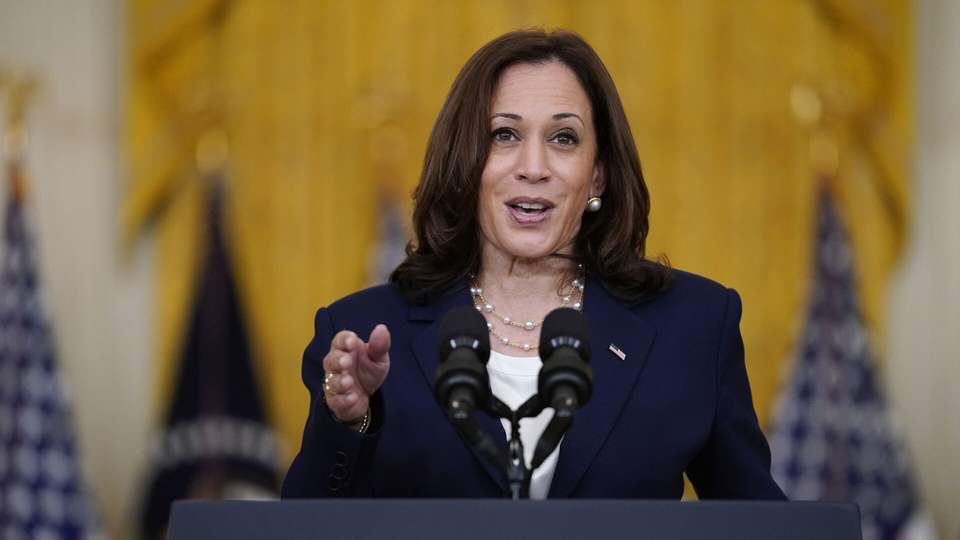
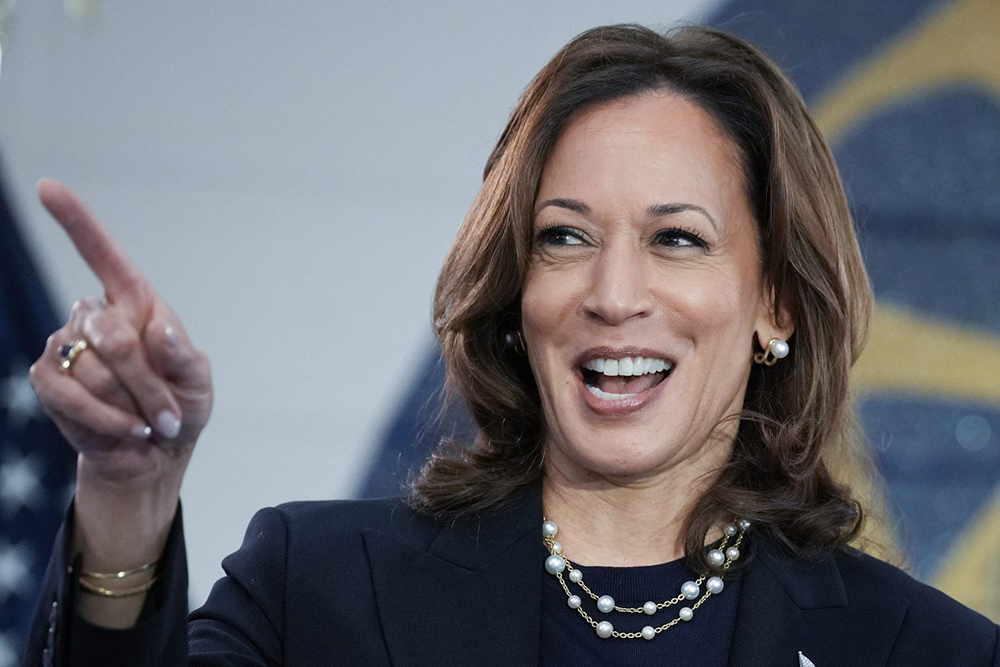
To strengthen her appeal, Harris introduced a new initiative designed to expand economic and developmental opportunities for Black men—such as offering one million forgivable loans to Black entrepreneurs, creating high-paying job pathways, and safeguarding cryptocurrency investments so that Black male investors “know their money is secure.”
“President Harris knows that over 20% of African Americans have owned or currently own cryptocurrency assets, which is why her plan will ensure digital asset owners and investors benefit from a regulatory framework that protects Black men and other communities participating in this market,” said a spokesperson.
However, the crypto community largely mocked Harris’s proposal, primarily because the crypto regulation framework was specifically targeted only at Black voters, without offering detailed policy measures or a clearer overall stance on cryptocurrency.
Crypto KOL Ansem criticized Harris’s team for failing to conduct proper due diligence on meaningful crypto regulation, instead releasing vague and superficial talking points—an embarrassment, he said, frankly shameful. “If Harris is serious, she must address the irreversible damage her administration’s officials have already done: chokepoint 2.0, criminal actions against crypto-friendly banks like Silvergate, upholding SAB121 veto power, persistent lack of meaningful regulation around stablecoins or crypto securities, and taking no action to remove Gensler, whose SEC has shown aggressive and clearly biased hostility toward crypto in litigation. We aren’t fools. This won’t make any of us vote for you.”
“It’s baffling that the Harris campaign didn’t choose to meet with leaders in the crypto space, yet rolled out a crypto policy limited solely to Black men—one that frames them only as consumers, not producers,” said FOX journalist Eleanor Terrett.
Galaxy Research assessed that Harris’s stance on crypto policy is more favorable than Biden’s, but still lags behind Trump’s. While Harris pledges to improve the regulatory environment for the U.S. crypto industry, she remains cautious on issues such as taxation, Bitcoin mining, and self-custody. In contrast, Trump supports Bitcoin mining and has committed to protecting self-custody rights. Nevertheless, Harris’s approach may be more constructive than Biden’s.
Harris Urged to Take Concrete Crypto Actions, Yet Already Gains Public Backing from Crypto Figures
The crypto community’s skepticism toward Harris is not unfounded. Over recent months, she has offered little public insight into her views on the crypto market. Insiders even suggested her campaign might not release detailed crypto policies before the election.
As recently as September, when Harris first mentioned cryptocurrency, her tone was cautious. She stated the U.S. would “recommit” to maintaining global leadership in fields defining the next century—artificial intelligence, quantum computing, blockchain, and other emerging technologies. She described AI and crypto as components of her vision for an “economy of opportunity.” In response, bipartisan crypto advocacy group Stand With Crypto downgraded Harris’s campaign rating to “NA” due to the absence of defined crypto policy.
Galaxy Research reiterated that while Harris’s position on crypto is friendlier than Biden’s, it still falls short of Trump’s. Harris promises to enhance the U.S. crypto regulatory landscape but maintains a cautious stance on taxation, Bitcoin mining, and self-custody—areas where Trump has taken stronger pro-industry positions. Still, Harris’s approach could represent progress compared to Biden’s.
Tim Kravchunovsky, founder of decentralized telecom network Chirp, urged Harris to back her words with action if she hopes to win over crypto supporters. He called for more specific details on her proposed digital asset policies—similar to the concrete commitments made by former President Trump.
Earlier this month, several leaders from the crypto industry sought meetings with Harris and her running mate Tim Walz’s policy teams to discuss innovation-driven and inclusive policy recommendations. Individuals such as Cleve Mesidor, founder of Nat’l Policy Network WOC Blockchain; Olayinka Odeniran, founder of the Black Women in Blockchain Council; and Professor Tonya Evans from Penn State Dickinson Law School advocated for establishing regulatory frameworks supporting Web3 and DeFi innovation in the United States.
Nonetheless, Harris has garnered public support from prominent figures in the crypto space. Ripple co-founder Chris Larsen recently made the first recorded crypto donation to Future Forward USA, a major super PAC backing Harris, contributing $1 million worth of XRP. Additionally, a16z co-founder Ben Horowitz announced he would donate “a significant amount” to Harris’s presidential campaign, marking a shift from his previous support for Trump.
In this fiercely contested U.S. presidential election, Harris must demonstrate far greater sincerity if she hopes to earn the trust and support of crypto voters.
Join TechFlow official community to stay tuned
Telegram:https://t.me/TechFlowDaily
X (Twitter):https://x.com/TechFlowPost
X (Twitter) EN:https://x.com/BlockFlow_News
 PANews