Harris to Trump: Whose policy is more favorable for crypto development?
TechFlow Selected TechFlow Selected
Harris to Trump: Whose policy is more favorable for crypto development?
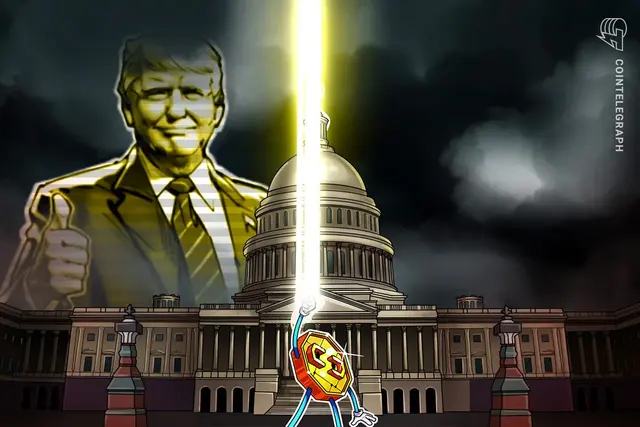
Former U.S. President and current candidate Trump has the most favorable stance toward crypto assets.
 Navigating Web3 tides with focused insights
Source: cryptoslate
Translation: Blockchain Knight
Alex Thorn, Head of Research at Galaxy Digital, shared a "policy scorecard" assessing U.S. presidential candidates' positions on the crypto asset industry.
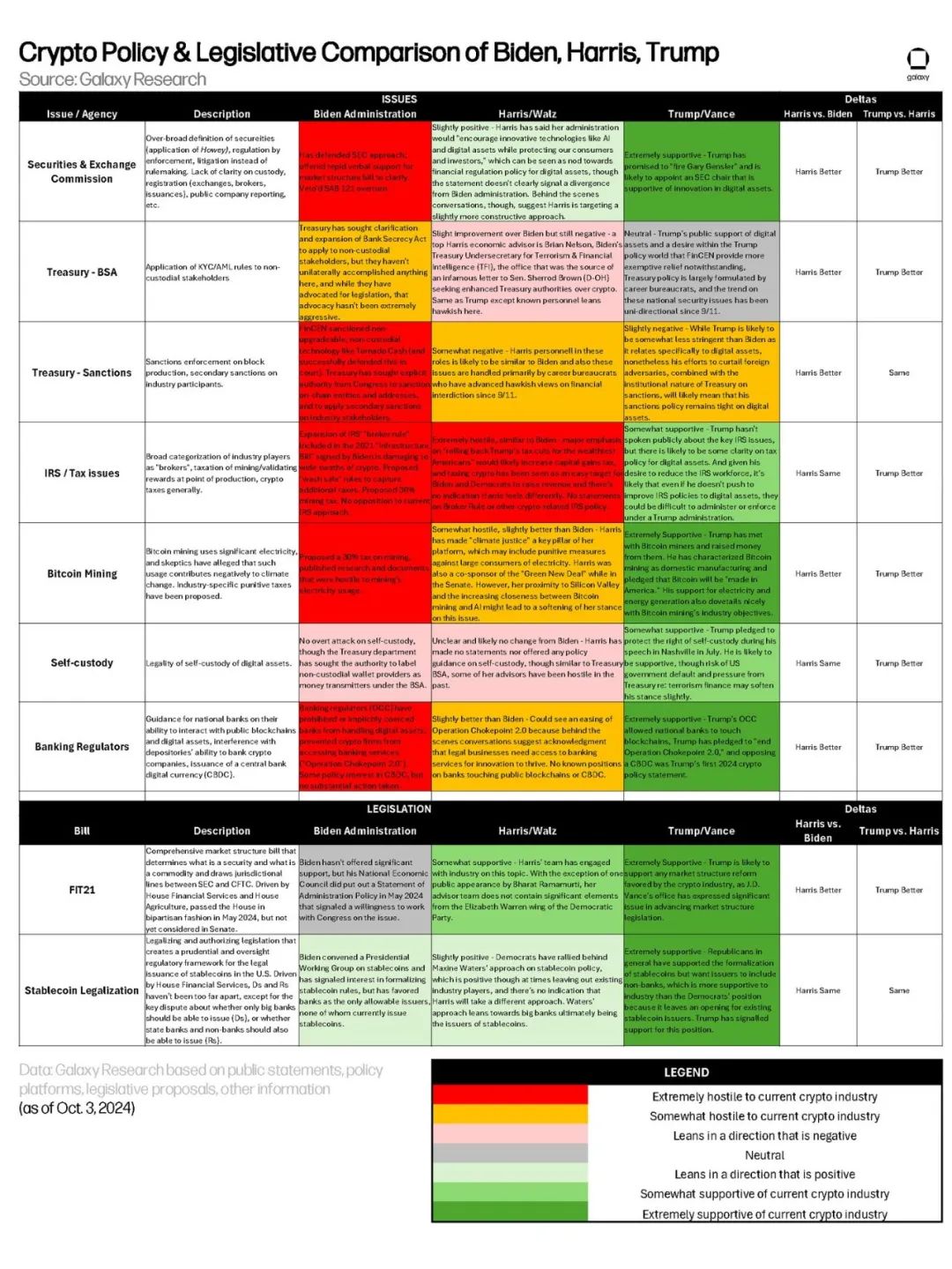
The image shows that Vice President Kamala Harris winning the election would pose very limited "risk" to the crypto industry—more favorable than the current Biden administration.
However, former U.S. President and current candidate Donald Trump holds the most favorable stance toward crypto assets.
Analysts at Galaxy Research expressed optimism, noting that actions so far suggest Harris’s term could be friendlier than President Biden’s.
Harris and Trump differ significantly on crypto policy in four key areas: taxation, BTC mining, self-custody, and banking regulation.
On taxation, Galaxy analysts describe Harris’s campaign as “highly hostile,” citing her public pledge to eliminate Trump’s tax cuts for “the wealthiest Americans.”
In contrast, Trump would make digital asset tax policies clearer.
Mining policy also shows a similar contrast. Biden proposed a 30% tax on mining, while Harris has taken a much more lenient tone in her campaign rhetoric.
The scorecard rates her position as “slightly better” than Biden’s, but still somewhat hostile.
Meanwhile, Trump is seen as highly supportive of BTC mining, having accepted donations from miners. He previously stated publicly that he views mining as part of “domestic manufacturing.”
Harris and Trump also diverge sharply on banking policy.
Behind-the-scenes discussions suggest Harris may ease Biden’s “Operation Choke Point 2.0” and acknowledge the crypto industry's need for banking access.
Trump, by contrast, is viewed as “strongly supportive,” pledging to end “Operation Choke Point 2.0” entirely and allow national banks to engage with blockchain. Trump has also voiced strong opposition to central bank digital currencies (CBDCs).
On self-custody, Harris and Trump’s policies are relatively similar.
Harris has not made direct statements on this issue, though some of her campaign advisors have previously held hostile views. Trump is considered “somewhat supportive,” having pledged at the Nashville BTC Conference to protect self-custody rights.
Galaxy’s analysis is based on public statements and reports from sources closely connected to both parties’ campaigns.
BTC is notably absent from most regulatory discussions on the scorecard, suggesting it will remain largely unaffected regardless of whether Harris or Trump wins next month’s election.
However, the outlook for alternative assets is more divided.
A Trump victory could provide the regulatory clarity altcoins need, potentially allowing them to outperform BTC, while a Harris administration may pose risks to these assets.
If Trump delivers the long-awaited regulatory reforms for the U.S. crypto industry, tokens like Uniswap’s UNI stand to benefit.
While a Trump presidency could unleash “explosive upside” potential for the crypto industry, Galaxy’s research head believes the downside risk under Harris is “limited,” noting her overall stance on crypto assets is better than Biden’s.
Join TechFlow official community to stay tuned
Telegram:https://t.me/TechFlowDaily
X (Twitter):https://x.com/TechFlowPost
X (Twitter) EN:https://x.com/BlockFlow_News
 @CryptoSlate