2024 Election: Trump and Harris' Stances on Cryptocurrency
TechFlow Selected TechFlow Selected
2024 Election: Trump and Harris' Stances on Cryptocurrency
Cryptocurrency became a key factor in the 2024 election, with Trump actively supporting the industry and attracting substantial donations, while Harris and the Democrats play catch-up amid intensifying battles over crypto regulation.
 Navigating Web3 tides with focused insights
By: Rachel Christian
Translation: Baicai Blockchain
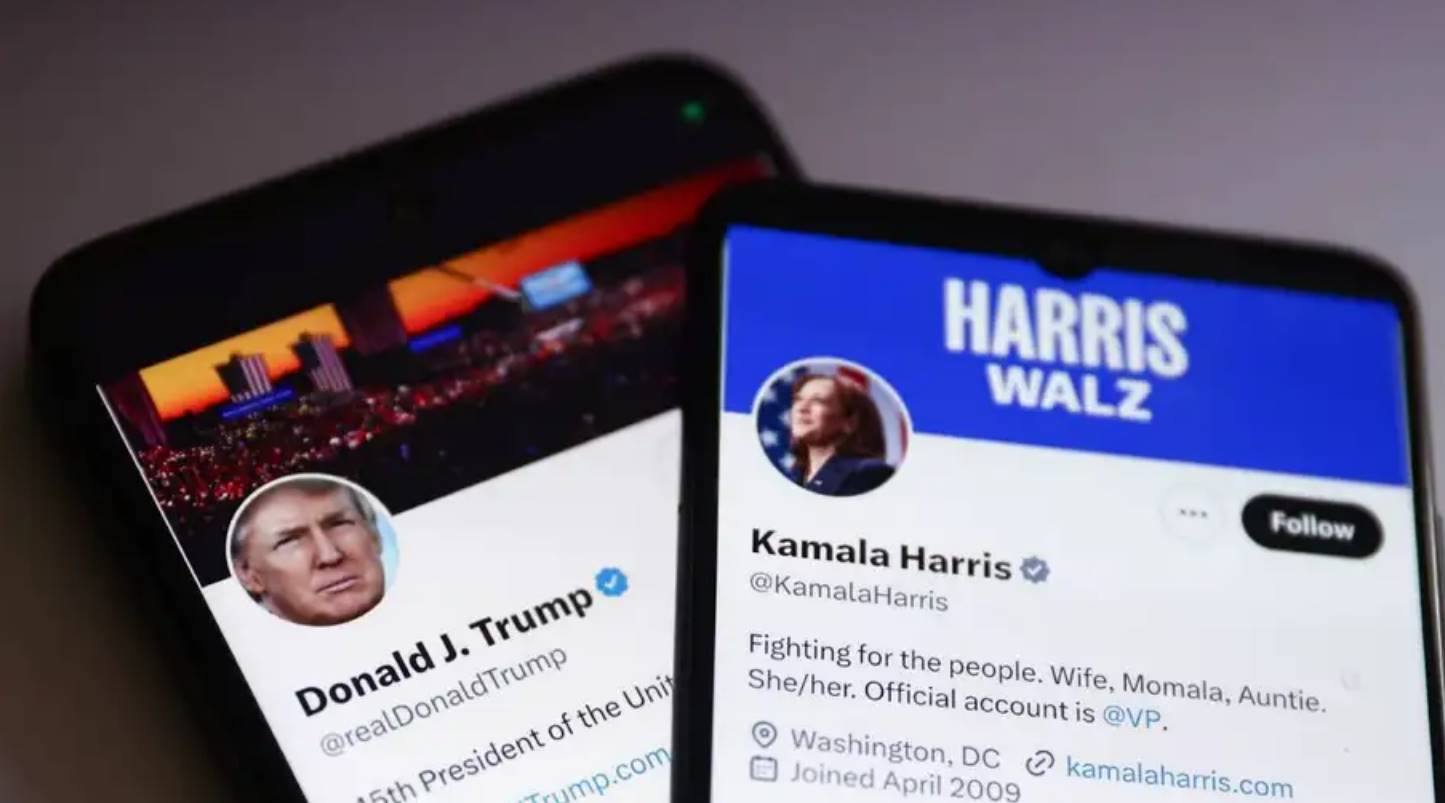
According to a recent report by the consumer advocacy group "Public Citizen," nearly half—yes, almost half—of corporate funding in this year's federal elections has come from cryptocurrency supporters.
So what exactly do these crypto backers want? Where do presidential candidates Donald Trump and Kamala Harris stand on cryptocurrencies and their still-uncertain regulatory future?
In this article, we'll dive into both candidates' positions while exploring how much money major crypto companies have poured into political donations this year—and what they hope to achieve through this influence.
1. Crypto’s Strong Financial Backing in the 2024 Election
Once seen as a passing fad and preferred payment method for shadowy figures, cryptocurrency is becoming increasingly mainstream, with its well-funded loyalists spending heavily to gain influence in the 2024 election.
According to Public Citizen's report dated August 21, crypto firms and wealthy investors have directly contributed over $119 million to influence federal elections. The Washington, D.C.-based nonprofit progressive consumer advocacy organization said most of that money flowed to Fairshake, a nonpartisan super PAC. Fairshake has raised more than $202 million during the 2023–2024 election cycle, aiming to elect pro-crypto candidates and defeat those skeptical of digital currencies.
The report states that major cryptocurrency companies—especially Coinbase and Ripple—have become among the largest corporate political donors in 2024, accounting for nearly 48% of all corporate contributions this election season. In fact, since 2010, crypto firms have become the second-largest industry in election-related spending, trailing only fossil fuel companies.
Crypto executives and advocates argue that tens of millions care about digital currency. However, a Federal Reserve survey found that only about 7% of Americans held or used cryptocurrency in 2023.
2. 2024 Presidential Candidates’ Stances on Cryptocurrency
As crypto lobbying groups emerge as a powerful force in the 2024 election, both Trump and Harris face growing pressure to clarify their positions on the issue.
1) Kamala Harris
Vice President Kamala Harris has not taken an official stance on cryptocurrency during her brief campaign as the Democratic nominee, reflecting widespread uncertainty within the Democratic Party on the matter.
The Democrats have some catching up to do on crypto, especially given that the Biden administration has been perceived by crypto supporters as largely unfriendly toward the industry.
Regulatory crackdowns by the Securities and Exchange Commission (SEC) began roughly two years ago, following the collapse of FTX, the world’s third-largest cryptocurrency exchange. The SEC responded with a wave of lawsuits alleging that top crypto firms bypassed basic investor protections. Two of the most high-profile cases targeted Binance, the world’s largest crypto exchange, and Coinbase, the largest U.S.-based platform.
These lawsuits followed earlier SEC attempts to limit broader adoption of cryptocurrencies—including blocking approval of Bitcoin ETFs—until a federal judge overturned one such decision in 2023, paving the way for new funds to begin trading in January 2024.
But with massive financial stakes and potential voter attention in swing states, Democratic leaders are working to repair relations with the crypto industry—even if their candidate hasn’t formally stated her position yet.
According to Polit1C0, in July, 14 House Democrats sent a letter to the chair of the Democratic National Committee urging the party to adopt pro-crypto policies in its platform.
In mid-August, Democratic officials held a video call with crypto industry representatives aimed at “resetting” relations with the sector. Reuters reported that a pro-crypto group called Crypto4Harris also plans grassroots fundraising events nationwide in September to build support for Harris.
2) Donald Trump
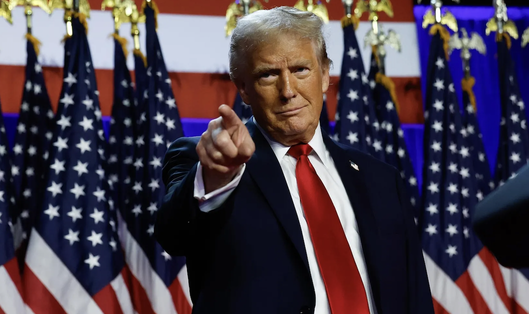
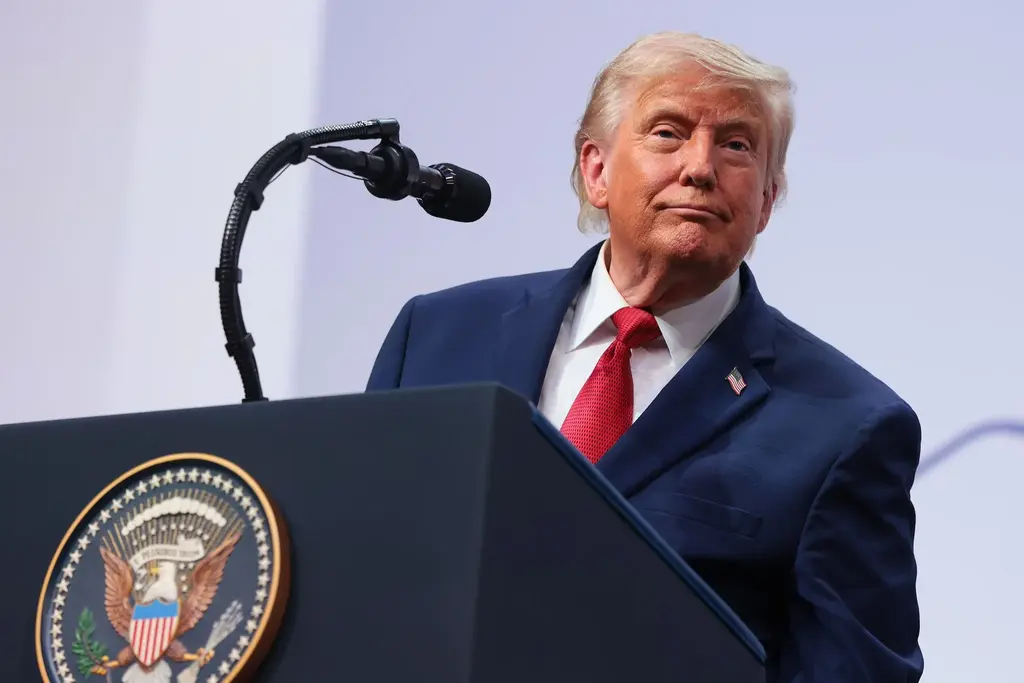
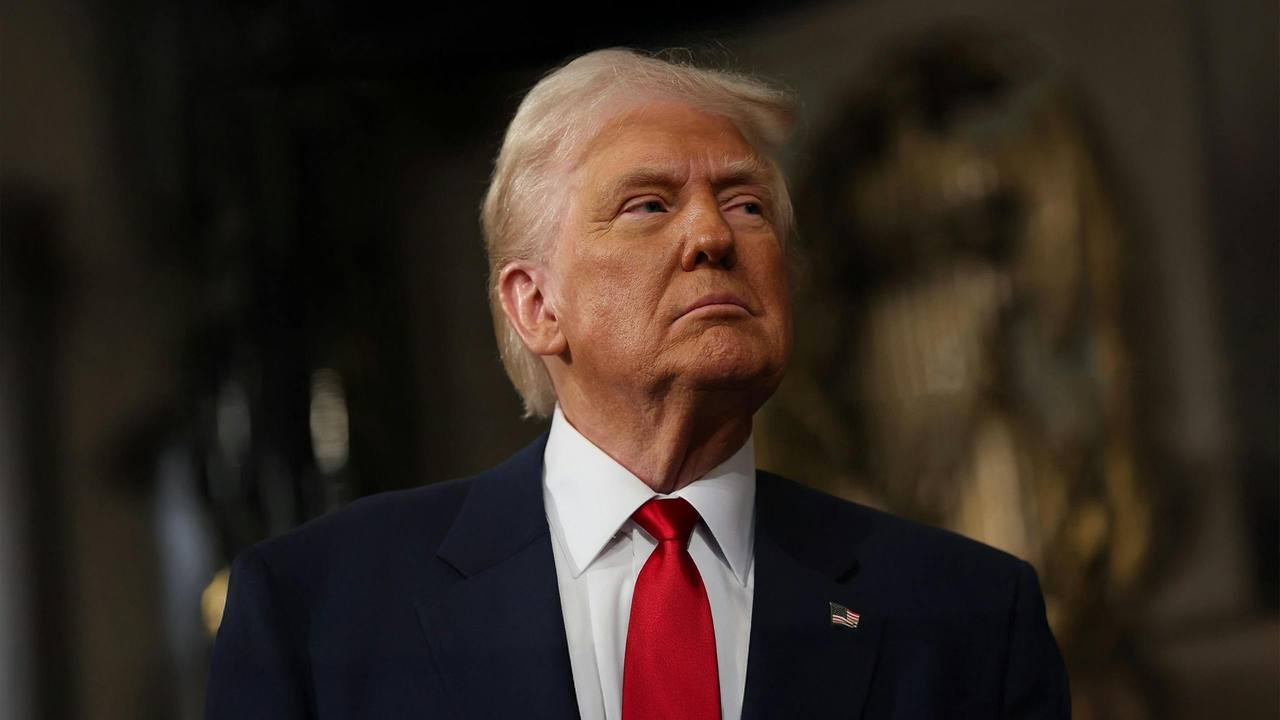
Former President Donald Trump, once skeptical of cryptocurrency, has now shifted course and emerged as a pro-crypto presidential candidate.
In the summer of 2019, Trump criticized crypto on social media, claiming it could be used to facilitate illegal activities like drug trafficking. During his presidency, regulatory actions under his administration included the SEC’s controversial lawsuit against Ripple.
But by 2024, Trump had changed his tune, seeking to attract single-issue voters—and more importantly, large donors from the crypto space.
In July, at a major cryptocurrency conference in Nashville, Tennessee, Trump declared his ambition for the U.S. to become the “global capital of cryptocurrency” and a “world superpower” in Bitcoin.
Trump’s campaign now accepts Bitcoin donations and recently launched digital NFT trading cards depicting him dressed as a superhero dancing with Bitcoin. Priced at $99 each, they are available on Trump’s campaign website. His vice-presidential running mate, Ohio Senator J.D. Vance, is also a longtime crypto supporter.
The Republican National Committee even mentioned cryptocurrency in its official platform, stating that Trump will defend the right to mine Bitcoin and “ensure every American has the right to self-custody digital assets and transact without government surveillance or control.”
At the Bitcoin 2024 conference in Nashville, Trump outlined a series of pro-crypto policy proposals. He also claimed that under his leadership, Bitcoin prices would surge significantly.
Some of Trump’s key crypto policy proposals include:
-
Establishing a government Bitcoin reserve: At the conference, Trump stated his administration would “retain 100% of all Bitcoin currently held or acquired in the future by the U.S. government,” adding that these digital currencies would form the core of a “strategic national Bitcoin reserve.” As of October 2023, the U.S. government was estimated to hold over $5 billion worth of Bitcoin, mostly seized through criminal investigations. However, how such reserves would be used, whether practical, or even accepted by the broader crypto industry remains unclear.
-
Create a cryptocurrency advisory board: In Nashville, Trump proposed forming a “President’s Advisory Committee on Bitcoin and Cryptocurrency,” saying its rules would be made by “people who love this industry, not those who hate it.”
-
Block the Fed from creating its own digital currency: While central bank digital currencies (CBDCs) are gaining traction globally, the idea faces strong resistance in America’s crypto community. Although the Federal Reserve hasn't decided whether to launch a digital dollar, it released a long-awaited report in January 2022 outlining potential costs and benefits. Trump has repeatedly opposed the idea publicly in 2024, including at a January rally in New Hampshire where he called it a “dangerous threat to freedom.” In May, the House passed a bill banning the Fed from creating a CBDC, though it still has a long path before becoming law.
3. Summary
With millions of dollars flowing in, cryptocurrency has become a significant factor in the 2024 election, influencing both presidential candidates and down-ballot races. While Trump makes sweeping promises and embraces crypto supporters, Harris and the Democrats are playing catch-up. Crypto backers are injecting substantial funds into campaigns, pushing for regulatory changes favorable to their interests.
As both parties eye this massive flow of capital, the battle over crypto regulation is intensifying—making it a key issue to watch in the final weeks of the election.
Join TechFlow official community to stay tuned
Telegram:https://t.me/TechFlowDaily
X (Twitter):https://x.com/TechFlowPost
X (Twitter) EN:https://x.com/BlockFlow_News
 @Bankrate