








The higher Bitcoin rises, the more afraid they become that Satoshi Nakamoto is still alive?
TechFlow Selected TechFlow Selected
The higher Bitcoin rises, the more afraid they become that Satoshi Nakamoto is still alive?
Many people don't care about Satoshi Nakamoto but rather...
 Navigating Web3 tides with focused insights
By Mu Mu
Recently, HBO, the globally renowned premium television network, claimed it will reveal the true identity of Bitcoin's founder Satoshi Nakamoto through a documentary. Although I believe this is yet another meaningless marketing stunt exploiting "Satoshi Nakamoto" as a buzzword, one must admit HBO successfully triggered widespread debate across the crypto community and financial circles by choosing such a sensitive moment to press everyone’s nerves…
The Hunt for Satoshi
This year, following the approval of Bitcoin ETFs, Bitcoin has officially entered the mainstream as an asset class, gaining broader public attention. Global financial institutions are increasingly interested in this “alternative asset.” As an experienced content producer, HBO had little difficulty recognizing "Satoshi Nakamoto" as a long-standing traffic magnet.
However, I believe it's utterly impossible for a single documentary to truly uncover Satoshi Nakamoto’s real identity or any definitive clue. Over the past decade-plus since Bitcoin rose to prominence, not only crypto enthusiasts and media but also official judicial and security agencies from various countries have continuously attempted to investigate and track him down—yet the top-tier cryptographer known as Satoshi Nakamoto remained extremely meticulous, leaving no trace before vanishing into anonymity.
Given that, why does HBO still claim to have solved the mystery of Satoshi Nakamoto despite knowing their claims won’t withstand scrutiny? The root lies in its business model. As a well-known documentary producer, HBO has released many highly popular documentaries, generating revenue through subscriptions, advertising, licensing, and video sales. In short, their goal is to identify and monetize viral topics.
To date, all individuals speculated to be linked to Satoshi Nakamoto in connection with HBO’s documentary—Peter Todd, the widow of Len Sassaman, Adam Back, among others—have denied any involvement. Peter Todd, the most directly implicated figure, strongly refuted the arguments presented in HBO’s documentary on social media, gradually bringing this chaotic spectacle to a close.
Peter Todd quoted Craig Wright's comment calling HBO's claims "nonsense," adding: "At this point, I think we should believe him. After all, Craig Wright is the world’s most famous non-Satoshi expert."
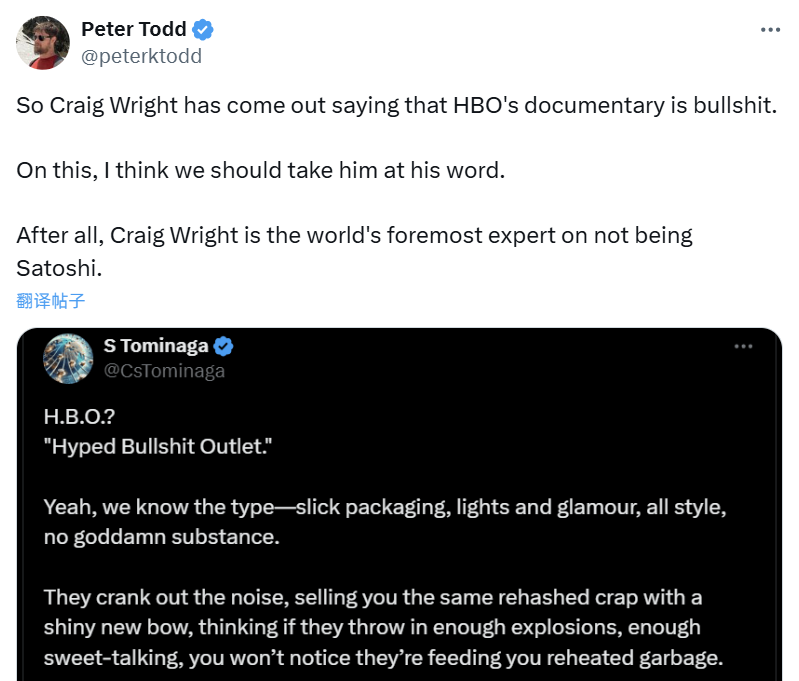
On one side, Peter Todd vehemently denies being Satoshi; on the other, there’s Craig Wright—the so-called 'Craig Satoshi' (often mocked as 'Faketoshi')—who once aggressively claimed he was the real Satoshi. The situation becomes intriguing.
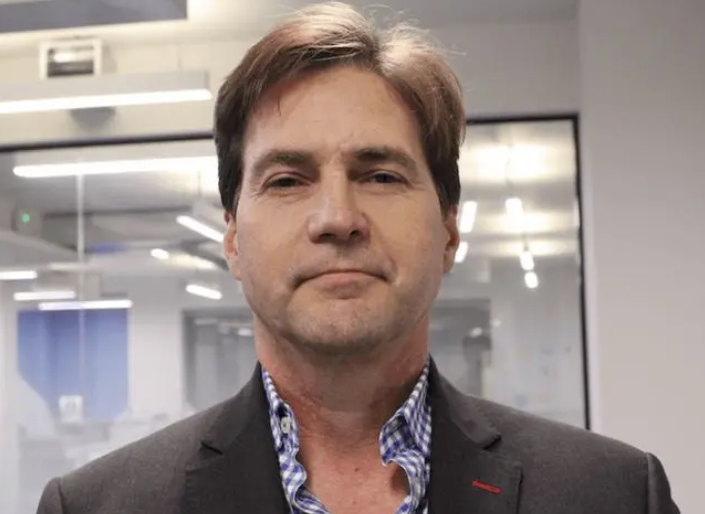
Craig Wright
Who exactly is Craig Wright? Since 2015, Australia’s Craig Wright has repeatedly claimed to be Satoshi Nakamoto himself—a claim met with skepticism, earning him the nickname “Craig Satoshi” (or jokingly, “Aus-satoshi”). Over time, Craig Wright provided some vague pieces of “evidence” to support his claim, but none were conclusive. In 2019, he even registered copyright for the Bitcoin whitepaper and source code with the U.S. Copyright Office, later using these registrations to initiate legal proceedings. To this day, the Bitcoin community remains deeply skeptical, believing his actions are driven purely by profit and influence-seeking motives.
Craig Wright insists he is Bitcoin’s true creator, advocating for a return to Bitcoin’s original design, promoting ideas like large blocks and high throughput. He enjoys strong backing from prominent Bitcoin forks such as BCH and BSV. Particularly within the BSV community, his supporters enabled him to exert significant control over BSV’s development. His views and resources have played a decisive role in shaping the BSV ecosystem—though critics argue that leadership roles in such communities serve as convenient tools for Craig Wright to amplify his self-promotion and financial gain.
Today, BSV has largely faded into obscurity, and Craig Wright’s claim to being Satoshi Nakamoto has been widely discredited. Yet while some desperately try to attach themselves to this identity, others treat it as an inescapable burden…
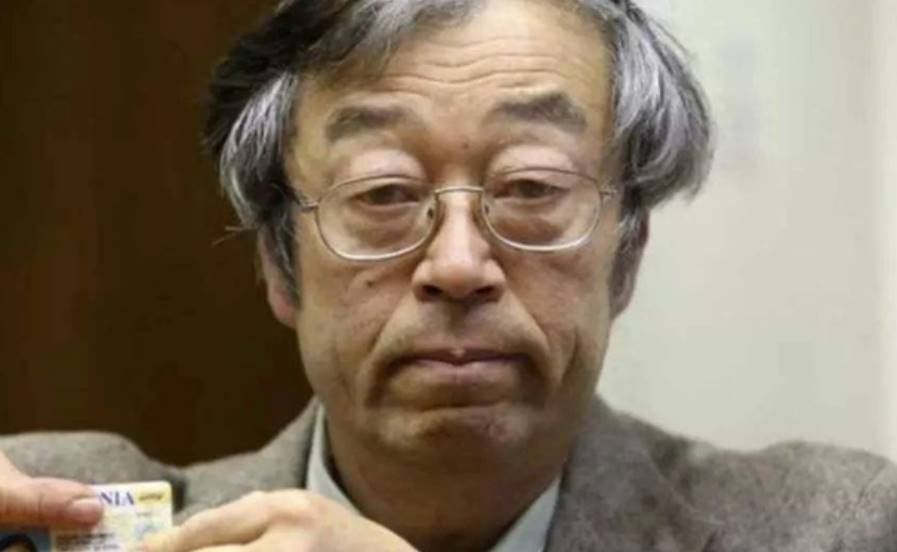
Dorian Nakamoto
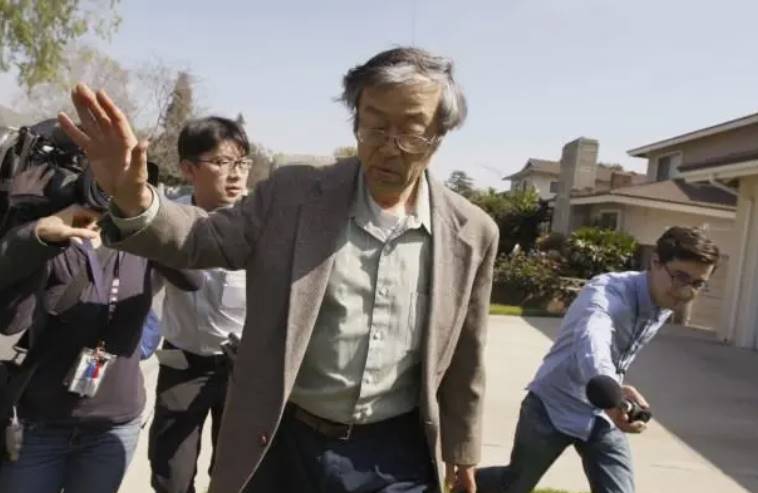
In 2014, a U.S. media outlet claimed to have found Satoshi Nakamoto—identifying him as Dorian Nakamoto, a 64-year-old Japanese-American man living in California. This image of Dorian became widely associated with the public’s perception of Satoshi, persisting despite denials. Three years after going silent, the account believed to belong to Satoshi posted: “I am not Dorian.” (Some community members suspect the message wasn’t actually authored by him.)
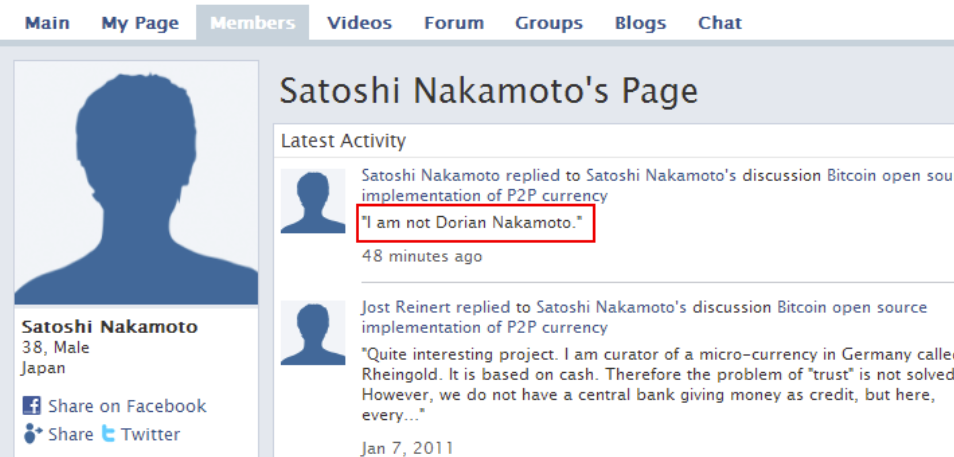
Nonetheless, many truth-seekers and sensationalist media outlets swarmed Dorian Nakamoto and his family, causing severe distress. To protect their privacy, they even hired legal counsel and issued a public statement requesting the harassment cease. In his final appeal, he said: “I respectfully ask that you now leave us in peace and allow us to live quietly.”
Many don't care who Satoshi is—what they really care about is the coins in his wallet
With Bitcoin’s maximum supply capped at 21 million, Satoshi Nakamoto left no instructions regarding the approximately 1.1 million Bitcoins mined during the early days—and did not destroy them either. This means more than 5% of all Bitcoins could potentially flood the market at any moment, creating an enduring sense of “uncertainty” among Bitcoin holders.
The reason people go to great lengths to find Satoshi and verify his identity goes beyond mere curiosity—it's about seeking certainty. Like the classic TV line: “We need to see the body if he’s dead, or meet him alive.” Without confirmation, the risk remains. Beyond investors, regulators also worry such uncertainty could trigger market instability and harm investor protection.
As of the end of September, U.S. spot Bitcoin ETFs held over 900,000 BTC—just shy of the estimated 1.1 million held by Satoshi. Analysts project that by 2025, spot Bitcoin ETF holdings may surpass Satoshi’s stash. This implies that via U.S. spot Bitcoin ETFs alone, traditional finance has already channeled over $60 billion into Bitcoin, pushing its trillion-dollar market cap even higher and attracting ever more capital.
Wall Street and investors alike fear uncertainty. Satoshi has become one of Bitcoin’s biggest sources of unpredictability. This concern intensifies as Bitcoin’s market value grows and daily trading volume reaches tens of billions of dollars. Hence HBO’s documentary successfully stirred tensions—but even without HBO, there would always be an “ABO” or “CBO” ready to exploit this sensitive nerve for profit.
Earlier analyses suggested that if Satoshi hadn’t disappeared, given Bitcoin’s early trajectory, he might have faced prison time. Even today, countless legal and personal troubles would inevitably follow him. All this proves that Satoshi’s decision to vanish was indeed the right one.
To this day, the mystery of Satoshi Nakamoto remains unsolved—and the truth may never be revealed. But perhaps precisely because of this, many people can’t sleep soundly.
Conclusion
Regardless, Bitcoin has made immense contributions to human society. “We owe Satoshi Nakamoto a Nobel Prize in Economics.” We salute this enigmatic figure who, having accomplished his mission, walked away silently—“gone without a trace, hidden in plain sight.”
Join TechFlow official community to stay tuned
Telegram:https://t.me/TechFlowDaily
X (Twitter):https://x.com/TechFlowPost
X (Twitter) EN:https://x.com/BlockFlow_News
 白话区块链
白话区块链






