








Who is most likely to be Satoshi Nakamoto?
TechFlow Selected TechFlow Selected
Who is most likely to be Satoshi Nakamoto?
Before the dust settles, catch a glimpse of the many faces of "Satoshi Nakamoto."
 Navigating Web3 tides with focused insights
By Pzai, Foresight News
As HBO's documentary "Money Electric: The Bitcoin Mystery" premieres today, the greatest mystery in cryptocurrency history—the true identity of Satoshi Nakamoto—is poised to be fully revealed. In the highly decentralized market, crypto traders are already placing bets on every possible outcome. Polymarket, a key battleground for crypto-related predictions, reflects these shifting probabilities as market sentiment fluctuates.
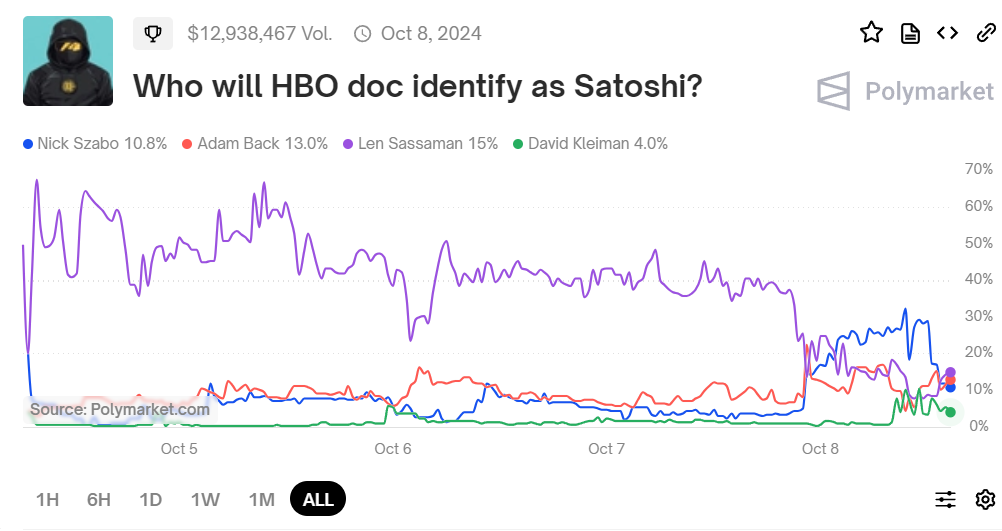
In terms of probability shifts, Nick Szabo—previously less favored—has seen his odds rise from the bottom, while Len Sassaman, once the market favorite, has declined from peak levels. This article explores the enigma of "Satoshi Nakamoto" through the lens of these key figures.
Len Sassaman
Len Sassaman, one of the earliest advocates of the Cypherpunk movement—which champions privacy through cryptography and digital currencies—led research on P2P networks and dedicated himself to developing encrypted PGP messaging and open-source privacy technologies. Bitcoin, one of the most celebrated applications within the cypherpunk ethos, pays tribute to him in subtle ways. Every Bitcoin node contains his obituary embedded in block 138725, granting him a form of immortality in the most cypherpunk manner possible—fulfilling what many believe was his lifelong aspiration.
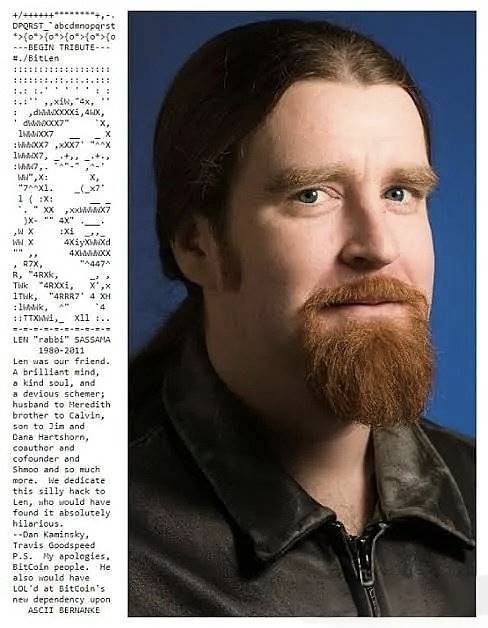
His close friend Justin Newton stated: "Len believed strongly in building open, permissionless networks to foster innovation. I wouldn't be surprised if Len had built such a network." Coincidentally, Satoshi Nakamoto’s disappearance occurred not long after Len’s death, fueling speculation. However, Len Sassaman’s widow, Meredith L. Patterson, recently denied claims that he was Satoshi in an interview with DL News, noting that HBO never contacted her during the production of the documentary "Money Electric: The Bitcoin Mystery."
Nick Szabo
Nick Szabo, a renowned computer scientist and cryptographer, first proposed the concept of smart contracts between 1994 and 1997. Well before Satoshi Nakamoto introduced Bitcoin, Szabo conceptualized "Bit Gold," an idea that came strikingly close to Bitcoin itself. Vitalik Buterin later adopted and integrated many of his ideas into Ethereum. Technically speaking, Nick Szabo clearly possessed the capability to design the Bitcoin system.
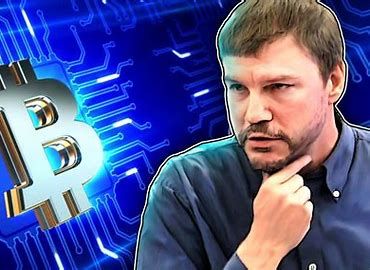
Elon Musk also appears to lean toward this view. In a prior statement, he said, "Obviously, I don’t know who created Bitcoin... but Nick Szabo seems more responsible than anyone else for the evolution of these ideas. He claims he isn’t Satoshi... but he seems more responsible than anyone else for the ideas behind Bitcoin." Intriguingly, a 2014 linguistic study conducted by Aston University analyzing the Bitcoin white paper suggested that Nick Szabo’s writing style closely matched that of Satoshi Nakamoto, supporting the theory through linguistic evidence.
Adam Back
Despite Blockstream CEO Adam Back recently stating, "Nobody knows who Satoshi is, and that’s a good thing," effectively denying he is Satoshi, his connection remains notable. As the designer of Hashcash—the proof-of-work (PoW) algorithm that became Bitcoin’s technical engine—and an early correspondent of Satoshi Nakamoto, it's difficult to entirely rule out a link. It's widely speculated that Adam Back may be one of the few people who knows Satoshi’s true identity. Recently, he added: "In 2013, I joined the Bitcoin wizards IRC channel and asked many questions to understand Bitcoin in detail—like address balances versus UTXO coins. Logs exist, so developers in that channel are certain I’m not Satoshi." This further dispels theories identifying him as Satoshi.
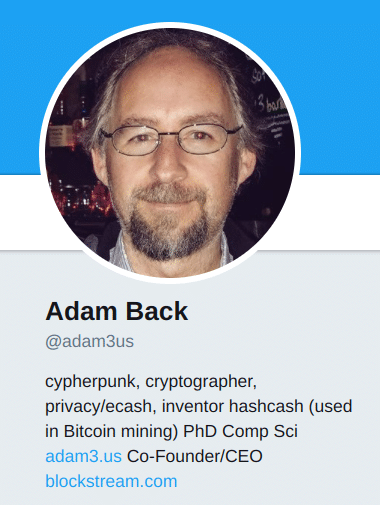
To promote broader adoption of Bitcoin, Adam Back founded Blockstream in San Francisco in 2014, hiring several core Bitcoin developers and advancing the development and application of Bitcoin and blockchain technology. If he were to publicly reveal himself as Satoshi, it would undoubtedly serve as a major boost to the Bitcoin ecosystem.
David Kleiman

Prior to HBO’s revelation, the crypto world experienced the era of Craig Wright, dubbed "the Australian Satoshi." This claim largely stemmed from a lawsuit filed by David Kleiman’s family. Kleiman had earlier worked in military operations and developed encryption tools later adopted by the U.S. government. He was a regular contributor to the Cryptography and Security mailing list, where discussions covered both technical aspects of cryptographic systems and the politics of cryptography. He was also a long-time member of the Metzdowd Cryptography mailing list, where Satoshi Nakamoto announced Bitcoin on October 31, 2008. These numerous connections have drawn increased attention to the possibility that this pioneering cryptographer might have been involved with Satoshi Nakamoto.
In summary, uncovering the truth behind Satoshi Nakamoto will shed light on the origins of cryptocurrency. From cypherpunk ideals to widespread technological adoption, the journey has been driven by visionaries using technology to realize and protect freedom of thought and privacy. Whether or not they were "Satoshi," we can still follow in their footsteps, moving steadily toward that shared vision.
Join TechFlow official community to stay tuned
Telegram:https://t.me/TechFlowDaily
X (Twitter):https://x.com/TechFlowPost
X (Twitter) EN:https://x.com/BlockFlow_News
 Foresight News






