Quick Look at Dabba, the Overlooked Project at Breakpoint: What It’s Like to Do DePIN in India?
TechFlow Selected TechFlow Selected
Quick Look at Dabba, the Overlooked Project at Breakpoint: What It’s Like to Do DePIN in India?
Dabba provides broadband internet connectivity in India, a country with enormous infrastructure needs in this area, as it lags far behind the United States and China.
 Navigating Web3 tides with focused insights
Author: The Daily Bolt by Revelo Intel
Translation: TechFlow
Last week, Singapore hosted two major conferences: Token 2049 and Solana Breakpoint. Attendees shared their differing "vibes" and experiences from the two events, with a general consensus emerging that Solana Breakpoint was more informative and generated a sense of optimism around the Solana ecosystem. Several significant announcements were made at Breakpoint, including updates from the Solana Foundation as well as key ecosystem teams such as Sanctum and Jupiter.
We also saw a wave of emerging teams take the stage to present the projects they're building. This is exactly what we'll be focusing on today—while everyone knows the big names on SOL, there are also interesting teams flying under the radar, and Breakpoint may have been the first time many people heard about them. Specifically, we'll dive into Dabba, a project sitting at the intersection of multiple high-growth industries: a decentralized physical infrastructure network (DePIN) providing high-speed internet in India.

Dabba Background
Dabba is the foundational layer for decentralized physical infrastructure (DePIN) of the internet. Dabba is building a "Layer 0" DePIN infrastructure—not LayerZero—for the internet. Specifically, Dabba provides broadband internet connectivity in India, a country with massive infrastructure demand due to its significant lag behind the U.S. and China. Users seeking broadband connections can access the Dabba platform, which aggregates over 150,000 small local cable installation companies across India.
Essentially, Dabba acts as a platform connecting potential service providers with users who would otherwise struggle to find each other. The key point is that Dabba's target users are already actively looking for ways to purchase broadband internet, regardless of whether DePIN exists or not. However, delivering high-speed internet to these users isn't straightforward, as most developing countries lack mature internet service providers. To address this, Dabba leverages fragmented local cable operators and equips them with the necessary hardware and technical expertise to deploy high-speed internet.
Dabba’s argument is that decentralized physical infrastructure (DePIN) is a critical pathway to mass adoption. The team aims to bring the next billion users on-chain, and populations in emerging markets are among the most likely to adopt cryptocurrency. We know that crypto penetration is highest in emerging markets, and these countries also have far larger populations than developed nations. Moreover, users in emerging markets are more incentivized by the rewards offered by DePIN protocols, as these incentives represent a more meaningful portion of their lower incomes.
The issue, however, is that many people in emerging markets currently lack the ability to participate in DePIN networks. Because these markets are still developing, much of the infrastructure required for DePIN hasn't yet been established. Looking at coverage maps from protocols like Hivemapper, we see nearly all coverage concentrated in developed countries, while most of the world remains uncovered.
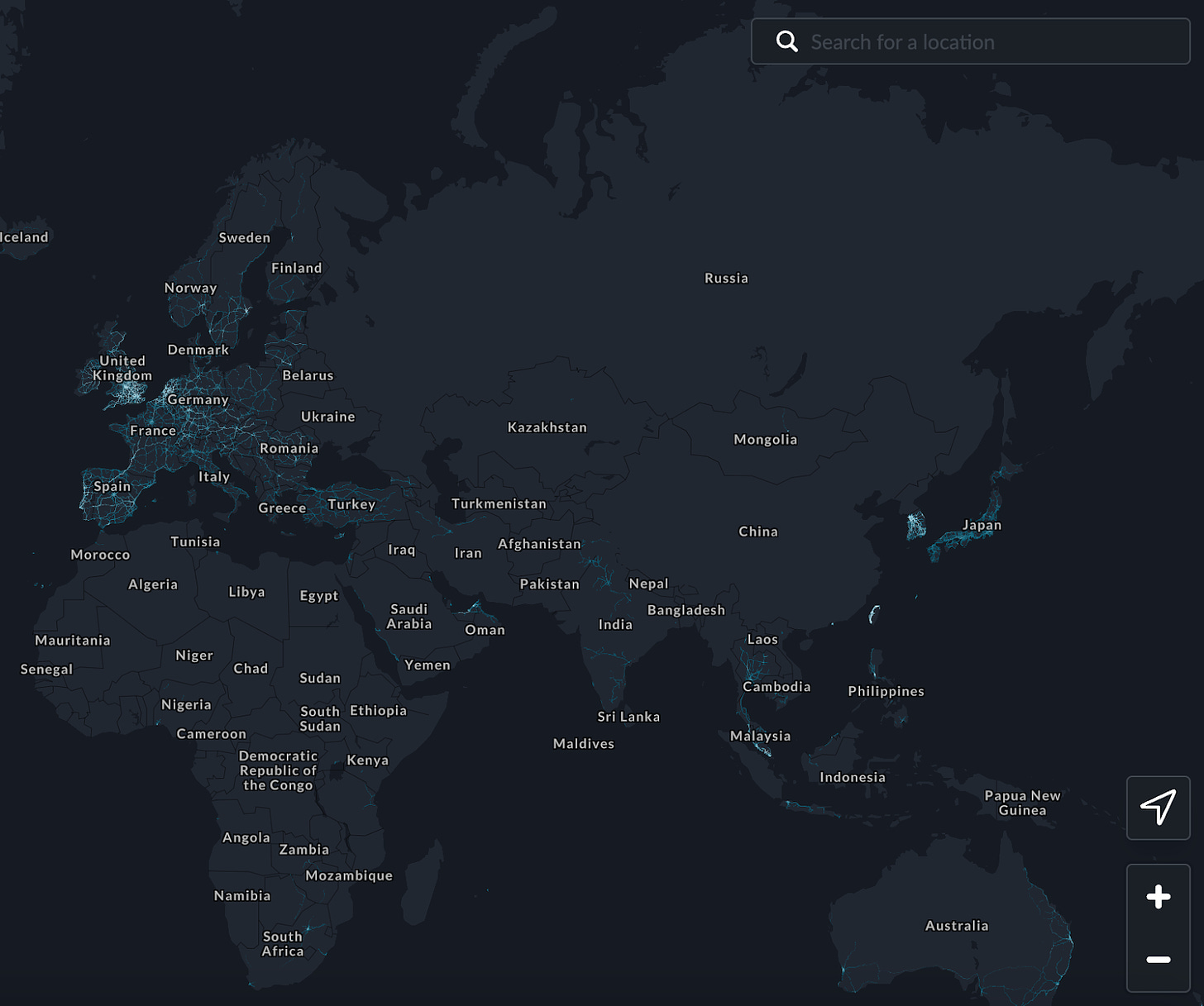
Hivemapper Network Coverage
Dabba emphasizes the importance of demand. Networks only grow sustainably when there are paying customers—a key advantage given Dabba’s specific market and industry positioning. In contrast, many other DePIN protocols operate in niche or less mainstream sectors, limiting their potential demand.
On the tokenomics side, for every 1 GB of data consumed, an amount of native DBT tokens equal to the price paid by the consumer for that data is burned. These native DBT tokens are distributed solely to hotspot owners—the individuals who purchase the physical hardware used to deliver internet connectivity to users. Local cable operator companies in India install and manage these devices. Crucially, unlike Helium or other DePIN projects, the goal isn’t for individuals to personally operate hotspots in their homes. Instead, owning a hotspot functions more like an investment: you buy the hardware with the expectation that it will be immediately deployed by a local partner in India, requiring no hands-on involvement from you.
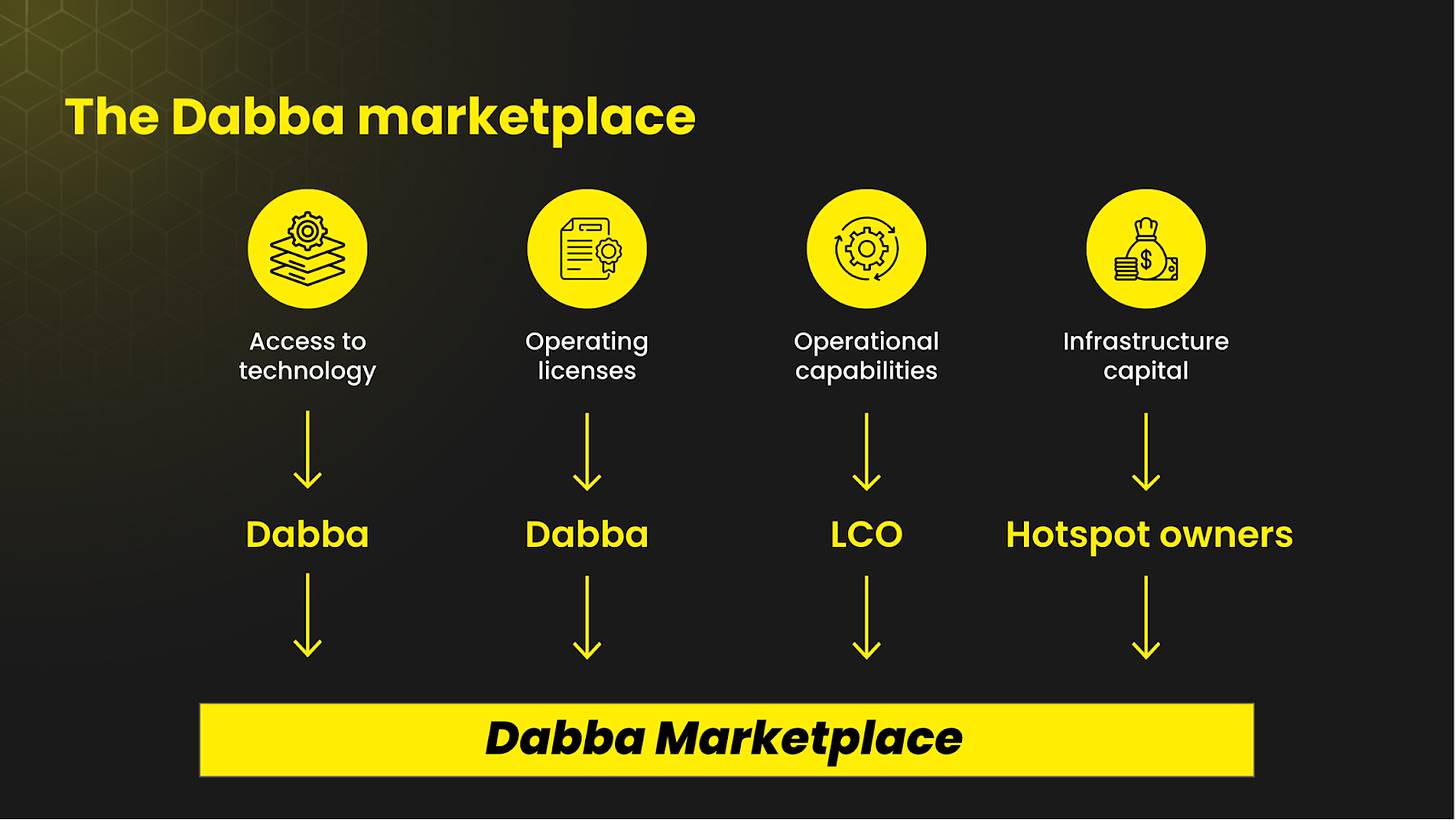
Dabba could be seen as achieving “two birds with one stone,” as DePIN represents a more viable alternative in markets like India, where no dominant broadband internet provider has yet emerged. Dabba originally started as a well-known internet service provider (ISP). The protocol holds a unique regulatory advantage, having helped draft many of India’s telecommunications policies around WiFi.
This is clearly a major advantage. More specifically, Dabba’s founder, Karam Lakshman, has witnessed firsthand how raw infrastructure endures in an economy. He believes the same applies to Layer 0 DePIN solutions, likening the concept to how highway and railway networks enable transportation and trade between regions. Building within the Solana DePIN space and headquartered in India, Dabba sits squarely at the intersection of two of the world’s fastest-growing industries, pursuing a vision that is both compelling and ambitious.
Join TechFlow official community to stay tuned
Telegram:https://t.me/TechFlowDaily
X (Twitter):https://x.com/TechFlowPost
X (Twitter) EN:https://x.com/BlockFlow_News
 Revelo Intel