Beginner's Guide to Account Abstraction: Building a Simple, Secure, and Powerful Crypto User Experience
TechFlow Selected TechFlow Selected
Beginner's Guide to Account Abstraction: Building a Simple, Secure, and Powerful Crypto User Experience
Account abstraction is a framework and standard that can significantly enhance the functionality of cryptocurrency wallets (accounts).
 Navigating Web3 tides with focused insights
Author: cygaar
Translation: TechFlow
"Account abstraction is the future of cryptocurrency."
You may have heard this phrase many times but aren't quite sure what it actually means. Today, let's fix that.
I'll walk you through a beginner's guide to account abstraction—what it is, how it works, and how it will revolutionize crypto applications.

We won't dive into technical or implementation details (that’s for another time). Instead, this will be a high-level overview with real-world examples showing how account abstraction has improved the cryptocurrency user experience over the past few years.
Simply put, account abstraction is a set of frameworks and standards that greatly enhance the functionality of crypto wallets (accounts).
Think of it as adding flight capabilities to a 1999 Honda Civic—it can still drive like a car, but now it can do so much more.

You might wonder why crypto wallets don’t have these powerful features by default. The answer is that on some modern blockchains, they do—but on traditional ones like Ethereum, accounts were designed before we fully understood all their potential use cases and limitations.
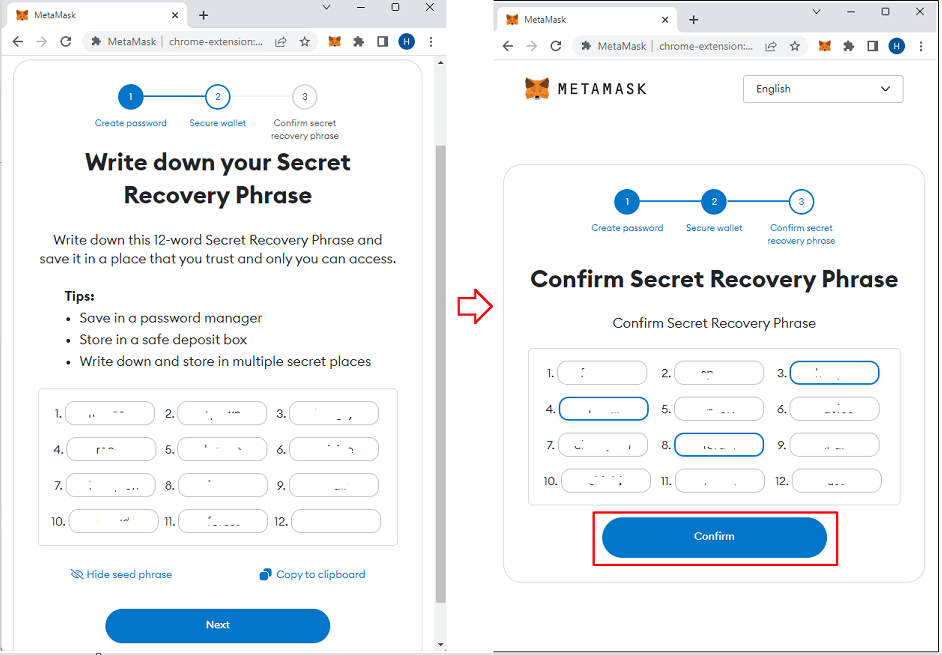
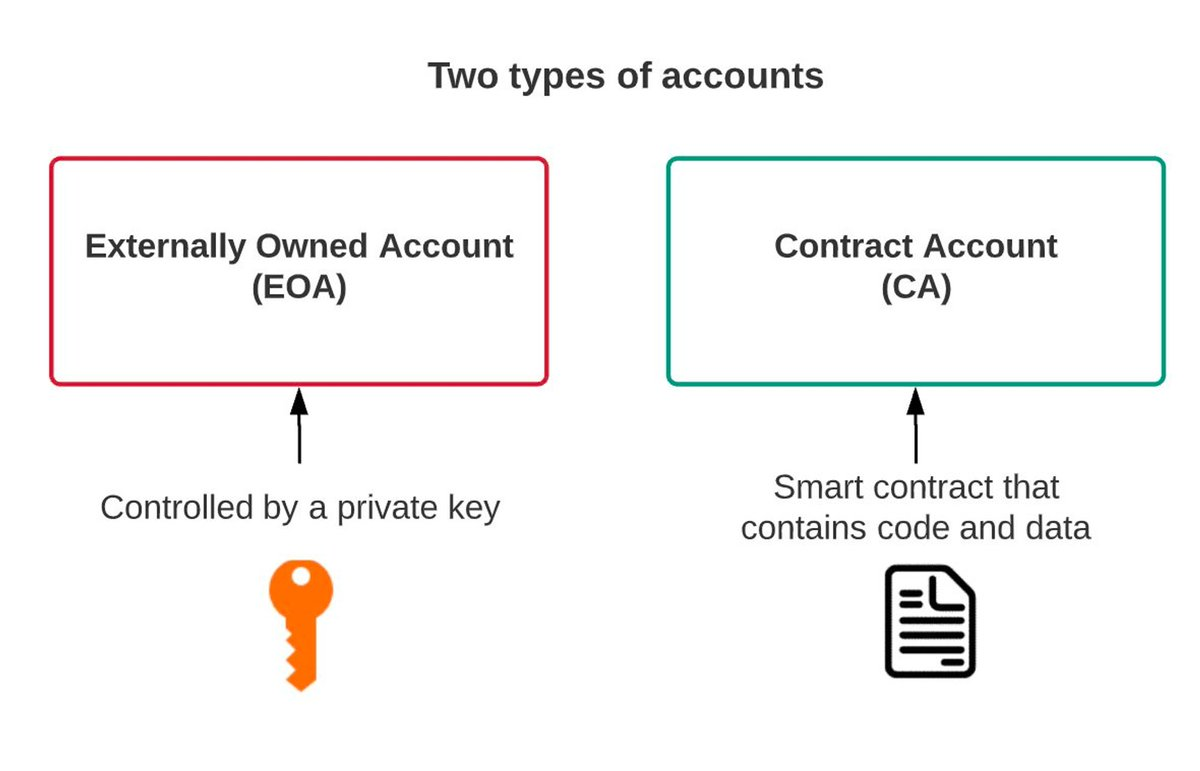
On Ethereum (and many EVM chains), we primarily use Externally Owned Accounts (EOAs). These are simple wallets that can only hold assets and initiate transactions. They're tied to a single private key and cannot perform complex operations.
Meanwhile, we also have smart contracts—code that runs automatically on the blockchain. Smart contracts can be programmed to perform almost any task.
Wouldn't it be amazing if we could bring the flexibility of smart contracts into everyone's crypto wallet? That’s where Contract Accounts (CAs) come in—they’re the core component of account abstraction.
Contract Accounts integrate the limitless capabilities of smart contracts directly into wallets, dramatically enhancing their functionality. These wallets can still hold funds, but no longer rely on a single private key.
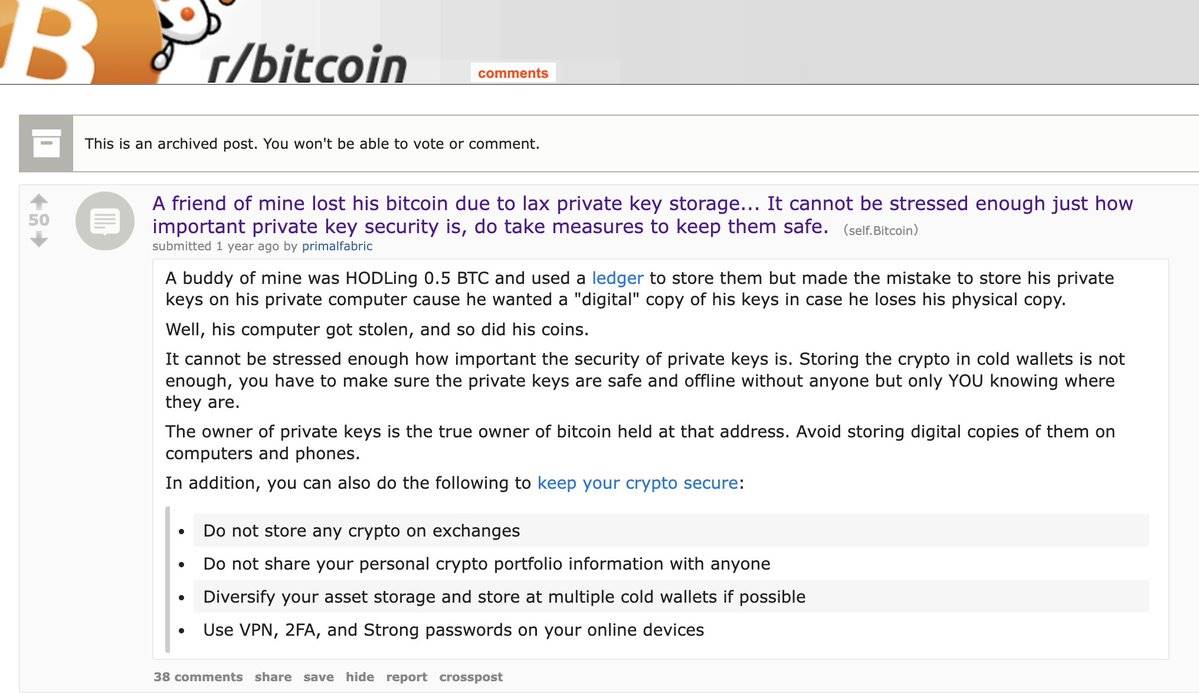
In the past, losing your private key meant losing your entire wallet.
This is a terrible user experience for non-crypto users. With Contract Accounts, wallets can be operated using multiple authentication methods instead of relying solely on traditional private key signatures.
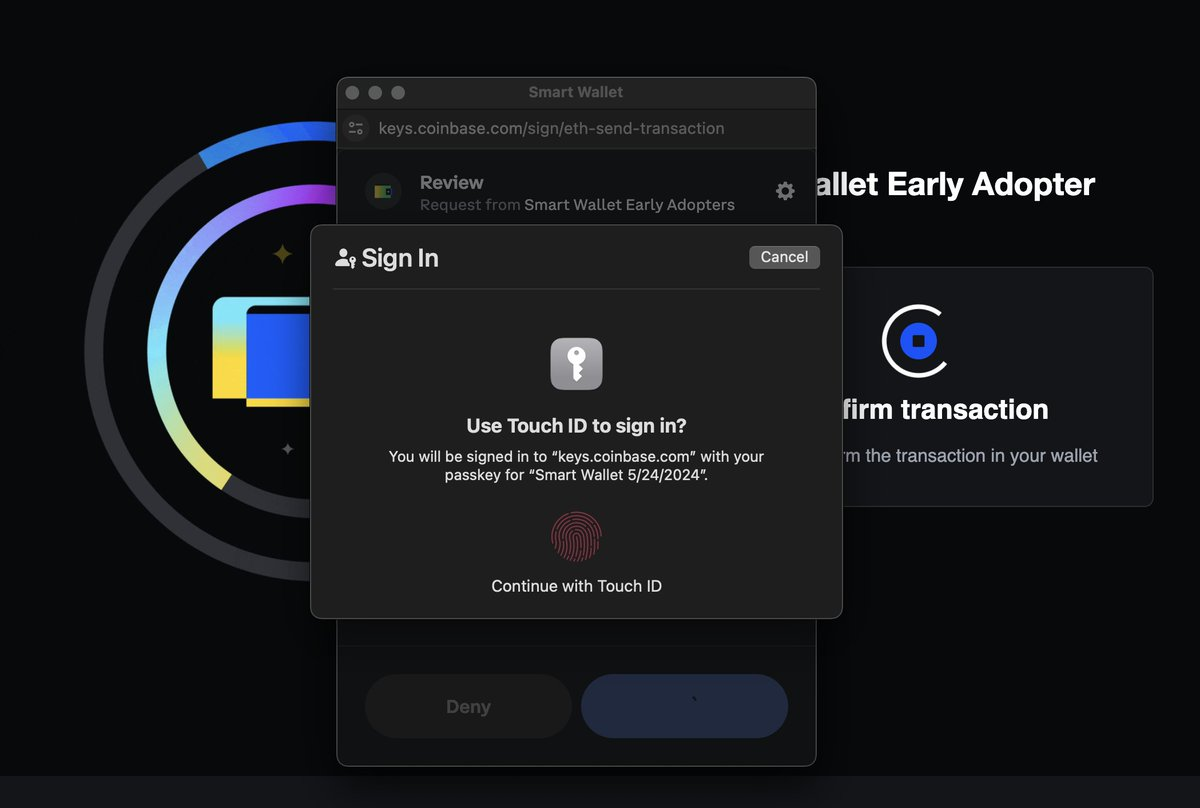
You can authenticate using fingerprint recognition, third-party providers (like Google or Apple), multi-signature setups, or alternative signature schemes.
Even if you lose your original private key, you can recover your account through pre-defined recovery methods.
There are many ways to build account verification logic. These approaches not only improve wallet security, but account abstraction (AA) also unlocks entirely new wallet functionalities.
With EOAs, all transactions must be paid using the chain’s native gas token, funded by the sender, and only one transaction can be executed at a time.
But with AA:
-
Transactions can be fully sponsored by third parties (typically apps)
-
Transactions can be paid using different tokens (e.g., paying with USDC instead of ETH)
-
Transactions can be batched together, saving gas fees and enabling token swaps without requiring separate approvals
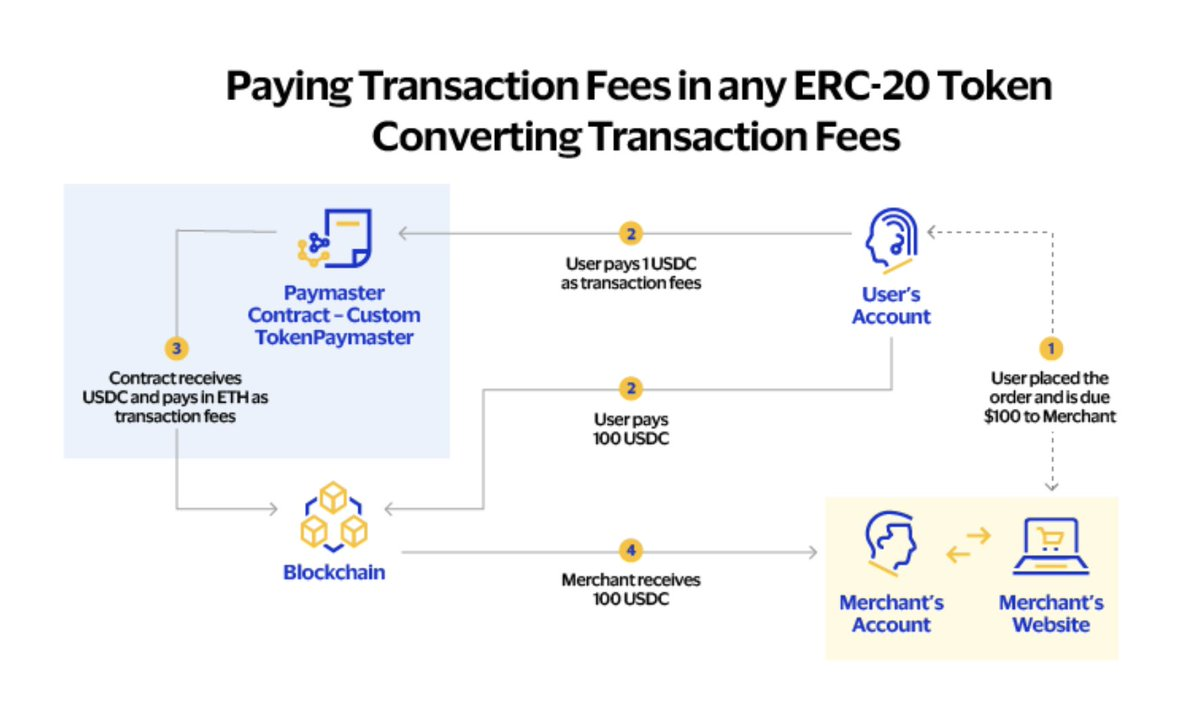
Clearly, AA significantly improves the user experience of crypto applications. Previously, we were constrained by rigid structures that made entering crypto cumbersome and difficult. Now, with AA, we can create user experiences that rival—and even surpass—traditional Web2 applications.
Importantly, these smart contract wallets remain fully controlled by users themselves—no third party can access user funds. All assets remain self-custodial.
So, what’s the current state of AA?
On EVM chains, proposals like ERC-4337 and EIP-7702 have laid the foundation for AA.
Many of the features I’ve mentioned are already implemented today. However, migrating existing wallets to become contract-based wallets still requires significant effort.

In the future, I’ll publish a detailed guide diving deeper into account abstraction.
For now, just remember: AA is the key to achieving simple, secure, and powerful user experiences that will welcome the next wave of crypto users.
Join TechFlow official community to stay tuned
Telegram:https://t.me/TechFlowDaily
X (Twitter):https://x.com/TechFlowPost
X (Twitter) EN:https://x.com/BlockFlow_News
 @0xCygaar