Lumoz Research Report: Modular Chain Launching Greatly Reduces ZKP Computing Costs
TechFlow Selected TechFlow Selected
Lumoz Research Report: Modular Chain Launching Greatly Reduces ZKP Computing Costs
Lumoz provides a modular computing layer for ZK Rollup, adopting a hybrid consensus mechanism combining PoS and PoW.
 Navigating Web3 tides with focused insights
Author: ZeY
Summary
1. Ethereum has faced scalability issues since its inception. Scalability remains a key technology for achieving Web3 mass adoption. Rollup is the mainstream Layer 2 scaling solution, whose core idea is to publish "bundled" transaction data blocks on-chain, thereby reducing the difficulty of verifying transaction validity. Depending on their data validity verification methods, Rollups can be further categorized into Optimistic Rollups and ZK Rollups.
2. The current pain points in the ZK Rollups sector mainly include three aspects: the high cost of computing ZKPs, with most zk rollups currently relying on centralized Provers; the complexity of zero-knowledge technology making it difficult to build EVM-compatible ZK-rollups; additionally, many ZK Rollups currently use third-party bridging projects for interaction, posing certain security risks.
3. NanFeng, co-founder and CEO of Lumoz, graduated from Tsinghua University. The core team has invested nearly five years in ZK technology since 2018. From the beginning, Lumoz has been dedicated to making zero-knowledge computation more efficient and accessible.
4. Lumoz has concluded two rounds of incentivized testnets, with a total participation of 282K users, 28,137 Validators, 145 PoW miners, and over 60 ecosystem projects deployed. In May 2024, Lumoz announced completion of a new strategic funding round, reaching a valuation of $300 million. To date, Lumoz has raised a cumulative $14 million, with investors including OKX Venture, Hashkey Capital, Polygon, Kucoin Ventures, IDG Blockchain, Gate Ventures, SevenUpDAO, Sweep Ventures, and others.
5. Lumoz provides a modular compute layer for ZK Rollups, adopting a hybrid consensus mechanism of PoS and PoW. The ZK-PoW algorithm network greatly reduces the cost of ZKP computation while solving the problem of centralized Provers. It also introduces zkVerifier nodes to validate ZKPs generated by zkProver. zkVerifier nodes have relatively low hardware requirements, and the upcoming Node Sale will enhance the decentralization and censorship resistance of the verification network.
6. Lumoz RaaS Launch Base offers high compatibility with mainstream ZK Rollup tech stacks, including Polygon zkEVM, zkSync, Scroll, and Starknet, making it the most widely compatible project in the market. It specifically addresses the compatibility challenges between ZK technology and EVM, enabling one-click chain deployment to meet customized ZK Rollup needs. Current clients include ZKFair, Merlin Chain, Coin98, Ultiverse, Mari1x, Fortnite (Efuse), Viction, and others.
7. The NCRC Protocol proposed by Lumoz enables seamless cross-chain interactions among multiple ZK Rollups via a "Native Bridge," ensuring that user assets do not pass through any third-party protocols, thus providing a secure and trustless process.
8. Lumoz adopts a dual-token economic model. The utility token MOZ serves as transaction fees and resource usage fees, while the staking token esMOZ rewards participants and can be used to delegate zkVerifier nodes. esMOZ tokens can be redeemed for MOZ tokens at varying redemption periods and rates. Currently, Lumoz has not disclosed the latest token distribution details in its project whitepaper.
9. Looking ahead, the RaaS sector shows promising development prospects, with ZK Rollup expected to become the dominant Rollup solution. Community operations and ecosystem building may replace technical hurdles as the main challenge in constructing Rollups. With its deep expertise in ZK technology, Lumoz is well-positioned to remain a leader in ZK RaaS, driving widespread adoption and popularization of ZK-Rollup technologies.
I. Background
1. Rollup Scaling Solutions
Ethereum has faced scalability issues since its inception. Scaling remains a key technology for achieving Web3 mass adoption.
Scalability solutions built on Ethereum that require no modifications to the underlying Layer 1 protocol are known as Layer 2 solutions. These solutions process transactions without interacting directly with the Ethereum network, anchoring their security onto Ethereum’s Layer 1 via smart contracts—effectively creating an additional off-chain layer, hence the term Layer 2. According to L2 Beat, the number of transactions processed by L2s now reaches ten times that of the Ethereum mainnet, significantly expanding Ethereum’s limited transaction capacity.
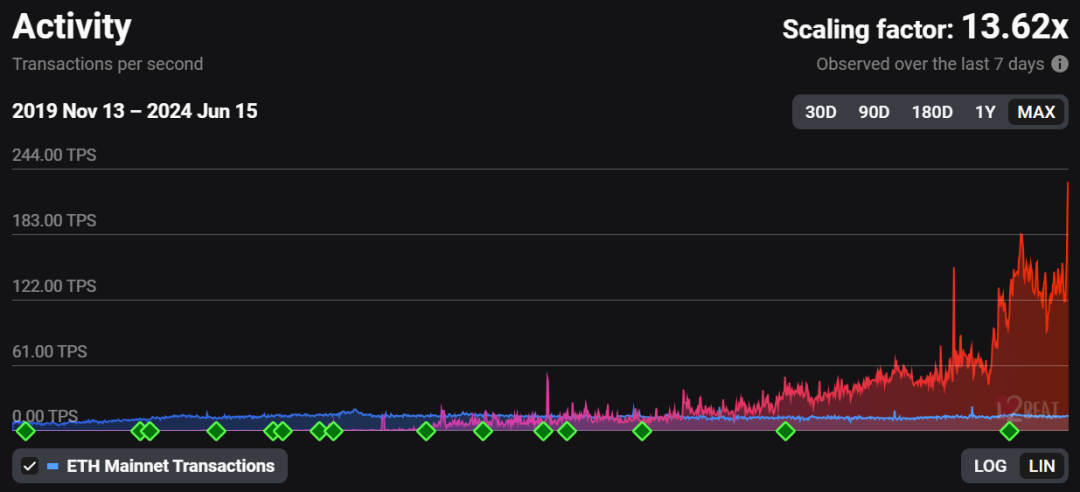
Figure 1 Transactions Processed by Layer 2 https://l2beat.com/scaling/activity
As a highly decentralized public blockchain, Ethereum has become extremely congested, with gas fees becoming prohibitively expensive. As a result, an increasing number of decentralized applications—including DeFi and GameFi—are migrating their protocols to these Layer 2 platforms to optimize user experience and reduce operational costs. Data from L2 Beat shows that as of June 16, 2024, the total value locked (TVL) across all L2s reached 12.4418 million ETH, approximately $44.363 billion. In comparison, the TVL on the Ethereum mainnet stands at 17.88 million ETH, around $65.634 billion, meaning L2 TVL accounts for nearly 70% of Ethereum’s mainnet TVL.
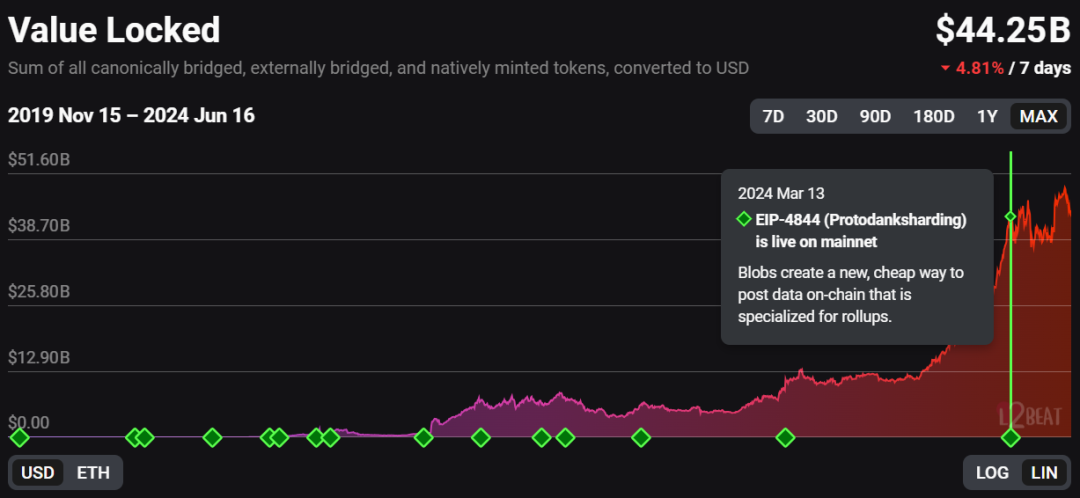
Figure 2 Total TVL of Layer 2 https://l2beat.com/scaling/summary
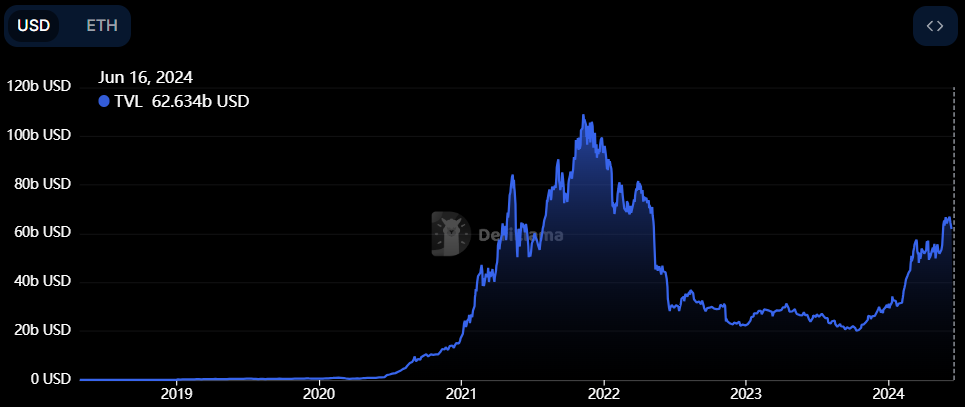
Figure 3 TVL on Ethereum Mainnet
https://defillama.com/chain/Ethereum?currency=USD
Rollup is the mainstream Layer 2 scaling solution, whose core idea is to publish “bundled” transaction data blocks on-chain, thereby reducing the difficulty of verifying transaction validity. Rollup technology resolves issues previously exposed by Plasma, offering the same data availability and security as Ethereum Layer 1 (i.e., Ethereum itself), while greatly improving network throughput and reducing per-transaction costs. In the modular blockchain architecture, Rollup effectively outsources the execution layer (and other layers) of the chain.
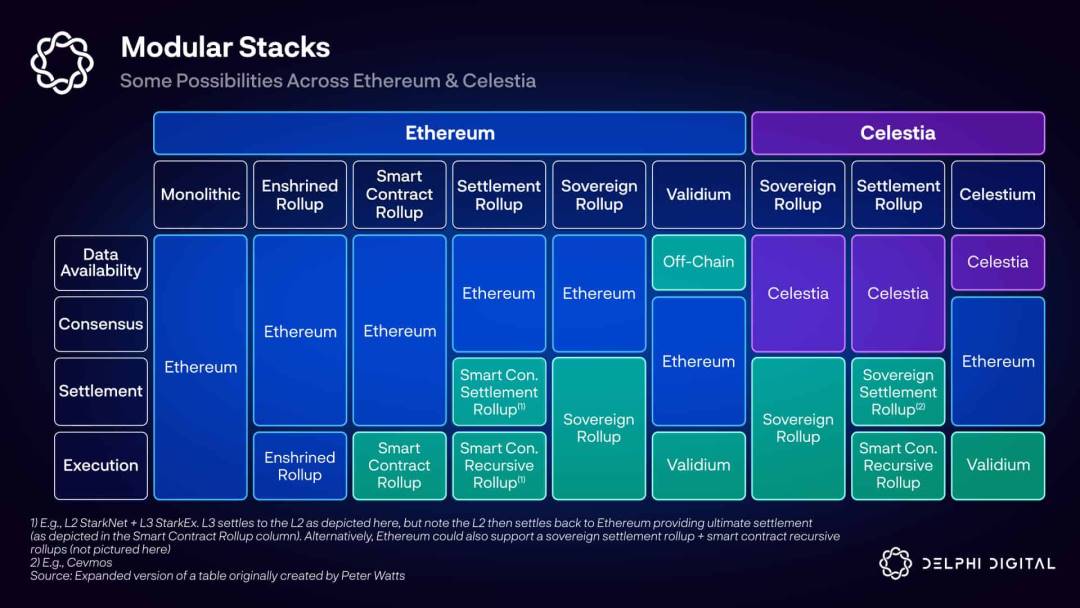
Figure 4 Modular Stacks
https://members.delphidigital.io/reports/the-complete-guide-to-rollups
2. Two Rollup Approaches: ZK Rollups vs. Optimistic Rollups
Depending on their data validity verification methods, Rollups can be further divided into Optimistic Rollups and ZK Rollups.
Optimistic Rollups rely on an "optimistic" assumption that most transactions are valid and allow for challenges and rollbacks if fraud is detected. ZK Rollups, on the other hand, use zero-knowledge proof technology (Zero Knowledge, ZK) to ensure that off-chain processed transactions are valid and correct, offering higher security and efficiency. The main advantages and disadvantages of both Rollup approaches are summarized in the table below:
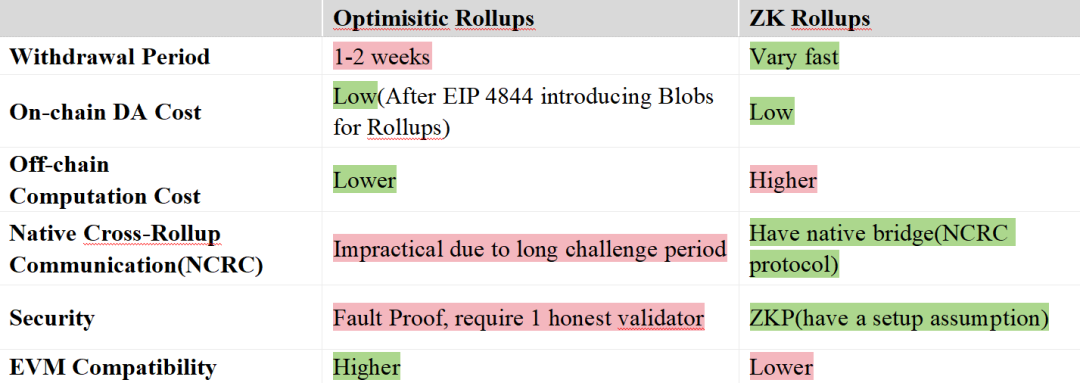
Table 1 ZK Rollups vs. Optimistic Rollups
Source: Compiled by author based on existing literature
Although ZK-Rollups offer numerous advantages and are viewed by Vitalik as Ethereum's long-term scaling solution, various technical challenges have limited their large-scale adoption so far. According to DefiLlama data, as of June 16, 2024, Optimistic Rollups such as Arbitrum, Blast, Base, and Optimism still dominate the Rollup landscape.
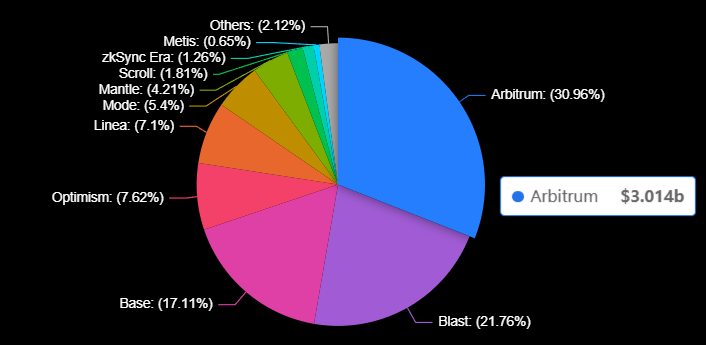
Figure 5 TVL Distribution in Rollup Sector https://defillama.com/chains/Rollup
3. Pain Points in the ZK Rollups Sector
Specifically, the current pain points in the ZK Rollups sector are:
1. High cost of computing ZKPs, with most zk rollups relying on centralized Provers.
Currently, multiple zk-rollups are operating on the Ethereum mainnet, including Polygon zkEVM and zkSync Era. For a ZK-Rollup, the cost of computing ZKPs far exceeds that of data availability (DA), accounting for over 50% of total costs. Moreover, most of these ZK-Rollup projects have not achieved decentralized proving. For example, Polygon zkEVM's beta mainnet relies on a trusted Aggregator to submit ZKPs, and zkSync Era follows a similar approach.
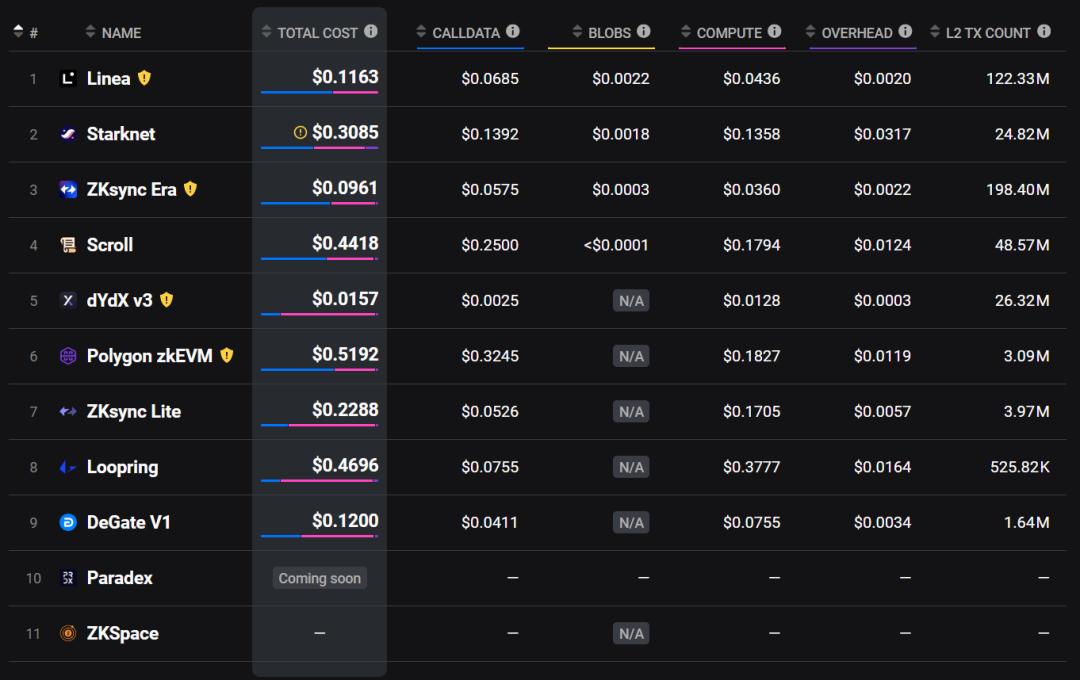
Figure 6 High computational cost占比 in major ZK Rollups (pink in chart)
https://l2beat.com/scaling/costs
2. The complexity of zero-knowledge technology makes building EVM-compatible ZK-rollups difficult.
EVM compatibility refers to translating Solidity smart contract code into specific virtual machine bytecode for ZK Rollups. The EVM was not originally designed with zero-knowledge proof compatibility in mind. For instance, to enable any program executed by the EVM to generate valid proofs via zk-SNARKs, each EVM opcode must be mathematically represented and logically proven. This requires complex cryptographic transformations and poses challenges to compatibility with existing smart contracts.
3. Additionally, many ZK Rollups currently use third-party bridging projects for interaction, posing certain security risks.
In this era of multiple Rollups, the coexistence of various Rollups is increasingly common, making seamless interoperability between different Layer 2 solutions crucial. Existing cross-Rollup bridge solutions typically involve deploying new inter-chain contract sets on Rollup chains and leveraging multi-chain liquidity incentives to enable asset bridging. However, these solutions are not universally applicable to message-based cross-chain interactions and carry centralization and trust risks. In July 2023, Binance-backed cross-chain bridge project Multichain ceased operations after its CEO was detained by police. SlowMist reported that funds exceeding $265 million flowed out from Multichain. The sudden collapse of a leading cross-chain bridge highlights the significant centralization and trust risks associated with using third-party bridge projects.
II. Lumoz Background
Figure 7 Lumoz https://lumoz.org/
NanFeng, co-founder and CEO of Lumoz, graduated from Tsinghua University and previously worked at ByteDance, where he served as a core developer deeply involved in foundational infrastructure and iterative development of multiple projects. He is also the founder of Trustless Labs. The core team has invested nearly five years in ZK technology since 2018. Therefore, from the outset, Lumoz has focused on making zero-knowledge computation more efficient and accessible: "Making ZK-Rollup Within Reach."
Throughout its development, the Lumoz team gradually recognized the security and centralization issues surrounding cross-chain bridges in the current Rollup sector and began addressing them. At the same time, they seized the trend in the RaaS sector and launched the ZK RaaS Launch Base, successfully expanding their business footprint.
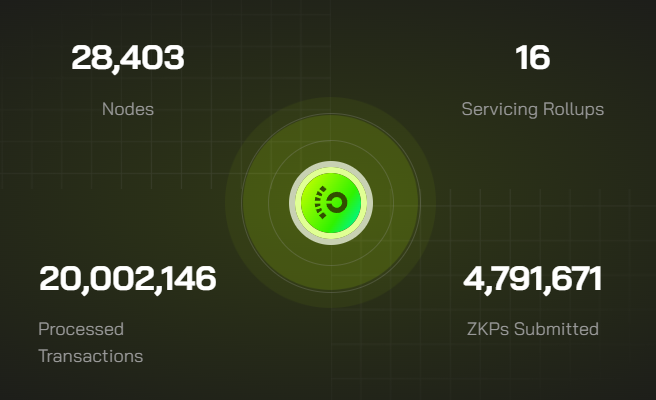
Figure 8 Lumoz Ecosystem Data https://lumoz.org/compute-layer
Lumoz (formerly Opside) officially launched its testnet at the end of May 2023 and operated smoothly for five months with continuous strong global community participation. Over 450,000 participants joined the Pre-alpha testnet, resulting in an impressive 13,580,057 transactions. The testnet showed participation from over 140 miners and more than 28,000 nodes. On the ecosystem front, over 100 quality projects applied to participate, with 14 successfully launching dedicated zkEVM application-specific chains via the Opside ZK-Rollup LaunchBase and maintaining stable operation. Lumoz is expected to launch its mainnet in Q3. To date, Lumoz has processed 2 million transactions, submitted over 4.79 million ZKPs, and hosts over 28,000 nodes. Furthermore, more than 16 projects have passed official review and generated custom zkEVM application chains on the Lumoz platform.
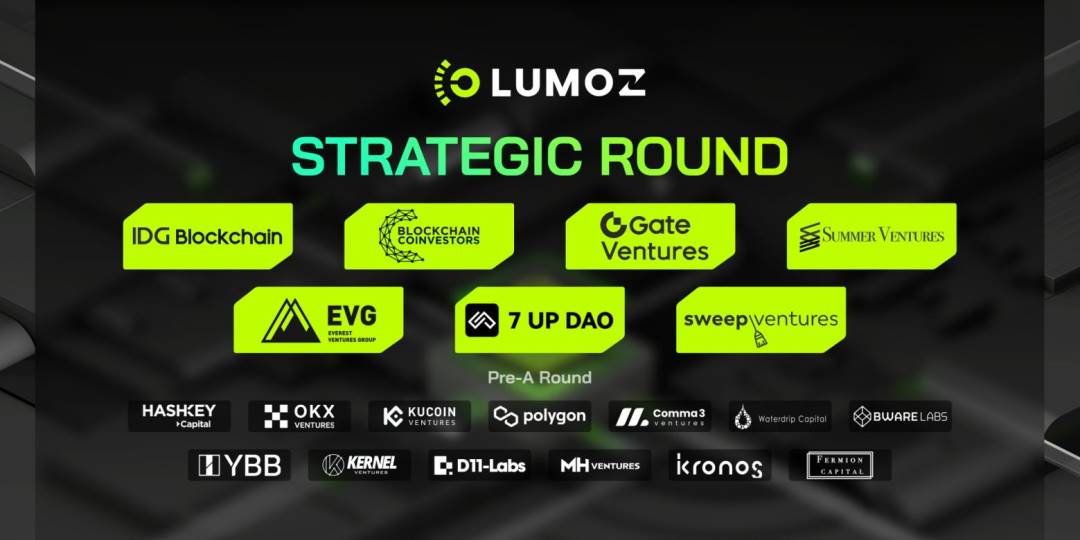
Figure 9 Lumoz Secures Strategic Funding, SevenUPDAO Participates
https://mirror.xyz/lumozorg.eth/Fz0dF5HVMdbbI--9lzst60KuKOp5YGbb75Z0RmxiB24
In March 2024, Lumoz, a modular compute layer and ZK-RaaS platform, completed its first funding round at a $120 million valuation. On May 29, 2024, Lumoz officially announced the completion of a new strategic funding round. Investors included IDG Blockchain, SevenUpDAO, and Sweep Ventures. Specific funding amounts were not disclosed. The strategic round valued Lumoz at $300 million, surpassing Altlayer’s current market cap of $253 million, demonstrating strong confidence in Lumoz’s future prospects. If applying Altlayer’s post-funding valuation multiplier of 1.4, Lumoz could reach over $420 million upon listing; with Gelato’s 3x multiplier, Lumoz’s market cap could exceed $900 million.
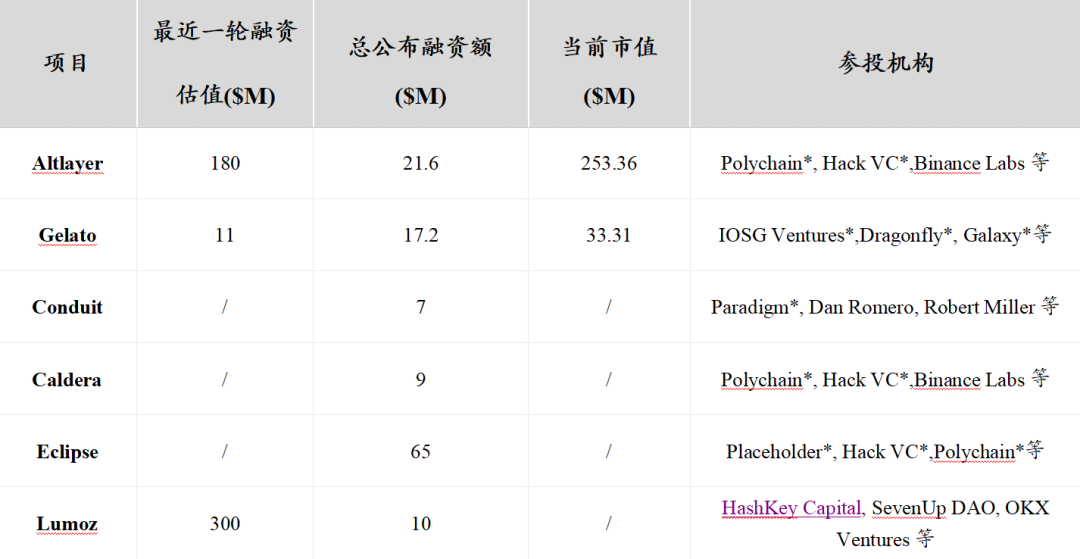
Table 2 RaaS Project Funding Information
Note: Data primarily from Rootdata and ICO Analytics, * indicates lead investor, timestamp June 16, 2024
III. Lumoz Provides a Modular Compute Layer for ZK Rollups
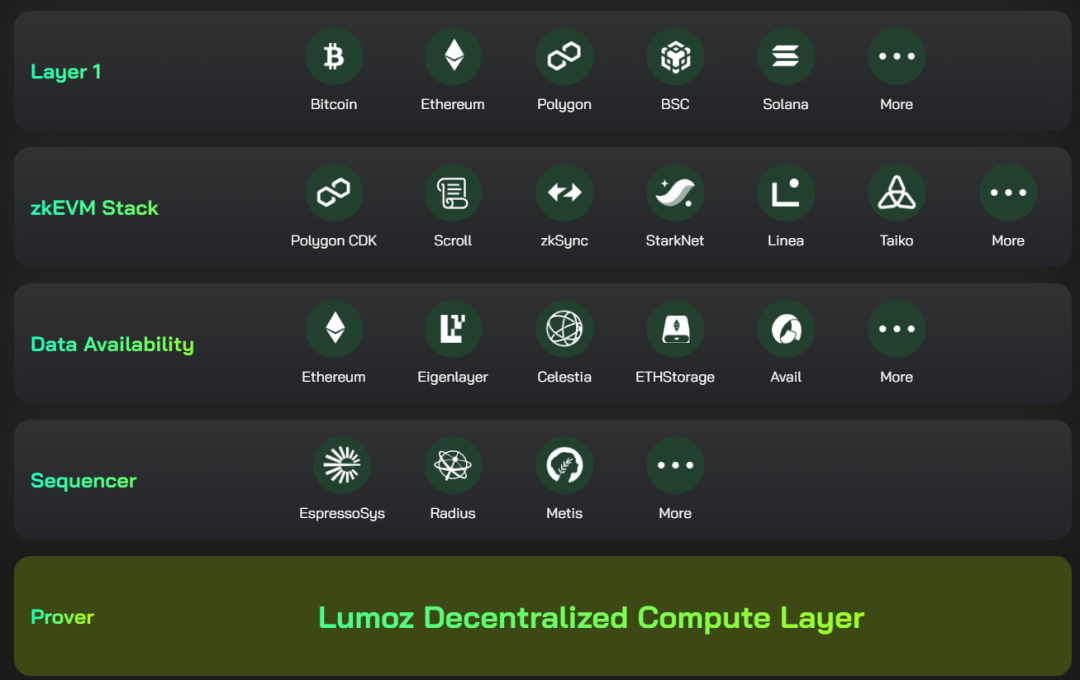
Figure 10 Lumoz as a Decentralized Modular Compute Layer
https://lumoz.org/compute-layer
Rollups typically include settlement, execution, consensus, and data availability layers. However, ZK-Rollups require an additional core module—the proving layer (Prover Layer). Currently, Lumoz is the only provider of a modular prover network in the modular Rollup space. Currently, Merlin Chain’s ZKP computing power comes from Lumoz miners. In the future, as Lumoz’s mainnet launches, Merlin Chain will connect to Lumoz’s decentralized ZK computing network. This will be a ZK-PoW algorithm network where anyone can provide computing power to Merlin Chain and earn Lumoz token rewards.
By combining powerful computing resources with EigenLayer’s restaking mechanism, Lumoz creates an efficient and secure computing service ecosystem. The Lumoz compute layer architecture is a highly integrated and collaborative system, with main components and functions as follows:
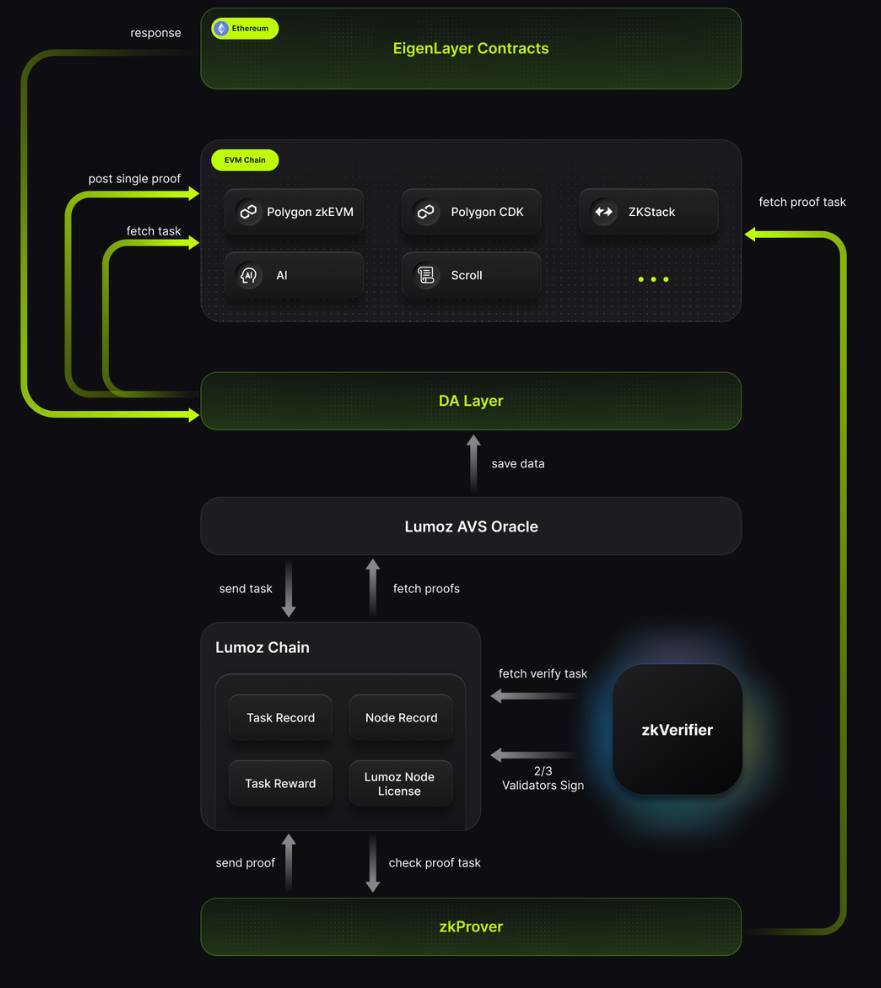
Figure 11 Lumoz Compute Layer Architecture
https://docs.lumoz.org/understand-lumoz/the-avs-computing-layer-based-on-eigenlayer
-
On Ethereum, it uses the EigenLayer standard to build Active Validation Services (AVS) for trust backing and enhances AVS security through restaking in the feature layer.
-
EVM chains (L2) support diverse blockchain environments compatible with the Ethereum Virtual Machine (EVM), such as Polygon zkEVM, Polygon CDK, ZKStack, and Scroll, ensuring broad compatibility and scalability.
-
The Lumoz AVS Oracle retrieves and stores data from EVM-compatible chains to ensure high data availability and integrity, providing a solid data foundation for the compute layer.
-
Lumoz Chain acts as the core management layer of the entire compute layer, responsible for task scheduling, reward distribution, and managing zkProver and zkVerifier nodes, including node addition and removal processes. zkProver nodes execute specific computational tasks, while zkVerifier nodes verify the results.
Lumoz employs a hybrid consensus mechanism combining PoS and PoW. Here, PoW applies to zkProver, while PoS primarily targets zkVerifier (which may also act as a Rollup sequencer). This article will first introduce Lumoz’s ZK-PoW algorithm in the PoW consensus, explaining how it addresses the current high cost and centralization issues in ZKP computation for ZK Rollups. Then, it will analyze Lumoz’s progress in the PoS consensus mechanism.
1. Lumoz’s ZK-PoW Algorithm Network Greatly Reduces ZKP Computation Costs
To address the high cost and centralization issues in ZKP computation, Lumoz introduced the ZK-PoW algorithm. Its main features include:
PoW Reward Distribution Mechanism
Lumoz provides a unified market for ZKP computing power, encouraging miners to generate ZKPs for these zk-rollups. During the Pre-Alpha testnet phase, based on the PoW algorithm, each Rollup within the Opside block submits a sequence according to certain rules. The current block’s PoW reward is distributed within the sequence based on the number of registered Rollup slots and included batches. Miners can freely choose to participate in ZKP computation for one or multiple Rollups. In the future, each sequence will be priced differently based on the corresponding ZK-Rollup type, number of Rollup transactions included, gas usage, and other estimated workload factors.
Miners must stake a certain amount of tokens in the system contract for a Rollup to submit ZKPs for that Rollup. Rewards earned by miners for submitting ZKPs are distributed proportionally based on their staked amounts, preventing malicious behavior such as miners repeatedly submitting ZKPs.
Two-Step ZKP Submission Algorithm
First, submit Proofhash. Within a specific time window for a given sequence, multiple miners can participate in ZKP computation. Instead of submitting the original proof directly, each miner computes the hash of (proof/address) and submits it to the contract.
Then, submit ZKP. After the time window closes, miners submit the original proof, which is verified against the previously submitted proofhash. Miners whose proofs pass validation qualify for PoW rewards, distributed proportionally based on their staked amounts.
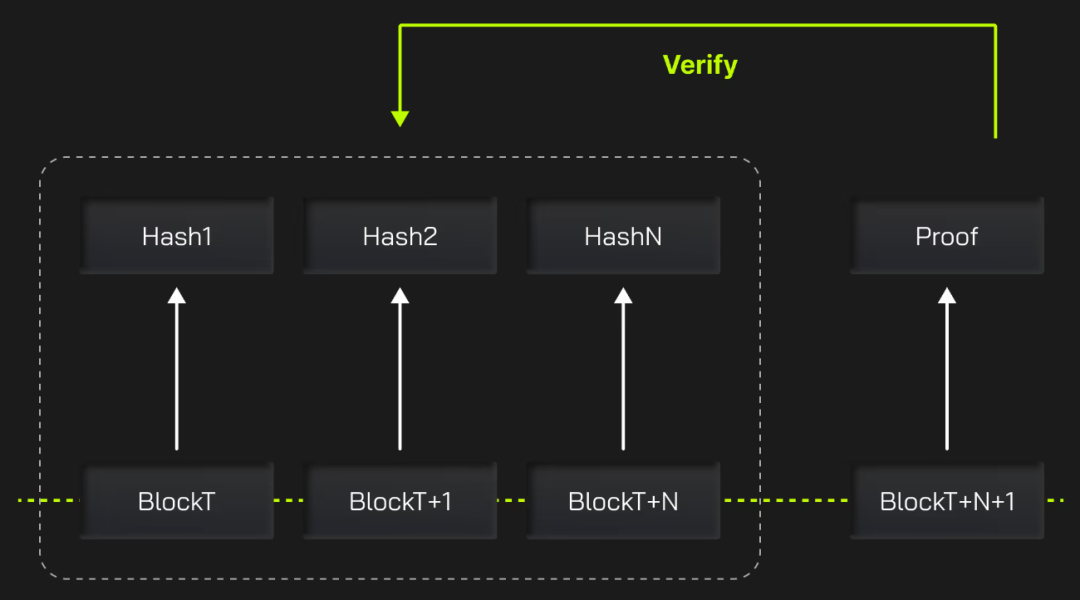
Figure 12 Two-Step ZKP Submission Algorithm
https://lumoz.org/compute-layer
Lumoz’s clever two-step submission algorithm for ZKPs adopts a submit-then-verify model, eliminating unnecessary proof and address aggregation computations. Moreover, the two-step algorithm enables parallel ZKP computation and sequential submission, allowing miners to concurrently execute multiple ZKP generation tasks, significantly accelerating ZKP generation efficiency. The Lumoz team has also optimized the ZKP recursive aggregation algorithm, maximizing cluster resource utilization and further improving ZKP computation speed.
In real stress testing environments, miners used a cluster of 20 machines with 128-core CPUs and 1TB RAM. Transaction rates stabilized around 27.8 TPS over approximately 40 minutes. Under identical conditions, Lumoz reduced average transaction confirmation time from about 5–6 minutes to roughly 3 minutes, boosting ZKP generation efficiency by approximately 80%. In the future, as more ZK-rollups and miners join the ZK computing power market, the efficiency gains from Lumoz’s PoW algorithm will become even more pronounced.
ZK-PoW V2.0 Further Optimizes the Computation Process
Compared to V1.0, version 2.0:
-
Split the original service into three submodules responsible for proof generation, proof management, and proof submission, resulting in clearer structure, lower coupling, and greater robustness.
-
Added the startBatch parameter to the proof generation module, making it easier for new miners to catch up with mining progress.
-
Improved the proof management module compared to the old version. When miner services restart or fail to submit proofs for other reasons, it promptly resends proofs to protect miner interests. The resend mechanism not only handles failed submissions but also manages all cases of failed or unsubmitted proofs, ensuring Rollup chain security.
-
The proof submission module, Proof Sender, implements a two-phase transaction commit using three thread-safe priority buffers. Compared to previous versions, it reduces the use of global locks, ensures timely submission of lower-height proofs, and protects miner interests. Additionally, the overall service flow is clearer, reducing the number of threads and resource consumption during program execution.
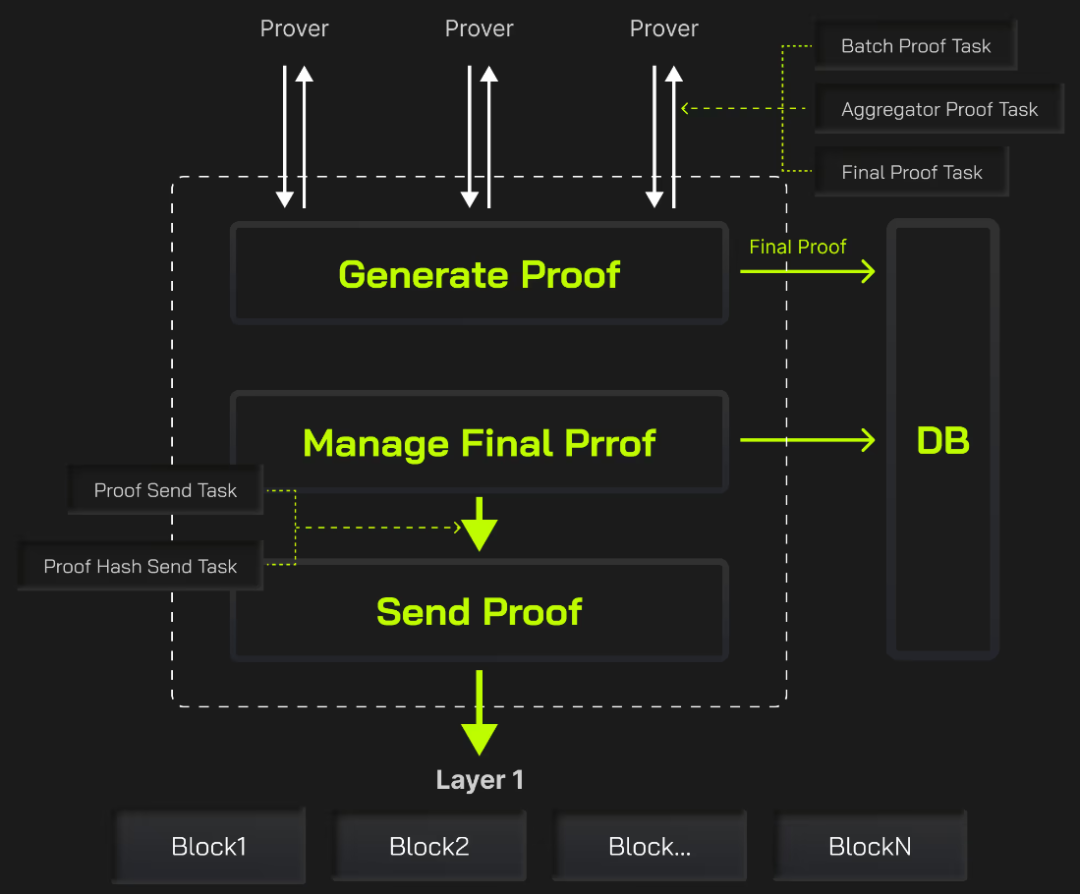
Figure 13 ZK-PoW V2.0 Architecture
https://mirror.xyz/lumozorg.eth/zZy2munlvNY7D4DG6lpcccrx1IZTJ7yb3jXOwd1O9Hg
Stress Test Results: In version 2.0, using 10 machines with 64 cores each, 566 batch proofs were completed in 7 hours, 38 minutes, and 40 seconds, averaging 48.62 seconds per proof. In multi-miner scenarios, version 2.0 improved overall zk proof generation efficiency by 50% compared to version 1.0.
2. Introducing zkVerifier Node Verification Mechanism to Build a Decentralized and Censorship-Resistant Verification Network
The Lumoz network bears the critical responsibility of managing data input and output across the entire network. To ensure the security, accuracy, and decentralization of data processing and its results, Lumoz introduces a node verification mechanism where zkVerifier validates ZKPs generated by zkProver. The specific workflow is as follows:
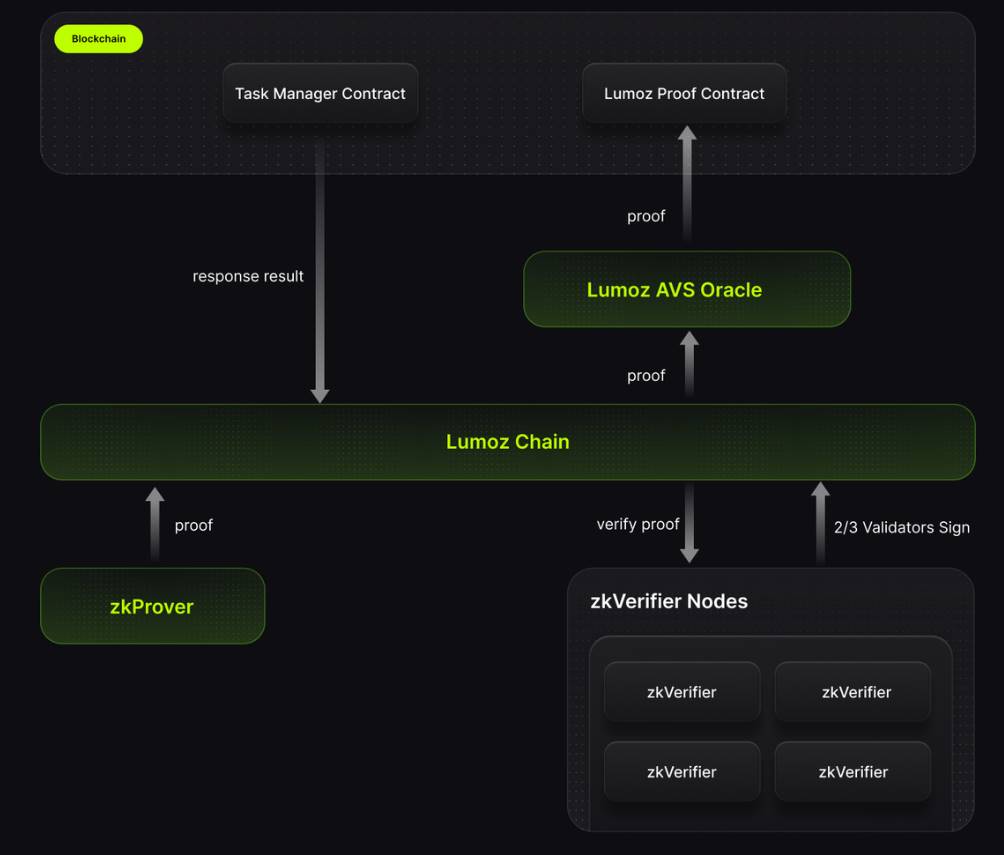
Figure 14 zkVerifier Node Verification Mechanism
https://docs.lumoz.org/zkVerifier-node-explained/how-do-zkverifier-node-work
First, after zkProver generates a proof and submits it to the Lumoz chain, the Lumoz chain sends the verification task to multiple zkVerifier nodes, which independently perform distributed verification. Second, at least two-thirds of the zkVerifier nodes must confirm the proof’s validity to ensure the authority and consistency of the verification result. Finally, the valid proof and its result are transmitted back by the Lumoz AVS Oracle to the Lumoz proof contract on the blockchain, with task results recorded and responded to on the Lumoz chain via the task manager contract.
zkVerifier nodes have relatively low hardware requirements, enabling more users to participate in the Lumoz ecosystem and further enhancing the decentralization of the Lumoz network.
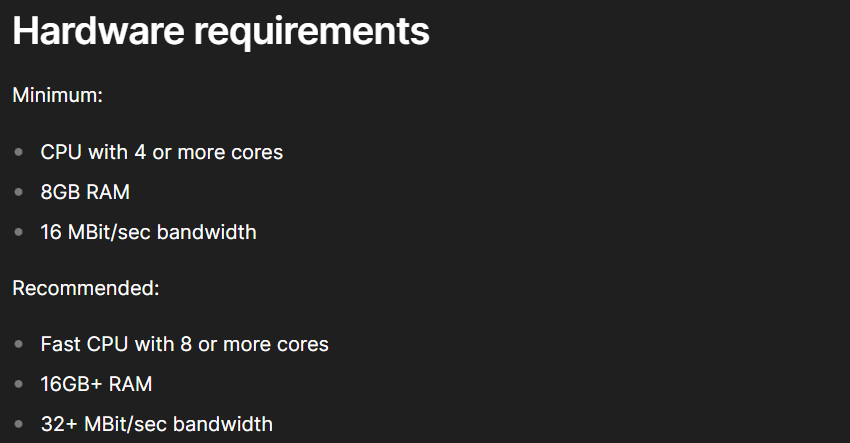
Figure 15 zkProver Node Hardware Requirements
https://docs.lumoz.org/purchase-zkverifier-node-and-set-up/set-up-node
zkVerifier Node Sale Launching Soon
For zkVerifier node access, Lumoz introduces a license system: licenses serve as official recognition of a zkVerifier node’s identity and are mandatory binding conditions when setting up a zkVerifier node. These licenses exist as NFTs, ensuring uniqueness and non-replicability for each license. Users who do not wish to run a node personally can delegate ezMOZ tokens or licenses to other node operators through a delegation mechanism while continuing to earn rewards. Licenses can also be freely transferred between users if exiting.
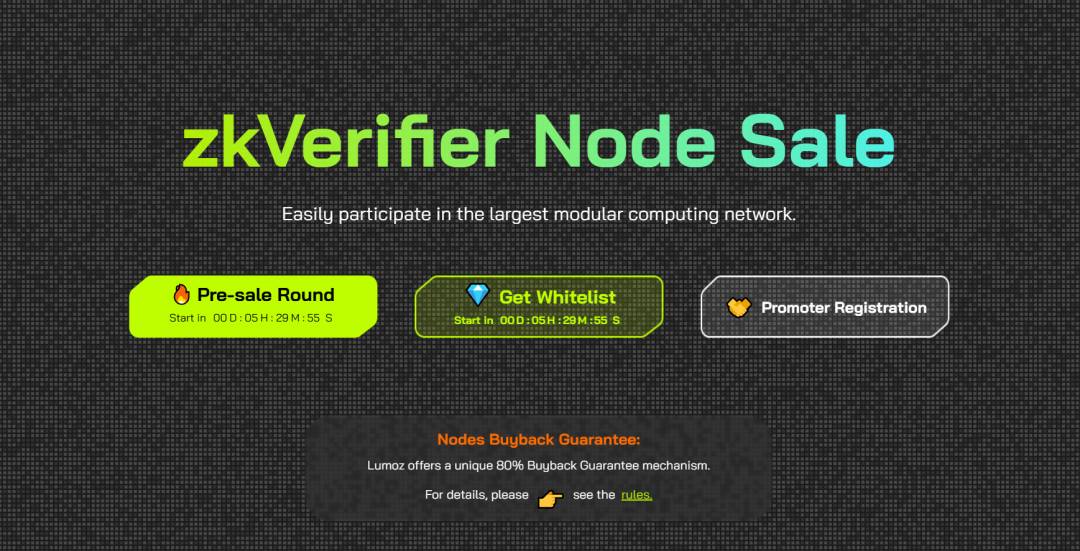
Figure 16 zkVerifier Node Sale https://node.lumoz.org/
The sale of zkVerifier node licenses will officially begin on June 17, 2024. It is understood that zkVerifier nodes will receive 40 million Lumoz points before TGE, unlocking linearly at 1 million points per day from June 25 to August 4. These points can be exchanged for mainnet tokens after TGE. Post-TGE, the project will continue empowering zkVerifier nodes, linearly unlocking 25% of Lumoz tokens over 36 months, with opportunities for potential airdrops from Lumoz ecosystem projects.
According to Lumoz’s latest policy, the total number of licenses is 100,000, divided into 10 different pricing tiers, sold on a first-come-first-served basis with prices increasing over time—earlier purchases yield higher returns. The sale consists of three phases: pre-sale (June 17, 15:00 UTC+8), whitelist registration (June 17, 15:00 UTC+8), whitelist sale (June 25, 15:00 UTC+8), and public sale (July 3, 15:00 UTC+8). During the public sale phase, all users can purchase licenses.
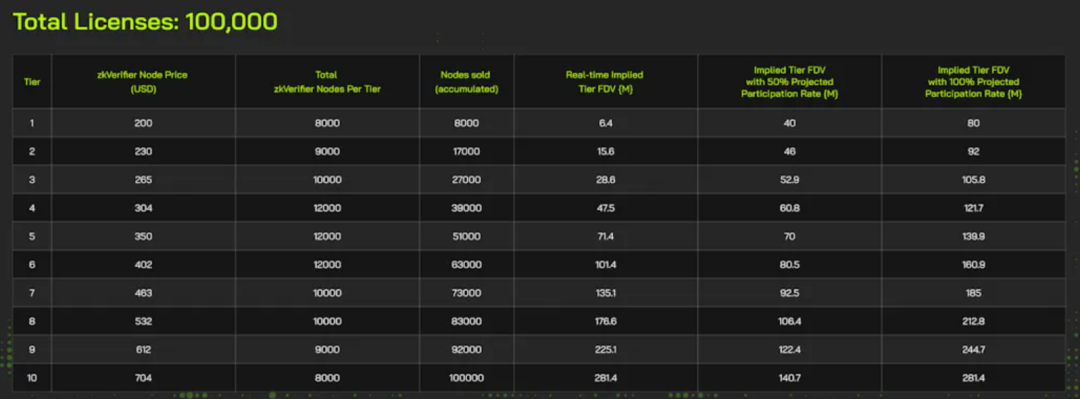
Figure 17 Lumoz License Tiers
https://docs.lumoz.org/purchase-zkverifier-node-and-set-up/license-tiers
Team Bonus System in Node Points Campaign
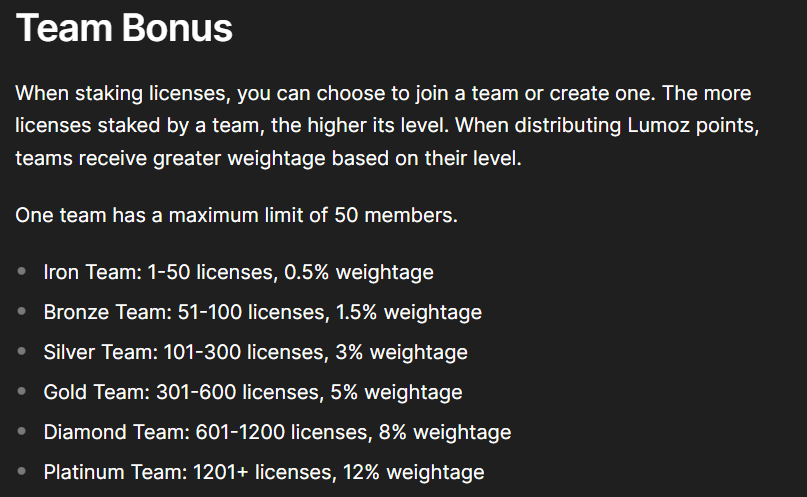
Figure 18 Team Participation Mechanism in zkVerifier Node Points Campaign
https://docs.lumoz.org/zkverifier-lumoz-points-campaign
When staking a license, users can choose to join or create a team. Each team supports up to 50 members. The more licenses a team holds, the higher its level. When distributing Lumoz points, teams receive greater weight based on their level. Lumoz employs this viral design to attract more users and investors.
Refund Mechanism Protects User Interests
Additionally, to maximize protection of global community users’ rights, Lumoz has established a refund mechanism. The refund window will open six months after TGE (Token Generation Event). The duration of the window is TBD. Users dissatisfied for any reason can apply for a refund. Lumoz will unconditionally refund 80% of the node purchase payment. Users must return all generated tokens and NFTs (non-fungible tokens).
Key Revenue Source Before TGE
Lumoz’s zkVerifier node sale has become a significant revenue source. For blockchain projects, early revenue generation is crucial for sustained development and success. It not only helps provide necessary financial support but also strengthens investor and community confidence in the project. Notably, blockchain projects cannot fully rely on IEOs (Initial Exchange Offerings) for revenue. While IEOs are effective fundraising tools, they are not the only path. Overreliance on IEOs may leave projects lacking financial flexibility in later stages and increase project risks.
Specifically, Lumoz’s zkVerifier node sale signals the project’s confidence and commitment to future development. By selling nodes, the project sends a positive signal that it has sufficient funds and resources to drive long-term growth. This helps attract more investors and partners to join and support the project’s success.
Meanwhile, node sales reflect community value and stickiness. By purchasing nodes, users become part of the project community, establishing closer ties with the project. This connection enhances users’ sense of belonging and loyalty, fostering communication and collaboration among community members. An active, valuable community is essential for a project’s long-term success.
IV. Lumoz RaaS Launch Base Offers High Compatibility with Mainstream ZK Rollup Tech Stacks
Rollup as a Service (RaaS) is a product designed to launch customized blockchain application rollups. Similar to software-as-a-service (SaaS), users do not need to maintain or host any part of the service, eliminating complex software and hardware management.
From the perspective of coding requirements, RaaS projects fall into two categories: SDK and No-Code solutions. SDK solutions provide developers with a complete software development kit, making rollup deployment as simple as deploying smart contracts; No-Code solutions, as the name suggests, allow rollup deployment without writing a single line of code (one-click chain launch). OP Stack, Rollkit, Dymension, Sovereign, and Stackr belong to the SDK category. No-code rollup deployment projects include Lumoz, AltLayer, Eclipse, and Caldera.
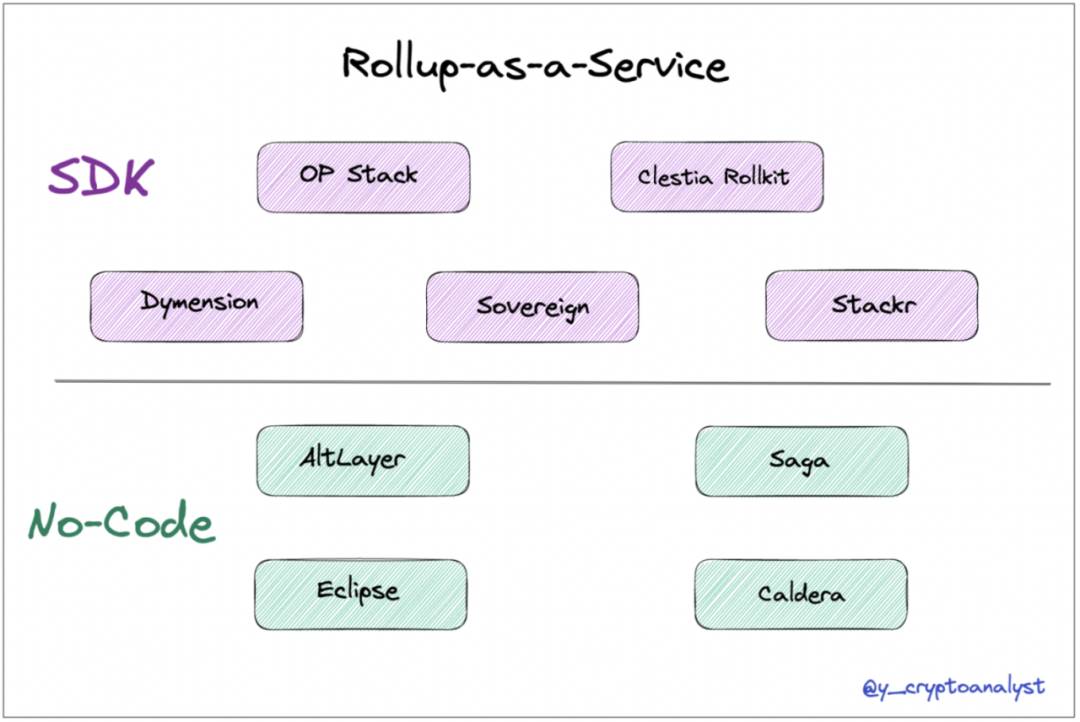
Figure 19 RaaS Projects Fall Into Two Categories
https://foresightnews.pro/article/detail/27089
The RaaS sector already includes various projects like Altlayer and Gelato capable of no-code chain launches. The highlight of Lumoz RaaS Launch Base is that Lumoz integrates mainstream Rollup solutions in the blockchain industry such as Polygon zkEVM, zkSync, Scroll, and Starknet, making it the most widely compatible project in the market for ZK Rollup tech stacks, specifically addressing the compatibility pain point between ZK technology and EVM in the ZK Rollup sector.
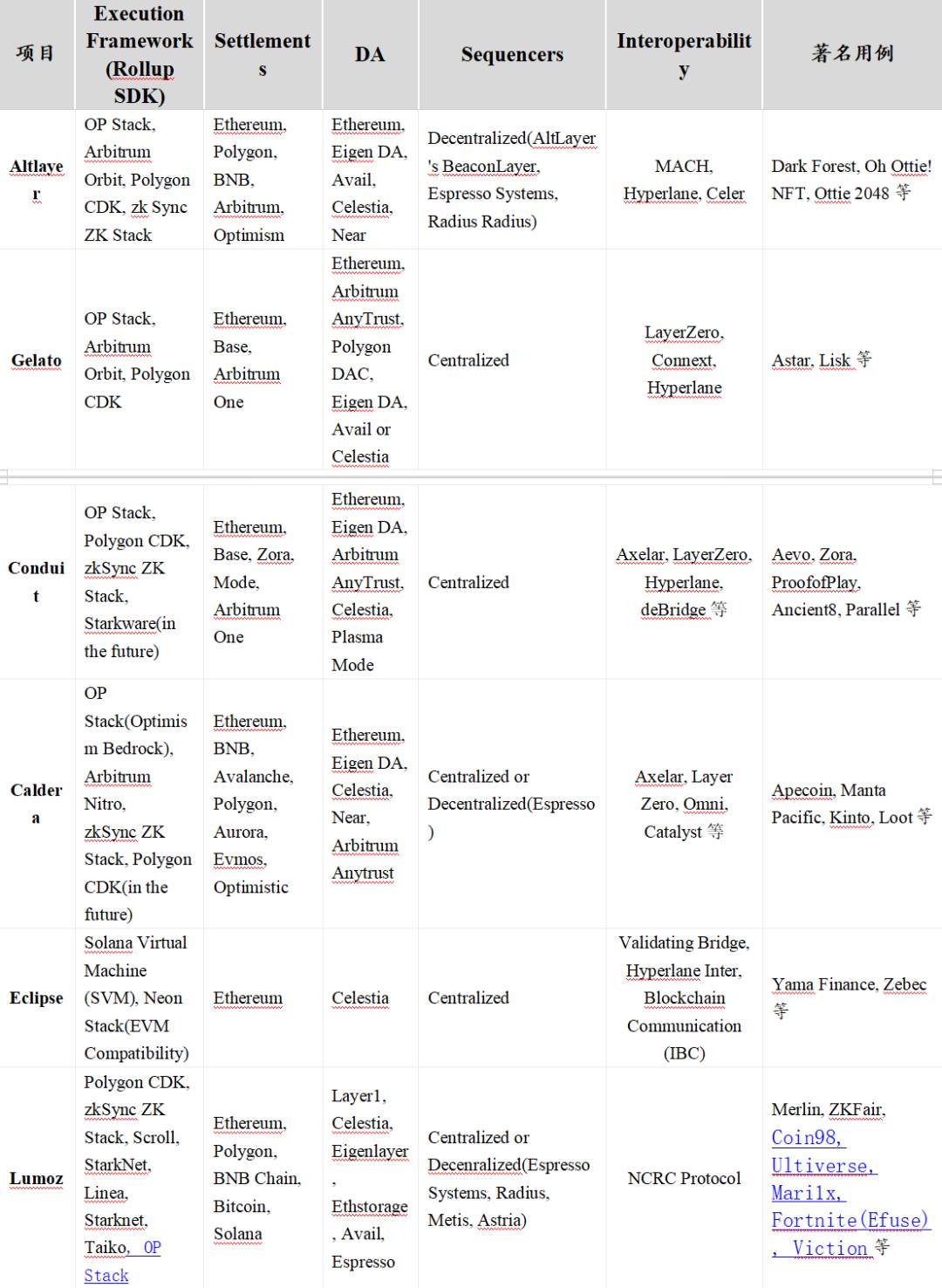
Table 3 Supported Tech Stacks Across Major RaaS Projects
Note: Data primarily from official websites and whitepapers of respective projects, supplemented by online articles
The table above also shows that Lumoz has partnered with many projects across various Rollup modules. For example, beyond Layer 1, Lumoz integrates third-party DA layer projects such as Celestia, Eigenlayer, Ethstorage, Avail, and Espresso. It also collaborates with Espresso Systems, Radius, Metis, and Astria to offer decentralized sequencer options for customers.
According to Vitalik’s classification, zkEVMs can be divided into the following types:
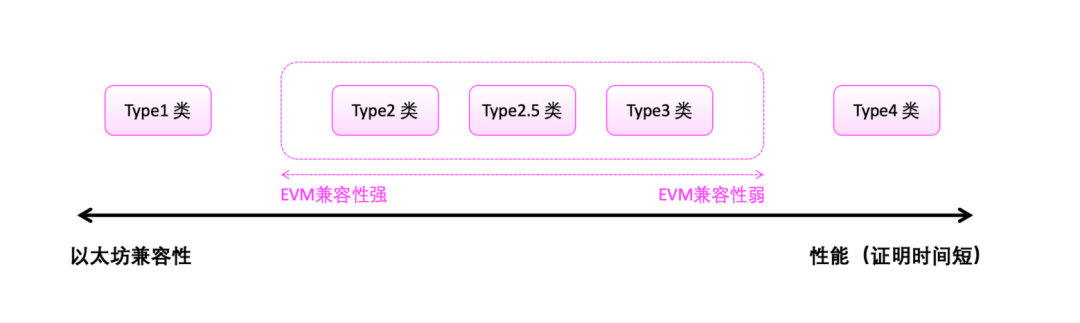
Figure 20 Vitalik's "Different Types of zkEVM"
https://learnblockchain.cn/article/6369
-
Type 1 zkEVM: Fully equivalent to Ethereum
-
Type 2 zkEVM: Fully compatible with the Ethereum Virtual Machine (EVM) (There was once a Type 2.5, which now appears largely merged with Type 2)
-
Type 3 zkEVM: Nearly compatible with the EVM
-
Type 4 zkEVM:
Join TechFlow official community to stay tuned
Telegram:https://t.me/TechFlowDaily
X (Twitter):https://x.com/TechFlowPost
X (Twitter) EN:https://x.com/BlockFlow_News
 7UpDAO