X's crypto business receives license for the first time, Musk may bring new variables to the crypto world
TechFlow Selected TechFlow Selected
X's crypto business receives license for the first time, Musk may bring new variables to the crypto world
This licensing approval legally opens the door for X to advance its cryptocurrency business.
 Navigating Web3 tides with focused insights
By veDAO
According to data from the U.S. Nationwide Multistate Licensing System & Registry (NMLS), Twitter Payments LLC, a subsidiary of X (formerly Twitter), obtained a Currency Transmitter license in Rhode Island on August 28. This marks another critical step toward Elon Musk’s vision of transforming X into an “everything app” with multifunctional capabilities. In this article, veDAO analyzes the significance of this development and its potential implications for X and the broader cryptocurrency industry.
The Significance of the Currency Transmitter License
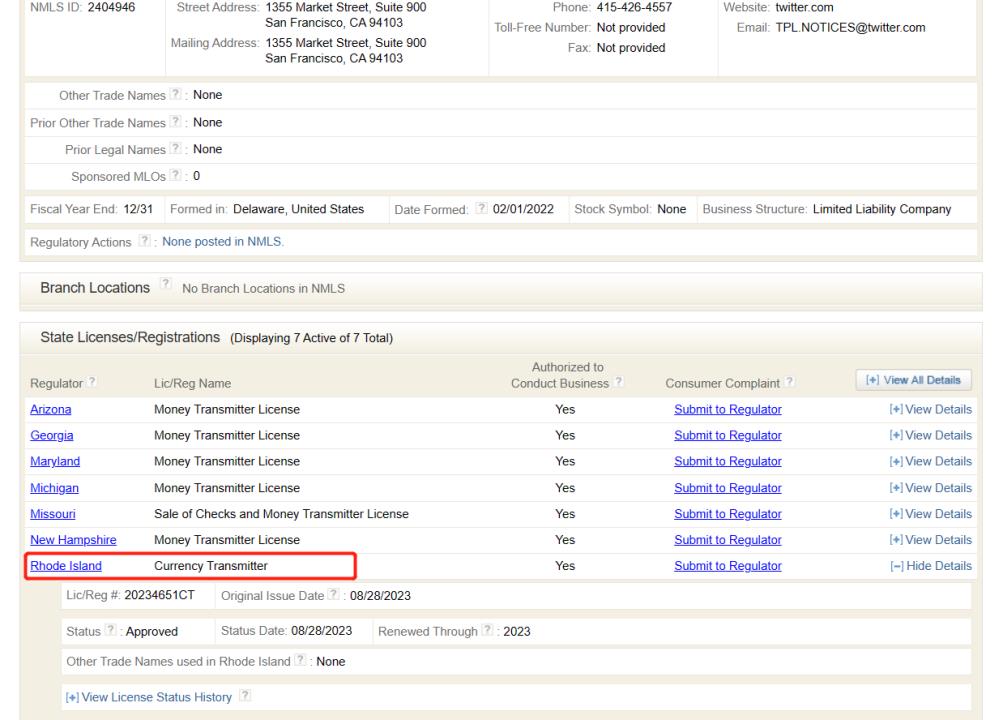
The "Currency Transmitter" license granted to X by regulators in Rhode Island covers the transfer and receipt of financial funds, applicable to both fiat currencies (such as USD and EUR) and cryptocurrencies (including Bitcoin and Ethereum).
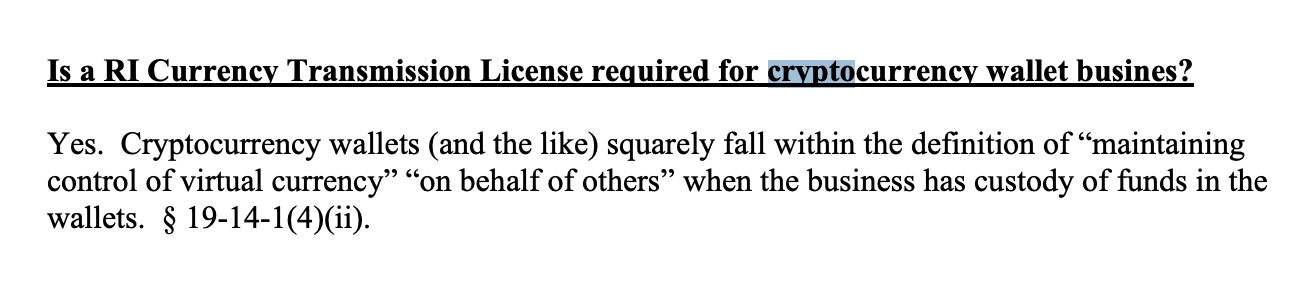
Obtaining necessary licenses is one of the essential steps for becoming a payment hub or crypto payment service provider in the United States. X has been gradually securing such licenses across various states—including Arizona, Missouri, Georgia, Maryland, Michigan, New Hampshire, and now Rhode Island—primarily focusing on fiat-based payments under money transmission frameworks. However, this new license enables X to expand into cryptocurrency-related services such as cryptocurrency exchanges, wallets, and payment applications. Specifically, it will allow X to store, custody, and exchange digital currencies on behalf of its millions of users.
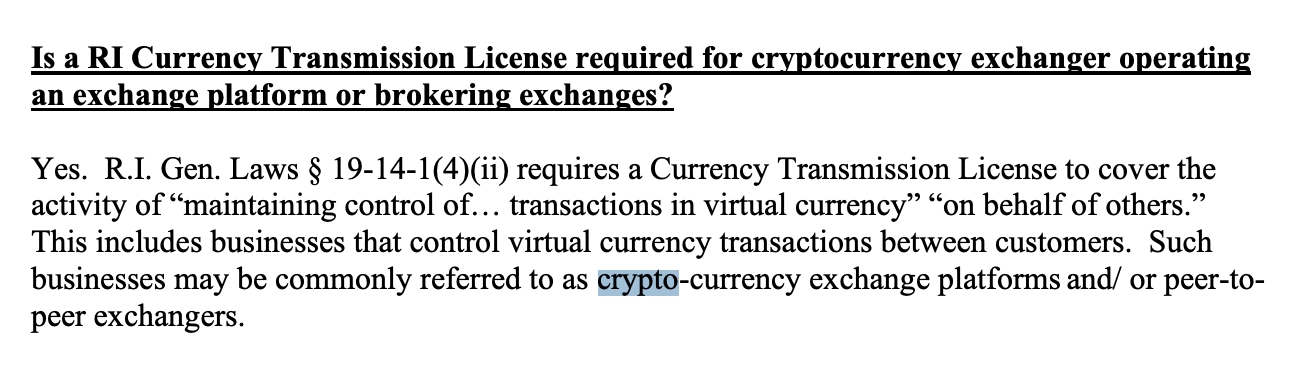
This licensing milestone holds significant importance for both X and the wider crypto industry. It signifies that X's crypto operations are moving toward regulatory compliance, which can help build trust among users and regulators alike. Of course, X must still establish robust anti-money laundering (AML) and risk management systems to ensure the security of users' digital assets. Moreover, X’s involvement could raise awareness and acceptance of cryptocurrencies within mainstream Web2 audiences, helping drive broader adoption and attention to the crypto space. The news also confirms that X will deepen its engagement in the crypto sector, potentially collaborating with more Web3 projects to co-develop the ecosystem and create new use cases—thereby promoting overall industry growth.
Given Elon Musk’s well-known support for the cryptocurrency community, he may leverage the X platform to further advance crypto technology and market development. Musk has previously stated that X will be crypto-friendly, particularly toward Dogecoin, and might integrate Dogecoin into X’s payment system in the future. The former Twitter had even assembled a dedicated team for the “Twitter Crypto” project, focused on developing crypto payments and infrastructure. X has also partnered with crypto firms to develop features—for example, collaborating with Strike to enable Bitcoin tipping, and partnering with eToro to let users trade cryptocurrencies, stocks, and other financial assets.
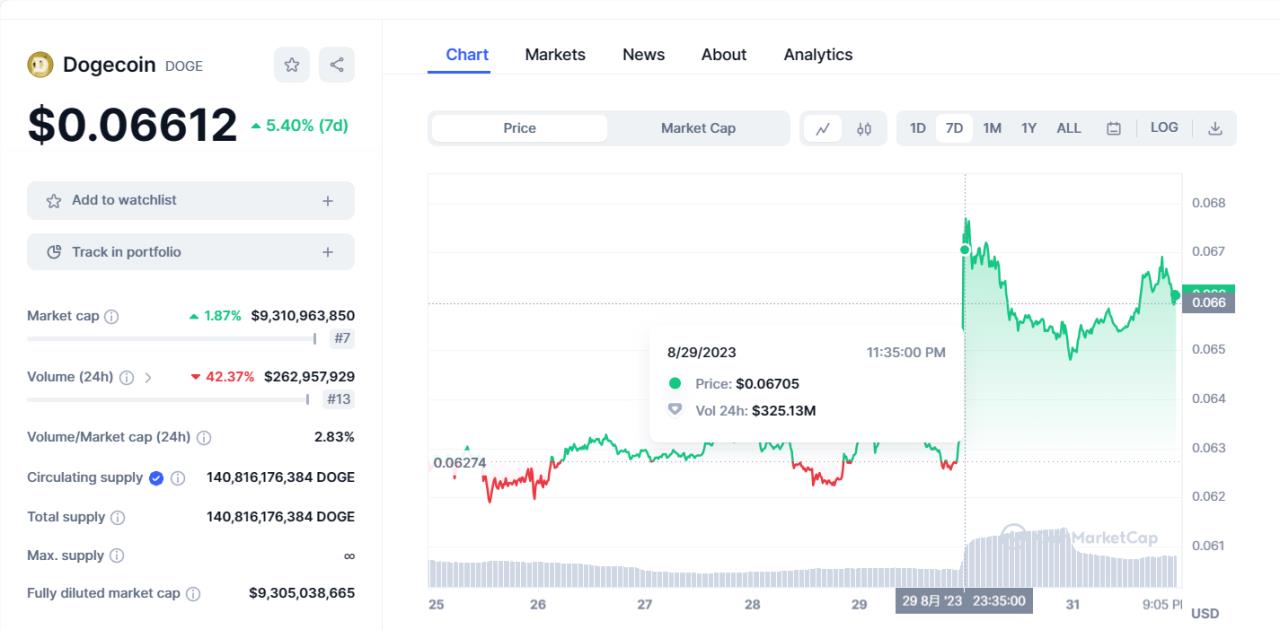
Finally, the announcement that Twitter Payments LLC secured these licenses has given meme coin enthusiasts a major boost: the news subtly impacted dog-themed meme coins, with Dogecoin rising 6% in price between August 28 and 29, according to CoinMarketCap data.
What Crypto Applications Might X Launch?
While X is actively pursuing regulatory approvals and building crypto capabilities, Elon Musk has clearly stated that X will not issue its own token. Leaving aside launching a native coin, what kinds of crypto-related applications might X introduce?
Support for Major Cryptocurrencies
X could directly support mainstream cryptocurrencies like BTC and ETH for platform subscriptions and creator tips. This would serve as a channel for crypto adoption and potentially become a key gateway for Web2 users entering Web3.
Integration with Crypto Wallets
X may consider integrating with third-party crypto wallets in the future, allowing users to manage their crypto assets directly through X and transfer funds between different wallets.
Enabling Decentralized Trading
By connecting with decentralized exchanges (DEXs), X could allow users to trade crypto assets directly within the platform.
Launch Unique NFTs
If X moves forward with NFTs, it could do so in three ways: introducing NFT functionality to foster a creator economy, enabling direct purchases of creators’ works; launching an NFT marketplace; or issuing its own platform-specific NFTs to build a unique digital asset economy, possibly using smart contracts for access control and permissions.
Web3 Social Applications
Integrating SocialFi features and linking to decentralized social apps. Users could connect external wallets to manage digital identities and virtual assets across platforms. X might also bridge blockchain identity systems, supporting decentralized social applications and enabling user-controlled, portable identities and credentials.
Fully Entering Web3? We Must Wait and See X’s Next Moves
X’s acquisition of the Rhode Island currency transmitter license is only the first step in building its crypto payment capabilities. While this opens the door for X in the cryptocurrency space, the actual scope and scale of implementation remain to be seen.
X still needs to obtain licenses in additional states to operate compliant crypto services nationwide. Notably, it has yet to apply for the BitLicense issued by the New York State Department of Financial Services (NYSDFS), or the Electronic Money Institution (EMI) license in Europe—both of which will be key indicators of the scale of X’s crypto ambitions.
Before launching any real-world crypto applications, X will need to conduct comprehensive risk assessments and community testing to ensure a smooth transition. It should also collaborate with leading security and compliance organizations to safeguard information and assets on the platform.
Most importantly, regulatory policies and user adoption will significantly influence the success of X’s crypto initiatives. Therefore, X is likely to adopt a gradual and cautious approach rather than rolling out all crypto features at once.
Conclusion
In summary, this license approval legally enables X to advance its crypto business. It represents both a new beginning and the start of a long-term journey. Before launching concrete crypto applications, X still has substantial preparatory work and regulatory coordination ahead. Nonetheless, there is good reason to remain optimistic and hopeful about X becoming a significant player in the crypto ecosystem.
Join TechFlow official community to stay tuned
Telegram:https://t.me/TechFlowDaily
X (Twitter):https://x.com/TechFlowPost
X (Twitter) EN:https://x.com/BlockFlow_News
 @TrendX_official