EthCC Reflection: Crypto VCs Are Less Respected Than Dogs, While Application-Oriented Infrastructure Evolves
TechFlow Selected TechFlow Selected
EthCC Reflection: Crypto VCs Are Less Respected Than Dogs, While Application-Oriented Infrastructure Evolves
If, as Vitalik said, Ethereum was at the starting point of climbing a steep slope last year, then this year it has made significant progress toward reaching the peak.
 Navigating Web3 tides with focused insights
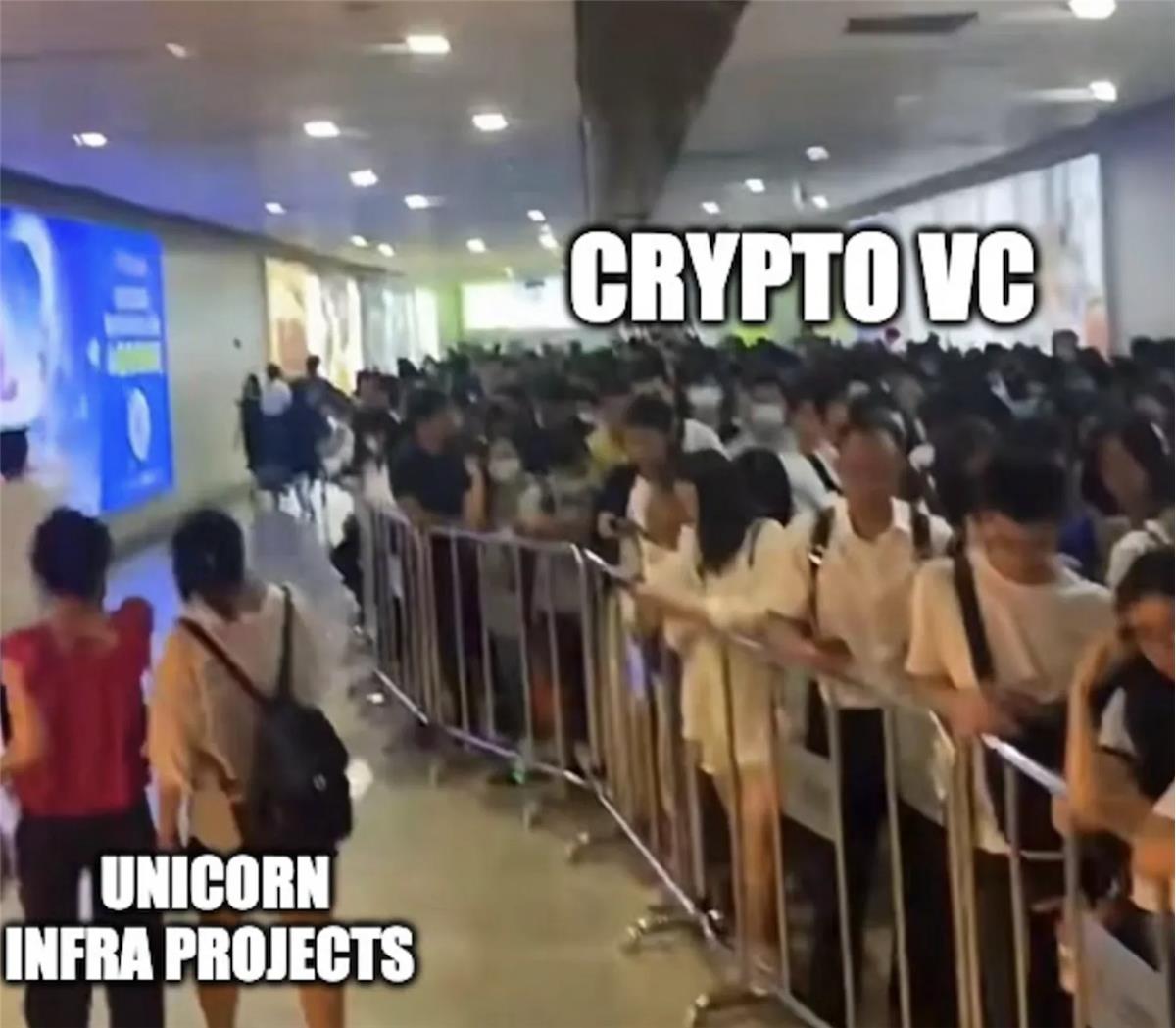
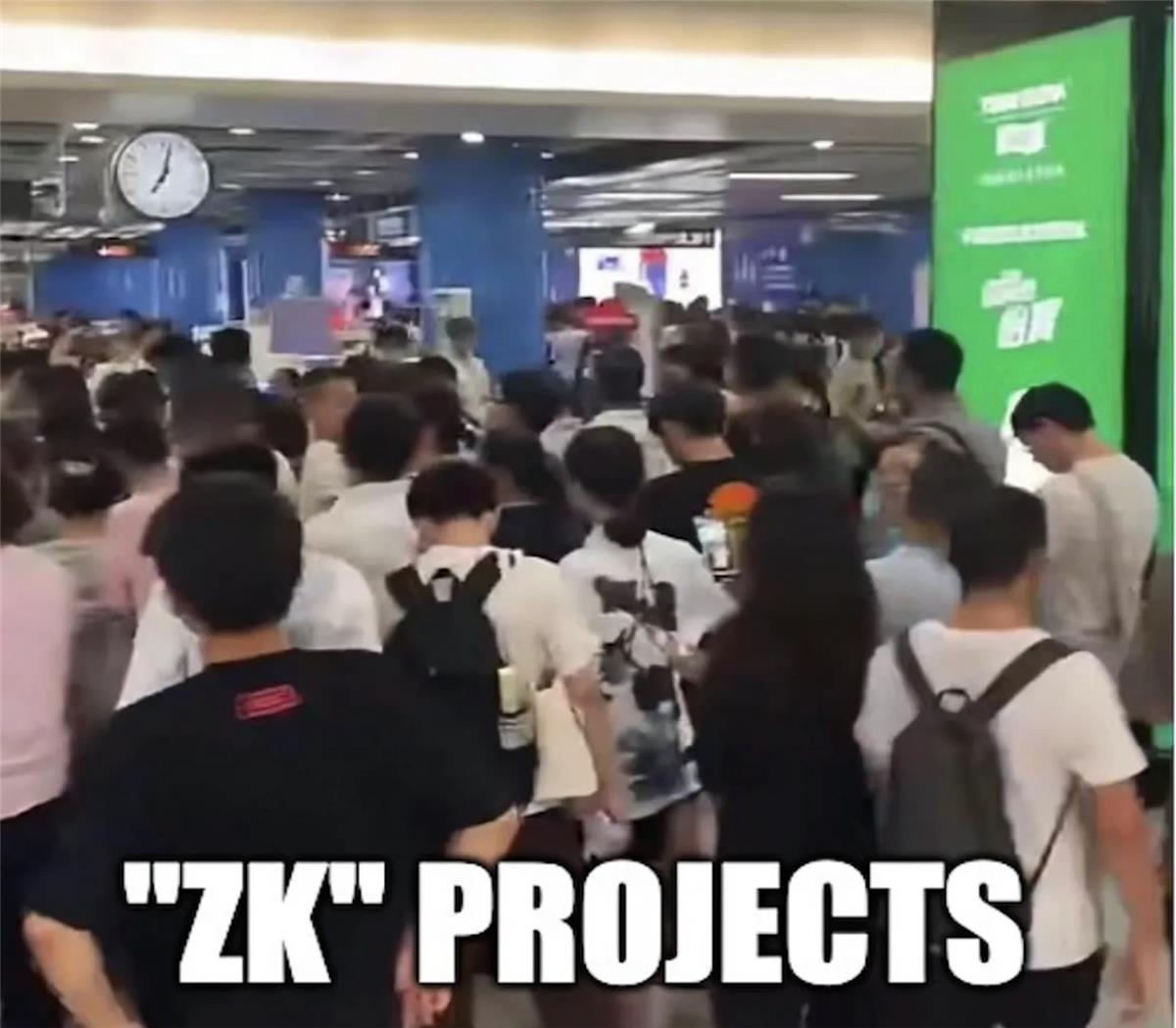
I made two meme images to represent my most intuitive takeaways from EthCC, which also more or less reflect the current state of the industry:
-
There are too many crypto VCs—so many that a private round unicorn project valued at over 1B held a side event with a strict “No VC Allowed” policy. Unfortunately, dogs were permitted to enter. So apparently, VCs rank below dogs…
-
Almost every project that started building applications half a year ago—whether in gaming, NFTs, or social—is now claiming they’re building infrastructure (Infra), with ZK woven into every pore. It’s all so seamless—go try out our new Odyssey.
What’s New
During EthCC, many projects announced updates and milestones. Here are some that I personally find particularly noteworthy:
1. Chainlink CCIP – “Enshrinement”
Chainlink, the leader in the middleware space after dominating the oracle sector, announced its move into cross-chain interoperability during EthCC on July 20. Its Cross-Chain Interoperability Protocol (CCIP) officially launched, supporting Ethereum mainnet and testnets of four major EVM L2 chains. Interestingly, this version wasn’t labeled as a testnet or beta—it was called the Mainnet Early Access phase. Read between the lines.
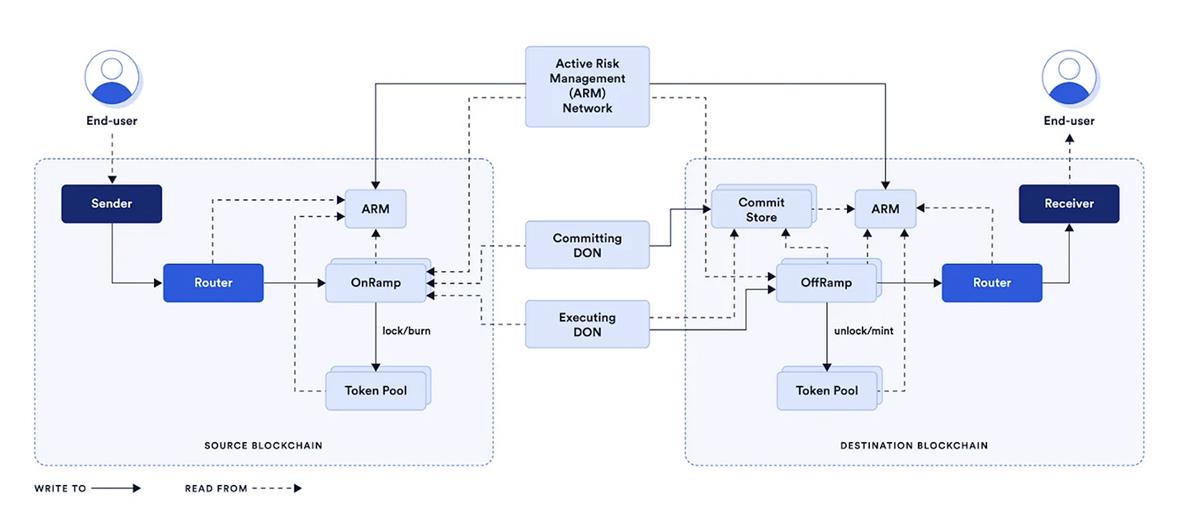
CCIP overall architecture diagram
The architecture is divided into off-chain and on-chain components. Off-chain, Chainlink’s DON (Decentralized Oracle Network) nodes submit and verify Merkle proofs for cross-chain transactions, ensure finality on the source chain, and confirm compliance with risk controls enforced by proactive monitoring nodes (ARM).
Does this structure look familiar to those familiar with cross-chain projects? Below is the architecture of LayerZero, recently valued at $3 billion:
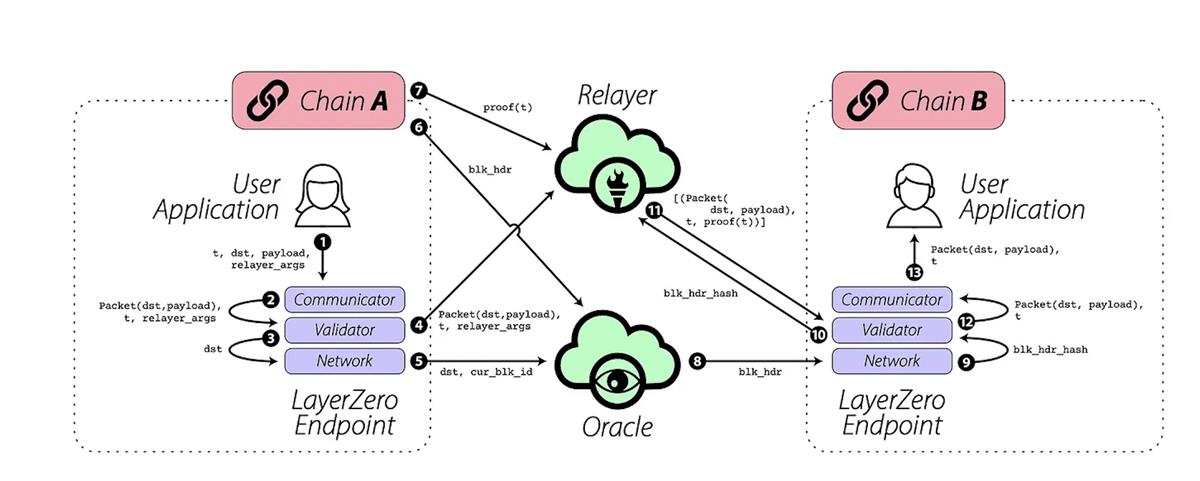
LayerZero architecture diagram
Off-chain: Relayer corresponds to Executing DON; Oracle corresponds to Committing DON;
On-chain: Communicator corresponds to Router; Validator and Network correspond to on/off ramps. Chain A and Chain B map to two token pools respectively.
The core architectures of both are nearly identical. The key difference is that Chainlink’s CCIP adds an extra layer: Rust-based Chainlink contracts and independent nodes that audit cross-chain transactions separately. More importantly, Chainlink currently serves as the underlying oracle for LayerZero.
In today’s lingo, this move can be seen as Chainlink “enshrining” LayerZero.
2. Uniswap X – “Decoupling”
While the Uniswap team has been slow in token utility innovation, they’ve remained highly active in product development. After unveiling Uniswap V4 in June, they launched another new product, Uniswap X, on July 17. To draw a rough analogy: Uniswap V4 is like Apple releasing a new iPhone, with Uni V3 being its predecessor, while Uniswap X is akin to Apple launching a new product line, such as the iPad.
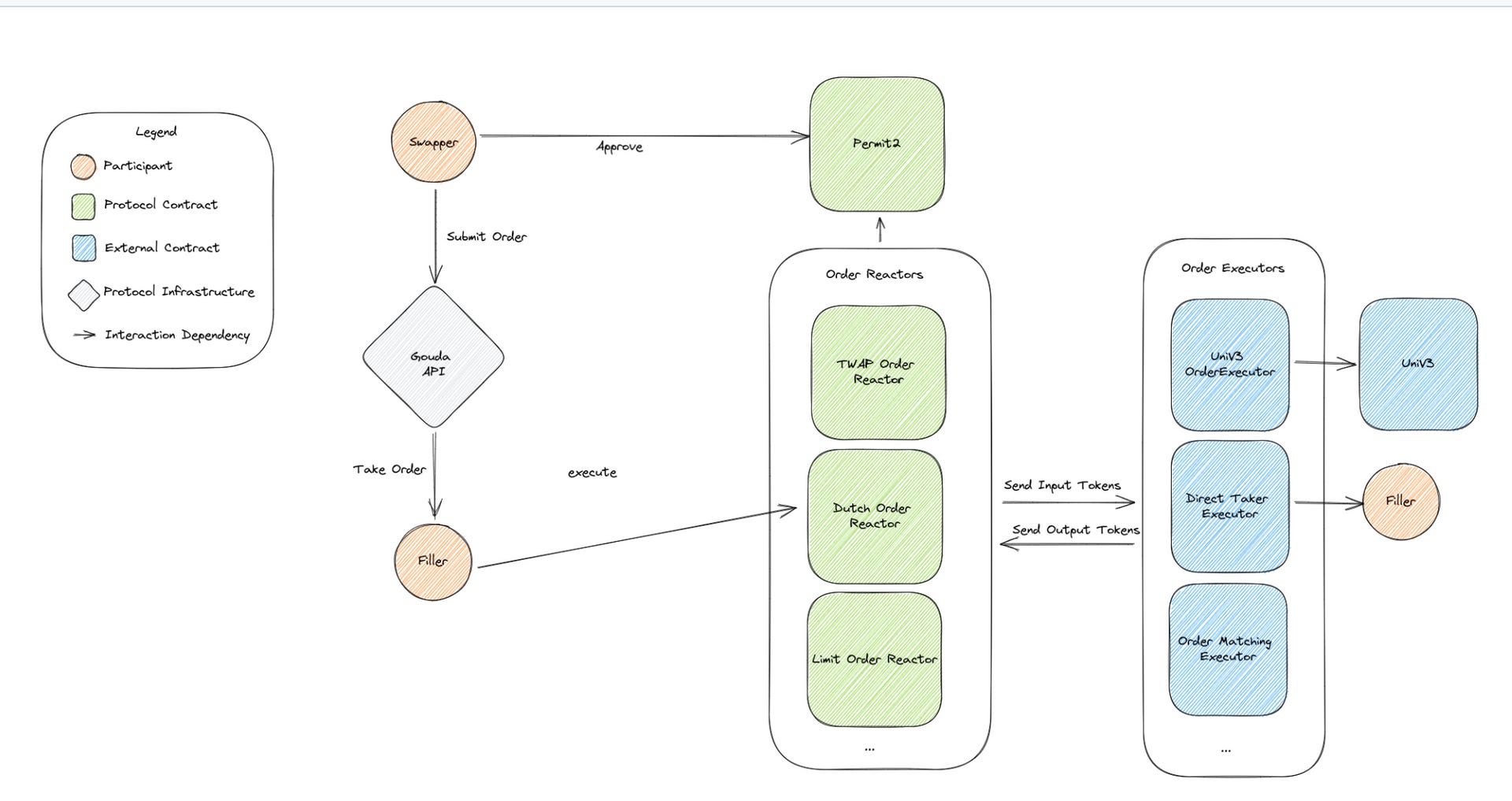
Uniswap X product architecture
The core innovation of Uniswap X is outsourcing transaction routing and aggregation to a new actor called the Filter. The Filter collaborates with Uniswap’s Router to execute order matching. Filters can be aggregators like 1inch, market makers, individuals, or even MEV searchers. Thanks to a competitive bidding mechanism, potential MEV losses for traders may be offset during execution, effectively internalizing MEV value.
This philosophy of decoupling system components to reduce core complexity is also central to Uniswap V4. In V4, the ability to create liquidity pools is decoupled from the core system and assigned to a new role called Hook, which defines custom pool rules—enabling flexibility without sacrificing core stability.
This same design principle underpins Ethereum’s rollup-centric roadmap, where scalability is delegated to various L2 rollups, with further decoupling of functions like data availability (DA), creating space for numerous L2 and DA projects to emerge.
Uniswap X also brings significant UX improvements, including Dutch auction orders, cross-chain trading, and Permit2’s fee optimization module. Notably, it defines meta-transactions as signed orders, setting the stage for intent-centric on-chain trading models.
3. Entering the Modular Blockchain Era—Endgame
With numerous Layer2 networks launching their mainnets this year—and several announcing key milestones during EthCC—it’s safe to say Ethereum’s modular era has officially arrived.
-
Linea, under Consensys, launched its Alpha Mainnet
-
Mantle, incubated by Bybit, launched its Alpha Mainnet
-
O(1) Labs’ zero-knowledge proof solution for OP Stack was selected
-
Following OP Stack and Arbitrum Orbit, Starknet unveiled its Starknet Appchains
Since around 2020, when Ethereum’s rollup-centric roadmap was established, the trend toward modularity became clear. This approach—using rollups to handle transaction load, breaking down monolithic chain functions into modular components—represents Ethereum’s scaling endgame, as Vitalik calls it in his article on the Endgame. (The term "endgame" has since become a Web3 buzzword, frequently reused, e.g., by MakerDAO.)
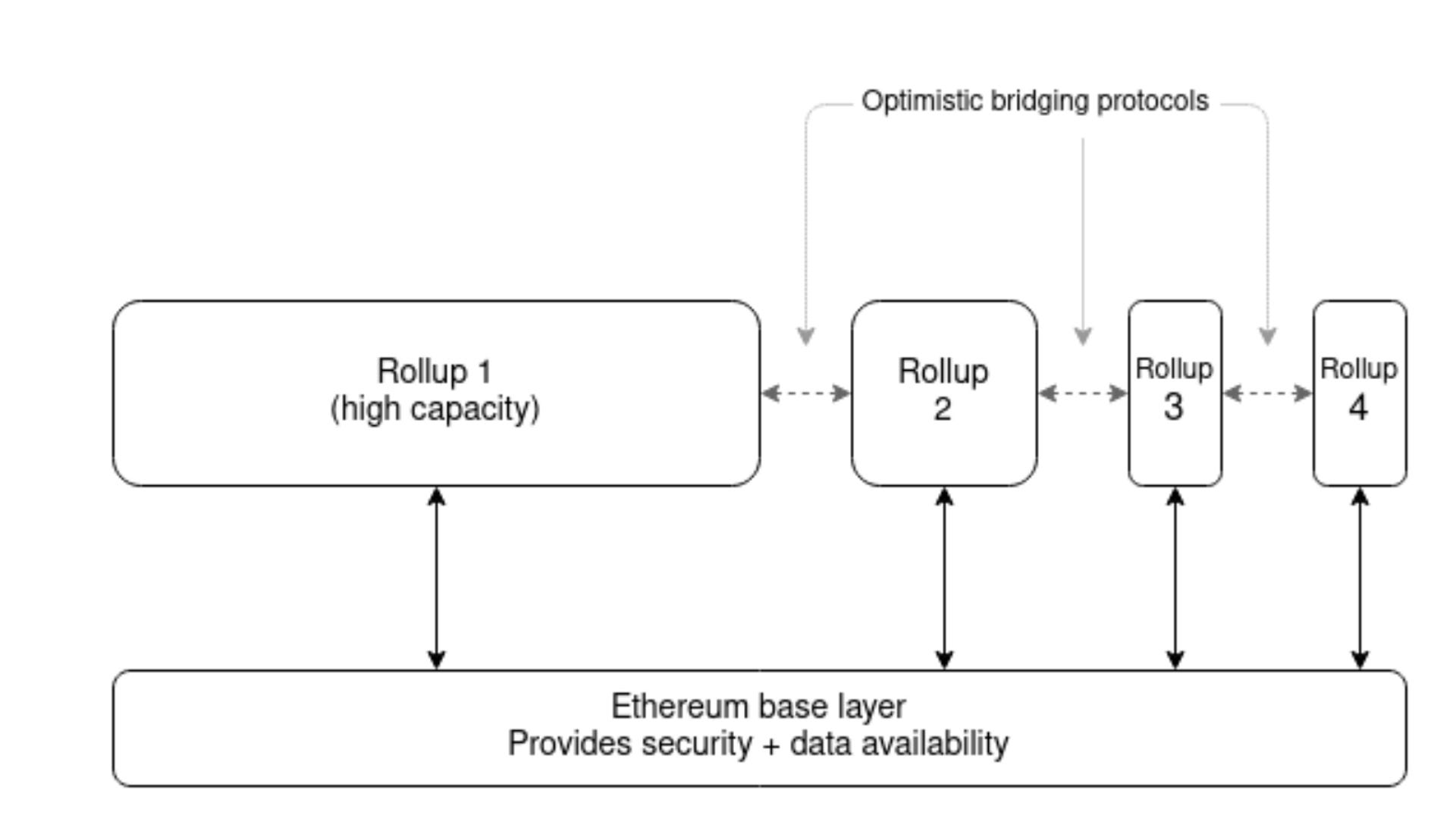
In the future, Ethereum will no longer exist merely as a single chain or L1, but as a highly secure data availability (DA) and consensus layer solution. As Bankless co-founder Ryan put it: “Ethereum mainnet isn’t for users—it’s for chains.” More precisely, it’s for different rollups and RaaS platforms.
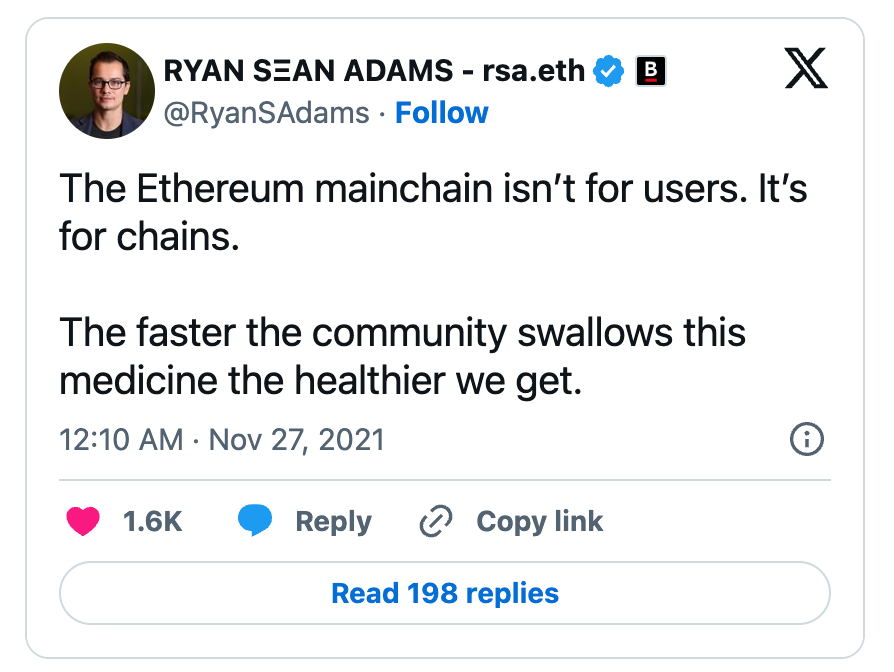
In this modular world, we no longer simply classify chains as L1, L2, or L3 using fractal scaling (Fractal Scaling); instead, we see diverse combinations of execution layers, DA layers, and consensus layers:
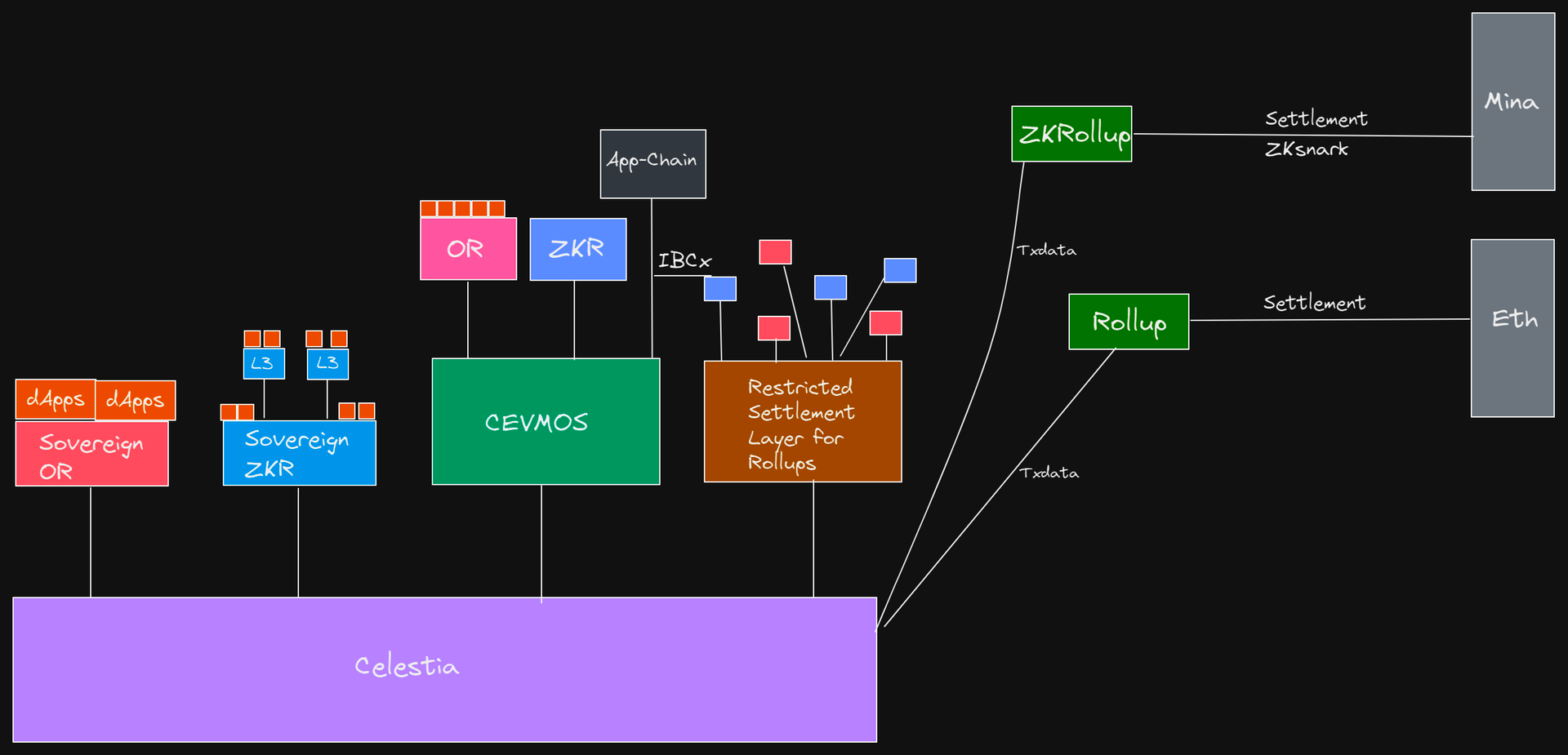
A Celestia-centric view of the modular ecosystem
The focus of blockchain infrastructure builders will shift from competing on various L2s to developing modular components—from decentralized sequencers to faster execution layers and frameworks tailored for specific application rollups. This evolution is evident in the changing topics at the annual Modular Summit.
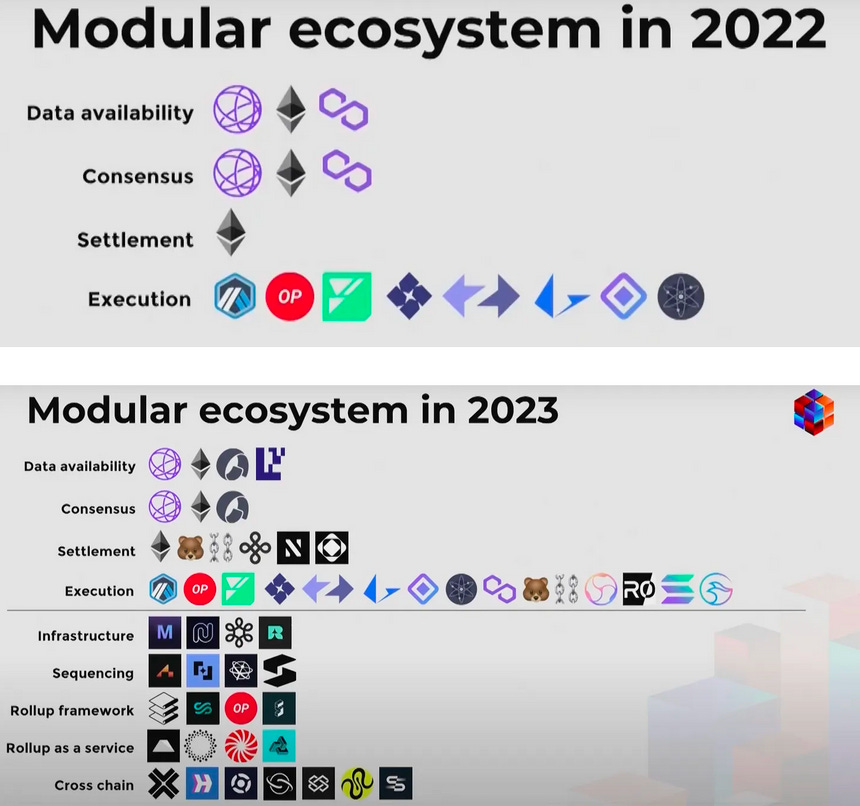
There were many other announcements at EthCC, such as Lens V2 and Gnosis Card. However, since the conference remained focused on infrastructure, they won’t be covered in detail here.
To Be Continued:
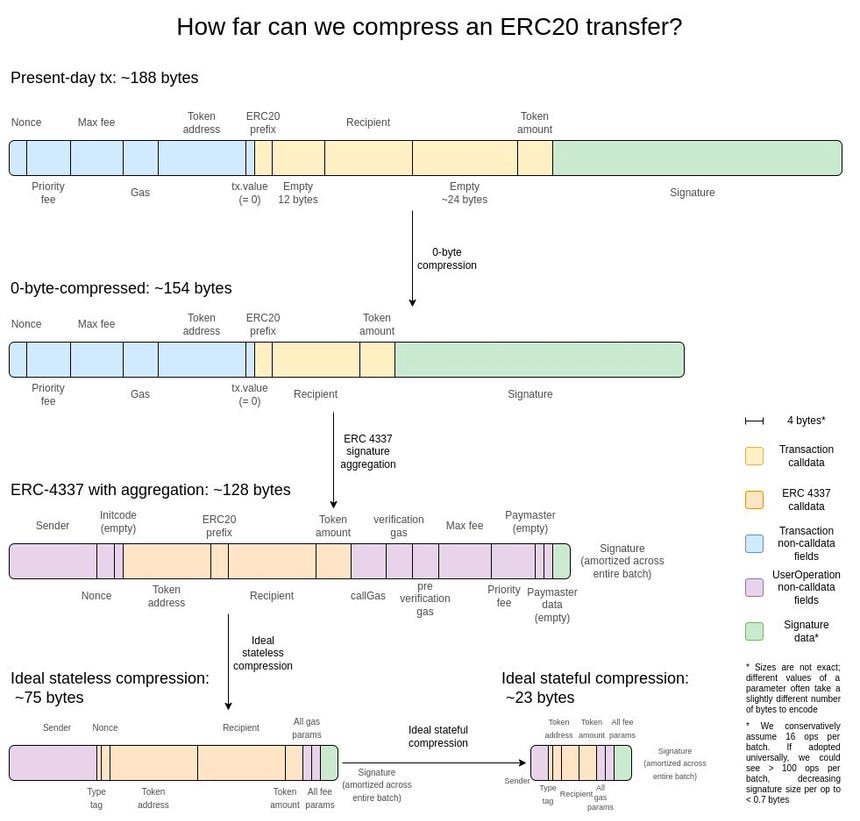
1. Vitalik’s keynote at the main stage focused on the history of account abstraction, offering little new insight. However, his talk at Modular Summit on Aggregation was far more interesting. He highlighted how ERC-4337 enables BLS aggregate signatures, significantly reducing transaction size and saving block space on Ethereum. Similarly, extensive research is underway on SNARK proof aggregation to boost efficiency. Advances in aggregation theory and tech could be the breakthrough for future rollup upgrades.
2. One of EthCC’s largest side events, Modular Summit, spent an entire day discussing PBS (Proposer-Builder Separation)—a long-standing topic. The Ethereum Foundation’s R&D roadmap can be summarized by the heart-shaped diagram below, split into in-protocol and out-protocol categories. The details are complex—better left for a dedicated future article.
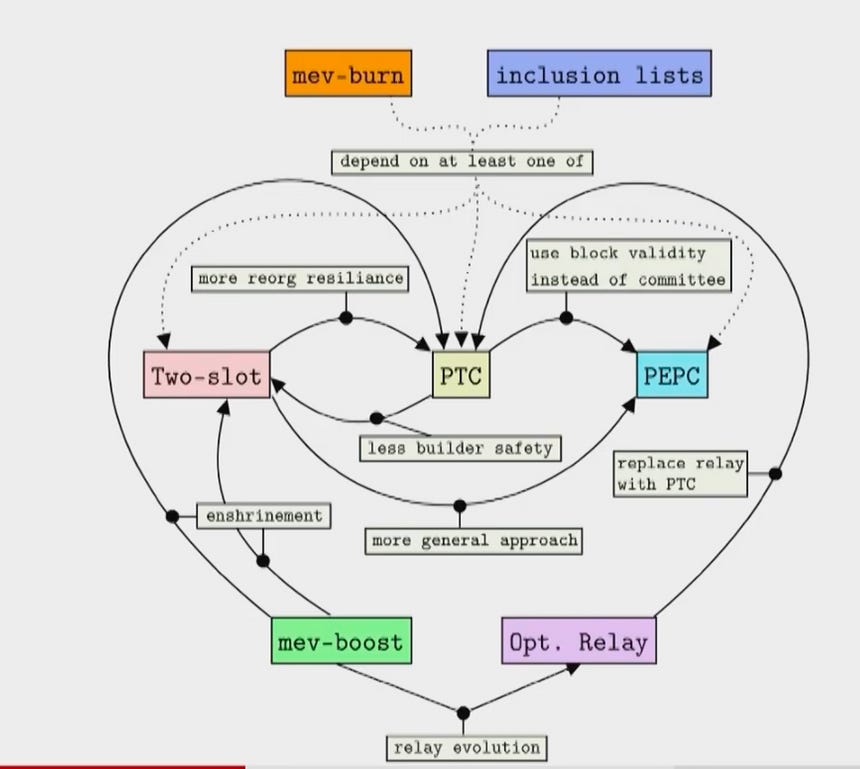
As we envision the future, let’s revisit the “past”: At EthCC 2022, Vitalik expressed hope that Ethereum would eventually “Settle Down”—achieving greater compatibility, reduced complexity, and long-term stable operation. If last year marked the start of climbing a steep hill, then this year, Ethereum has taken a significant step toward the summit.
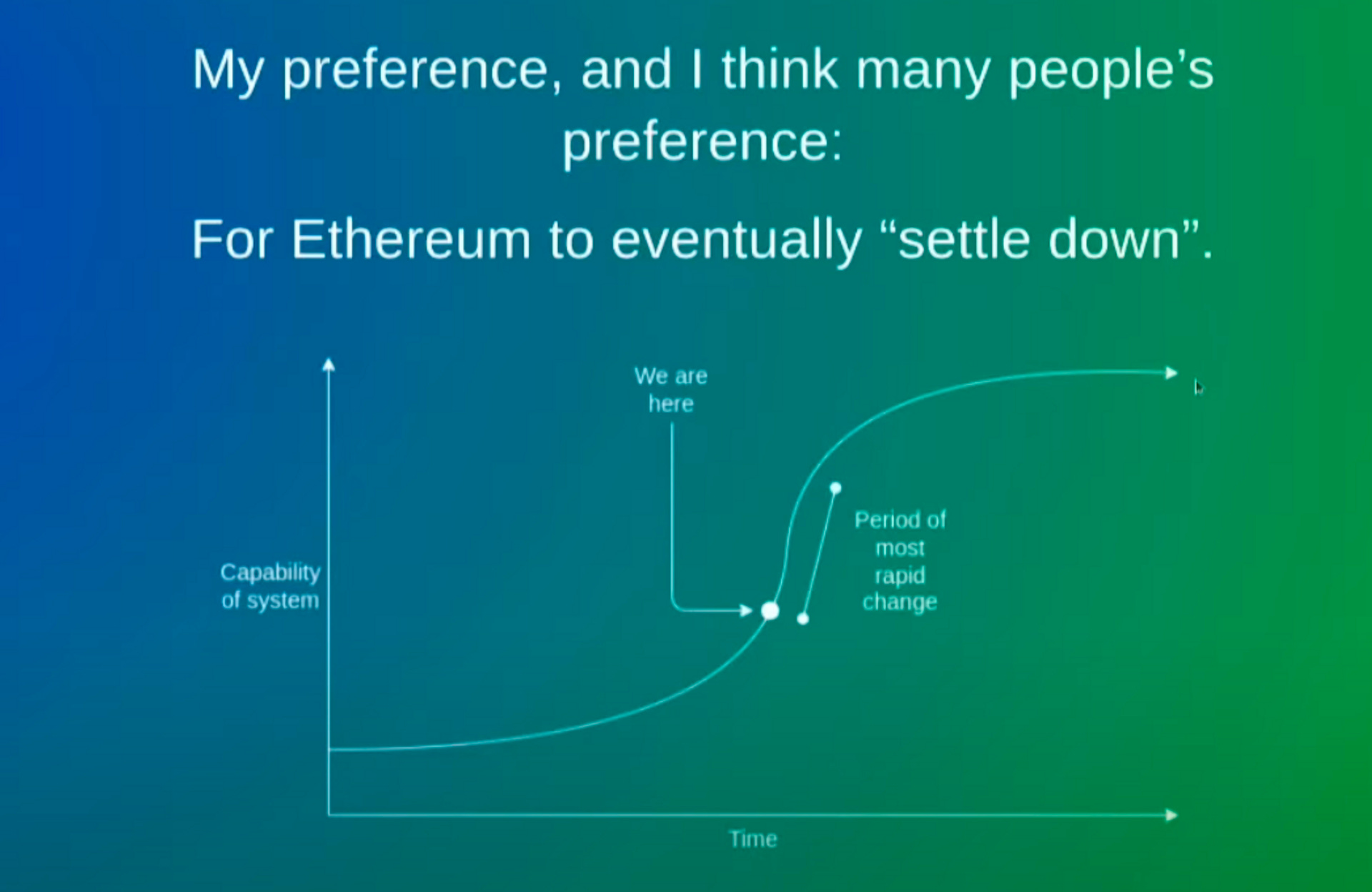
(Who says the view from the top belongs to Cosmos? Step forward.)
Join TechFlow official community to stay tuned
Telegram:https://t.me/TechFlowDaily
X (Twitter):https://x.com/TechFlowPost
X (Twitter) EN:https://x.com/BlockFlow_News
 @xingpt