BRC20 Behind: The "Revenge" from the BSV Community
TechFlow Selected TechFlow Selected
BRC20 Behind: The "Revenge" from the BSV Community
Nowadays, with BRC-20 gaining popularity, the term BSV is back in the spotlight.
 Navigating Web3 tides with focused insights
Producer: TechFlow Research
Author: 0xmin
In mid-February this year, we produced a special video on Ordinals and BTC NFTs.
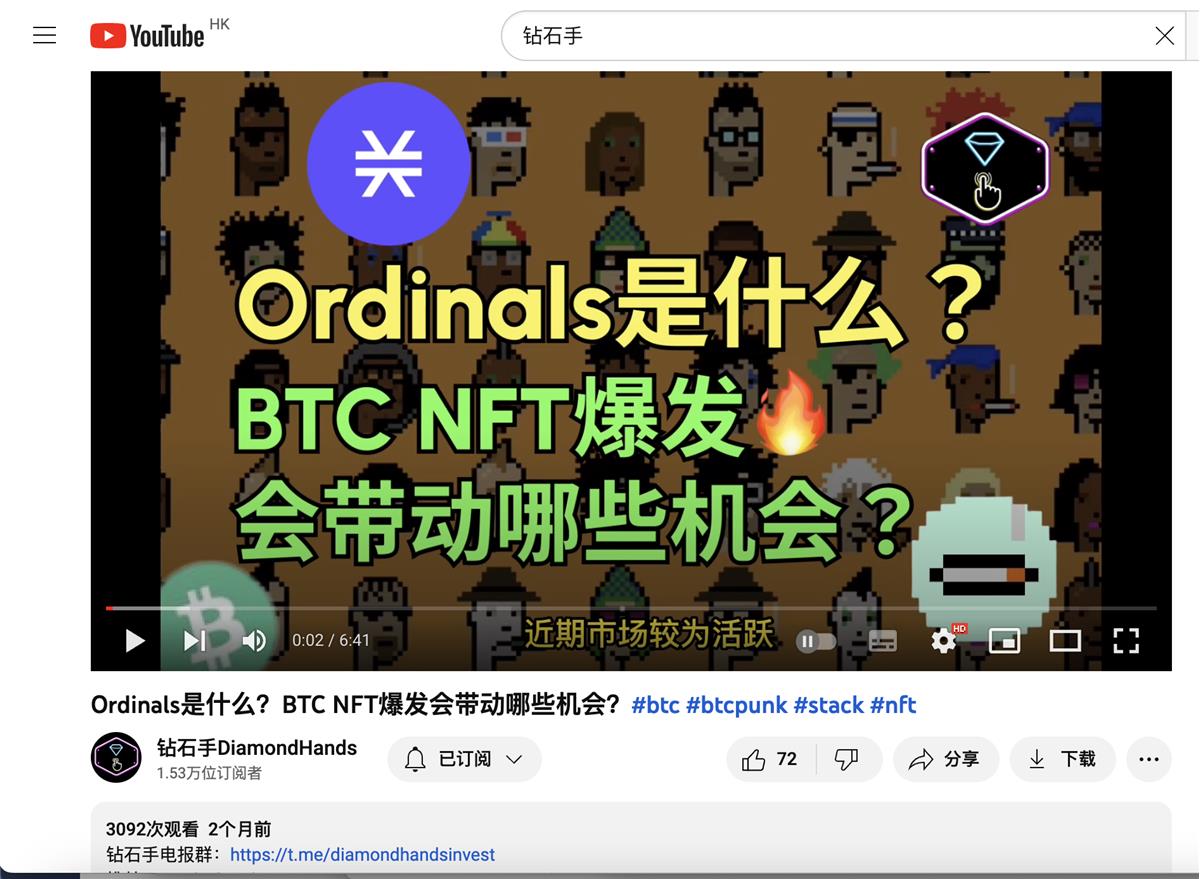
While researching materials, we noticed an interesting phenomenon: the most enthusiastic supporters of Ordinals are actually former members of the BSV community, even though the entire BSV ecosystem has declined and its numbers have dwindled significantly.
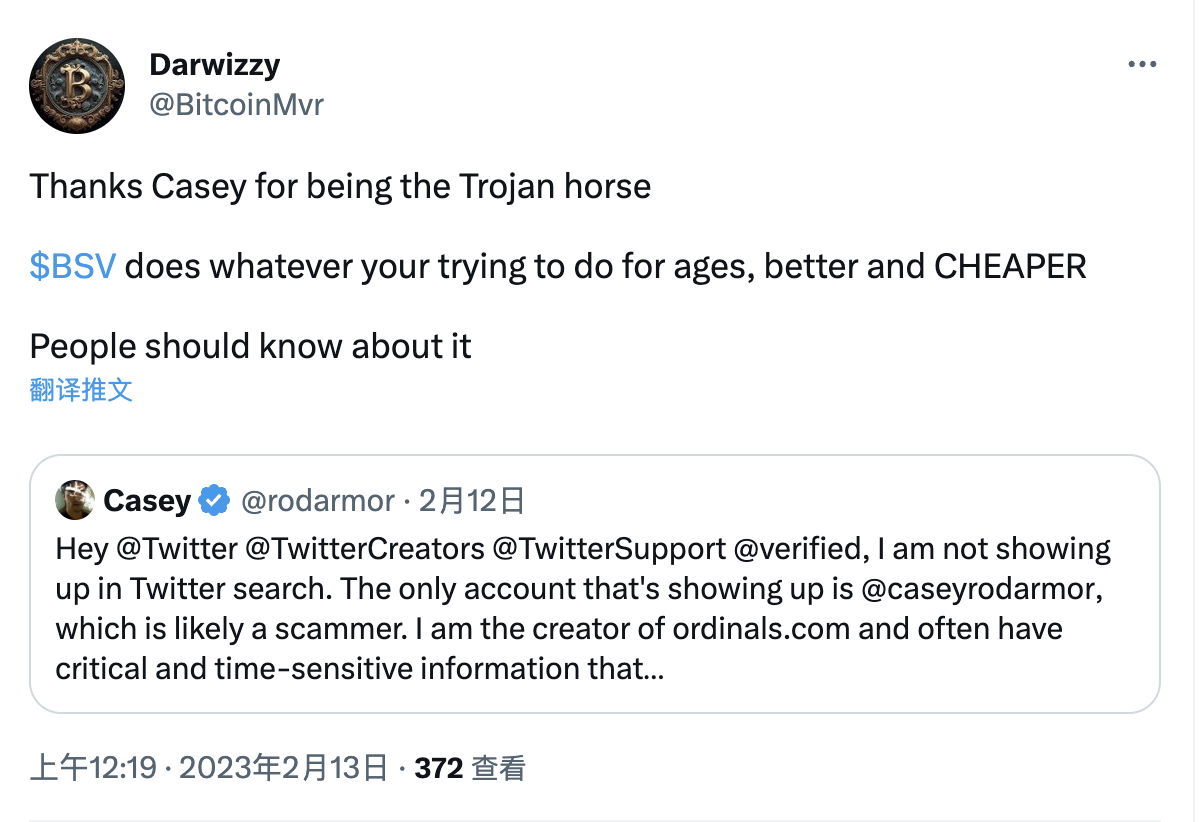
To many BSV enthusiasts, both BTC NFTs and Ordinals represent exactly what the BSV community had long advocated. They even thanked Casey (the creator of Ordinals) on Twitter for being a Trojan horse.
A few years ago, I briefly observed the BSV Skull & Bones community, and indeed found striking similarities between the two.
BSV originated from BCH, both following the large-block path, but BSV is more radical—advocating unlimited block sizes determined by the market, with the goal of putting more commercial data on-chain in the future.
Based on the Bitcoin SV blockchain system, they introduced the concept of Metanet—a value network built on BSV capable of secure, decentralized, and tamper-proof data transmission and storage, enabling enterprises to build applications on BSV.
Using BSV, members of the Skull & Bones group developed applications such as an on-chain microblogging platform and NFT-related tools.
Overall, BSV and BTC follow fundamentally different paths: BTC aims to be digital gold, focusing on value storage; BSV envisions everything going on-chain, requiring transaction fees so low that users barely notice them, necessitating constant scaling to sustain the system through high transaction volume.
As we all know, no major BSV ecosystem applications gained traction, on-chain activity remained weak, and during the era when everyone was obsessed with DeFi, NFTs, and new public chains, BSV gradually faded into obscurity.
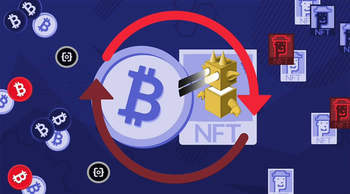
Now, with the explosion of BRC20, the term BSV has resurfaced—largely because many core BRC20 ecosystem projects originate from former BSV developers.
-
The leading BRC20 wallet, Unisat, is backed by a Chinese development team previously active in the BSV ecosystem, who also created Sensible Contract, a smart contract solution on BSV.
-
The first BRC20 trading platform, Ordswap, is developed by a team that previously built RelayX, the first decentralized exchange on the BSV network; its founder was formerly an executive at OKCoin.
-
The wallet Ordinals Wallet comes from Twetch, a social app built on BSV. With the rise of the Ordinals protocol, Twetch has started supporting BTC NFTs.
-
Additionally, Mempool, the mining pool commonly seen today, was founded by a core member of the BSV community.
The direction and vision behind BRC20 closely align with what BSV enthusiasts have long supported. In a way, they've leveraged BRC20 to reclaim relevance and achieve financial success.
However, this has sparked discontent among many Bitcoin supporters, especially Bitcoin maximalists. In their view, BRC20 currently represents an attack and harm to the BTC network.
Firstly, BRC20 has caused severe congestion on the Bitcoin network, delaying block confirmations. Moreover, when transaction fee revenue consistently exceeds block rewards, it may lead to Time-Bandit Attacks—miners might prioritize higher-fee transactions and ignore low-fee or zero-fee ones, resulting in unconfirmed transactions.
Security expert Haotian argues that BRC20 contradicts mainstream narratives around decentralization, scalability, and low cost. The Bitcoin network cannot prevent invalid inscriptions from being recorded on-chain, and centralized platforms must determine which inscriptions are valid. Furthermore, without centralized arbitration, the transaction environment is highly vulnerable to double-spending attacks. The "first come, first served" FOMO mechanism for minting conflicts logically with miners' tendency to prioritize higher miner fees, making minting inherently unfair.
Ajian, a contributor to BTCStudy, believes people should stop buying tokens (BRC20) issued via these “protocols,” as they don't qualify as real protocols.
“Please stop buying tokens issued using the Inscription method until their developers provide rules allowing client-side validation. Otherwise, you’re just buying air, with no protection whatsoever. Developers, if you truly care about your users, please first design such client-verification rules and implement clients accordingly.”
However, these are all technical assessments from industry insiders. For most people, whether it’s mainstream coins like BTC/ETH, altcoins, MEME/BRC20 tokens, or scheme-based coins, as long as they can make money, few care about debates over block scaling or ideological differences.
Currently, BRC20 functions as another type of MEME coin—the consensus forms as prices rise, and timing and market sentiment are key. Some will profit handsomely, while others get stuck at the top, fulfilling the important historical role of redistributing wealth within the crypto community.
When it comes to speculative plays involving "zero or riches," there’s only one piece of advice: Stay curious, and never cut corners.
Join TechFlow official community to stay tuned
Telegram:https://t.me/TechFlowDaily
X (Twitter):https://x.com/TechFlowPost
X (Twitter) EN:https://x.com/BlockFlow_News
 深潮TechFlow