








unshETH: A decentralized LSD—Could its innovative incentive design become a new narrative?
TechFlow Selected TechFlow Selected
unshETH: A decentralized LSD—Could its innovative incentive design become a new narrative?
unshETH is an early-stage product in a new category: LSDfi—DeFi applications built on top of liquid staking derivatives (LSD).
 Navigating Web3 tides with focused insights
Written by: DeFi Sorcerer
Translated by: TechFlow
The LSDs from Coinbase, Lido, and Frax are all to some extent plagued by centralization. unshETH is a protocol that uses incentive mechanisms to optimize validator decentralization in LSDs, offering solutions through two innovative products: validator decentralization mining (vdMining) and Validator Dominance Options (VDOs).
unshETH represents a significant experiment. In this article, we will dive deep into the various mechanisms of unshETH.
What is unshETH?
unshETH is an early-stage pioneer in a new category: LSDfi—DeFi applications built on top of liquid staking derivatives (LSDs).
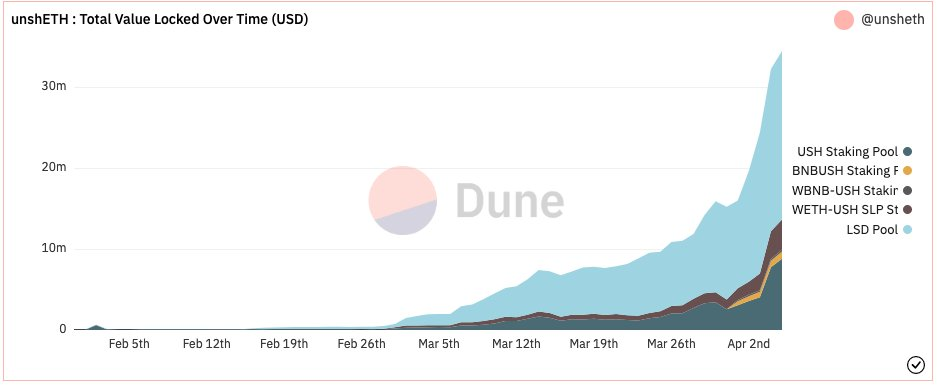
unshETH aims to allocate capital within the LSD ecosystem via incentive mechanisms that prioritize validator decentralization.
unshETH has introduced two key innovations in the LSDfi space:
1. Validator Decentralization Mining (vdMining);
2. Validator Dominance Options (VDOs).
Let’s explore each one.
Validator Decentralization Mining (vdMining)
vdMining is a token distribution mechanism that rewards users for staking their LSDs in a way that aligns with the optimal decentralization ratio set by the unshETH community. Currently, unshETH supports the following LSDs:
• wstETH (Lido);
• sfrxETH (Frax);
• rETH (Rocket Pool);
• cbETH (Coinbase);
• ETH (native ETH).
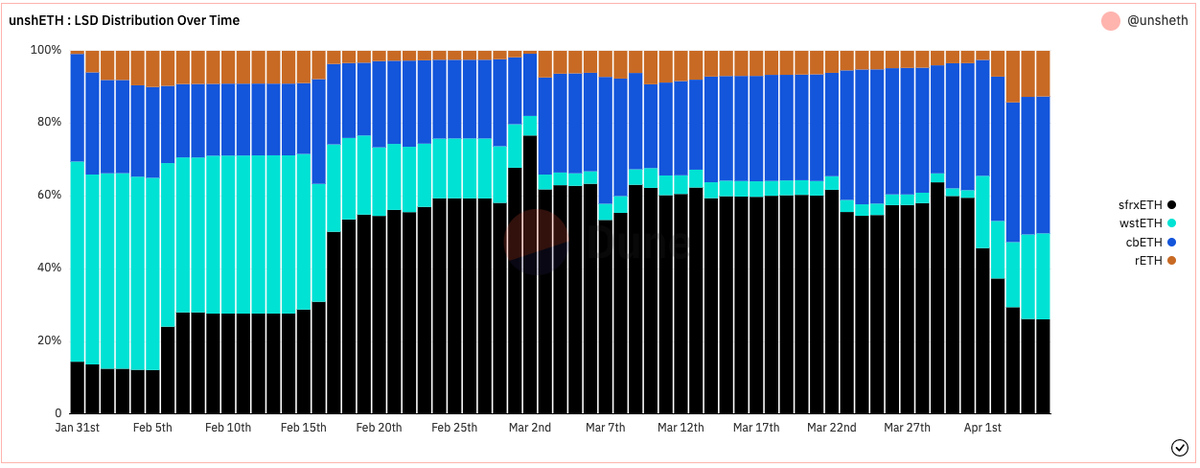
The chart below shows the changing TVL shares of different LSDs over time.
Through the unshETH protocol, users can deposit their ETH or ETH LSDs to receive unshETH tokens. Users can further stake their unshETH tokens to earn $USH tokens. Staking unshETH allows users to earn high returns on their locked LSDs—if they stake under certain conditions.
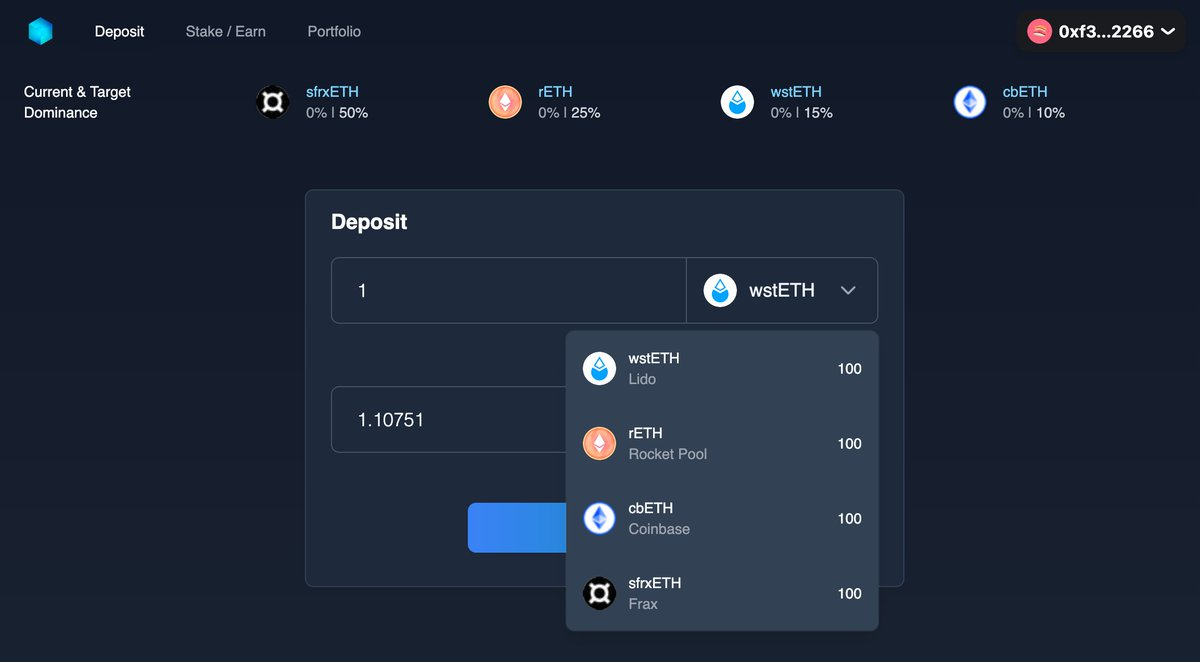
This is where unshETH innovates—they use economic incentives (i.e., additional staking rewards) to encourage good staking behavior.
But how does unshETH reward users who stake their LSDs optimally? This is where reward multipliers come into play.
To better understand, let's first define Optimal Decentralization Ratio (ODR) and Current Ratio (CR).
-
Current Ratio (CR): CR is the ratio of a particular LSD’s staked amount to the total staked LSD amount in the vdMining pool.
-
Optimal Decentralization Ratio (ODR): ODR is a predetermined target ratio between the ideal staked LSD amount and the total staked LSD, determined by the unshETH community through governance proposals.
The idea is to bring LSD staking ratios as close as possible to the optimal level, maximizing decentralization across validators. The ODR is voted on via governance every 21 days.
Now that we understand ODR and CR, here are the three reward multipliers:
• Coordination Multiplier (CM): The closer the CR is to the ODR, the higher the CM, leading to higher yields for all users in the pool, encouraging more decentralized staking. Notably, all users in the pool share the same CM.
• Time-Lock Multiplier: A reward multiplier for extending the duration of LSD staking.
• Base Multiplier: A reward multiplier for participating in governance to set a new ODR (and then achieving it).
Rewards and penalties apply collectively to all users in the pool, incentivizing coordination among users to increase their collective earnings.
Validator Dominance Options (VDOs)
VDOs are an LSDfi concept that allows dominant LSD holders to write options on their own validators. This enables non-dominant LSD holders to earn yield while providing dominant holders a way to generate extra income from their established dominance.
So, how does it work?
Dominant LSD holders write VDOs against their own LSD (no other collateral allowed). In this case, the strike price corresponds to their validator dominance (%) at expiration. VDO contracts typically last a few days.
Representatives of non-dominant LSDs purchase VDOs through the unshETH DAO, which pre-pays the option cost. In return, the unshETH DAO receives a liquidity preference on yield when the VDO pays out. If the option expires worthless, the DAO writes off the cost.
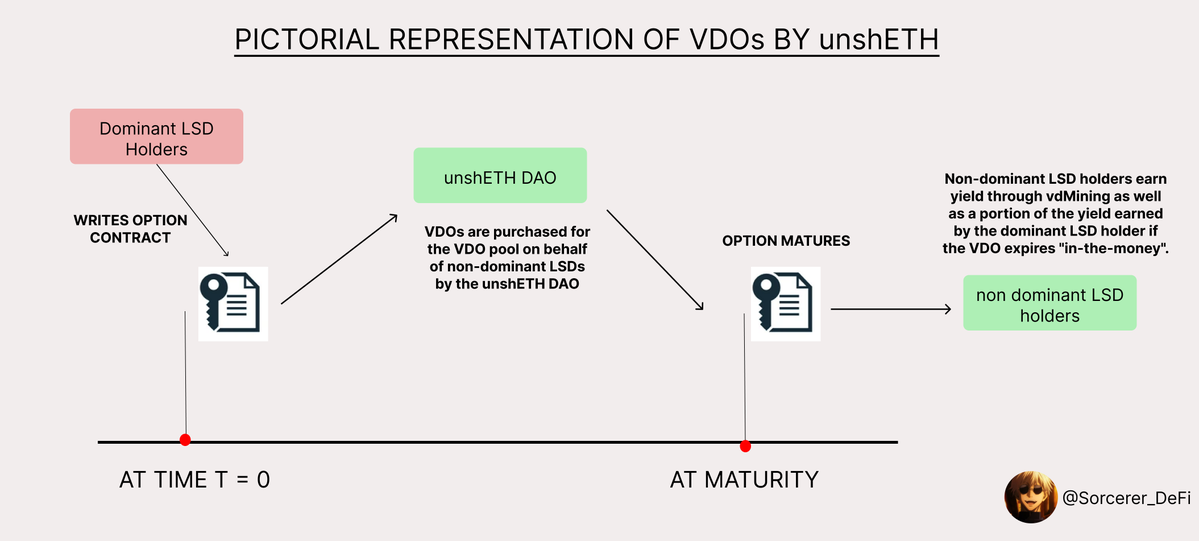
Non-dominant LSD holders earn yield through vdMining and a portion of the dominant LSD holder’s returns, provided the VDO expires “in the money.” The riskier the VDO written by the dominant LSD holder, the higher the premium they earn—but also the greater the potential loss.
Roadmap
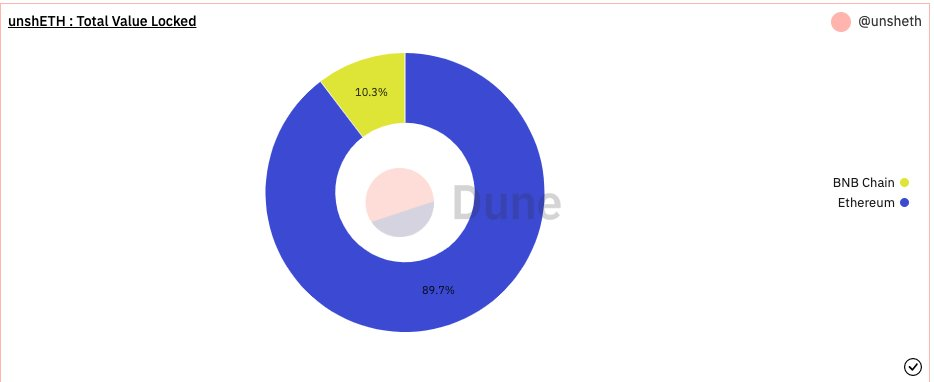
Currently, unshETH operates on both Ethereum and BNB chains. They use LayerZero as the underlying cross-chain bridge.
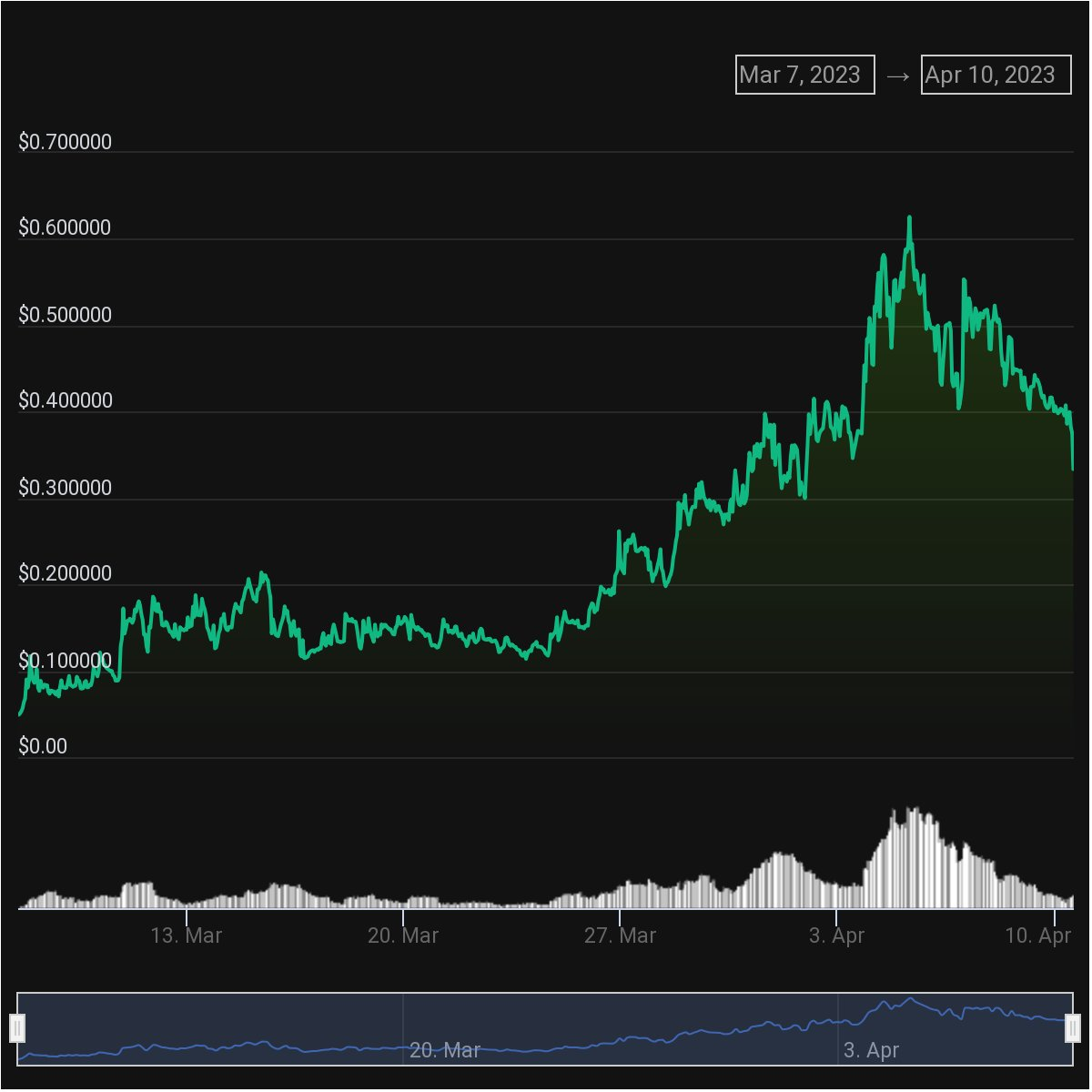
Token Price
In my view, the token price remains undervalued, despite having nearly sextupled in a month before pulling back. However, most of the token’s liquidity is currently on Sushiswap, which recently suffered a hack—so I advise users to proceed with caution!
In conclusion, I believe unshETH has indeed made some compelling incentive-based innovations aimed at solving an issue very important to the ETH community. Even Vitalik has consistently endorsed protocols that use carefully designed incentives to enhance blockchain security.
Join TechFlow official community to stay tuned
Telegram:https://t.me/TechFlowDaily
X (Twitter):https://x.com/TechFlowPost
X (Twitter) EN:https://x.com/BlockFlow_News
 DeFi Sorcerer






