Where is PFP NFT heading next?
TechFlow Selected TechFlow Selected
Where is PFP NFT heading next?
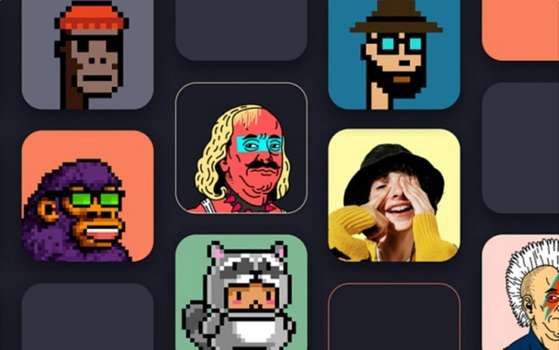
PFPs were once the darlings of the NFT space, but after recent months of turmoil, they have declined sharply.
 Navigating Web3 tides with focused insights
Author: Teng, Researcher at Delphi Digital
Compiled by: TechFlow
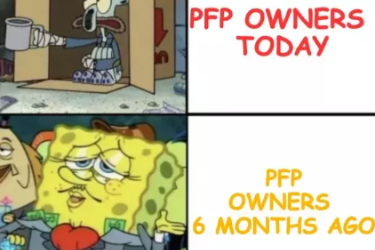
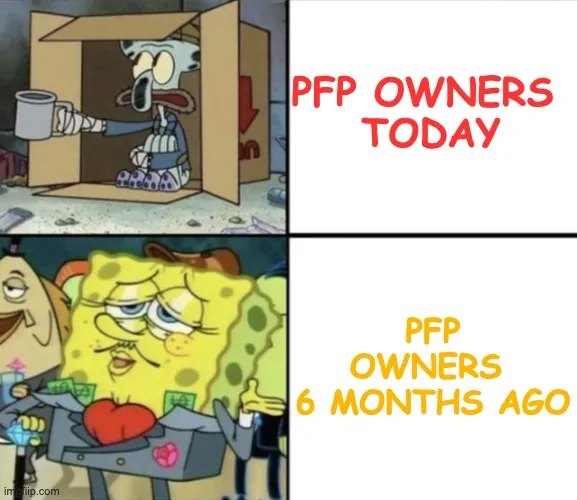
PFPs were once the darlings of the NFT space, but after recent market turmoil, they've taken a hard fall. At their peak, a single Bored Ape was worth $400,000—now it's worth around $100,000. The dopamine-fueled speculation has faded.
No one could have predicted their explosive rise last year. Through PFPs (profile pictures), NFTs tied us to digital identity—they weren’t just images, but symbols of community, culture, and social belonging. Or so we believed.
Now that the hype has cooled, we must ask: What’s next? How should we think about these images?
All PFP projects must seriously address three key questions to survive:
1. How do you transition from Web3 into the real world?
Today, most PFPs resemble country clubs—the entry fee is their floor price. These clubs bring like-minded people together for social interaction. Membership grants access to certain privileges: free merchandise, exclusive event invites, voting rights on major decisions.
That’s great. As a "country club," a PFP can offer its members many fun perks—free hoodies, fanny packs, jackets, limited-edition merch. Everyone loves free stuff.
But as an exclusive "club," it's hard to grasp your true significance. The reality today is that Web3's native audience remains niche.
Ask any average friend if they’ve heard of Doodles, Azuki, or CloneX—and the answer will likely be no.
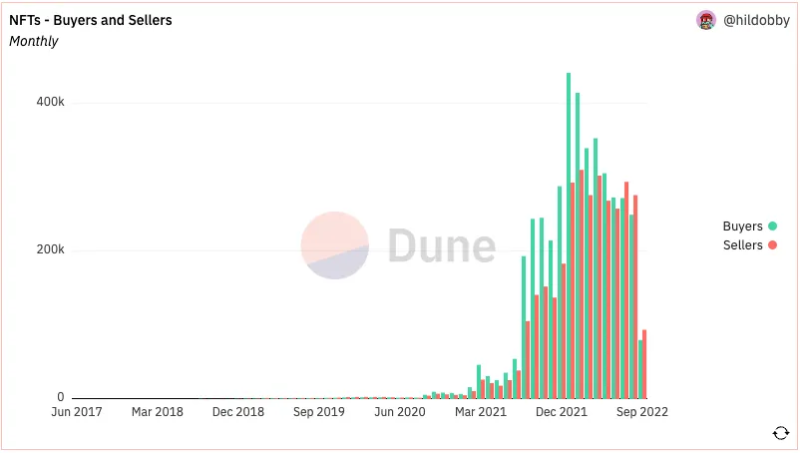
Based on wallet purchase data, fewer than 300,000 people may currently be active in NFTs. The actual number could be even lower, since many use multiple wallets.
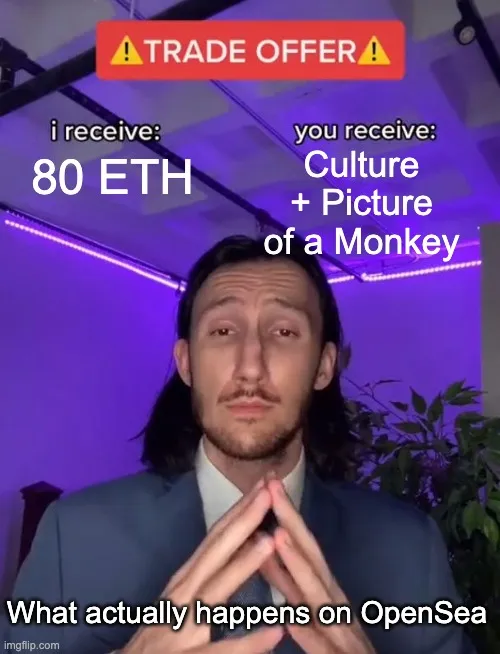
PFPs are culturally insignificant to the wider world. If they disappeared tomorrow, most people wouldn’t notice—or care.
If PFPs want a place in global culture, they must go outward—create culture, embrace mainstream consciousness, and enter the spaces where people spend their attention:
- Television;
- Film;
- Pop music;
- Fashion;
- Gaming;
- Entertainment / YouTube / TikTok;
Each of these verticals is fiercely competitive, filled with failed attempts.
Building strong, defensible intellectual property isn't easy—success requires luck, timing, capital, deep expertise, and relentless effort.
I’m often puzzled when I see teams launching NFT collections with visions of creating films, anime, or games—yet lack team members with deep experience in those industries.
PFPs possess something traditional non-Web3 companies don’t: a tool (NFTs) to cultivate a highly engaged, loyal fanbase that co-creates and co-distributes with you.
They can leverage this power to bridge the gap between themselves and mainstream awareness.
2. How do you build sustainable revenue streams?
Top PFPs like Azuki, CloneX, Doodles, Cool Cats, Moonbirds, and Bored Apes earned over $10 million in royalties over the past year.
This was pure profit—with no cost of goods sold (COGS).
They were lucky—being in the right place at the right time.
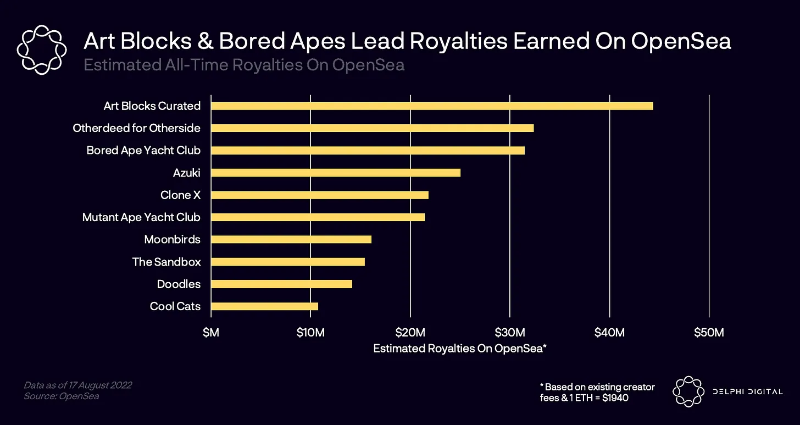
However, since Q2 of this year, NFT trading volume has collapsed sharply.
As a result, royalty income has slowed dramatically—it’s directly tied to transaction volume. Given macroeconomic headwinds, we’re unlikely to return to ultra-high royalty earnings anytime soon.
For early 2021/2022 PFP teams, I view their past royalty income less as recurring revenue and more as a treasury fundraising event—one that doesn’t reflect long-term sustainability.
Worse still: creator royalties are trending toward zero. Marketplaces like X2Y2 have made royalties optional.
PFP teams must now act like traditional startups—actively seeking new, sustainable revenue sources.
They can no longer wait for the royalty golden age to return. Some potential business models I’ve been considering include:
- Licensing IP/art to brands large and small (e.g., Uniqlo hoodies);
- Creating new product lines—merchandise and consumer goods (e.g., Bored Apes Coffee);
- Selling digital collectibles with utility, like Fortnite or League of Legends skins;
- Content and media production;
- Subscription services;
In reality, creativity is limitless.
We’ll likely soon see visionary teams transform a simple JPEG collection into a legitimate tech-and-culture company.
3. How do you return value to your community?
Venture capitalists are raising the stakes in the NFT game. Moonbirds raised $50 million in August; Doodles recently secured $54 million (with a valuation reaching $704 million).
Clearly, some VCs love JPEGs. This is good news for PFPs—it gives them fuel to expand their brand. Consumer companies need heavy marketing spend to grow; otherwise, they get left behind.
But this raises a critical question: Are NFT holders truly partial owners of the brand, or is the idea of community ownership just a facade?
When VCs invest, value accumulation naturally shifts toward equity holders rather than NFT holders. After all, investors pay premium prices for shares—not NFTs. They expect 10x returns on their capital.
In extreme cases, some PFPs evolve into traditional companies:
- NFTs are used to raise seed funding, then success there is leveraged to attract VC investment.
- The concept of community ownership becomes a meme. NFT buyers are treated as “customers,” not “co-creators.”
- More NFTs are sold to the community, who eagerly buy the next hyped drop—effectively turning the community into a revenue stream.
- Community-driven activities—fan art, storytelling, IRL meetups—become user-generated content, where all economic value flows back to the company while creators receive nothing.
- NFTs ultimately become mere digital collectibles—like a limited edition Luke Skywalker (only 10,000 exist).
Writing this, I catch myself becoming cynical.
Still, I want to emphasize: PFPs must recognize that it was their community that brought them here.
Today, more people are realizing that NFT holders have far fewer legal rights than previously assumed—we're still in the early stages of figuring this out.
Current regulations make it difficult for NFT holders to become shareholders or profit-sharing partners.
But eventually, I believe the gap will close—at least to some extent.
Meanwhile, there exists a social contract between founders and communities. Teams must continuously find authentic ways to return value to their communities—or risk losing trust.
Whether a PFP team embraces the Web3 ethos of co-creation and shared ownership, or follows the traditional startup-equity-VC path—that’s a philosophical choice. For me, the former is far more inspiring.
Join TechFlow official community to stay tuned
Telegram:https://t.me/TechFlowDaily
X (Twitter):https://x.com/TechFlowPost
X (Twitter) EN:https://x.com/BlockFlow_News