Innovation in the NFT Space: Content Creation, Fashion, SBTs, Open-Source IP, and Decentralized Spirit
TechFlow Selected TechFlow Selected
Innovation in the NFT Space: Content Creation, Fashion, SBTs, Open-Source IP, and Decentralized Spirit
In the world of blockchain and digital assets, NFTs have become one of the most talked-about trends recently.
 Navigating Web3 tides with focused insights
Written by: Origins Research
Compiled by: TechFlow
In the world of blockchain and digital assets, NFTs have emerged as one of the most talked-about trends in recent years. Last year, a growing number of creators, brands, and celebrities joined the Web3 movement, bringing NFTs into the mainstream.
However, among the countless NFT projects, only a few have made lasting impacts and stood out due to their innovation and creativity.
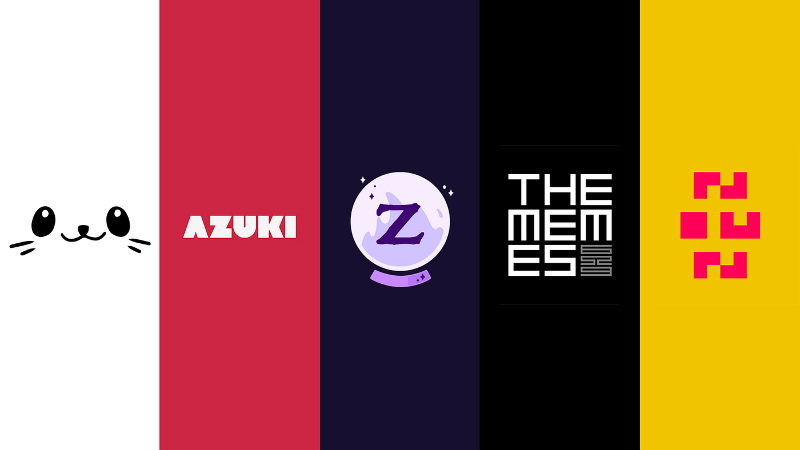
In this article, we dive deeper into five NFT projects that are truly driving meaningful change, showcasing unique and innovative uses of this revolutionary technology.
1/ Sappy Seals - Content Creation
Sappy Seals is a Web3 brand that effectively demonstrates the vital role community plays in building a strong NFT brand.
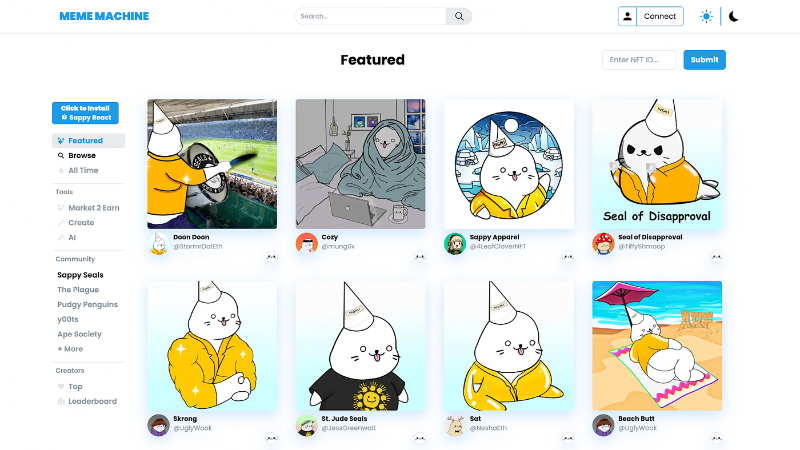
Beyond establishing a robust gaming and DeFi ecosystem within their Pixlverse platform, Sappy Seals has positioned itself as a hub for content creators through its Meme Machine launch.
This platform enables NFT holders to use their Sappy Seals to develop customized memes, effectively acting as an incubator for content creators. To streamline the process, the platform also features a browser extension called Sappy React, allowing users to access generated memes directly from their desktop.
Sappy Seals has already earned a reputation as a pioneer in the NFT space, further drawing attention with their Bitcoin Digital Artifact Challenge.
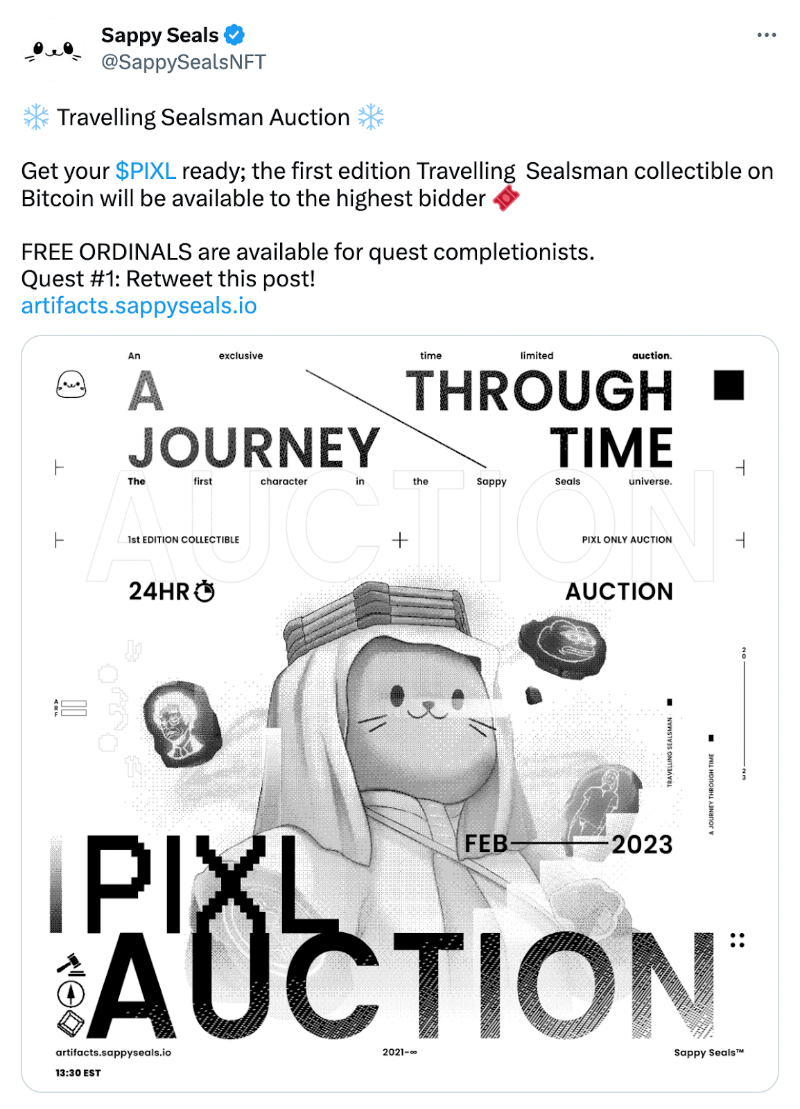
These challenges offered users the chance to win one of 101 free Bitcoin digital artifacts by participating in various competitions, including auctions, puzzle-solving, and content creation. During the challenge, the team effectively leveraged their Meme Machine platform, embedding clues within certain templates available on it for participants to discover.
2/ Azuki - Phygital Fashion
Launched in January 2022 by Chiru Labs, Azuki is a collection of 10,000 avatars, each granting its owner membership to an online club called The Garden. Thanks to its distinctive art style, the collection quickly gained popularity and rapidly became one of the most prominent names in the NFT industry.
Positioning itself as a metaverse brand, Azuki began focusing on streetwear collaborations, NFT drops, live events, and other undisclosed future initiatives.
In addition to adopting the more gas-efficient ERC-721A standard—allowing users to mint multiple NFTs at relatively low gas fees—Azuki introduced the Physical Backed Token (PBT), an open-source token standard linking physical items to digital tokens on the Ethereum blockchain.
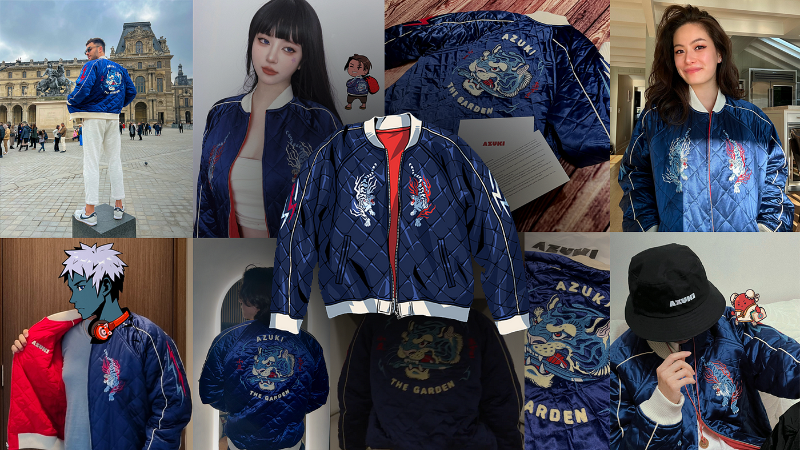
Azuki has been pushing the boundaries of "Phygital" fashion—blending physical and digital elements—using PBTs. They collaborated with AMBUSH to release several limited-edition collections. Their latest drop was a Double Tiger jacket, which received widespread online attention and acclaim.
3/ ZenAcademy - Soulbound NFTs
Founded by Zeneca, ZenAcademy has become a Web3 home for many newcomers, artists, developers, project founders, and self-proclaimed enthusiasts across the NFT space. True to its mission of “empowering holders with tools, opportunities, and networks to excel in Web3 and beyond,” ZenAcademy has lived up to its promise.
Recently, ZenAcademy launched Student IDs—soulbound NFTs designed as gateways into the entire ZenAcademy ecosystem. These IDs are soulbound, meaning they cannot be sold or traded on secondary markets. Their primary purpose is to serve as dynamic digital profiles for users navigating the ZenAcademy ecosystem.
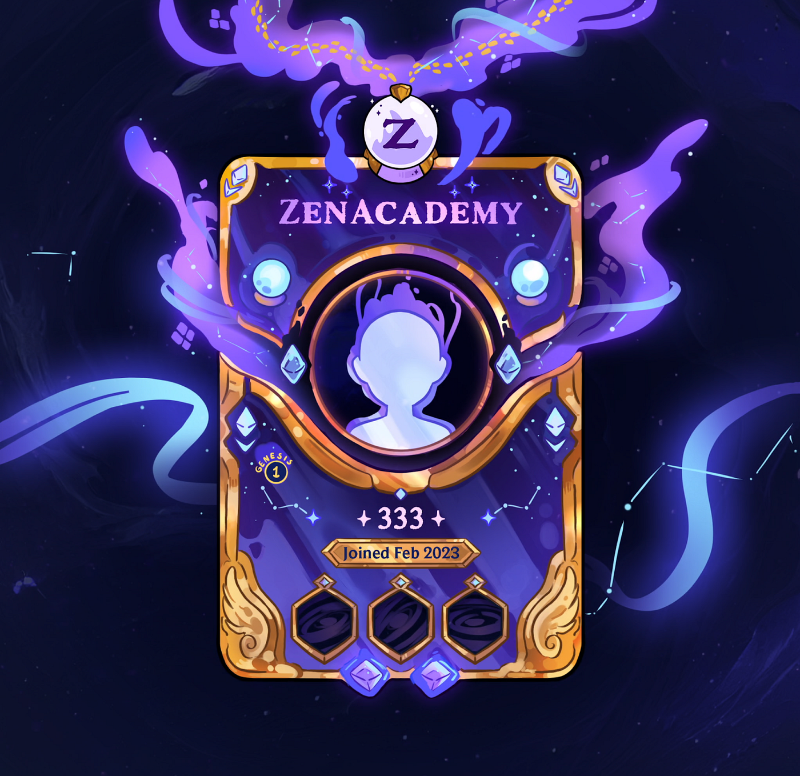
These free-to-mint passes have no supply cap, reflecting the goal of welcoming as many participants into the ZenAcademy ecosystem as possible. As Zeneca put it:
“This is the next step toward bringing in the millionth member.” – Zeneca
In the future, students will be able to earn unique badges to display on their IDs, showcase personal profile pictures (PFPs), and enjoy many other customization options.
While many of these ID features have yet to be released, ZenAcademy has already found highly creative ways to incentivize active members of its ecosystem through the use of soulbound NFTs.
4/ The Memes by 6529 - Open-Source IP
Created by Punk6529, The Memes by 6529 is an art NFT collection aiming to “spread the message of decentralization in ways tweets, policy papers, and podcasts cannot.”
The collection operates under an open-source model, providing full access to source code, designs, and guidelines for creating similar works. This allows anyone to participate in and add value to the project.
At the same time, the collection introduces a new business model—transforming intellectual property into open-source assets. This approach strikes a perfect balance between IP ownership and open-source communities, expanding reach and benefits for artists and community members alike by enabling global circulation of the collection.
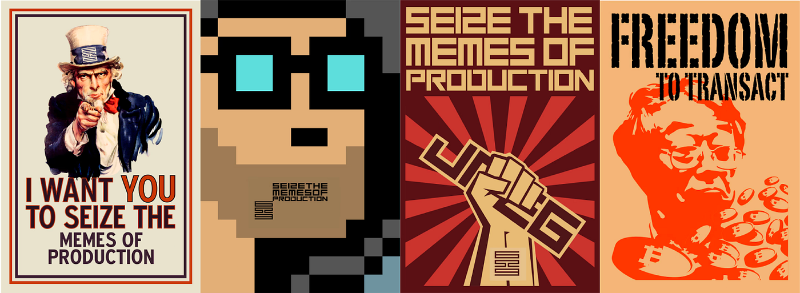
The Memes Collection aims to promote the idea of an open metaverse—one rooted in decentralization, community, and self-sovereignty—and to spread this message in accessible ways to broad audiences. It is an affordable, mass-scale copyright-free (CC0) NFT collection that can be remixed (ReMemed) and reinterpreted, designed to involve as many people as possible.
The Memes advocates for permissionless NFTs on decentralized public blockchains to become the default ownership layer for digital assets—such as profile pictures, avatars, artworks, virtual spaces, game objects, and identities. The team calls this vision the “open metaverse” and believes application providers should recognize this ownership layer.
While the original cards were created by 6529ers, most pieces in the collection are collaborations with other outstanding artists such as Grant Riven Yun, OSF, DirtyRobot, XCOPY, and Zuphioh.
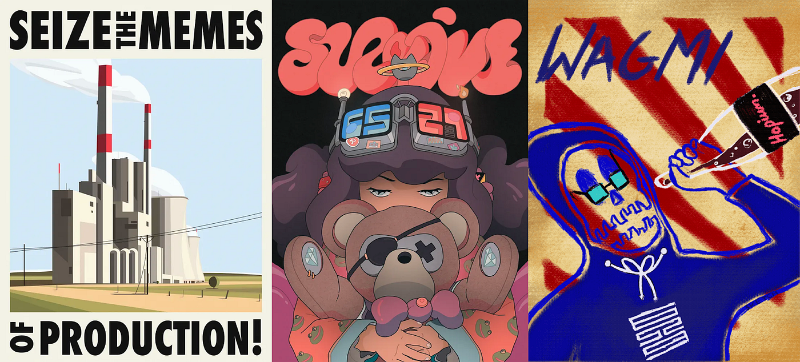
Additionally, because Meme Cards NFTs are CC0, anyone can use them to create derivative works known as ReMemes—the core and mission of The Memes community.
ReMemes form a diverse body of work, ranging from replicas of The Memes to original and complex creations by independent artists. They are minted and sold across different formats, prices, and contracts, all without requiring permission.
The Memes believes ReMemes will become the primary vehicle for spreading their message to a broader global audience. ReMemers operate independently, and owning a Meme Card is not required to participate. The Memes aims to support the ReMemes community by providing user-friendly tools for distribution and establishing an on-chain registry to showcase these works.
5/ Nouns - The Decentralized Spirit
Nouns is another NFT project pushing decentralization and innovation to new heights.
The project introduced a unique distribution method and open-source IP, leading to its distinctive pixelated aesthetic being applied across everything from beer cans to films.
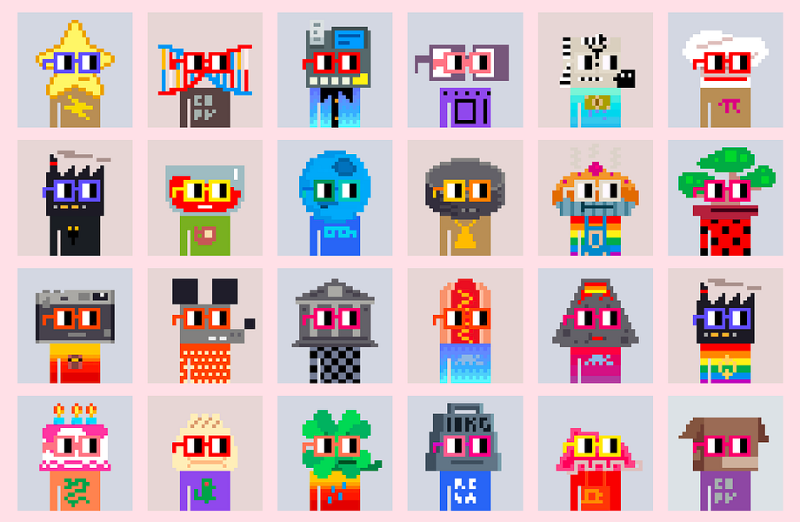
Unlike other popular profile picture (PFP) NFTs like CryptoPunks or Bored Ape Yacht Club, Nouns is a creative experiment where a new Noun is generated and auctioned every 24 hours.
Once an auction ends, another unique Noun is minted, and this cycle continues indefinitely. All proceeds from auctions go directly into the DAO’s treasury. To date, Nouns DAO has accumulated over 29,000 ETH—approximately $43.5 million—in treasury funds.
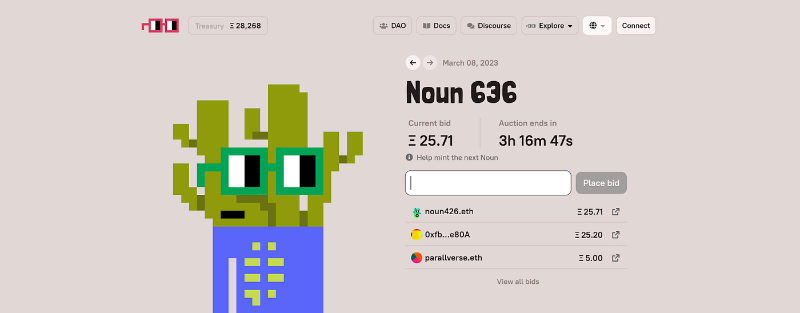
Noun holders can participate in Nouns DAO, a decentralized autonomous organization responsible for managing and overseeing the project. DAO members contribute by voting on proposals funded by the treasury.
They can also submit proposals, vote on them, or delegate their voting power to others. The goal is to fund unique and engaging projects that increase Noun's brand recognition and attract more people to the community.
So far, Nouns DAO has funded various projects, including:
-
Using Nouns glasses in a 2022 Super Bowl ad. This proposal offered a Nouns NFT to any company willing to feature the glasses in a commercial, ultimately won by Budweiser, which used the NFT in its ad. As part of the deal, Budweiser also changed its Twitter profile picture to a Nouns NFT.
-
Producing a comedy documentary titled “Nouns Around Town,” proposed by the creator of Robot Chicken. The project successfully raised 609 ETH and focused on Nouns DAO’s efforts to feature Nouns in the Rose Parade.
-
Developing a coffee brand named Nouns Coffee, proposed by a team with experience in the coffee industry. The proposal secured 105 ETH in funding and aims to create the first consumable brand inspired by Nouns, available in cafes and grocery stores.
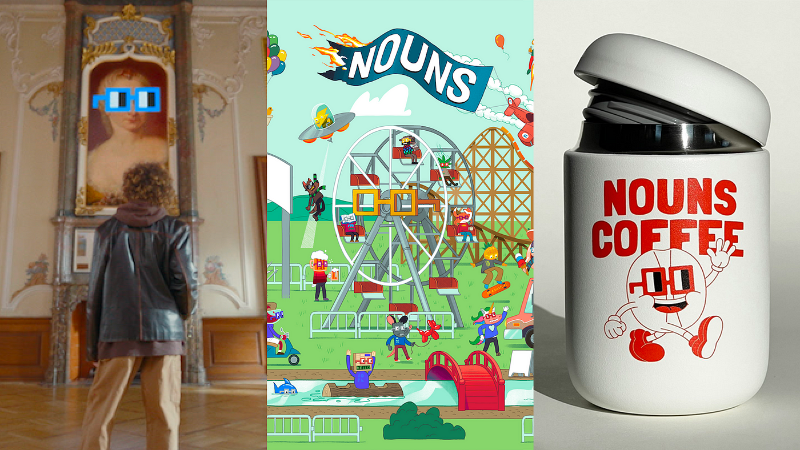
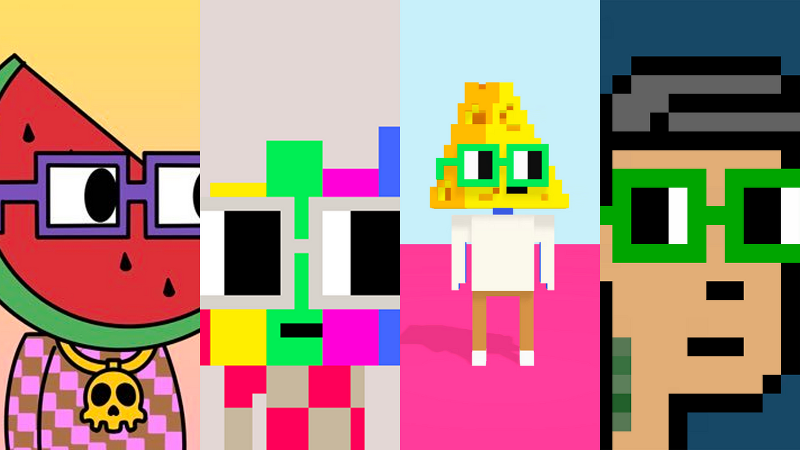
Furthermore, Nouns is licensed under CC0 open-source, meaning anyone can use the name and imagery of Nouns to create anything, as it is freely available to the public. This has led to a wide range of Nouns merchandise and derivative NFT collections, such as Noundles, Lil’ Nouns, 3D Nouns, and NounPunks.
Although Nouns DAO is named a decentralized autonomous organization, it is not fully decentralized.
The Nouns Foundation still retains the ability to reject proposals it deems to pose significant legal or existential risks to Nouns DAO or the Nouns Foundation.
Nevertheless, it remains one of the most notable examples of how a DAO can harness the potential of NFTs, transforming simple pixelated PFPs into widely recognized and valuable assets both within and beyond the NFT space.
Join TechFlow official community to stay tuned
Telegram:https://t.me/TechFlowDaily
X (Twitter):https://x.com/TechFlowPost
X (Twitter) EN:https://x.com/BlockFlow_News