








Gbirb, Moonbirds rise from the ashes
TechFlow Selected TechFlow Selected
Gbirb, Moonbirds rise from the ashes
Moonbirds needs a team that puts the birds at the center, and Orange Cap Games is the perfect choice to unlock their potential.
 Navigating Web3 tides with focused insights
By June, TechFlow
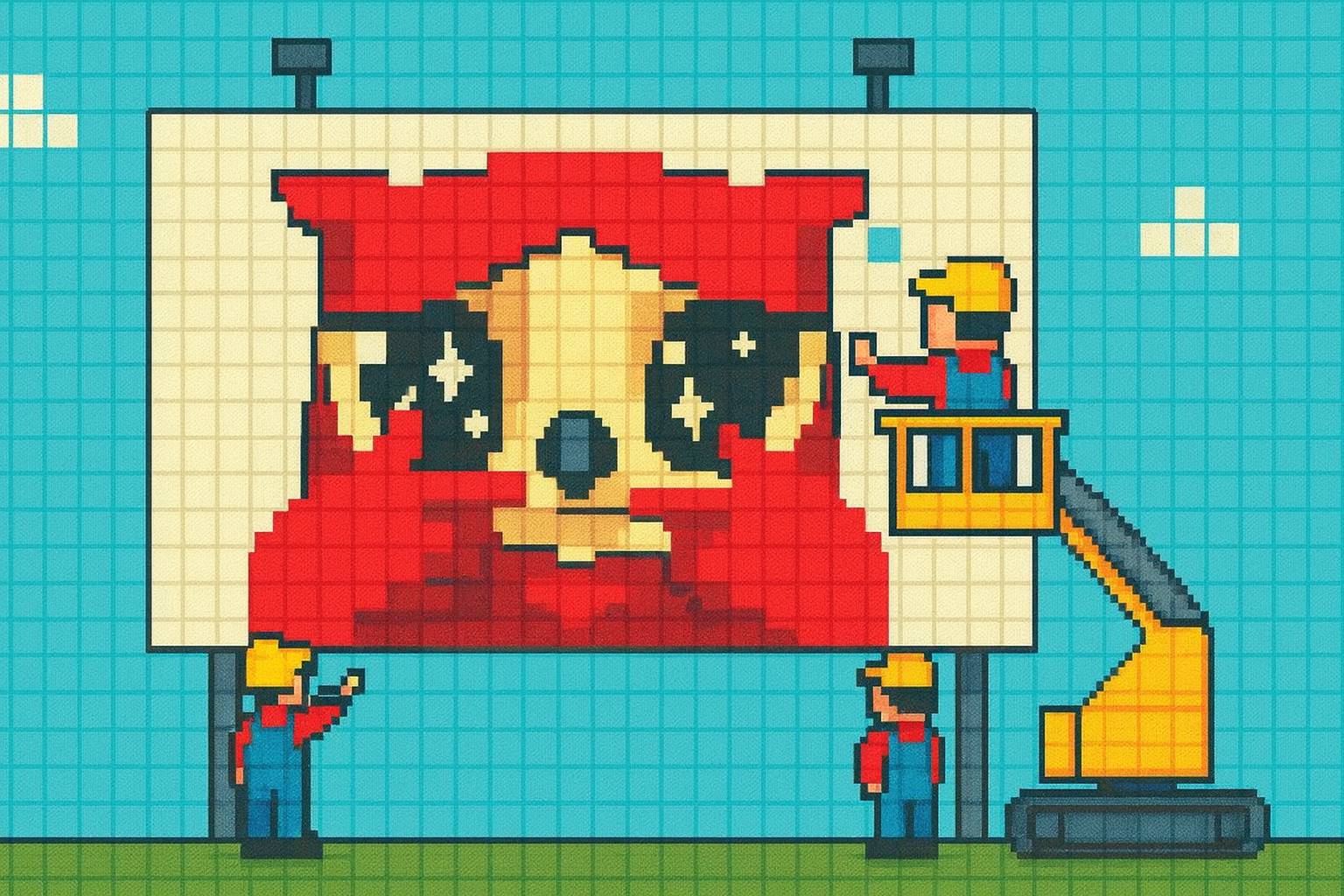
The world of NFTs is never short of ups and downs, but few projects have experienced a rollercoaster as extreme as Moonbirds. From its peak of 38.5 ETH down to a mere 0.22 ETH, it then pulled off a breathtaking reversal within just three months.
The turning point came when Spencer acquired Moonbirds. From its peak to collapse and rebirth, it has traced the wildest curve in the history of digital collectibles, with Spencer at the center of the stage, transforming a forgotten project into crypto’s hottest NFT.
Strong Start
On April 16, 2022, Moonbirds—created by Kevin Rose, co-founder of Digg—launched with a mint price of 2.5 ETH. All 7,875 NFTs were snapped up through whitelists within 48 hours. Holders believed they weren’t just buying pixelated owls, but entry tickets to the core of the PROOF ecosystem—a private community limited to 1,000 top NFT collectors and artists.
A minor incident occurred on launch day. COO Ryan Carson was found to have spent $580,000 acquiring rare Moonbirds. As an insider with access to rarity data, this precise "sniping" amounted to blatant insider trading. The community attacked him on Discord, and under public pressure, Carson resigned nine days later to launch his own NFT fund, 121G.
Remarkably, this incident didn’t become Moonbirds’ Waterloo. Market sentiment remained strong. The floor price climbed from 3 ETH to 6 ETH, then 13 ETH, finally reaching 38.5 ETH. Within less than a week, early minters enjoyed a 15x return—one of the fastest wealth-making legends in NFT history.
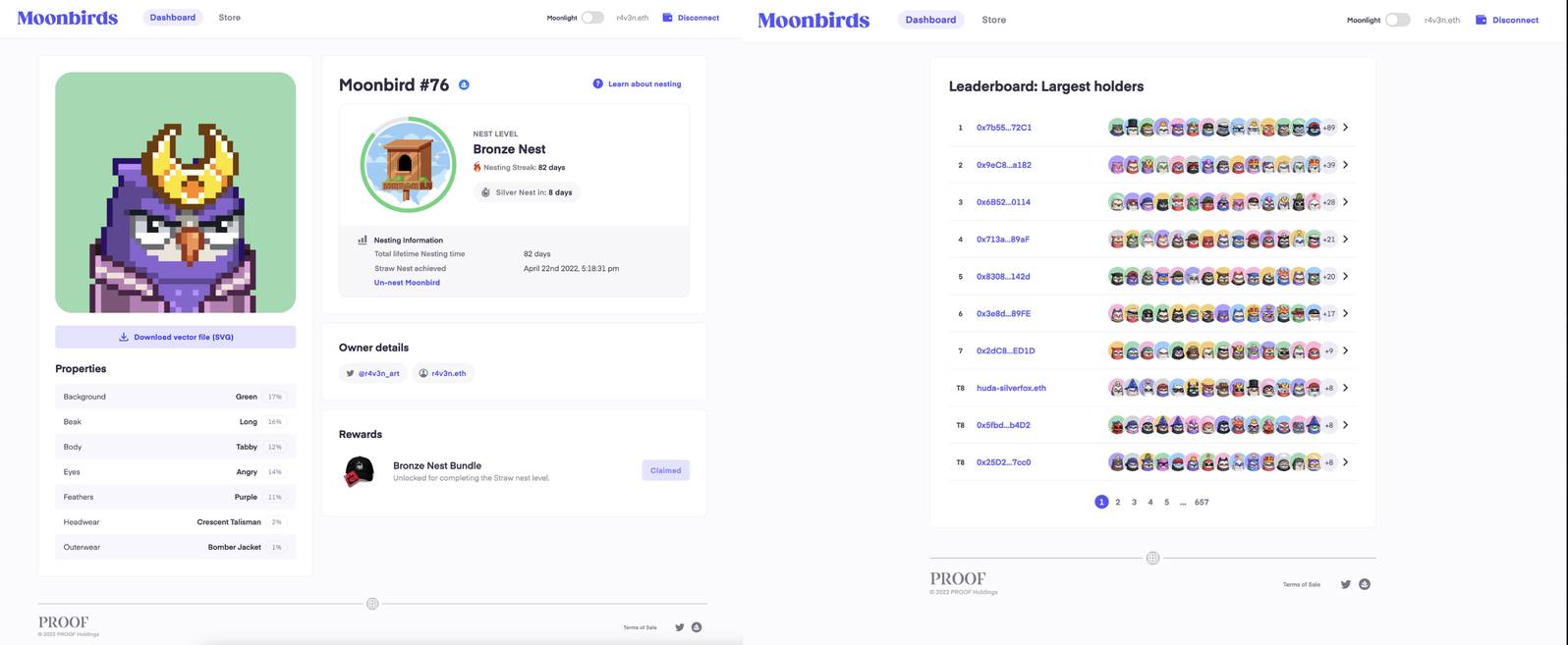
Fun Fact: Moonbirds introduced a “Nesting” mechanism at the time. Simply put, it was “soft staking”: Moonbirds would be locked in holders’ wallets, non-tradable, but earning extra rewards. This design turned short-term traders into long-term holders.
Loss of Trust
However, the turning point arrived quickly. On August 5 that same year, Rose made a shocking decision: without community consultation, he unilaterally announced that Moonbirds would adopt the CC0 license. This meant holders lost exclusive commercial rights to their NFTs—anyone could now use Moonbirds imagery for commercial purposes.
To many, this was a naked betrayal. It marked the first real rift between leadership and the community, a shadow that has lingered over Moonbirds ever since.
At the time, influenced by crypto artist XCopy, CC0 had gained popularity in the art world. Open copyright meant works could be more easily remixed, turned into memes or merchandise, increasing exposure. For individual artworks, this might be a shortcut to greater influence. But Moonbirds wasn’t a single artwork—it was a PFP series. The logic of PFP contradicts CC0; avatars themselves are the gateway to IP, and people invest time and money precisely because of their exclusivity.
The backlash was fierce.
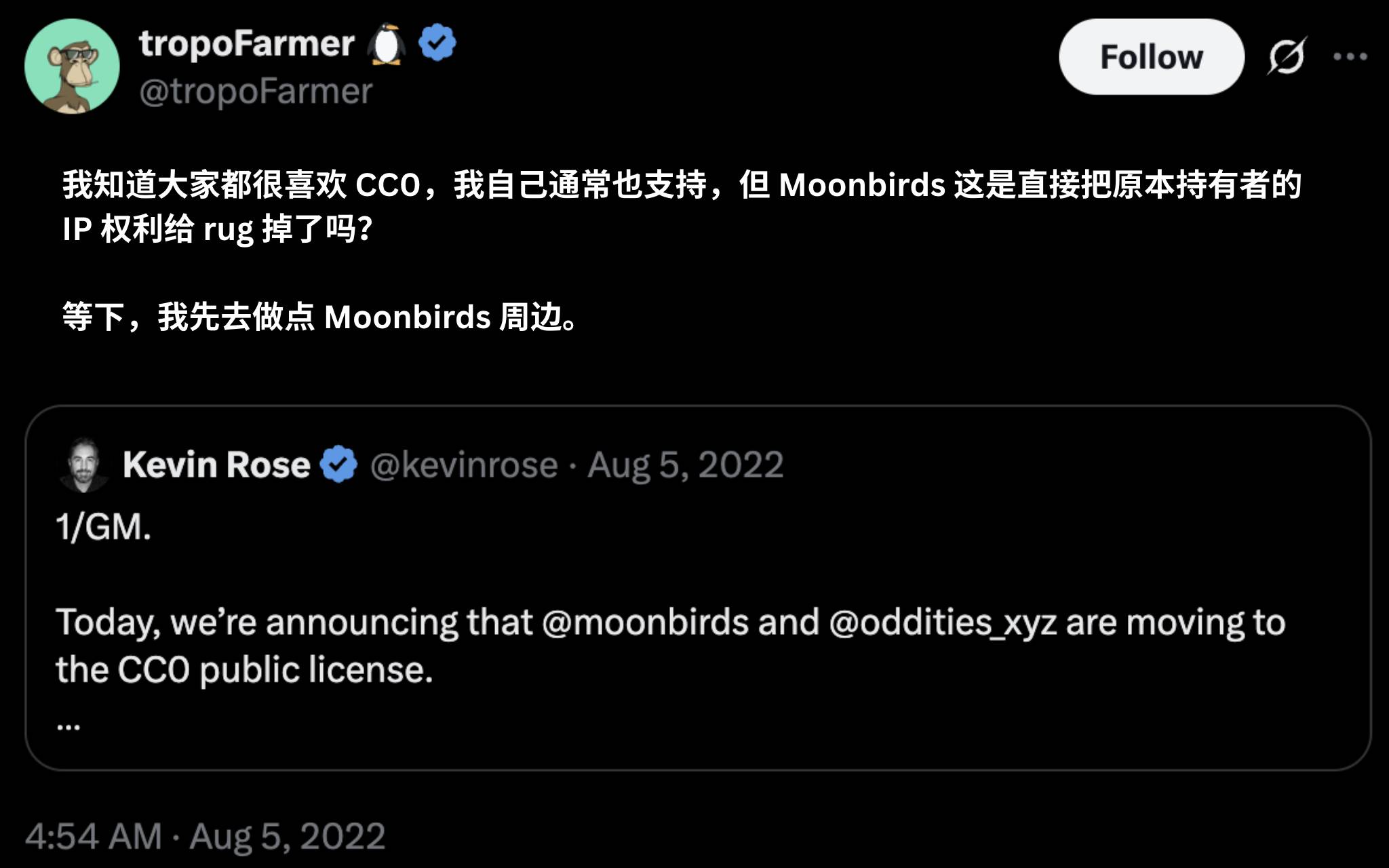
Three years later, Twitter influencer @waleswoosh reflected that the community's fear over CC0 now seemed somewhat exaggerated, given how few PFP holders actually succeed in commercializing their assets.
But at that moment, Rose’s misstep and poor communication ignited widespread discontent.
Moonbirds’ decline began here.
From August 2022 to the end of 2023, Moonbirds’ floor price dropped from 19 ETH to under 2 ETH.
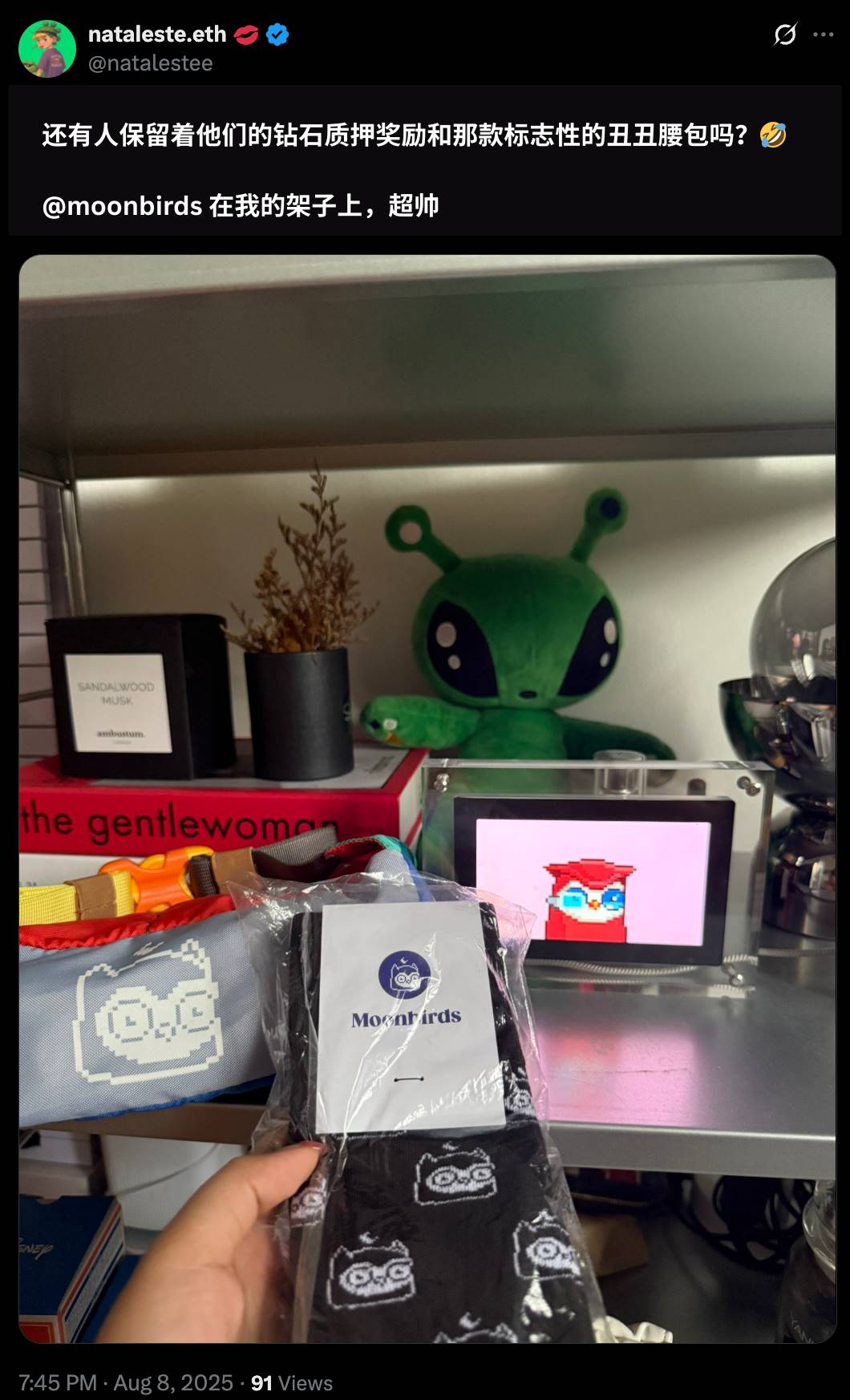
Fun Fact: Back then, nearly every project was releasing merchandise, and Moonbirds was no exception. The official team airdropped exclusive memorabilia to those participating in Nesting. The author also received one, and honestly relates to the comment below.
The Silent Era
In February 2024, Yuga Labs—the parent company of Bored Ape Yacht Club—acquired Proof and its associated projects, including Moonbirds. Upon the news, OpenSea CMO Adam Hollander bluntly called it a “mess,” adding: “Moonbirds is one of the worst-run cases in NFT history. They made close to $100 million but failed to deliver on promises.”
The acquisition brought a brief glimmer of hope. Holders were told Moonbirds would be integrated into the Otherside metaverse. The announcement briefly pushed the floor price from 1.5 ETH to 2.5 ETH—but only for two weeks. Yuga attempted to mend things by reverting the licensing model from CC0 back to exclusive commercial rights for holders, and launched new 3D avatars for animation and integration with Otherside.
Unfortunately, these efforts failed to win back the community. By August 2024, the floor price plunged to 0.22 ETH, only slowly recovering to 0.8 ETH by year-end.
To most people, the project appeared all but dead.
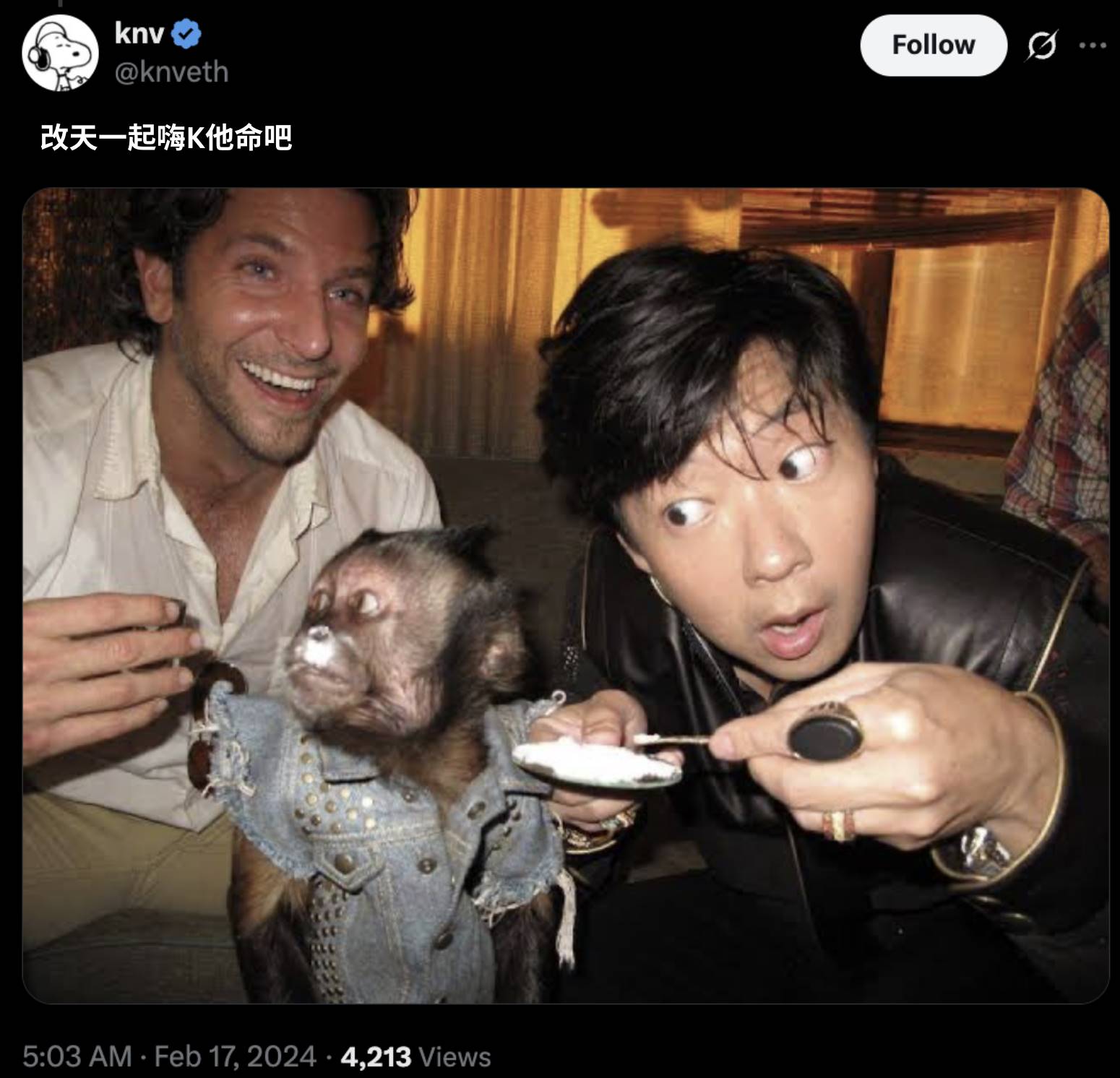
Fun Fact: Kevin Rose once publicly admitted using ketamine to cope with the stress of running Moonbirds. When Proof was acquired by Yuga Labs, some interesting comments surfaced in the replies.
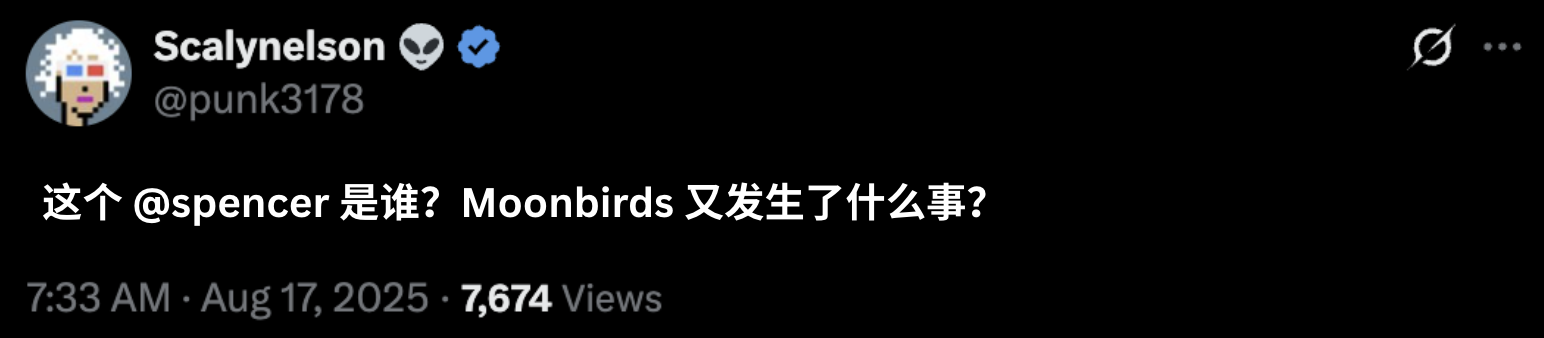
Who Is This Spencer?
If you’re asking the same question, you’ve come to the right place.
On May 31, 2025, news broke on Twitter that Moonbirds had been acquired by Orange Cap Games. A co-founder of Yuga Labs stated in the announcement: “Moonbirds needs a team that puts the birds at the center—and Orange Cap Games is the perfect choice to unlock their potential.”
Standing in the spotlight was Spencer, founder of Orange Cap Games. From this moment on, Moonbirds’ fate began to reverse.
Unlike past “grand narratives,” Spencer did not roll out an elaborate roadmap upon taking over. He even stated directly: “We won’t be completing Moonbirds’ old vision. We’ll build our own roadmap. Some people won’t like that—but that’s okay.”
This statement sounded simple, yet it was precisely this authenticity that reignited confidence. After enduring the CC0 controversy and leadership instability, the Moonbirds community needed not empty promises, but someone who communicated consistently and led by example. Spencer rebuilt trust the most fundamental way: relentlessly posting in support of Moonbirds, tirelessly answering community questions, absorbing all criticism, and becoming the strongest pillar in holders’ eyes.
Moonbirds was reborn, and community cohesion reached unprecedented heights.
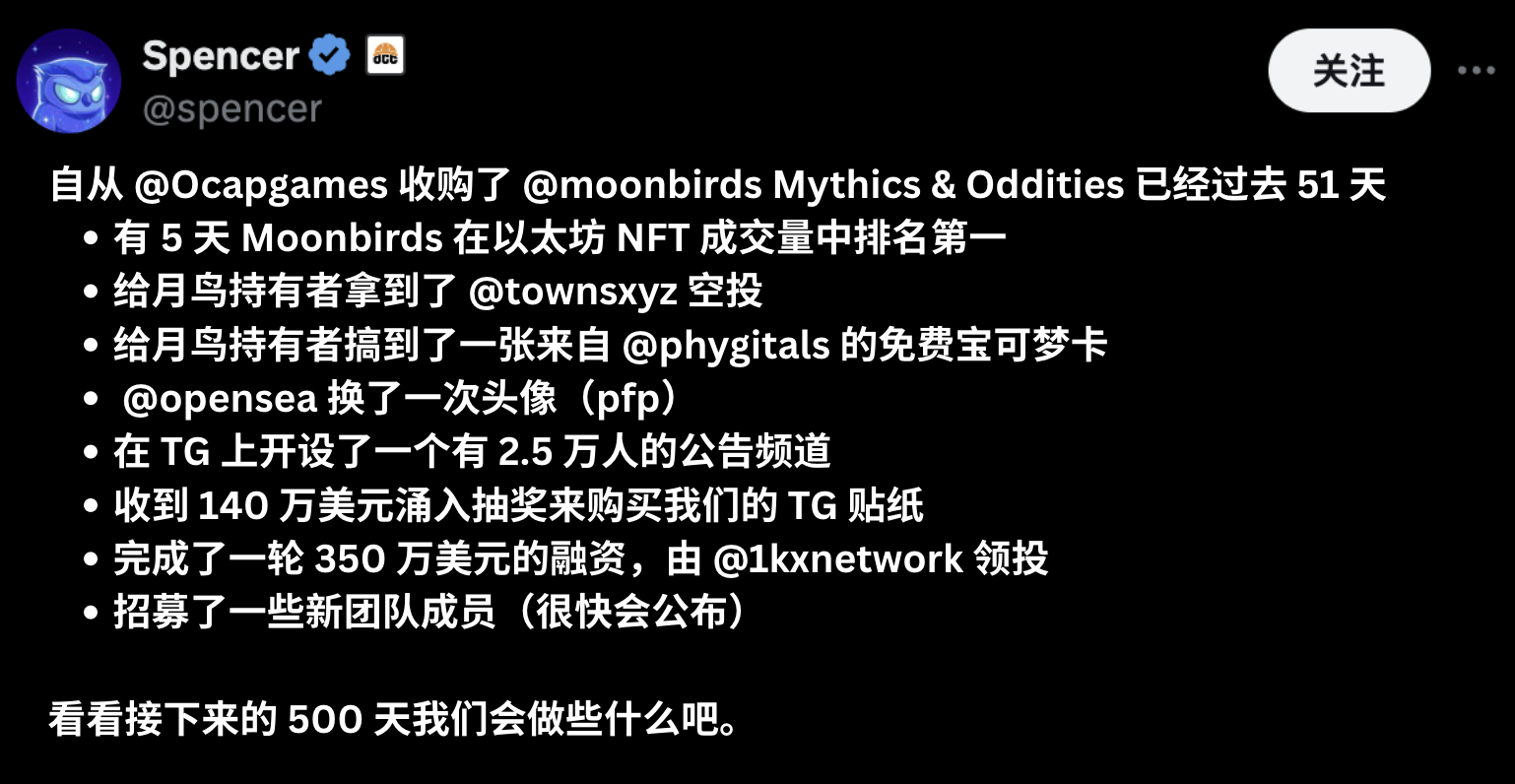
On July 21, Spencer summarized the 51-day milestone since Orange Cap Games took over: OpenSea changed its official profile picture to a Moonbird; the collection topped Ethereum NFT trading charts for five consecutive days; the Telegram group surpassed 25,000 active members; and $1.4 million flowed into a prize pool for sticker giveaways.
Rallying the Birb Army
From the 0.3 ETH low when Spencer took over, to last week’s 3.9 ETH, Moonbirds’ floor price has rebounded over 1000%. A series that seemed finished by early 2025 is now soaring again.
This wasn’t accidental. Back in 2023, during the coldest winter of the NFT market, Spencer made what seemed like a crazy move: he acquired a full set of 144 Pudgy Penguins from Three Arrows Capital’s bankruptcy auction at a mid-six-figure price, publicly stating he had no intention of selling. That seemingly reckless act later earned him over $10 million.
This “diamond hands” attitude sent a clear signal to the market: Spencer isn’t a short-term speculator, but a genuine long-term builder.
Through Orange Cap Games, Spencer turned the Pudgy Penguins IP into a card game, Vibes TCG, generating over $1.5 million in revenue and surpassing 350,000 online matches. This living proof demonstrated that NFTs aren’t just speculative tools, but real IPs capable of breaking into mainstream markets.
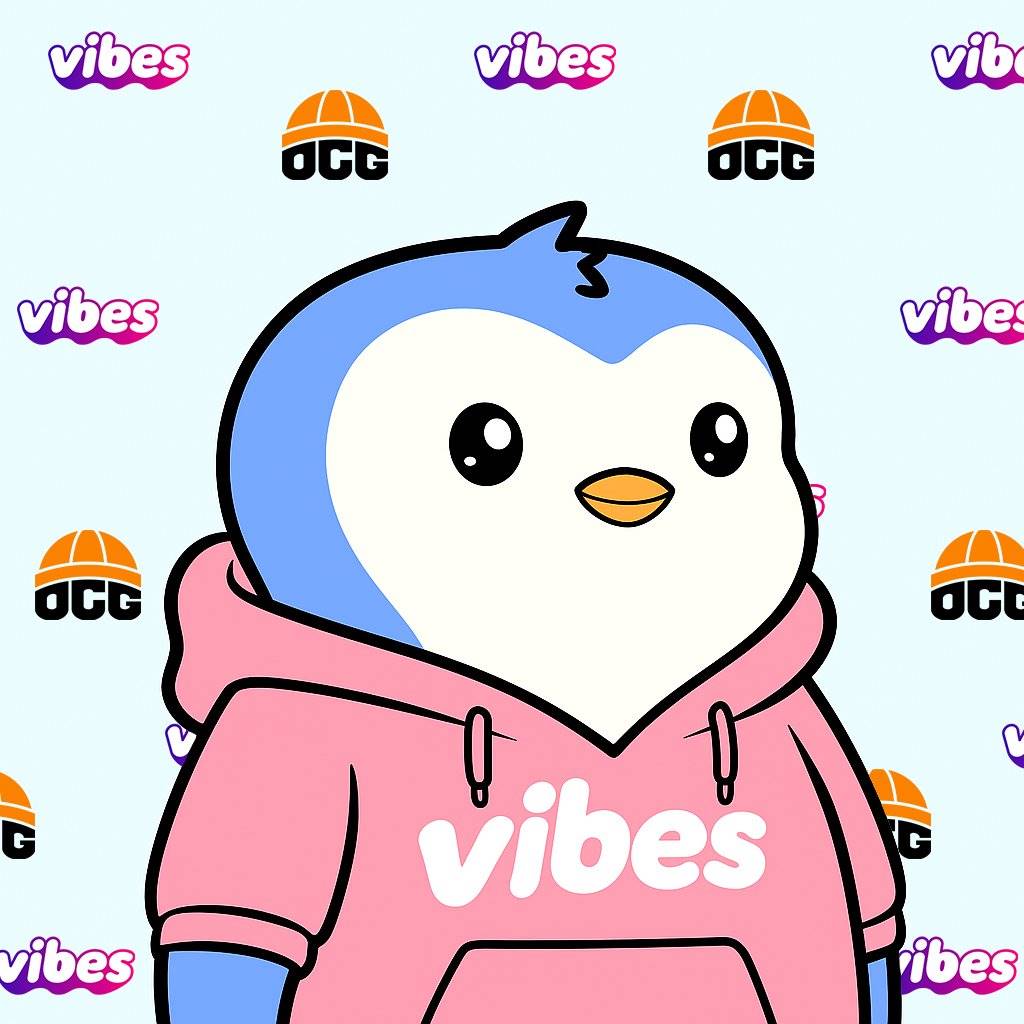
When he announced he’d take over Moonbirds, the community naturally projected hope onto him—perhaps Moonbirds could follow Pudgy Penguins’ path to success. After all, the penguins had also hit rock bottom, but revived under proper management.
This familiar narrative fundamentally shifted community mindset: from “when to sell” to “why to hold.” Moonbirds ceased to be temporary chips for speculators and gradually became seen as a brand asset under construction.
On Twitter, reclaiming CT attention required one thing: high discussion volume. Spencer gradually rallied the Birb Army, and Moonbirds quietly carved out its space on the platform.
But for the Moonbirds community, price recovery is just surface-level. What truly rebounded is belief.
Spencer’s methodology is actually simple: the best marketing isn’t flashy roadmaps or billion-dollar empty promises, but consistent execution—making the community feel they’re part of building something valuable.
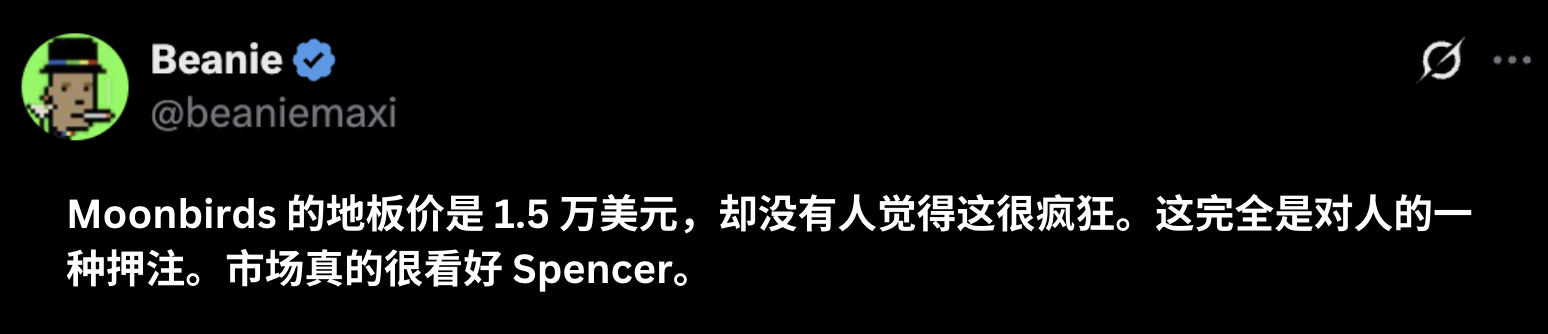
In other words, this is simply a bet on Spencer—and judging by current results, the market has clearly chosen to believe in him.
The Return of the Moonbirds
For Moonbirds, the story has only just begun.
In a recent interview, Spencer outlined his phased plan: Step 0 is awakening the community, Step 1 is building Moonbirds into an IP platform, and Step 2 is delivering products and partnerships.
“Within five years, I want Moonbirds to be an omnipresent IP, something every household recognizes, with physical products on store shelves, and a digital presence that draws more newcomers into this space.”
Today, momentum is already visible. On August 18, 2025, Moonbirds became the first NFT project to top Kaito’s leaderboard, signaling its influence is breaking beyond core circles. Meanwhile, speculation around a potential token, and Spencer’s relationship with Pudgy Penguins founder Luca Netz, continue to raise expectations.
The moonbirds have returned—and this time, they may no longer be just passing through.
Join TechFlow official community to stay tuned
Telegram:https://t.me/TechFlowDaily
X (Twitter):https://x.com/TechFlowPost
X (Twitter) EN:https://x.com/BlockFlow_News
 深潮TechFlow


