TheDeFiedge: 7 DeFi protocols with real revenue and token empowerment
TechFlow Selected TechFlow Selected
TheDeFiedge: 7 DeFi protocols with real revenue and token empowerment
What is a Real Yield Protocol?
 Navigating Web3 tides with focused insights
Author: Edgy
Translation: TechFlow
Most DeFi projects incentivize liquidity by offering large amounts of token rewards. People love this, and early mining yields are often high. Projects frequently use this method to bootstrap TVL growth. But the problem with this approach is:
1) If they continuously overissue tokens without sufficient value generation, the system will fail;
2) These users aren't loyal. Once incentives decrease, they'll rotate to the next new DEX;
When high token emissions are combined with low protocol revenue, token prices may fall. People want a valuable token, not junk—and DeFi users are realizing this. If a protocol can generate free cash flow, we want a share of it.
So, what defines a real yield protocol?
1) Product-market fit: People use the protocol regardless of market conditions or token incentives.
2) The protocol generates on-chain revenue through its products.
3) Revenue > Operating expenses + token emissions: As long as protocol revenue is high, some token emissions are sustainable.
4) Do they pay in sound money? The most popular choices are ETH and stablecoins.
Here are 7 protocols that meet these criteria:
1. BTRFLY (Redacted Cartel)
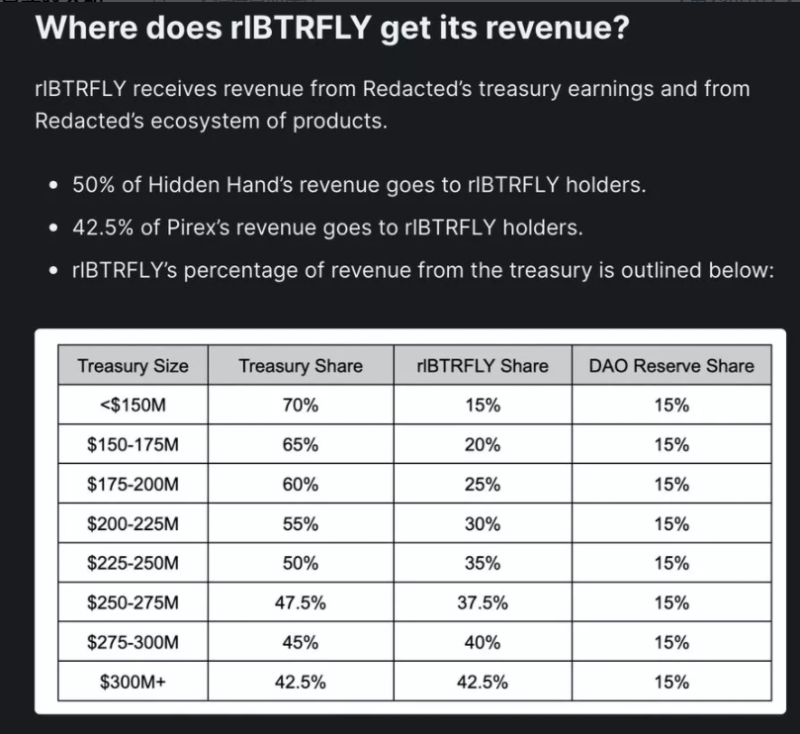
BTRFLY has launched V2. They're transitioning toward a real yield model centered around bonds, using a dilutive mechanism. Users can lock BTRFLY into rlBTRFLY (yield-locking) to earn income distributed in ETH. This revenue comes from their treasury and product ecosystem.
2. Gains Network on Polygon
A decentralized leveraged trading platform. It offers up to 150x leverage on cryptocurrencies, stocks, and forex. Currently, they offer a DAI Vault, GNS-DAI LP, and single-sided GNS staking is coming soon.
3. Umami (Arbitrum)
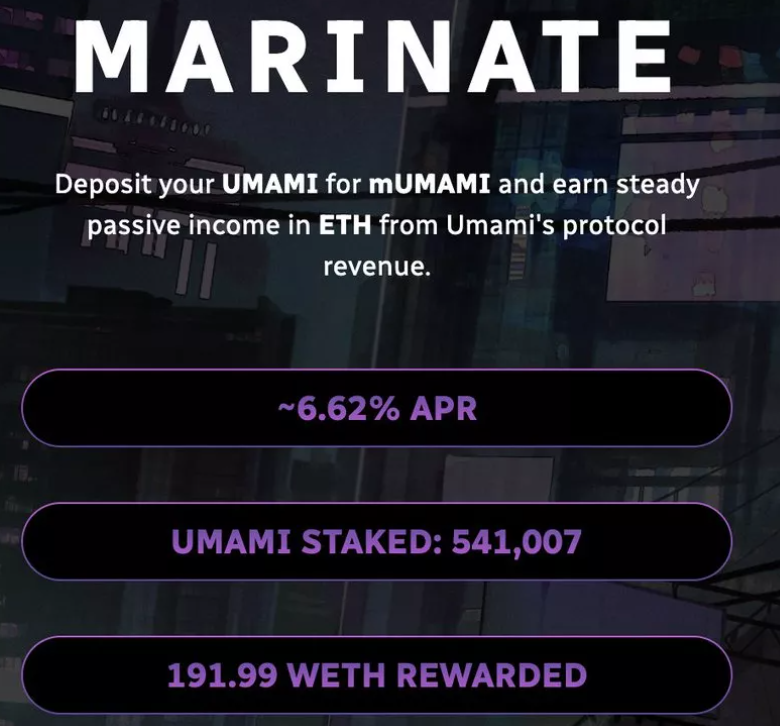
1) Deposit your UMAMI into mUMAMI to earn passive income in stable WETH from Umami’s protocol/treasury revenue—approximately 5% APY. We can also compound further via mUMAMI.
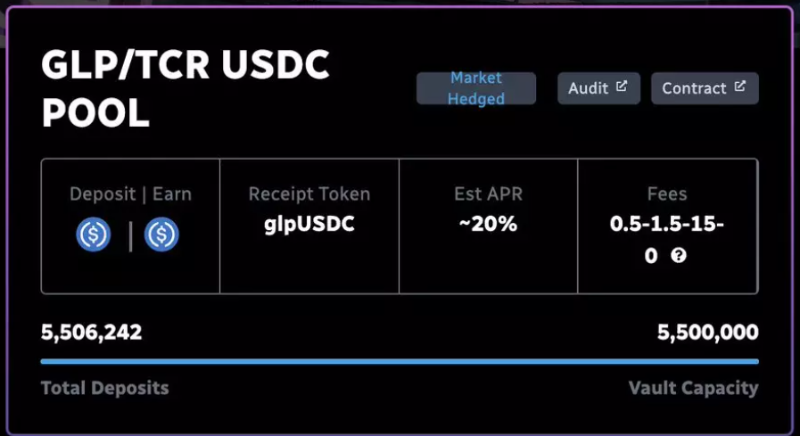
2) GLP/TCR USDC Pool:
APR is around 20%. I know, 20% on stablecoin might trigger your PTSD...
1. Minting GLP charges fees to GMX.
2. It hedges market volatility through TracerDAO's non-liquidatable hedging pairs.
Unfortunately, due to demand, this pool is currently full.
4. Kujira (Cosmos L1)
Kujira offers several products:
• Orca - Buy assets at a discount through liquidations;
• Fin - Decentralized order book-style trading;
• Blue - Core of the ecosystem;
• $USK - Decentralized stablecoin;
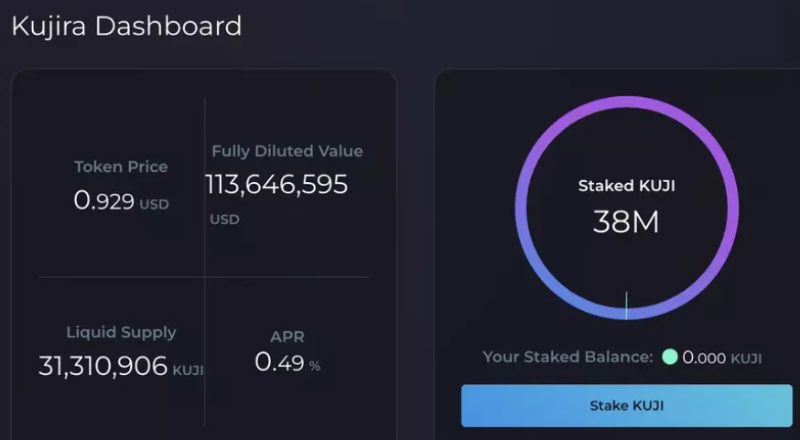
Stake KUJI to earn a portion of Kujira’s revenue—an APR of 0.49% right now. Swap fees generated are real yield for KUJI stakers, and as adoption grows and more dApps launch on Kujira, APR should increase.
5. Trader Joe (Avalanche)
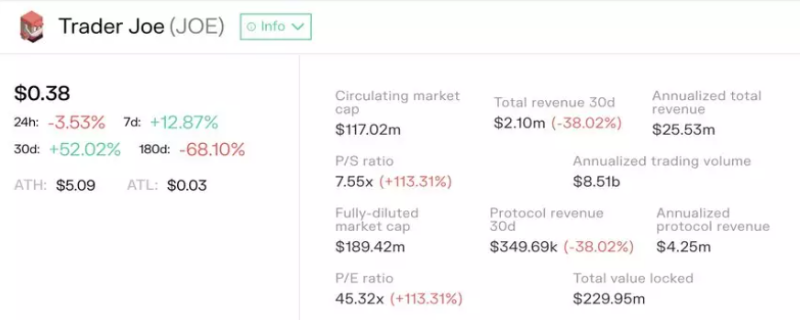
The top-ranked DEX on Avalanche. Stake JOE into sJOE and receive stablecoin rewards—'USDC'.
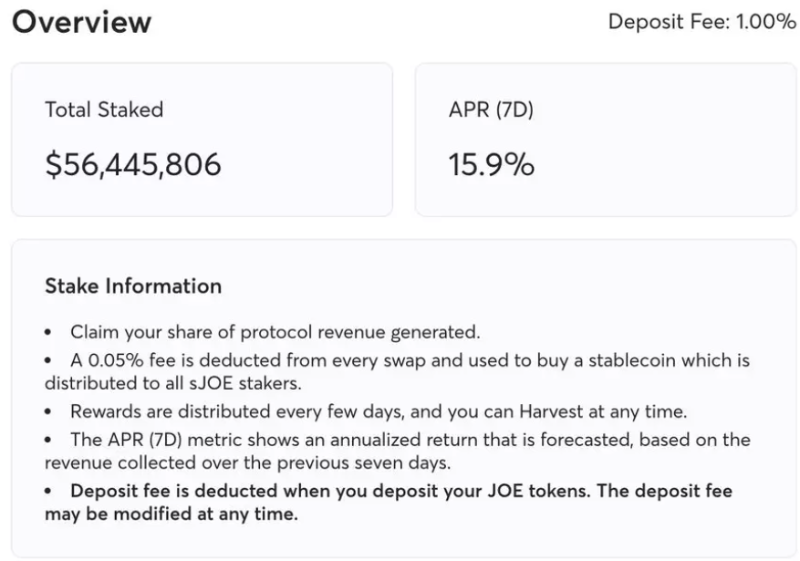
Trader Joe charges a 0.05% fee on every swap. This is converted into stablecoins and then distributed to the sJOE pool every 24 hours.
6. Synthetix (Ethereum / Optimism)
One of the most impressive dApps in DeFi—a true innovator. You can create synthetic assets via Kwenta and trade real-world assets on-chain, including cryptocurrencies, forex, precious metals, etc.
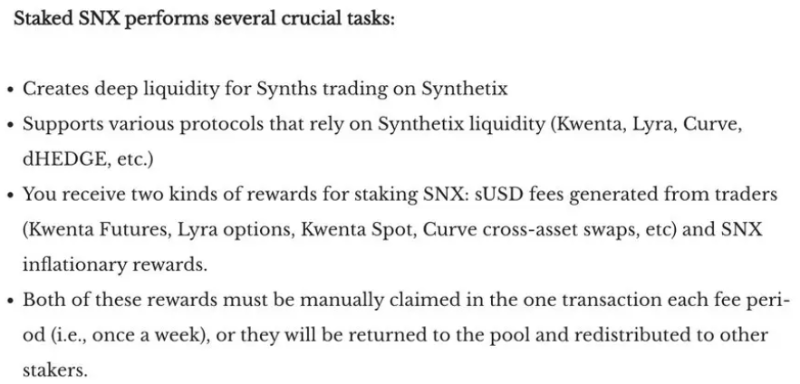
Stake SNX and you get:
1. sUSD from traders (Kwenta futures, Lyra options, etc.), where sUSD is their native stablecoin.
2. Inflationary rewards in SNX.
7. GMX (Arbitrum / Avax)
A decentralized perpetual exchange offering up to 30x leverage:
1) They take 30% of fees from swaps and leveraged trades.
2) Convert these into ETH / AVAX and distribute them to staked GMX tokens.
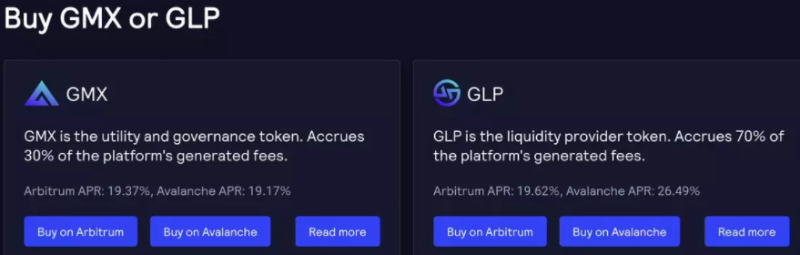
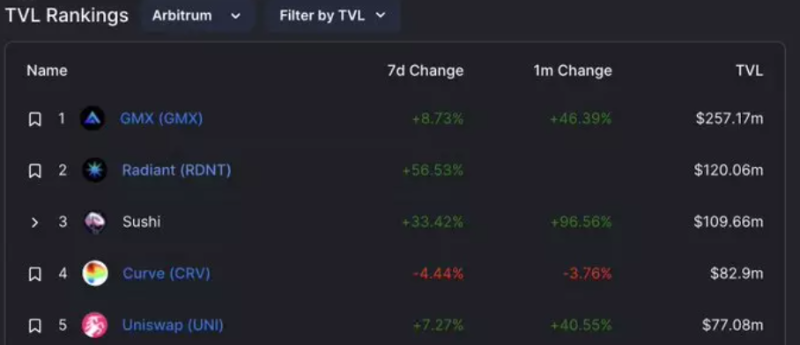
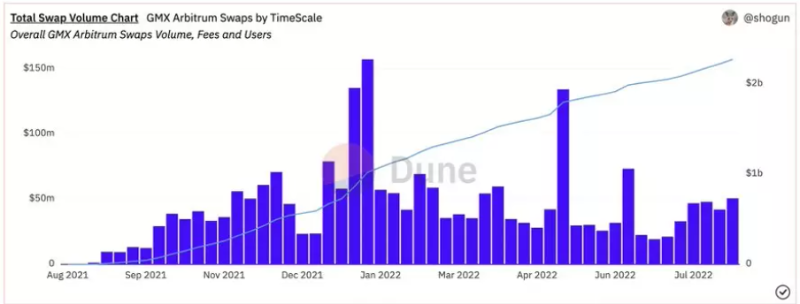
GMX has been a hot topic during the bear market—and for good reason. It's the top-ranked dApp on Arbitrum, and usage continues to grow.
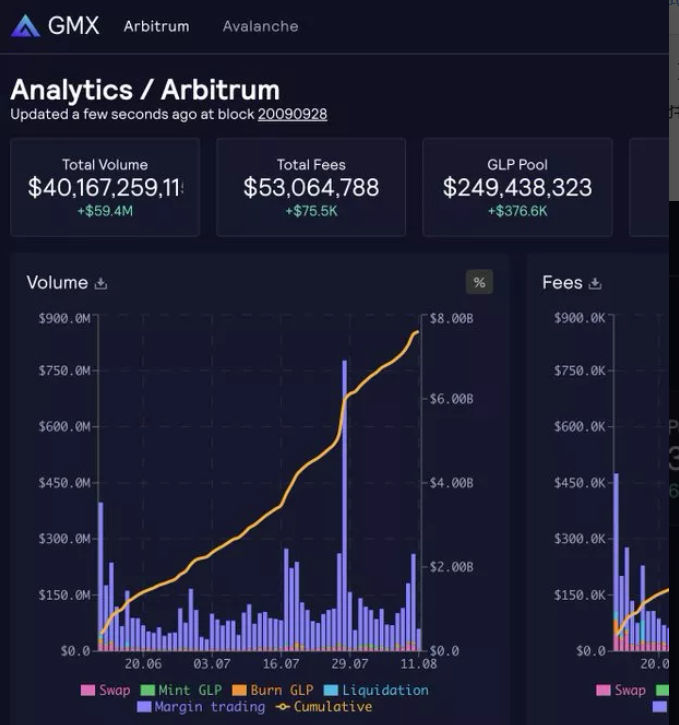
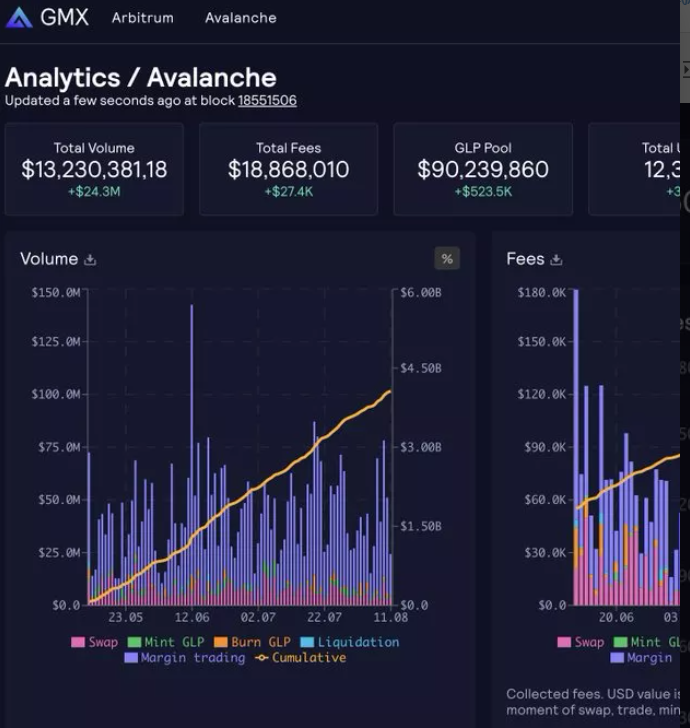
Tools for Researching Projects
• TokenTerminal / CryptoFees – Find sources of revenue
• Dune Analytics – Offers great dashboards for protocols like GMX and Gains
• Messari – Token supply information
• Protocol Data – Check internal dashboards from the protocol itself.
Questions to Ask When Evaluating Projects:
• Where does the yield come from?
• How much revenue does the protocol generate?
• What is the native token supply and emission rate?
• In which token are yields paid?
• What is the network's appeal?
Risks
1) Due to their revenue-sharing models, some protocols may attract regulatory scrutiny, and authorities might attempt to regulate them.
2) A significant portion relies on financial engineering, such as derivatives and options.
Join TechFlow official community to stay tuned
Telegram:https://t.me/TechFlowDaily
X (Twitter):https://x.com/TechFlowPost
X (Twitter) EN:https://x.com/BlockFlow_News