








Using the Flywheel Framework to comprehensively analyze Harmony: How will a Layer1 with team transparency and high community stickiness evolve?
TechFlow Selected TechFlow Selected
Using the Flywheel Framework to comprehensively analyze Harmony: How will a Layer1 with team transparency and high community stickiness evolve?
What is Harmony, and how does it stand out in the Alt-L1 space?
 Navigating Web3 tides with focused insights
Author: OxGregH
TechFlow Post authorized release
Today we will dive deep into what Harmony is and how it stands out in the Alt-L1 landscape.
Business Model Analysis (BMA) Framework
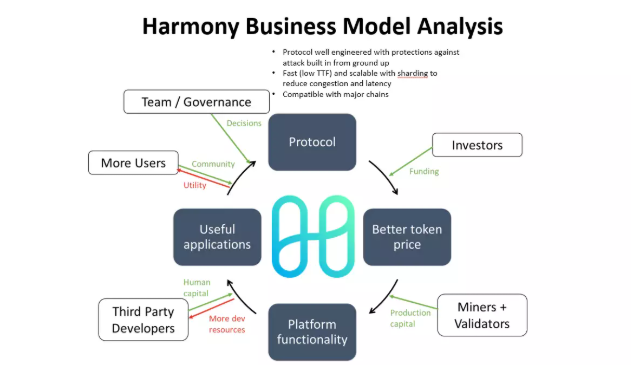
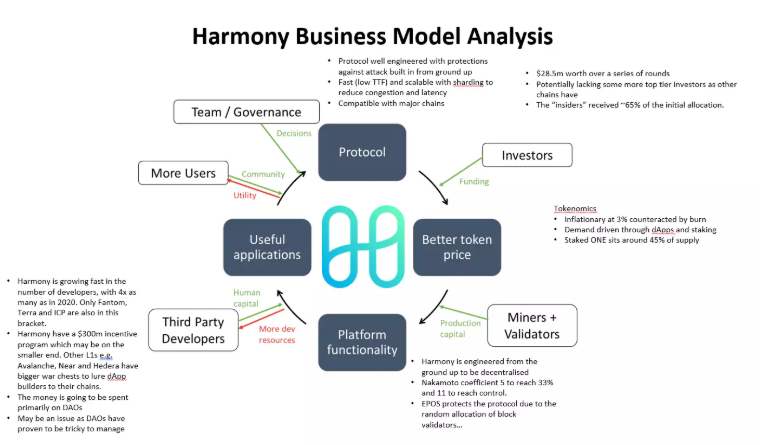
When analyzing L1 technology, I use a16z's crypto framework of the economic flywheel, as shown in the diagram below:
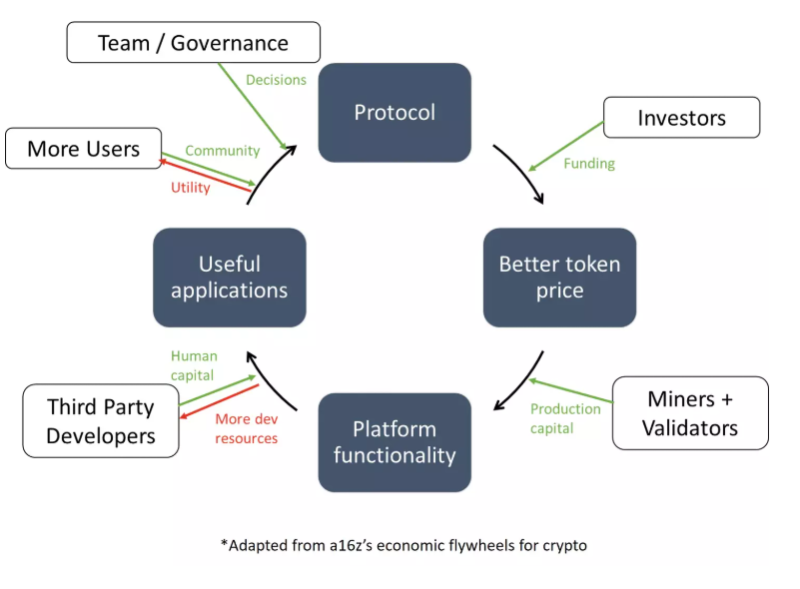
The economic flywheel cycle:
The team designs protocol decisions and content, attracting investor funding. This brings liquidity to the network and improves the token price. Miners and validators are then attracted by the protocol’s incentives (tokenomics) to validate blocks and enhance platform functionality. However, since there are no applications on the blockchain yet, the team must attract developers and incentivize them (through resources, grants, etc.) to build apps on the chain. Developers then invest human capital into building DApps and other useful tools, which draws users into the blockchain ecosystem, ultimately forming a community and promoting continuous development of the blockchain system.
Harmony ($ONE): On the Right Track or Falling Behind?
a) Promise: Harmony offers a solution to escape the blockchain trilemma: secure, randomized state sharding; fast consensus; efficient PoS and tokenomics.
b) Reality: Technically, the team is delivering. But compared to other L1s, Harmony lags behind in user acquisition and fundraising.
c) Question: The key for Harmony to surpass other chains lies in the future of DAOs, which needs to be demonstrated through strong growth across a series of metrics such as TVL, active users, daily transaction volume, and community engagement.
So here comes the question: Can Harmony deliver?
Today, we’ll take an in-depth look at each key area of Harmony:
Origin of the protocol
Problems it aims to solve and solutions it brings to market
Who the investors are and how tokenomics work
Network resistance to attacks
Developer experience
User growth and utility
Team and future governance
Part 1: Protocol
1a) Background and Vision
Harmony was born from a simple question posed by founder Stephen Tse (@stse): "What is the biggest market opportunity right now? What product can immediately capture the most value in the market?"
His answer: "Infrastructure platforms powering decentralized economies." His reasoning: "Internet technology impacted millions, mobile technology impacted hundreds of millions; now we have a technology that could directly impact 10 billion people in the future."
Harmony's 2026 vision: "Harmony is becoming Web3 infrastructure for DeFi and NFTs. Our strategy is to bring zero-knowledge proofs to production and decentralize governance through thousands of DAOs."
Harmony's focus this year:
In 2022, Harmony strives to become a top blockchain for cross-chain assets, collectibles, identity, and governance. Key themes include:
Adoption — Provide utilities for users through developers and partners; expand reach via Gitcoin hackathons and Ethereum events.
Interoperability — We are bridging with Bitcoin and Ethereum to achieve broader interoperable assets. Cross-shard and cross-chain transactions will support new financial applications.
Decentralization — We are growing the validator community and network capabilities. External voting rights and re-sharding will ensure long-term protocol governance.
Zero-Knowledge Proofs — We are researching and designing products with advantages and practical use cases or general-purpose prototypes.
1b) Problem/Solution
Harmony runs the Practical Byzantine Fault Tolerance (PBFT) consensus algorithm combined with an Effective Proof-of-Stake (EPoS) mechanism, offering users fast finality (<2s), low cost, and scalability.
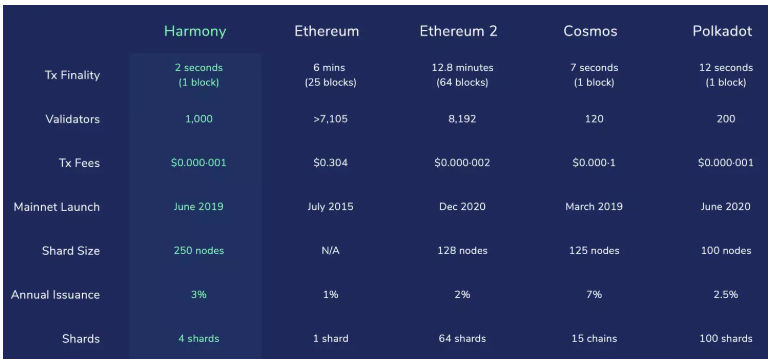
Harmony is often compared to Ethereum 2.0 due to its implementation of randomized state sharding. "Randomized state sharding allows the network to divide its database into smaller parts called shards, reducing latency. Additionally, sharding enables near-instant transactions while avoiding network congestion."
A key point regarding consensus mechanism design:
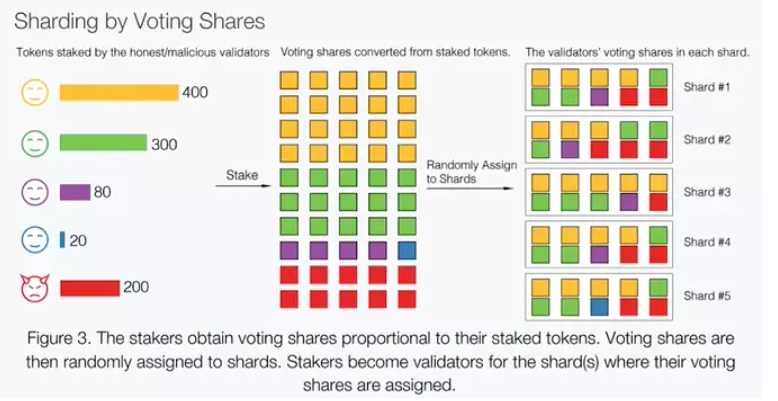
Harmony's block reward per epoch (approximately one day) is based on the median amount staked by all validators. This design discourages excessive token concentration among any single node or group, enhancing decentralization and preventing single-point attacks.
As of early 2021, Harmony had achieved compatibility with Ethereum, Binance Smart Chain, and Polkadot.
Part 1: Protocol Summary
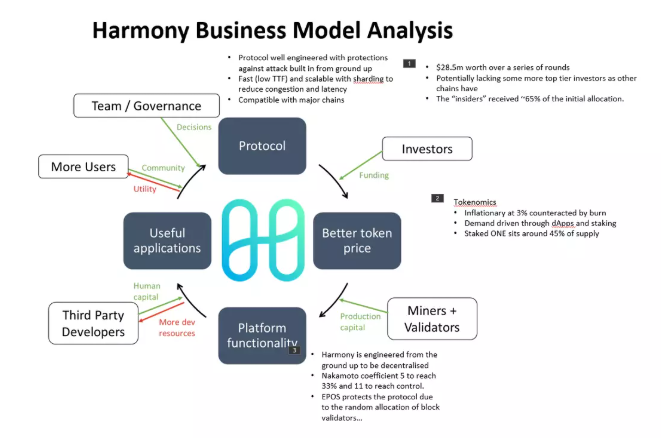
Harmony is designed with built-in attack protection from the ground up. It features low TTF and scalable sharding to reduce congestion and latency. We add Harmony’s model into the previously mentioned L1 analysis framework:
Part 2: Investors, Tokenomics, and Validators
2a) Funding Rounds
According to Messari, Harmony conducted three funding rounds: Seed, Node, and IEO:
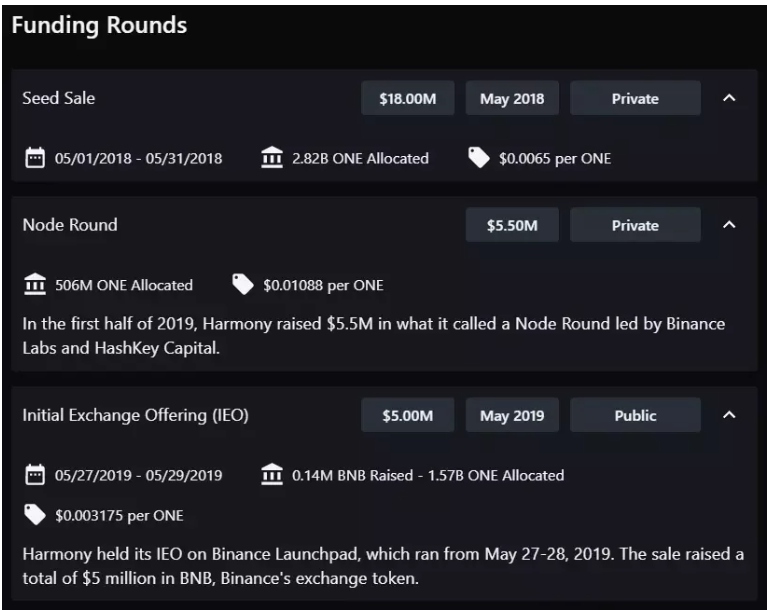
Based on the above prices, the ROI for investors at each stage ($ONE = $0.159) is shown below:

2b) Who Backed Harmony?
Numerous investors participated in Harmony’s seed round:
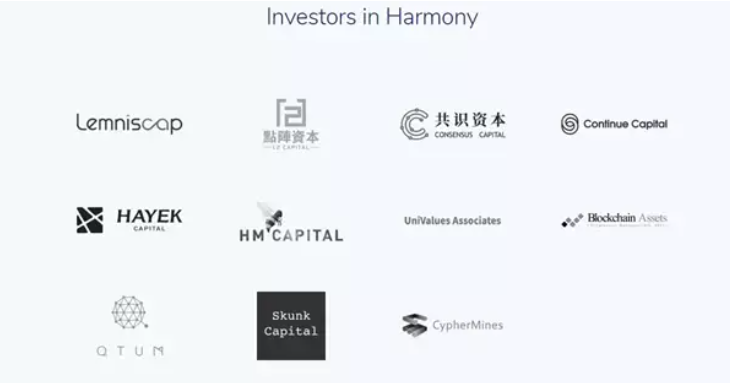
Similar to Fantom, a drawback of Harmony’s fundraising is the lack of participation from top-tier investors (e.g., a16z, Sequoia).
2c) Investor Token Allocation
Harmony’s initial supply distribution is quite transparent, with the following allocation:
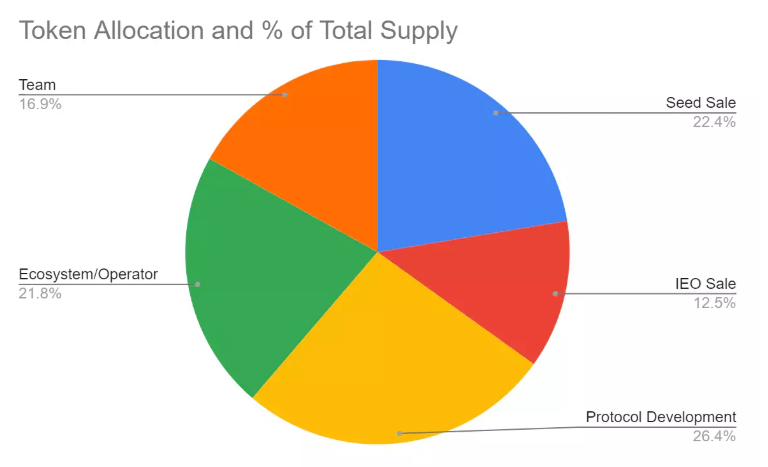
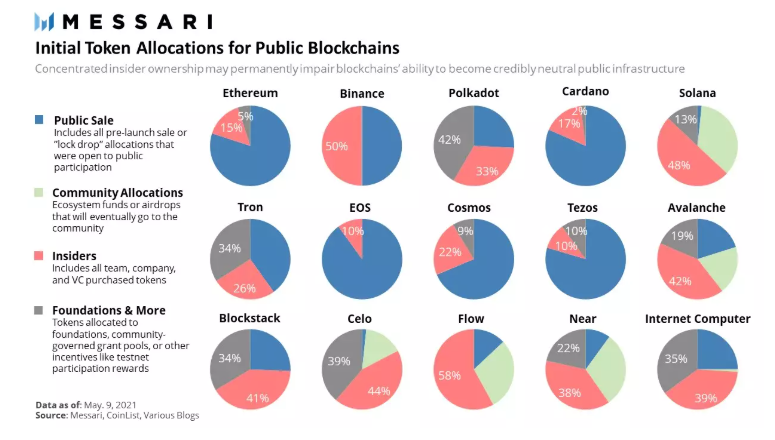
From the chart above, we see that insiders held 65.7% of tokens when the Harmony chain launched (assuming IEO sales and ecosystem allocations are non-insider). Messari data also shows Harmony’s token distribution aligns with other relatively young public chains relying on VC funding (Near, Avalanche, Celo).
2d) Tokenomics (Supply)
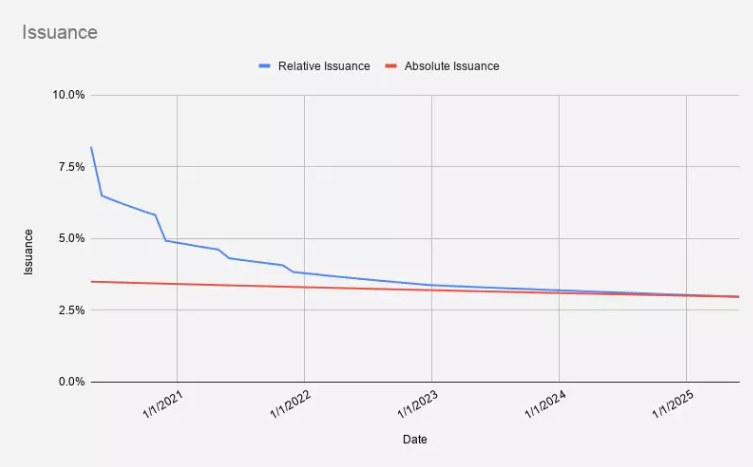
Harmony targets a 3% annual inflation rate. Regarding supply, Messari provides detailed information on its liquidity supply curve:
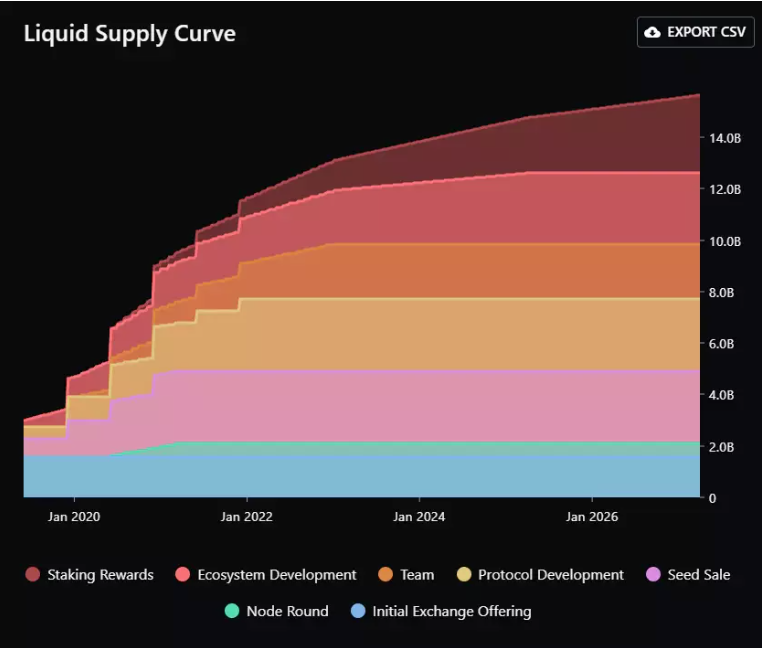
Messari adds the following commentary to this supply curve:
"For ongoing staking rewards, Harmony’s economic model caps annual issuance at 441 million tokens (long-term ~3%). The model aims to provide predictable returns for validators. Harmony also burns all transaction fees to mitigate the impact of fixed annual inflation. The liquidity supply curve does not reflect future burned tokens, as this number is less predictable."
Looking at today versus four years ahead, the protocol still has substantial staking rewards (~$2.2M worth of $ONE) yet to be released, along with ~$1M in tokens allocated for ecosystem development, and a small portion going to the team.
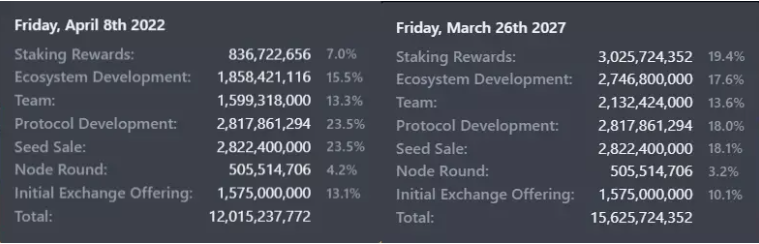
This is useful to understand because supply-side pressure primarily comes from staking.
What else might affect supply? Back in 2020, Harmony burned approximately $319 million worth of tokens. This could happen again, although to my knowledge, burning was initially done to offset early mining sell-offs.
2e) Tokenomics (Demand)
On the demand side, the primary driver is “transaction fees.” The Harmony team pointed out a flaw in Bitcoin’s economic model: “Participants aren’t clear about when they’ll be compensated.”
Therefore, after considering how many tokens should be burned as usage increases, they set their issuance rate at 3% annually.
Other uses of the $ONE token include:
Running nodes (minimum 10,000) or staking (minimum 100) in Harmony’s Effective Proof-of-Stake (EPoS) consensus to earn block rewards and transaction fees. Slashing applies to double-signing stakers.
Paying transaction fees, gas, and storage costs.
On-chain governance (currently only available to validators).
2f) Validators and Stakers
To participate as a validator on Harmony, one must hold 10,000 $ONE tokens. Delegators have a lower threshold of 1,000 $ONE.
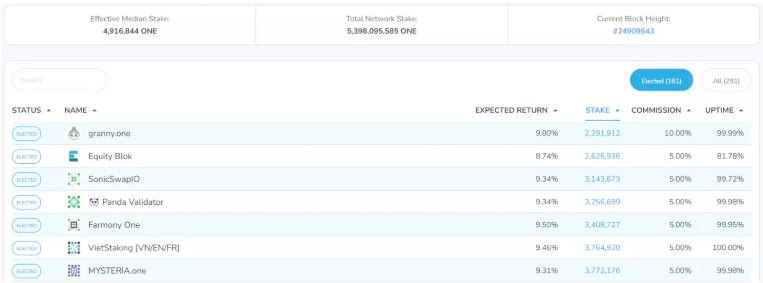
To keep validators honest, Harmony employs slashing, though it doesn't penalize stakers for downtime like some other PoS blockchains.
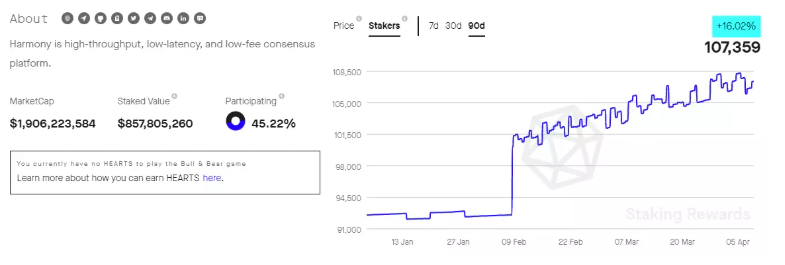
According to Staking Rewards, Harmony’s community participation rate reaches 45.22%, with a total of 107,359 wallets participating in staking.
Part 2: Summary on Investors, Tokenomics, and Validators
In summary, Harmony raised $28.5 million across multiple funding rounds but lacks backing from top-tier investors like other emerging chains. Approximately 65% of the initial allocation went to “insiders.”
Tokenomics achieves a 3% inflation rate balancing issuance and burn mechanisms, with demand driven by dApps and staking—around 45% of supply is staked $ONE.
Additionally, Harmony may face centralization concerns.
Part 3: Developers
3a) Developer Support
Harmony provides extensive support for developers within its ecosystem. A recent example is the launch of Zero-Knowledge University, aiming to train 1,000 developers by 2024.
3b) Developer Growth
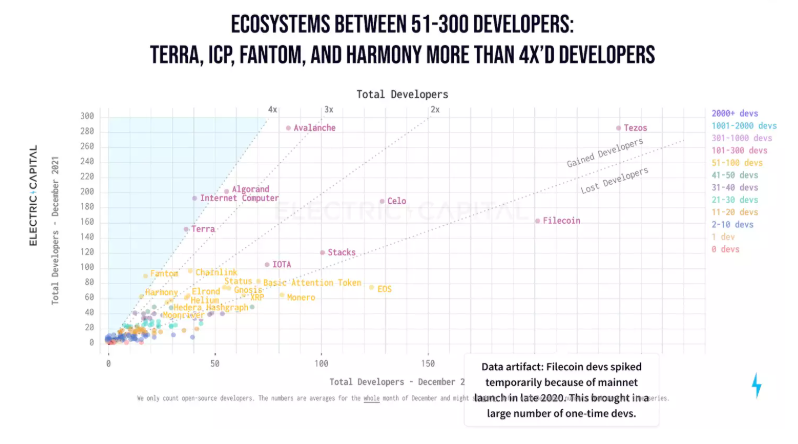
The Electric Capital Developer Report (2021) shows rapid developer growth on Harmony, reaching four times the 2020 level. Only Fantom, Terra, and ICP are currently in a similar range.
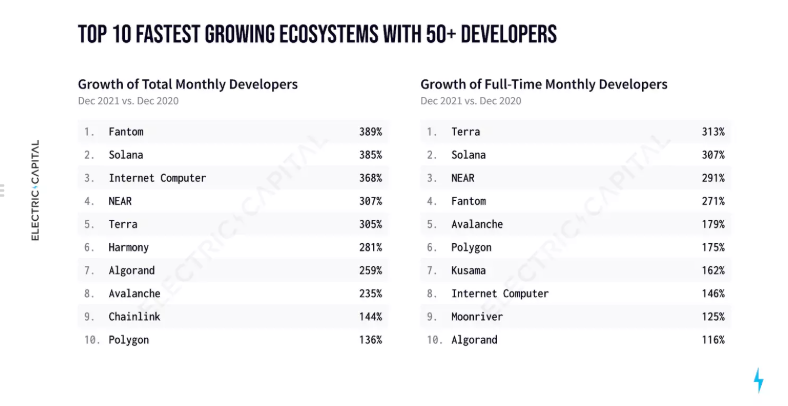
Moreover, Harmony ranks among the fastest-growing developer ecosystems:
3c) Grant Programs
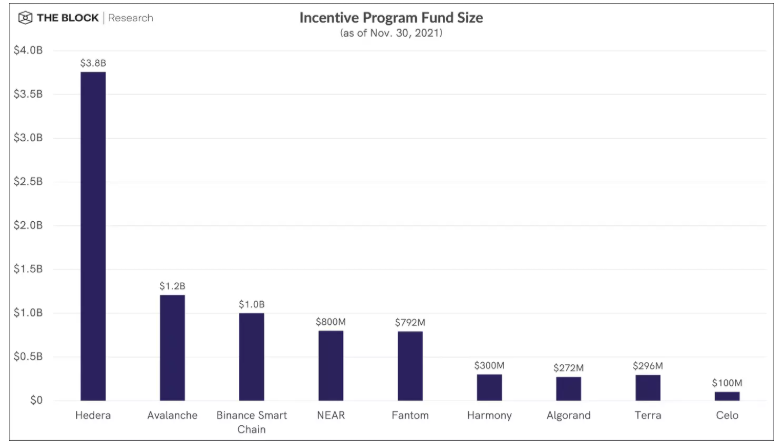
Harmony has a $300 million incentive program, but this amount is relatively small compared to funds announced by other chains.
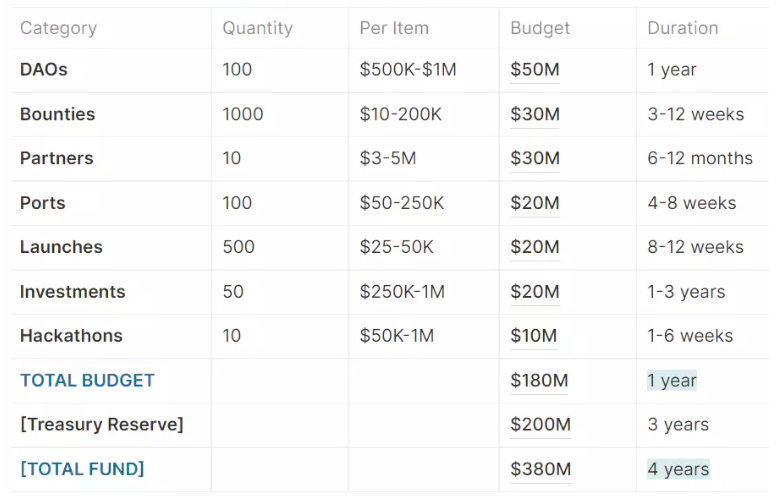
These incentive funds will be used in the following areas:
So far, several proposals have received funding and made progress.
But my concern (based on my DAO experience) is that they may struggle to build and launch. I believe DAOs are the future, but building them isn’t easy.
One possible approach is collaborating with incubators in the space to accelerate top hackathon teams.
Part 3: Developer Experience Summary
Harmony has matured its ecosystem and attracted significant developer interest. It has a $300 million incentive program, albeit relatively modest. Other L1s like Avalanche, Near, and Hedera have committed larger funds to attract dApp builders to their chains.
Spending much of this money on DAOs could be problematic, as DAOs have proven difficult to manage.
Part 4: Usage
4a) On-Chain Analysis
4a.i) Active Addresses
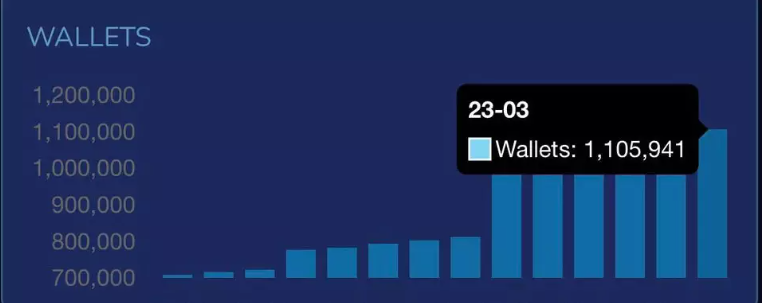
Harmony recently reached 1.1 million active wallet addresses:
4a.ii) Daily Transaction Volume
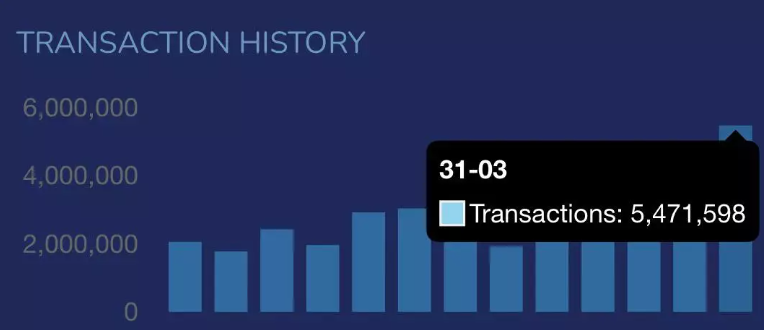
Historical peak transaction volume reached 5.4 million.
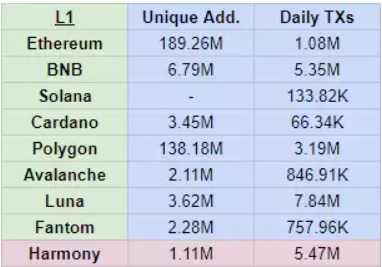
Comparison of Harmony's data performance against some of the largest chains like BNB, Polygon, and Luna:
4a.iii) TVL
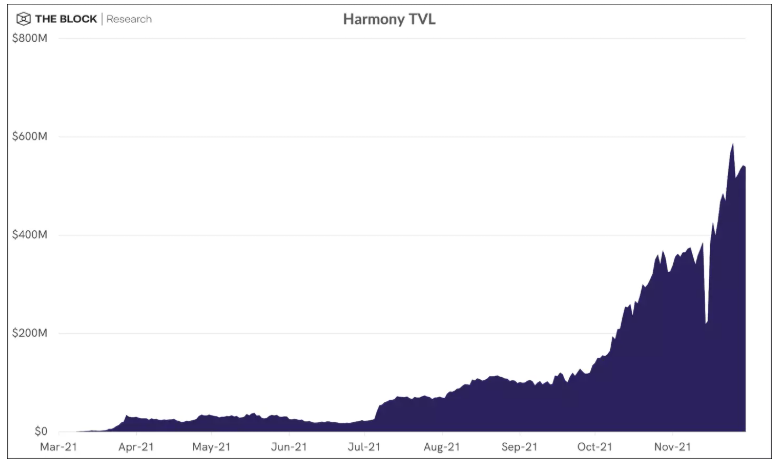
As shown in The Block’s 2022 report, Harmony attracted substantial TVL in 2021:
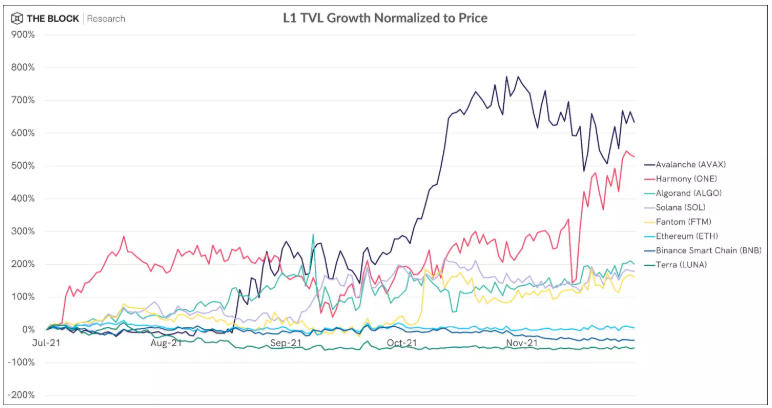
When comparing TVL growth with token price, Harmony performs relatively well compared to other chains and is among the leaders.
Bridging from Ethereum
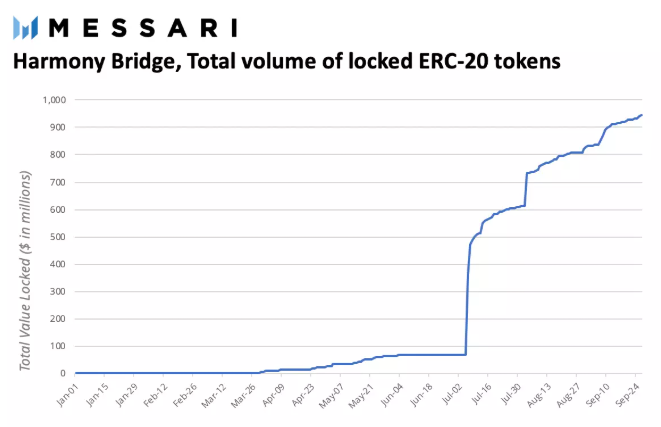
One factor contributing to TVL growth is bridged assets from Ethereum. Messari illustrates the growth of Harmony’s Ethereum bridge TVL over time:
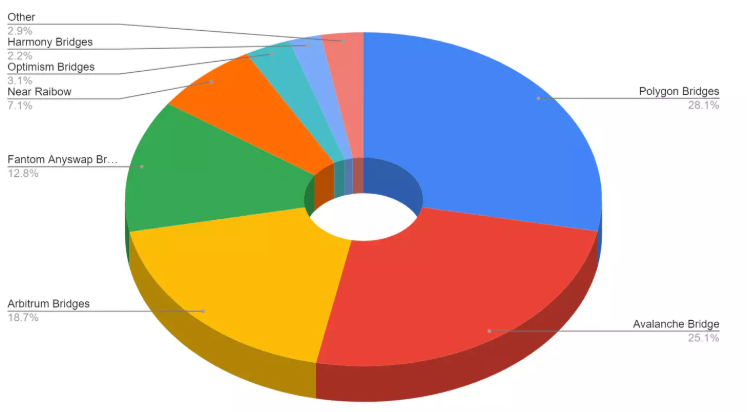
However, Harmony currently represents only a small portion of the bridged asset market, accounting for 2.2% with a TVL of $476,677,683.
4b) Off-Chain Metrics – Social
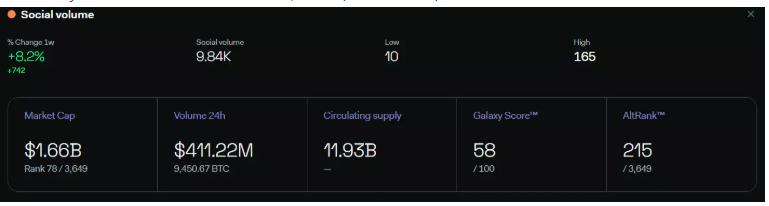
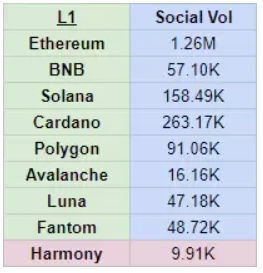
Harmony’s community is smaller than those of other chains we’ve reviewed, but it is still growing:
Compared to other L1s, the level of attention received by the $ONE token:
4c) dApp Ecosystem
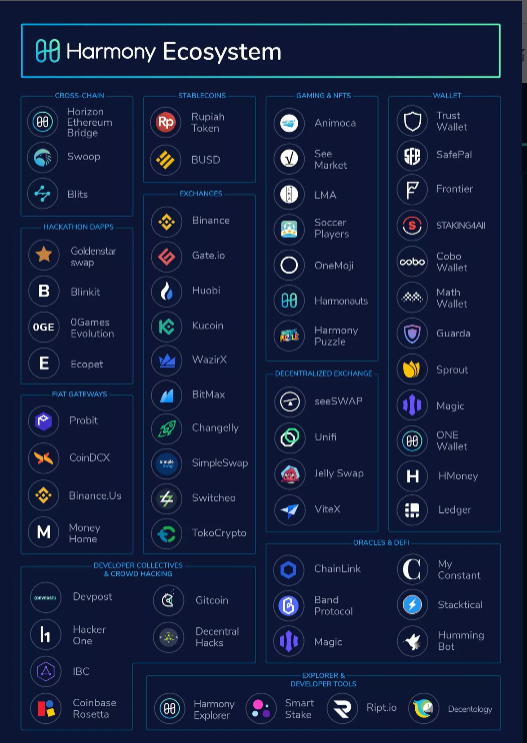
An ecosystem map is a great starting point to understand Harmony’s development. Let’s first look at the map from end of 2020:
Here is the updated map from end of 2021:
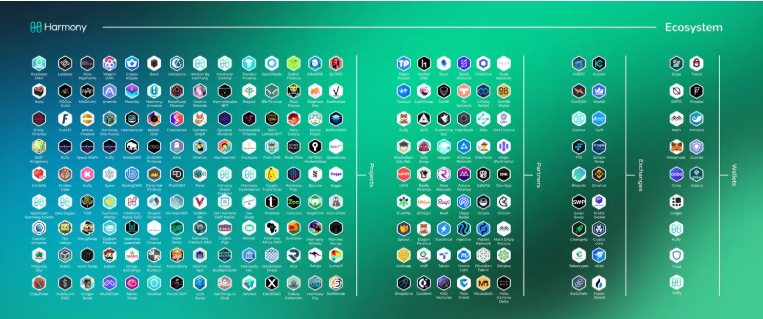
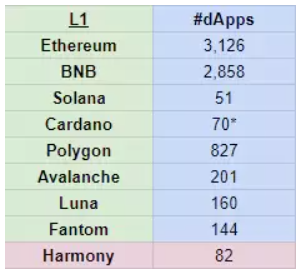
Even qualitatively, we can observe Harmony’s ecosystem growth. Compared to other ecosystems, Harmony hosts 82 dApps—more than Solana (51) and Cardano (70), but fewer than Avalanche (201), Luna (160), and Fantom (144).
4d) dApp Highlight: DeFi Kingdoms $JEWEL
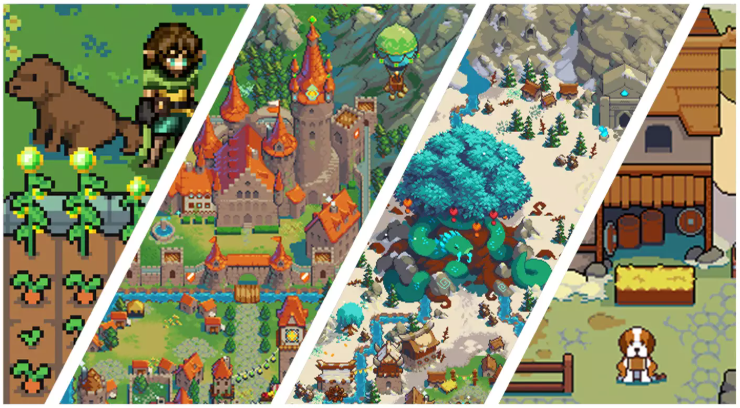
"DeFi Kingdoms is a cross-chain, play-to-earn MMORPG built atop DeFi protocols. The game features a DEX, liquidity pool opportunities, and a rare, utility-driven NFT marketplace, wrapped in nostalgic pixel-art fantasy aesthetics to create a beautiful, immersive online world."
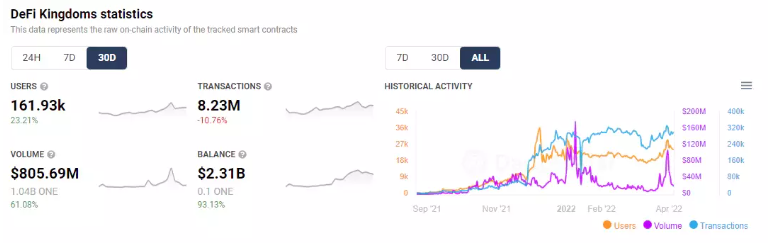
After an initial surge attracting massive interest, DeFi Kingdoms has significantly slowed in growth (though it did grow 20% within 30 days).
The recent spike in DeFi Kingdoms activity stems from its deployment on an Avalanche subnet.
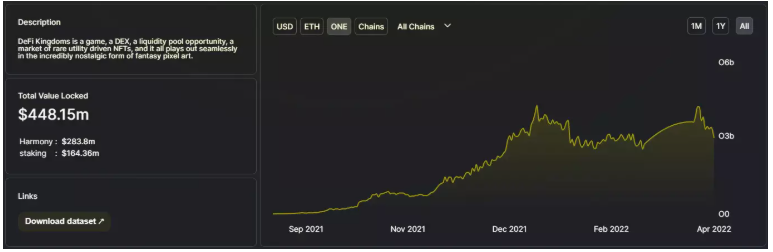
Harmony’s TVL showed impressive performance in the early phase, after which it hovered around $3 billion.
Interestingly, demand for the DFK chain hosted by the DeFi Kingdoms team on an Avalanche subnet continues to rise. The team launched using the Synapse protocol, and the subsequent transaction volume spike confirms strong underlying demand for the game.
Part 4: Summary on dApps and User Volume
In summary, Harmony ranks quite favorably compared to peers across many dimensions:
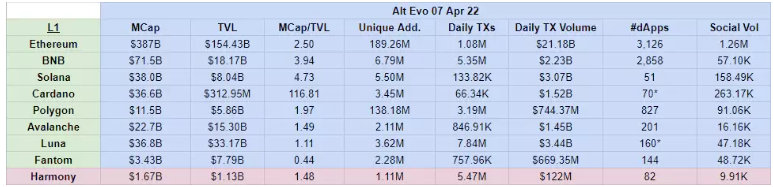
Key areas needing improvement:
Daily transaction volume – Needs improvement through deployment of more standout dApps
TVL – Though performing well relative to other public chains, Harmony still lags behind and may need a larger incentive pool to attract more liquidity
Community activity – Requires sustained community growth over time and better utilization of investment funds
Part 5: Team
The team behind the Harmony network is impressive, including experts from companies like Google, Amazon, Apple, and Microsoft. They've also worked on some of the world’s largest tech systems, such as AWS infrastructure and Google Maps.
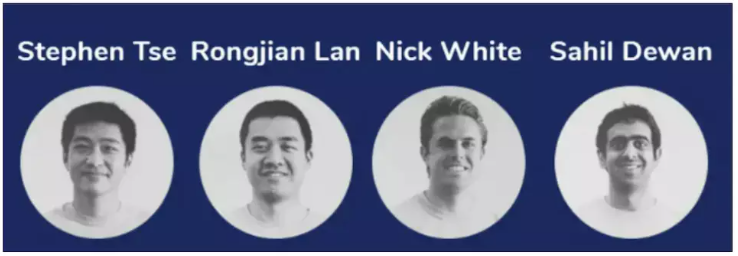
Harmony’s CEO is Stephen Tse, focused on protocol security. His resume includes roles as a Microsoft researcher, senior infrastructure engineer at Google, and chief engineer at Apple. He later founded a startup called Spotsetter, which was acquired by Apple. Other co-founders also boast impressive backgrounds in artificial intelligence.
The Harmony team is transparent with the community, which many appreciate. People can watch status update meetings held via Zoom on YouTube. Although this impressive project has experienced delays in certain areas, the community remains understanding and supportive.
What I truly appreciate about this team is their openness about progress and regular community calls explaining why certain aspects are ahead of or behind schedule. In this way, the community can quantitatively hold the team accountable and position itself better for future service.
5a) Governance
Harmony’s governance is conducted through an app accessible to all Harmony token holders, but you must be an elected validator to propose amendments.
An elected validator must submit a proposal. The proposal should include a summary and a link to a post in the forum’s "Governance" section so the community can discuss and debate it. The proposal advances if it receives majority votes; otherwise, it is rejected. A majority quorum is defined as over 66% of all staked tokens.
Since only validators can propose/vote on proposals, token holders delegating to validators are strongly advised to coordinate voting with their chosen validator. Additionally, extra token rewards may be distributed to validators who vote on proposals to encourage participation. Detailed plans will be published later.
Join TechFlow official community to stay tuned
Telegram:https://t.me/TechFlowDaily
X (Twitter):https://x.com/TechFlowPost
X (Twitter) EN:https://x.com/BlockFlow_News






