








Former Facebook Engineer: Why I Left Facebook for Web3 Social?
TechFlow Selected TechFlow Selected
Former Facebook Engineer: Why I Left Facebook for Web3 Social?
A new renaissance of creative potential is brewing—I see the promise of Web3 in enabling a novel, community-driven approach to product development.
 Navigating Web3 tides with focused insights
Written by: Nick Confrey
Translated by: TechFlow Intern
A new renaissance of creative potential is brewing—I see Web3 unlocking a novel, community-driven approach to product development. It introduces new tools and business models that will fundamentally transform how products are built. The space is full of opportunity, with both positive and negative implications for society. My goal is to leverage my experience working at one of the largest social networks to ensure we don’t repeat past mistakes.
I love building social products. There's something deeply rewarding about solving problems for friends and family, then creating something they can immediately download and use on their own phones. I want to keep fostering joy within our relationships with others; to do so, I need to use the best available tools.
Here are the three main reasons why I'm starting a company in the Web3 space:
1. Building With People, Not For Them
The creative tools I built inside Facebook were all built for people, not with them. I would make educated guesses about which features would help users most, build them, release them to 10% of users, and observe retention rates. While I learned a lot about data-driven decision-making (and how sometimes people ask for things they don’t actually want), it was an isolated experience. People became reduced to numbers, and it was easy to lose perspective. In contrast, in Web3 you’re working alongside your community on Discord, walking step-by-step together.
At the extreme end of decentralization, DAOs create corporate structures that are truly governed by the people. But even in gradually decentralized social platforms, individual features and ideas can be crowdsourced as you build.
This spirit of “building openly with your community” is contagious and fun—and it’s also driven by real incentives. By launching tokens or NFT collections, early adopters gain economic stakes in your project. Every contribution or idea shared in Discord incrementally adds value to the platform, aligning user incentives directly with long-term success.
Thus, we truly achieve squad wealth—the trust born from continuous socialization and mutual recognition becomes the foundation for exploring a group’s collective capabilities.
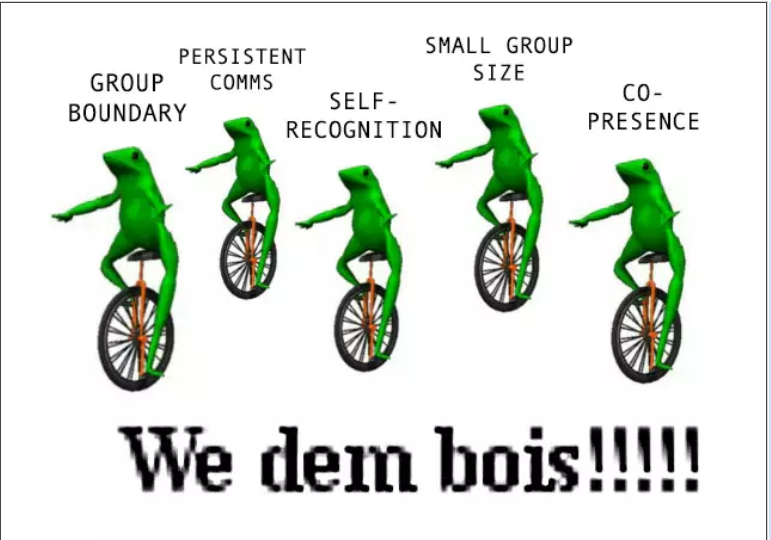
Builders and communities have never been this aligned—so much so that I can reach out and instantly take the “temperature” of users, who in turn proactively share new ideas and feedback with me.
I believe in the power of communities to surpass traditional centralized authorities.
They empower people to create the experiences they most desire in the world.
2. A Better Endgame
All current Web2 social platforms go through a cycle from “good” to “mediocre.” When Facebook and Instagram first launched, getting an account and connecting with friends was fun, low-key, and cool—you felt part of a new wave on the internet. But eventually, the uncool happened—as platforms shifted toward monetization, you got stuck in ads and news articles. They entered the “extract” phase. As A16Z put it well in *Why Web3 Matters*, “When platforms reach the top of the S-curve, their relationship with network participants shifts from positive-sum to zero-sum. To keep growing, they must extract data from users and compete with (former) partners.”
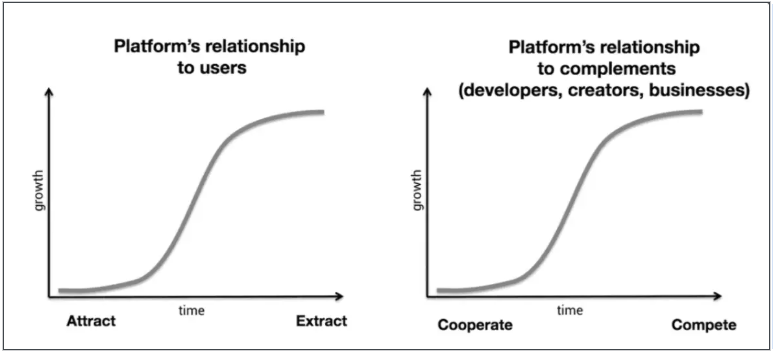
Web2 platforms become less enjoyable because they impose constraints on your creativity. Suddenly, we're no longer just playing around with friends—we're creating content for search engines.
I realized that no matter how good a product I built in Web2, the outcome would always be the same—extracting user value in the form of advertising.
In contrast, Web3 doesn't face the same ceiling because it doesn’t require an “extract” era. New tools like token economies mean we can move beyond Web2’s ad-based business model. We’re entering an emerging “play-to-earn” world—where the more enjoyment and value users get from the platform, the greater their economic contribution becomes.

Now, we have models where everyone benefits continuously from participation because they are accurately rewarded.
3. Danger, Excitement, Optimism
The final reason I want to stay in Web3 is to inject some nuance and rationality into the crypto space—a domain known for astronomical valuations and blind optimism that decentralization is the cure-all for every social ill.
Web3 can be dangerous and intoxicating because it offers so much intellectual (you feel smarter), financial (earning large sums of money), and social (WAGMI) validation.
In fact, the validation is so intense that I’ve seen many projects simply BUIDL without pausing to consider the societal consequences if they succeed.
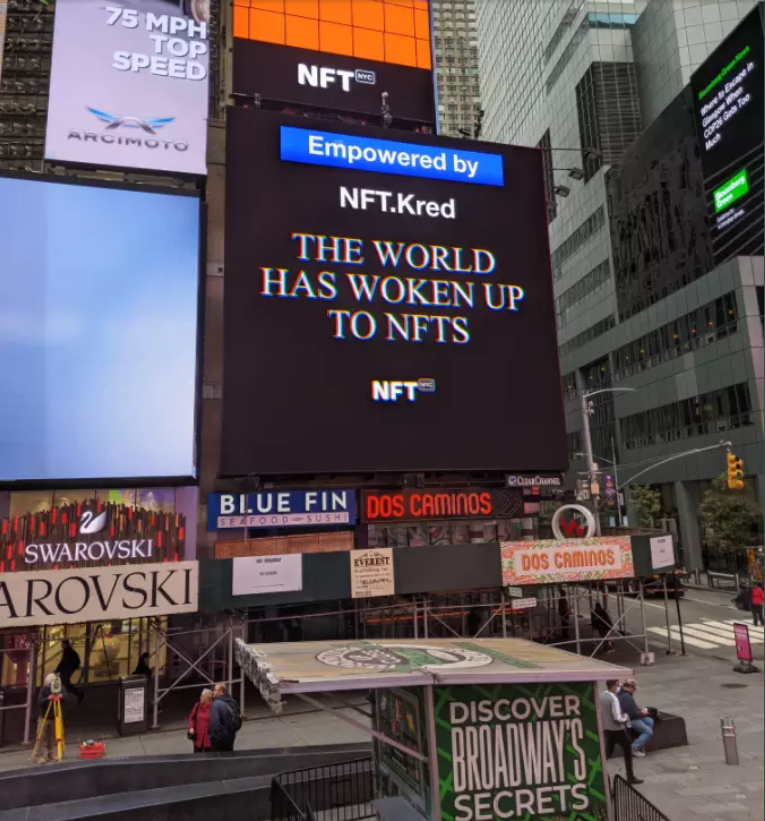
At NFT NYC in November 2021, I attended a panel discussion on decentralized social networks. One speaker told his adoring audience that their network would “never have any censorship! Anything posted will remain forever!” Cheers erupted immediately, while I recoiled in shock. After the session, I approached them and asked what plans they had to moderate bullying and harassment. What was their answer? “Our system has no way to account for that. And anyway, we’re focused on small groups first, so we expect local community effects to handle it.”
Does this “build first, worry later” approach sound familiar? Yes—it’s exactly what happened at Facebook: they built the world’s largest connected social graph with good intentions, only to be blindsided by harsh social realities. Great power brings great responsibility, and we can learn from the mistakes of the Web2 era. Ideally, we should start learning before well-intentioned, immutable systems in Web3 cause widespread harm.
Join TechFlow official community to stay tuned
Telegram:https://t.me/TechFlowDaily
X (Twitter):https://x.com/TechFlowPost
X (Twitter) EN:https://x.com/BlockFlow_News






